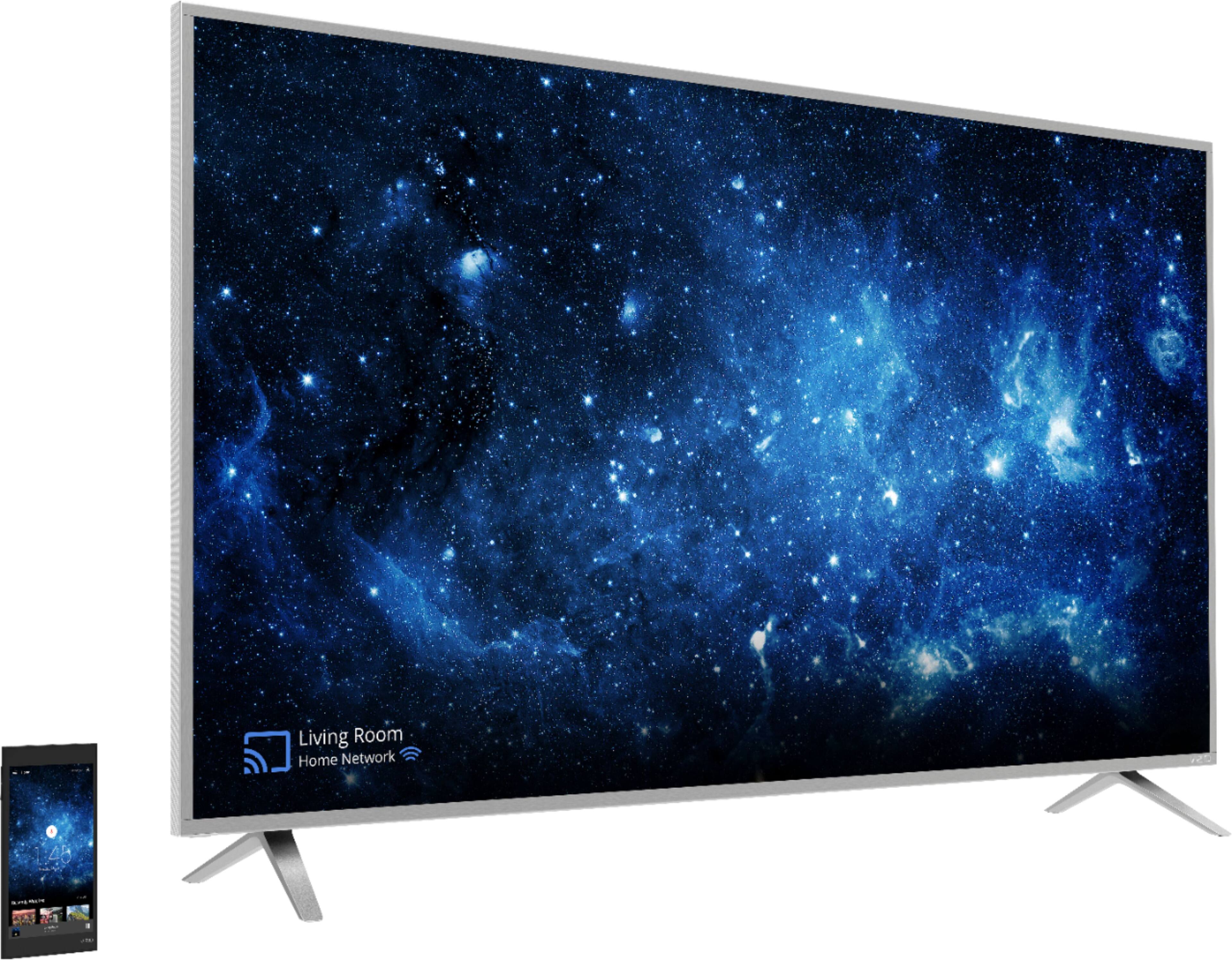
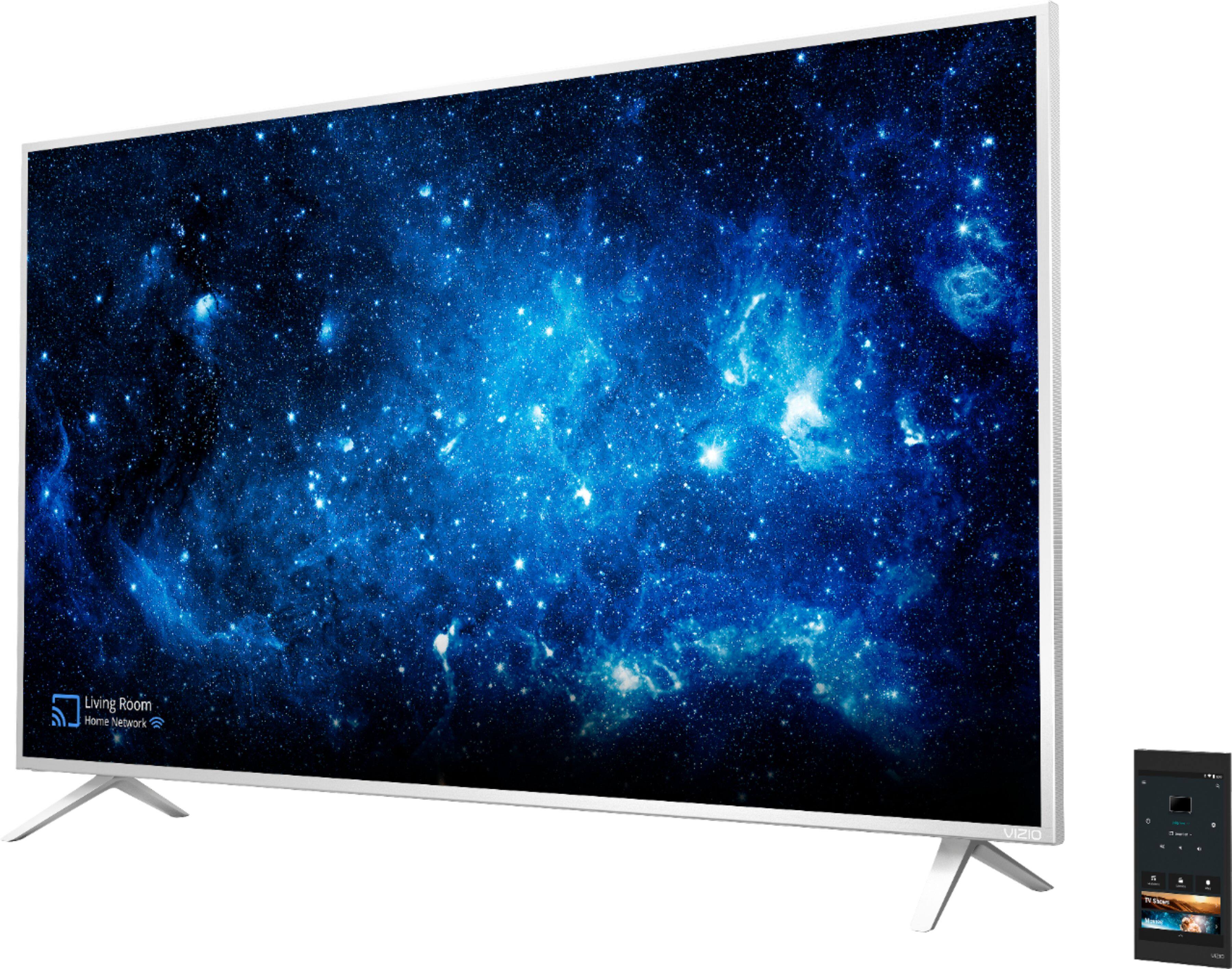
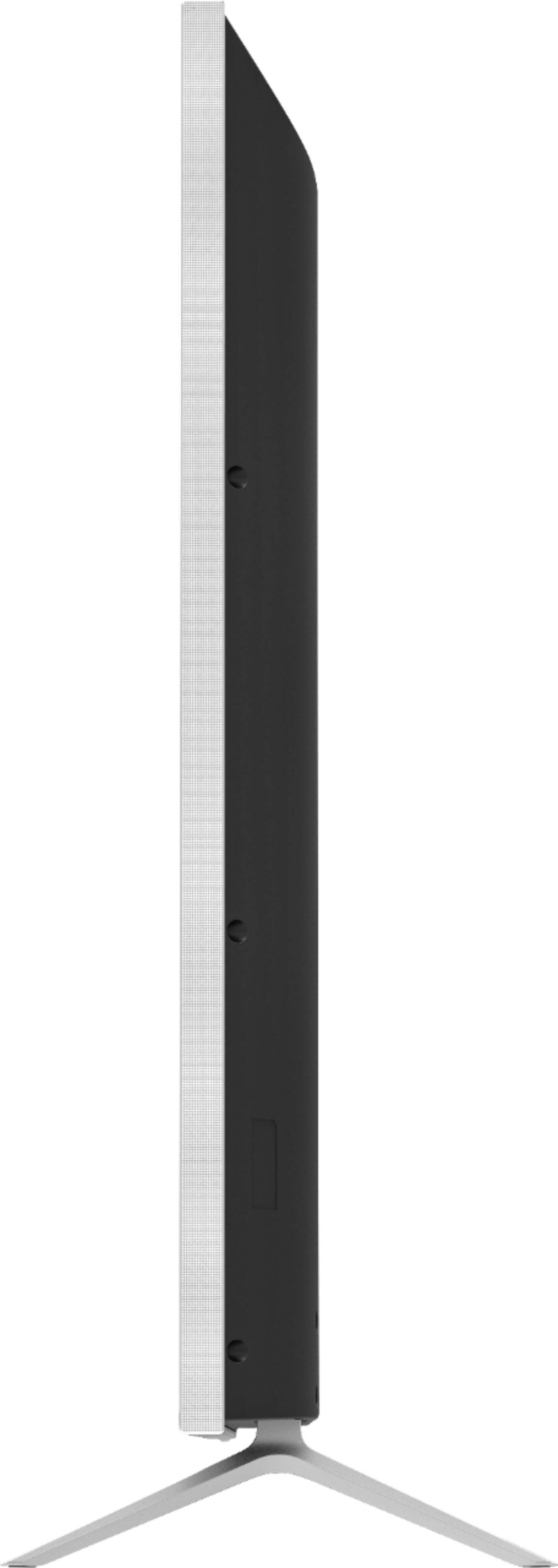
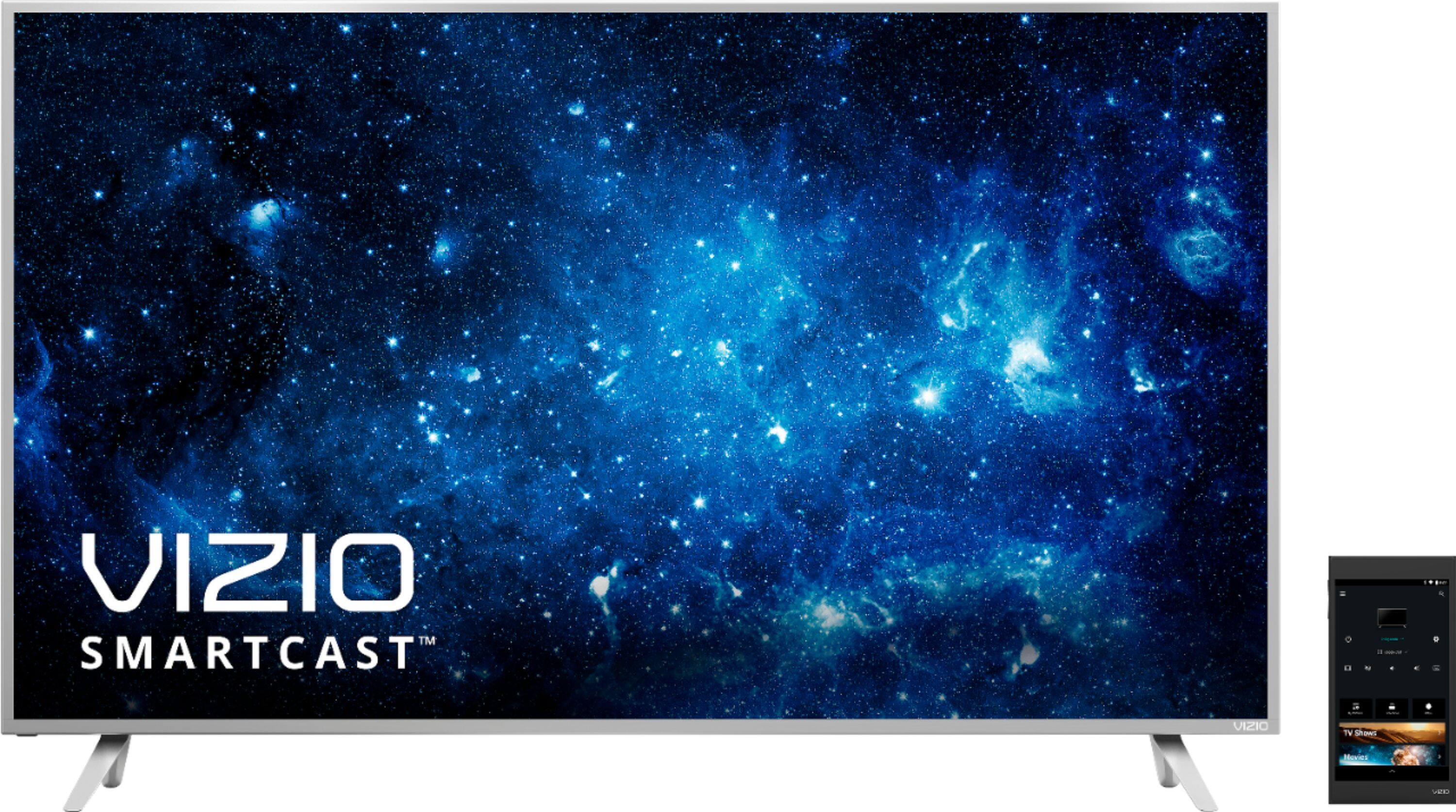
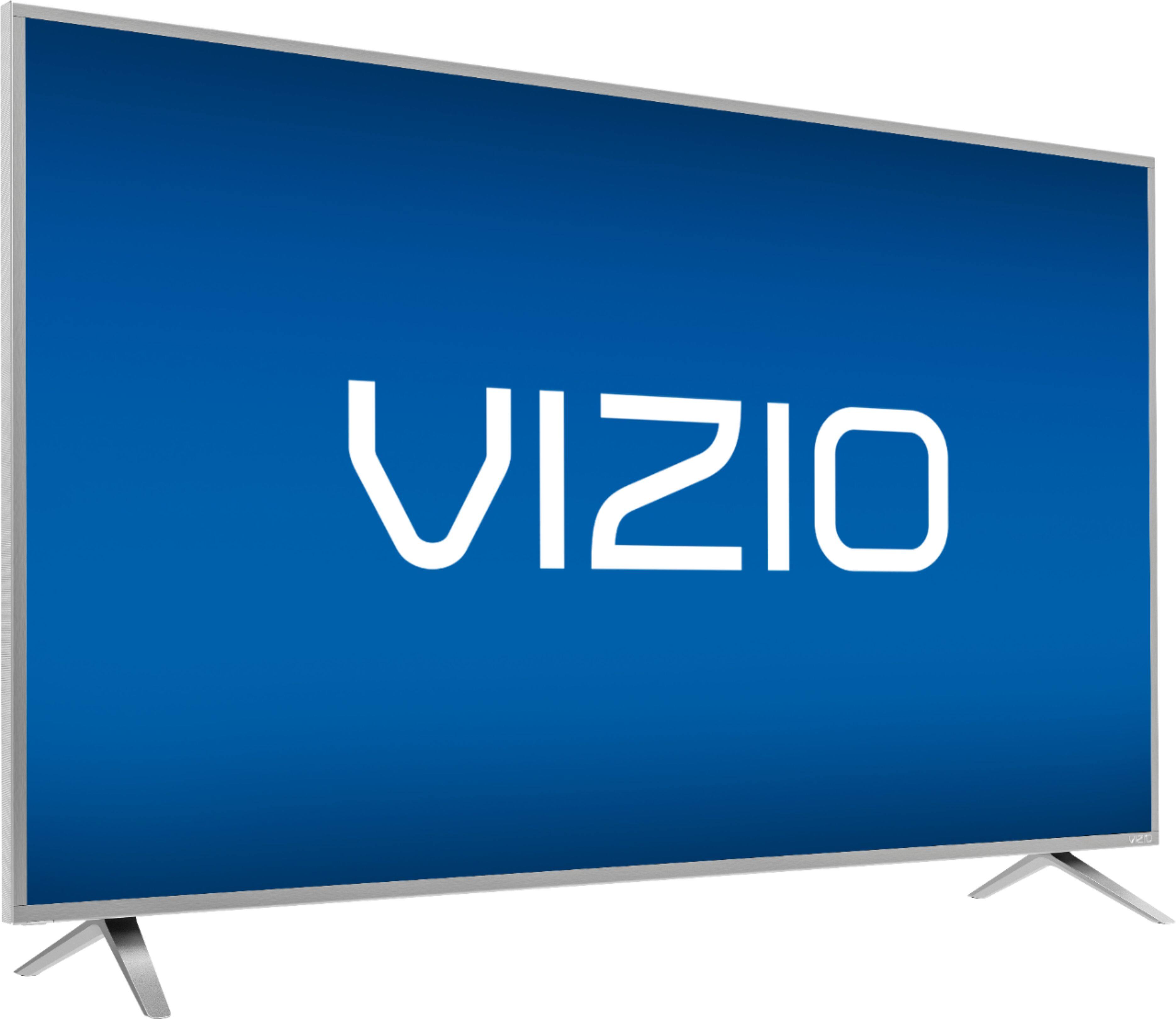
A:AnswerMost TVs are edge lit - meaning they cast the light from the edges of the screen which causes bright and dim spots on the TV. This TV uses FALD technology and has the backlighting in 128 spots directly behind the screen. While this does make this TV noticeably thicker compared to edge lit TVs, it creates greater uniformity on the overall screen and picture quality. It's really easy to tell the difference between this TV and edge lit TV's when watching movies with the black bars above and below the picture. On an edge lit screen, those bars are grey and "blooming" can be seen. On this TV, the black bars are black.
A:AnswerDuring the TV set up when you connect to wifi it automatically updates to the latest firmware and all other updates including HDR 10, so no PC/laptop required.
A:Answeryes much better than m model ,worth 2k more,has 2.0 hdmi and 3.0 usb ports I have mine connected by sam 8 Ethernet cord and hdmi 2.0 and the picture is astonishingly great .best hdr tv I have ever seen and I shopped and compared every one of them.you must have 25 gbyte per second internet sspeed to stream 4k hdr content ,new remote Samsung tablet will stream any thing you want.all in 4k hdr.
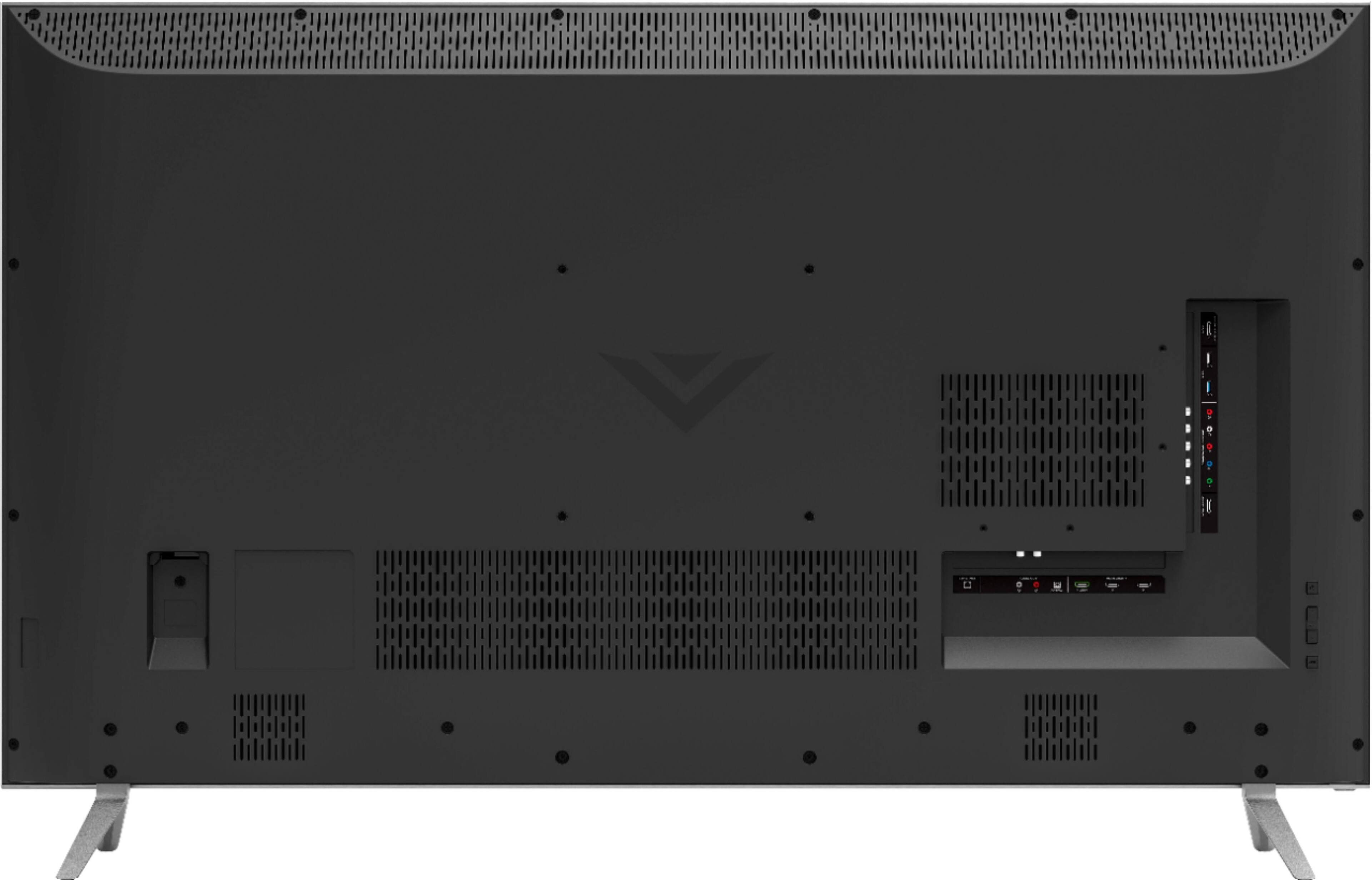
A:AnswerThis model is capable of being wall mounted and follows the VESA standard of 400mm x 400mm for the foot print. Any VESA standard wall mount should work as long as it meets the correct specifications for weight and size.
A:AnswerThe price of construction between a 65 and 75 is much more for companies as the larger you go, the bigger chance for dead pixels and uniformity issues. The Vizio P Series has one of the best price "scales" from the 65 to 75 with really one a $1,500 price difference. When compared to other companies, you will typically pay double from a 65 to a 75.
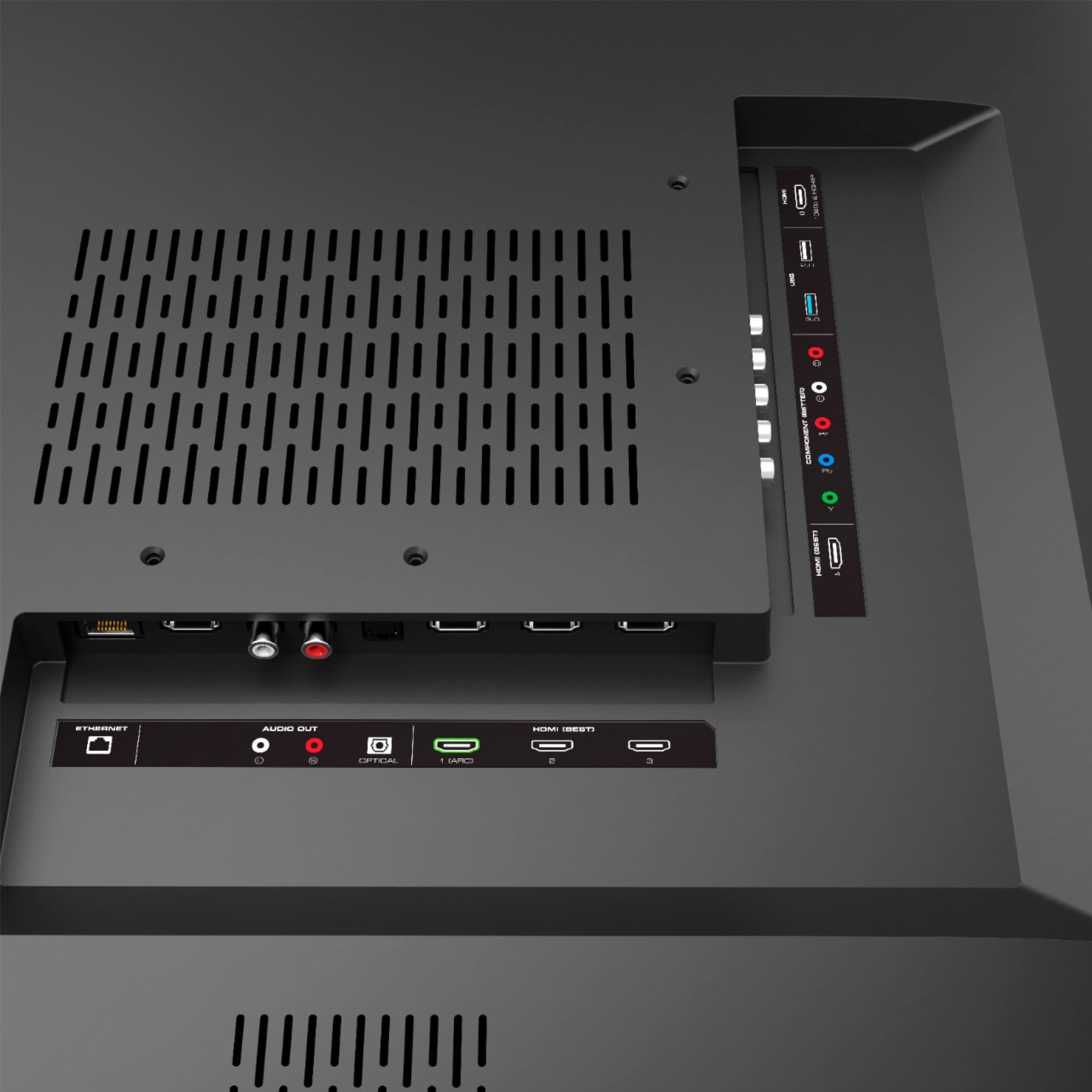
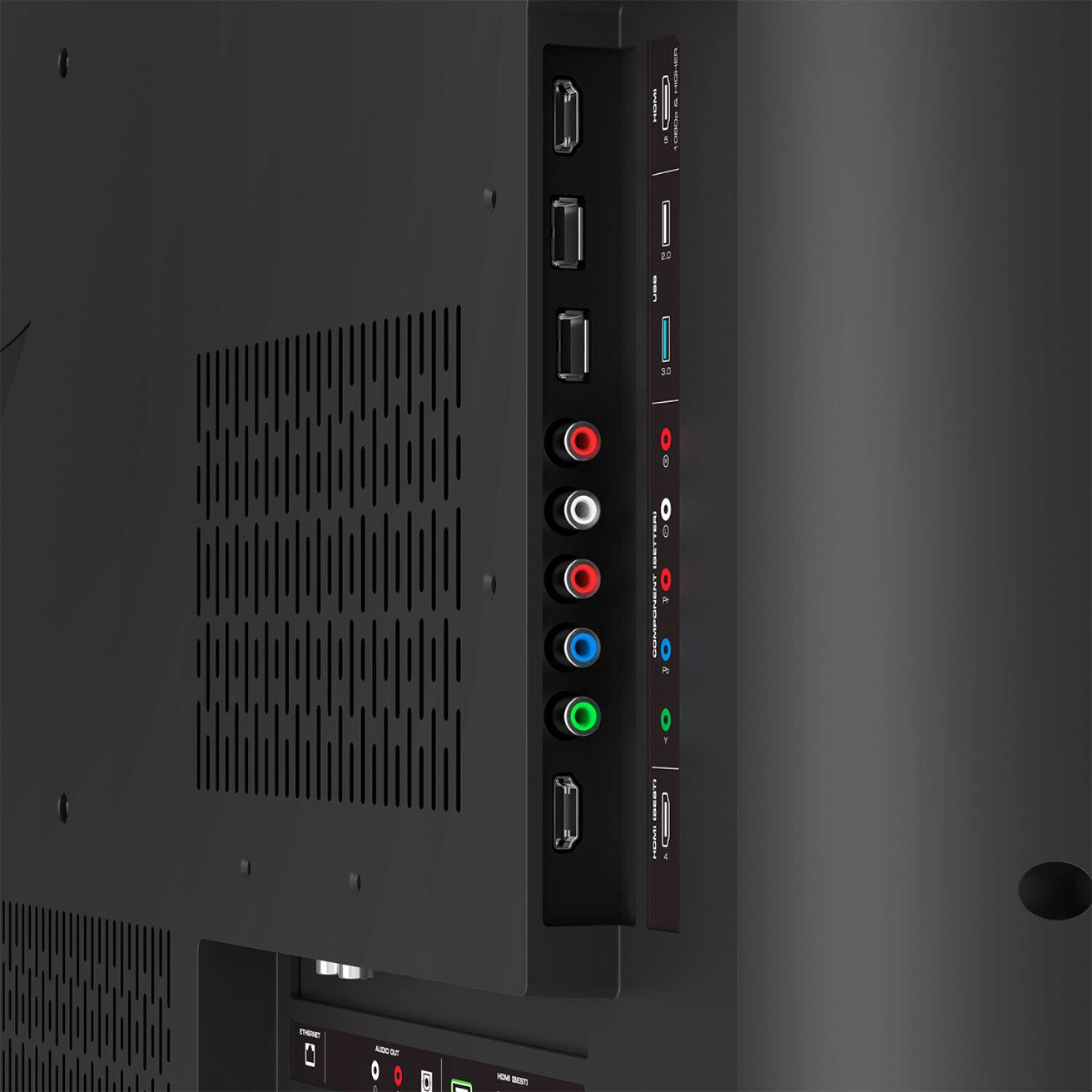
A:AnswerIf you are going through HDMI 5, it is the best as long as you aren't trying to play in HDR. It's around 19ms. If you want to enable HDR then you need to use HDMI 1-4 which have higher lag but not terrible by any means. Vizio is coming out with a firmware update in December to lower HDR input lag on those inputs to around 45ms which really isn't bad unless you're some MLB gamer looking for the lowest possible input lag where every frame counts. Honestly, most of these PS4 pro games are 30fps so the 45ms input lag won't even effect you. For single player games it isn't an issue at all. HDMI inputs 1-4 are all HDMI 2.0a so no worries there