Audio Pedals
-
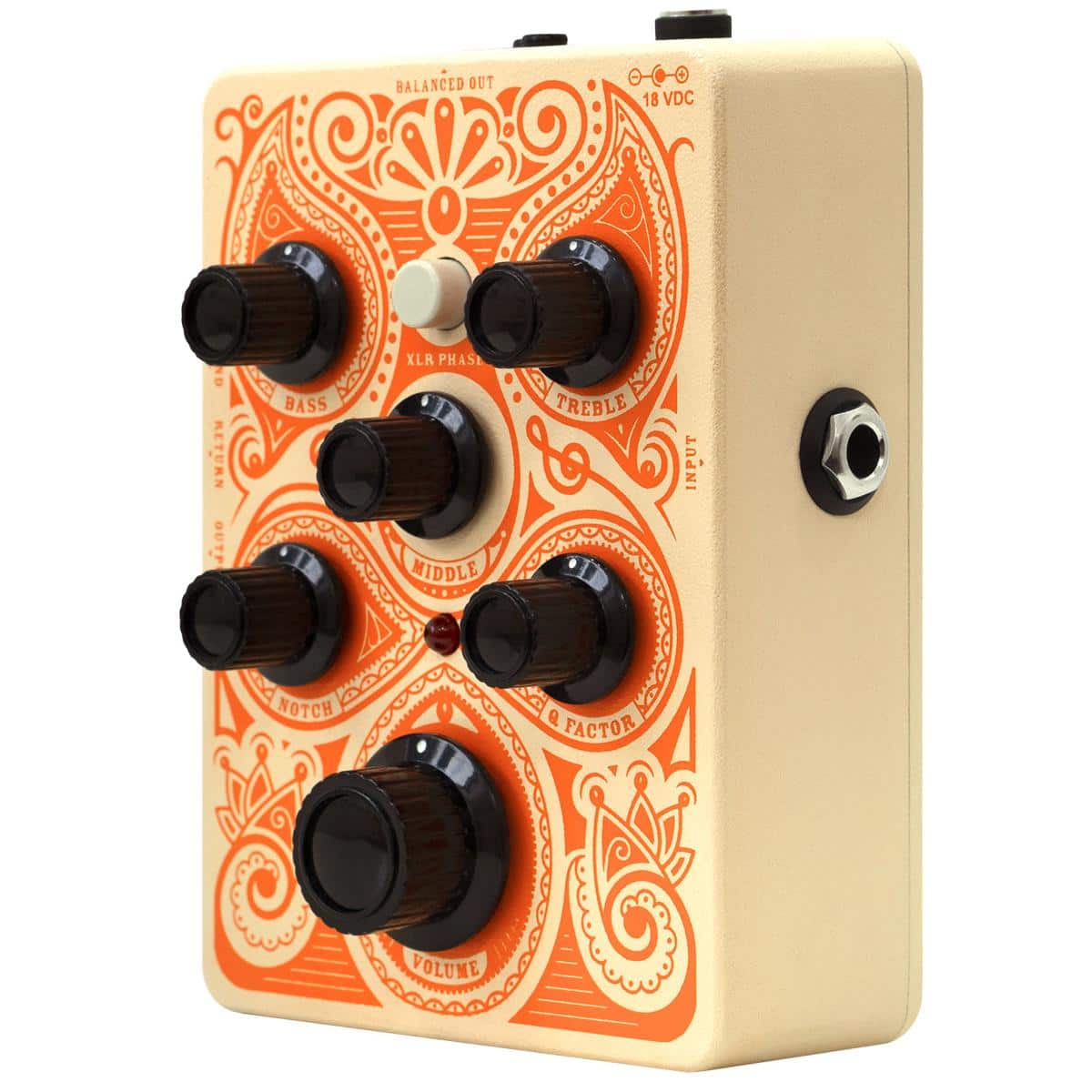
Orange - Acoustic Pedal
SKU: CLXJVQ5YW6See all Bluetooth & Wireless Speaker AccessoriesProduct Description
An orange compact preamp pedal featuring low-noise JFET circuitry, balanced XLR output, and buffered FX loop.Your price for this item is $179.00 -
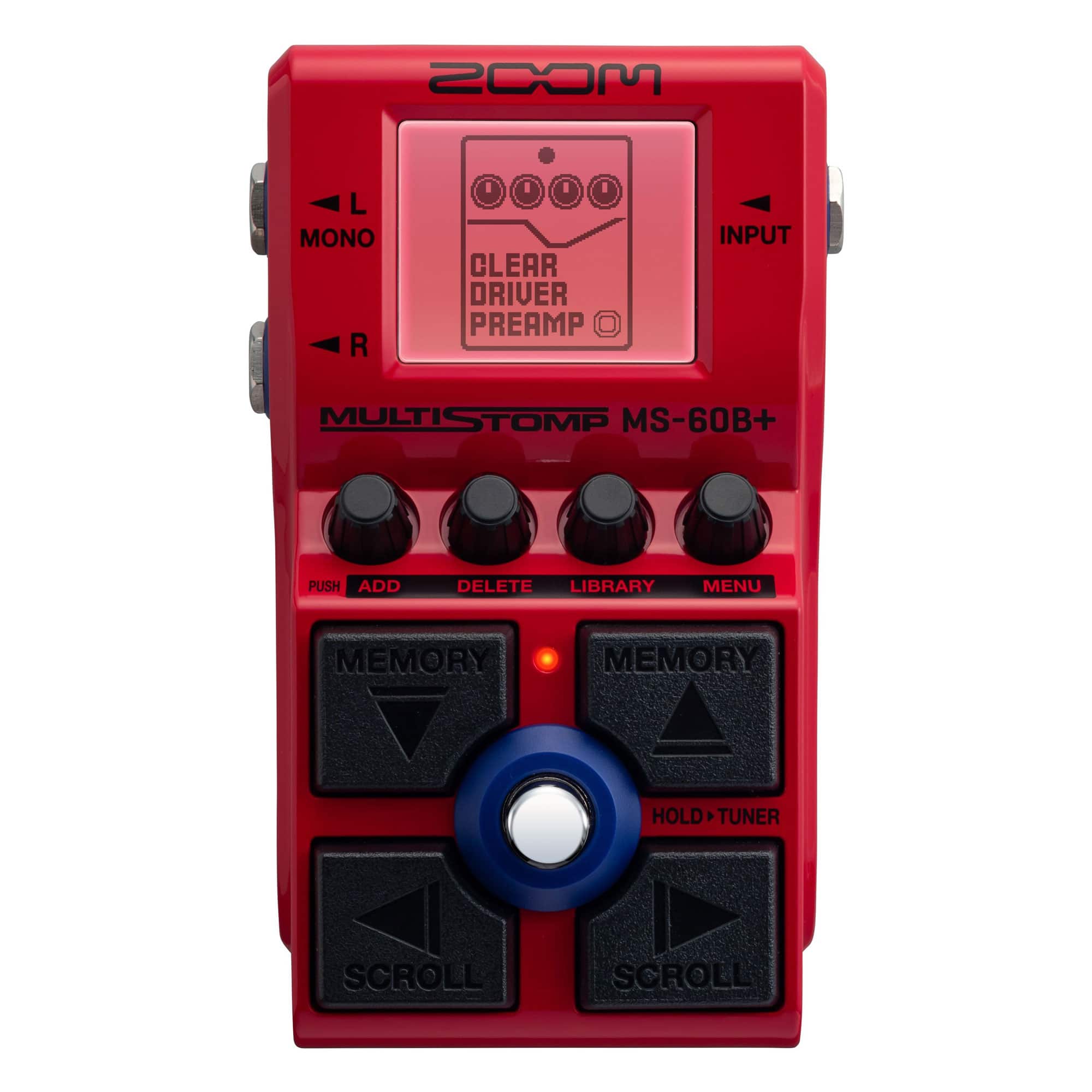
Zoom - MS-60B+ MultiStomp Multi-FX Bass Pedal - Red
SKU: CXRK9QH445See all Integrated AmplifiersProduct Description
A versatile red multi-effects pedal offering 75 effects, 11 amp models, and USB MIDI connectivity.Your price for this item is $109.99 -
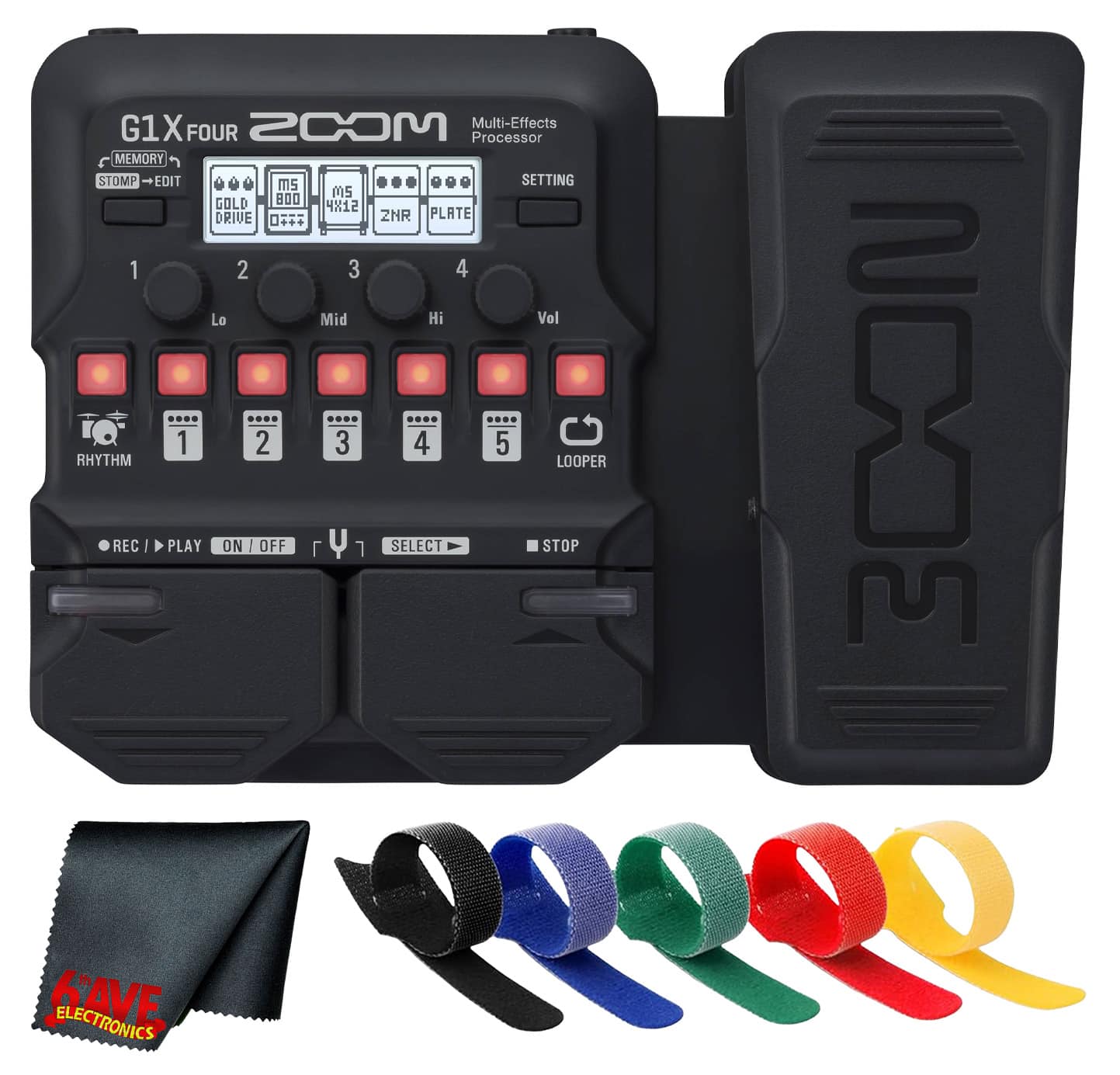
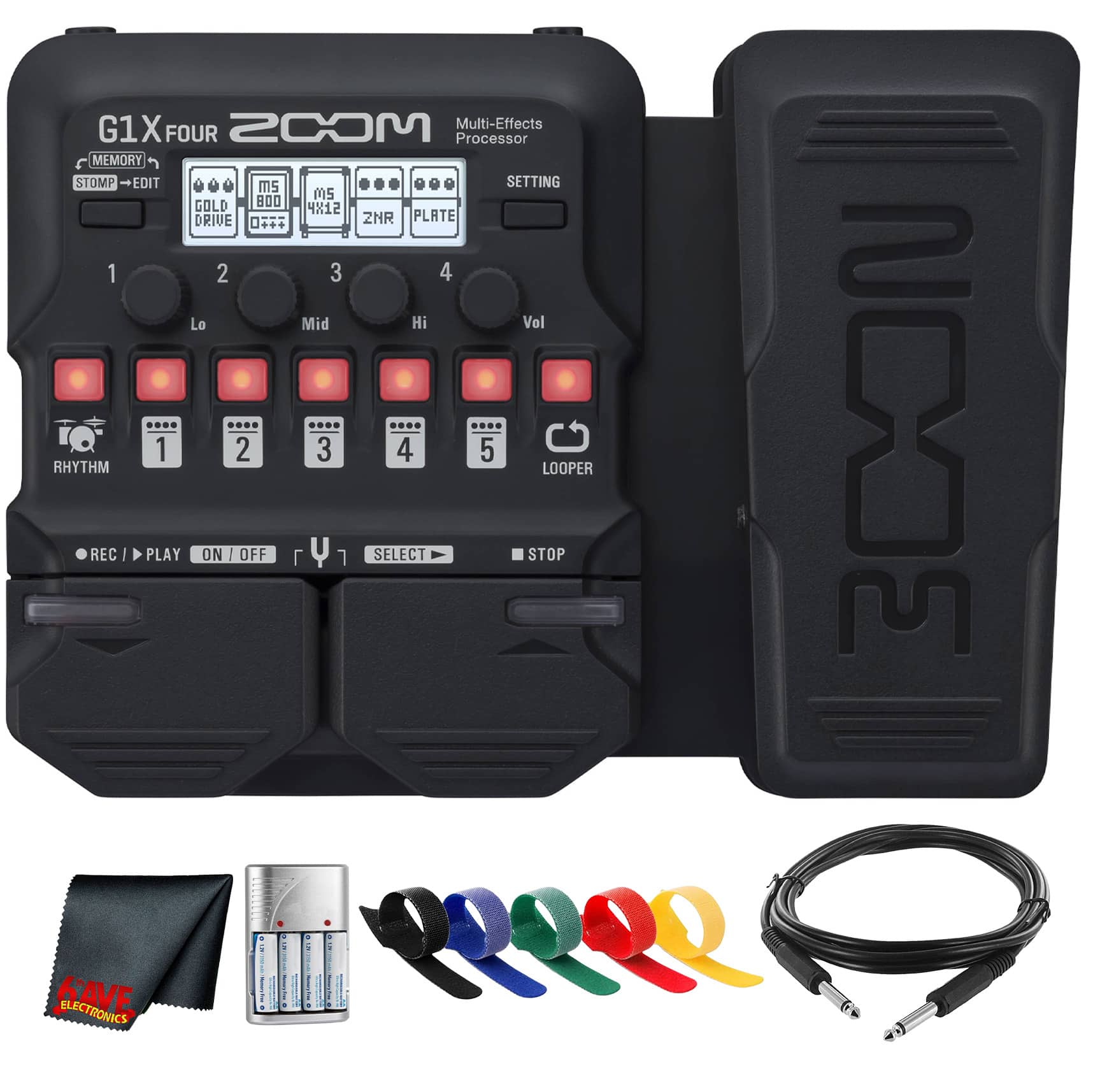
Bundle - Zoom - G1X Four Guitar Effects Pedal w/ Expression
SKU: JJGYT4C43PSee all Voice RecordersProduct Description
A versatile multi-effects pedal with 70+ effects, 13 amp models, expression pedal, looper, and USB connectivity.Your price for this item is $109.99 -
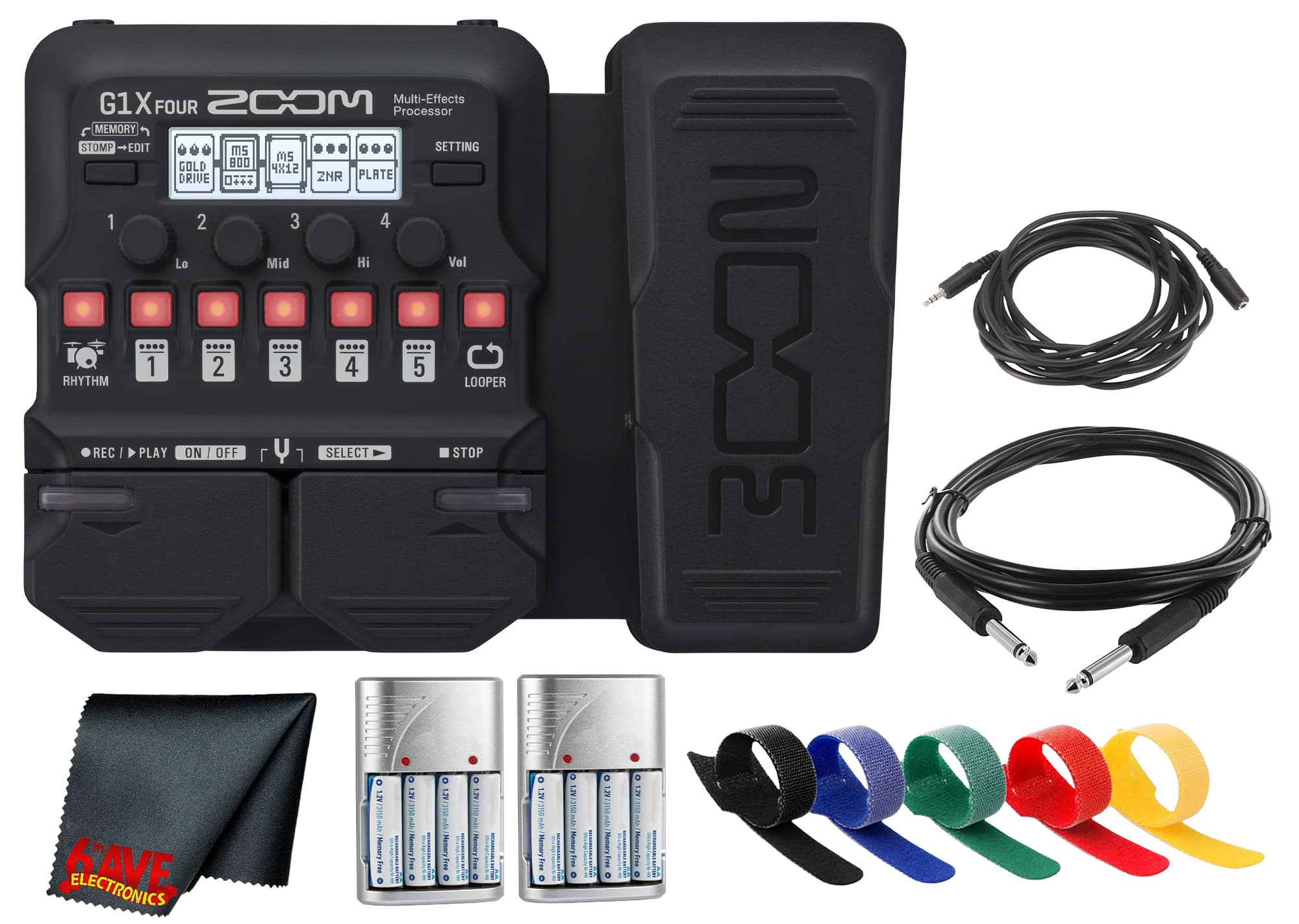
Bundle - Zoom - G1X Four Guitar Pedal 70+ Effects Looper, Amp Modeling ()
SKU: JJGYT4C48LSee all Voice RecordersProduct Description
A versatile multi-effects pedal with 70+ effects, 13 amp models, looper, and integrated expression pedal.Your price for this item is $119.95 -
Bundle - Zoom - G1X FOUR Guitar Multi-Effects Processor with Expression Pedal
SKU: JJGYT4C43TSee all Voice RecordersProduct Description
A versatile multi-effects processor with 70+ effects, 13 amp models, expression pedal, looper, and USB connectivity.Your price for this item is $109.99 -
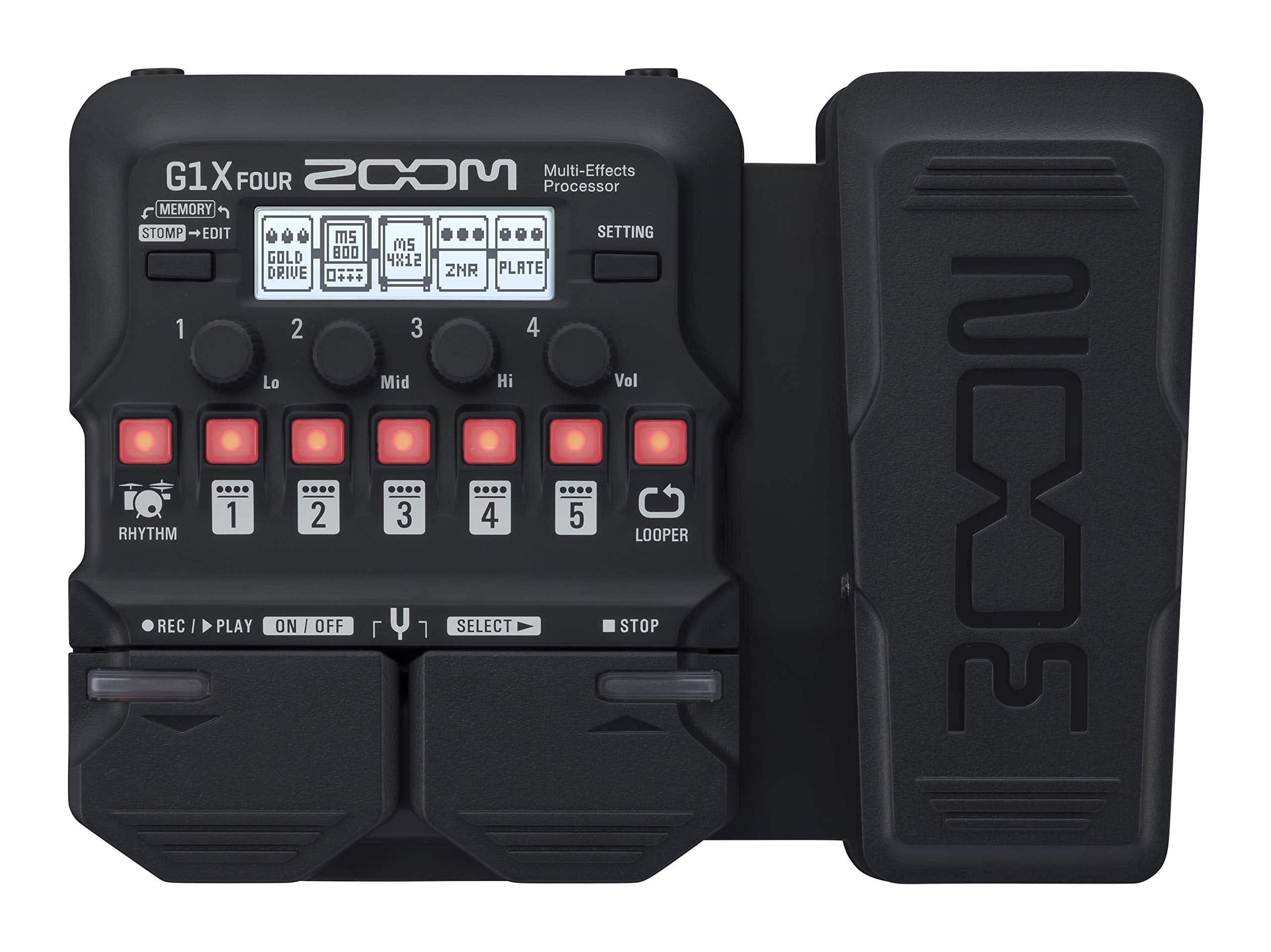
Zoom - G1X FOUR Guitar Multi-Effects Processor with Expression Pedal, With 70+ Built-in Effects, Amp Modeling, Looper, R - Black
SKU: J3K5G4GGP9See all Bookshelf SpeakersProduct Description
A versatile black multi-effects processor featuring 71 effects, 13 amp models, looper, and rhythm patterns.Your price for this item is $109.99 -
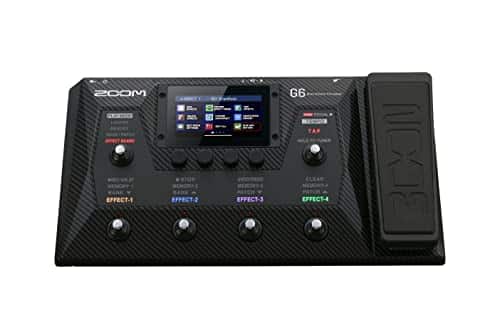
Zoom - G6 Guitar Multi-Effects Processor with Expression Pedal, Touchscreen Interface, 100+ Built in Effects, Amp Modeling - Black
SKU: J3K5G4G9Z6See all Voice RecordersProduct Description
A versatile multi-effects processor with touchscreen, expression pedal, 100+ effects, amp modeling, and USB connectivity.Your price for this item is $349.99
Best Sellers

Related Pages





FAQ
Audio pedals come in various types, including distortion, overdrive, delay, reverb, chorus, and multi-effects pedals. Each type is designed to modify your instrument’s sound in unique ways, allowing musicians to experiment with different tones and effects.
Yes, many audio pedals are compatible with a wide range of instruments, such as bass guitars, keyboards, synthesizers, and even some acoustic instruments with pickups. Always check the pedal’s specifications to ensure compatibility with your instrument.
To connect multiple audio pedals, use patch cables to link the output of one pedal to the input of the next. Most musicians arrange pedals in a specific order to achieve their desired sound, often starting with distortion or overdrive and ending with time-based effects like delay or reverb.
Most audio pedals require power, either from batteries or an external power supply. Some pedals support both options, while others may need a specific voltage or adapter. Always refer to the manufacturer’s guidelines for proper power requirements.
True bypass is a feature in some audio pedals that allows the signal to pass through the pedal without any alteration when the effect is turned off. This helps preserve your instrument’s original tone and prevents signal loss in your effects chain.