"Best 10"" Subwoofer"
-
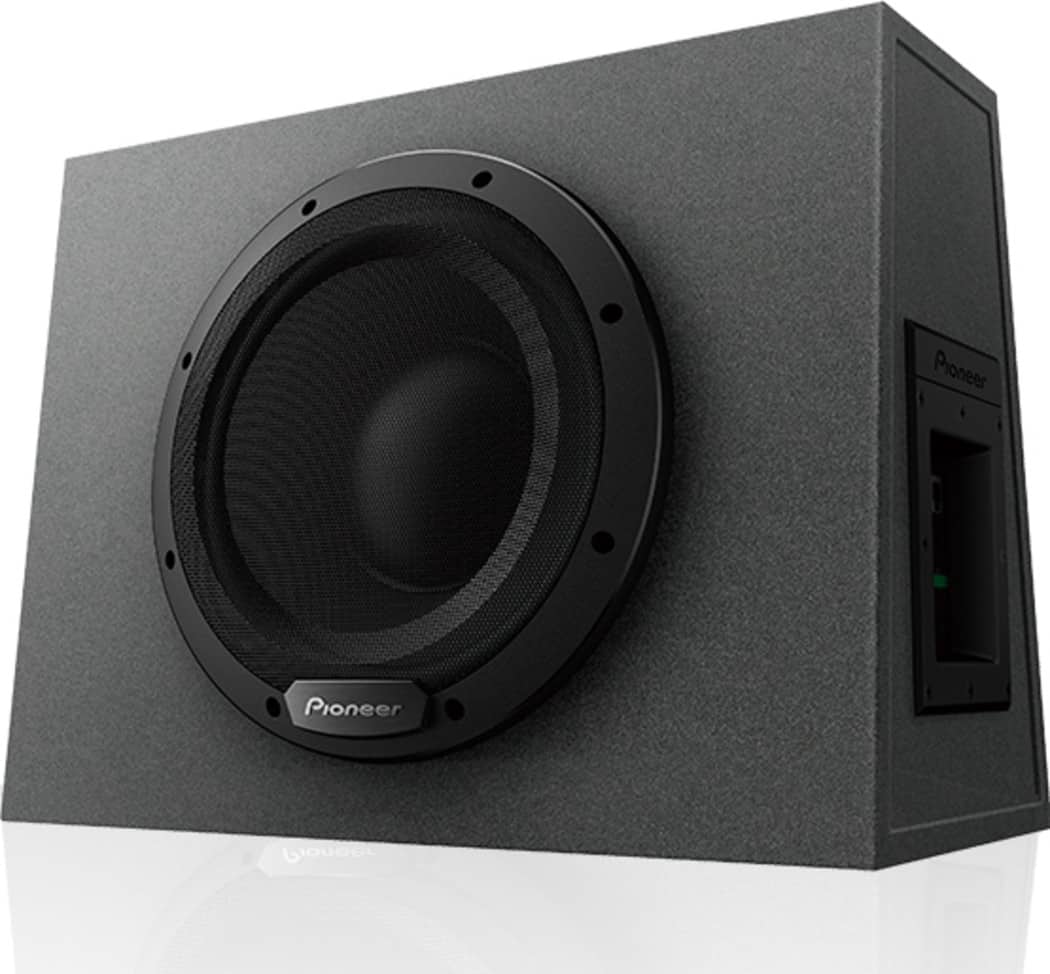
Pioneer - 10" Active Sealed subwoofer w/built-in amplifier - Black
SKU: J3KVTT8GSZBass subwoofers sound so good that I don’t want to get out of the car lol...Great bass for the price. This 10 inch sub hits hard for the size!...Best powered Subwoofer...Pioneer 10” subwoofer
See all Car SpeakersProduct Description
A powerful black subwoofer with built-in Class D amplifier, urethane surround, and customizable bass controls.Your price for this item is $239.99 -
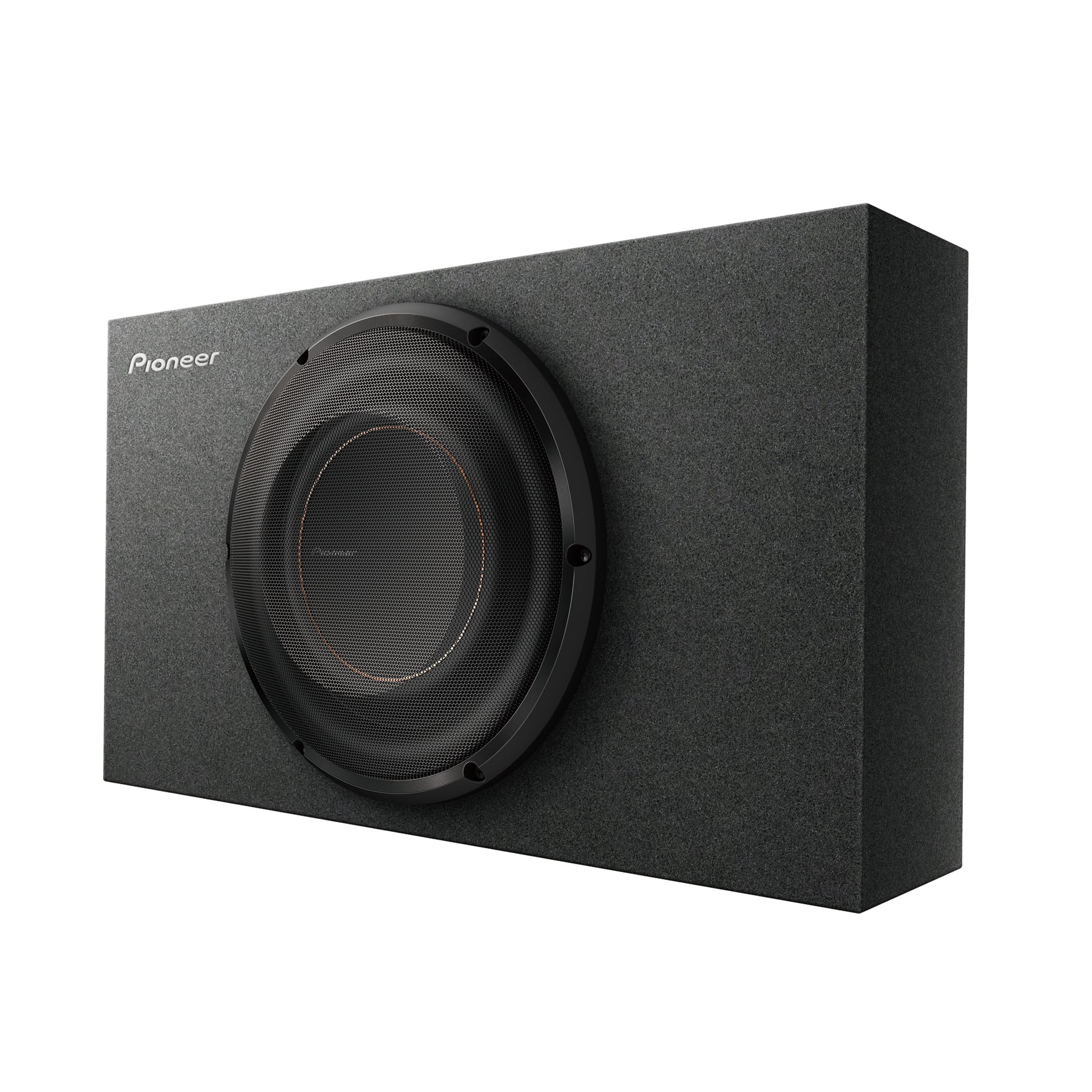
Pioneer - 10" 1300W Max, 2Ω Single Voice Coil, Sealed, Aramid Fiber IMPP™ Cone – Slim Pre-Loaded Subwoofer w/ Grill - Black
SKU: J3KVTTL35QSee all 10" Subwoofers & EnclosuresProduct Description
A slim black subwoofer with aramid fiber IMPP™ cone and steel mesh grille for powerful, distortion-free bass.Your price for this item is $204.00Save $36The previous price was $240.00 -
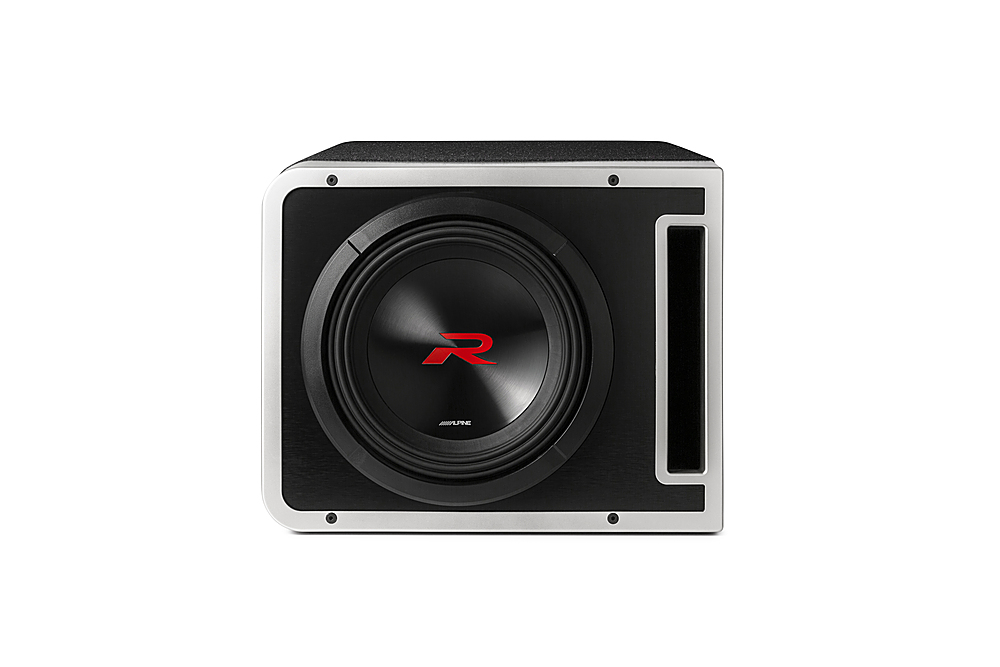
Alpine - Halo R2-Series 10" Dual Voice Coil 4-Ohm Loaded Subwoofer Enclosure - Black
SKU: J3XV8SKS7HAlpine type R 10 inch...Sub sounds amazing for a 10 inch. Im really happy with my purchase...Arrived early, in excellent condition. Thanks Best Buy.
See all 10" Subwoofers & EnclosuresProduct Description
A black dual voice coil subwoofer enclosure delivering powerful bass and expandable with an optional linking kit.Your price for this item is $649.99 -
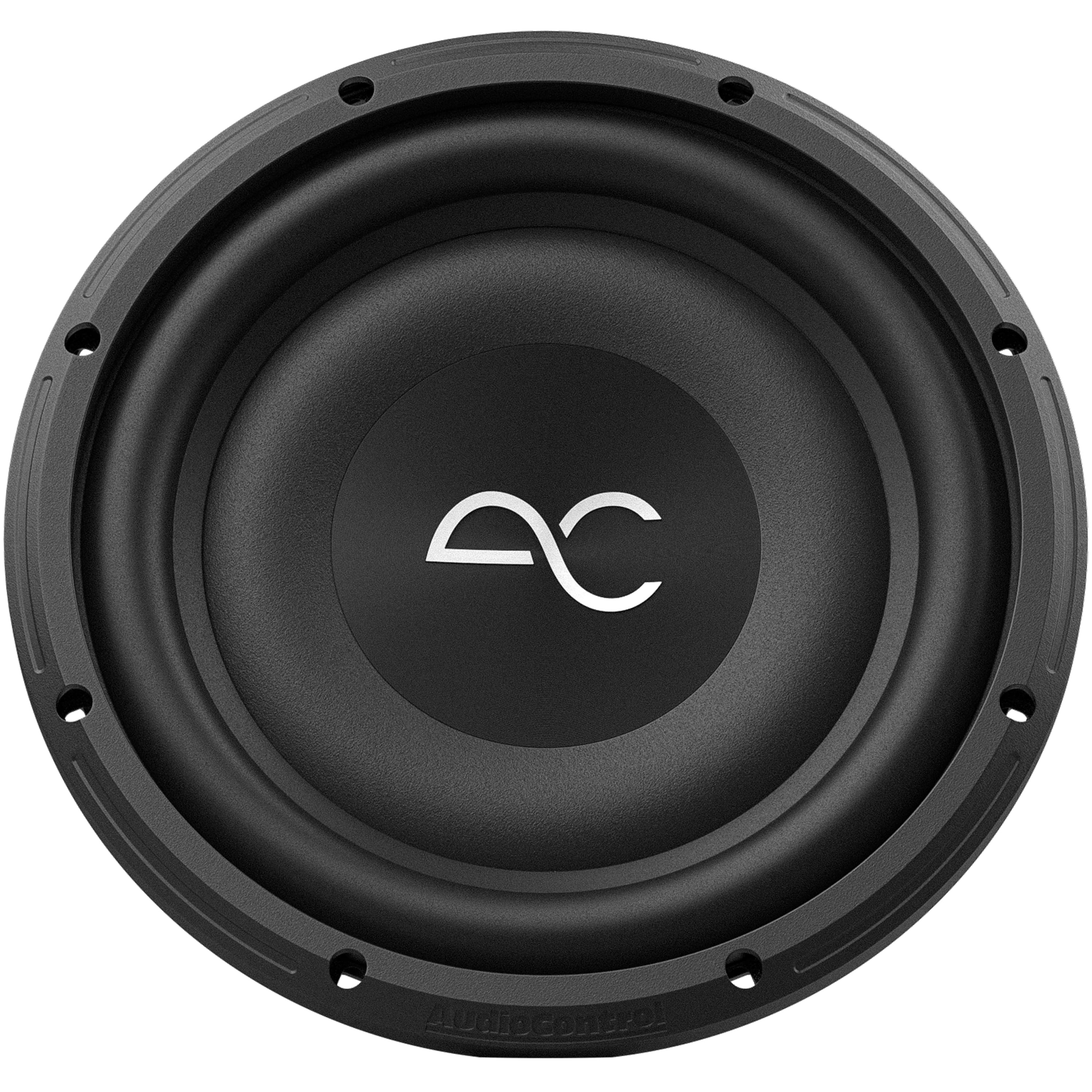
AudioControl - Space Series 10” Single-Voice-Coil 2-Ohm Low-Profile Subwoofer - Black
SKU: J3R8WFFP56See all 10" Subwoofers & EnclosuresProduct Description
A low-profile black subwoofer delivering powerful, weatherproof bass with a removable grille for versatile vehicle use.Your price for this item is $209.99 -
AudioControl - Space Series 10” Single-Voice-Coil 4-Ohm Low-Profile Subwoofer - Black
SKU: J3R8WFFP44I bought this for my daughter's car she wanted a sound system and I had a 10-inch SW box. The slim design worked perfectly.
See all 10" Subwoofers & EnclosuresProduct Description
A low-profile black subwoofer with a weatherproof design delivers powerful bass for vehicles with limited space.Your price for this item is $209.99 -
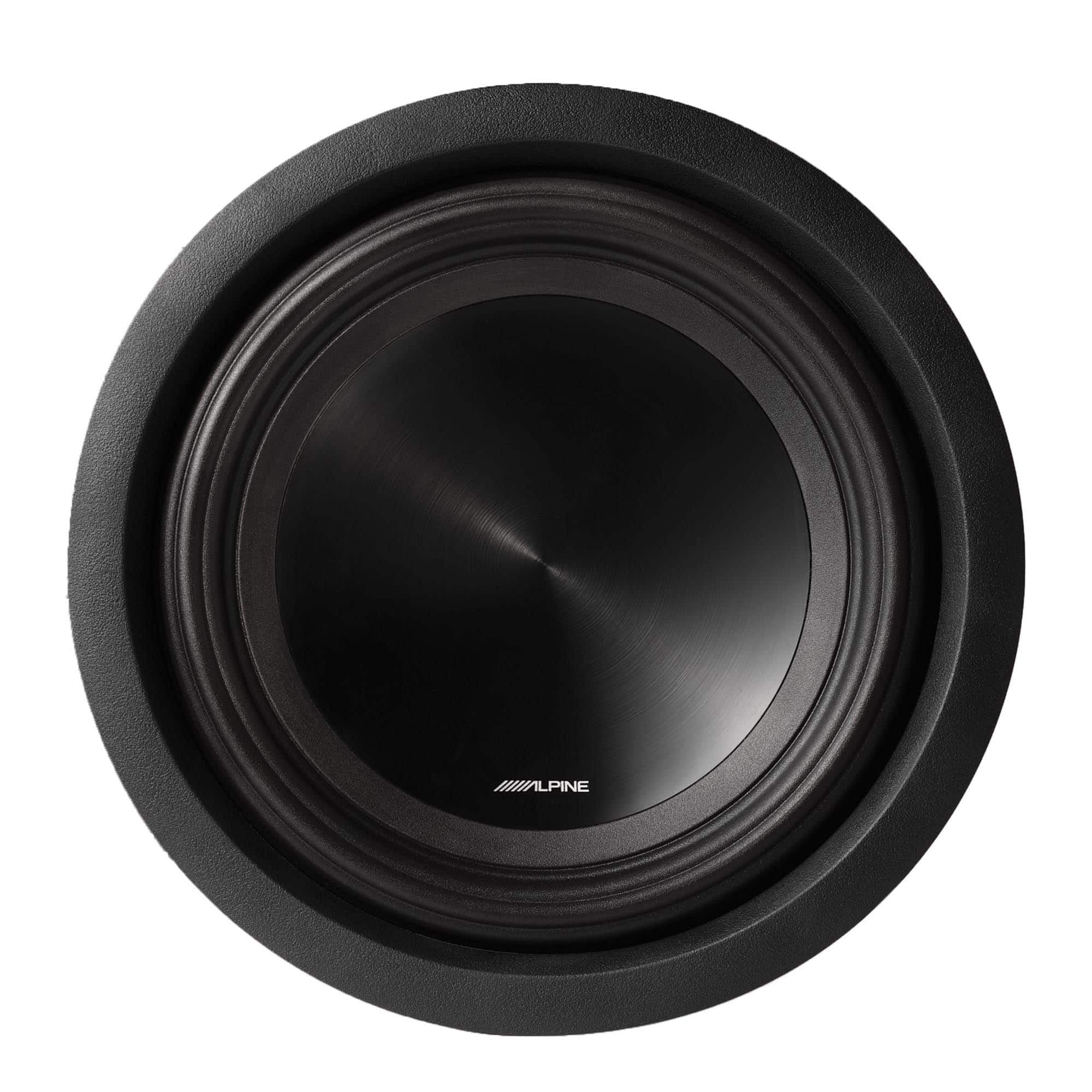
Alpine - Next Generation S-Series 10" Dual-Voice Coil 2-Ohm Subwoofer - Black
SKU: J3XV8SKSPCSee all 10" Subwoofers & EnclosuresProduct Description
A black dual-voice coil subwoofer delivering powerful, accurate bass with 600W RMS and 1800W peak power.Your price for this item is $191.99Save $48The previous price was $239.99 -
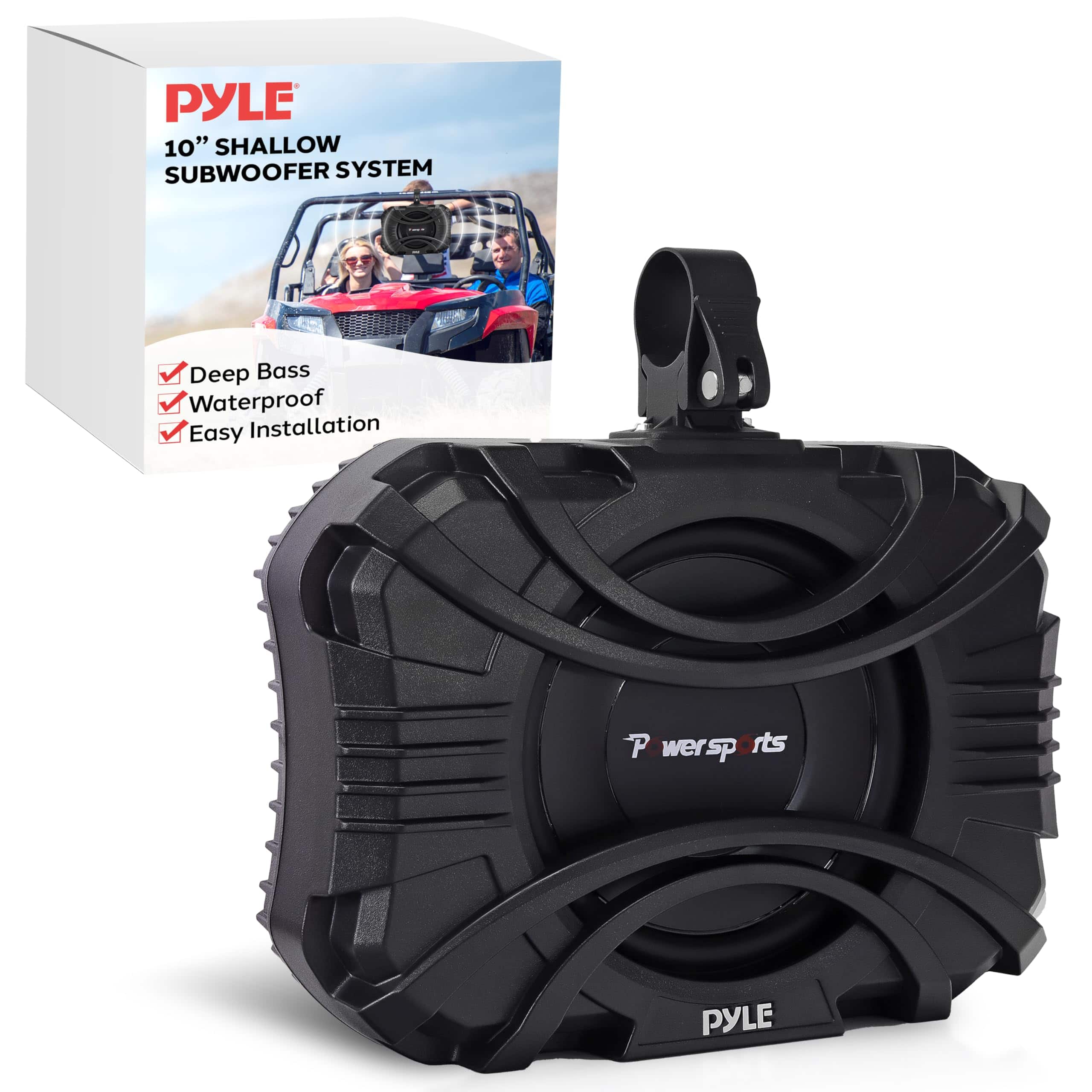
Pyle - PSSUB101 10" 400 Watt Marine Water Resistant Subwoofer
SKU: J36C989WJCSee all Car Subwoofers & EnclosuresProduct Description
A water-resistant 10" subwoofer delivering 400 watts of deep, impactful bass for marine and outdoor use.Your price for this item is $294.49 -
Alpine - SWT-10S2 10" Subwoofer (2 Ohm) - Black
SKU: J3XV89CS3TSee all 10" Subwoofers & EnclosuresProduct Description
A black subwoofer delivering powerful, low-distortion bass with a shallow mount design for flexible truck installation.Your price for this item is $249.95 -
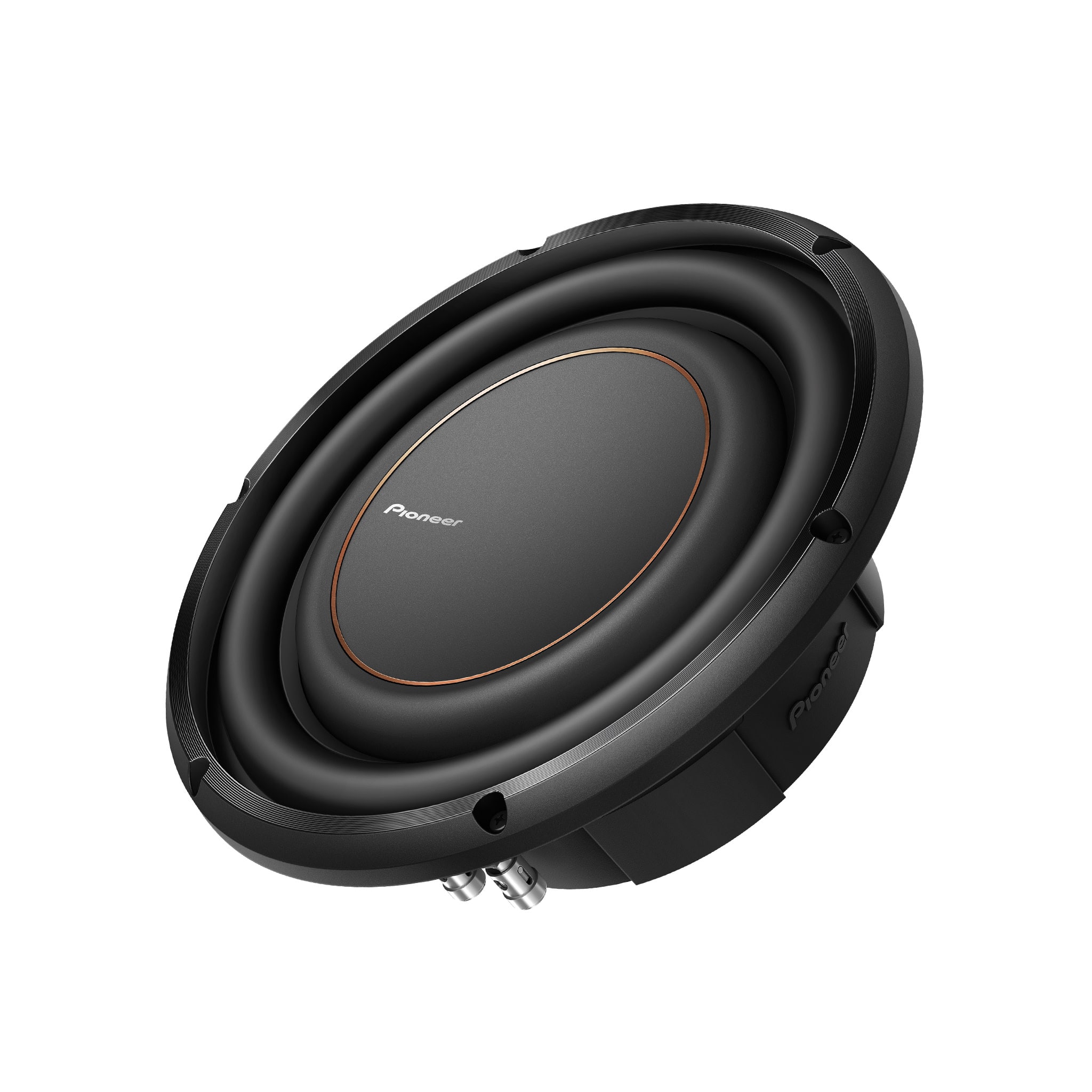
Pioneer - 10" - 1300 W Max power, Aramid Fiber IMPP™ cone, Single 4 Ohm Voice Coil - Shallow Mount Subwoofer - Black
SKU: J3KVTTL8SFSee all 10" Subwoofers & EnclosuresProduct Description
A black shallow-mount subwoofer with 1300W max power and an Aramid fiber IMPP™ cone for deep bass.Your price for this item is $153.00Save $27The previous price was $180.00 -
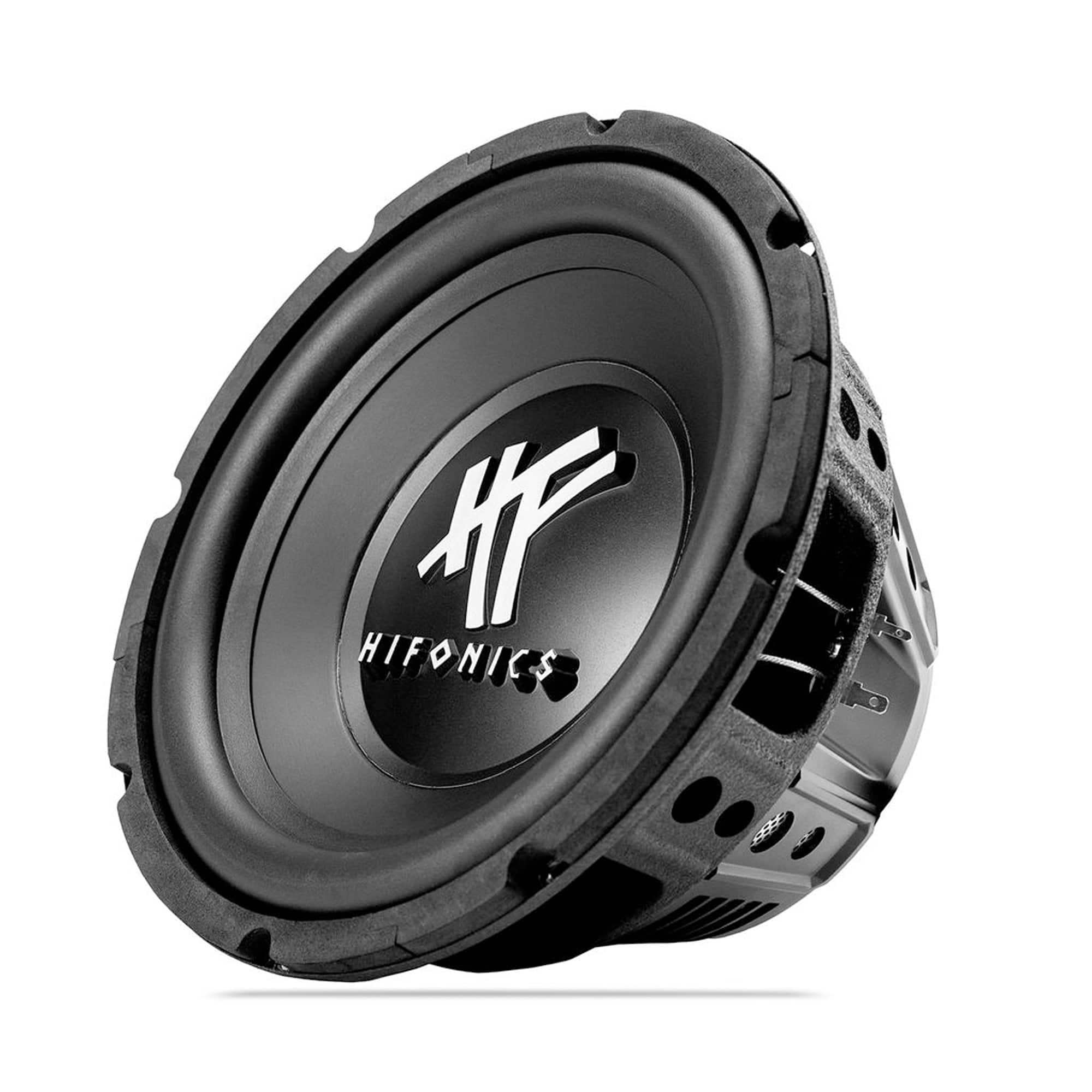
Hifonics - HFX10D4 10" Subwoofer, 400W Max 200W RMS Car & Powersports Speaker - Black
SKU: J3G2WPX85JSee all 10" Subwoofers & EnclosuresProduct Description
A black 10-inch subwoofer delivering deep, controlled bass with 400W max power and dual 4-ohm coils.Your price for this item is $49.99

Best Sellers
Related Pages


FAQ
When selecting a subwoofer, consider factors like power output (measured in watts), frequency response, type (sealed or ported enclosure), connectivity options, and compatibility with your existing audio system. Additional features such as wireless capability and built-in amplifiers may also enhance your listening experience.
Most subwoofers are compatible with a wide range of home theater systems, especially if your receiver or amplifier has a dedicated subwoofer output (LFE or RCA). Always check your system’s specifications to ensure proper connectivity and optimal performance.
A powered (active) subwoofer has a built-in amplifier, making it easier to set up and requiring only a signal connection. A passive subwoofer relies on an external amplifier for power. Powered subwoofers are more common for home use due to their convenience and ease of integration.
A subwoofer is designed to reproduce low-frequency sounds, adding depth and impact to music, movies, and games. This enhances the overall audio experience by delivering richer bass and a more immersive soundstage that regular speakers may not provide.
For optimal sound, position your subwoofer near your main listening area but away from walls and corners to avoid exaggerated bass. Experiment with different locations in the room and use the subwoofer’s phase and crossover controls to fine-tune the sound to your preference.