Best Air Purifier For Allergies And Asthma
-
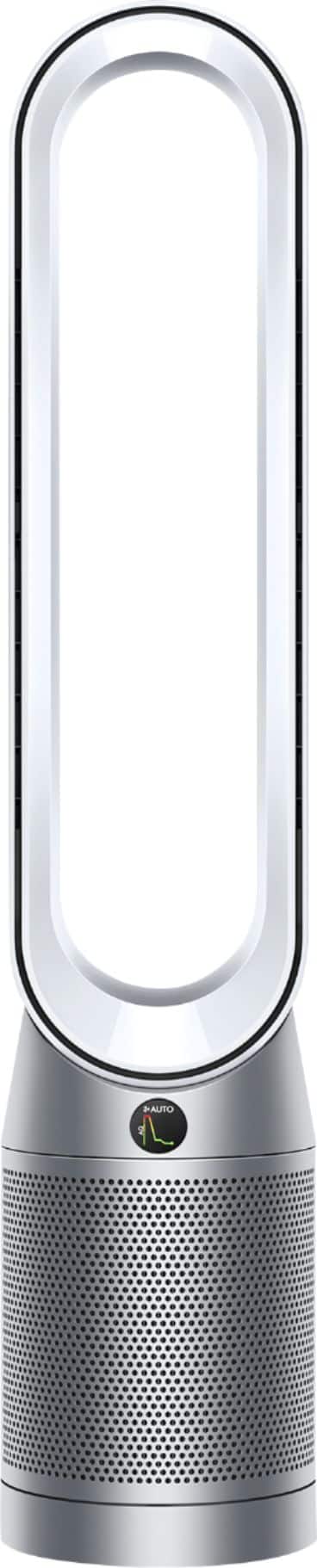
Dyson - Purifier Cool - TP07 - Smart Air Purifier and Fan - White/Silver
SKU: J3ZCSYCYKKI love that you can monitor it on the app. It has worked wonders for my allergies....I have tried many different fans in my bedroom and this is the best, overall....Best yet. Very good...Love this purifier...
See all Air PurifiersProduct Description
A smart white and silver air purifier and fan with HEPA filtration, app compatibility, and voice assistant support.Your price for this item is $569.00 -
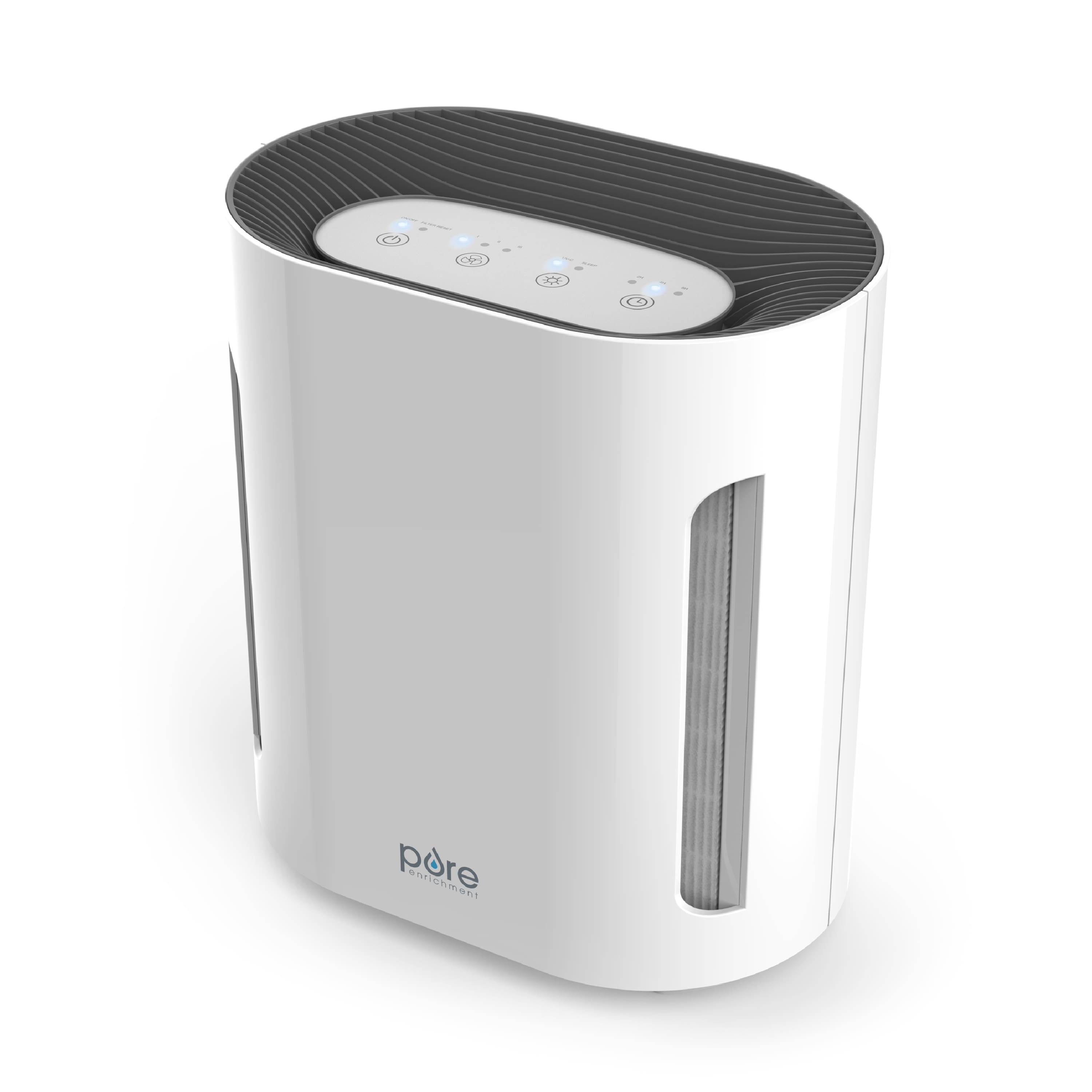
Pure Enrichment - PureZone True HEPA Air Purifier - White
SKU: J3R55J7L5KLove it!...I recieved my purifyer as a gift on christmas and it is the absolute best product I have ever gotten!...The Best!...The machines are extremely quiet and having the sleep mode function is a...
See all Air PurifiersProduct Description
A sleek white air purifier with true HEPA filtration and UV-C light for cleaner, allergen-free air.Your price for this item is $115.02 -
CRANE - 300 Sq. Ft. Air Purifier - White
SKU: J3Y2HW6KYWBest Purifier!...I received this Air Purifier about 2 weeks ago and am madly in love!...Love Clean Air!!...I love how you can tell a difference of air quality from one room to the next!...We love how...
See all Air PurifiersProduct Description
A white HEPA air purifier with three fan speeds and 2.5 PPM filtration for rooms up to 300 sq. ft.Your price for this item is $79.99 -
CRANE - 250 Sq. Ft. UV Light Air Purifier - White
SKU: J3Y2HW6W6XIt kept my air clean and safe and has a timer which I love....Crane-USA's products are the absolute best. I love them!!!...Truly the best purifier I’ve used in my life!...I love this thing!
See all Air PurifiersProduct Description
A white HEPA air purifier with UV light, filter indicator, and three fan speeds for small rooms.Your price for this item is $109.99 -
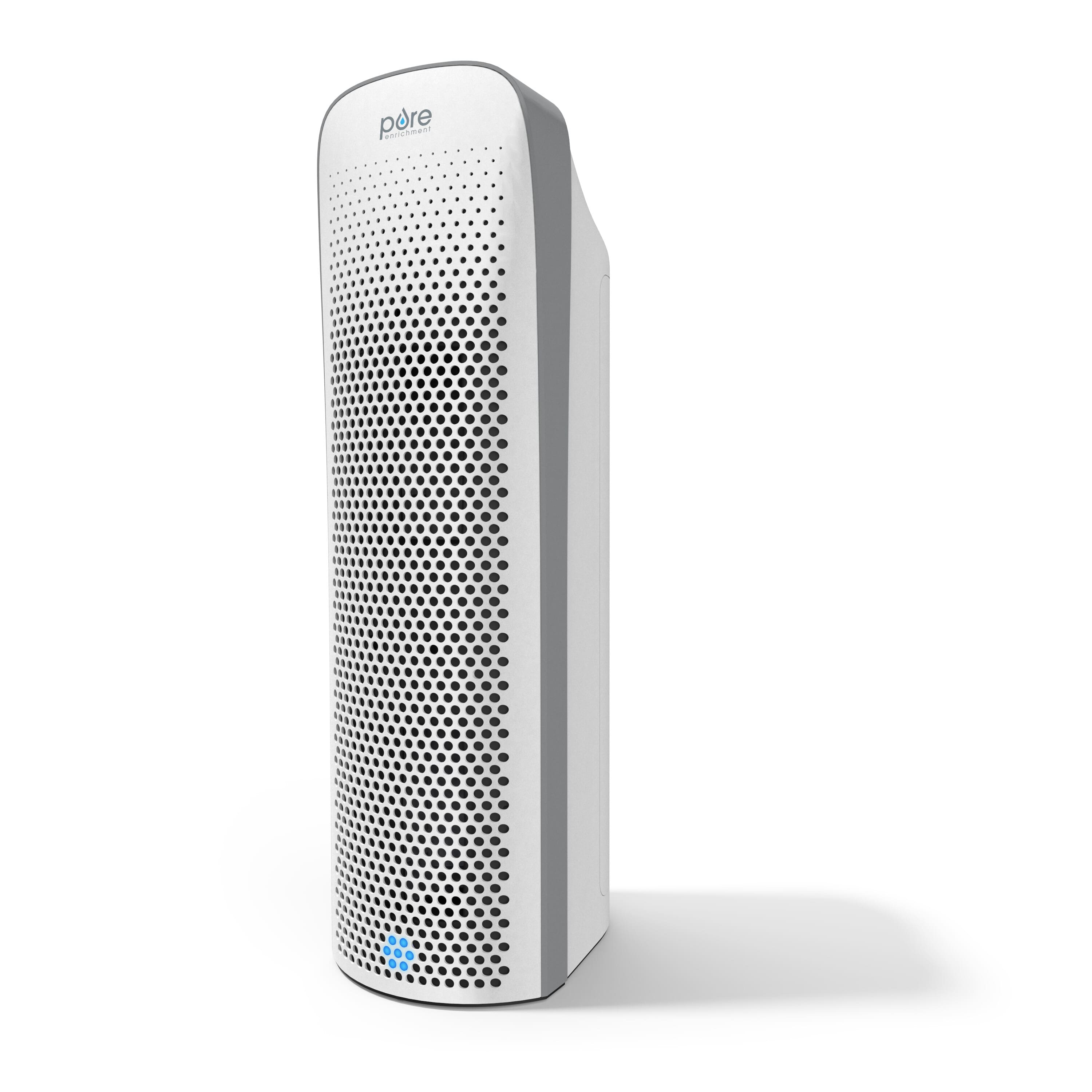
Pure Enrichment - PureZone Elite 4-in-1 True HEPA Air Purifier - White
SKU: J3LF7PKTVRLove my air purifier, best thing I've purchased...Absolutely love this! Quiet and it really does clean the air!...Great!...Works great. Love all the different settings. Just what I needed for our bird....
See all Air PurifiersProduct Description
A sleek white air purifier with 4-stage HEPA filtration removes 99.97% of airborne particles.Your price for this item is $149.99 -
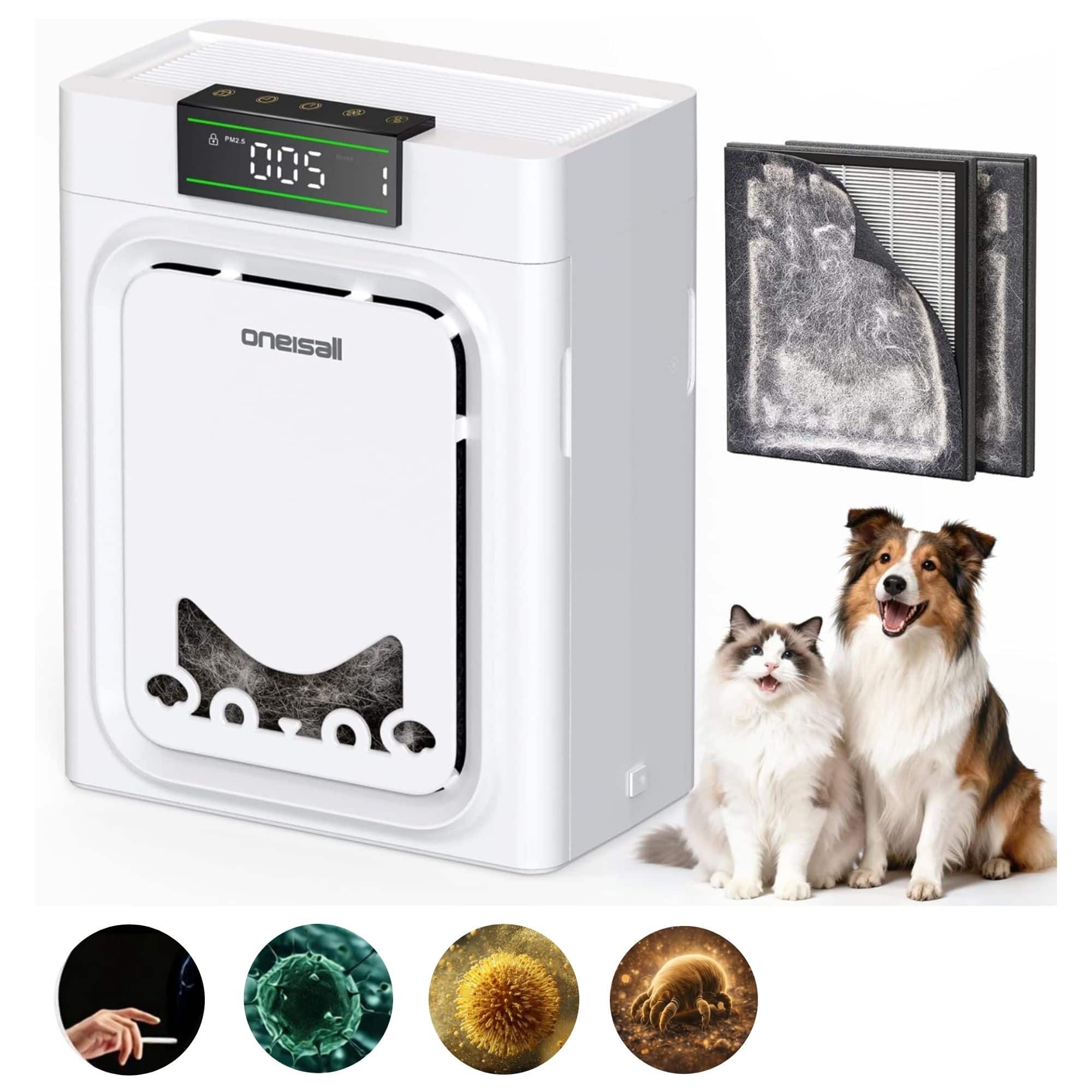
Oneisall - HEPA Pet Air Purifier : Washable Double Side Filter, Air Quality Auto Monitor, Sleep Timer, 4 Speed,2200Ft² Large Room - White
SKU: CZS2G97TTTSee all Air PurifiersProduct Description
A white HEPA air purifier with dual-sided washable filters, four fan speeds, and smart air quality monitoring.Your price for this item is $89.99 -
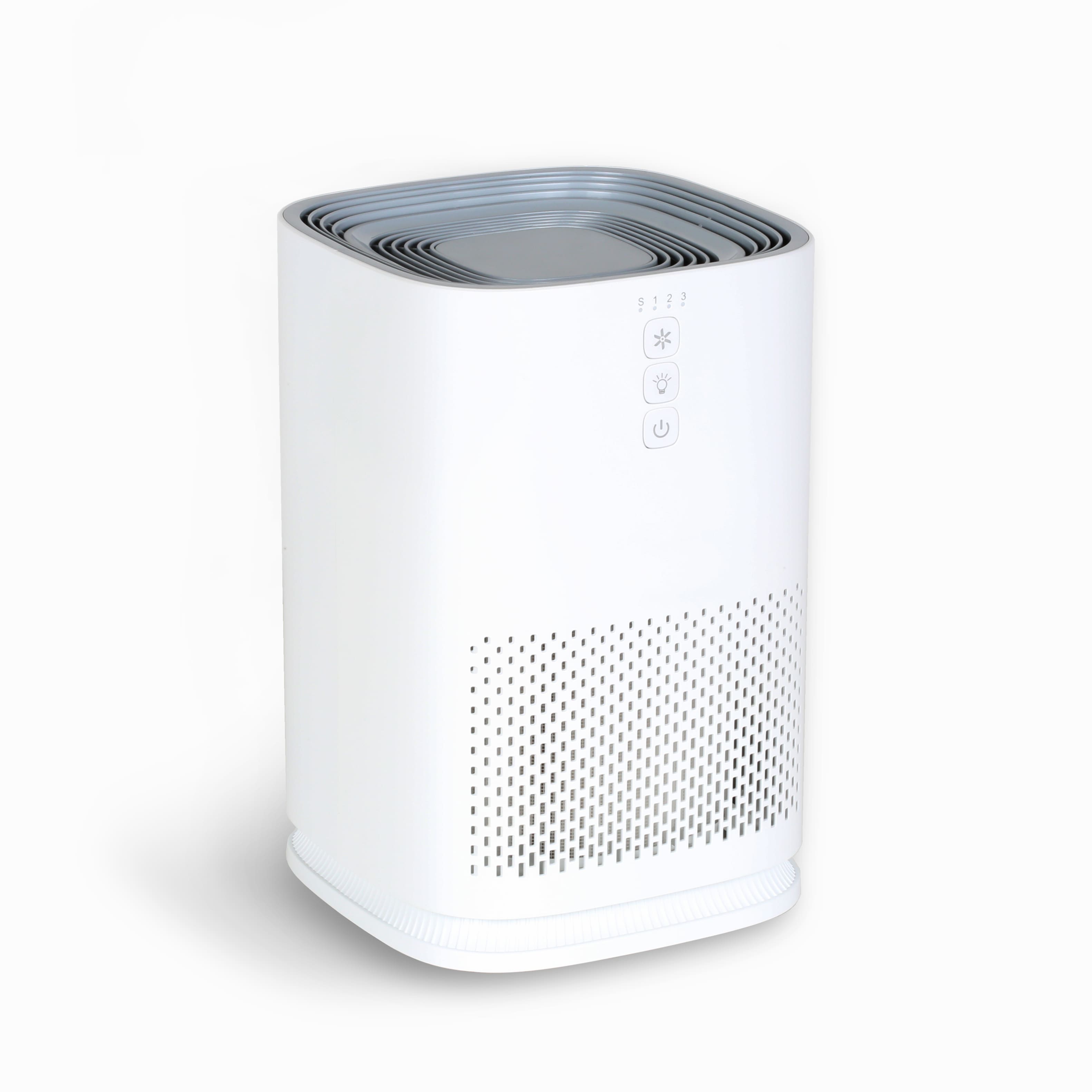
Medify Air - Medify MA-14 213 Sq. Ft. Portable Air Purifier with True HEPA H13 Filter - White
SKU: J3Q5RX878SSee all Portable Air PurifiersProduct Description
A compact white air purifier with dual True HEPA H13 filters that removes dust, pollen, and allergens.Your price for this item is $88.99 -
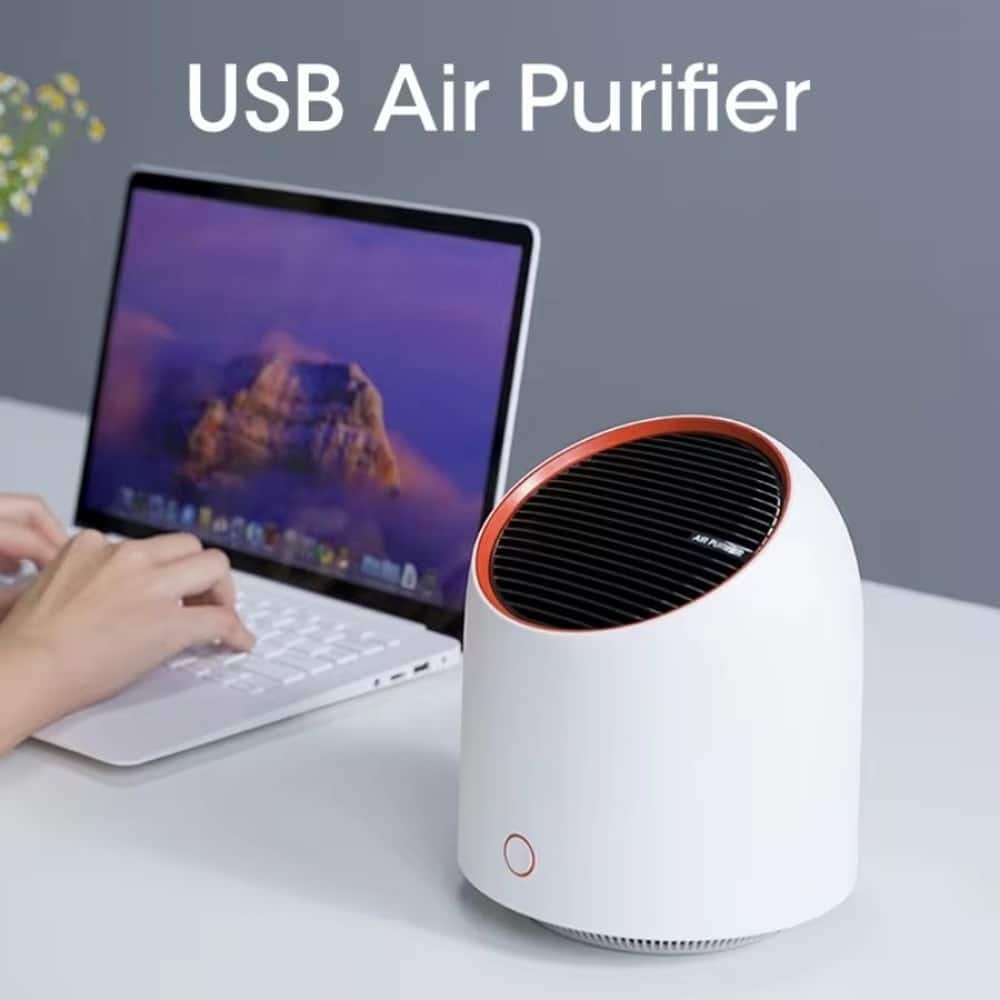
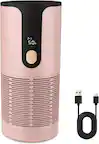
Loheer - Portable Air Purifier Mini USB Desktop Air Cleaner for Allergies Smoke Dust
SKU: J7R34S5834See all Portable Air PurifiersProduct Description
A compact USB-powered air purifier that quietly removes smoke, dust, pollen, and pet dander from your space.Your price for this item is $48.38Save $24The previous price was $72.57 -
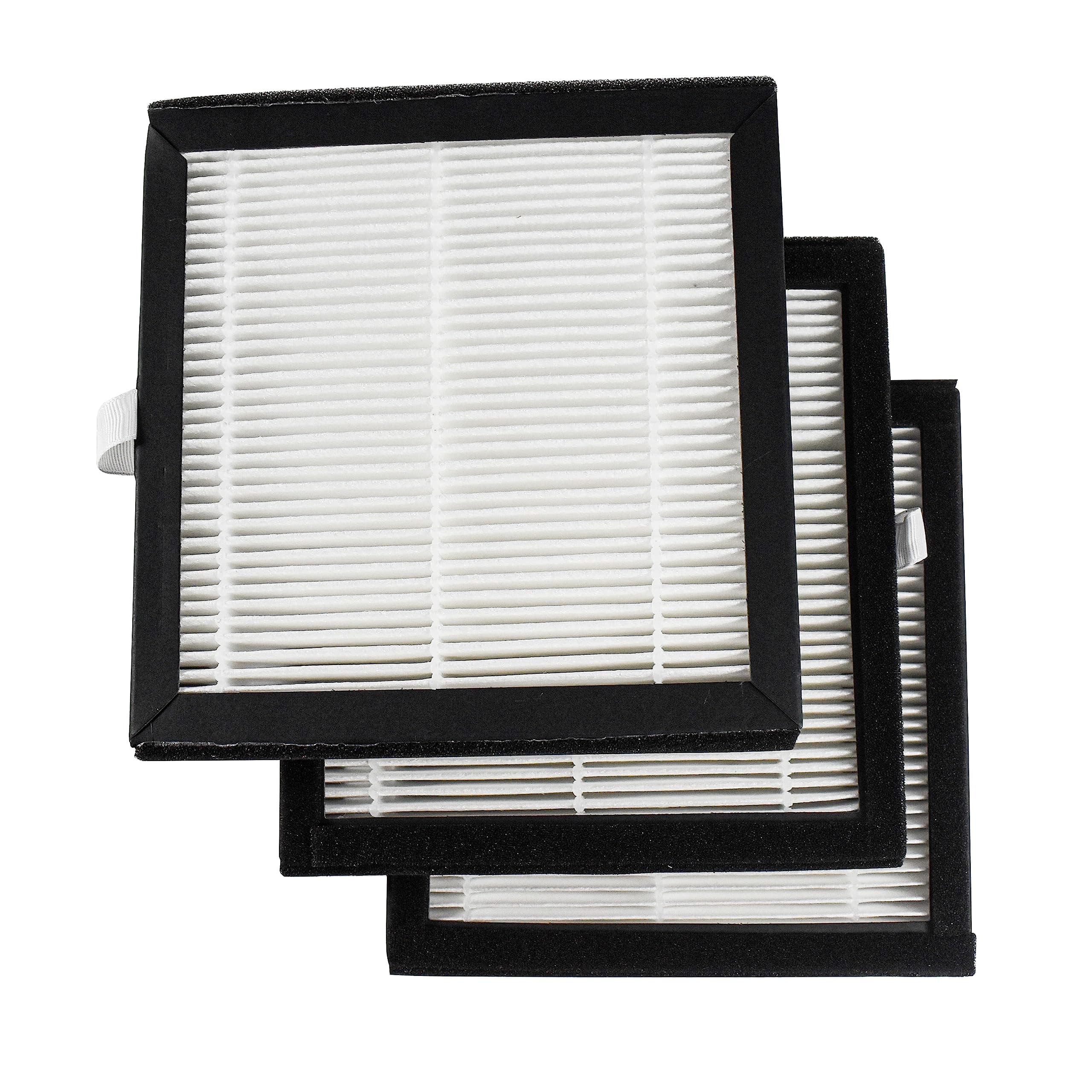
HQRP - 3-Pack H13 HEPA Replacement Filters for Afloia AQ8 Q8, Honati, Hysure Q7, Tenergy Sorbi
SKU: J3ZSLC6H8TSee all Air Purifier Filters & PartsProduct Description
A 3-pack of H13 HEPA filters that removes 99.97% of airborne particles for cleaner indoor air.Your price for this item is $22.95 -
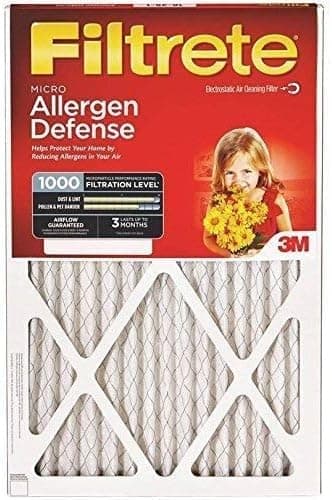
3M - AIR FILTER 20x25x1 Inch, Allergen Defense, 1 Count, Pleated Paper, Compatible with Furnace
SKU: J7LYS4K28VWorks great...They work great!...These filters work great. We have used it for 5+ years....Then I forgot and we had one in for 4 months and it was still working great.
See all Furnace FiltersProduct Description
A pleated paper air filter designed for allergen defense, compatible with most standard furnaces.Your price for this item is $39.99


Best Sellers

Related Pages




FAQ
When choosing an air purifier for allergies and asthma, look for features such as a True HEPA filter, activated carbon filter, multiple fan speeds, quiet operation, and smart sensors that monitor air quality. These features help effectively capture allergens like dust, pollen, pet dander, and smoke.
Yes, many air purifiers are designed with HEPA and activated carbon filters that can capture pet dander and help neutralize common household odors, making them a great choice for homes with pets.
Filter replacement frequency varies by model and usage, but it’s generally recommended to replace HEPA filters every 6 to 12 months and activated carbon filters every 3 to 6 months. Always refer to the manufacturer’s guidelines for your specific device.
Yes, regular maintenance such as cleaning the exterior, pre-filters, and replacing filters as needed ensures optimal performance and prolongs the lifespan of your air purifier.
Many modern air purifiers offer smart features, including app control, voice assistant compatibility, and real-time air quality monitoring, allowing you to manage your device remotely and customize settings for your needs.