Deals for every list.Start early, save early.Shop now

Main Content
Skip to contentGo to Product Search

Deals for every list.Start early, save early.Shop now

Main Content

Best Rated Air Purifier For Allergies

Find the best-rated air purifier for allergies by comparing customer reviews, room coverage and filtration options. Look for filters designed to capture airborne allergens such as pollen, dust and pet dander, and consider noise levels and replacement filter costs to choose an air purifier that fits your space and routine.

What to look for in an air purifier for allergies

Compare filtration, room coverage, noise levels, and maintenance to find an air purifier that helps reduce airborne allergens in your space.

1. Allergen Filtration

Look for HEPA filtration to capture airborne particles such as pollen, dust, and pet dander. Avoid air purifiers that intentionally generate ozone, which can irritate the lungs.

2. Room Size and Coverage

Check the recommended room size and clean air delivery rate (CADR) to find an air purifier suited to your space. When comparing coverage claims, review how frequently each model can filter the room’s air, since square footage alone may not tell the whole story.

3. Noise Levels and Fan Settings

Compare noise ratings at the fan speeds you expect to use, especially if the air purifier will run in a bedroom or home office. Quiet settings can reduce distractions, but lower fan speeds generally clean less air per minute.

4. Filter Replacement and Maintenance

Consider replacement filter availability, cost, and the manufacturer’s recommended replacement schedule. Filter-change indicators and easy-access filter compartments can make routine maintenance more convenient.

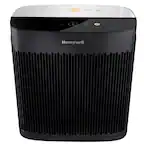
  1. 1

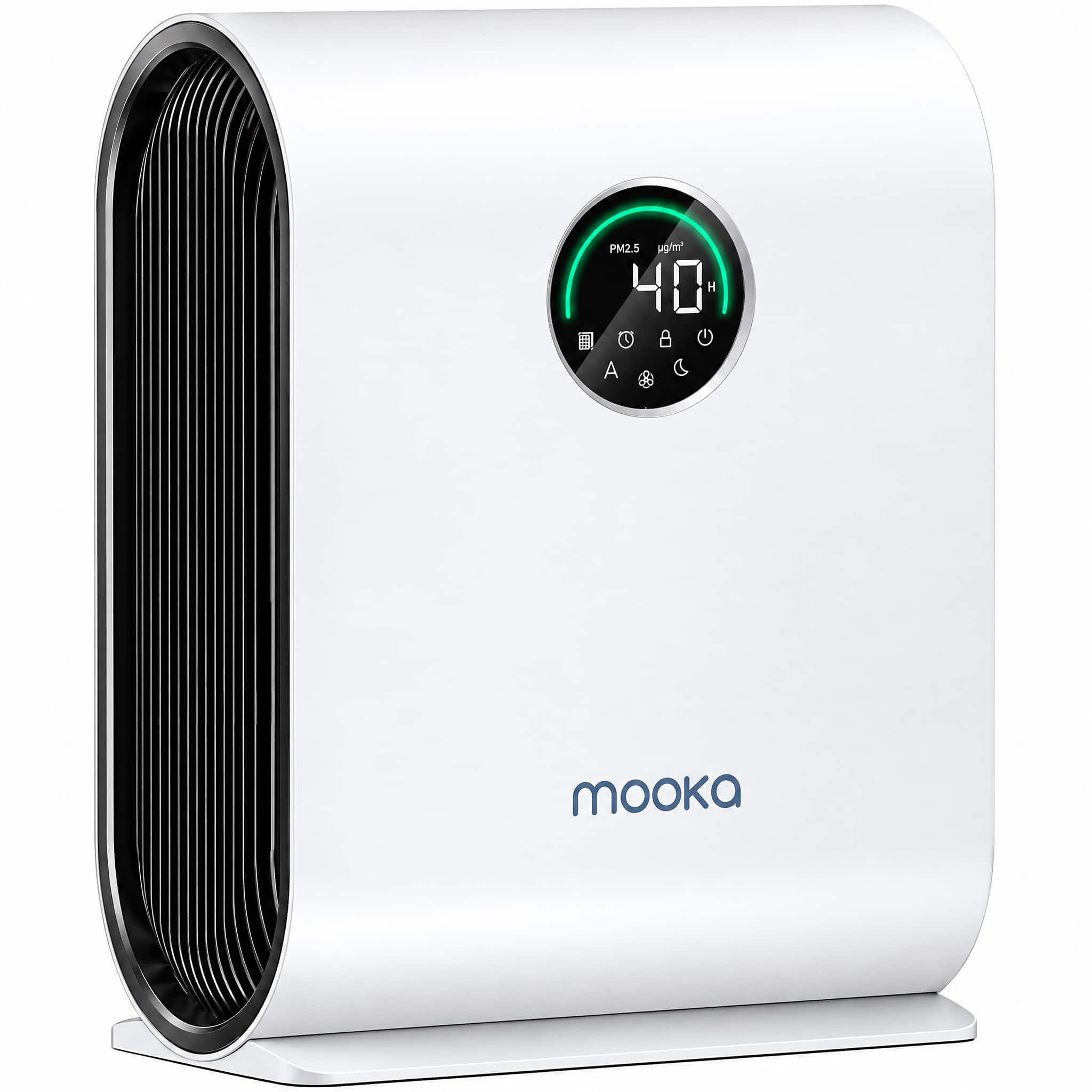
    About this product

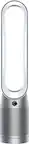
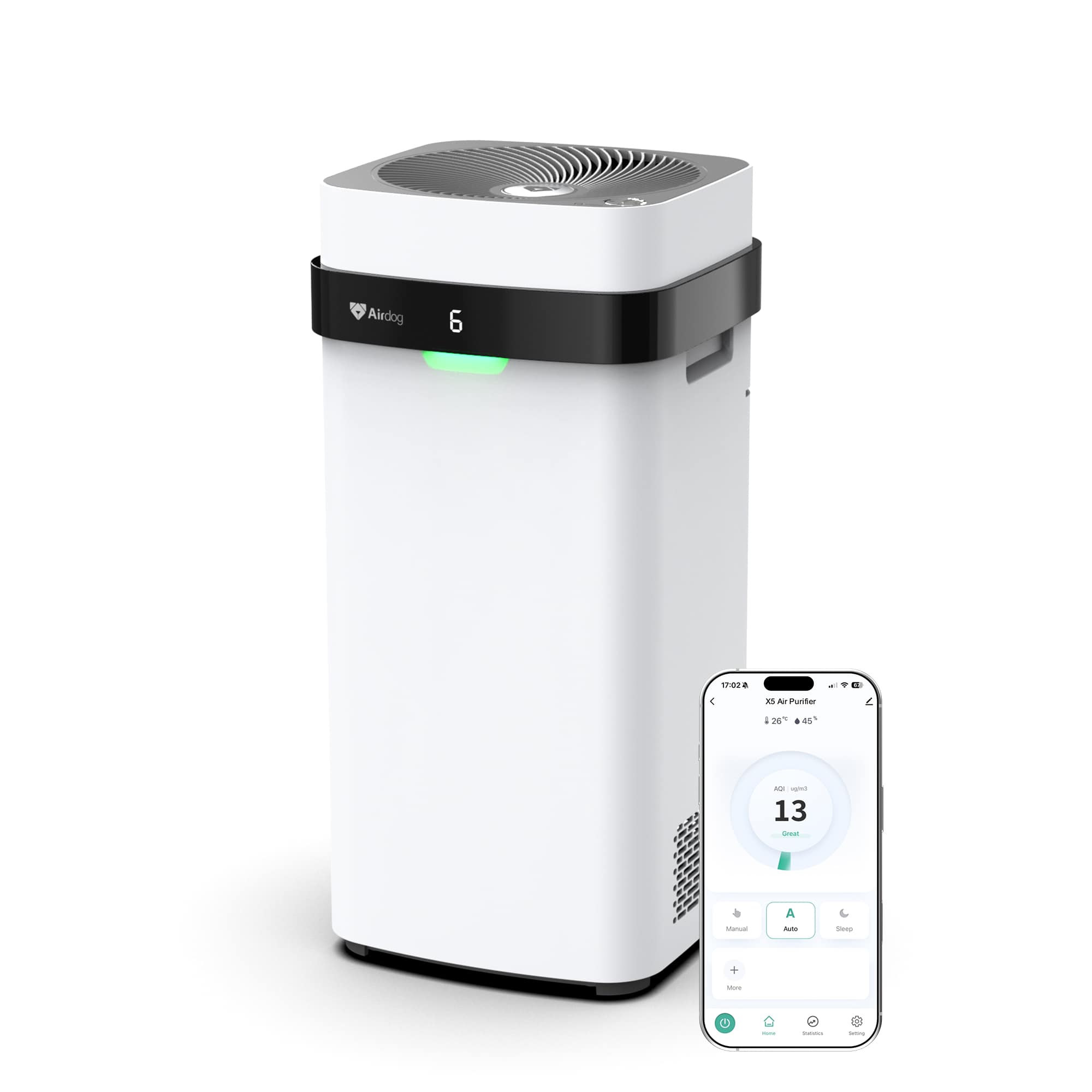
    A white smart air purifier with 3-stage filtration, app control, and voice assistant compatibility for cleaner air.

    A white smart air purifier with 3-stage filtration, app control, and voice assistant compatibility for cleaner air.

    What customers like

    • Effective air purification and allergy relief
    • Quiet operation with night and sleep modes
    • Covers large rooms and has powerful filtration
    • Easy setup and user-friendly design
    • Smart features including app and voice assistant control
    (519)
    $299.99
    SAVE $50.00
    Your price for this item is $299.99
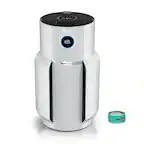
  2. 2

    About this product

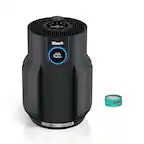
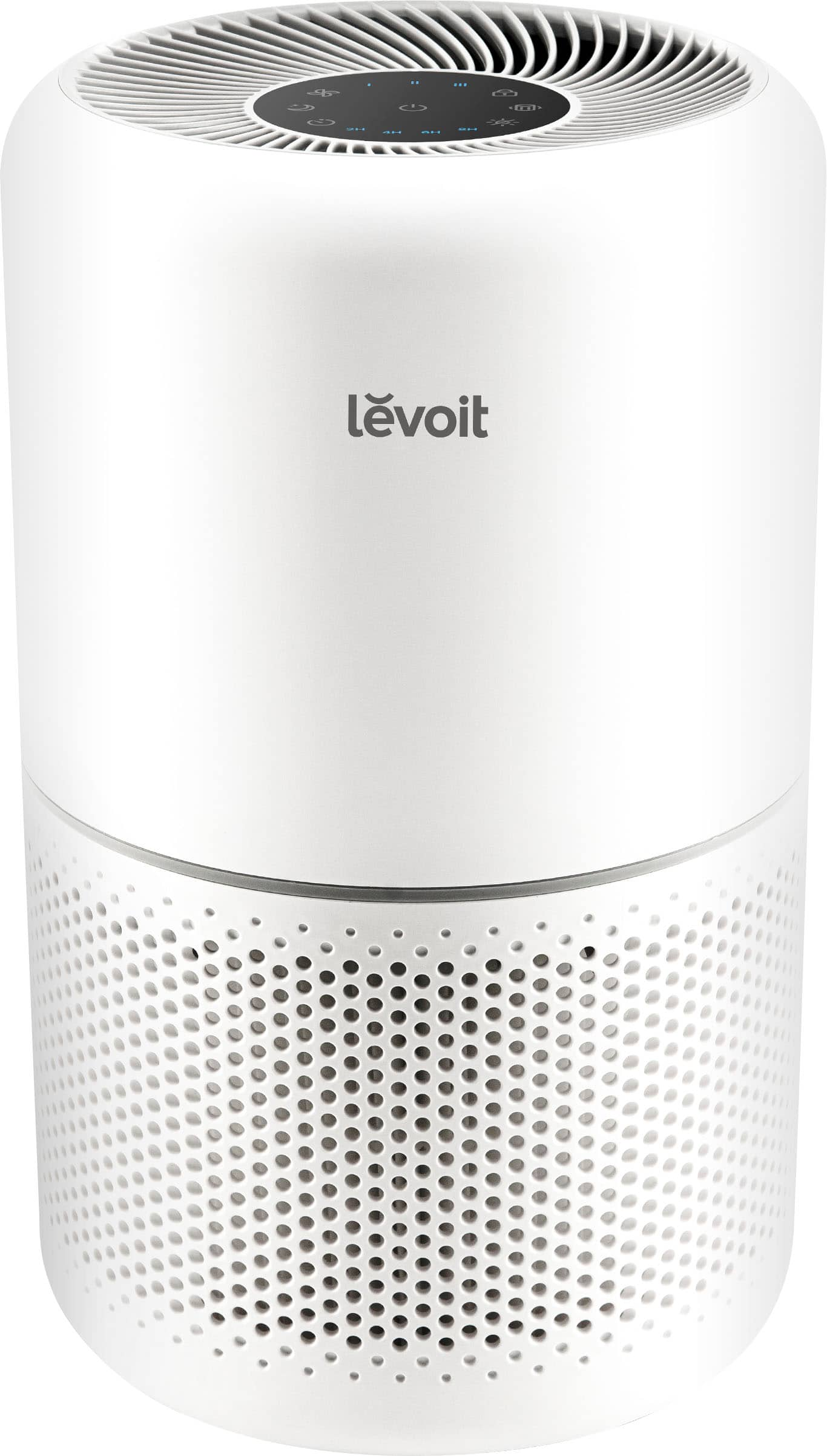
    A smart white air purifier with 3-stage filtration, app control, and ultra-quiet operation for cleaner air.

    A smart white air purifier with 3-stage filtration, app control, and ultra-quiet operation for cleaner air.

    What customers like

    • User-friendly app with remote control and scheduling
    • Smart features including auto mode, air quality display, and voice assistant integration
    • Effective air purification and odor removal
    • Quiet operation and sleep mode
    • Easy setup, filter replacement, and maintenance
    (775)
    $289.99 Your price for this item is $289.99
  3. 3

    About this product

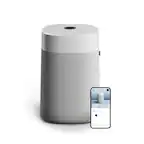
    A white air purifier with HyperHEPA filtration that captures 99.5% of ultra-fine airborne particles and allergens.

    A white air purifier with HyperHEPA filtration that captures 99.5% of ultra-fine airborne particles and allergens.

    (6)
    $1,199.99 Your price for this item is $1,199.99
  4. 4

    About this product

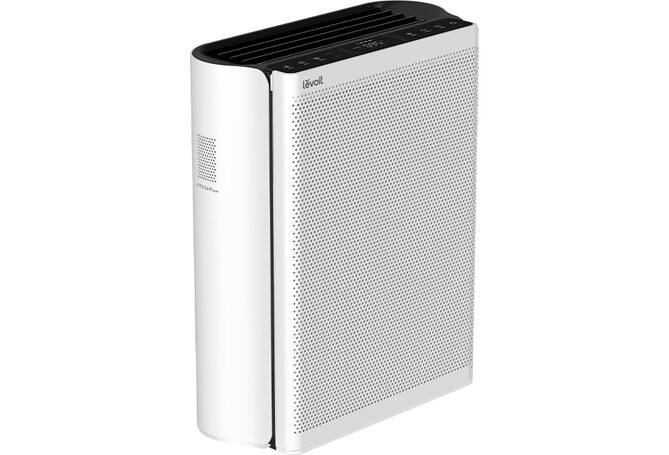
    A white HEPA air purifier with dual filters, ultra-quiet 15dB operation, and smart app control.

    A white HEPA air purifier with dual filters, ultra-quiet 15dB operation, and smart app control.

    What customers like

    • Smart app and WiFi control
    • Improves air quality
    • Effective air purification
    • Quiet operation
    • Easy setup and use
    (29)
    $89.99 Your price for this item is $89.99
  5. 5

    About this product

    A smart white and grey purifier that removes 99.97% of particles and features pet-friendly modes.

    A smart white and grey purifier that removes 99.97% of particles and features pet-friendly modes.

    What customers like

    • Quiet operation
    • Effective air purification
    • Smart features and app control
    • Easy to use and set up
    • Removes pet dander and odors
    (409)
    $169.99
    SAVE $30.00
    Your price for this item is $169.99
  6. 6

    About this product

    A white HEPA air purifier with real-time air quality display, 360° intake, and ultra-quiet sleep mode.

    A white HEPA air purifier with real-time air quality display, 360° intake, and ultra-quiet sleep mode.

    (2)
    $69.99
    SAVE $40.00
    Your price for this item is $69.99
  7. 7

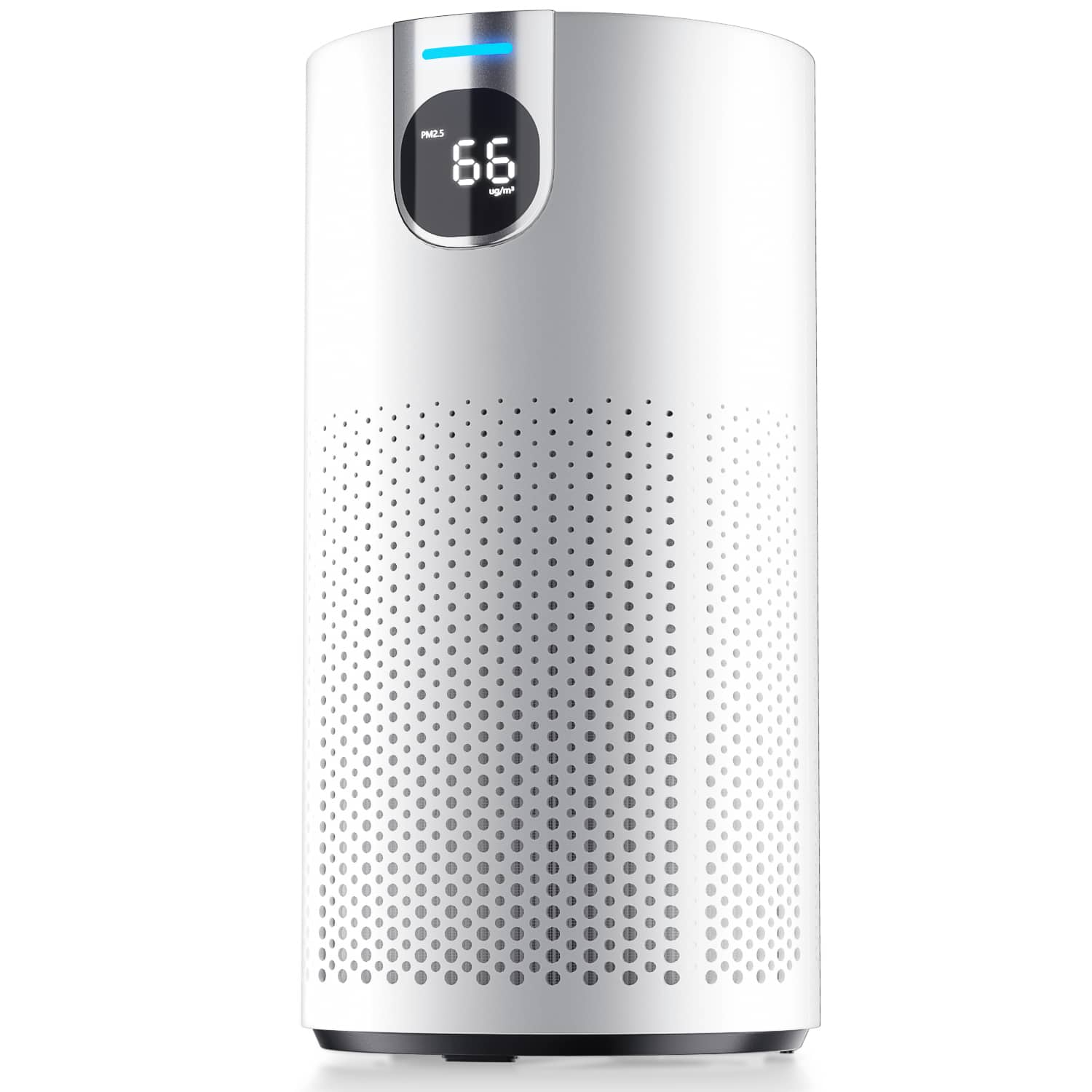
    About this product

    A white air purifier with H13 True HEPA filtration, activated carbon, and real-time PM2.5 monitoring.

    A white air purifier with H13 True HEPA filtration, activated carbon, and real-time PM2.5 monitoring.

    (0)
    $119.95
    SAVE $80.00
    Your price for this item is $119.95
  8. 8

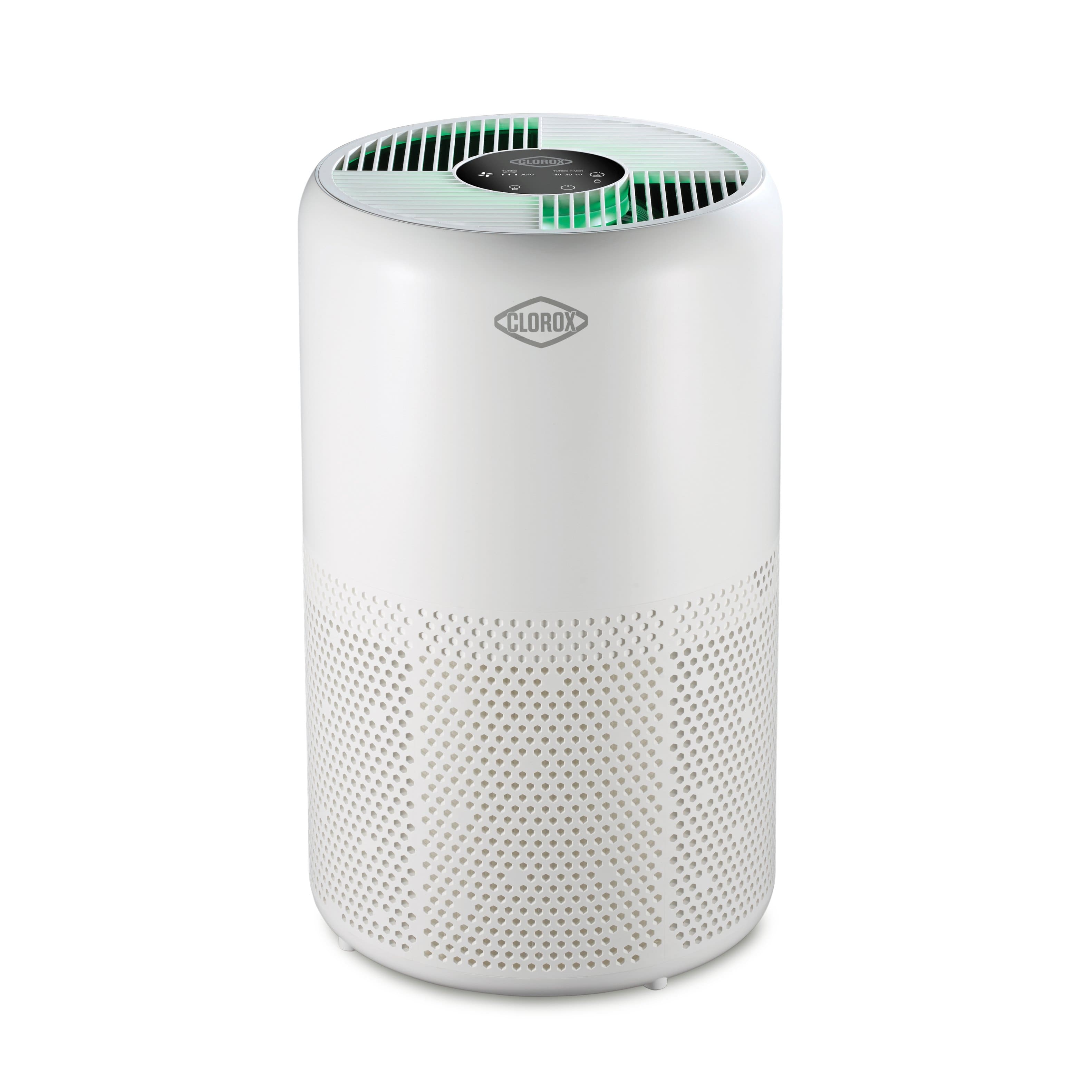
    About this product

    A True HEPA purifier with three-stage 360° filtration, active carbon, auto mode, and Turbo cleaning.

    A True HEPA purifier with three-stage 360° filtration, active carbon, auto mode, and Turbo cleaning.

    (0)
    $169.99 Your price for this item is $169.99
  9. 9

    About this product

    A white air purifier with True HEPA and activated carbon filters, featuring Plasmacluster Ion Technology.

    A white air purifier with True HEPA and activated carbon filters, featuring Plasmacluster Ion Technology.

    (9)
    $239.58 Your price for this item is $239.58
  10. 10

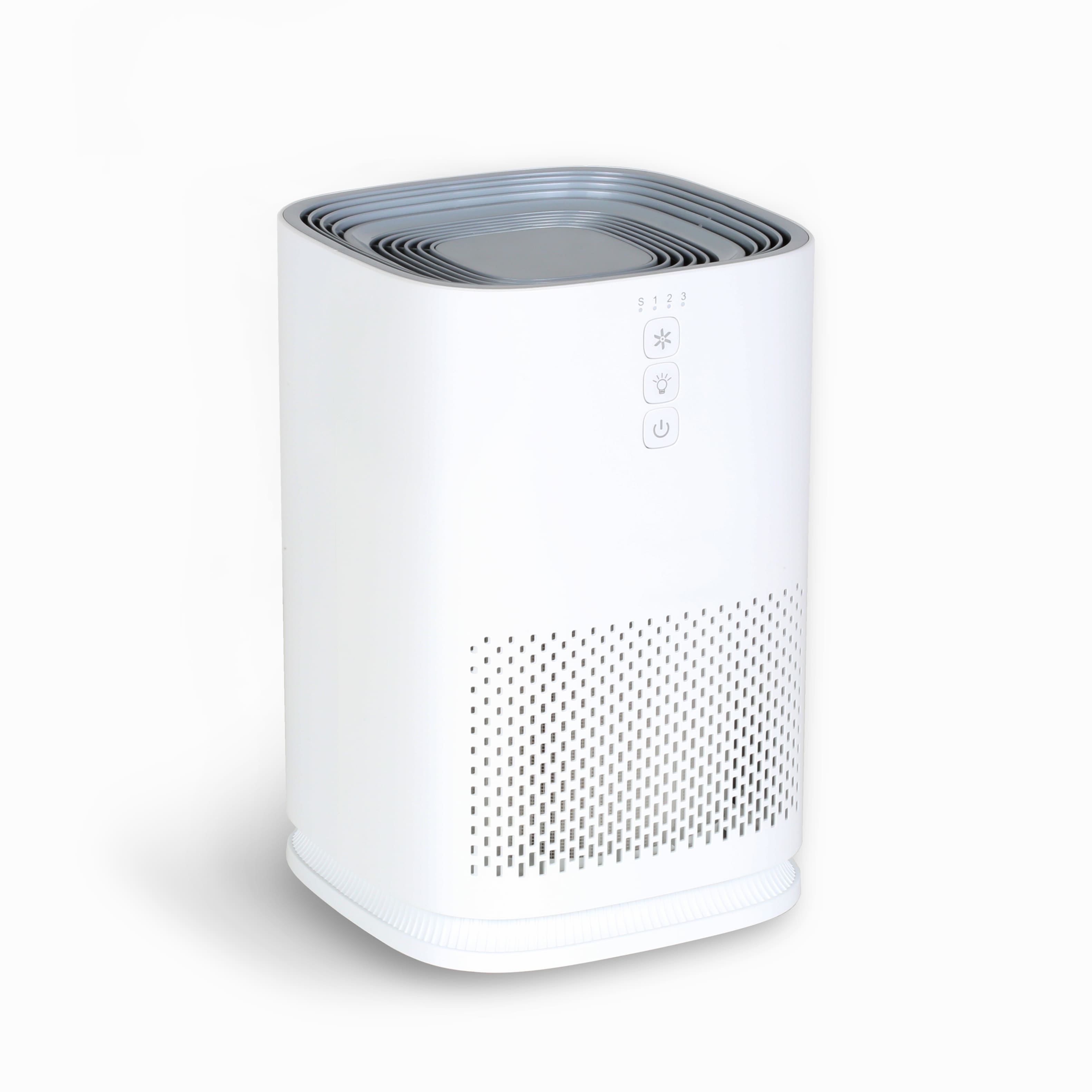
    About this product

    A compact white air purifier with dual True HEPA H13 filters that removes dust, pollen, and allergens.

    A compact white air purifier with dual True HEPA H13 filters that removes dust, pollen, and allergens.

    (1)
    $99.99 Your price for this item is $99.99

Best Rated Air Purifier For Allergies

The best-rated air purifiers for allergies combine effective particle filtration with enough airflow for the intended room and features that make regular use practical. For households dealing with airborne pollen, pet dander, dust-mite debris, or mold spores, a purifier with a True HEPA filter can help reduce particles circulating through the air. True HEPA filters are designed to capture at least 99.97% of particles measuring 0.3 microns under standardized testing conditions. That figure describes the filter’s performance, not the percentage of allergens a machine will remove from an entire room, where airflow, placement, and ongoing sources of particles also matter. A pet stretching out on an upholstered sofa or clothing carrying pollen indoors can introduce particles throughout the day, making steady filtration more useful than an occasional short burst of operation. Many air purifiers use layered filtration: a prefilter catches larger debris such as lint and pet hair, while the main particle filter captures much smaller airborne material. An activated carbon layer serves a different purpose, helping reduce certain odors and gases depending on the amount of carbon and its design. A thin carbon sheet should not be expected to perform like a substantial bed of activated carbon, and neither replaces HEPA filtration for particles. For allergy-focused use, particle capture and clean airflow deserve more attention than fragrance features or claims about making a room smell fresh. Air cleaning also has limits: a purifier does not remove dust already settled on shelves, eliminate dust mites living in bedding, or correct a moisture problem that supports mold growth. It works alongside regular cleaning, appropriate ventilation, and control of allergen sources. This makes an air purifier a practical addition to bedrooms, home offices, and shared living areas, rather than a substitute for those routines or for prescribed allergy care. Designs that rely on mechanical filtration can capture particles without intentionally producing ozone; ozone-generating air cleaners are not appropriate for occupied spaces, particularly where people have sensitive airways.

Room fit is one of the most important differences between otherwise similar air purifiers. Clean air delivery rate, commonly abbreviated CADR, describes the volume of filtered air a unit delivers per minute, with separate ratings often listed for smoke, dust, and pollen. Higher CADR values generally support faster particle removal or a larger space, but the rating needs to be considered alongside room dimensions and operating speed. Air changes per hour, or ACH, expresses how many times an equivalent volume of room air passes through the purifier in an hour. For allergy-focused particle reduction, coverage based on roughly five air changes per hour is a useful comparison point, rather than a large square-footage claim based on only one air change. For example, a room measuring 300 square feet with an 8-foot ceiling contains 2,400 cubic feet of air. A purifier delivering 200 cubic feet of clean air per minute would provide approximately five equivalent air changes per hour in that space under idealized conditions. Tall ceilings, open doorways, connected rooms, and furniture layouts can make real-world performance less straightforward. A compact bedroom with the door closed presents a different task from a living room that opens into a hallway and dining area. Noise matters just as much when the purifier will run beside a bed, near a television, or within earshot of work calls. Maximum airflow ratings may reflect the highest fan setting, while a quiet sleep setting can deliver considerably less clean air. Useful specifications therefore include noise levels at different speeds and, when provided, airflow performance at those settings. Automatic modes can adjust fan speed in response to a particle sensor, but typical household sensors do not identify individual allergens or reliably measure every allergy trigger. Manual speed controls, dimmable displays, and timers can make operation easier to tailor to a room’s routine. A stable location with the manufacturer’s recommended clearance around the intake and outlet helps preserve airflow; tucking a unit behind a curtain or tightly between furniture can undermine its intended performance.

Day-to-day care helps determine whether an air purifier remains convenient after its first few uses. Filter access, housing materials, handle placement, and the size of the base all affect how comfortably a unit fits into a household. Smooth, wipeable exterior surfaces are easier to keep free of dust, while a sturdy base and well-positioned cord are useful in rooms shared with children or pets. Carrying handles or casters can help with occasional relocation, although moving one purifier between several rooms does not provide continuous filtration in all of them. Prefilters that collect visible hair and lint may need attention more often in a home with shedding pets. Some can be vacuumed or washed, but care depends on the manufacturer’s directions; a washable prefilter does not mean the main HEPA filter can be rinsed. Most replaceable HEPA filters should remain dry, and washing or aggressively vacuuming them can damage the filter media. Replacement intervals vary with use and the amount of airborne material in the home, so an indicator light is a helpful reminder rather than a precise measurement of every filter’s condition. Secure filter seals, straightforward access panels, and clear maintenance instructions make routine upkeep less cumbersome. Comparing Top Rated Hepa Air Purifiers can help bring filtration specifications into focus alongside these everyday details. Shopper ratings are especially informative when reviews describe the same room size, fan speed, and intended use: someone running a purifier across a large living area may have different expectations from someone using it beside a desk. Comments about persistent rattles, confusing controls, filter changes, and display brightness can reveal practical considerations that a headline rating alone does not convey. Energy-use specifications also matter for a device intended to operate for extended periods. The strongest match is an allergy-focused air purifier with appropriately sized airflow, dependable particle filtration, tolerable operating noise, and maintenance requirements that fit the household’s routine. Those qualities support consistent use, which is central to reducing airborne particles wherever the purifier is placed.

FAQs