Deals for every list.Start early, save early.Shop now

Main Content

Deals for every list.Start early, save early.Shop now

Main Content

Best Dlp Projector

Finding the best DLP projector starts with your room, viewing needs, and budget. Browse the selection by comparing resolution, brightness, throw distance, and connectivity. Check how far each projector needs to sit from the screen to produce your preferred image size, and consider ambient light when evaluating brightness. Confirm that the available inputs support the devices you plan to connect.

What to look for in a DLP projector

Finding the best DLP projector for your space starts with matching image quality, brightness, placement options, and connectivity to how you plan to watch or play.

1. Brightness and Room Lighting

Choose brightness based on your room’s ambient light and intended screen size, since larger images and brighter rooms generally require more light output. Look for ANSI or ISO lumen ratings to make more meaningful comparisons between projectors.

2. Resolution and Image Quality

Check the displayed resolution rather than relying only on the input resolutions a projector supports, especially when shopping for a 4K DLP projector. Contrast and color accuracy also affect how movies, sports, and games look. Some viewers notice brief rainbow-like color flashes with certain single-chip DLP projectors, so consider your sensitivity to this effect.

3. Throw Distance and Placement

Match the projector’s throw ratio to the distance available between its lens and your screen or wall. Short-throw and ultra-short-throw designs can create large images from closer positions, while optical zoom and lens shift can offer placement flexibility. Check the manufacturer’s placement requirements before choosing a screen size or mount.

4. Connectivity and Gaming Performance

Check for compatible HDMI connections for your streaming device, game console, or computer, along with audio outputs for external speakers. For gaming, compare input lag and supported refresh rates at your intended resolution. If you want built-in streaming, verify that the projector supports the apps you use.

  1. 1

    About this product

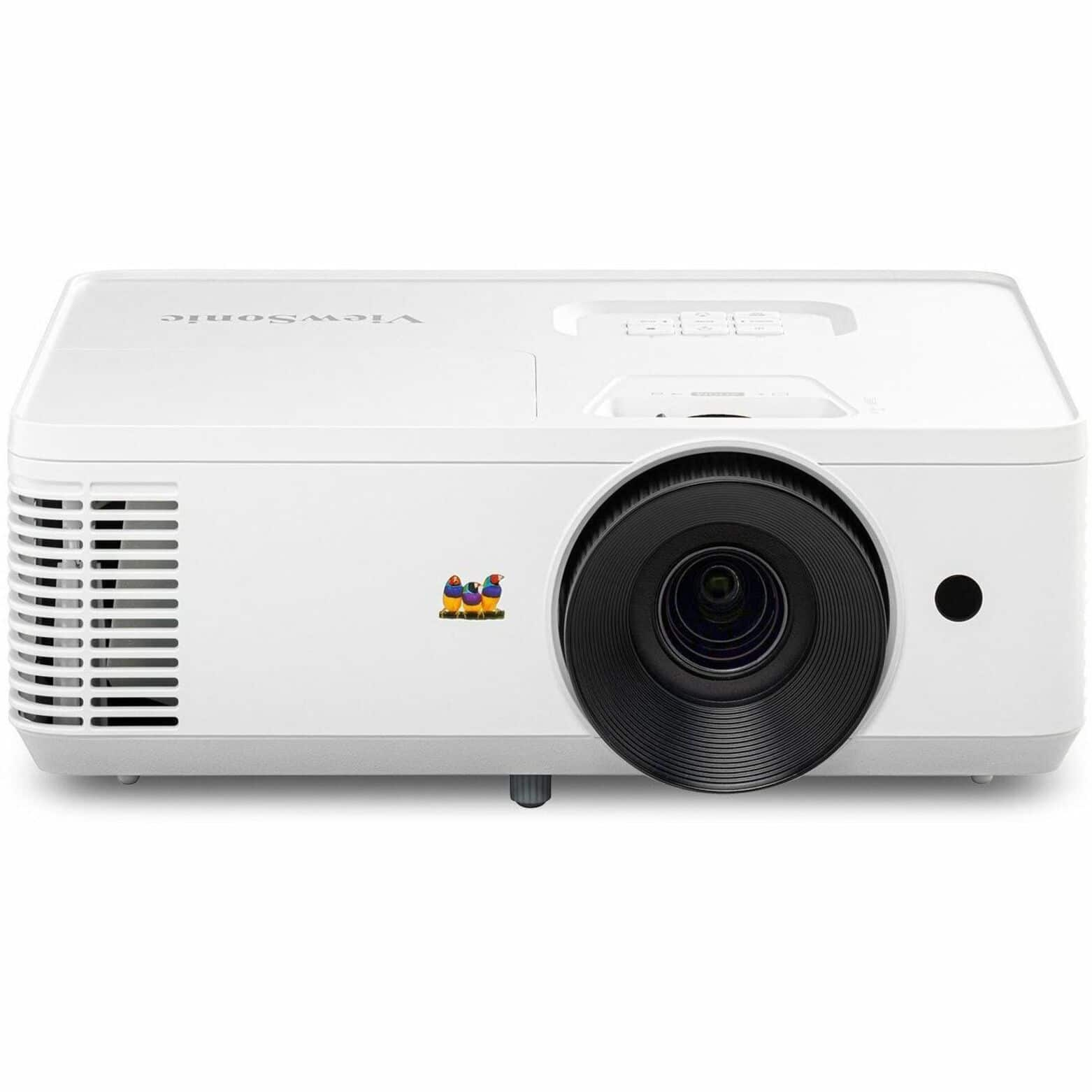
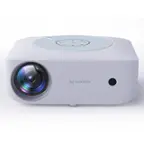
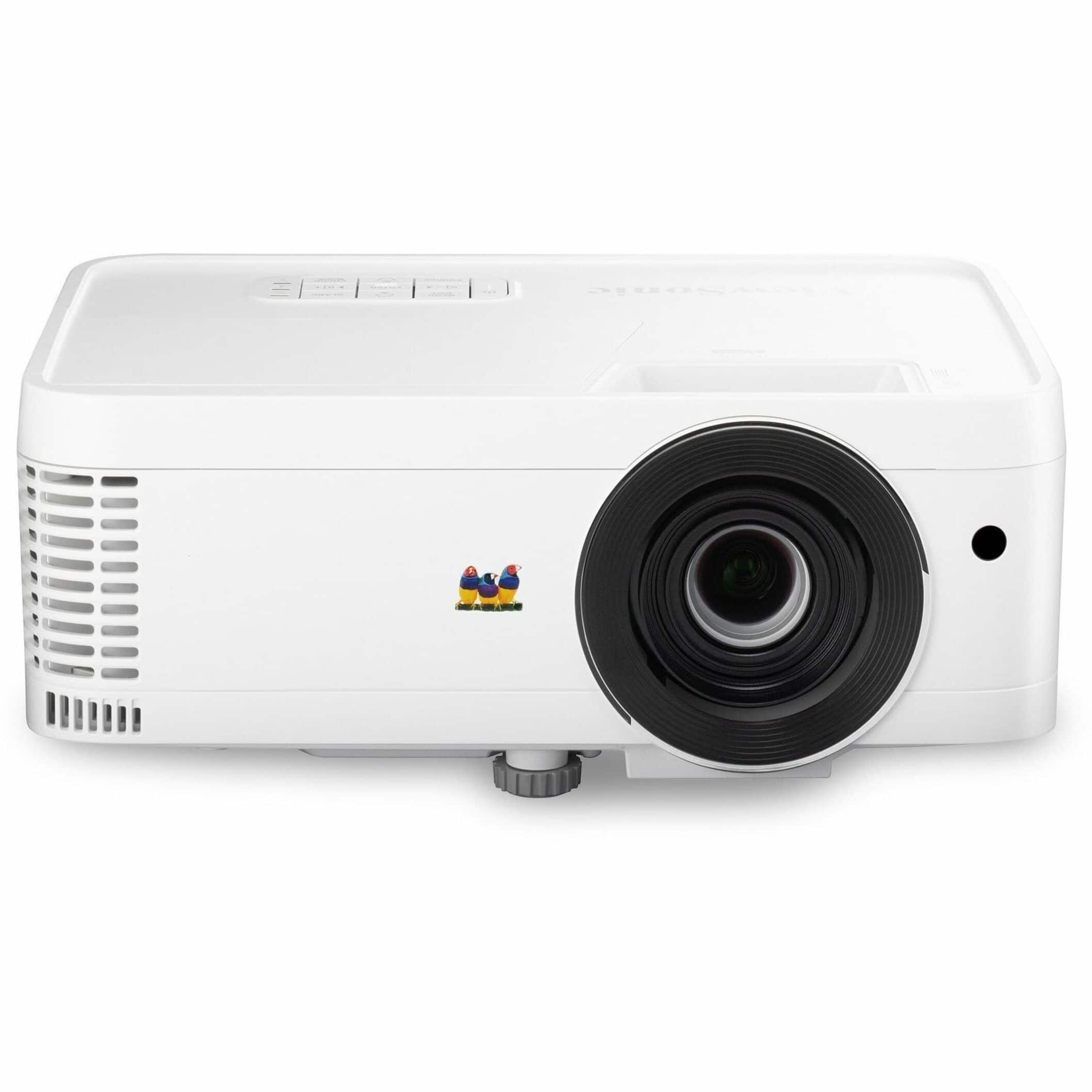
    A white DLP projector with HDR, Full HD 1080p resolution, 4000 lumens, and integrated speakers.

    A white DLP projector with HDR, Full HD 1080p resolution, 4000 lumens, and integrated speakers.

    (0)
    $1,413.00 Your price for this item is $1,413.00
  2. 2

    About this product

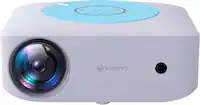
    A white DLP projector delivering 4K Ultra HD visuals with HDR, 240Hz refresh rate, and 3D support.

    A white DLP projector delivering 4K Ultra HD visuals with HDR, 240Hz refresh rate, and 3D support.

    (17)
    $979.99 Your price for this item is $979.99
  3. 3

    About this product

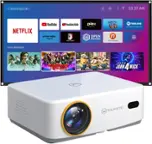
    A white 4K HDR short throw gaming projector with 4LED technology, 2200 lumens, and ultra-fast response.

    A white 4K HDR short throw gaming projector with 4LED technology, 2200 lumens, and ultra-fast response.

    (2)
    $1,499.00
    SAVE $200.00
    Your price for this item is $1,499.00
  4. 4

    About this product

    A portable white DLP projector with HDR, RGB triple laser, Full HD 1080p, and built-in speakers.

    A portable white DLP projector with HDR, RGB triple laser, Full HD 1080p, and built-in speakers.

    (0)
    $1,139.00
    SAVE $144.69
    Your price for this item is $1,139.00
  5. 5

    About this product

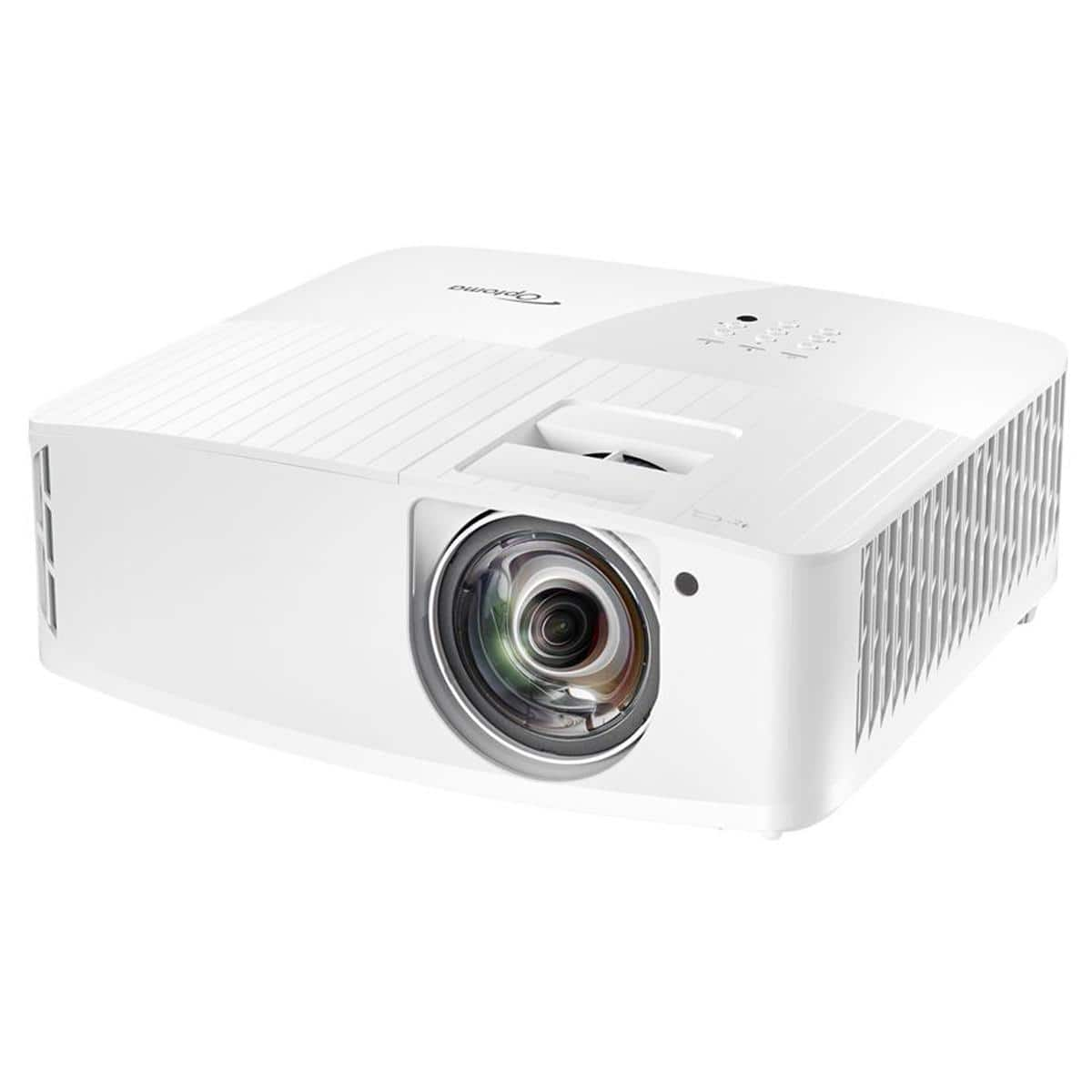
    A white short throw DLP projector delivering 4K UHD resolution, HDR, 3D support, and integrated speakers.

    A white short throw DLP projector delivering 4K UHD resolution, HDR, 3D support, and integrated speakers.

    (0)
    $2,289.00 Your price for this item is $2,289.00
  6. 6

    About this product

    A gray portable smart projector with triple laser 4K DLP, Dolby Vision, optical zoom, and integrated speakers.

    A gray portable smart projector with triple laser 4K DLP, Dolby Vision, optical zoom, and integrated speakers.

    (7)
    $1,299.99 Your price for this item is $1,299.99
  7. 7

    About this product

    A white DLP projector delivering 1080p Full HD, HDR support, 4,500 lumens, and enhanced gaming mode.

    A white DLP projector delivering 1080p Full HD, HDR support, 4,500 lumens, and enhanced gaming mode.

    (2)
    $679.00 Your price for this item is $679.00
  8. 8

    About this product

    A white 3D-ready DLP projector with HDR, 1024 x 768 resolution, laser light source, and built-in speakers.

    A white 3D-ready DLP projector with HDR, 1024 x 768 resolution, laser light source, and built-in speakers.

    (0)
    $861.06 Your price for this item is $861.06
  9. 9

    About this product

    A white DLP projector delivering 1080p resolution, 4,000 lumens brightness, dual HDMI, and integrated speakers.

    A white DLP projector delivering 1080p resolution, 4,000 lumens brightness, dual HDMI, and integrated speakers.

    (5)
    $649.99 Your price for this item is $649.99
  10. 10

    About this product

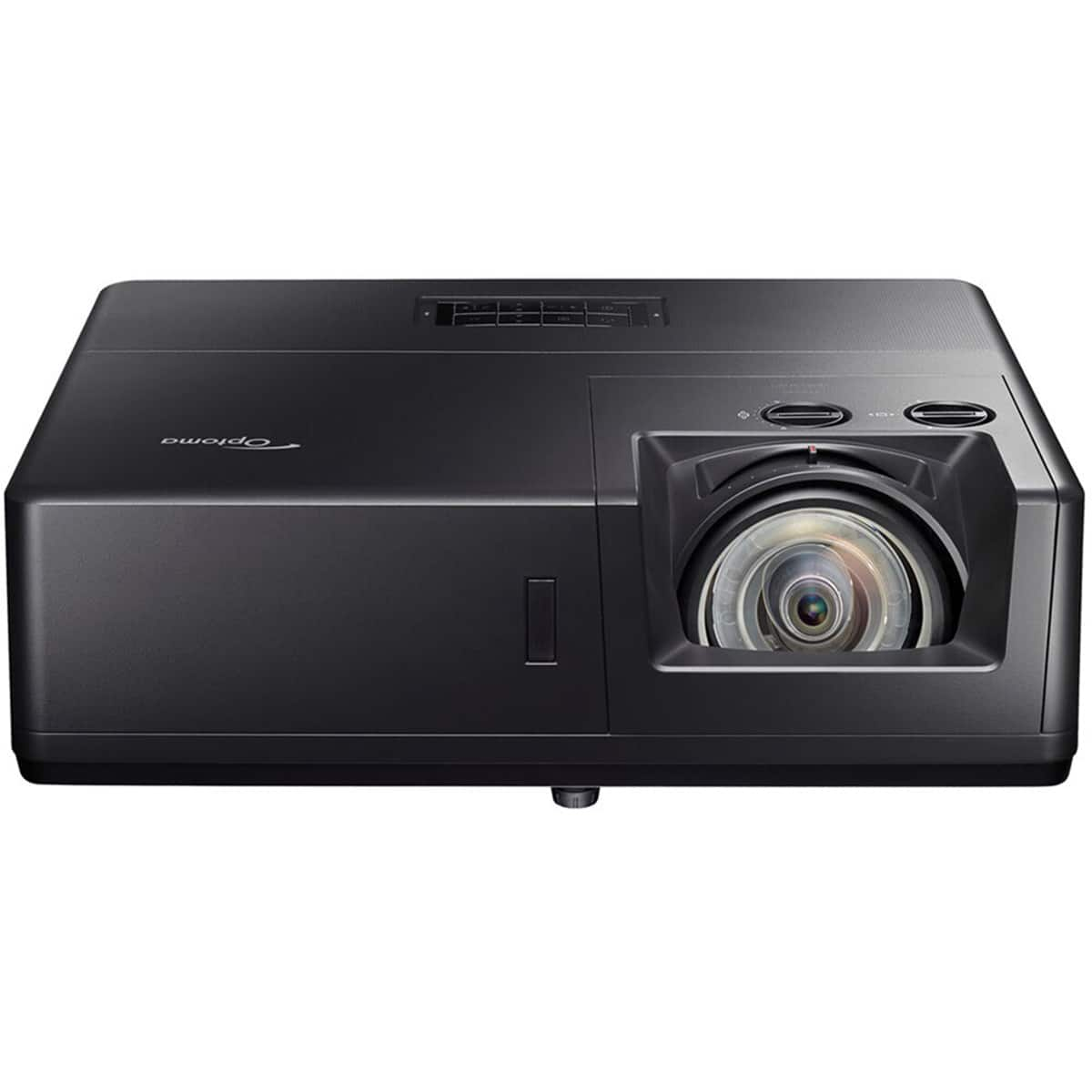
    A black short throw DLP projector with HDR, 4K resolution, laser light source, and integrated speakers.

    A black short throw DLP projector with HDR, 4K resolution, laser light source, and integrated speakers.

    (0)
    $4,799.00 Your price for this item is $4,799.00

Best Dlp Projector

The best DLP projector for a room balances image quality, screen size, placement flexibility, and the way the space is used. DLP, short for Digital Light Processing, creates images with a chip covered in tiny mirrors that rapidly direct light toward or away from the lens. This technology can produce sharply defined text, detailed scenery, and smooth-looking action, making DLP projectors useful for everything from movie nights and video games to presentations and photo slideshows. Resolution helps determine how much detail a projector can display, especially when an image stretches across a large screen. Full HD can suit everyday viewing, while 4K display resolution brings additional detail to compatible movies, games, and other content. Some DLP designs use rapid pixel shifting to display more pixels than the imaging chip’s native pixel count, so native chip resolution and displayed resolution are not always identical. Brightness matters just as much as resolution in a room where lamps stay on or daylight reaches the screen. ANSI or ISO lumen measurements provide a more useful basis for comparison than loosely defined brightness claims, although picture mode and testing methods still affect the numbers. A larger image spreads light across more surface area, which can make it look dimmer than a smaller image from the same projector. Contrast, color accuracy, and effective HDR processing also shape the picture: a nighttime scene should retain detail in a dark jacket without making nearby highlights look flat. HDR support alone does not guarantee the same result across different projectors. Some single-chip DLP systems can produce brief flashes of separated color, often called the rainbow effect, particularly around bright objects against dark backgrounds. Sensitivity varies by viewer, and the light source and color-generation system can influence how noticeable the effect becomes. For shared viewing, comfortable color reproduction and balanced picture settings can be more valuable than an especially vivid mode that makes faces look unnatural.

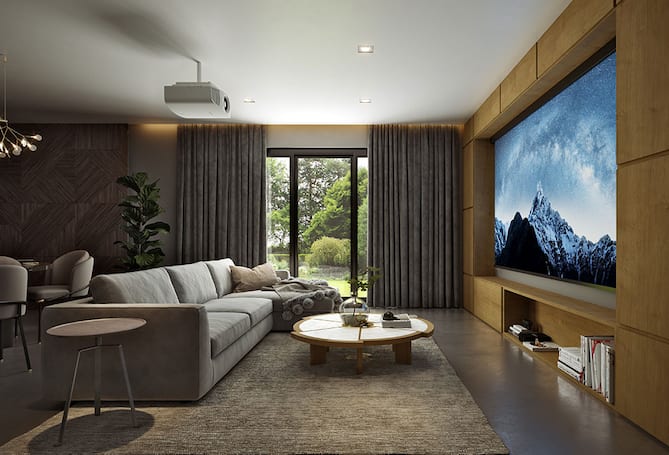
Physical fit begins with the relationship between the lens, the screen, and the seating area. Standard-throw DLP projectors generally need more distance to produce a large picture, while short-throw and ultra-short-throw designs can create large images from closer positions. The required distance varies by model and image size, making throw-ratio specifications important for a narrow den, a multipurpose living room, or a dedicated media space. A coffee-table setup also has different needs from a permanent ceiling installation: the former benefits from easy positioning and protected cable routes, while the latter requires a compatible mount, secure attachment, and access for maintenance. Optical zoom and lens shift, when included, offer ways to adjust framing without relying entirely on digital correction. Keystone correction can straighten a trapezoidal image, but substantial correction may reduce usable resolution and introduce processing, so good physical alignment remains valuable. Screen material affects the result, too. A smooth, neutral projection surface helps preserve detail and color, whereas a textured wall or tinted paint can change the appearance of an otherwise well-adjusted picture. Ambient-light-rejecting screens can help in suitable rooms, but their compatibility depends on projector type, installation geometry, and viewing angles; an ultra-short-throw setup may require a screen specifically designed for that light path. Seating position matters because some screen materials look brighter from the center than from the sides. Around the projector itself, durable housing, stable feet, and an appropriate mounting arrangement support dependable everyday use. Ventilation openings need the clearance specified by the manufacturer, whether the projector sits on a shelf or hangs overhead. Fan noise can be especially noticeable above a sofa during quiet dialogue, so operating-noise specifications and the effect of different brightness modes deserve attention. Cable length, power access, and space for connectors behind the housing are practical details that can determine whether a setup feels tidy or awkward.

Intended use brings the remaining features into focus. For movies and television, accurate color, consistent focus across the screen, and convincing shadow detail help create an absorbing picture without distracting adjustments. Sports benefit from clear motion and enough brightness to keep uniforms, field markings, and score graphics visible when the room is not fully dark. For gaming, low input lag helps on-screen action respond promptly to controller input, while supported refresh rates determine which signals the projector can accept and display. Maximum refresh rate, maximum resolution, and minimum input lag may apply to different operating modes, so their relationship matters more than any one headline specification. A laptop presentation calls for readable text and dependable connections; a family movie setup may place greater value on straightforward controls and easy access to a preferred streaming device. HDMI connections commonly carry video and audio, but port capabilities differ. Wireless casting, built-in streaming, Bluetooth audio, and USB media playback are model-dependent features rather than universal functions. External speakers or a sound system can provide fuller dialogue and effects than compact built-in speakers, with audio-return support dependent on compatible connections and equipment. Reading Dlp Projectors Reviews can add useful perspective on everyday concerns such as setup effort, fan sound, remote responsiveness, and picture consistency. Long-term care also depends on construction and light-source type. Lamp-based designs may require replacement lamps over time, while LED and laser designs generally use long-life light sources; stated service-life figures are estimates under specified conditions, not guarantees of unchanged brightness. Lens surfaces and coatings need gentle care following the manufacturer’s directions, and any user-serviceable filters or vents need appropriate maintenance. A protective case can help prevent scuffs and lens damage during transport, although portability does not imply weather resistance. For film enthusiasts, gamers, students, or someone creating a shared entertainment space, a DLP projector can also make a thoughtful gift when room dimensions, connection needs, and setup preferences are understood.

FAQs