Car Subwoofers Reviews
-
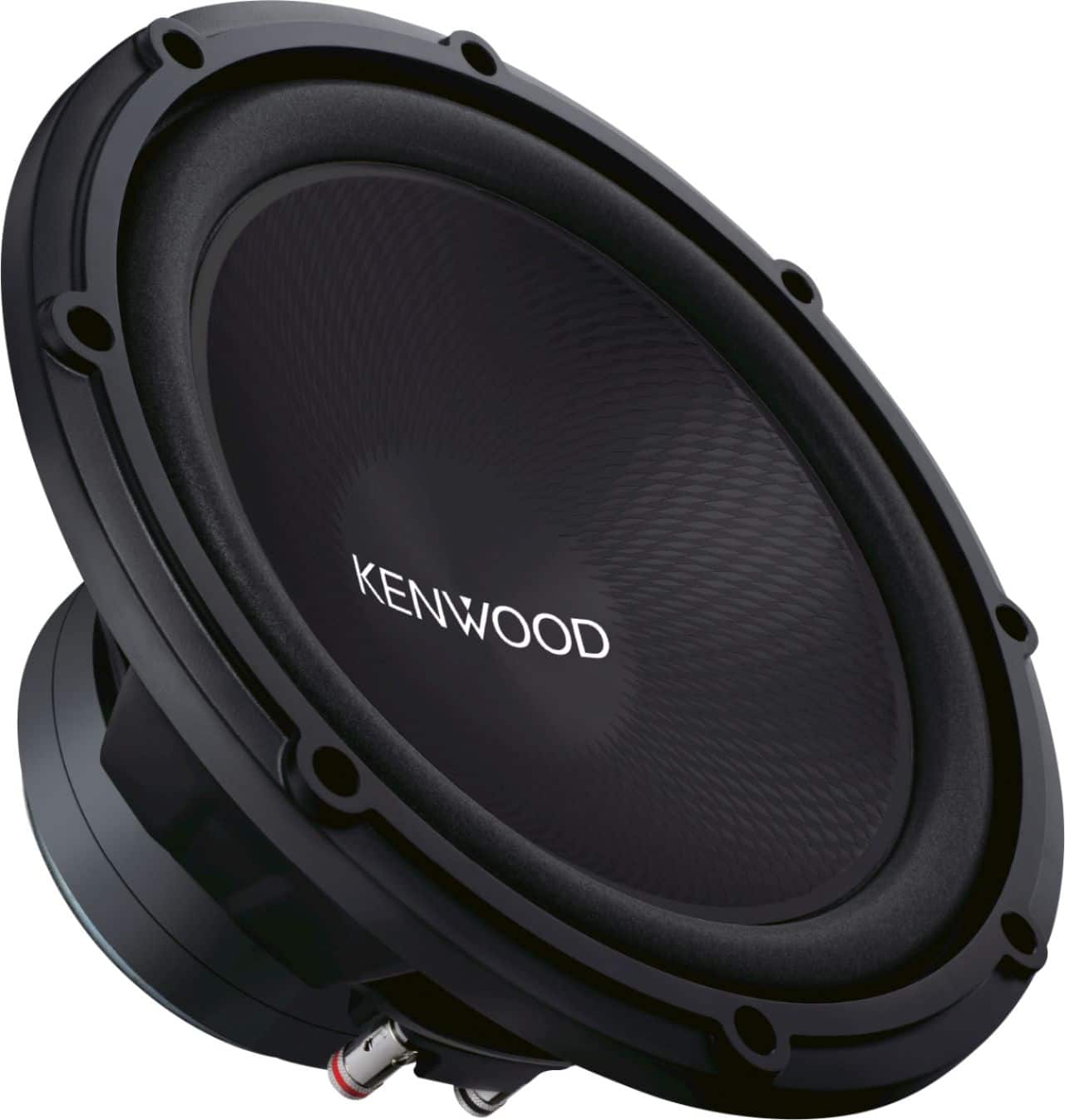
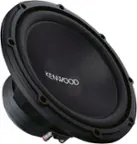
Kenwood - Road Series 12" Single-Voice-Coil 4-Ohm Subwoofer - Black
SKU: J72276SGXCLove it, the sounds great. Fit nicely in my car. Best speakers...I love how good these subwoofer sound best bang for your buck for sure
See all 12" Subwoofers & EnclosuresProduct Description
A black single-voice-coil subwoofer delivering powerful 1000W bass with a 36-300Hz frequency response.Your price for this item is $59.99 -
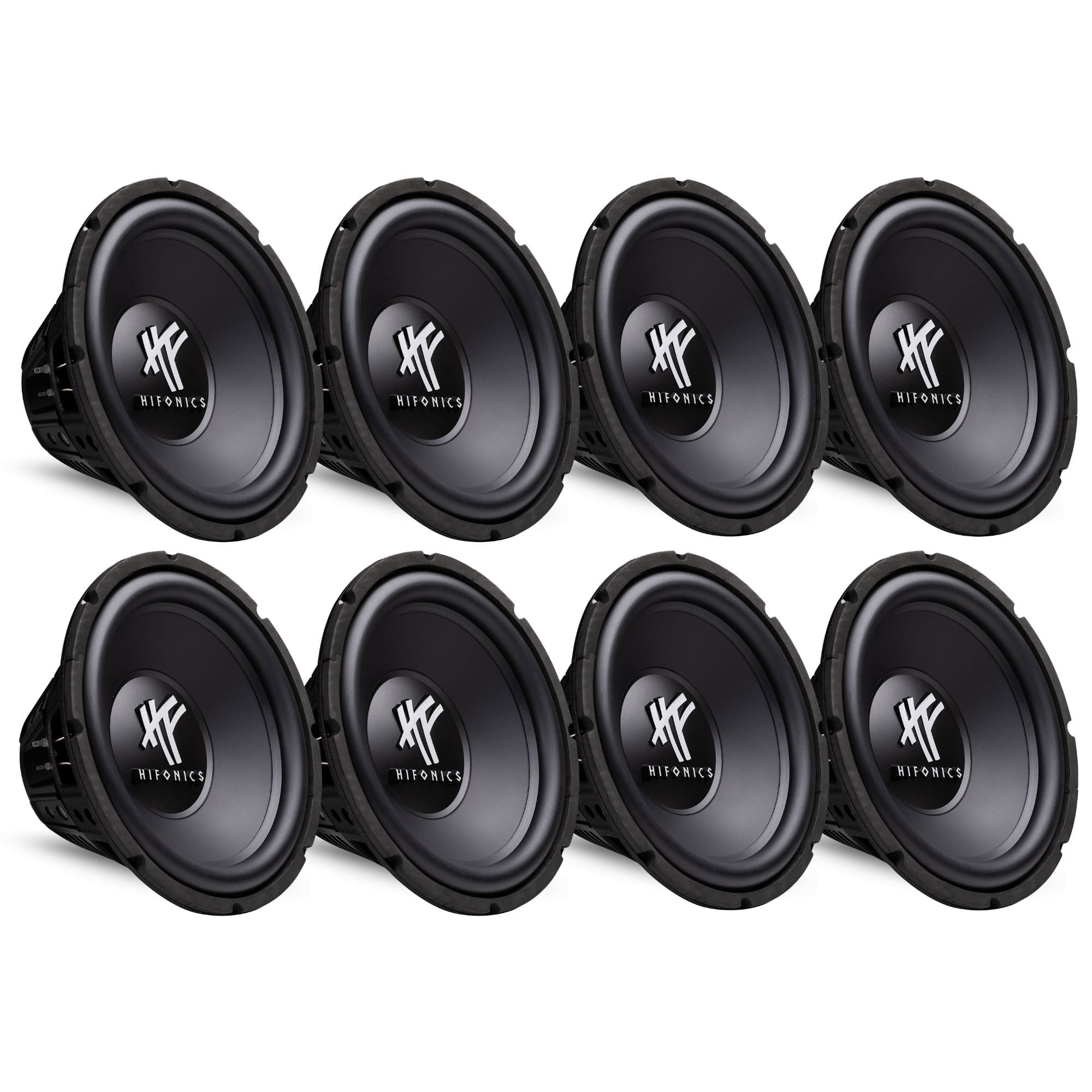
Hifonics - 12" 800 Watt 4 Ohm DVC Car Audio Subwoofer Power Bass Sub (8 Pack) - Black
SKU: J39QWPFZLJSee all 12" Subwoofers & EnclosuresProduct Description
A black dual voice coil subwoofer delivering 800 watts of powerful bass with a durable steel basket.Your price for this item is $253.03 -
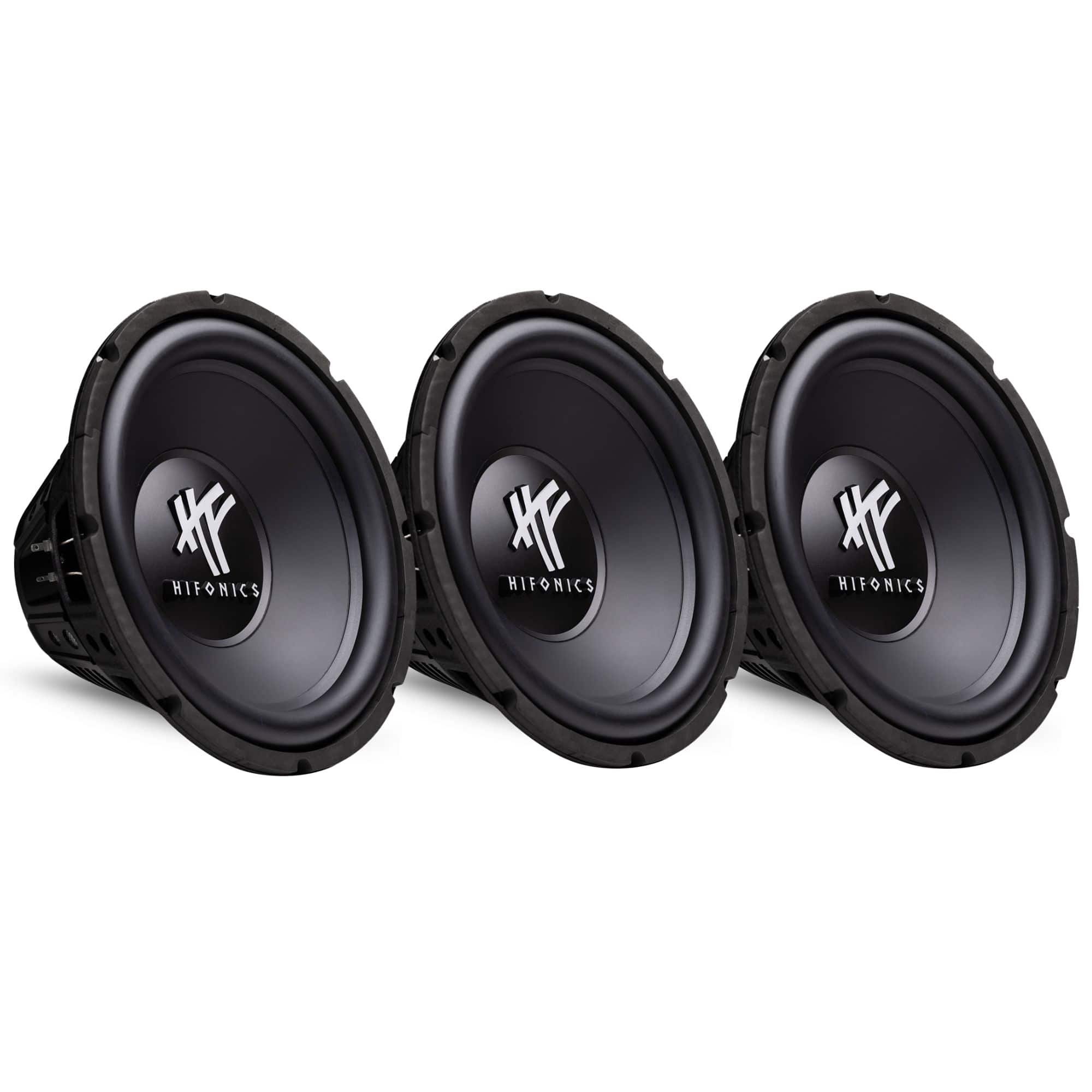
Hifonics - 12" 800 Watt 4 Ohm DVC Car Audio Subwoofer Power Bass Sub (3 Pack) - Black
SKU: J39QWPFVYJThis speaker has a great, stylish look....For the retail price of these, it bumps and hits the highs great. The lows, not so much....If you’re wanting to add more bass but not go overboard this is great...
See all 12" Subwoofers & EnclosuresProduct Description
A black dual voice coil subwoofer delivering 800 watts peak power with a high excursion rubber surround.Your price for this item is $102.47Save $8The previous price was $110.97 -
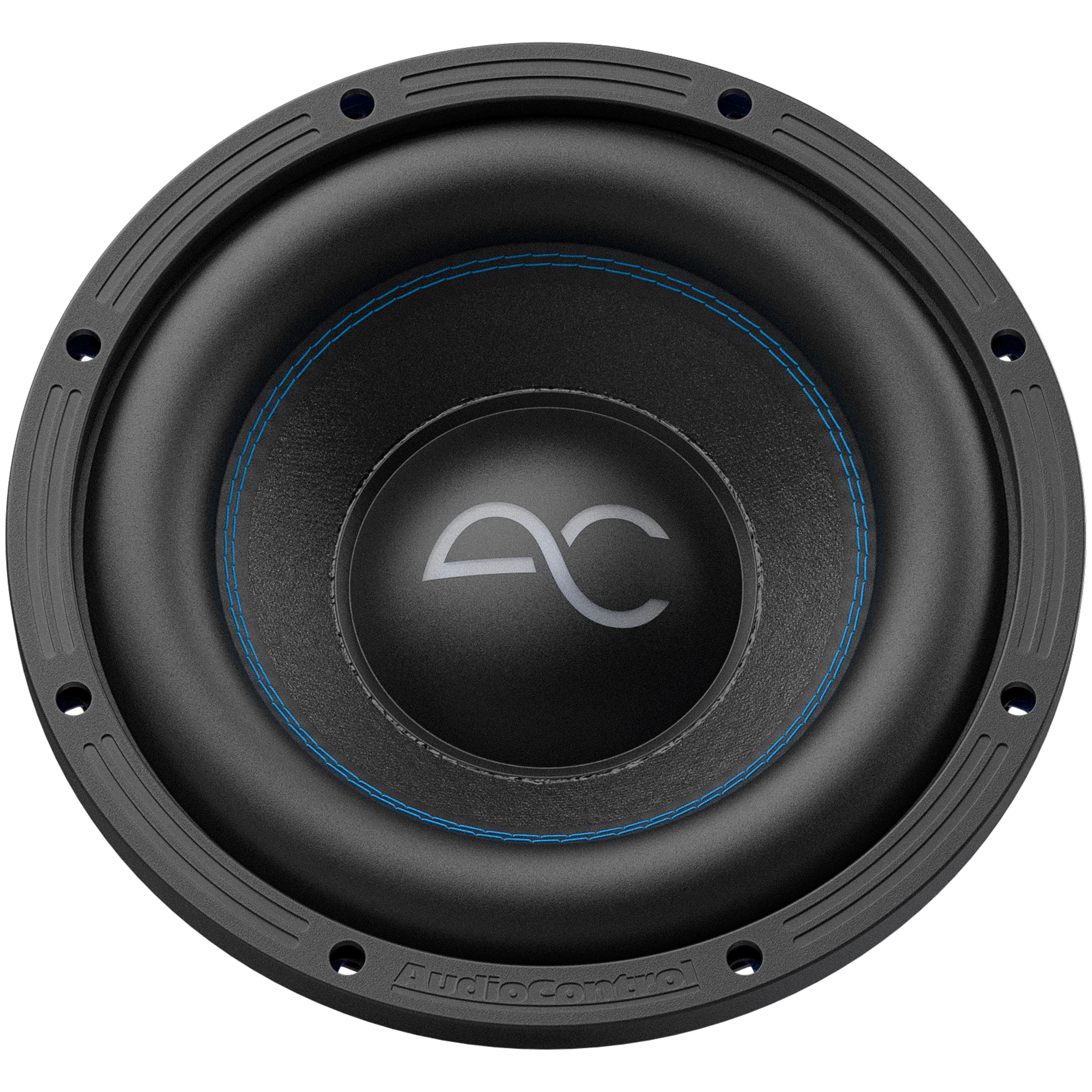
AudioControl - Spike Series 10” Single-Voice-Coil 4-Ohm High-Performance Subwoofer - Black/Blue
SKU: J3R8WFFPKPSee all 10" Subwoofers & EnclosuresProduct Description
A high-performance black and blue subwoofer delivering ultra-low bass with a durable, removable grille design.Your price for this item is $209.99
Best Sellers
Related Pages




FAQ
When choosing a car subwoofer, consider features such as power handling (RMS and peak), sensitivity rating, voice coil configuration (single or dual), enclosure compatibility, and build quality. These factors can influence the sound quality and integration with your car audio system.
To match a subwoofer with your car amplifier, ensure the subwoofer's power handling (RMS) aligns with the amplifier’s output. Also, check the impedance (ohms) compatibility between the subwoofer and the amplifier to achieve optimal performance and avoid damage.
Many car enthusiasts choose to install subwoofers themselves using installation kits and guides. However, if you’re unfamiliar with car audio wiring or want the best results, professional installation is recommended.
Adding a subwoofer enhances your car’s audio system by delivering deeper, richer bass that standard speakers can’t produce. This results in a fuller, more immersive listening experience for music genres that rely on low-frequency sounds.
The type of enclosure—sealed, ported, or bandpass—can significantly affect your subwoofer’s performance. Sealed boxes provide tight, accurate bass, while ported or bandpass enclosures can deliver louder, boomier bass. Choose an enclosure that matches your listening preferences and subwoofer specifications.