Card Readers For Government Offices
Card readers for government offices can help streamline secure access and data management in professional environments. Compatible smart card readers can support efficient workflows by enabling quick authentication and reliable use of government-issued credentials. Whether outfitting a single department or equipping an entire office, choosing the right card reader helps maintain productivity and security standards. Explore available options and review each product's specifications to find readers that fit the requirements of government operations.
Read More-
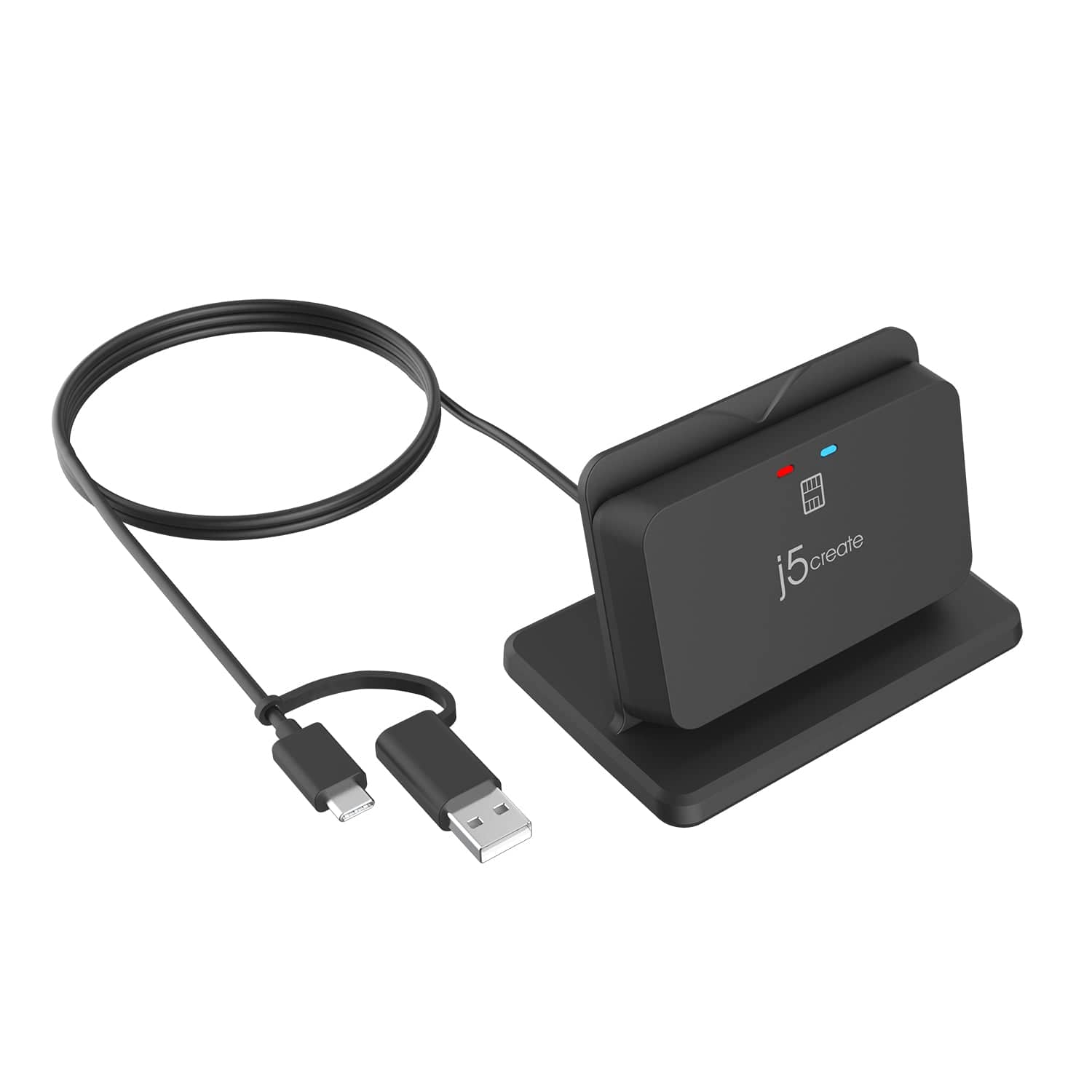
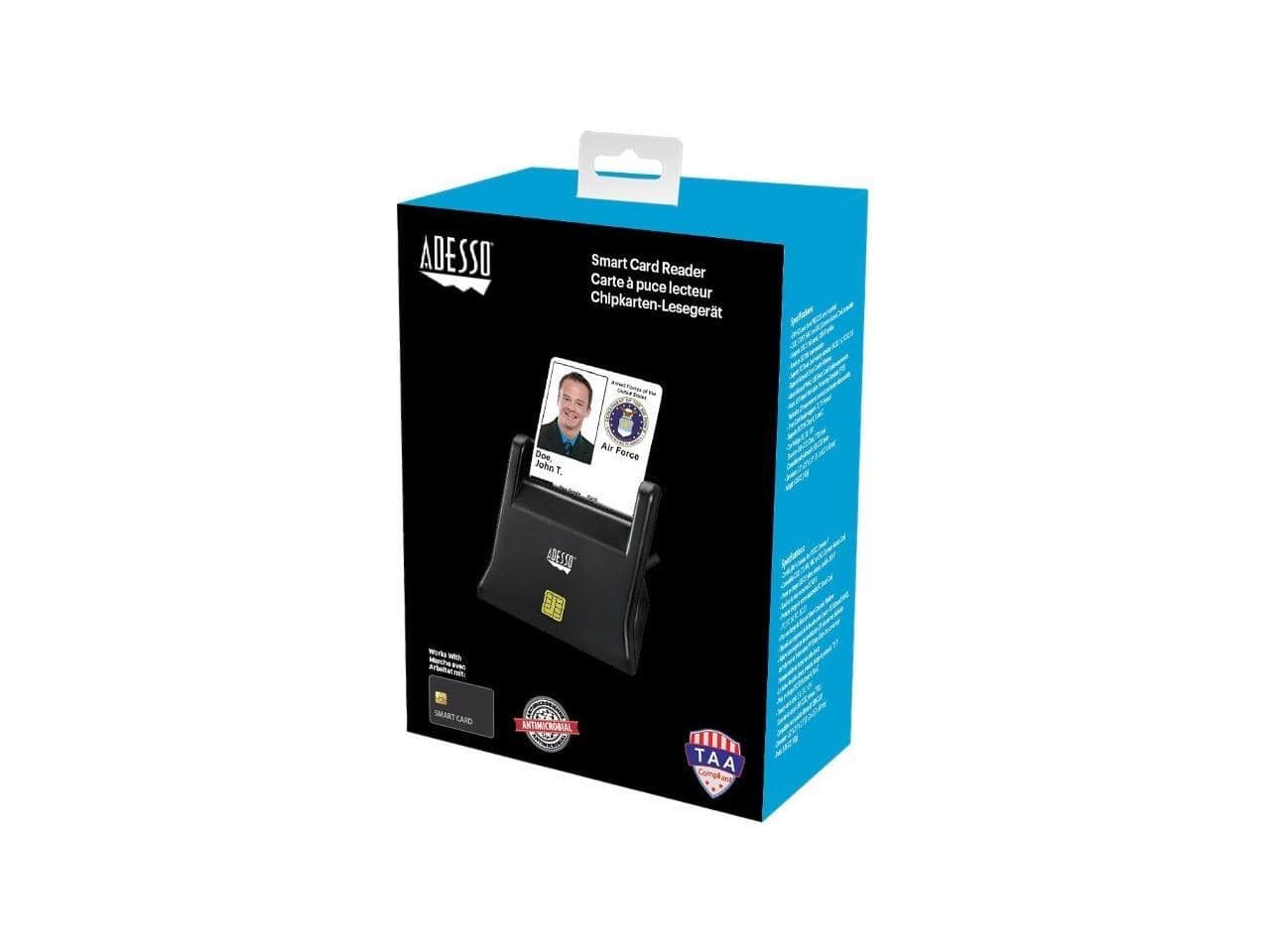
j5create - USB Smart Card / CAC Reader Stand - Black
SKU: J36445R9VLSee all Multi-Factor Authentication (MFA)Product Description
A black USB smart card reader stand offering secure authentication, high-speed data transfer, and broad compatibility.$34.99 Your price for this item is $34.99 -
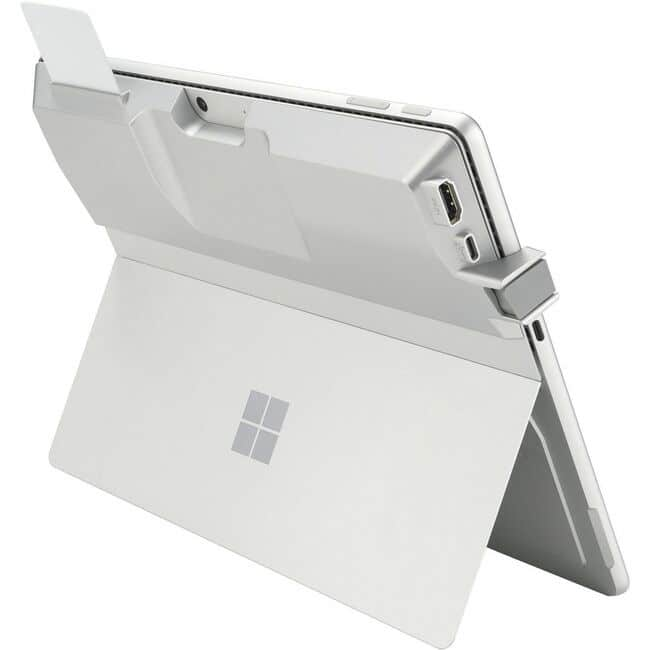
Kensington - Smart Card (CAC) Reader Adapter for Surface Pro 9 with Intel - USB Type C - Rugged - Platinum - TAA Compliant - Platinum
SKU: J7RJZZYS5WSee all Cell Phone Car ChargersProduct Description
A rugged platinum USB-C smart card reader adapter designed for Surface Pro 9 with Intel processors.$88.87 Your price for this item is $88.87Save $70Was $159.41The previous price was $159.41 -
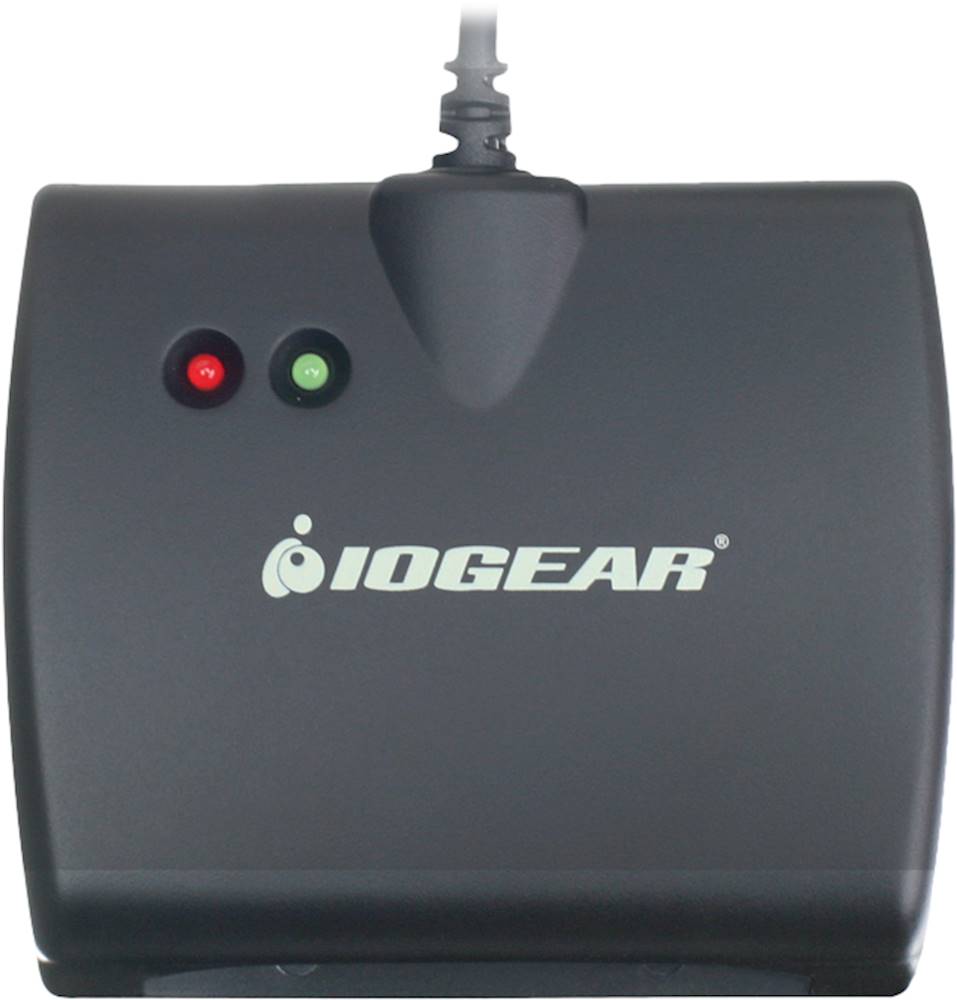
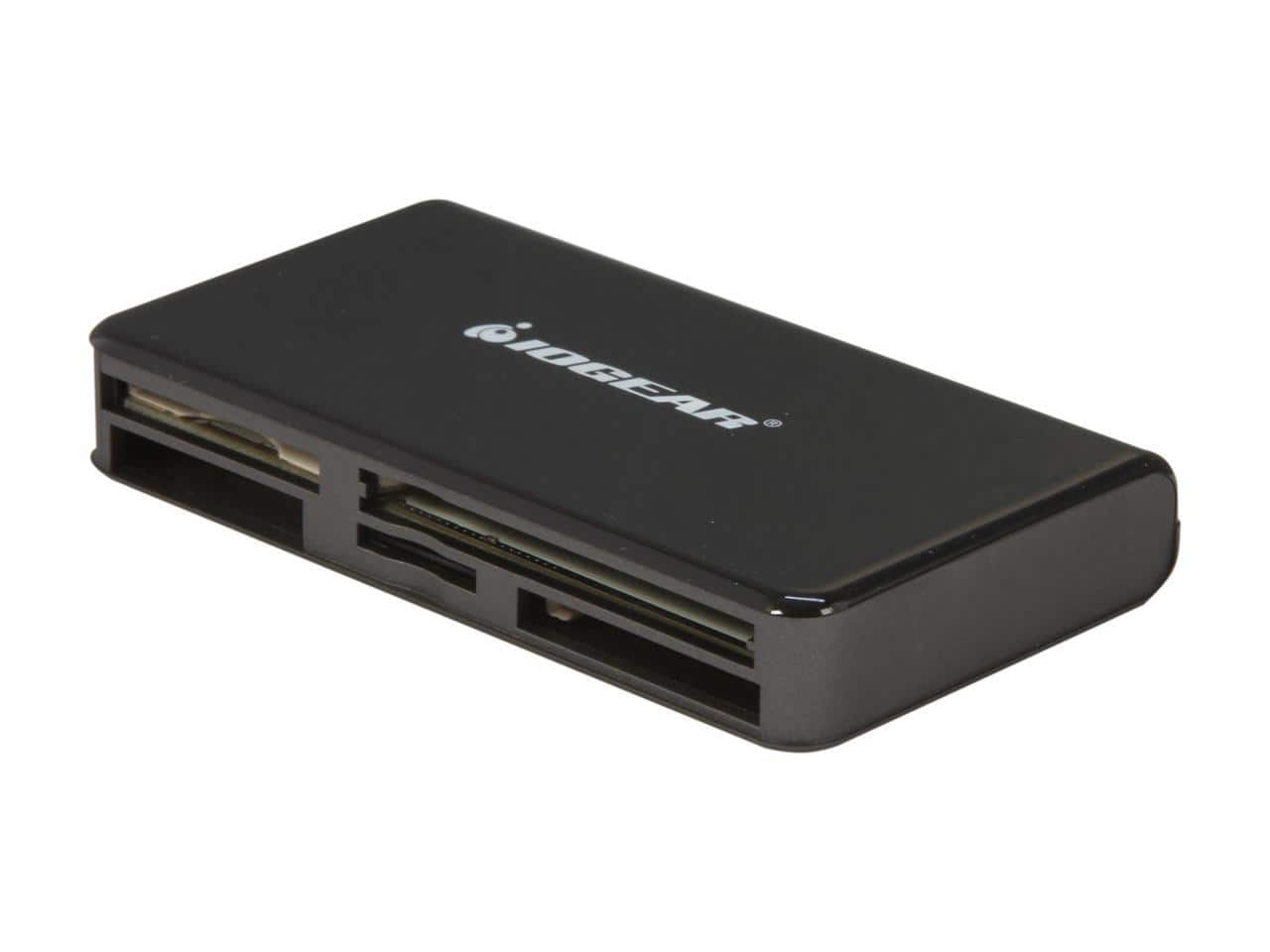
IOGEAR - USB CAC Reader - Black
SKU: J3KY45Z6KRSee all Memory Card Readers & AdaptersProduct Description
An ultra-compact black USB smart card reader offering fast, secure compatibility with Windows, Mac, and Linux.$29.72 Your price for this item is $29.72Save $10Was $40.19The previous price was $40.19 -
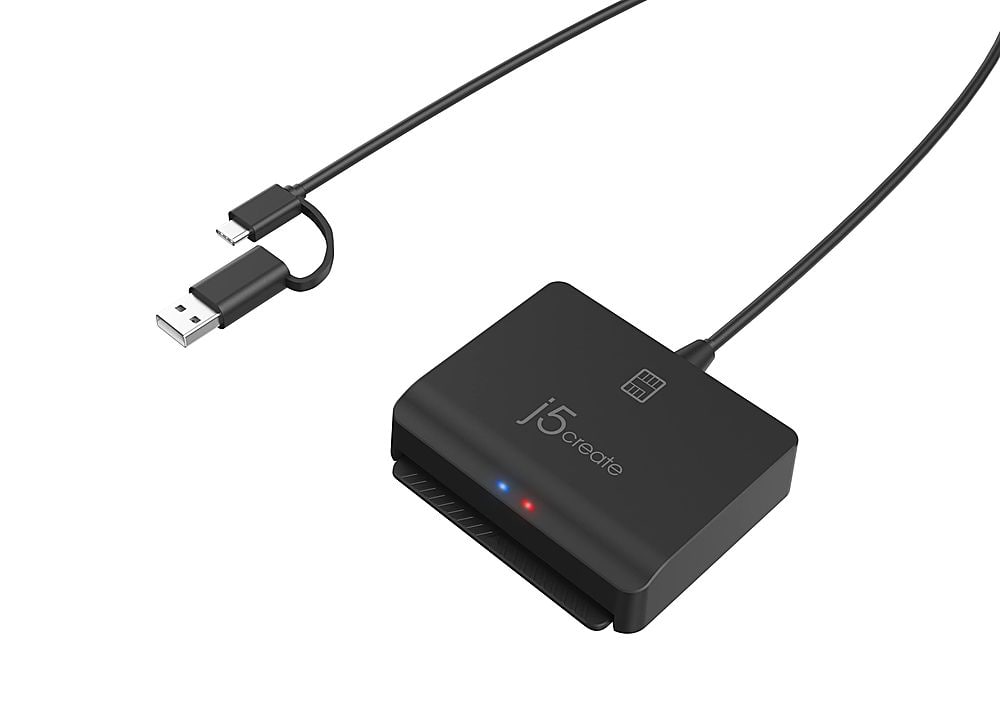
j5create - USBTM Smart Memory Card Reader - Black
SKU: J36445R9JZI have recommended this device to all my family and friends to order one from best buy and some of them...Best Buy Mobile pickup
See all Memory Card Readers & AdaptersProduct Description
A portable black smart card reader with high transfer speed, LED indicator, and plug-and-play functionality.$29.99 Your price for this item is $29.99 -
Adesso - SCR-100 2.5 in. x 3.3 in. x 0.38 in. USB Smart Card Reader - false
SKU: J32P877QV5See all Memory Card Readers & AdaptersProduct Description
A white USB 2.0 smart card reader with LED indicator, ideal for secure banking applications.$33.95 Your price for this item is $33.95 -
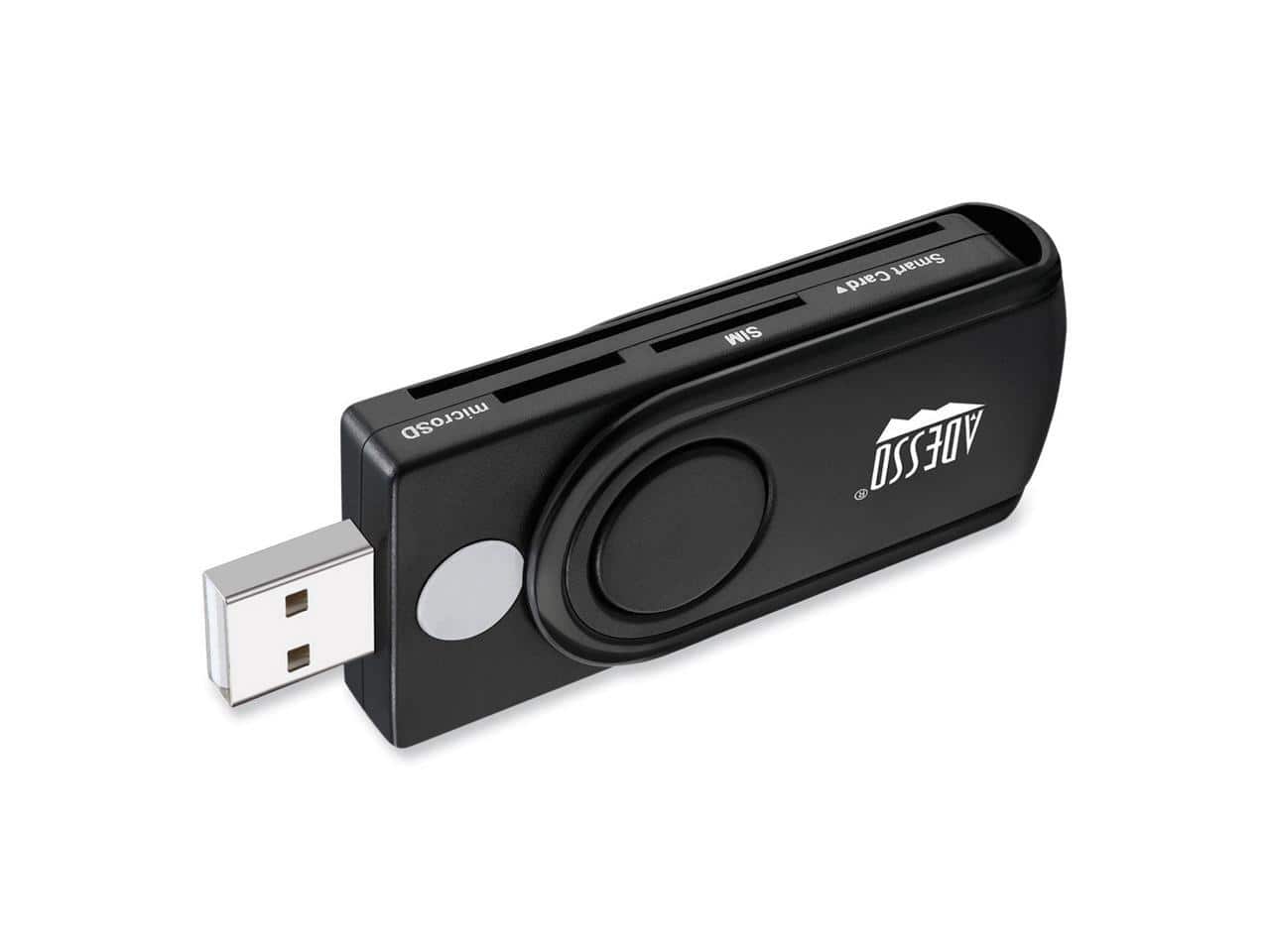
Adesso - SCR-200 Smart Card Reader SCR200 - false
SKU: J32P877H7YSee all Memory Card Readers & AdaptersProduct Description
A TAA-compliant USB smart card reader with 360° swivel cover, supporting CAC, SD, MS, M2, and SIM cards.$26.74 Your price for this item is $26.74 -
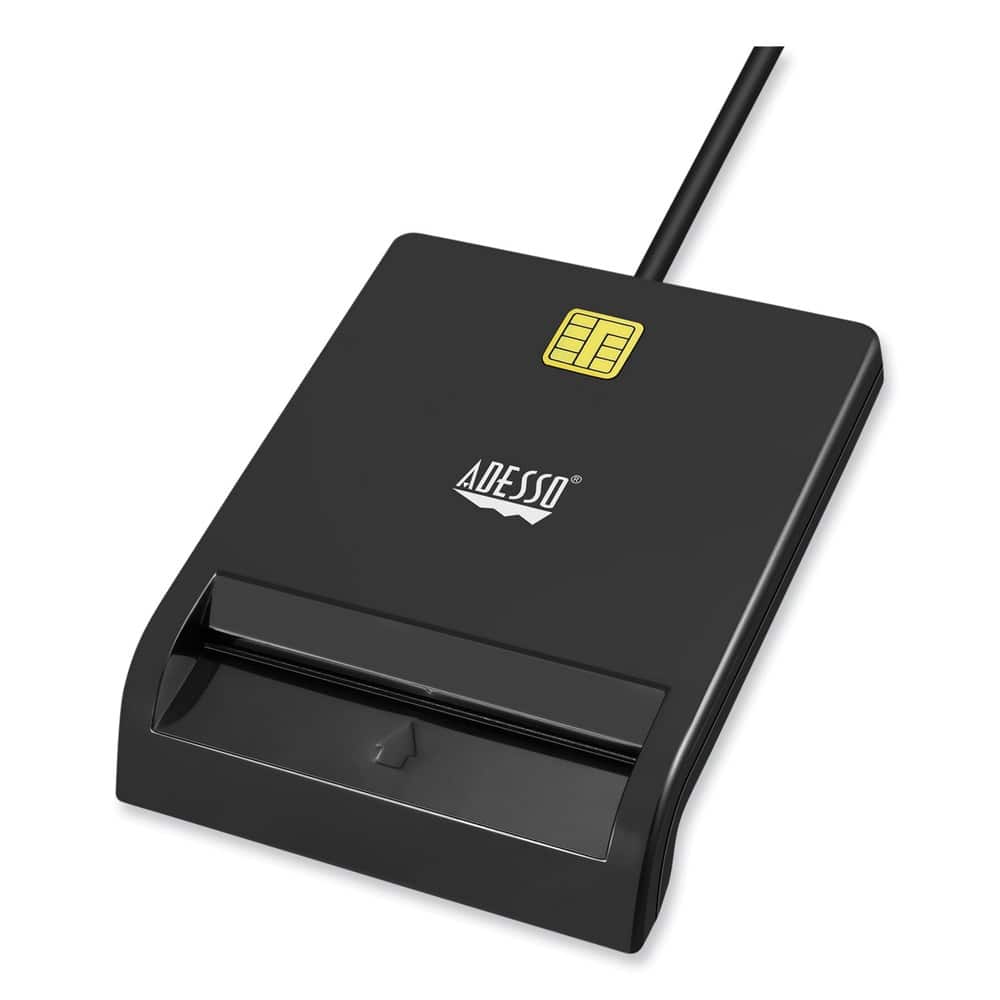
Adesso - SCR-300 Smart Card Reader USB SCR300 - Black
SKU: J32P877H4PSee all Memory Card Readers & AdaptersProduct Description
A TAA-compliant black USB smart card reader with LED indicator, ideal for secure government and banking use.$20.79 Your price for this item is $20.79Save $6Was $26.99The previous price was $26.99 -
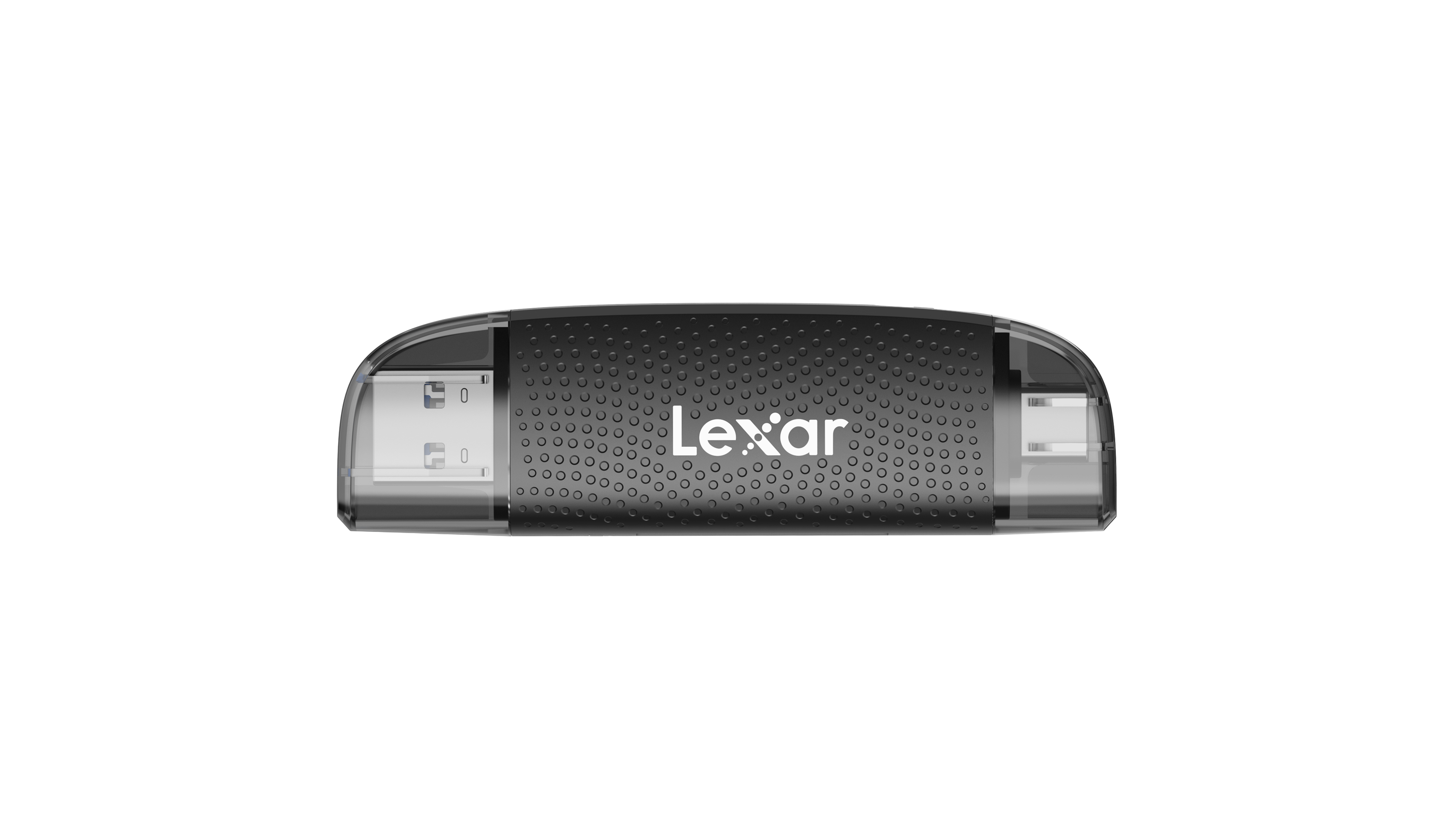
Lexar - Dual-Slot USB-A/C Reader, Up to 205MB/s Transfer Speed, Supports SD and microSD Cards - Black
SKU: J36XPK4Q6VSee all Memory Card Readers & AdaptersProduct Description
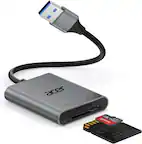
A black dual-slot reader offering both USB-A and USB-C connectivity for versatile memory card transfers.$19.99 Your price for this item is $19.99 -
IOGEAR - GFR381 USB 3.0 Multi-Card Reader/Writer (CF, SD, XD, microSD, MS, M2)
SKU: J3KY45ZRWLSee all Memory Card Readers & AdaptersProduct Description
A versatile USB 3.0 card reader supporting CF, SD, XD, microSD, and Memory Stick formats.$49.99 Your price for this item is $49.99Save $1Was $50.99The previous price was $50.99 -
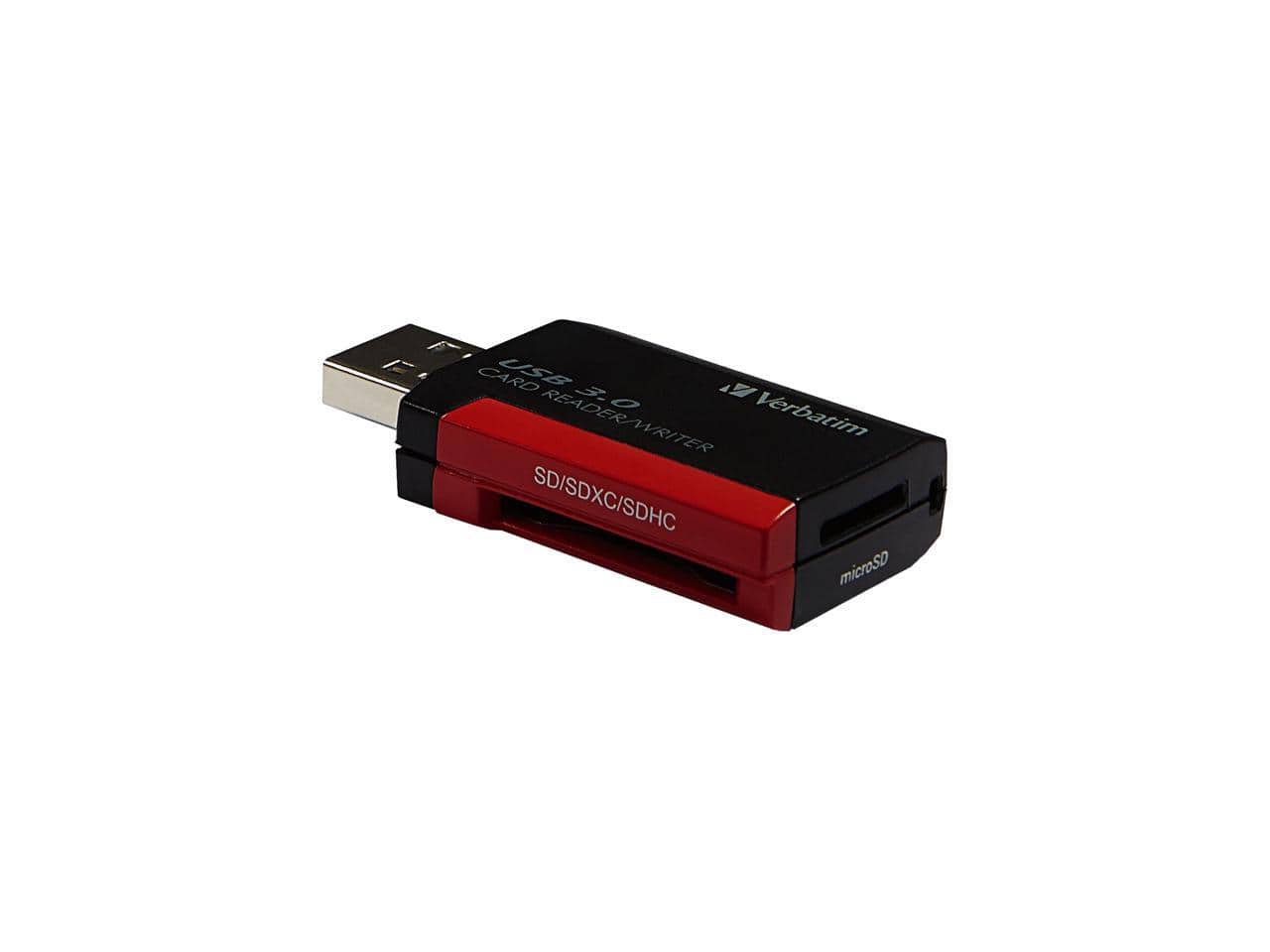
Verbatim - Pocket Card Reader, USB 3.0 - Black
SKU: J72FJKJJQRSee all Memory Card Readers & AdaptersProduct Description
A compact black USB 3.0 card reader for fast and convenient memory card transfers.$21.99 Your price for this item is $21.99Save $16Was $37.99The previous price was $37.99
- 1
- 2
- 3
Card readers for government offices help employees securely access systems, verify credentials and complete work that depends on smart cards. In federal, state and local agencies, these devices are commonly used with Common Access Cards (CAC), Personal Identity Verification (PIV) cards and other chip-enabled identification credentials. A reader may sit beside a desktop computer at a reception desk, be shared among employees at a service counter or travel with an employee who works between offices and field locations. Typical uses include signing in to government portals, authenticating to secure applications, reviewing protected records, approving transactions and applying digital signatures. Because government credentials carry sensitive identity information, the reader is only one part of a larger security process. The workstation, operating system, browser, card, authentication software and agency network policies must all work together. Before selecting a device, confirm the card type and authentication method required by the office. Many government environments need a contact smart card reader that accepts a card inserted into a slot, while some specialized access systems may combine card credentials with a PIN, fingerprint or another factor. Contactless readers may be appropriate for compatible credentials and access-control applications, but they are not interchangeable with every CAC or PIV setup. Checking the credential format first can prevent an otherwise capable reader from becoming an expensive drawer accessory.
Connection type is another practical consideration. A USB-A reader can be a straightforward fit for established desktop computers, docking stations and office workstations, while a USB-C reader can suit newer laptops, tablets and compact mobile setups. Adapters and hubs may bridge different ports, but they can add another point to troubleshoot, especially in offices with locked-down equipment or strict peripheral policies. Look for a compact, stable design that will not slide across a counter every time a card is inserted, and consider cable length, placement and the amount of daily use. A reader intended for a single employee’s desk may have different requirements from one used at a public-facing window, a credentialing station or a security checkpoint. Plug-and-play installation is convenient, yet government IT teams should still verify operating-system support, driver requirements, browser compatibility and administrative permissions before deployment. Middleware is frequently required to interpret smart-card credentials and connect them with government or military portals; it may be supplied separately, managed by the agency or restricted to approved versions. The reader itself does not automatically provide access to every secure website or application. Confirm that the planned combination supports the agency’s authentication workflow, certificate handling and card-management policies. It is also wise to check whether the device is compatible with existing keyboards, docking stations and endpoint-security tools, since a reader that works on an unrestricted personal computer may behave differently on a managed government workstation. For offices replacing aging equipment, matching the new reader to the current fleet can simplify training and reduce help-desk calls.
Security and compliance deserve close attention when purchasing card readers for government offices. Federal agencies and contractors may require hardware that aligns with Trade Agreements Act (TAA) purchasing rules, while smart-card programs may call for support associated with FIPS 201 and PIV standards. These requirements can vary by agency, contract, deployment location and intended use, so review procurement language and consult the responsible security or acquisition team rather than assuming that every reader meets the same standard. Product documentation should clearly identify supported card technologies, operating systems, certifications or compliance claims, and any limitations. For higher-assurance areas, consider whether the reader needs to support more than card insertion, such as PIN entry, biometric verification or integration with a door-access controller. A desktop reader for signing in to a workstation is not a substitute for a reader designed to control entry into a restricted room. Physical durability matters as well: reception and public-service environments may benefit from a reader with a robust enclosure, easy-to-clean surfaces and a footprint that leaves room for forms, identification materials and other equipment. Offices with hybrid schedules may prefer portable USB-C options that can move between approved workstations, whereas a fixed counter can favor a permanently positioned reader with simple cable management. Employees purchasing equipment for a small municipal office, contractors outfitting a project site and IT teams standardizing devices across departments can all use the broader Card Reader category to compare connection styles and intended applications. Keep an inventory of approved models, retain documentation for audits and test a reader with the actual credential and portal before distributing it widely. With attention to card compatibility, connection, middleware, compliance and the realities of daily office use, a well-chosen reader can make secure authentication feel as routine as tapping a badge or signing a form while preserving the controls government work requires.
Best Sellers
Related Pages
FAQ
Government offices commonly use smart card readers, CAC/PIV readers, magnetic stripe readers, and contactless card readers to facilitate secure access, authentication, and data management for employees and visitors.
Compatibility varies by model. Look for smart card readers that specifically list support for government-issued credentials, such as Common Access Cards (CAC) or Personal Identity Verification (PIV) cards, before purchasing.
Some card readers can be integrated with compatible security and access control systems, but agencies should confirm hardware, software, and credential compatibility with their current infrastructure.
Support for PIN entry, biometric verification, and multi-factor authentication varies by reader and security system. Check each product's specifications to confirm the authentication methods it supports.
Supported operating systems vary by model. Many USB card readers work with Windows or macOS, and some support Linux, but driver and security software requirements should be reviewed before deployment.