Contrast Ratio LED
-
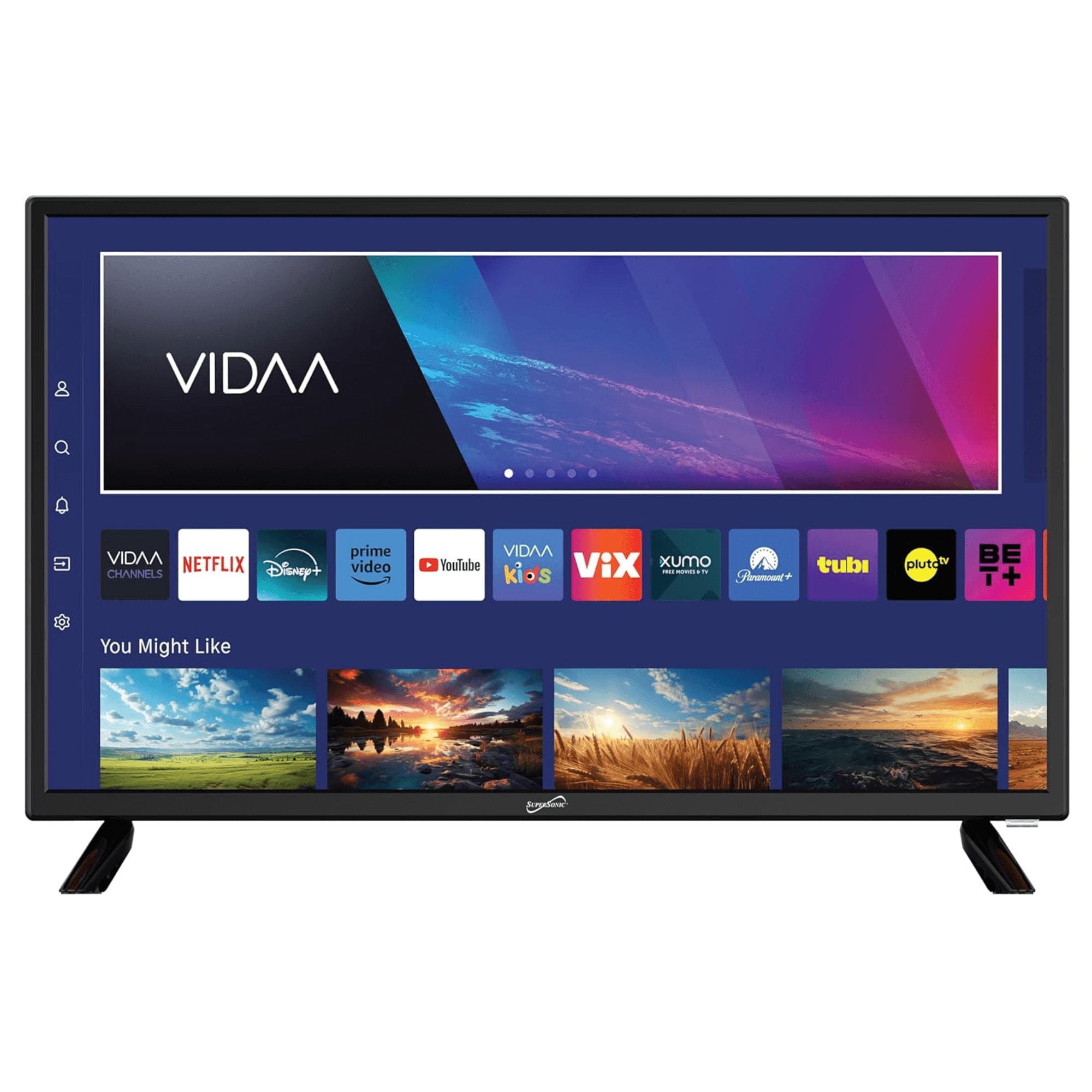
Supersonic - 24" VIDAA ACDC Compatible LED Smart TV with Built-In WiFi
SKU: JXXT57FLWYSee all All Flat-Screen TVsProduct Description
A smart LED TV with built-in WiFi, full HD resolution, and wide 178-degree viewing angle.Your price for this item is $199.99 -
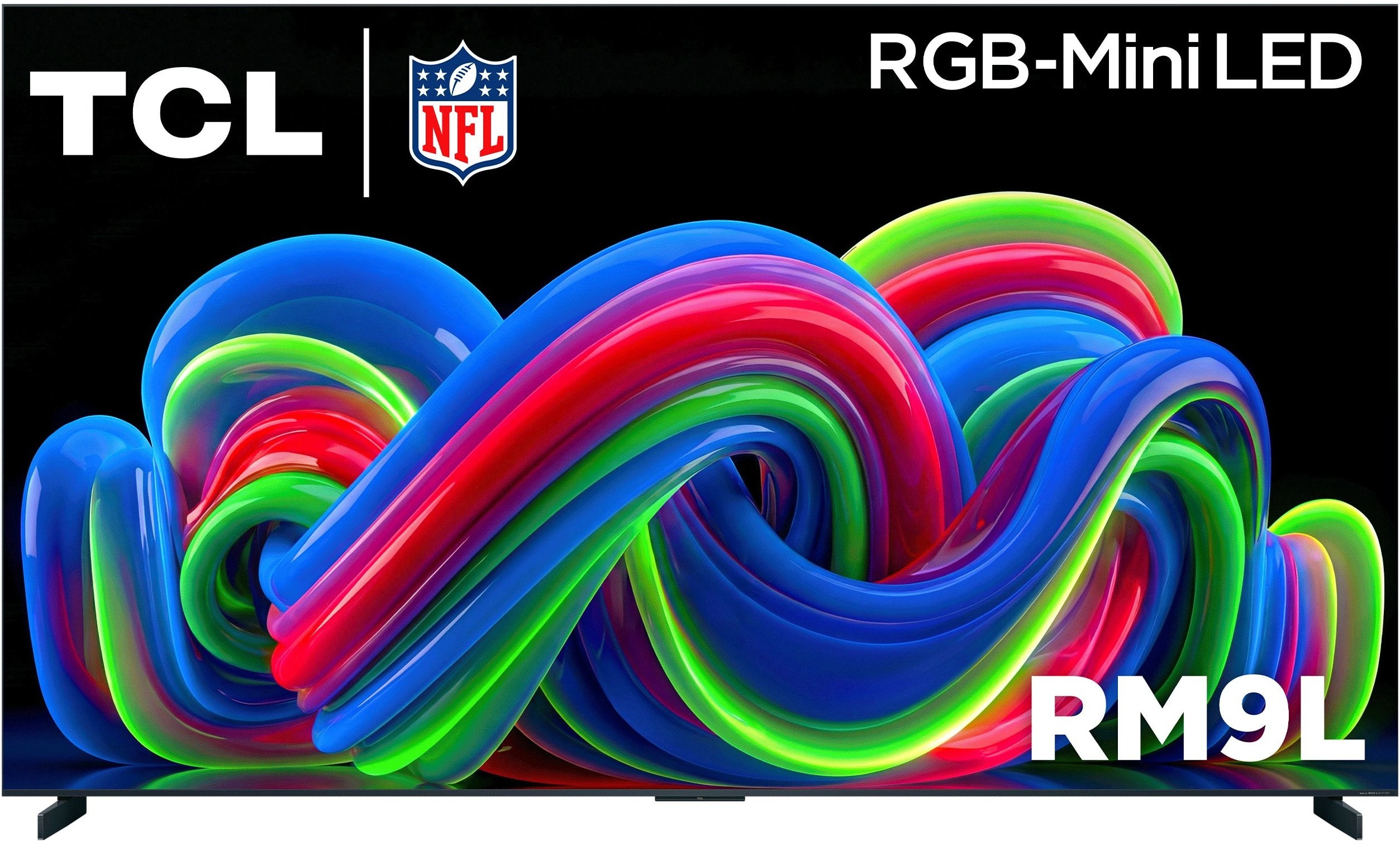
TCL - 98" Class RM9L Series 4K UHD HDR RGB-Mini LED Smart TV with Google TV (2026)
SKU: J36QYTH8S8Huge screen, beautiful picture, great sound....Our last television was really nice and people would always say how great the picture was....where I think I would be okay using the television's speakers...
See all All Flat-Screen TVsProduct Description
An ultra-premium RGB Mini-LED smart TV with 100% BT.2020 color, 9,000 nits brightness, and Dolby Atmos sound.Your price for this item is $5,999.99Save $4000The previous price was $9,999.99 -
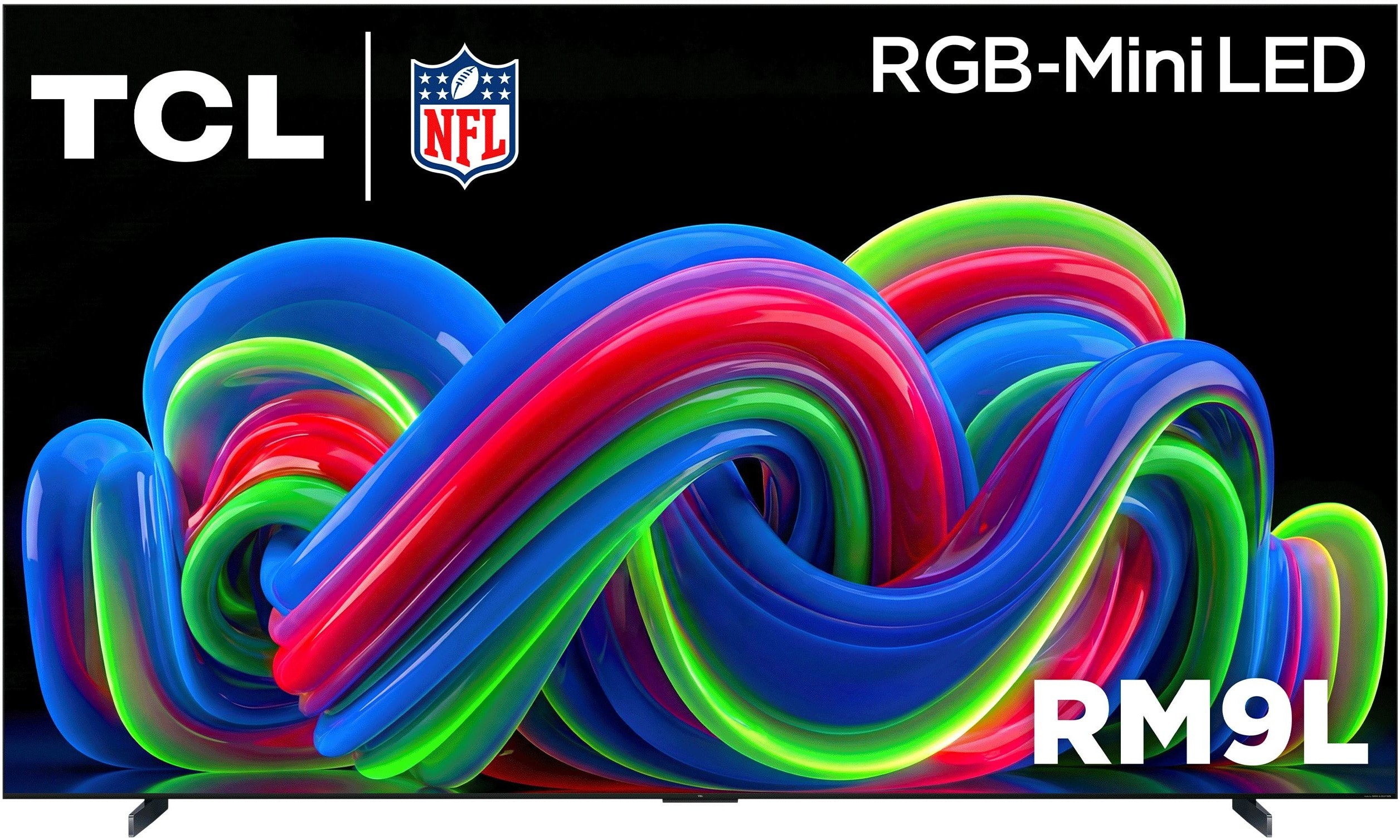
TCL - 115" Class RM9L Series 4K UHD HDR RGB-Mini LED Smart TV with Google TV (2026)
SKU: J36QYTH3KKLooks and works great with built Google apps, Sony 4k Blu-Ray player, PS5 Pro, Switch 2, and Steam machine
See all All Flat-Screen TVsProduct Description
An ultra-premium RGB Mini-LED smart TV in black with 4K HDR, 144Hz refresh, and immersive Dolby Atmos audio.Your price for this item is $19,999.99Save $5000The previous price was $24,999.99 -
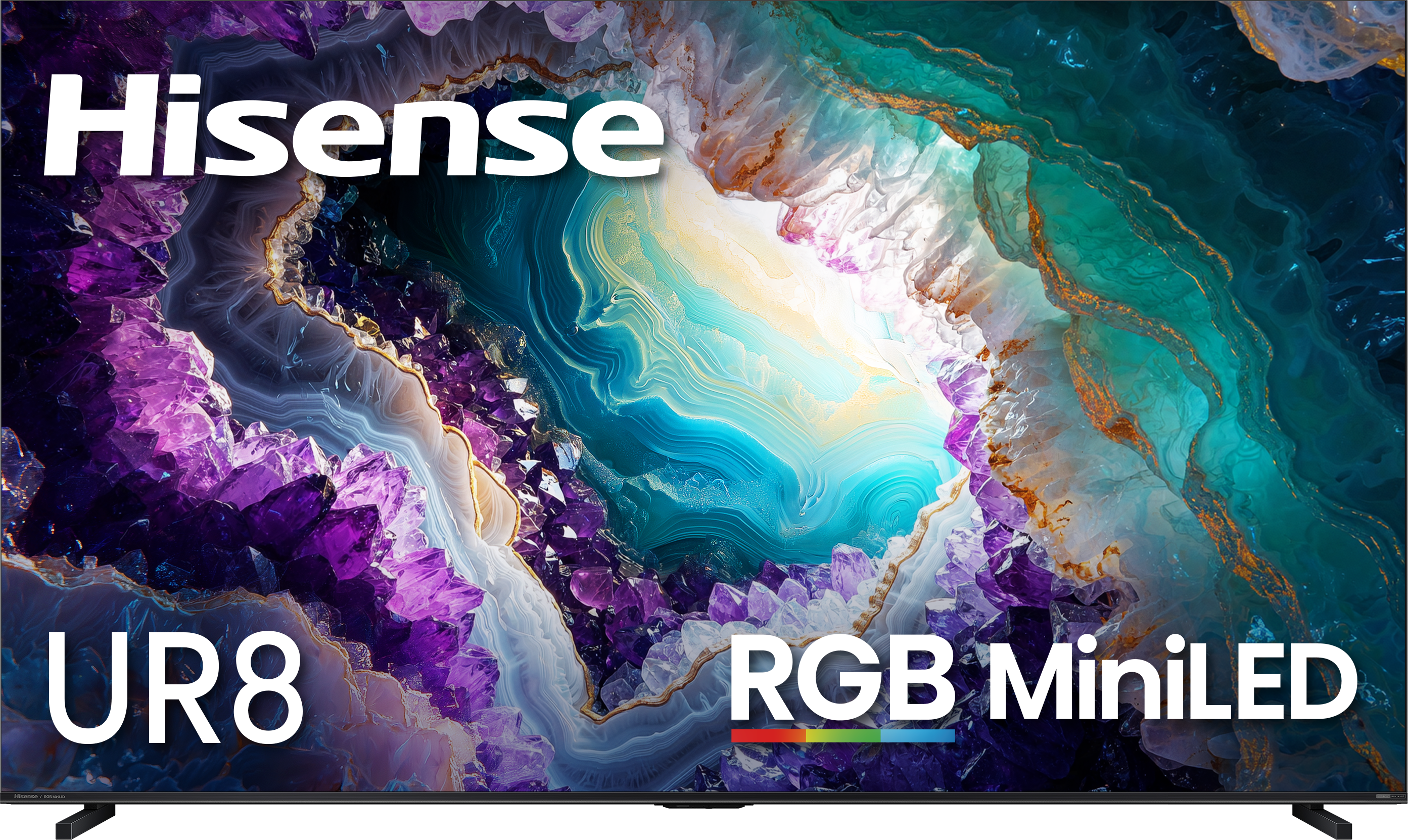
Hisense - 100" Class UR8 RGB MiniLED UHD 4K HDR Smart Google TV with Gemini and Anti-Reflection Screen (2026)
SKU: J3Z9Z42K2WWorst part was sitting it up best part was using it...I love how aesthetic, and very easy to set up...I love the sleek aesthetics, and the included programs and features.
See all All Flat-Screen TVsProduct Description
An advanced RGB MiniLED 4K HDR smart TV with lifelike color, ultra-low reflection, and immersive surround sound.Your price for this item is $3,999.99Save $2000The previous price was $5,999.99 -
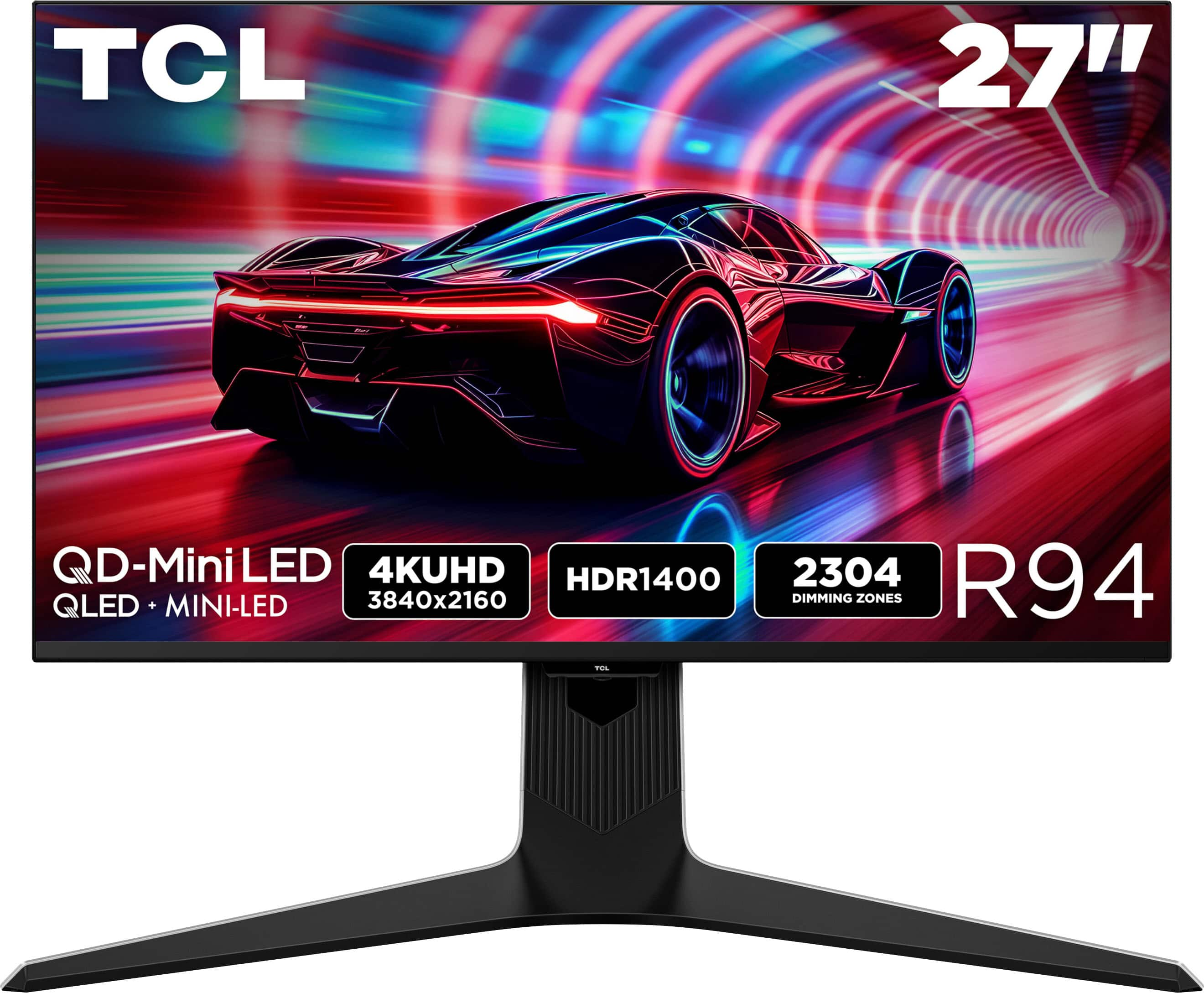
TCL - R94 27" QD Mini LED 4K UHD 165Hz 1ms AMD FreeSync Premium Gaming Monitor with DisplayHDR 1400 (USB C, DisplayPort, HDMI) - Black and White
SKU: J36QYTQ4J7I love the quality of the presentation. The image standard is fascinating, and the price is fair....It's really fantastic; I love it....You can connect it to your phone to play your video games with the...
See all Gaming MonitorsProduct Description
A black and white QLED gaming monitor featuring 4K UHD, HDR10, 165Hz refresh rate, and 1ms response time.Your price for this item is $699.99Save $100The previous price was $799.99
Best Sellers

Related Pages





FAQ
Contrast ratio in LED displays refers to the difference between the brightest white and the darkest black that the screen can produce. A higher contrast ratio generally means deeper blacks and more vibrant colors, resulting in a more dynamic and immersive viewing experience.
A higher contrast ratio enhances picture quality by providing greater detail in both dark and bright scenes. This is especially noticeable when watching movies, playing games, or editing photos and videos, as it allows for more realistic and nuanced visuals.
Contrast ratio is typically measured by comparing the luminance of the brightest white to the darkest black a display can produce. It is usually expressed as a ratio, such as 3000:1, where the first number represents the brightness of white and the second represents the darkness of black.
Yes, manufacturers may list 'static' (or 'native') and 'dynamic' contrast ratios. Static contrast ratio measures the difference between white and black at the same moment, while dynamic contrast ratio measures the difference over time as the display adjusts brightness levels. Static contrast ratio is generally a more reliable indicator of real-world performance.
Yes, a good contrast ratio helps to display more accurate colors, especially in scenes with both dark and bright elements. This allows for more lifelike images and prevents colors from appearing washed out or overly saturated.