DSLR Camera For Wildlife Photography
-
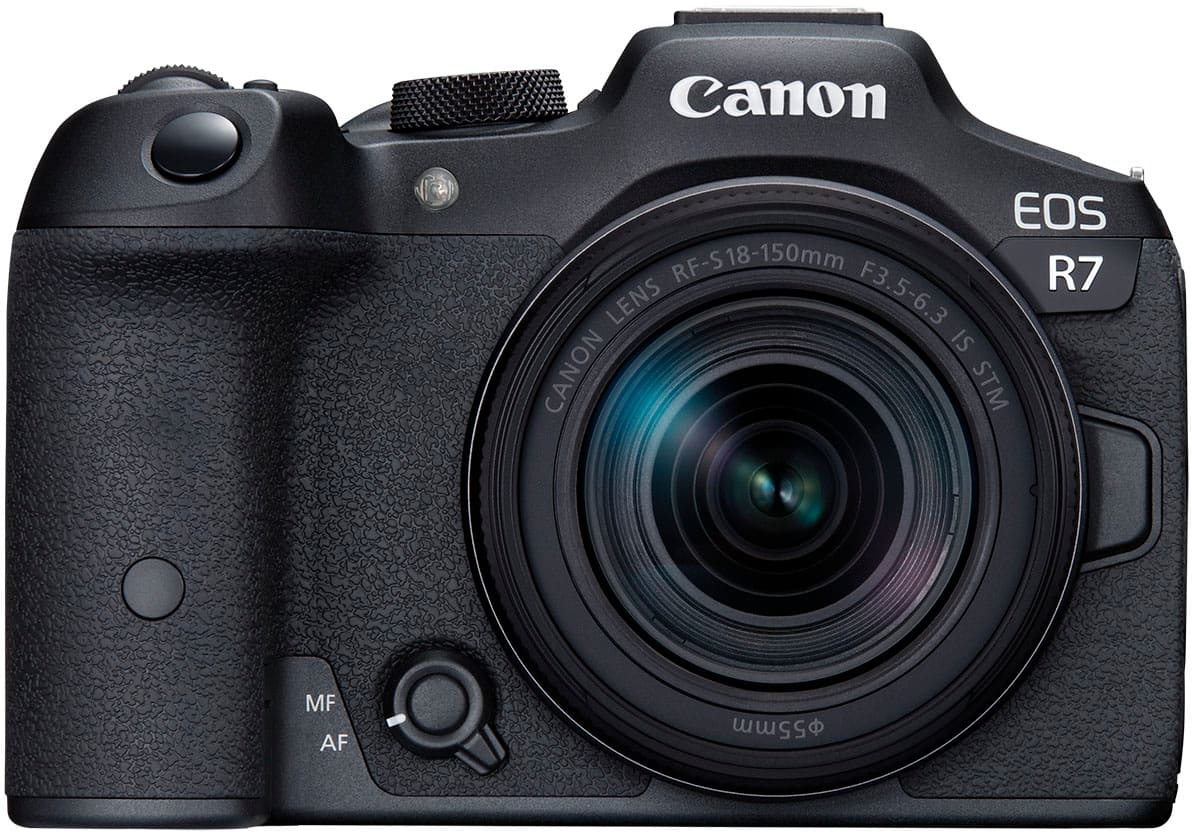
Canon - EOS R7 Mirrorless Camera with RF-S18-150mm f/3.5-6.3 IS STM Lens - Black
SKU: J7C86S6Z78Love this camera!...I absolutely love this camera! One of the best investments I have made....I love this Camera ! you will love it too .. Great for beginners in mirrorless Cameras .
See all Mirrorless CamerasProduct Description
A black mirrorless camera with 32.5MP APS-C sensor, in-body stabilization, and 4K60p video capability.Your price for this item is $2,149.00 -
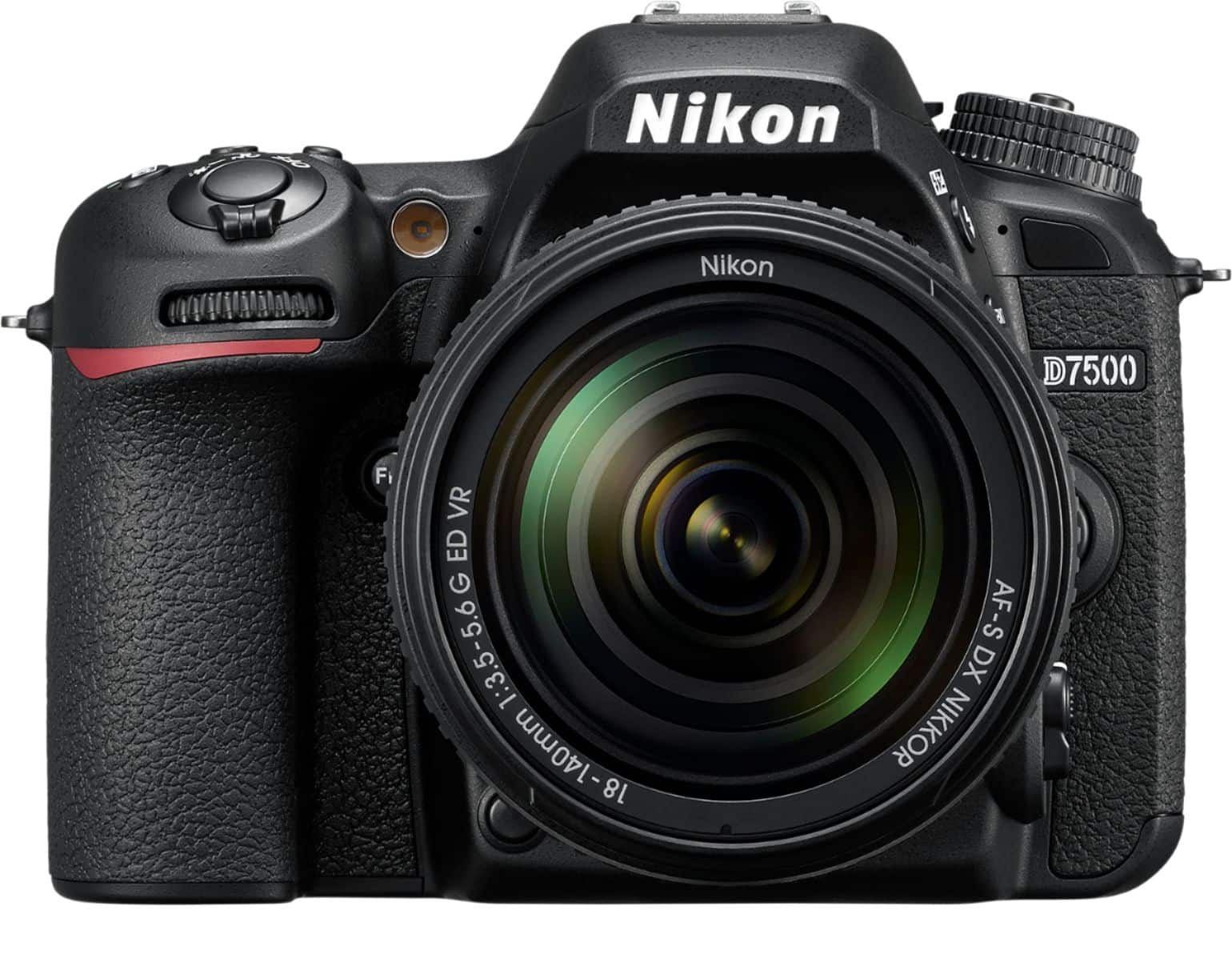
Nikon - D7500 DSLR 4K Video Camera with AF-S DX NIKKOR 18-140mm f/3.5-5.6G ED VR lens - Black
SKU: J7CVR967L7See all DSLR Body & LensProduct Description
A versatile black DSLR with 20.9MP sensor, 4K video, and 18-140mm VR lens for sharp images.Your price for this item is $1,296.95Save $203The previous price was $1,499.95 -
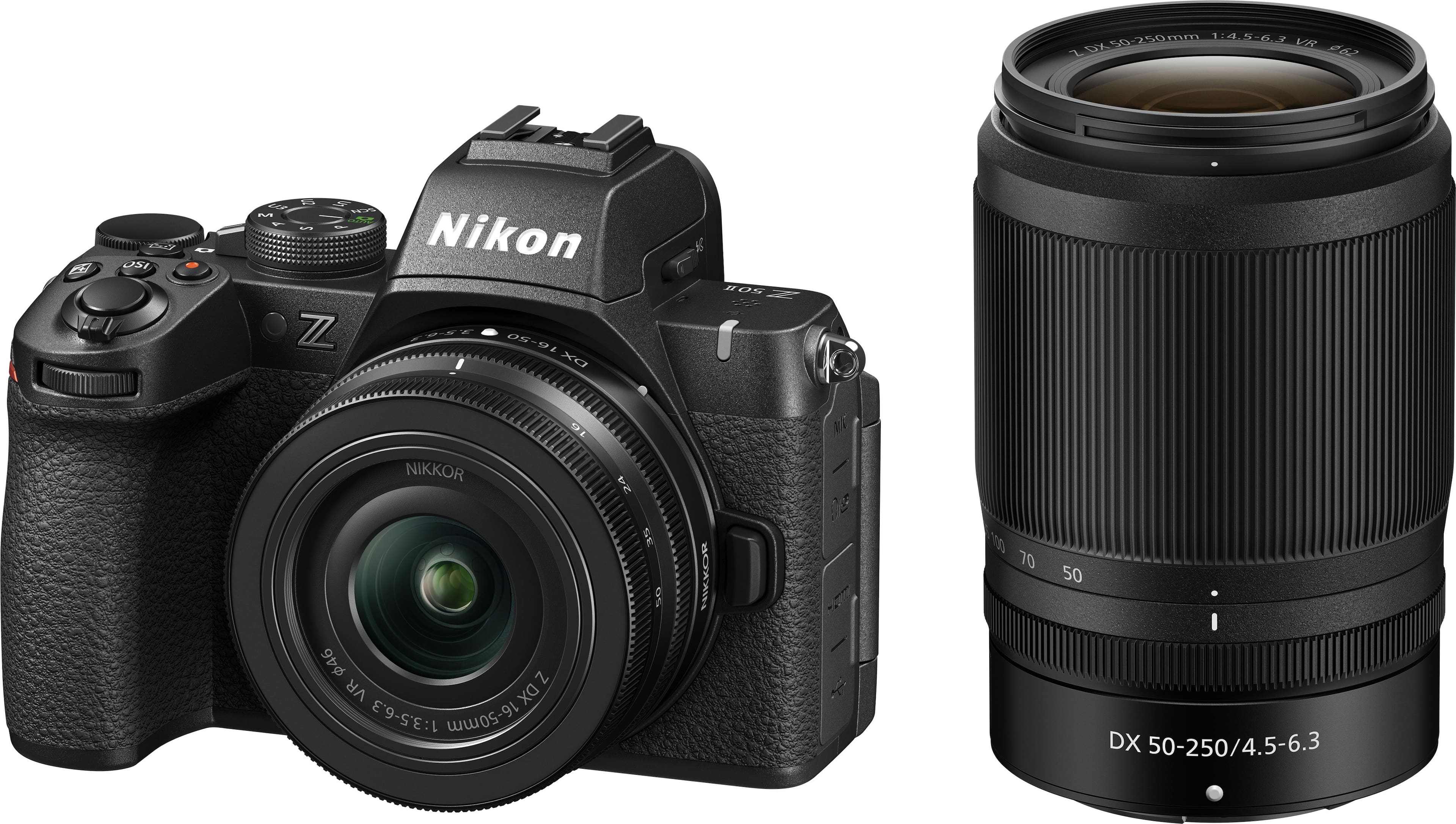
Nikon - Z50II 4K Video Mirrorless Camera with Two Zoom Lenses, the NIKKOR Z DX 16-50mm and NIKKOR Z DX 50-250mm VR Lenses - Black
SKU: J7CVR962Q8I bought the Nikon Z50II camera from Best Buy about a year ago, and I’m still absolutely in love with...The two lenses make it super versatile, and I love how smoothly everything works....Now, no trip...
See all Mirrorless CamerasProduct Description
A versatile black mirrorless kit with two VR zoom lenses, 20MP APS-C sensor, and 4K video.Your price for this item is $1,399.95 -
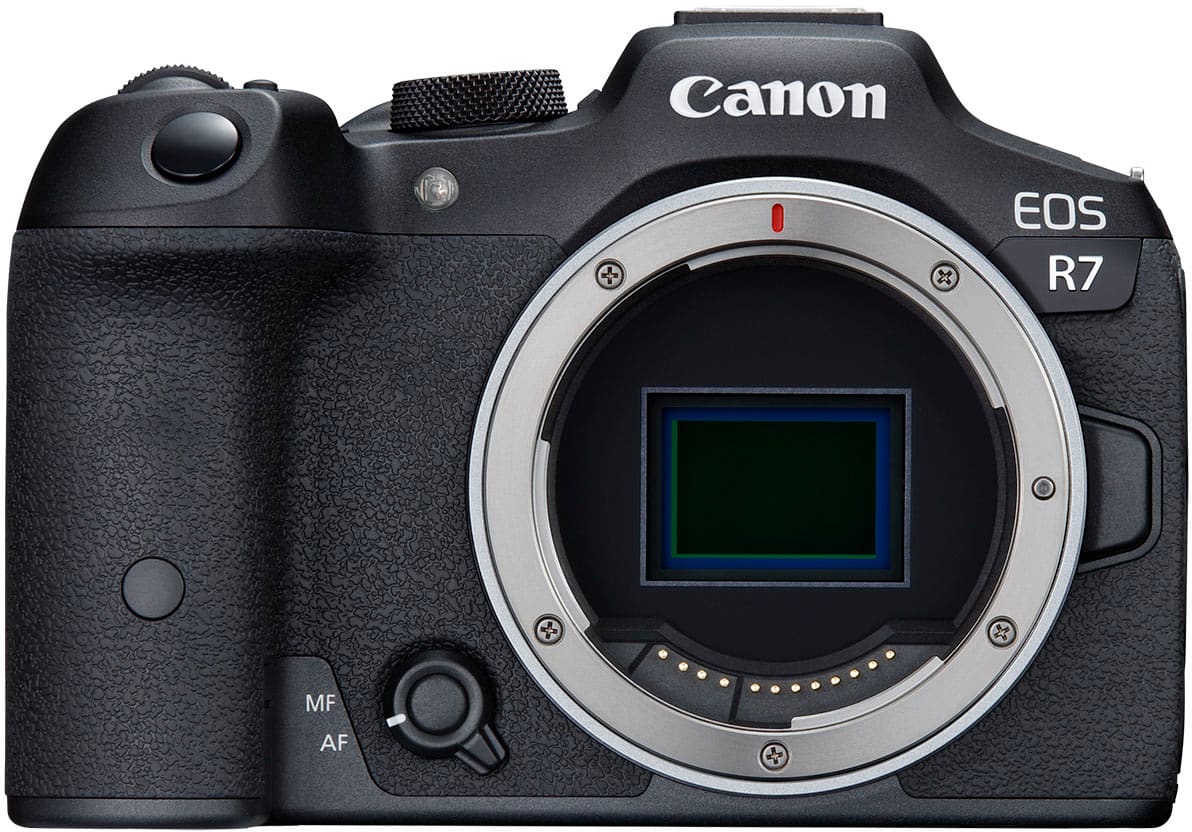
Canon - EOS R7 Mirrorless Camera (Body Only) - Black
SKU: J7C86S6KVTI love it. It reminds me of a mirrorless 80D
See all Mirrorless CamerasProduct Description
A black mirrorless camera featuring a 32.5MP APS-C sensor, in-body stabilization, and 4K60p video recording.Your price for this item is $1,649.00 -
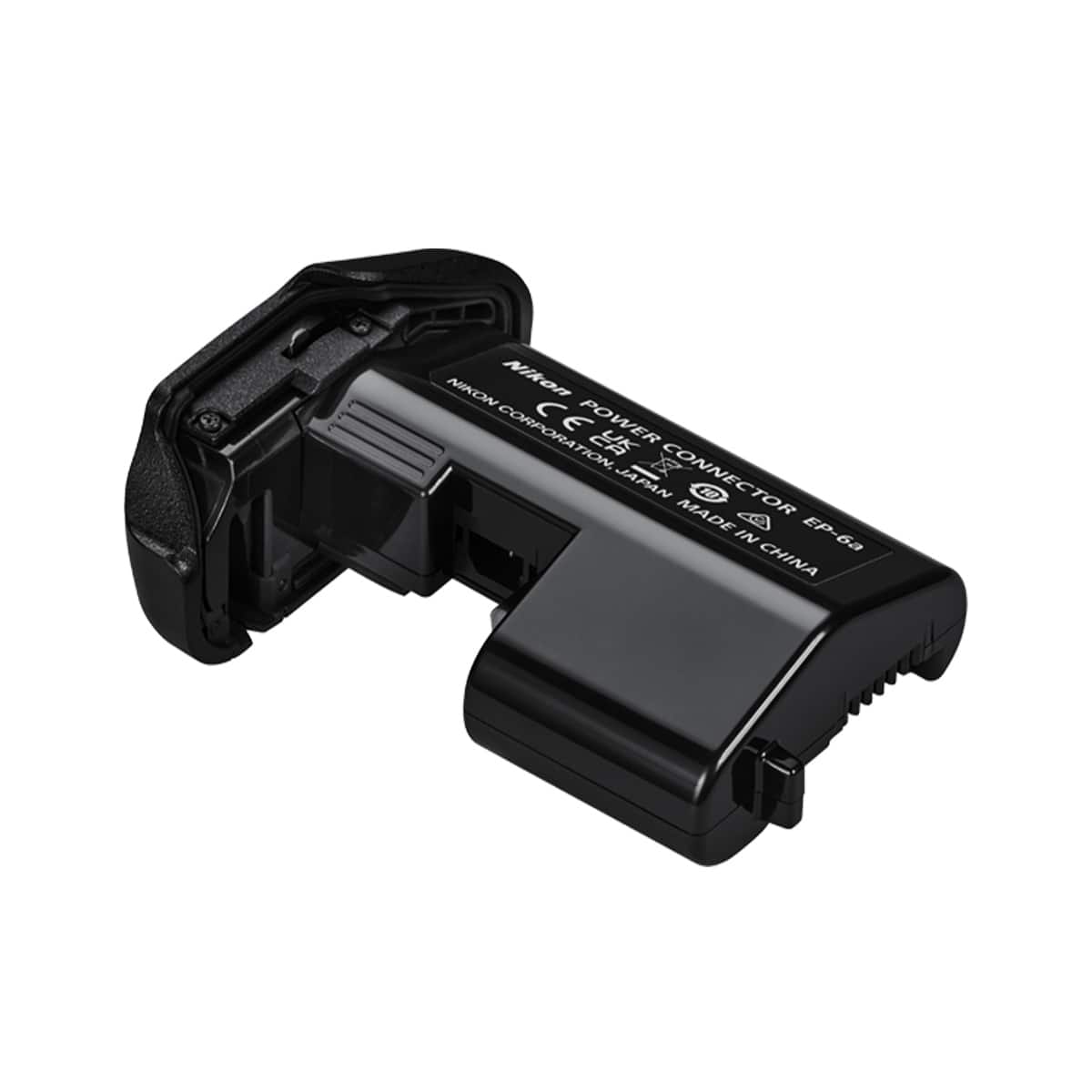
Nikon - EP-6A Power Connecter for Z9 Mirrorless Digital Camera
SKU: J7CVR6XP9FSee all Charging Blocks & Power AdaptersProduct Description
A versatile black DSLR with 20.9MP CMOS sensor, 4K video, tilting touchscreen, and 18-140mm VR lens.Your price for this item is $248.95 -
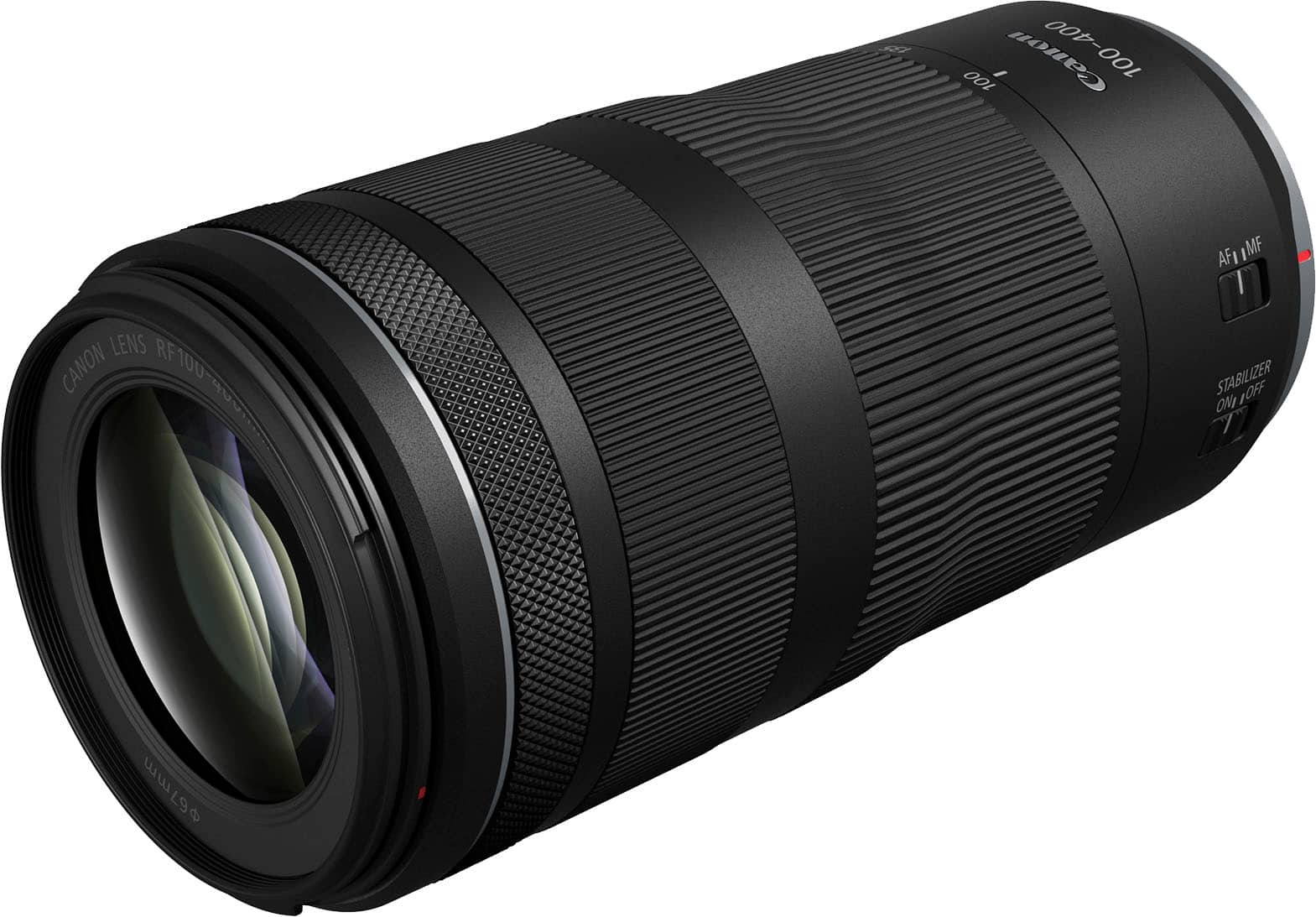
Canon - RF100-400mm F5.6-8 IS USM Telephoto Zoom Lens for EOS R-Series Cameras - Black
SKU: J7C86S64C7Best bang for your buck zoom lens available....Best value zoom lens I’ve ever used. Fast and sharp with great capabilities...Love this lens. Great for shooting wildlife. Great price as well
See all Mirrorless Long-Range Zoom LensesProduct Description
A compact black telephoto zoom lens with fast autofocus and image stabilization, ideal for wildlife photography.Your price for this item is $749.00Save $0The previous price was $749.99 -
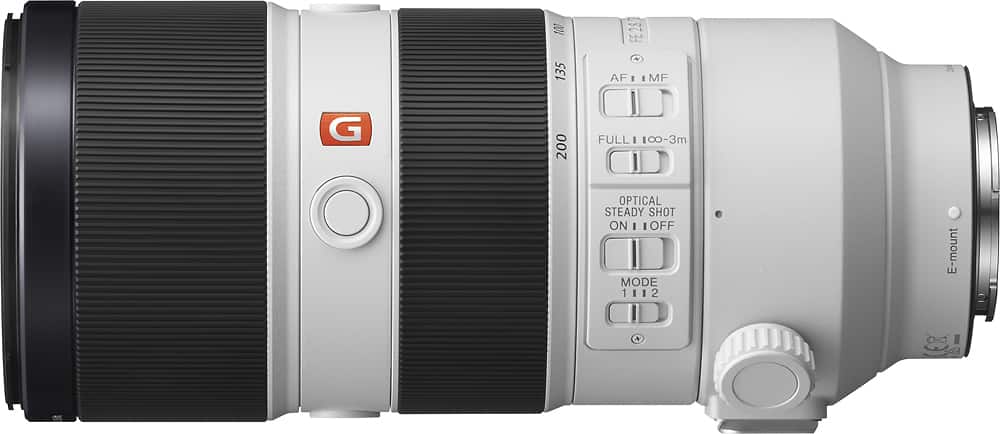
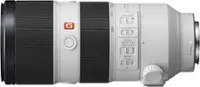
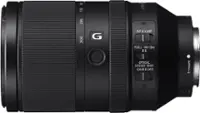
Sony - G Master FE 70-200 mm F2.8 GM OSS Full-Frame Telephoto Zoom Lens for E-Mount Cameras - White
SKU: J7XSRHZRV6Great lens and great value for Sony camera. I love it...Great lens! GM make the best lens!!Só sharp...I'm very happy with this lens. I recommend
See all Mirrorless Long-Range Zoom LensesProduct Description
A white telephoto zoom lens with F2.8 aperture, image stabilization, and Nano AR coating for Sony E-mount.Your price for this item is $2,148.00Save $1The previous price was $2,149.99 -
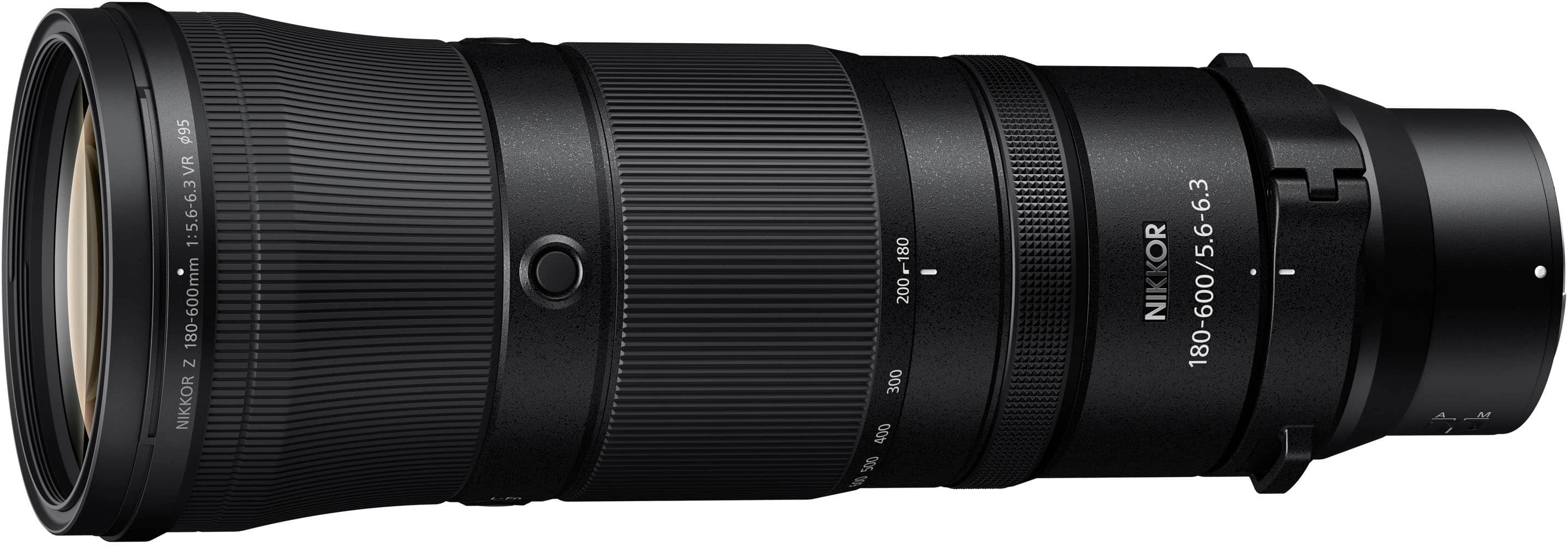
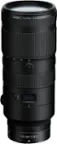
Nikon - NIKKOR Z 180-600mm f/5.6-6.3 VR Telephoto Zoom Lens for Z Mount Cameras - Black
SKU: J7CVR9V44VI haven’t had a chance to use it yet, but love the function buttons and the way the hood mount attaches...beware of shipping with BEST BUY as you can see. So they can do Beter....I also love that the...
See all Mirrorless Long-Range Zoom LensesProduct Description
A black telephoto zoom lens with in-lens stabilization, autofocus, and 180-600mm focal length for Nikon Z cameras.Your price for this item is $2,196.95Save $3The previous price was $2,199.95 -
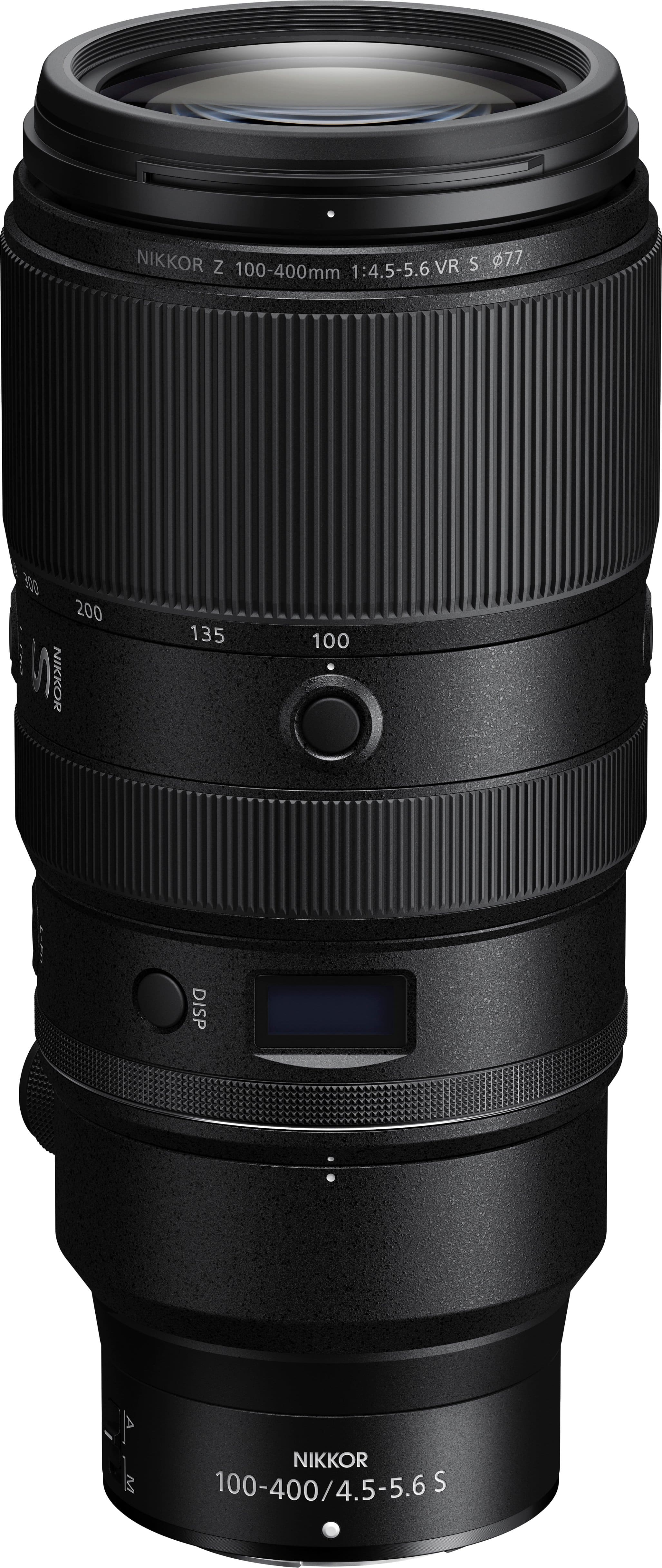
Nikon - NIKKOR Z 100-400mm f/4.5-5.6 VR S Super-Telephoto Lens for Z Series Mirrorless Cameras - Black
SKU: J7CVR9V4TWGreat Autofocus Speed...This lens takes great photos, they are crisp and clear from corner to corner....Great Lens - When It's Available...Great lens. Fast, smooth and sharp. Great for sports and travel....
See all Mirrorless Long-Range Zoom LensesProduct Description
A black super-telephoto zoom lens offering sharp S-Line optics, fast autofocus, and in-lens image stabilization.Your price for this item is $2,846.95Save $103The previous price was $2,949.95 -
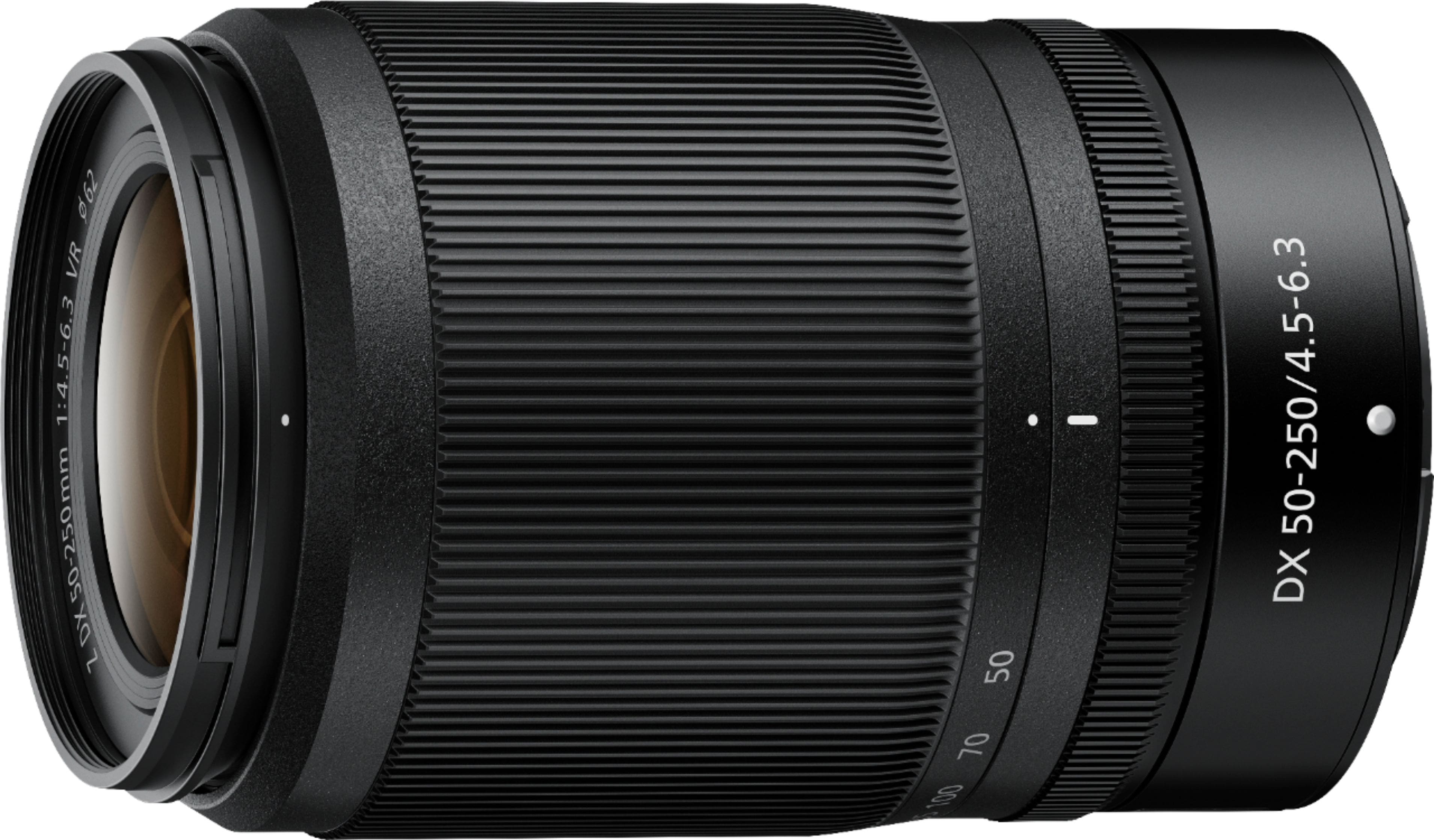
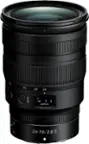
Nikon - NIKKOR Z DX 50-250mm f/4.5-6.3 VR Telephoto Zoom Lens for Z Series Mirrorless Cameras - Black
SKU: J7CVR9V4Y8Love this lens.Am using with my Z7ii and Z9. Perfect results...Love it!
See all Mirrorless Long-Range Zoom LensesProduct Description
A black telephoto zoom lens with Vibration Reduction, ideal for sharp wildlife, sports, and portrait photography.Your price for this item is $406.95Save $3The previous price was $409.95
Best Sellers
Related Pages


FAQ
For wildlife photography, prioritize DSLR cameras with fast autofocus, high burst shooting speeds, robust weather sealing, and excellent low-light performance. A camera with a high-resolution sensor and compatibility with telephoto lenses will also help you capture distant subjects in detail.
Both crop sensor (APS-C) and full-frame DSLR cameras have their advantages for wildlife photography. Crop sensors provide extra reach with telephoto lenses, which is useful for photographing distant animals. Full-frame cameras typically offer better image quality and low-light performance. Your choice depends on your specific needs and lens preferences.
Telephoto lenses, such as 300mm, 400mm, or even 600mm, are highly recommended for wildlife photography as they allow you to capture animals from a distance. Zoom lenses like 70-200mm or 100-400mm offer versatility, while prime telephoto lenses provide superior sharpness and image quality.
Burst mode, or continuous shooting speed, is very important for wildlife photography. It enables you to capture multiple frames per second, increasing your chances of getting the perfect shot of fast-moving animals or birds in action.
Weather sealing is highly beneficial for wildlife photographers who often shoot outdoors in varying conditions. A weather-sealed DSLR camera can better withstand dust, moisture, and light rain, helping to protect your equipment in the field.