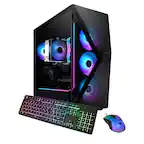
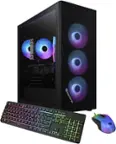
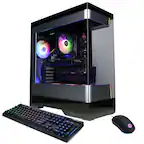
Gaming Desktop Under $2000
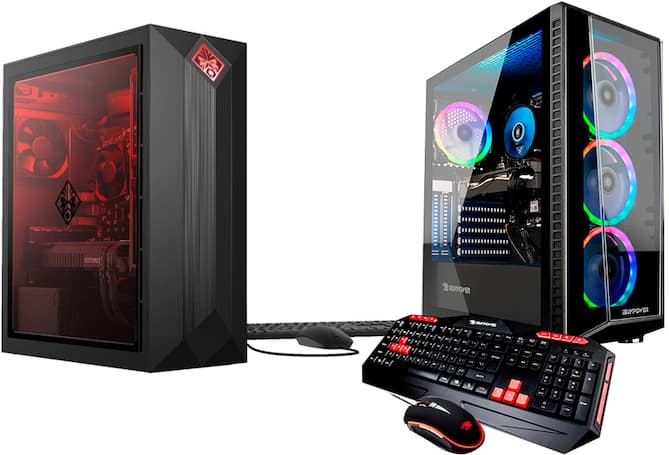
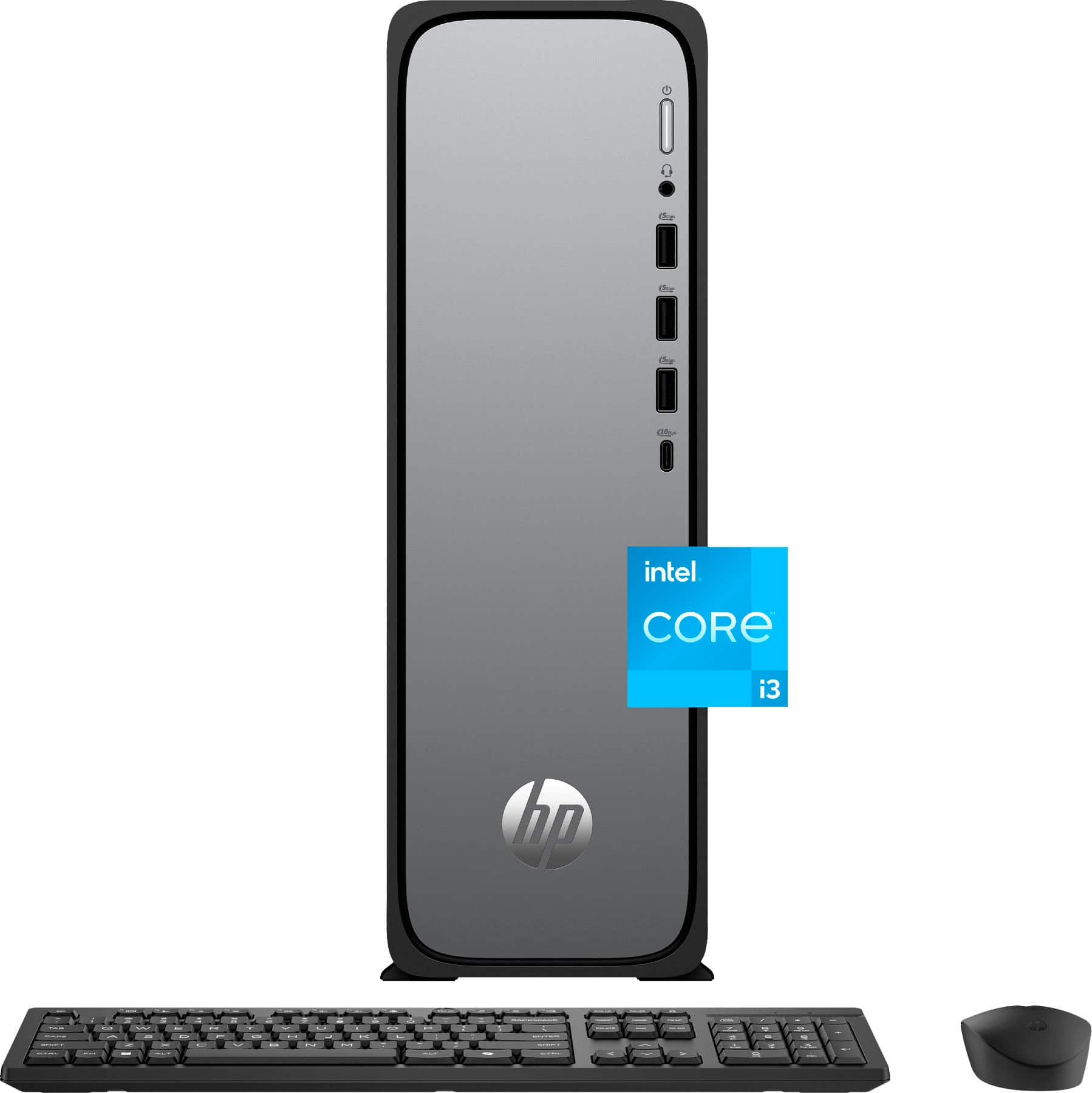
Find a gaming desktop under $2,000 with the games you play in mind. Compare desktop gaming PCs by graphics card, processor, memory, and storage, then check each model’s specifications against your favorite games’ recommended system requirements to help narrow your choices.



Gaming Desktop Under $2000
FAQs
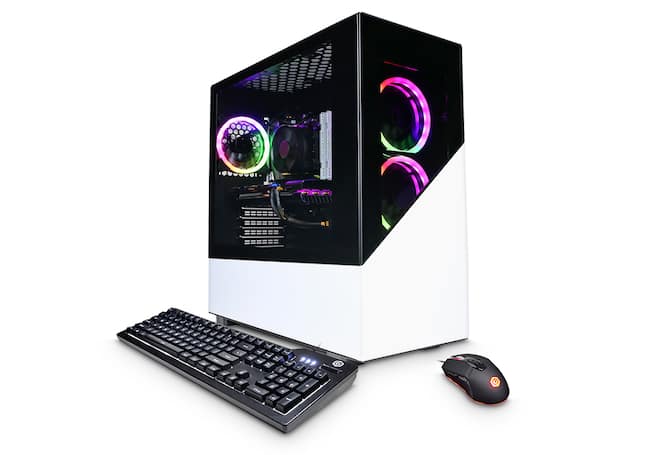
A gaming desktop includes a processor, motherboard, memory, storage, power supply, cooling components, and a case. Many configurations also have a dedicated graphics card. Review the specifications to see which components and operating system are included.
Look for connections that match your monitor and peripherals, such as HDMI or DisplayPort for a display, USB ports for a keyboard and mouse, and audio connections for a headset or speakers. On systems with a dedicated graphics card, check the card’s display outputs as well as the desktop’s other ports.
A solid-state drive, or SSD, stores data on flash memory, while a hard disk drive, or HDD, uses spinning magnetic platters. Gaming desktops may use either type or a combination of both. Check the storage specifications to understand which drive technology a configuration includes.
Upgrade options depend on the desktop’s design and component compatibility. Memory, storage, and graphics cards may be replaceable, but motherboard support, available connections, and power requirements can affect your options. Consult the manufacturer’s documentation before choosing replacement components.
Wi-Fi and Bluetooth support varies by configuration, so check for each feature separately in the specifications. A desktop without built-in wireless connectivity may support a compatible USB adapter or internal expansion card. Ethernet provides a wired network connection when the desktop has an Ethernet port.