Gifts for museum lovers can reflect the curiosity that makes a gallery visit linger long after the last exhibit. A fascination with ancient civilizations, an eye for architectural details, or a habit of reading every caption can all point toward technology that supports discovery. Some recipients enjoy studying the brushwork in a painting; others want to understand how a spacecraft was built or what a fossil reveals about an unfamiliar landscape. Digital reading and viewing devices can bring those interests into everyday life, creating space for illustrated histories, exhibition catalogs, recorded lectures, and virtual collections. For image-heavy content, screen resolution, brightness adjustment, and color reproduction deserve attention, since a richly detailed photograph places different demands on a display than a page of text. Screen size also changes the experience: a larger viewing area can make maps and artwork easier to examine, while a lighter device may feel more comfortable during a long reading session. Adjustable text, magnification, captions, and straightforward navigation can make a gift more useful for recipients with different viewing and accessibility needs. Storage capacity matters when someone likes keeping reference material close at hand, especially if it includes large image files or downloaded video. Compatibility with the recipient’s existing devices and preferred content sources helps a thoughtful gift fit naturally into an established routine. Access requirements can vary, and some digital collections or viewing features may require a separate account or subscription. For an art student, a history enthusiast, or a relative who returns to a favorite collection again and again, the appeal is not simply having another screen. It is having a comfortable way to revisit a detail, follow an unexpected connection, or investigate a subject at a personal pace. The most meaningful connection often comes from matching the technology to an interest the recipient already enjoys, whether that means close visual study, extensive reading, or listening to the stories behind an object.
A museum visit also involves practical details that can shape how useful a gift feels. Personal audio can support an exhibit’s compatible mobile tour or make a recorded lecture easier to follow at home, but comfort and ease of use matter as much as sound. The fit of an ear tip, the pressure of a headband, and the weight resting against the ears can become noticeable over time. Adjustable designs and replaceable contact parts may offer flexibility, while clearly marked controls can reduce the need to keep looking down at a device. Wireless compatibility, charging connections, and expected battery life are worth considering together, particularly for someone who uses a phone for admission, directions, and exhibit information throughout a visit. Portable charging accessories can support that routine when their output, connectors, and device requirements match. Carrying comfort matters, too. A compact design that slips into an existing bag may suit someone who moves slowly through several galleries, while secure closures and organized compartments help keep small accessories from becoming difficult to find. Soft linings can help protect surfaces from abrasion, and reinforced edges can add protection against everyday bumps, although no case makes a device immune to damage. Museum bag policies and security procedures vary, so a gift intended for outings should fit the recipient’s usual destinations as well as personal preferences. Photography introduces another set of considerations: a comfortable grip, manageable weight, and accessible controls can help someone document permitted architectural details or favorite objects without interrupting the visit. Photography, flash, tripods, and recording may be restricted, and any personal technology should be used in keeping with posted rules and consideration for other visitors. For someone who prefers to put the phone away and concentrate on the collection, the better gift may be technology used before or after the outing instead. That distinction keeps the focus on the recipient’s experience rather than assuming every museum enthusiast wants to spend a visit looking at a screen.
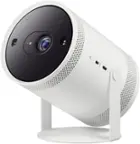
At home, gifts connected to museum interests can support both quiet study and shared enjoyment. A thoughtfully placed digital display can keep personal photographs from memorable visits in view, while a larger screen can make an exhibition film or architectural documentary easier to enjoy with family. Display dimensions, viewing distance, glare, and the location of power connections all influence how naturally technology fits into a room. Secure placement matters on a narrow shelf or a busy desk, and adjustable stands can help accommodate different viewing angles. For recipients who collect photographs, research notes, or scanned keepsakes, organized digital storage can make it easier to return to a particular trip or subject; keeping a separate backup helps reduce the risk of losing those files. Museum enthusiasts whose interests extend to filmmaking, science, biography, and cultural history may also appreciate Gifts for Documentary Lovers, where the connection is the pleasure of exploring real stories in greater depth. Across these uses, materials and maintenance affect how a gift holds up. Fabric-covered surfaces may need different care from smooth plastic or metal, and finishes can respond differently to cleaning products. Manufacturer care instructions are the best reference for cleaning screens, cushioning, and charging contacts; a soft, lint-free cloth is often useful, but liquids and cleaning agents should only be used as directed. Removable covers or replaceable wear parts can make routine upkeep more manageable when those features are part of the design. Thoughtful gifting also accounts for setup: readable controls, manageable cables, and familiar connections can be more valuable than extra features that go unused. A graduation gift might support a developing academic interest, while a birthday or retirement gift might make room for a long-standing fascination. Whether the recipient loves decorative arts, engineering, archaeology, or natural history, a well-matched gift gives that interest somewhere to go after the museum doors close.