Hepa Filters For Allergies
-
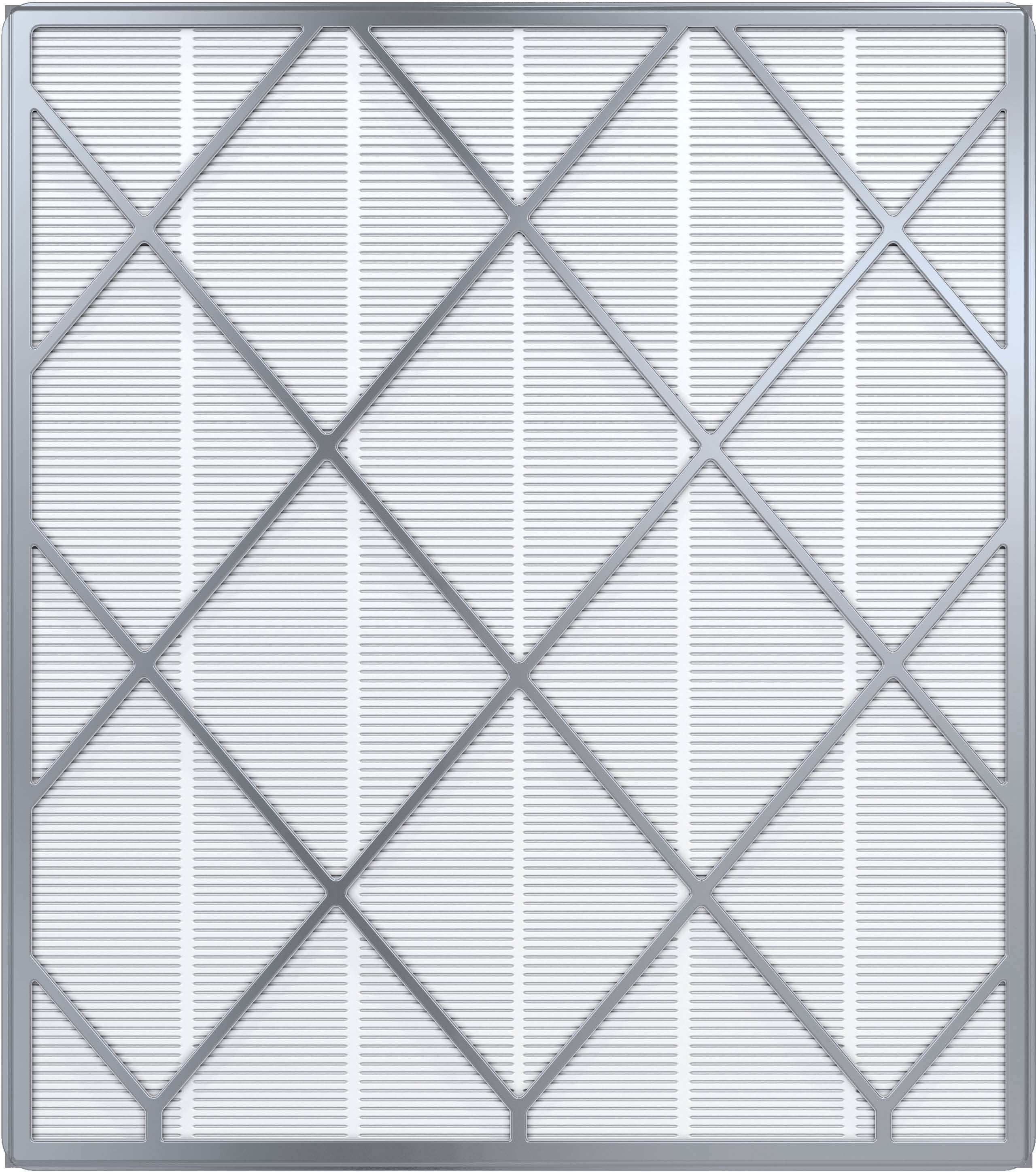
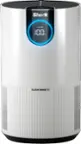
Shark - Air Purifier 4-Fan Anti-Allergen HEPA Filter with Advanced Odor Lock, Compatible with HE401, HE402 - Gray
SKU: JXJVXGZTZCBest service and products...Love the shark products and Best Buy service....I would recommend this purifier and the next day delivery through Best Buy is very convenient....Love it. No more wasting money...
See all Air Purifier Filters & PartsProduct Description
A grey plastic HEPA filter with advanced odor lock that captures 99.98% of airborne particles and odors.Your price for this item is $73.99Save $6The previous price was $79.99 -
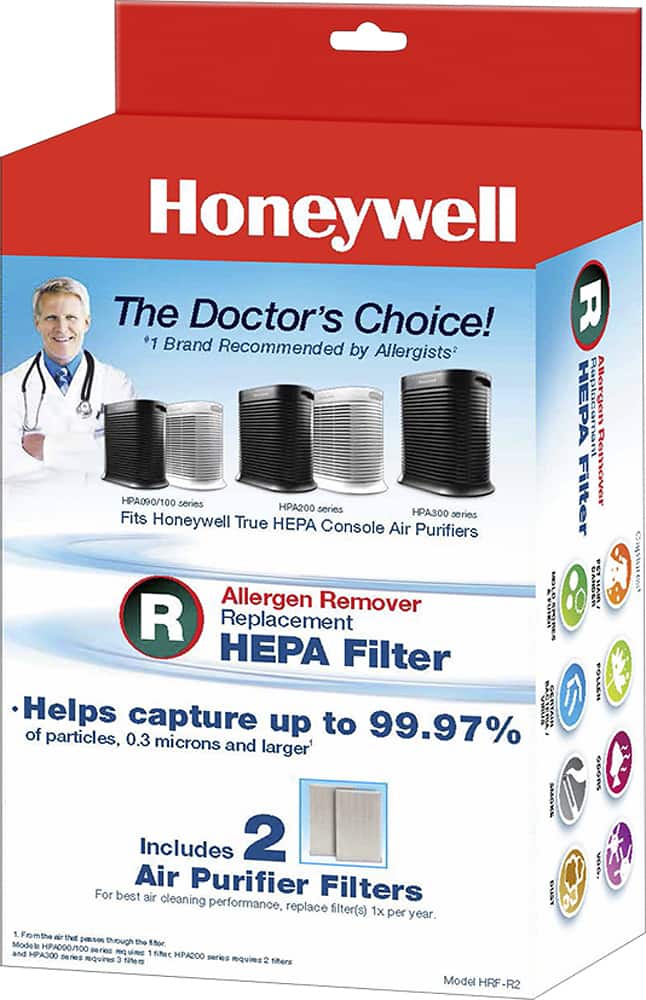
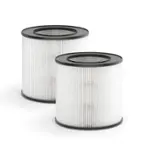
Honeywell - HEPA Replacement Filter 2-pk HRF-R2 - White
SKU: J7Q3QH76JCLove the air purifier....I only wish that Honeywell or Best Buy would include 3 air purifiers with this package....Love this product for my air purifier Comes with 2 I order like 3 times a yearBest Buy...
See all Air Purifier Filters & PartsProduct Description
A white HEPA filter two-pack that effectively captures airborne particles and is easy to install.Your price for this item is $50.99Save $7The previous price was $57.99 -
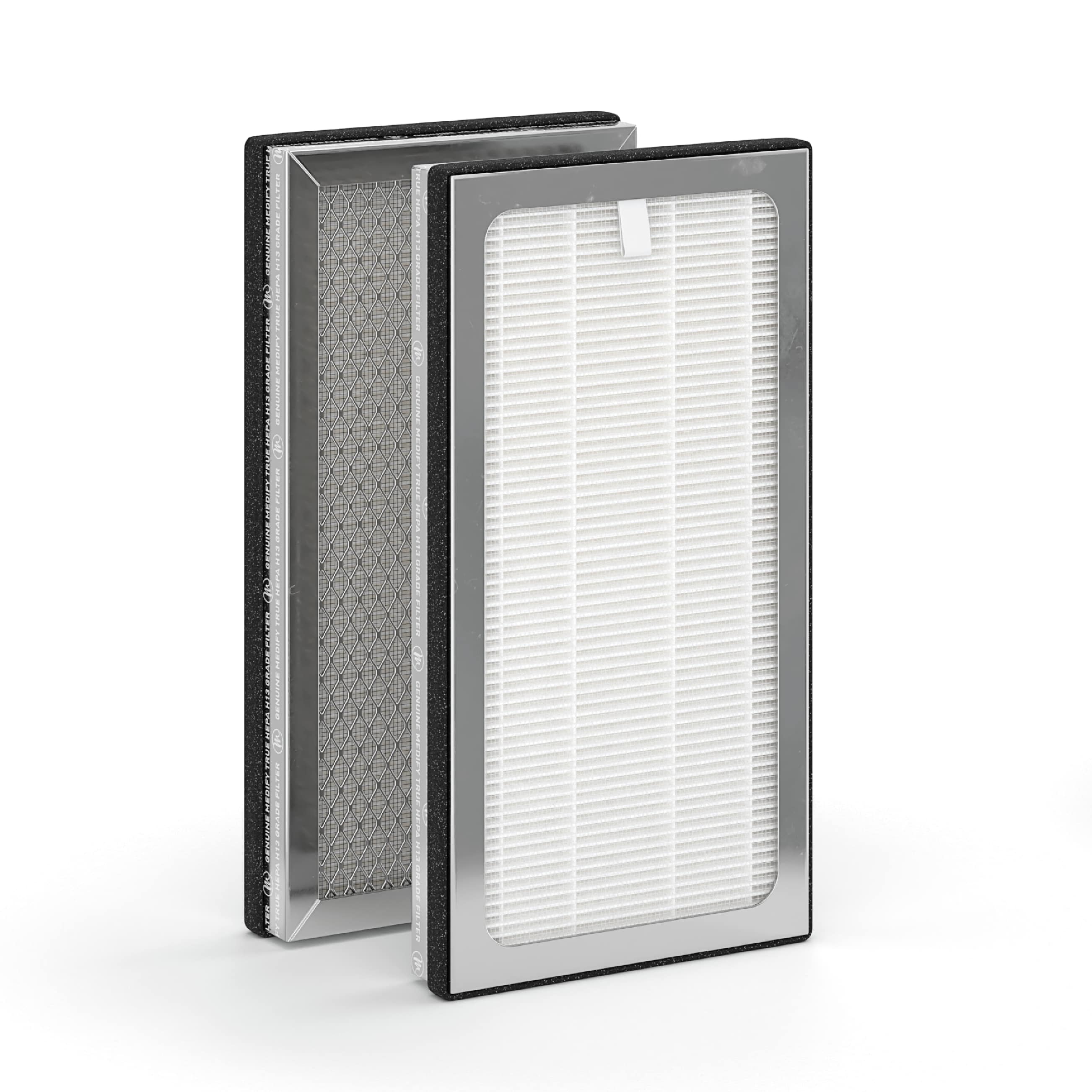
Medify Air - MA-15 Genuine HEPA H13 Replacement Filter - 1 pack - Silver
SKU: J3R8HC9SP3No stale air... works great... i change the filters every 3 months.. thanks for great air quality guys...Great Replacement filters, works and fits as expected.
See all Air Purifier Filters & PartsProduct Description
A silver replacement filter featuring H13 True HEPA and activated carbon layers to capture 99.9% of particles.Your price for this item is $35.99 -
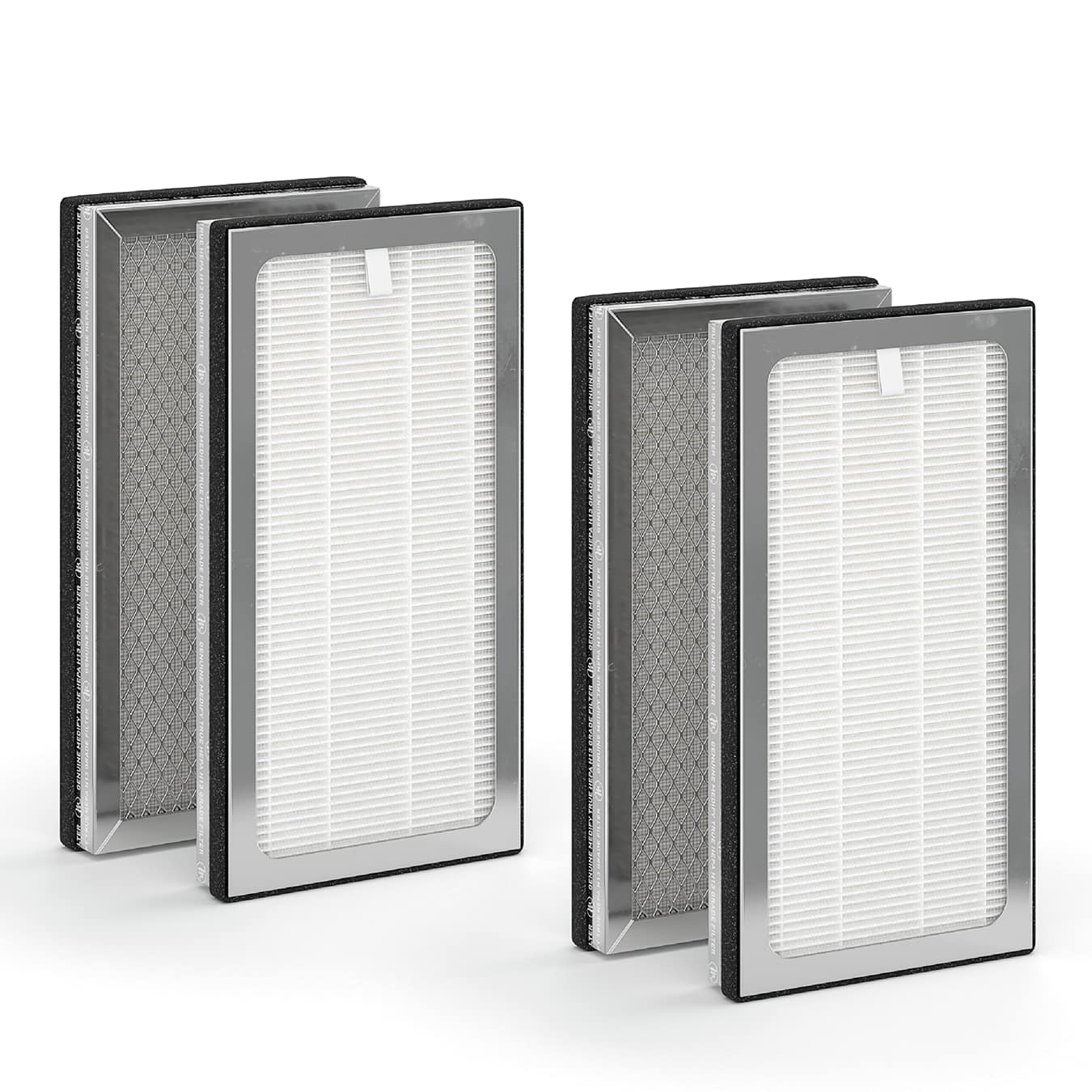
Medify Air - MA-15 Genuine HEPA H13 Replacement Filter - 2 pack - Silver
SKU: J3R8HC9SP9See all Air Purifier Filters & PartsProduct Description
A silver HEPA H13 replacement filter pack that removes 99.9% of airborne particles and odors.Your price for this item is $64.99 -
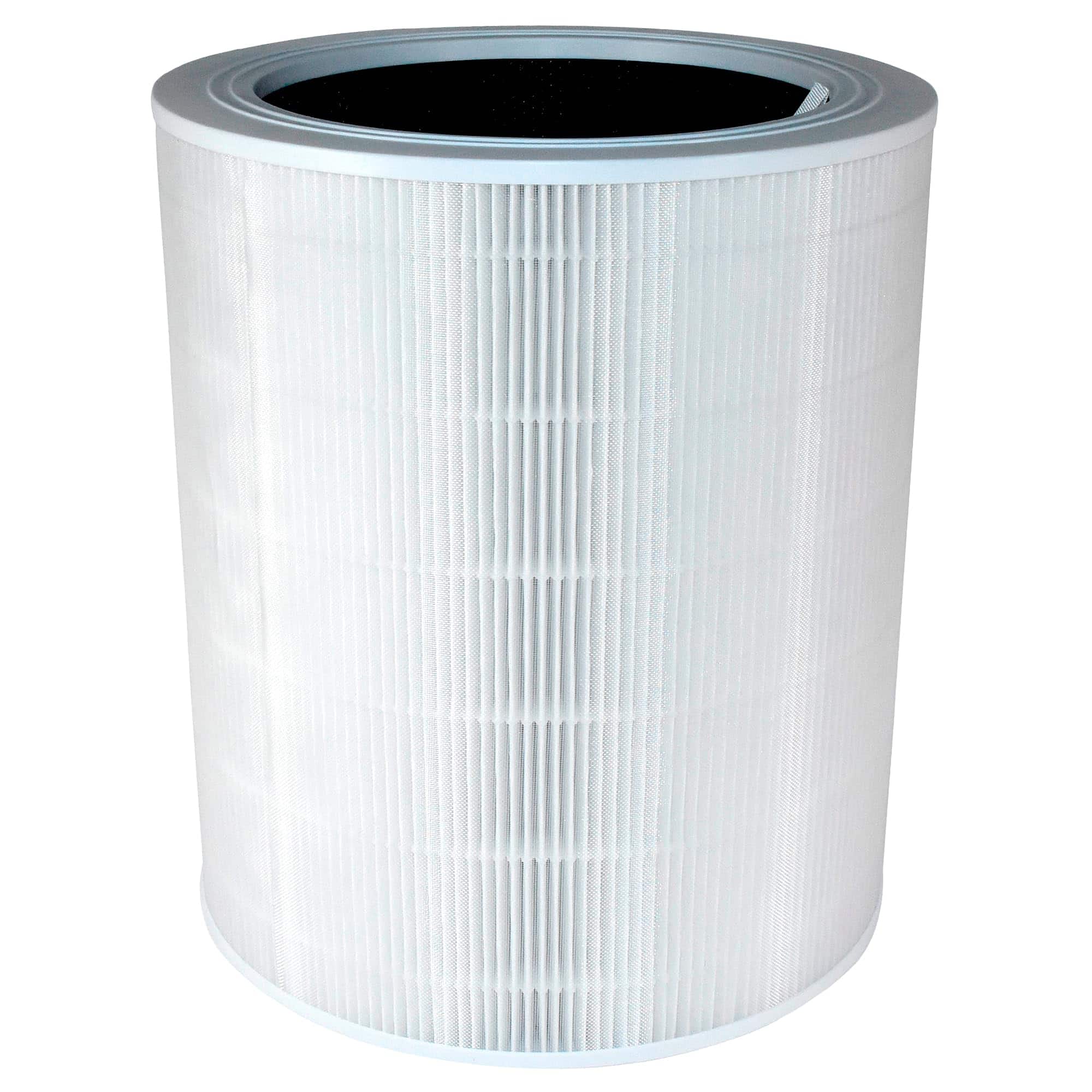
HQRP - Replacement 3-in-1 H13 True HEPA Cartridge with Carbon Layer and Pre-Filter for Levoit Core 600S, Replaces 600S-RF
SKU: J3ZSLC6H4VSee all Air Purifier Filters & PartsProduct Description
A 3-in-1 H13 True HEPA filter with carbon and pre-filter layers for advanced air purification.Your price for this item is $39.95 -
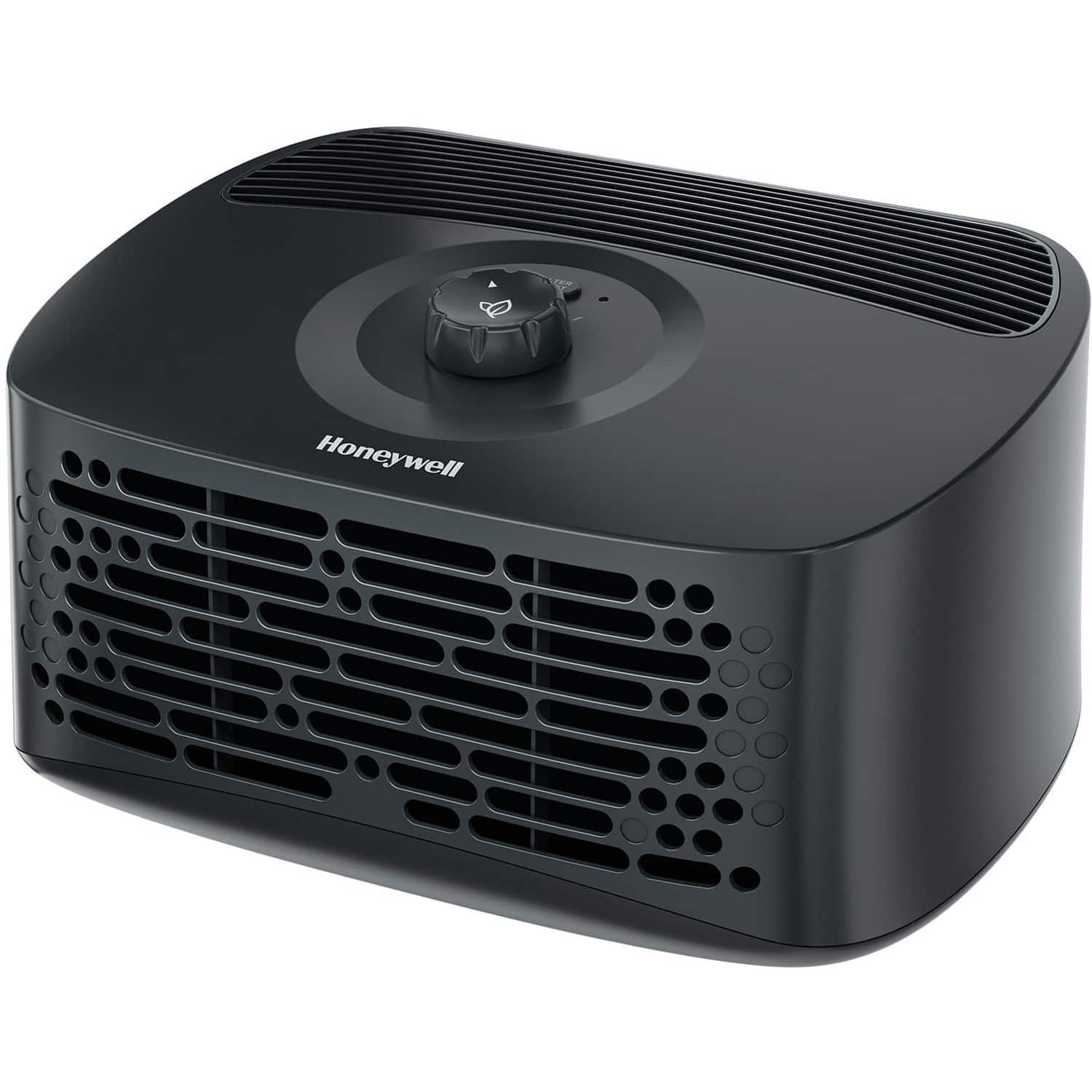
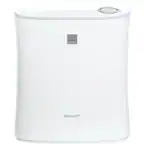
Honeywell - True HEPA Tabletop Air Purifier
SKU: J7Q3QQQG7KLove it!...I love my new Honeywell Air Purifier. I have been needing one for a long time....It contains two filters that clean the air and best of all you only change them once a year or when they
See all Air PurifiersProduct Description
A tabletop air purifier with True HEPA filtration captures 99.97% of airborne allergens and particles.Your price for this item is $121.81 -
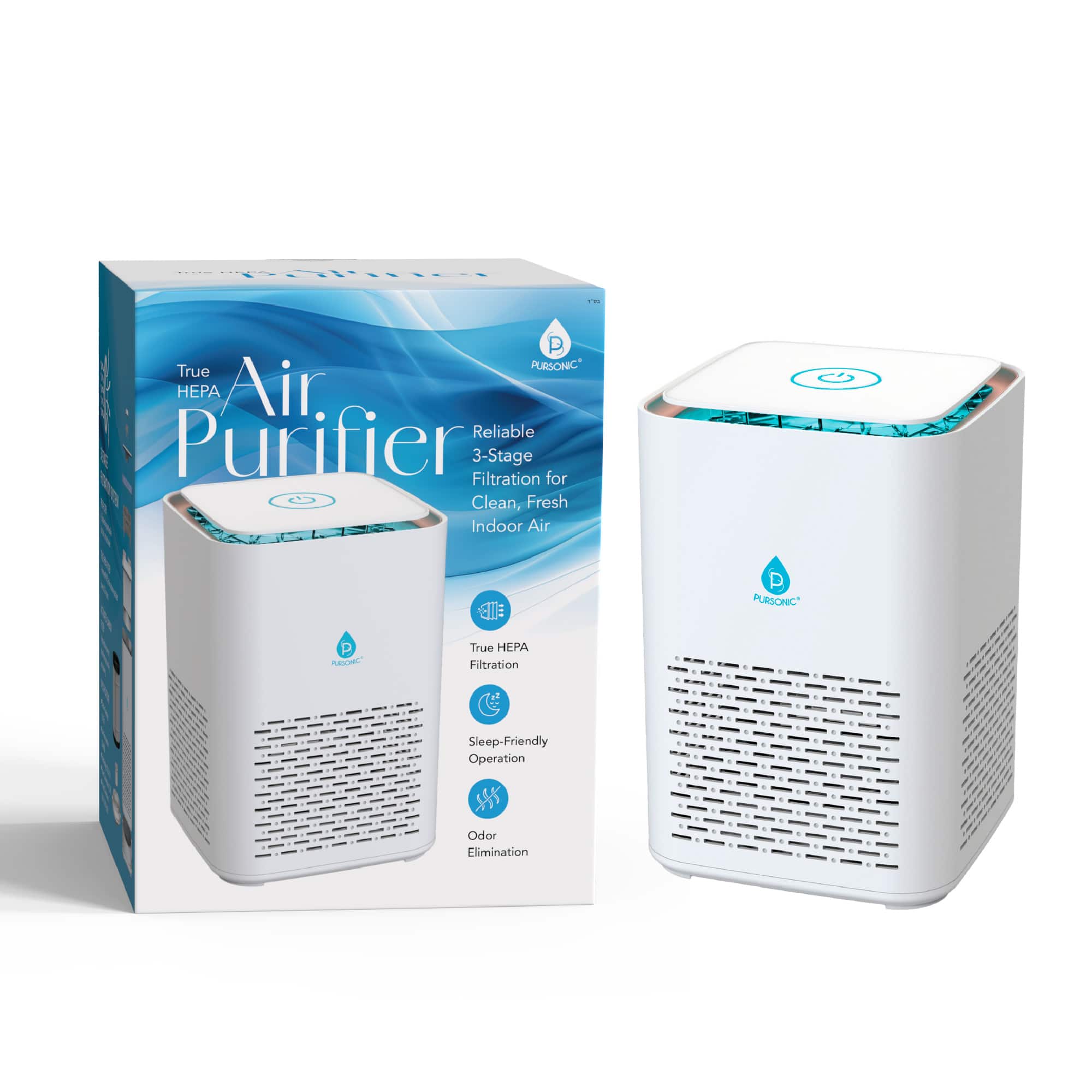
Pursonic - True HEPA Air Purifier – Compact Power for Cleaner Air - Multicolor
SKU: JXFT9LV3SLSee all Air PurifiersProduct Description
A compact multicolor air purifier with whisper-quiet HEPA filtration removes allergens, odors, and smoke efficiently.Your price for this item is $59.99 -
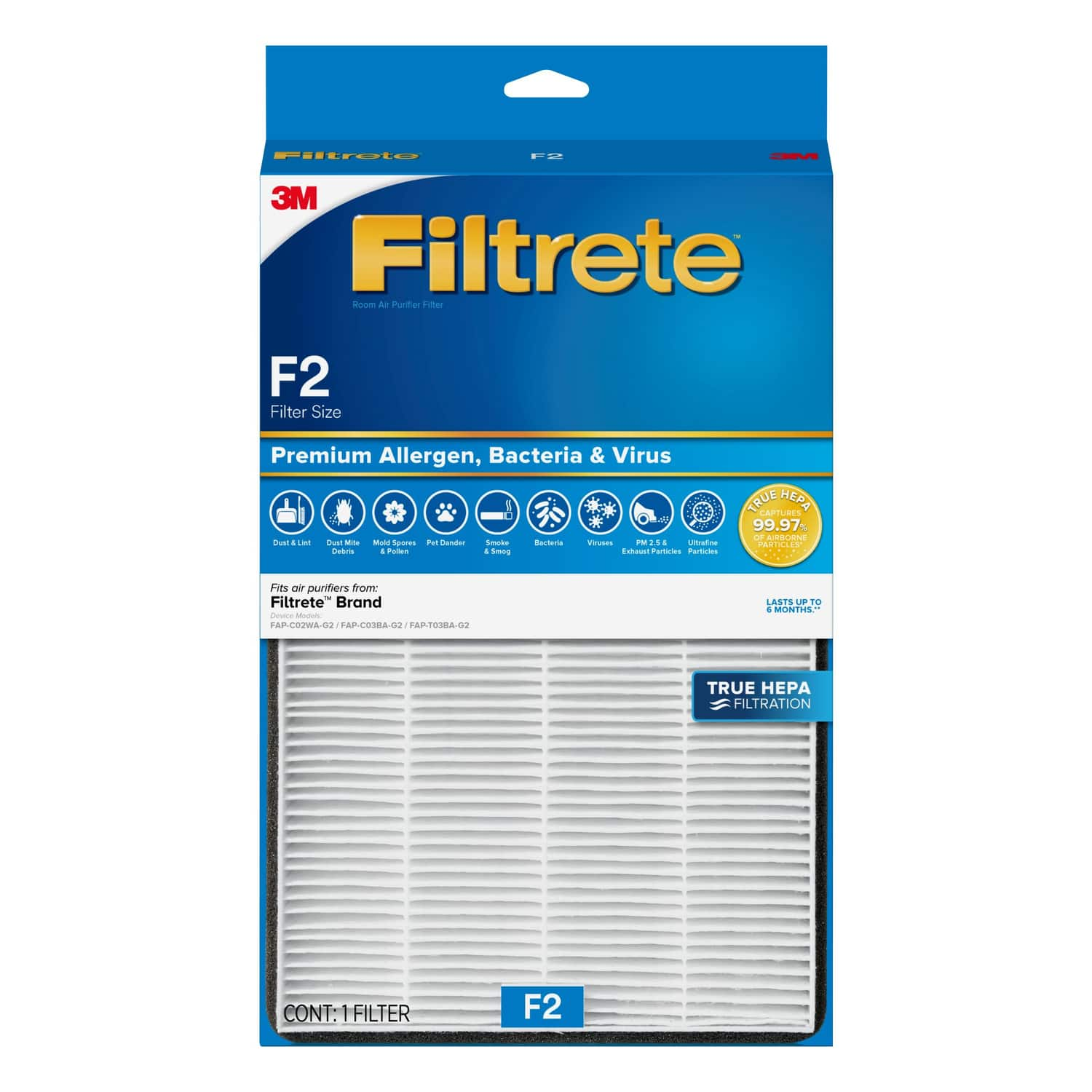
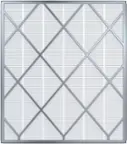
Filtrete - 13 in. H X 8.2 in. W Rectangular HEPA Air Purifier Filter 1 pk
SKU: J7S2KY585CSee all Furnace FiltersProduct Description
A rectangular HEPA filter that captures 99.97% of airborne particles, including dust, allergens, and viruses.Your price for this item is $35.80 -
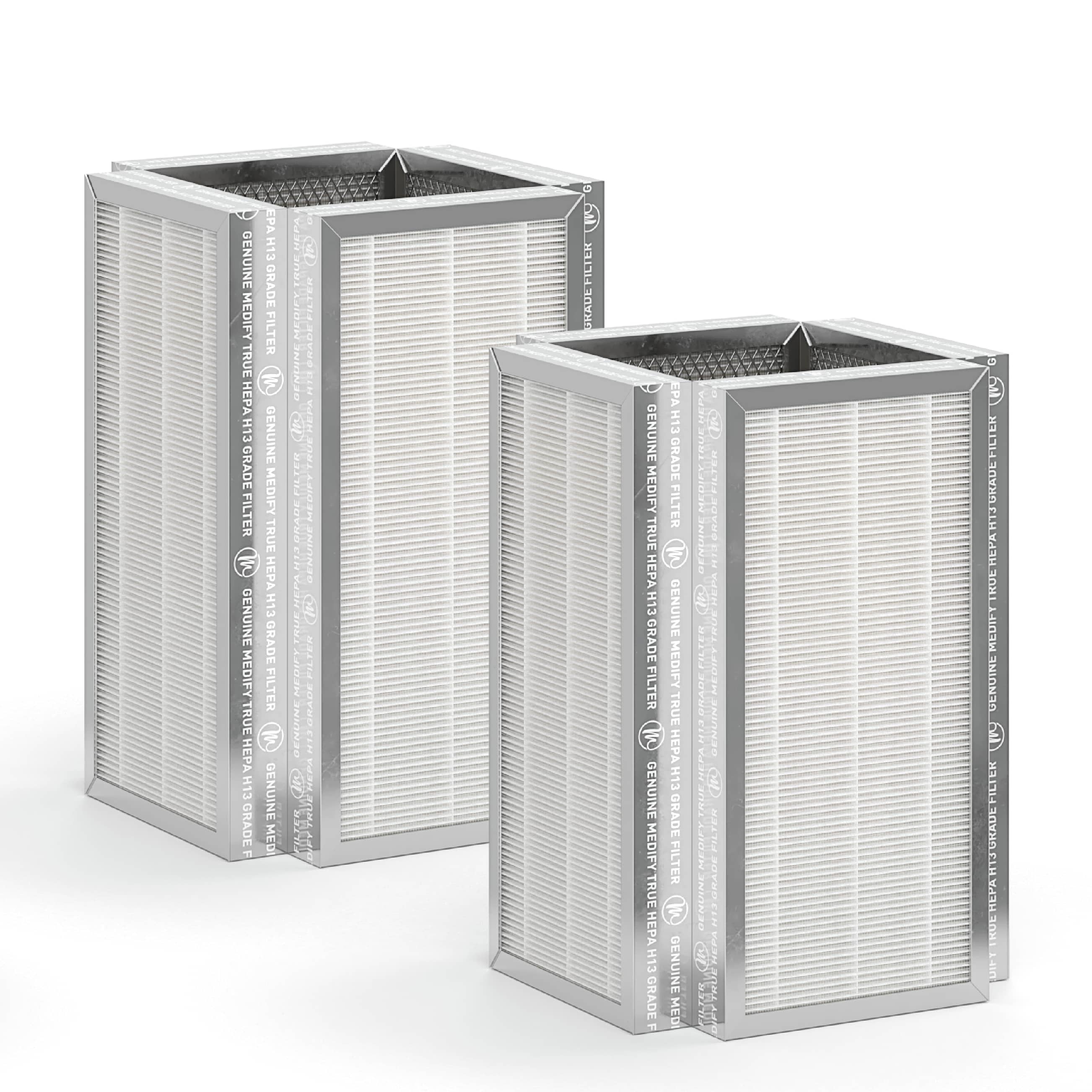
Medify Air - MA-50 Genuine HEPA H14 Replacement Filter - 1 pack - Silver
SKU: J3R8TH7VFPSee all Air Purifier Filters & PartsProduct Description
A silver HEPA H14 replacement filter with three-layer filtration removes 99.99% of airborne particles and odors.Your price for this item is $69.99 -
Medify Air - MA-50 Genuine HEPA H13 Replacement Filter - 2 pack - Silver
SKU: J3R8TH7VYYSee all Air Purifier Filters & PartsProduct Description
A silver HEPA H13 replacement filter pack that removes 99.9% of particles and neutralizes odors.Your price for this item is $114.99

Best Sellers
Related Pages
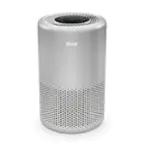
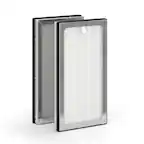


FAQ
A HEPA (High Efficiency Particulate Air) filter is designed to capture at least 99.97% of airborne particles as small as 0.3 microns. For allergy sufferers, HEPA filters help trap common allergens like dust, pollen, pet dander, and mold spores, improving indoor air quality.
Yes, HEPA filters are compatible with a variety of air purifiers, including standalone units, HVAC systems, and vacuum cleaners. Always check your device’s specifications to ensure compatibility with HEPA filter replacements.
The replacement frequency for HEPA filters varies by usage and environment, but most manufacturers recommend changing them every 6 to 12 months for optimal performance. Always refer to your device’s manual for specific guidelines.
To extend the life of your HEPA filter, regularly clean the pre-filter (if your device has one), keep the surrounding area dust-free, and avoid overloading the filter by maintaining recommended usage levels.
While HEPA filters excel at capturing airborne particles such as allergens, they do not specifically remove odors or gases. For odor control, consider using a filter that combines HEPA technology with activated carbon or charcoal.