Passive Surround Sound Speakers
-
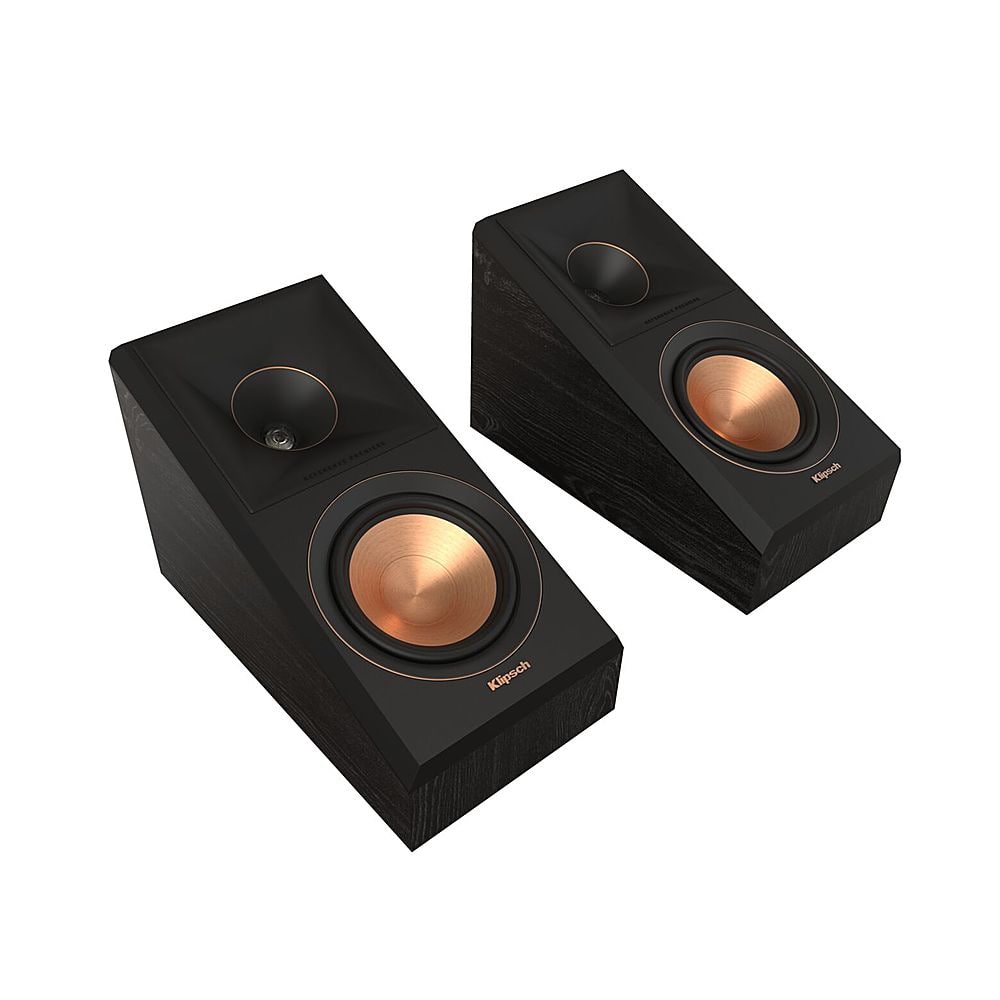
Klipsch - RP-500SA II Reference Premiere Dual 5.25" 300-Watt Passive 2-Way Surround Sound Speaker (Pair) - Ebony
SKU: JX44FCKVLQThey look great, sound great, and really made the home theater experience awesome....Great speakers Quality soundPraise and worship requires the best!...Klipsch are the best!...Love these speakers.......
See all Floor SpeakersProduct Description
A pair of ebony-finished, 300-watt passive speakers delivering immersive Dolby Atmos surround sound versatility.Your price for this item is $449.99Save $200The previous price was $649.99 -
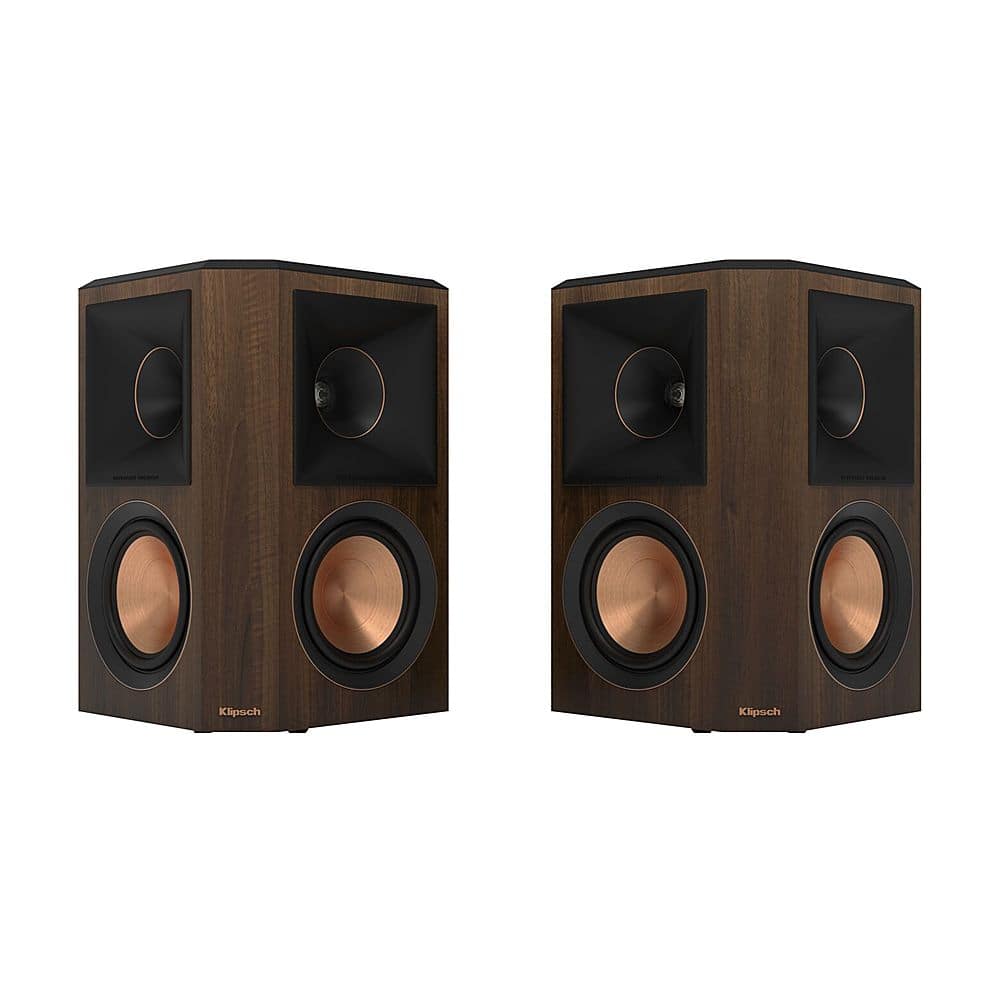
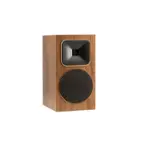
Klipsch - RP-502S II Reference Premiere Dual 5.25" 400-Watt Passive 2-Way Surround Sound Speaker (Pair) - walnut
SKU: JX44FCKV9RSee all Floor SpeakersProduct Description
A pair of walnut surround speakers delivering dynamic, distortion-free audio with copper woofers and Tractrix horn technology.Your price for this item is $549.99Save $300The previous price was $849.99 -
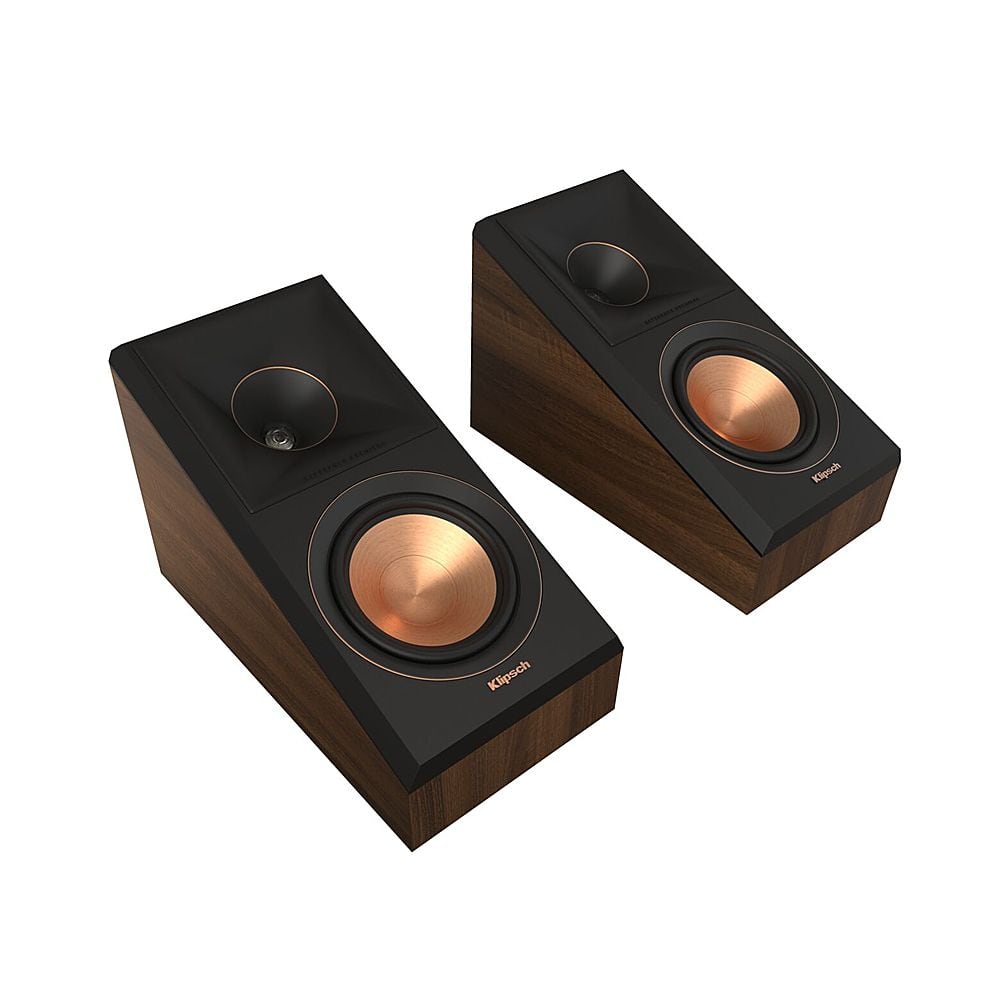
Klipsch - RP-500SA II Reference Premiere Dual 5.25" 300-Watt Passive 2-Way Surround Sound Speaker (Pair) - Walnut
SKU: JX44FCKV94Great for Atmos...I love them, they sound so clean and crisp....Great sound...Great sound and i used them as rear channels in my Theatre
See all Bookshelf SpeakersProduct Description
A pair of walnut-finished 2-way surround speakers delivering immersive Dolby Atmos sound with versatile placement options.Your price for this item is $449.99Save $200The previous price was $649.99 -
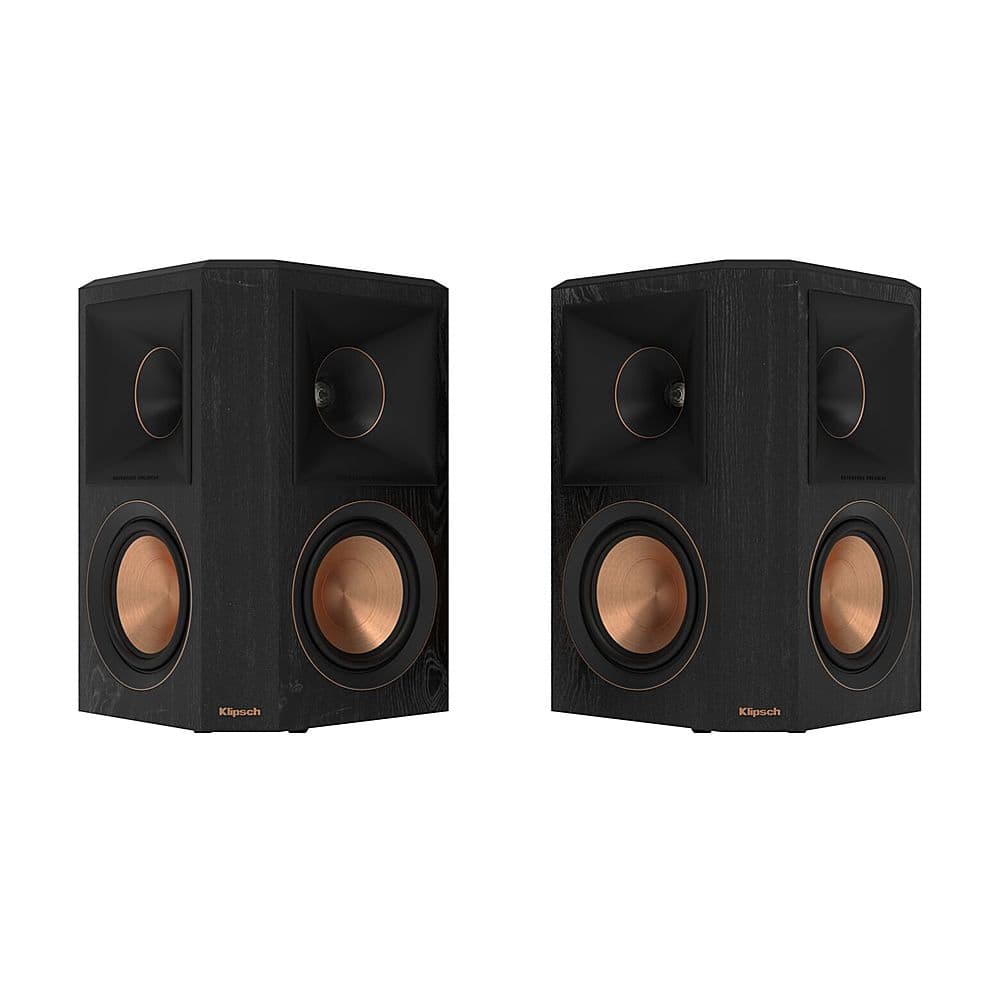
Klipsch - RP-502S II Reference Premiere Dual 5.25" 400-Watt Passive 2-Way Surround Sound Speaker (Pair) - Stone
SKU: JX44FCKVLLBest of the Best...Best of the best and very affordable.And very high sensitivity and clarity....best quality
See all Bookshelf SpeakersProduct Description
A pair of stone-colored surround speakers delivering immersive, dynamic sound with copper Cerametallic woofers and Tractrix horn technology.Your price for this item is $549.99Save $300The previous price was $849.99
Best Sellers


Related Pages


FAQ
Passive surround sound speakers are speakers that rely on an external amplifier or AV receiver for power. In a home theater system, they reproduce surround audio channels, while speaker wire carries the amplified audio signal from the receiver to each speaker.
You need speaker wire and an AV receiver or amplifier with connections for the surround channels you plan to use. If you use a separate power amplifier, you also need a compatible surround sound processor or an AV receiver with preamp outputs to decode and route the audio.
Passive speakers require external amplification, while powered speakers have built-in amplifiers. Passive surround speakers typically connect to an AV receiver with speaker wire. Powered speakers require a power source and receive audio through connections that vary by model, such as line-level cables or wireless links.
Surround speakers carry the surround left and right channels found in a standard 5.1-channel setup. Surround back speakers carry two additional rear channels in a standard 7.1-channel setup. Your AV receiver's channel configuration determines which connections and audio channels are available.
No. Dolby Atmos decoding takes place in a compatible AV receiver or surround sound processor, not in passive speakers. Passive surround speakers can handle the ear-level surround channels in an Atmos system, while overhead speakers or Dolby Atmos-enabled up-firing speakers handle height-channel audio.