Deals for every list.Start early, save early.Shop now

Main Content
Skip to contentGo to Product Search

Deals for every list.Start early, save early.Shop now

Main Content

Projectors That Work In Daylight

Shopping for projectors that work in daylight? Explore options with your room’s ambient light, intended image size, and placement needs in mind. Compare brightness ratings using the same measurement standard, such as ANSI lumens, to evaluate light output. Brighter projectors can help in well-lit rooms, but reducing direct sunlight can still make an important difference in picture visibility.

Categories & Filters
Results
Main Results

Projectors That Work In Daylight

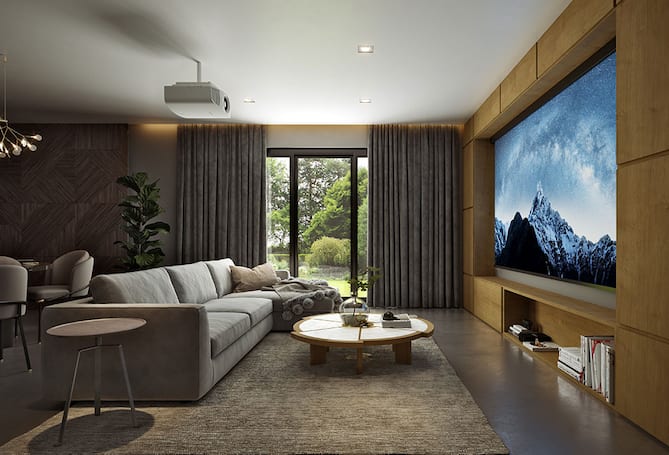
Projectors that work in daylight make large-screen viewing more practical in living rooms, home offices, classrooms, and meeting spaces where turning off every light is not an option. Brightness is a key consideration for these settings because ambient light can wash out an image, reducing contrast and making darker scenes harder to see. Light output reported using a recognized measurement method, such as ANSI lumens or ISO lumens, provides a more useful starting point for comparison than an unspecified brightness claim. Screen size matters, too: spreading the same light over a larger area produces a dimmer image, so the right balance depends on both the room and the picture size you want. A smaller, brighter image may be more satisfying for daytime sports or presentations than a much larger image with faded colors. Window shades, thoughtful screen placement, and keeping direct sunlight off the viewing surface can also improve the result without requiring a completely dark room.

Picture quality involves more than brightness alone. Resolution affects the clarity of text, fine details, and high-resolution video, while color accuracy helps movies, photographs, and presentation graphics look natural. Higher resolution does not automatically mean a brighter picture, and a high contrast specification does not eliminate the effects of light falling on the screen. For daytime entertainment, look for a balance of light output, image detail, and color performance rather than relying on one headline specification. The projection surface is another important part of the setup. An ambient light rejecting screen can help reduce the effect of light arriving from certain directions, but it needs to match the projector’s throw type and the room’s lighting conditions. It cannot block all unwanted light. Standard-throw, short-throw, and ultra-short-throw designs also have different placement requirements, making the distance between the projector and screen just as important as the space available for seating.

Everyday convenience helps distinguish the right daylight projector for a shared family room from one better suited to a dedicated workspace. Throw ratio, optical zoom, and lens shift influence where a projector can sit while producing the desired image size and position. Digital image adjustments can simplify alignment, though substantial correction may reduce usable image detail. Connectivity is worth considering alongside placement, especially when the setup needs to accommodate a streaming device, game console, laptop, or separate sound system. For gaming, input lag and supported refresh rates matter; for presentations, readable text and a straightforward connection may take priority. Built-in speakers can keep a setup simple, while external audio may better suit a larger room. Light-source life, maintenance requirements, ventilation, and fan noise also affect long-term use. For patios or other outdoor spaces, substantial shade remains essential, since even a bright projector can struggle against daylight. Matching brightness and placement to the actual viewing environment helps make daytime projection a useful option for entertainment, work, and shared viewing.

FAQs