Server Drives
-
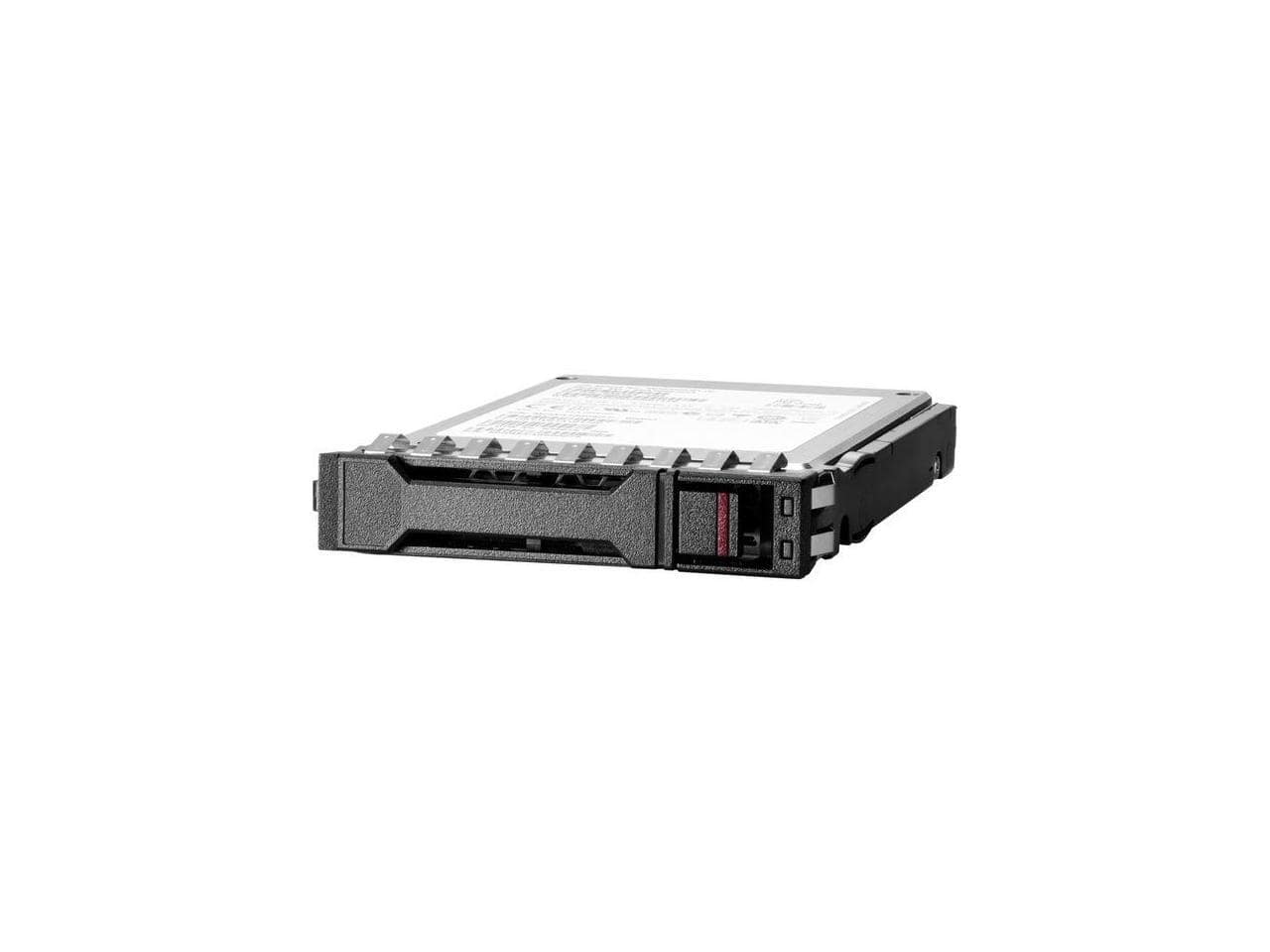
HP - HPE 600GB 2.5" SAS 12Gb/s 10k rpm Server HDD - 3 Year Warranty
SKU: JJ82GZ7V72See all Internal Hard DrivesProduct Description
A high-speed 600GB internal SAS hard drive with 10,000 rpm, ideal for server storage solutions.Your price for this item is $283.52 -
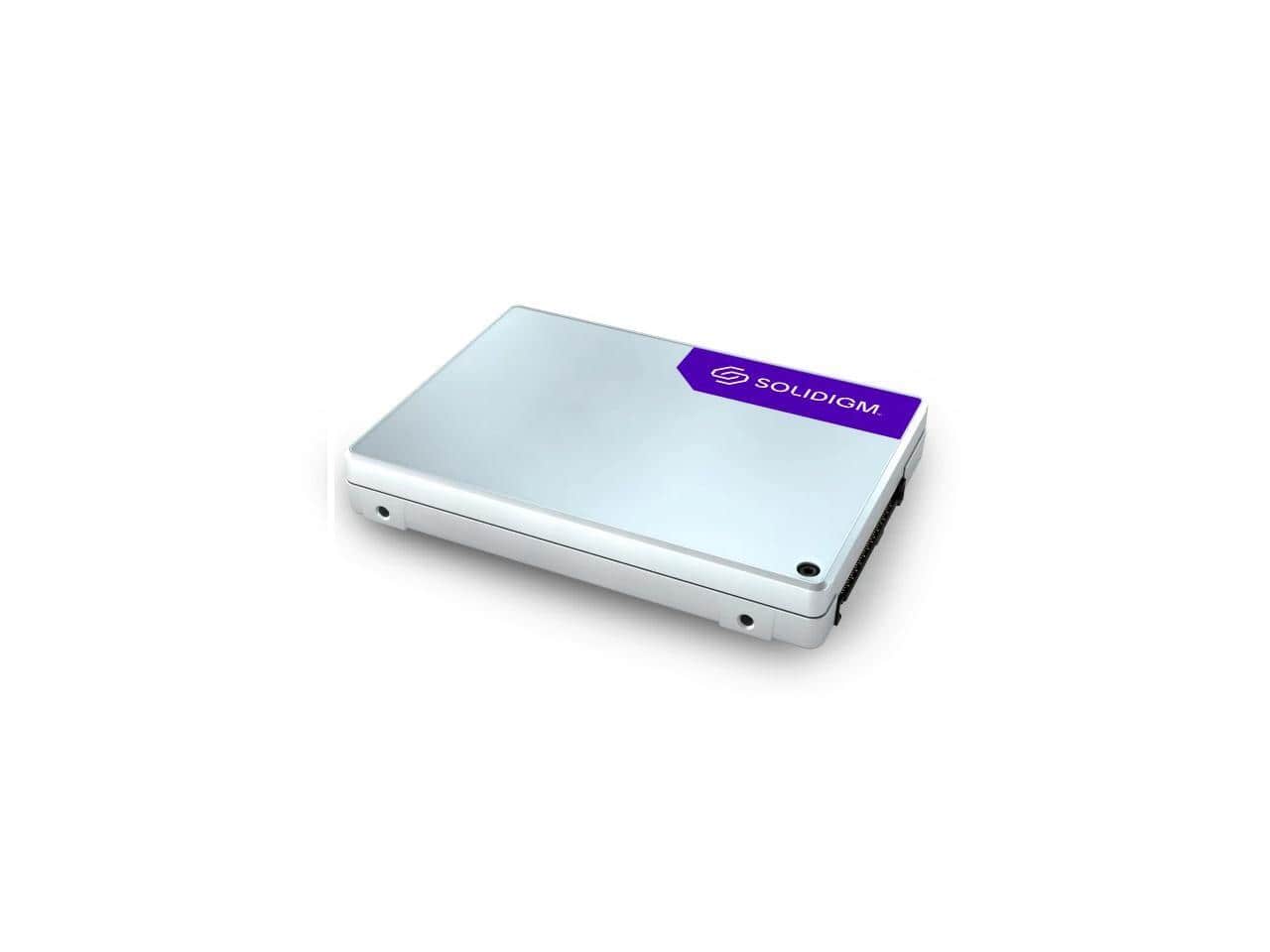
Solidigm - D7-P5520 SSD 15.36TB U.2 PCIe 4.0 x4 TLC Server SSD
SKU: J39H5STP3RSee all Internal SSDsProduct Description
A high-capacity 15.36TB internal SSD with PCIe 4.0 x4 interface and TLC 3D NAND for servers.Your price for this item is $10,415.18 -
Solidigm - D7-P5520 SSD 7.68TB U.2 PCIe 4.0 x4 TLC Internal Server Drive
SKU: J39H5STPXQSee all Internal SSDsProduct Description
A high-capacity 7.68TB internal SSD with PCIe 4.0 x4 interface, ideal for data center servers.Your price for this item is $3,697.40 -
Solidigm - D7-P5620 SSD 6.4TB U.2 PCIe 4.0 x4 TLC Internal Server Drive
SKU: J39H5STPJQSee all Internal SSDsProduct Description
A high-performance 6.4TB internal SSD with PCIe 4.0 x4 interface and TLC 3D NAND for servers.Your price for this item is $4,875.65 -
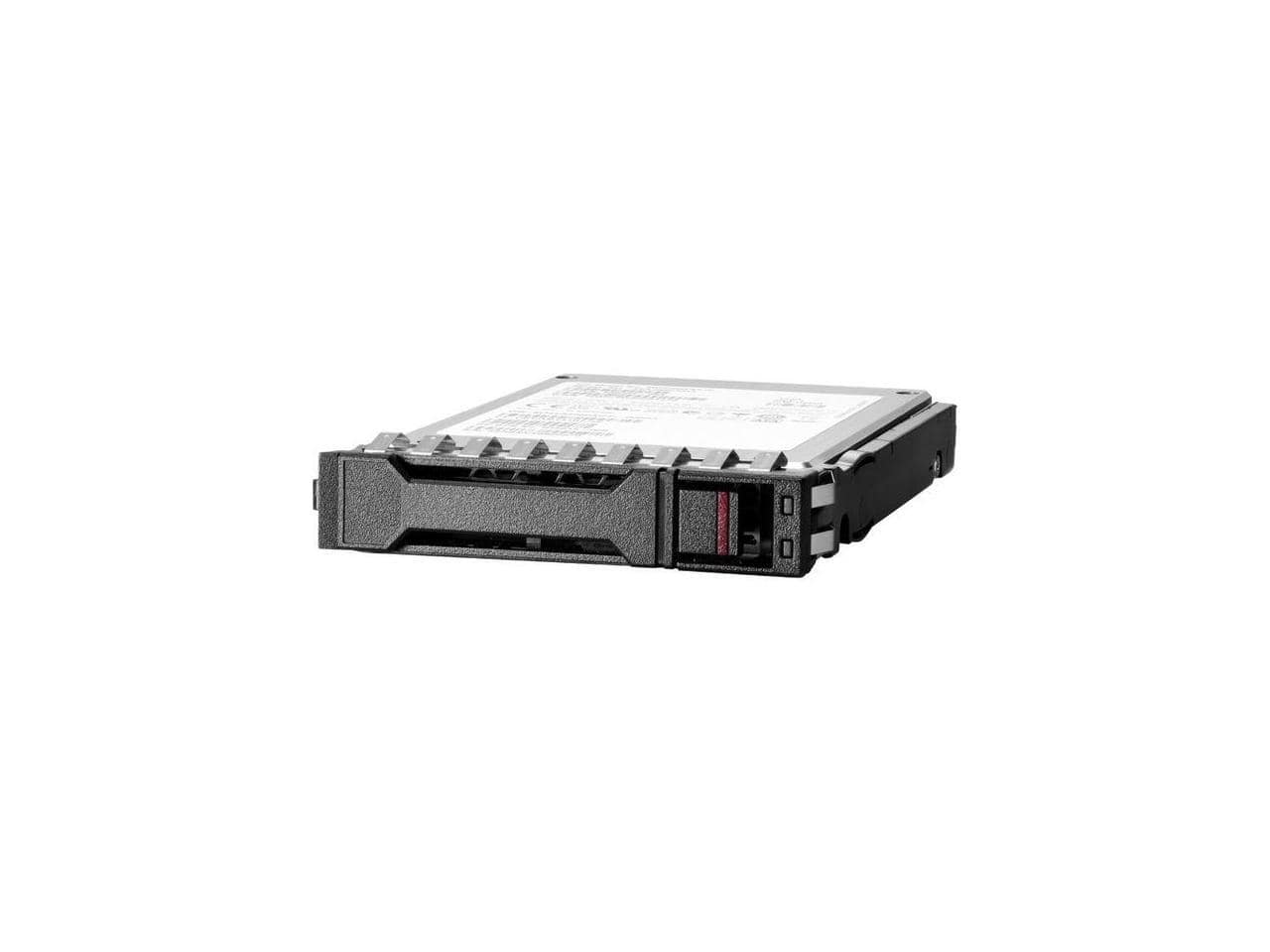
HPE Aruba - HPE 1.92 TB Solid State Drive 2.5" Internal SATA SATA/600 Mixed Use Server Device Supported 3.05 DWPD P40504B21
SKU: JJ82GKZRGFSee all Internal SSDsProduct Description
A 1.92TB internal 2.5" SATA SSD designed for mixed-use server environments with 3.05 DWPD durability.Your price for this item is $3,635.15Save $181The previous price was $3,816.91 -
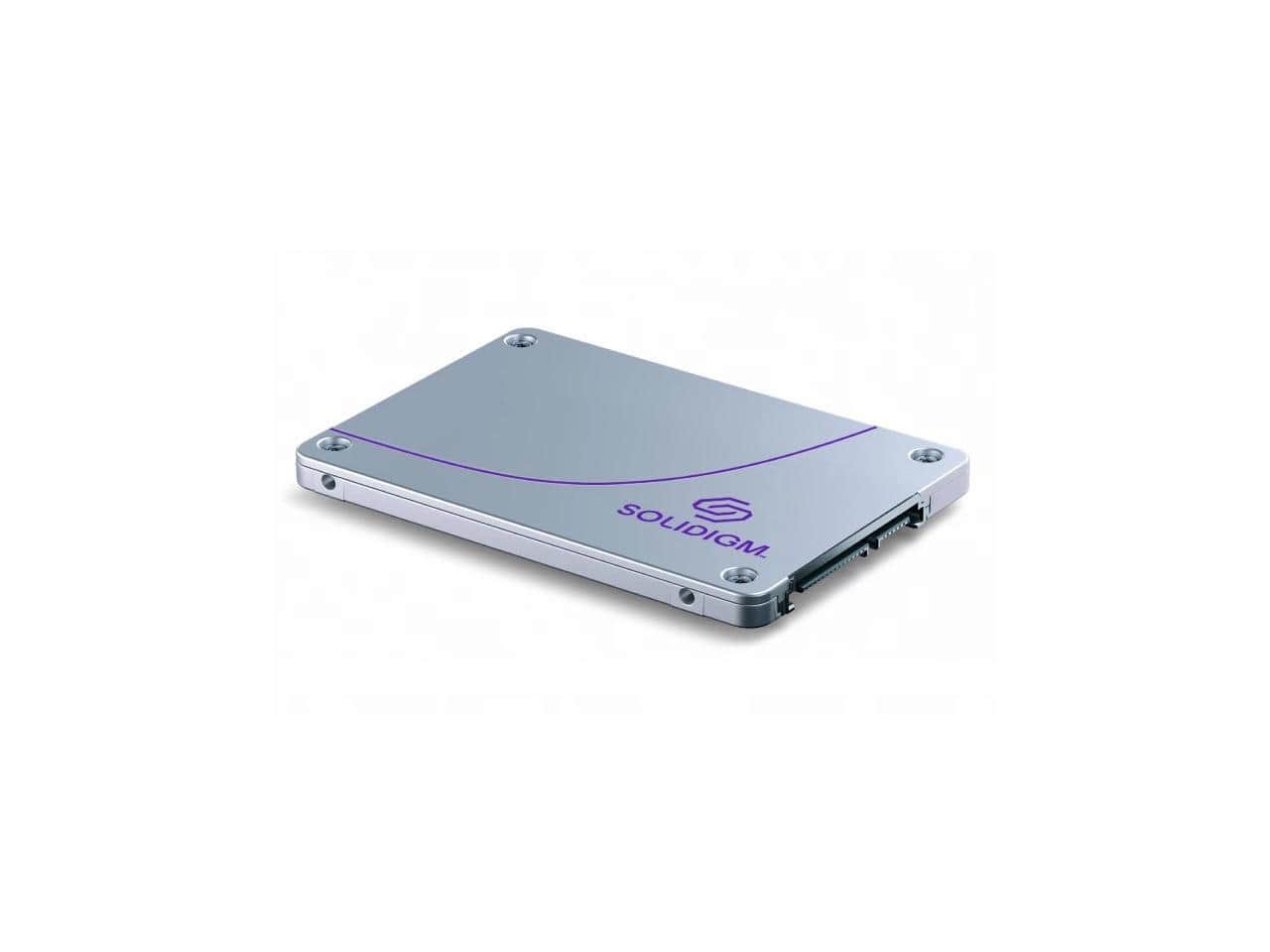
Solidigm - D3-S4620 960GB 2.5in SATA SSD (TLC, 3D4, Internal Server/DC) (SSDSC2KG960GZ1Z)
SKU: J39H5STP69See all Internal SSDsProduct Description
A high-performance 960GB internal SSD with 2.5-inch SATA interface, ideal for data center and server use.Your price for this item is $935.19
Best Sellers

Related Pages

FAQ
HDD (Hard Disk Drive) server drives use spinning disks to store data, offering high capacity at a lower cost per gigabyte. SSD (Solid State Drive) server drives use flash memory, providing faster data access speeds, lower latency, and increased durability, making them ideal for high-performance applications.
Server drives often follow standard interfaces like SATA, SAS, or NVMe, but compatibility can depend on your server's make and model. It's important to check your server’s documentation or consult the manufacturer to ensure the drive interface and form factor are supported.
While consumer-grade drives may physically fit in a server, server drives are specifically engineered for continuous operation, higher workloads, and enhanced reliability. Using server-grade drives is recommended for business-critical environments to ensure data integrity and performance.
Hot-swapping refers to the ability to replace or add server drives without powering down the server. Many enterprise servers support hot-swapping, allowing for easier maintenance and minimal downtime when upgrading or replacing drives.
RAID (Redundant Array of Independent Disks) allows multiple server drives to work together for improved performance, redundancy, or both. Different RAID levels (such as RAID 0, 1, 5, 6, or 10) offer various combinations of speed and data protection, depending on your needs.