Wiring Security Cameras
-
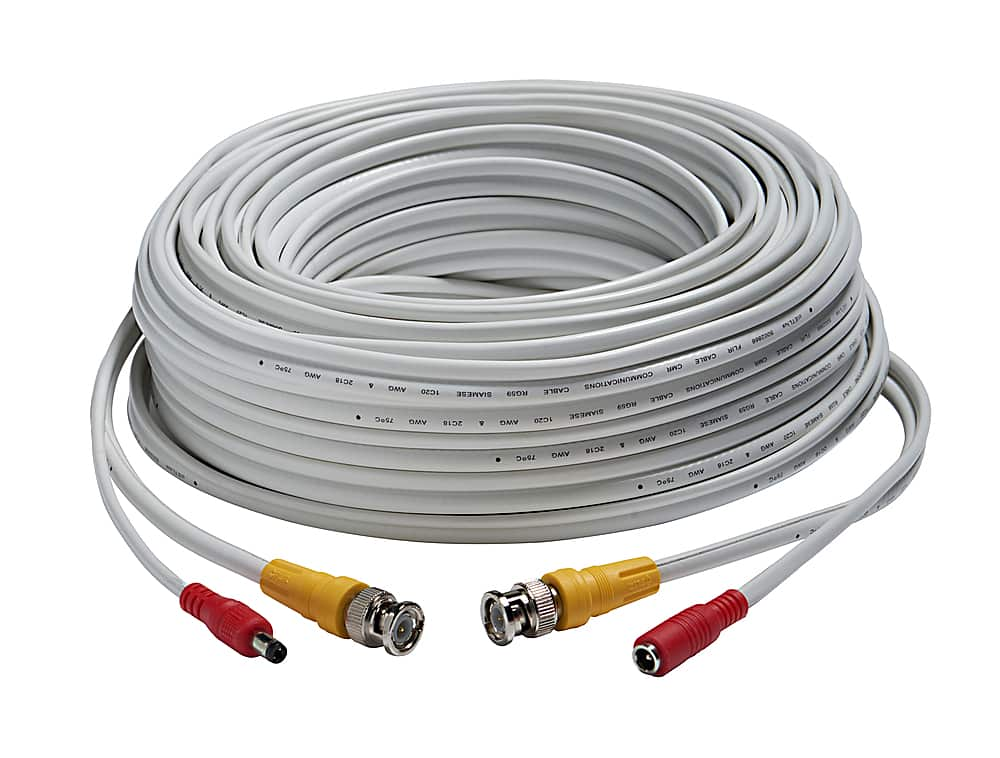
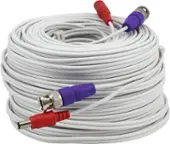
Lorex - 120’ 4K In-wall RG59 to RG59 BNC Video/Power UL CM Cable with Fire-Resistant - White
SKU: JX6F5X8X43it was opened box so one cable caused blurry but overall the system worked great!...Functionally an excellent cable assy, installation is great, pulls well.
See all Surveillance Camera CablesProduct Description
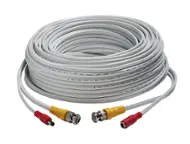
A fire-resistant white RG59 BNC video/power cable designed for high-definition security camera installations.Your price for this item is $59.99 -
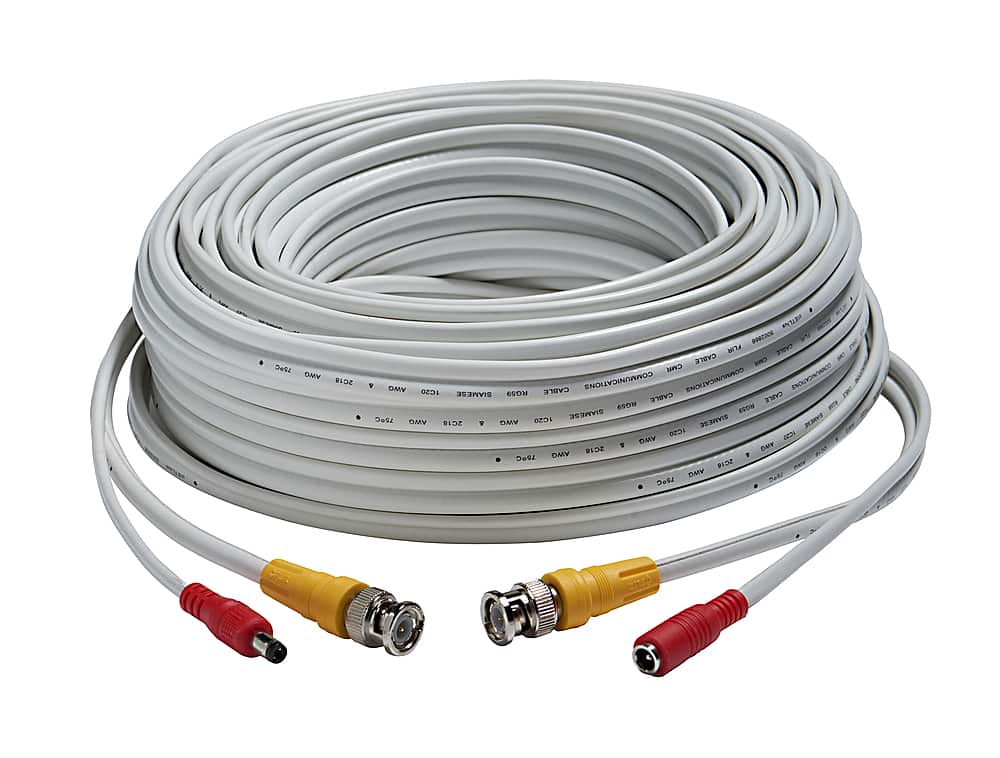
Lorex - 250’ 4K In-wall RG59 to RG59 BNC Video/Power UL CMR Cable with Fire-Resistant - White
SKU: JX6F5X8X45Very well made this is a great product. Must buy if you need more cable. A 5 star.
See all Surveillance Camera CablesProduct Description
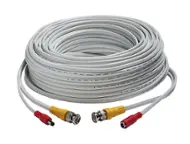
A fire-resistant white RG59 BNC video and power cable designed for high-definition security camera installations.Your price for this item is $99.99 -
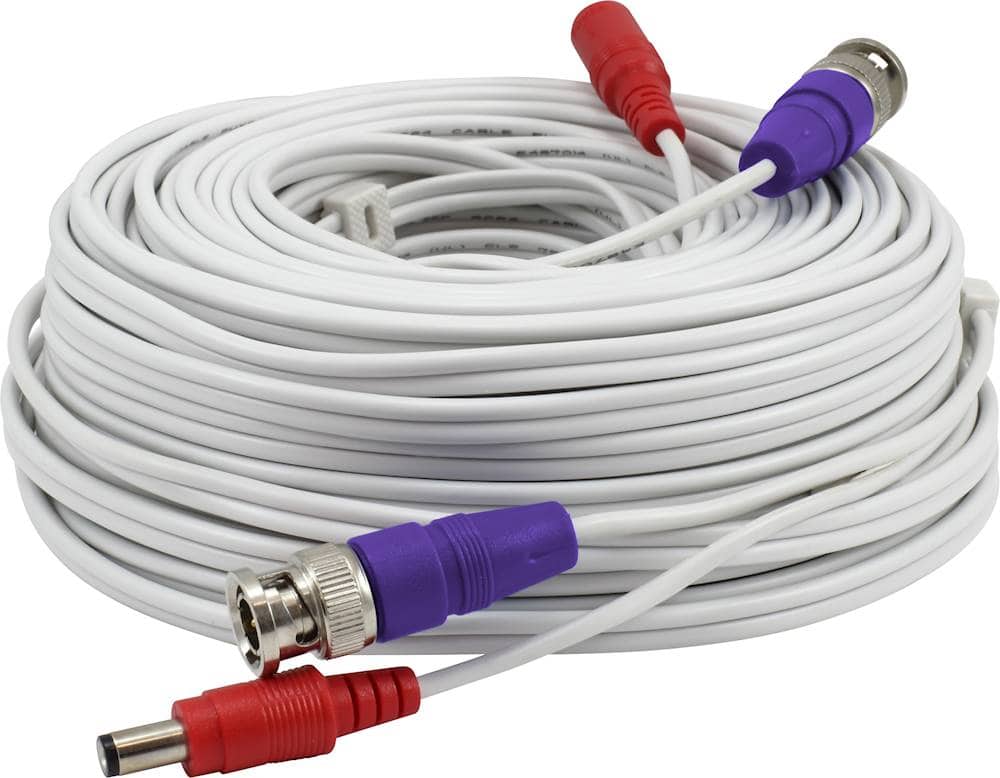
Swann - BNC Coaxial Cable for Security Camera CCTV System, Extension Cables, UL Certified and Fire Resistant, 100ft / 30m - White
SKU: J39HQXSKH8It came with an extender for the video, which will be great if I want to run it further up the yard.
See all Surveillance Camera CablesProduct Description
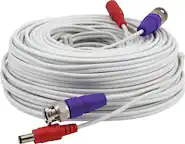
A white UL-certified BNC coaxial extension cable offering fire resistance and 4K Ultra HD support for CCTV systems.Your price for this item is $34.99 -
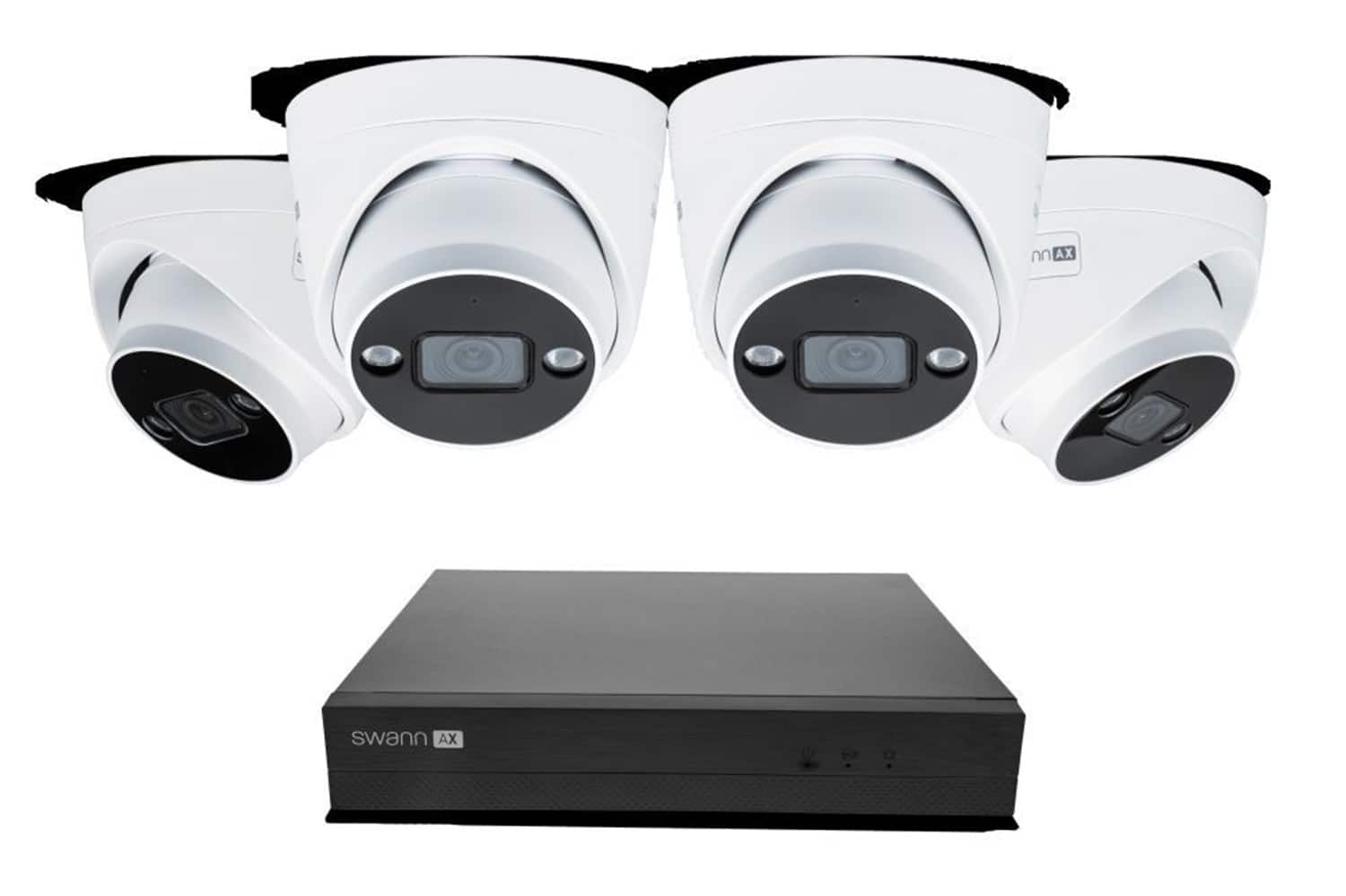
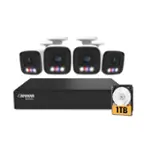
Swann - AdvancedX Wired NVR 4K Security Camera System, 8 CH, 4 PoE Dome Cameras Outdoor, 1TB, Night Vision, Motion Detect - White
SKU: J39HQX637RGreat Home Security System...Great Security System, easy to install and to setup. The image quality of is great....In summary, great system, value for money…...Great camera quality, Bad Phone App
See all Security Camera SystemsProduct Description
A wired 4K security system in white with four PoE dome cameras, night vision, and 1TB storage.Your price for this item is $487.99Save $162The previous price was $649.99 -
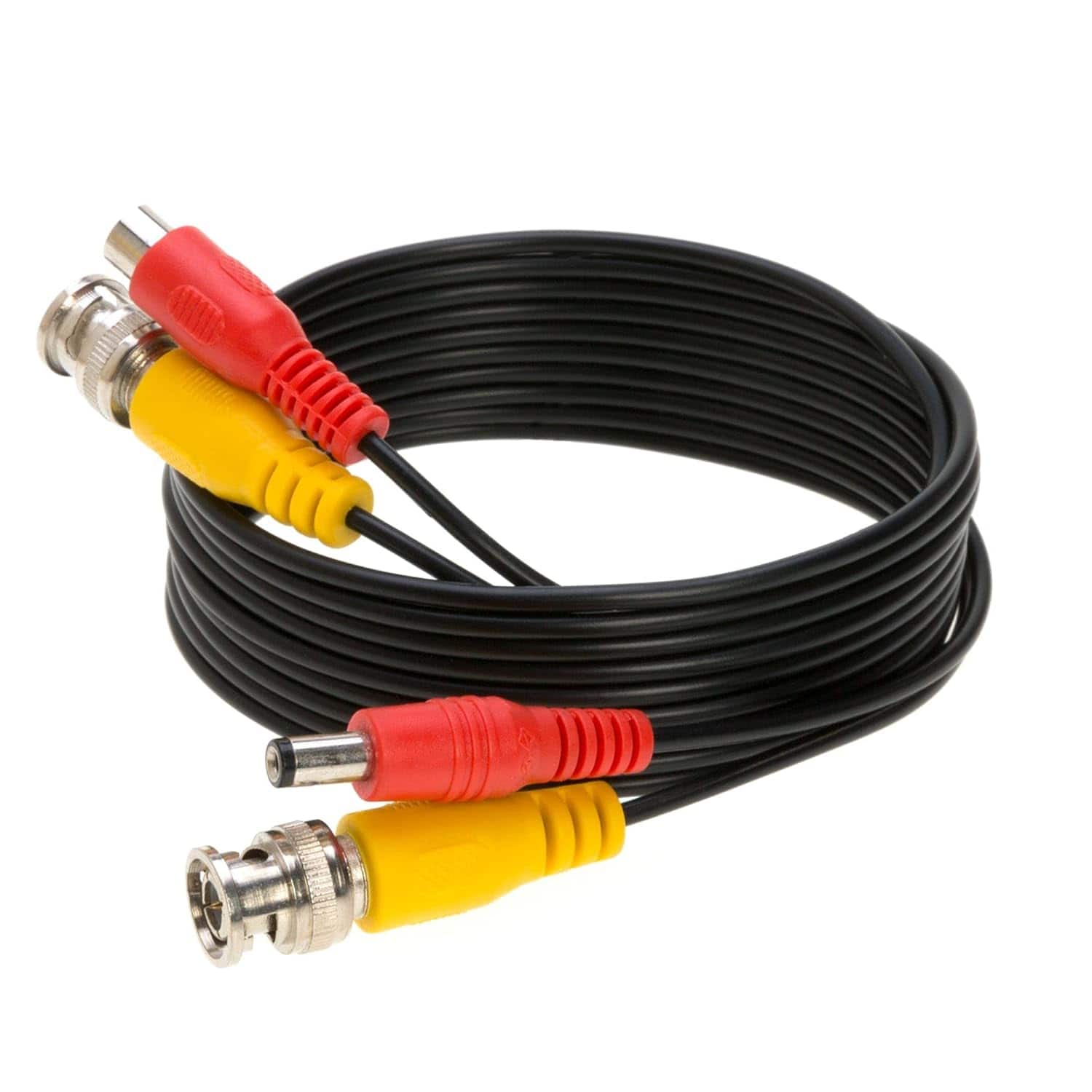
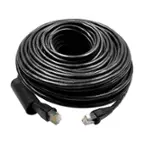
Cables Direct Online - 50FT Premade BNC Video Power Cable Extension Wire for CCTV, Security Camera DVR Surveillance System Plug & Play Cord - Black
SKU: J279T88W9KSee all Monitor & Video CablesProduct Description
A black PVC-jacketed cable delivering reliable power and clear video signals for CCTV and DVR systems.Your price for this item is $19.99 -
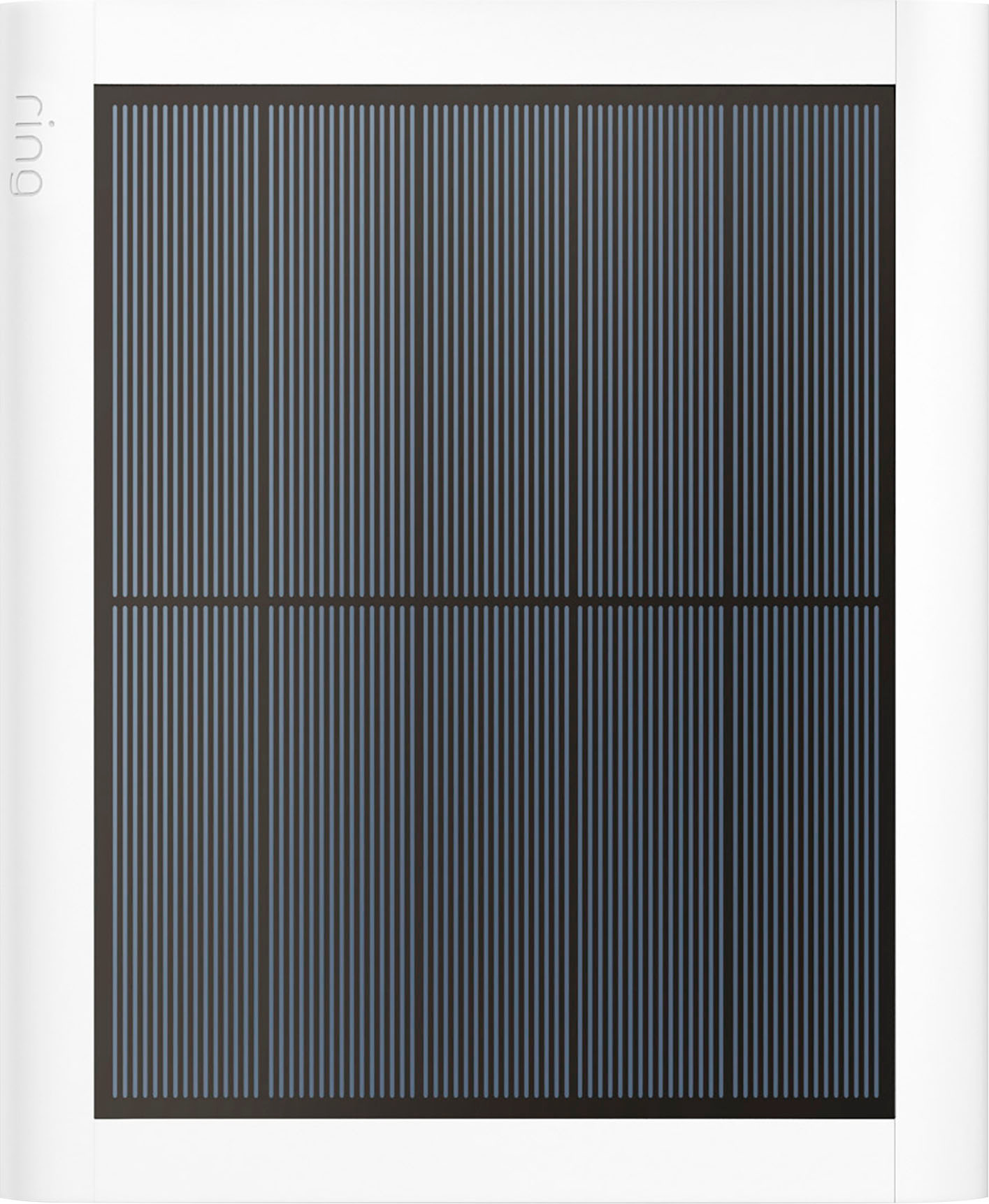
4W Solar Panel for Select Ring Security Cameras - White
SKU: J39QV8L87QMy Best Buy...I feel safe now love the system this service is great...Works great! Has saved me from needing to recharge battery weekly! Best money spent!
See all Solar PanelsProduct Description
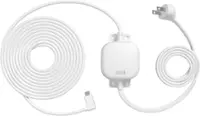
A white rigid solar panel with built-in cable management keeps select security cameras powered and organized.Your price for this item is $59.99 -
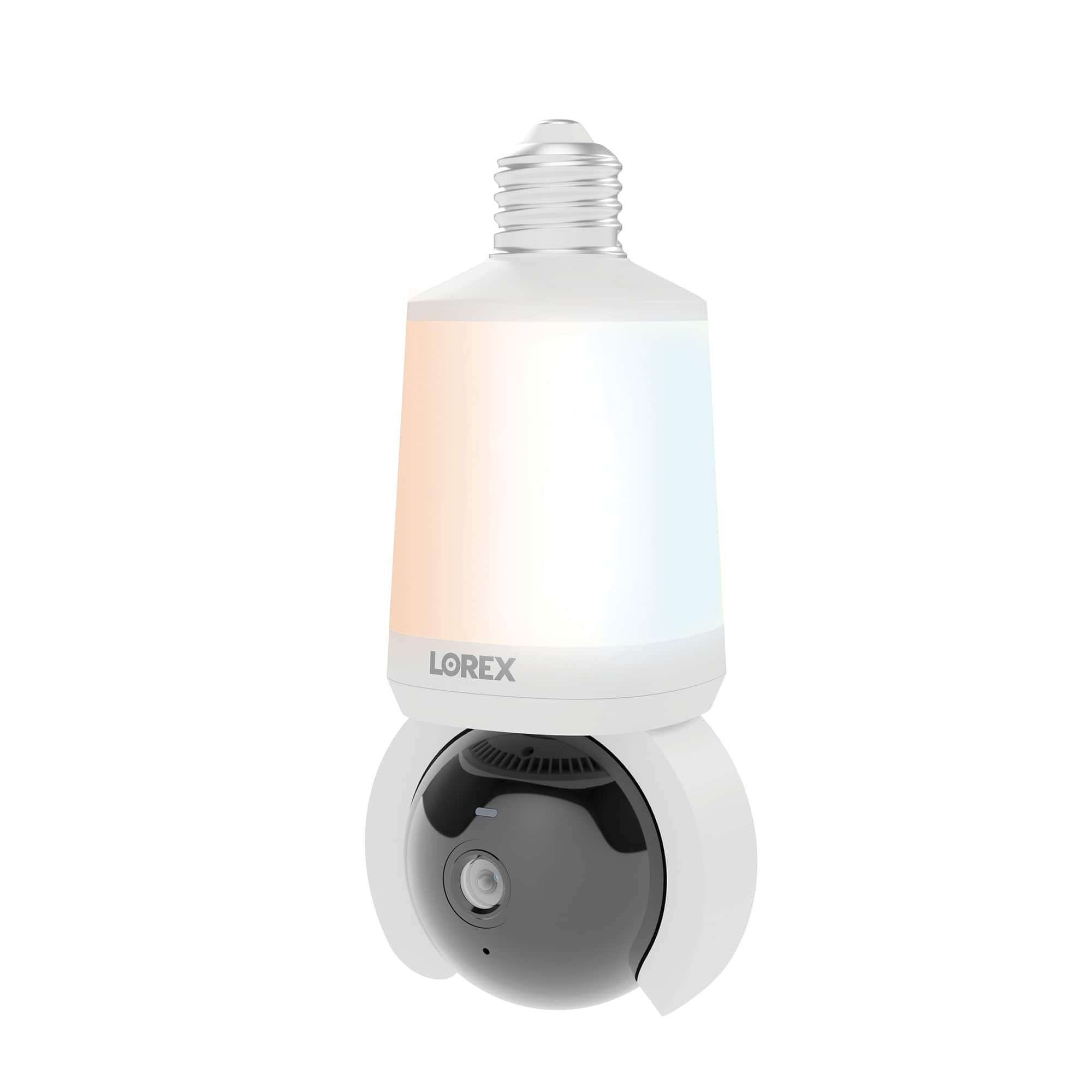
Lorex - Connect 2K Wi-Fi Smart Lightbulb Pan-Tilt Security Camera - White
SKU: JX6F5XPJKGBest security camera...Love it ease to link to your phone and the picture is very clear, the best thing its a siren button you...I am very happy with this purchase and recommends it to anyone interested...
See all Outdoor Security CamerasProduct Description
A white Wi-Fi 6 pan-tilt camera with adjustable smart lighting, night vision, and app compatibility.Your price for this item is $54.99Save $10The previous price was $64.99
Best Sellers
Related Pages







FAQ
To wire security cameras, you typically need a drill, screwdriver, fish tape or wire puller, cable clips or staples, and a crimping tool for connectors. You may also need an Ethernet crimper if installing PoE (Power over Ethernet) cameras.
Many people choose to wire security cameras themselves, especially with the availability of DIY kits and online tutorials. However, if you're not comfortable running cables through walls or ceilings, hiring a professional installer can ensure optimal placement and a clean setup.
The most common cables for wired security cameras are coaxial cables (for analog cameras) and Cat5e or Cat6 Ethernet cables (for IP cameras). The choice depends on your camera system; Ethernet cables are recommended for modern PoE systems.
Yes, wired security cameras need power. Some systems use a separate power cable, while PoE (Power over Ethernet) cameras receive power and data through a single Ethernet cable, simplifying installation.
To hide wires indoors, you can run them through walls, use cable raceways, or conceal them along baseboards and corners. Planning your camera placement near power outlets and using wire covers can help achieve a neat, professional look.