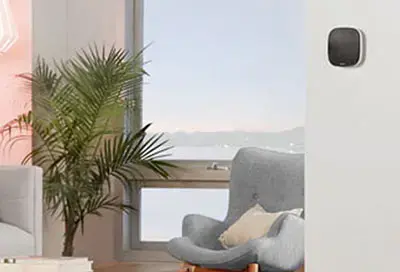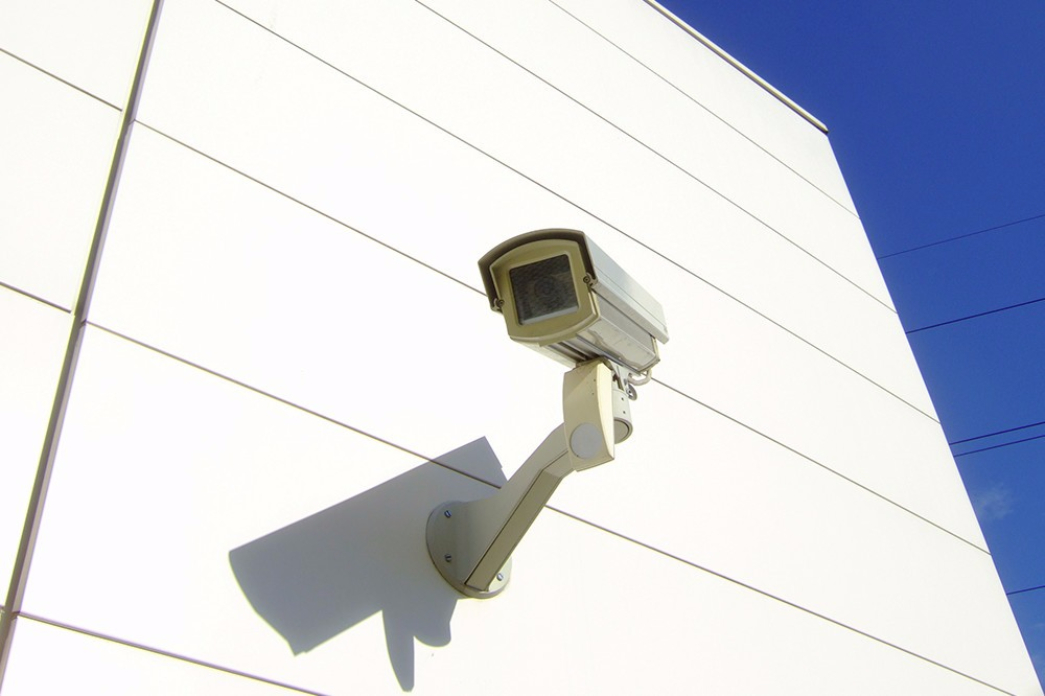
Home security isn't quite like it used to be. While the obvious goal is safety, the latest home monitoring systems work with your smartphone to totally change the way you interact with your home. Smart security cameras, locks and light bulbs can give your home a futuristic security makeover; but, before you start shopping for your first monitoring solution, make sure you have a general idea of which features are right for you.
Simple security or smart home.
Home monitoring systems range from simple alarms to futuristic smart home starter-kits. Know the purpose for your monitoring system ahead of time to make sure you don't purchase too much or too little. If you want peace of mind, think minimal. If controlling locks, lights and temperature from your phone sounds right up your alley, look for systems that connect with or provide peripherals. Check out some of the cool features you can do with our article on Awesome Things You Can Do with Your Home Monitoring System.
Keep price in mind.
While you can't put a price tag on keeping your family safe, it's important to understand how the pricing models work for different monitoring systems. Most professional monitoring systems require monthly fees that depend on how many peripherals you get. DIY kits may seem much more appealing when looking at the price tag, but keep in mind you may need to purchase extra peripherals beyond the initial price tag to get the full experience. Generally speaking, an average DIY kit will still run much lower than the professional alternative. Do a bit of prep work to know what you'll need before taking the plunge on your home monitoring system.
Apartment vs. house.
Knowing just how much security you need is the first step towards finding the right monitoring system. Got a studio apartment? Then a single security camera, door alarm, or wireless video doorbell may do the trick. If you live in a large house with multiple doors and windows, then you'll likely need a more robust security camera system to cover all entry points. A solid rule of thumb is to have sensors or cameras that cover each major entry point on your first floor. If you're going the DIY route and don't know exactly what you'll need, get a kit that allows for add-ons and shop on the lighter side — you can always add more.