Rating 4.5 out of 5 stars with 4997 reviews
4.5- Ease of use (1126)
- Picture Quality (983)
- 4K Upscaling (455)
- Size (406)
- Price (280)
- Remote Control (41)
- App Selection (15)
Customer Images
The vast majority of our reviews come from verified purchases. Reviews from customers may include My Best Buy members, employees, and Tech Insider Network members (as tagged). Select reviewers may receive discounted products, promotional considerations or entries into drawings for honest, helpful reviews.
- Rated 4 out of 5 stars
Nice Simple Compact 3D Blu-Ray Player
My summary says pretty much everything. This is a great easy to setup player that replaced a much clunkier and heavier Sony that had lasted me like 10 years. Only thing I miss is an LED screen on front showing you messages like loading, ejecting, your current video source, and position on blu-ray if it's a movie. Like others, wish it remembered position, but not really a problem as when I take time for a movie I have the 2 hours allocated. Maybe an annoyance to people with kids or other constant interruptions to their precious 3D movie time. I have a 3D 1080p Sony TV and quality of movie great on that resolution. All the usual streaming choices easy to watch as well. Can't give testament to a 4K movie experience with this...yet. For price, great.
Posted by TechMan
- Rated 5 out of 5 stars
Great Blu-ray Player
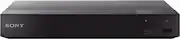
I am reviewing the Sony - BDP-S6700 Streaming 4K Upscaling Wi-Fi Built-In Blu-ray Player. Although I have access to Netflix, Amazon and such I did not want to stop viewing my dvd collection. This is the easiest player to work with and the image is perfect. It is small and light and includes its own remote. I printed the image with the price before going to the store and although the price was higher in-store, the lower price in my online copy was honored. I consider that good service. If you are searching for an inexpensive, quality Blu-ray player; this is it.
Posted by Juliette
- Rated 5 out of 5 stars
Wow, best Blu-ray player I ever bought
Honestly, I never knew the potential of my 4K TV until I popped in a Blueray in this player and watched it. Wow, just incredible! It looked like the demos they show in the stores. I was so impressed. Also, I never used the smart capabilities of any of the dvd/disc players I have had before- but everything looks great through this device. Only recommendation- get a good HDMI cable and try to keep it short
Posted by PCasa
- Rated 5 out of 5 stars
Upscale Feature is Awesome!
Great Blu Ray Player! The upscale feature is Awesome!! Will upscale a DVD to 1080p and will upscale a Blu Ray to 4k! Very Clear Picture! Easy to Hookup!
Posted by Mike
- Rated 5 out of 5 stars
Excellant Upgrade
Purchased this product to upgrade a previous device to go along with a new Sony - 55" Class - LED - 2160p - Smart - 4K Ultra HD TV upgrade. Great size makes it easy to place it anywhere. Easy to setup with a great picture quality.
Posted by LCIII