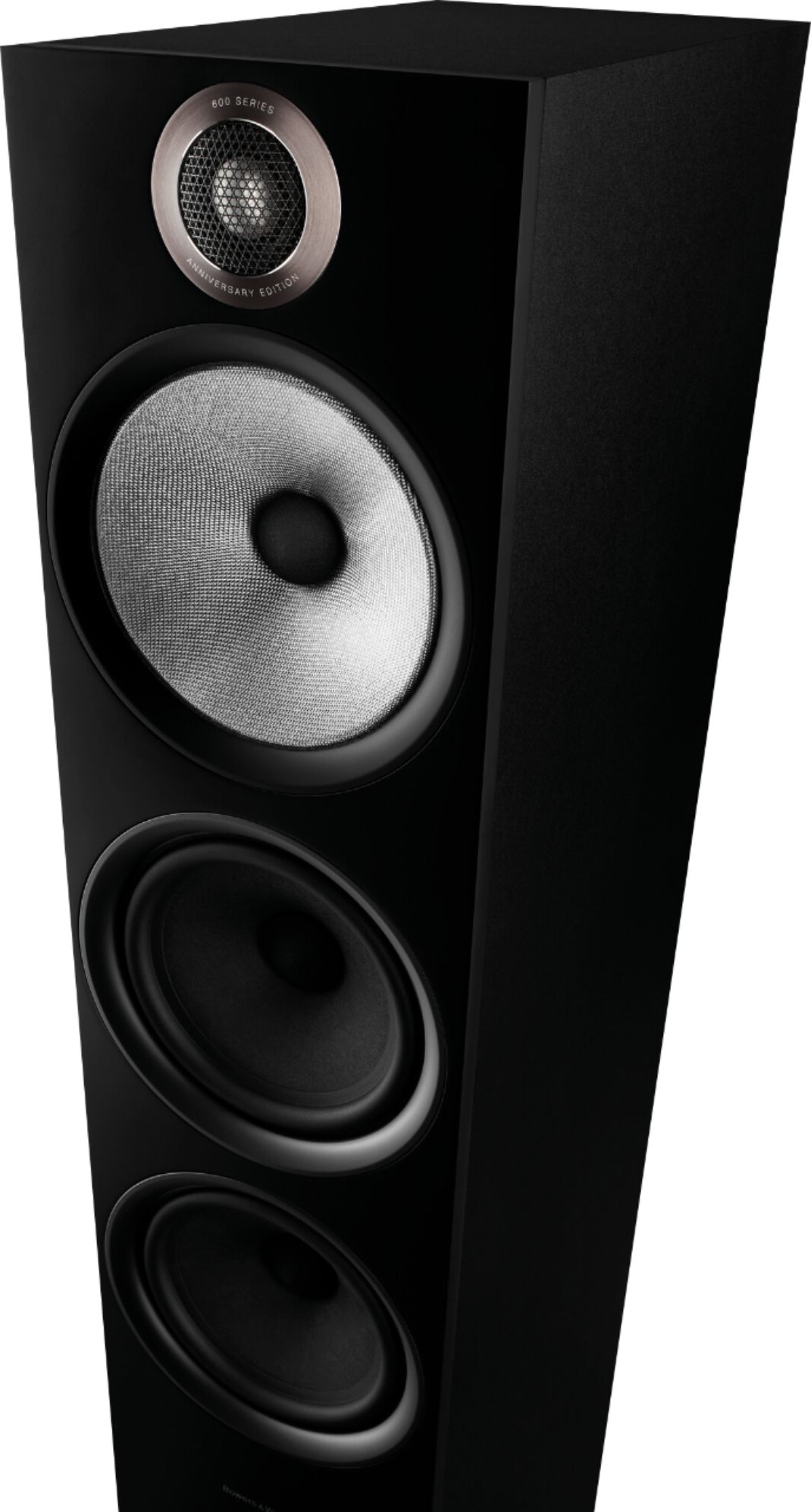
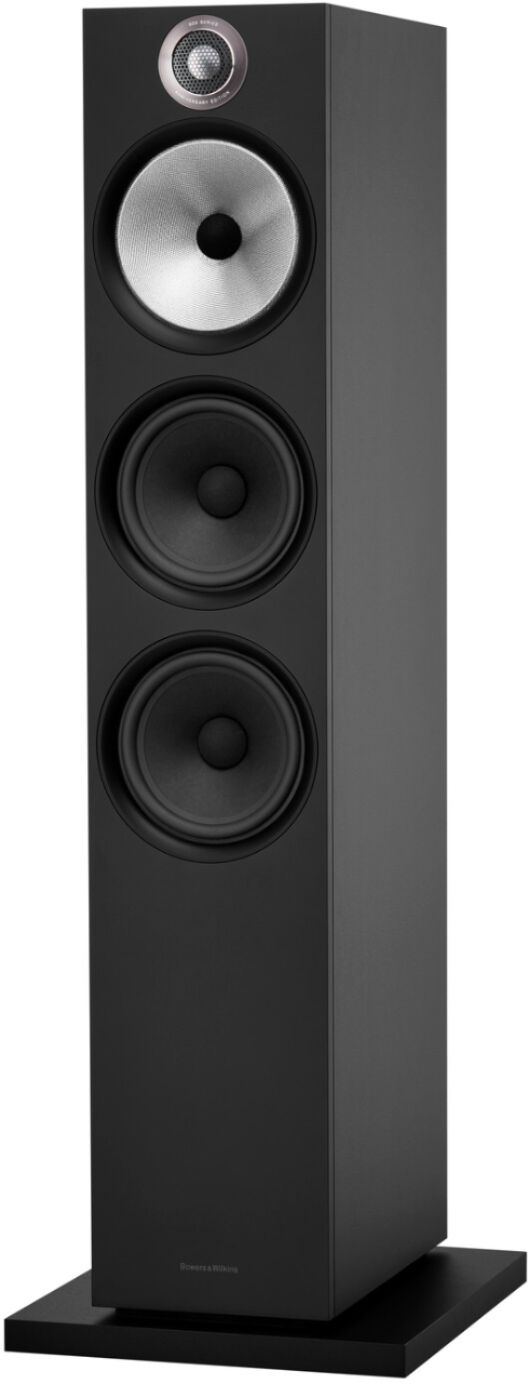
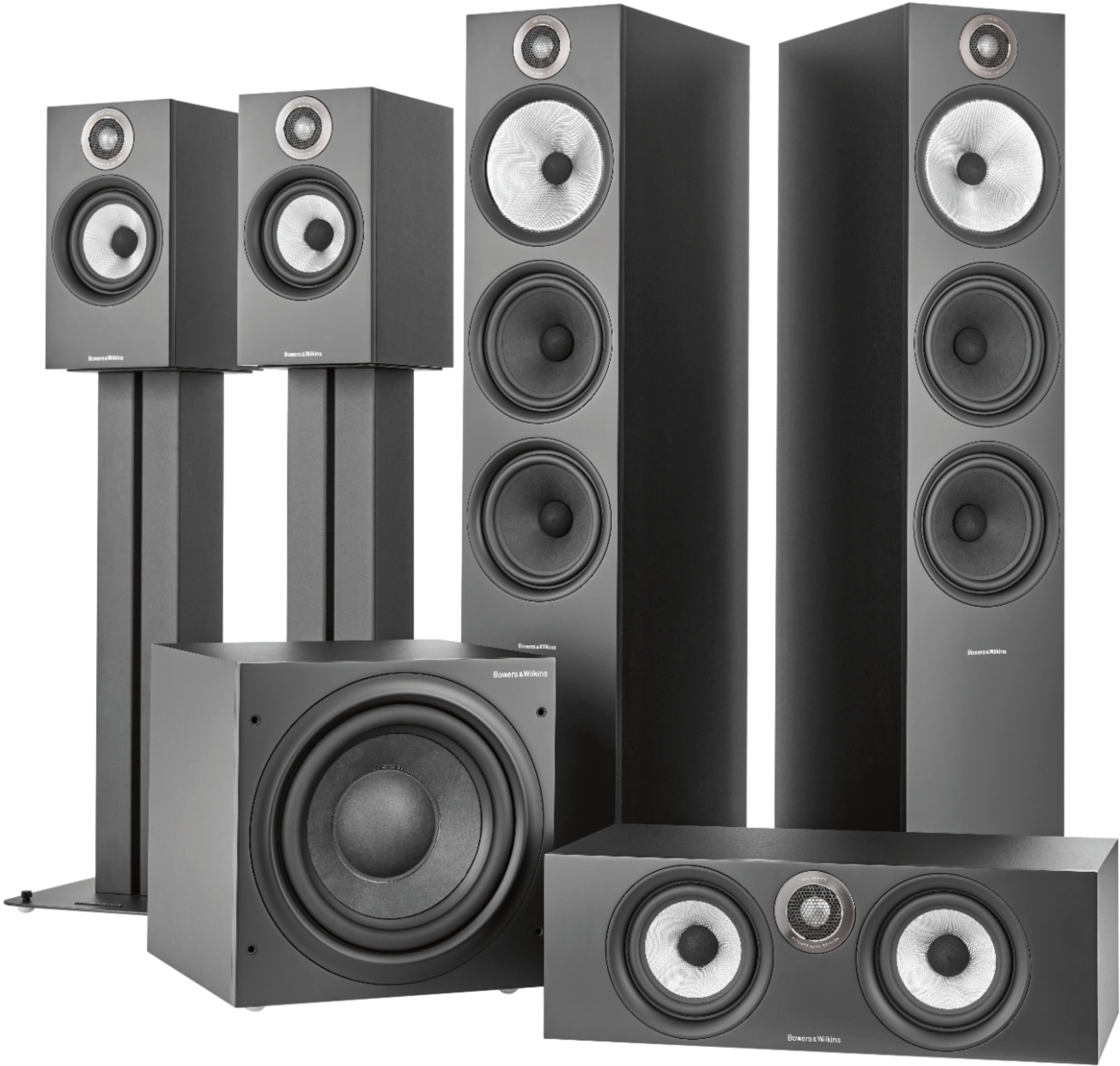
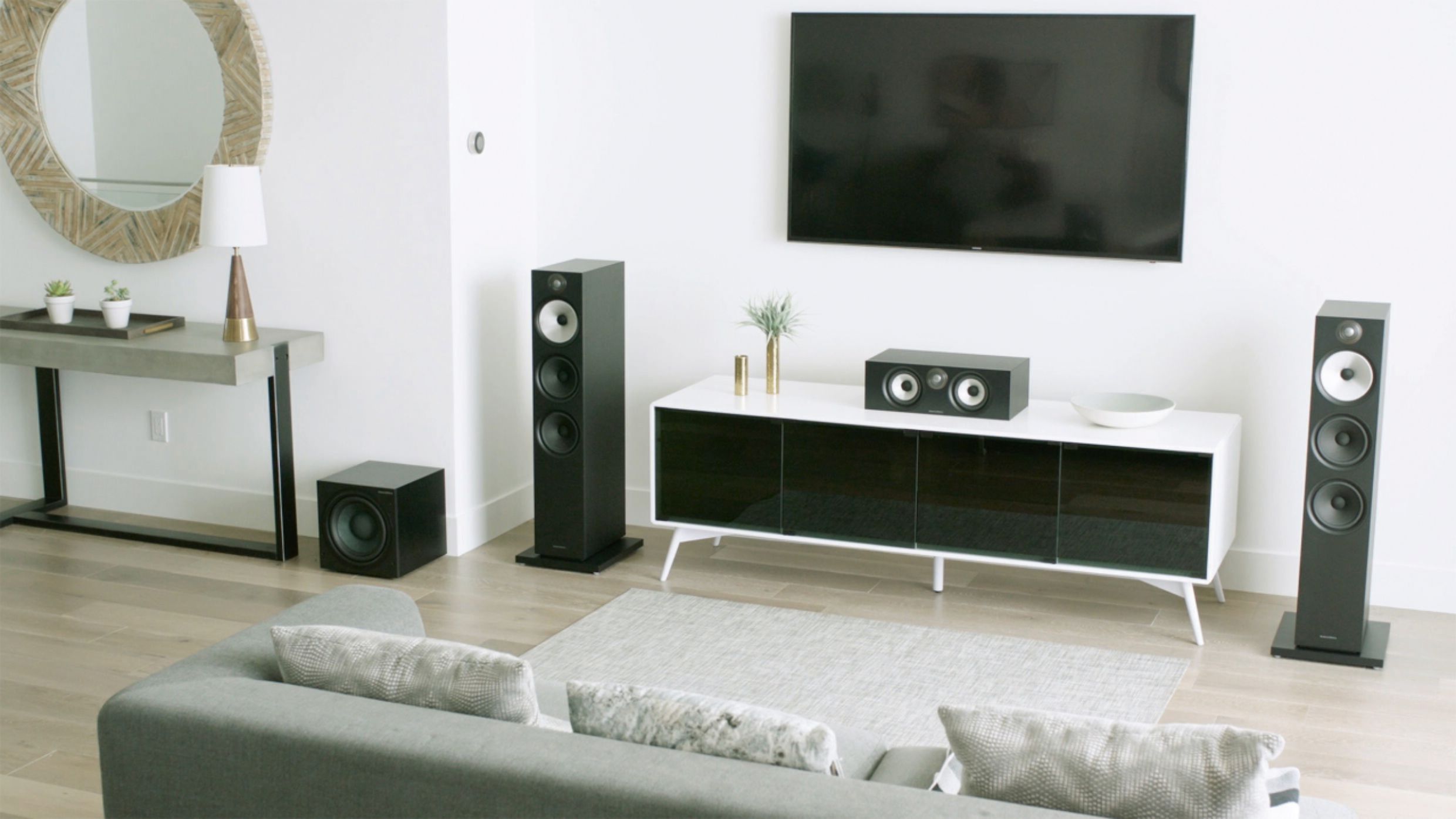
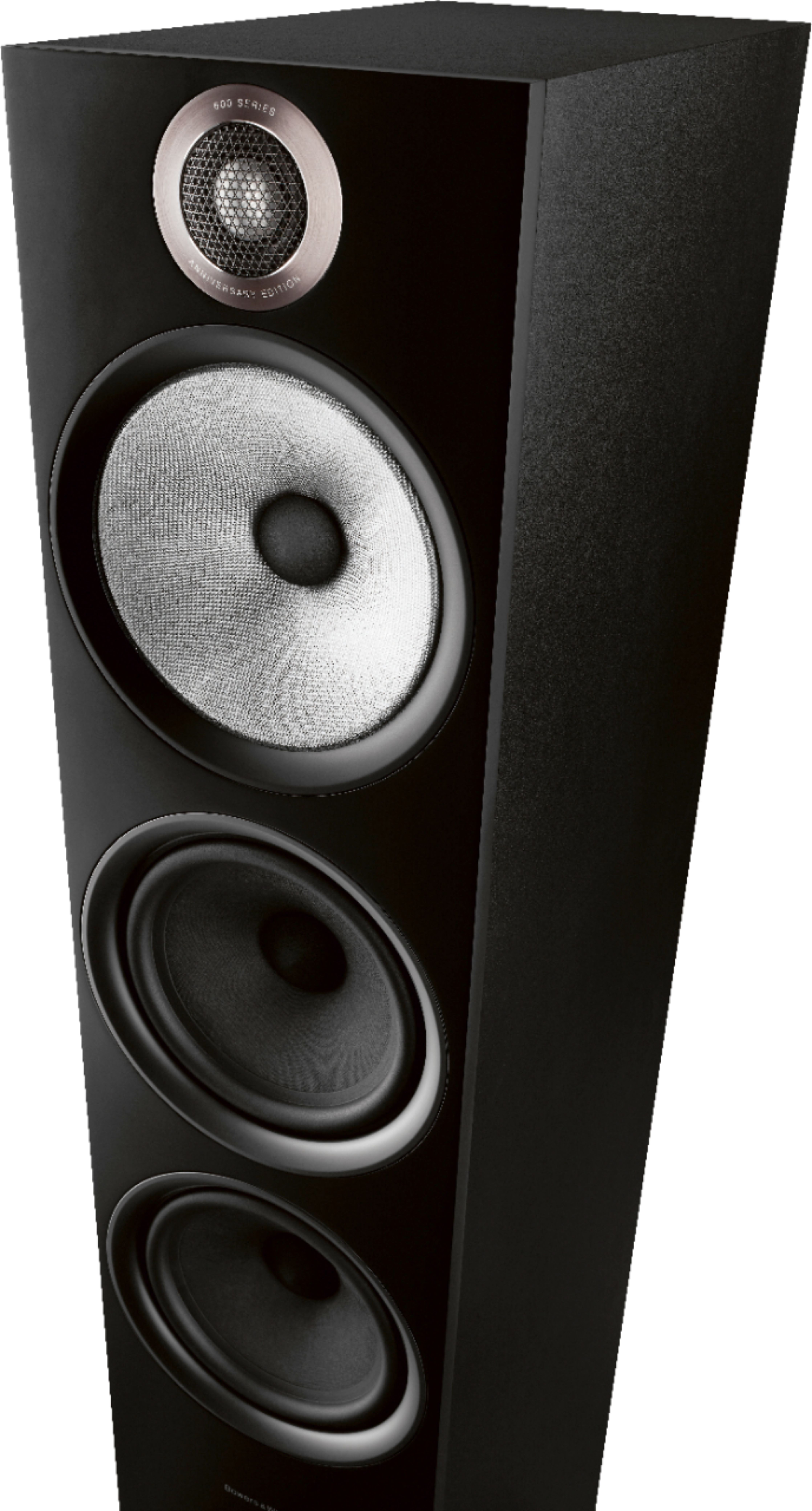

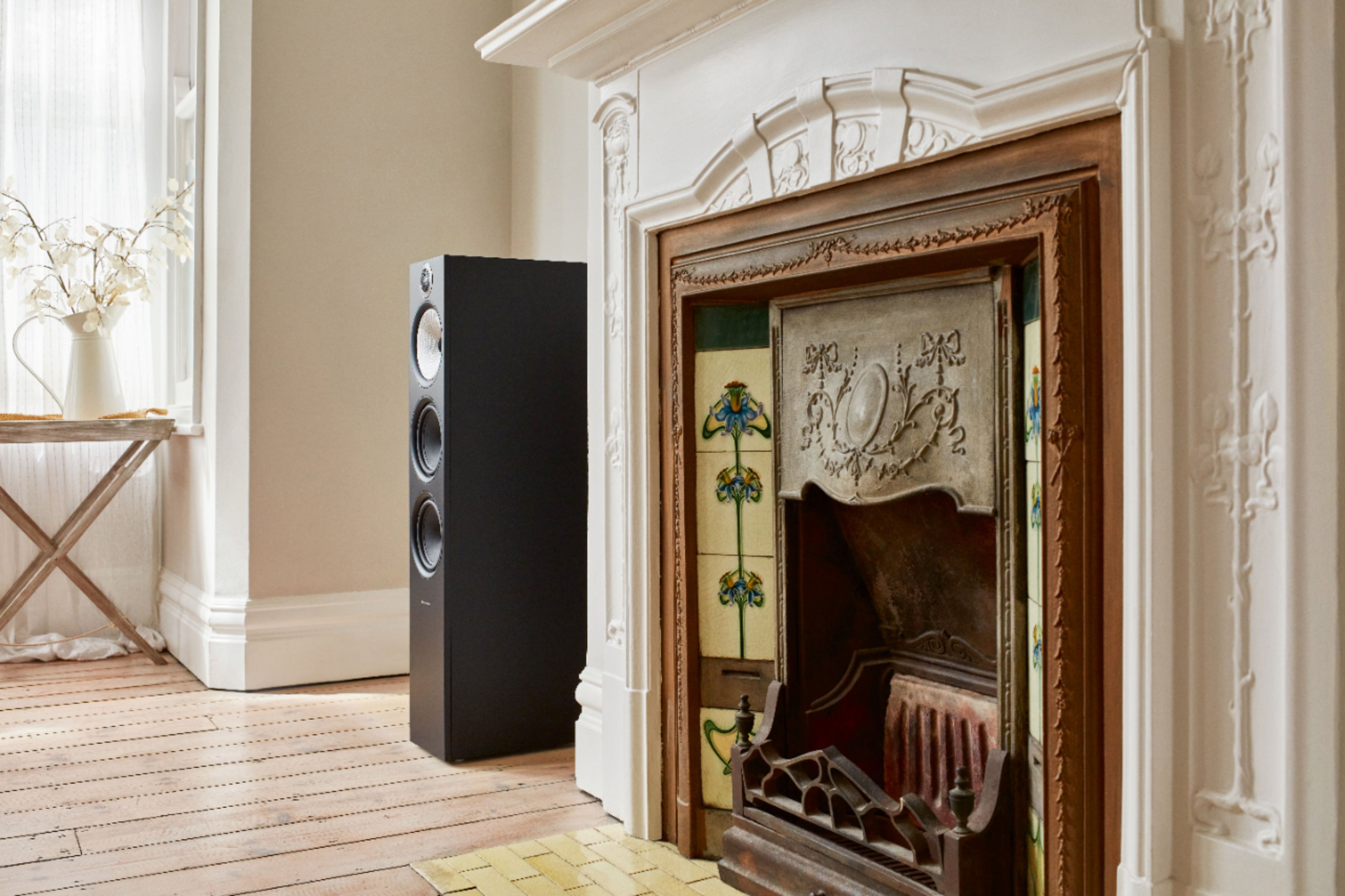

A:AnswerI just purchased these speakers a few weeks ago. I have the 603s and the center channel anniversary editions. I compared these speakers to the previous editions of the 600 series speakers, to other brands and to several versions of B&W speakers. The previous 600 series speakers are still great speakers but there is an audible difference. It’s not exactly a jump to the 702’s sound (my first choice but not in my budget) but it’s very close. To me the difference is the depth of clarity, sound stage and transparency. There is also a boost in the low end to my ears. The detail I can hear is impressive given their price. If you’re able to listen to some lossless audio on these speakers you will be able to hear a significant difference. The imaging is incredible and other speakers will sound muffled by comparison. I’m running the center with a Denon X3500H and the towers with a Krell KAV-300i.
A:AnswerThe NAD T778 has plenty of power. When configuring your speakers in the setup menu (page 15 of the owners manual) you have the option of selecting Small or Large. Small removes bass below a specific frequency that can be adjusted as high as 200Hz. If the setting were 200Hz, your speakers would sound very thin and quite bright. What is your current setting? Do you have a subwoofer? Also, are you using automatic room correction? Dirac Live is in your AVR and it uses an automated process and a microphone. If that process is not done correctly (or if the software interprets the data incorrectly, Dirac may decide that your speakers are making too much bass and adjust the bass down to match a target curve. In short, there are many reasons why you might be hearing what you are hearing.
A:AnswerThe Oak finish is currently out of stock (April 2021) and because dotcom cannot accepts orders on out of stock items, Oak is temporarily not listed. Magnolia Design Centers can accept orders for this finish with a wait time of approximately 30-45 days.
A:AnswerHi Gomes,
Providing your approximately 40 year old Pioneer SX-780 is currently operating as per factory specification - and your room isn't too big - the pairing should prove to be a very successful one.
A:AnswerThe short answer is no. The plinth is provided for greater stability (I suspect for thick carpet). I use the included “feet” (two different types are included) and have my speakers on a small raised hearth. They are very stable and sound amazing. Use the plinth or not, your choice depending on your needs.
A:AnswerI suspect that your system will pair well with these speakers. I currently use a Marantz SR6014 for home theater and then use a switch so that I can use my vintage Marantz 2230 for my record collection. Both the new and the vintage Marantz sound grey through these speakers and I highly recommend them. I am sure that your Yamaha will sound just as good.
A:AnswerThere are several reasons why higher end speakers can "hurt" or cause fatigue in listeners, they include:
1. Amplifier/Receiver is low output and is 'clipping' causing sound distortion.
2. Speakers such as B & W require a 40 to 100 hour break-in period in order to allow the newly manufactured/assembled components to reach their specifications. Several reviewers have commented on how much "better" the speakers sound once broken in.
3. Source that is playing the music is lower grade (i.e,, inexpensive bluetooth connection with lower 16 bit transmission)
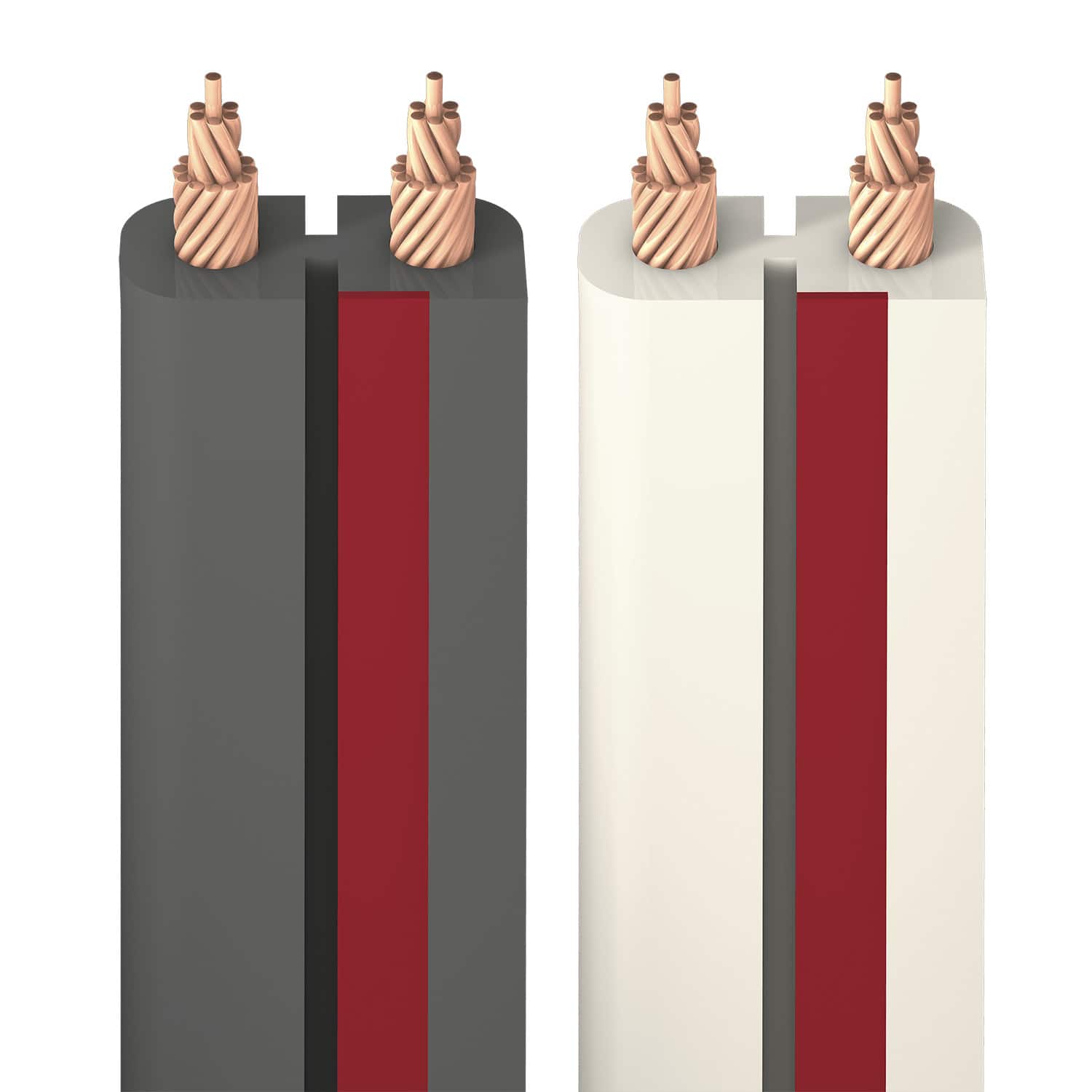
4. Low quality speaker connections--B & W's should use 14 to 12 gauge wire to maintain the speaker integrity.
5. Listener is seated too close to the speakers at volume. These are 40" floor standers--recommended distance is 8-14 feet from the speakers.
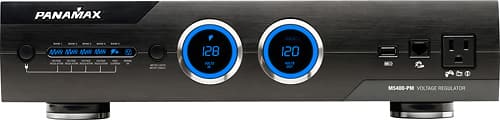
6. Sometimes electrical current (dirty current) can cause distortion. To check this turn your amp on to a frequently used input (without playing any music) and increase the volume from 1/2 to 2/3rds on the volume control....if there is noise or hissing as you listen to the tweeter, then your current may be dirty. Continue to lower the volume in small increments until the noise/hiss is no longer audible to determine where the distortion curve is. Then once this is established, play music at that volume and listen to any improvement. Power Conditioners, such as Panamax (sold at Best Buy/Magnolia) can remove those imperfections. If the hissing/noise is still there after power conditioning, perhaps your amp is not up to the task.
B & W's can be 'bright'--personally, I find these 603 S2 Anniversary Editions (verified purchase fromBB/Mt. Laurel, NJ store) well balanced for the price and have mine paired with a Technics SU-G700 at 140 watts @ 4 ohms--which provides clean, power and is well-matched for these. Note: I use a Panamax power conditioner and hear no hiss until the music is pushing large wattage. The speakers are clear at ultra high volumes, but the sound is no longer enjoyable.
I hope these suggestions are helpful to you.
A:AnswerGreat question. As an introduction, I would recommend you check out the tutorials at the REL website. I have owned many subwoofers in my time (I am a big fan of 2.1 systems) and I have a personal fondness for RELs as they specialize in subwoofers and make some of the best in the world.
However, as a general premise, 50htz to 80 htz is the sweet spot for most subwoofer placements. However, room and sub placement are important too. Size of the speakers should be in line with the size of the sub--proportional in the sense that smaller rooms with bookshelf/stand speakers need a smaller balanced sub, while larger rooms with floor standers need a more powerful sub to not 'boom' the base per se, but to pressurize the bass so that it envelops the musical output of the larger speakers.
If your room is carpeted you may need to increase the volume and change the crossover to compensate for the bass wave being absorbed into the carpet.
Read about subwoofers and I am sure you will come away with a customized comfortable sound signature. An Audiophile hobby can be fun--enjoy the ride.
A:AnswerPersonally, I love the de-coupled B & W tweeter's accurate crisp highs, but they are not to everyone's taste. If your amp and/or receiver/pre-amp has tone controls decrease the treble control one notch incrementally until you reach your desired comfort listening level.
you can also 'adjust' the speakers by toeing them in or at as needed to adjust the sound. and deflect the tweeters from direct impact in your listening area.