A:AnswerPlease don't. No fitness tracker can withstand constantly being in water. They are pretty water resistant so if they get dunked & are dried off they are usually fine. But all those water resistance claims w/ weird depth something or other stuff? They're just blowing smoke. If you trying looking up the phrases they use, you realise pretty quickly it means nothing.
Seams between joins on phones & other tech have gotten tighter, fewer buttons that aren't touch screens leave less places for moisture to get in, but in the end its still an electrical metal/glass/plastic machine.
They are not water-proof.
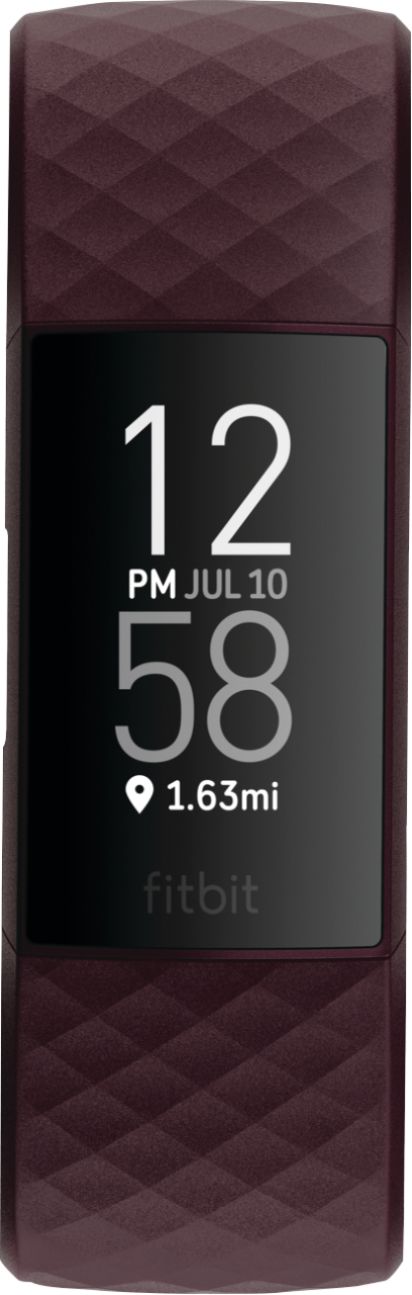
A:AnswerIt does track sleep cycles, steps and heart rate. I do have Fitbit Premium and I think that may enhance the sleep tracking. I really like this model!
A:AnswerI get text messages and missed call notifications on fitbit Charge from my iPhone 12 plus. I have not received emails on it. They are usually a nuisance though since I can't respond to them from the Charge 4. It's just notifications that I need to clear and they often come up when I'm trying to set an exercise or something. Nice feature for emergencies though.
A:AnswerHad to take mine back after a few days for the same issue. The one I have now is good, but has some connectivity issues from time to time. Sometimes my Bluetooth can't see it. If the store won't replace it, contact the manufacturer.
A:AnswerHi - the Charge4 does not - tracks only heartbeat. FitBit as far as I know does not track blood pressure. You can try the FitV11 SmartWatch 10 or the Yamay Smart Watch. There are more but pricey.
A:AnswerIt shows average O2 levels for each night on a 7nights graph. Which serves the purpose as a health monitor device. It doesn't show real time values.
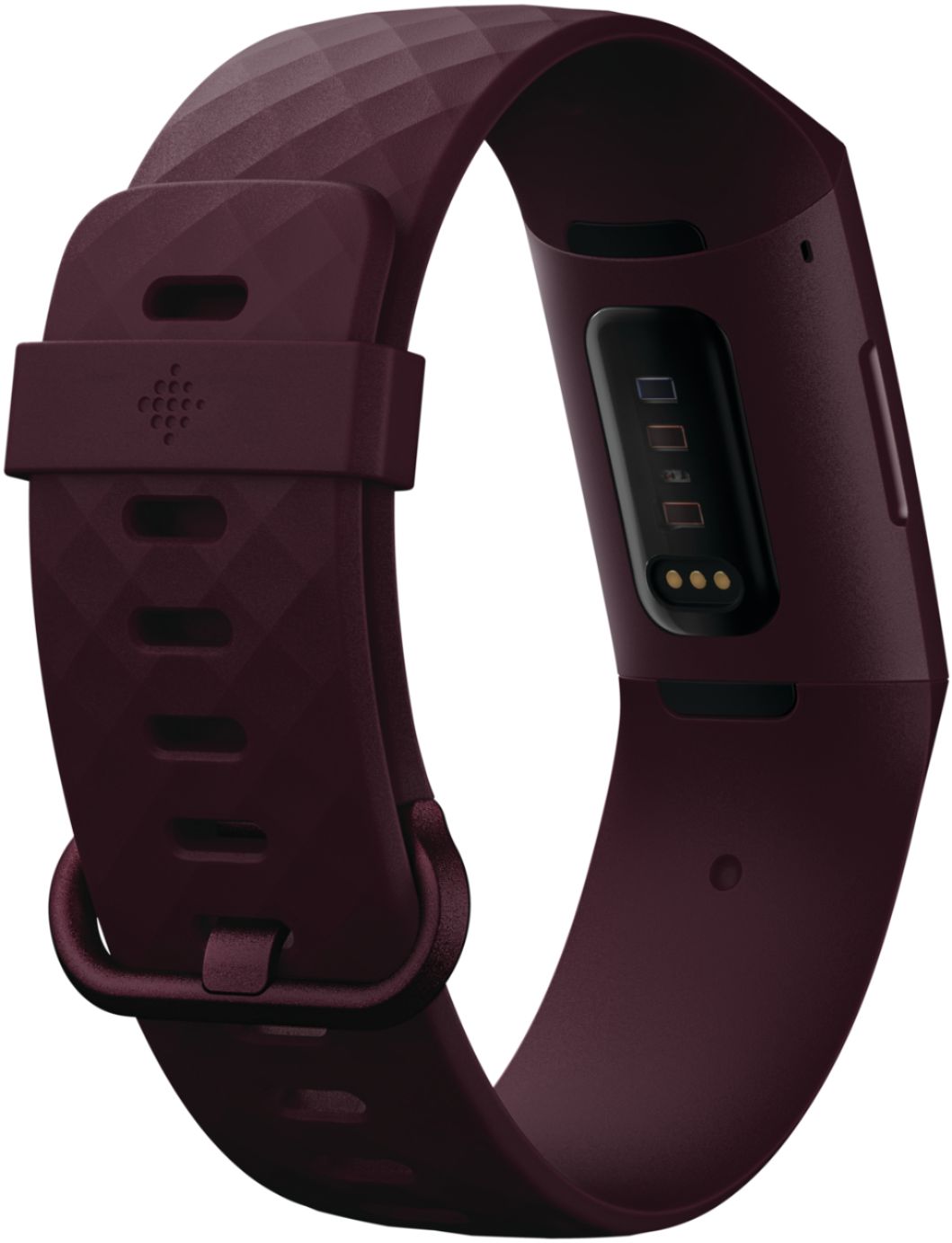
A:AnswerThe short answer is no, at least not with the same method and precision of a pulse oximeter. The device estimates changes in blood oxygen saturation during sleep, but the additional information provided in the FitBit app doesn't specify exactly how this estimate is generated, just that the estimate is made only during sleep because too much movement interferes with the light emitted from and reflected back to the device.