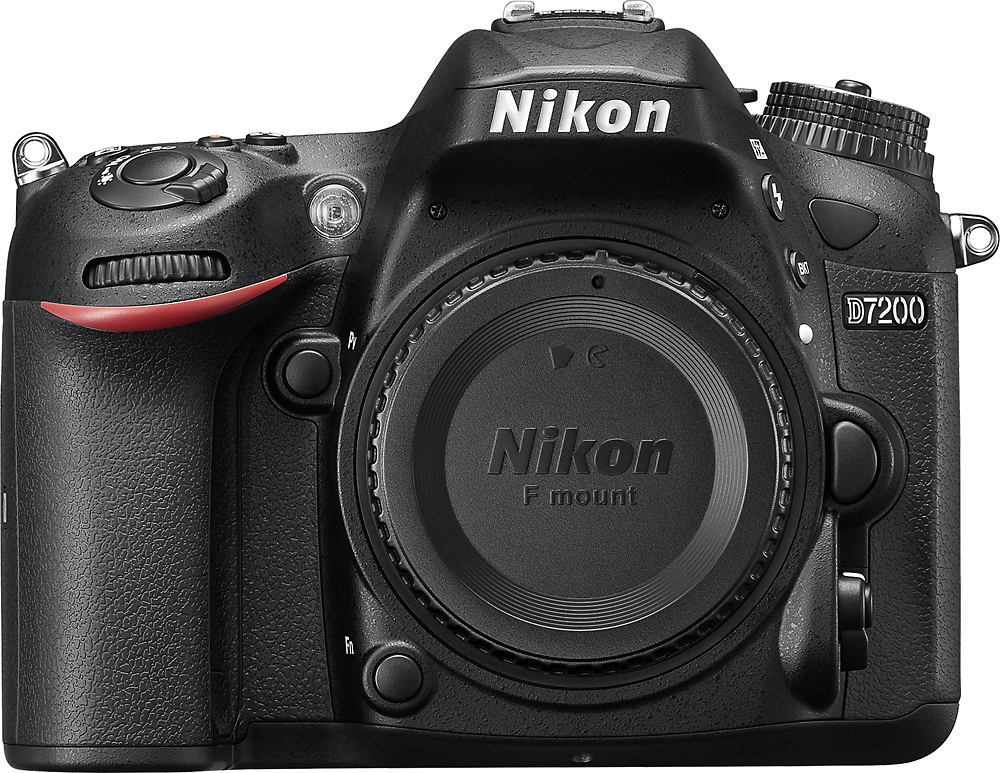
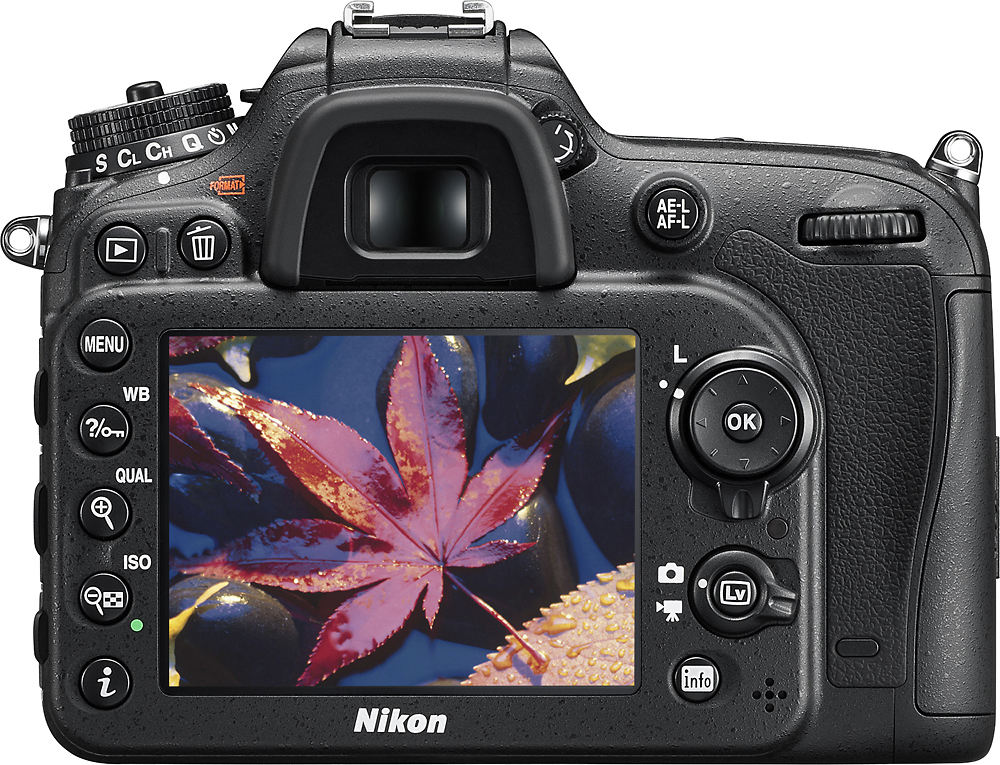
A:Answer RAW image files contain all the image information captured by the camera's sensor and are saved in either an uncompressed or a “lossless" compressed form. RAW files allow for much greater flexibility when editing, especially since in-camera processing (white balance, sharpening, etc) can be edited after the file is saved. In comparison, JPG and TIFF files permanently alter the data of the file to reflect this kind processing and it cannot be removed or edited later. Another benefit of shooting RAW is that depending on the camera, the file retains 12-bit or 14-bit data, resulting in an image with a far greater tonal range than an eight-bit JPEG or TIFF file. Each camera’s RAW file is different, and not all software or platforms can read RAW files. Therefore RAW files should be converted to JPG or TIFF for printing or sharing. RAW files created by Nikon DSLRs are known as NEFs - this stands for Nikon Electronic Format.