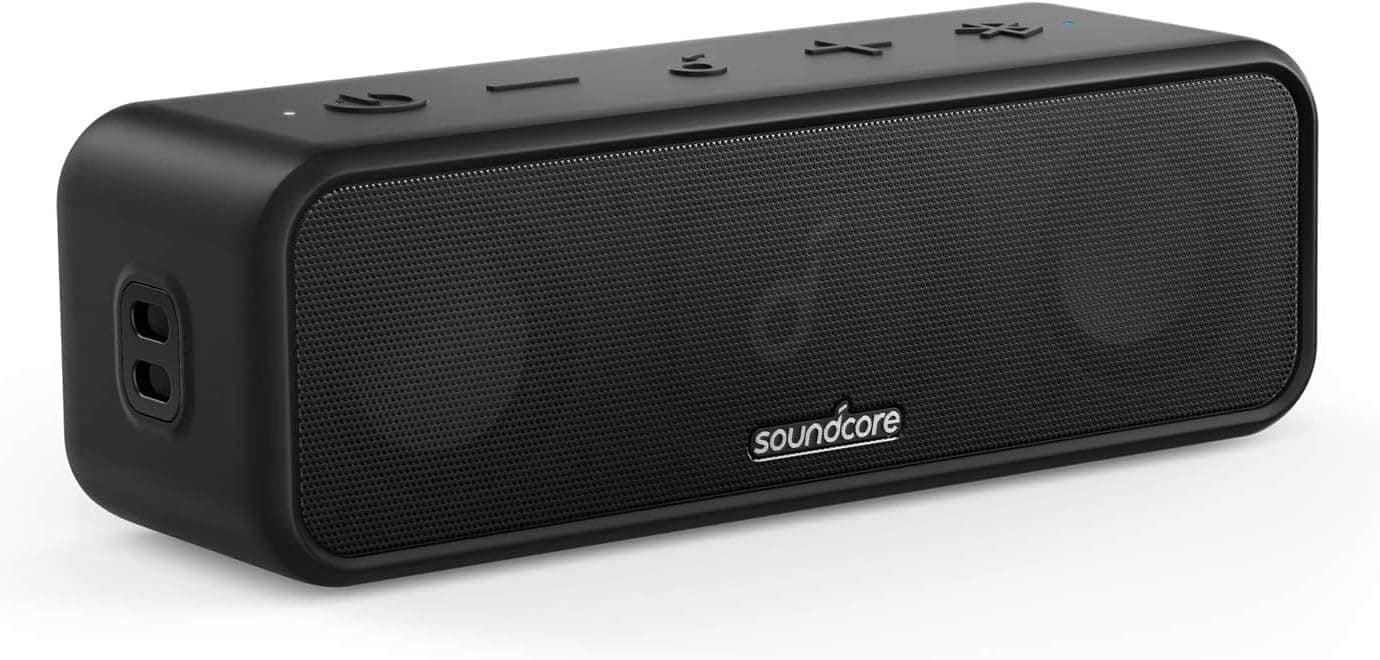
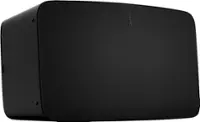
A:Answer The differences between Soundcore 3 and Soundcore 2 speakers are as follows:
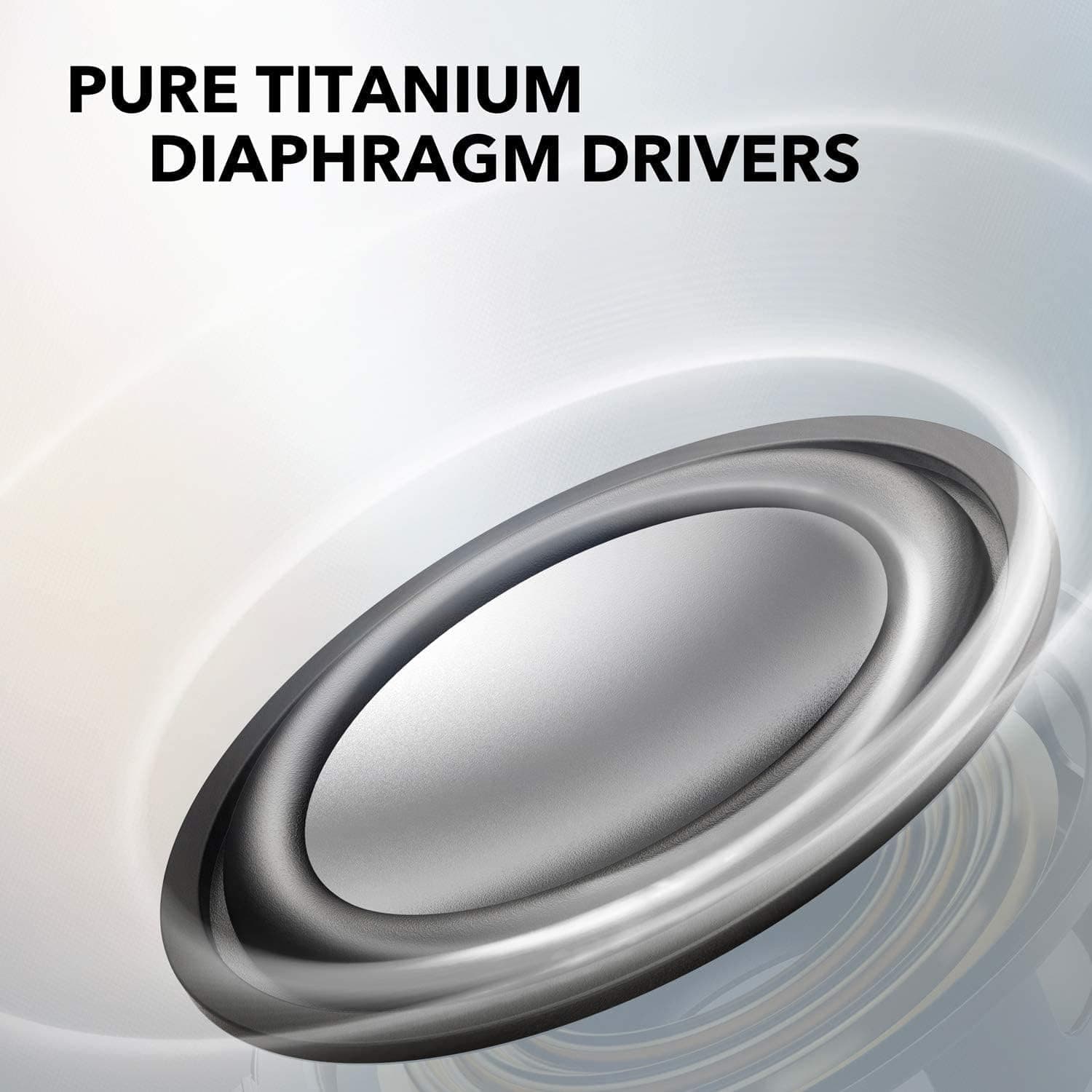
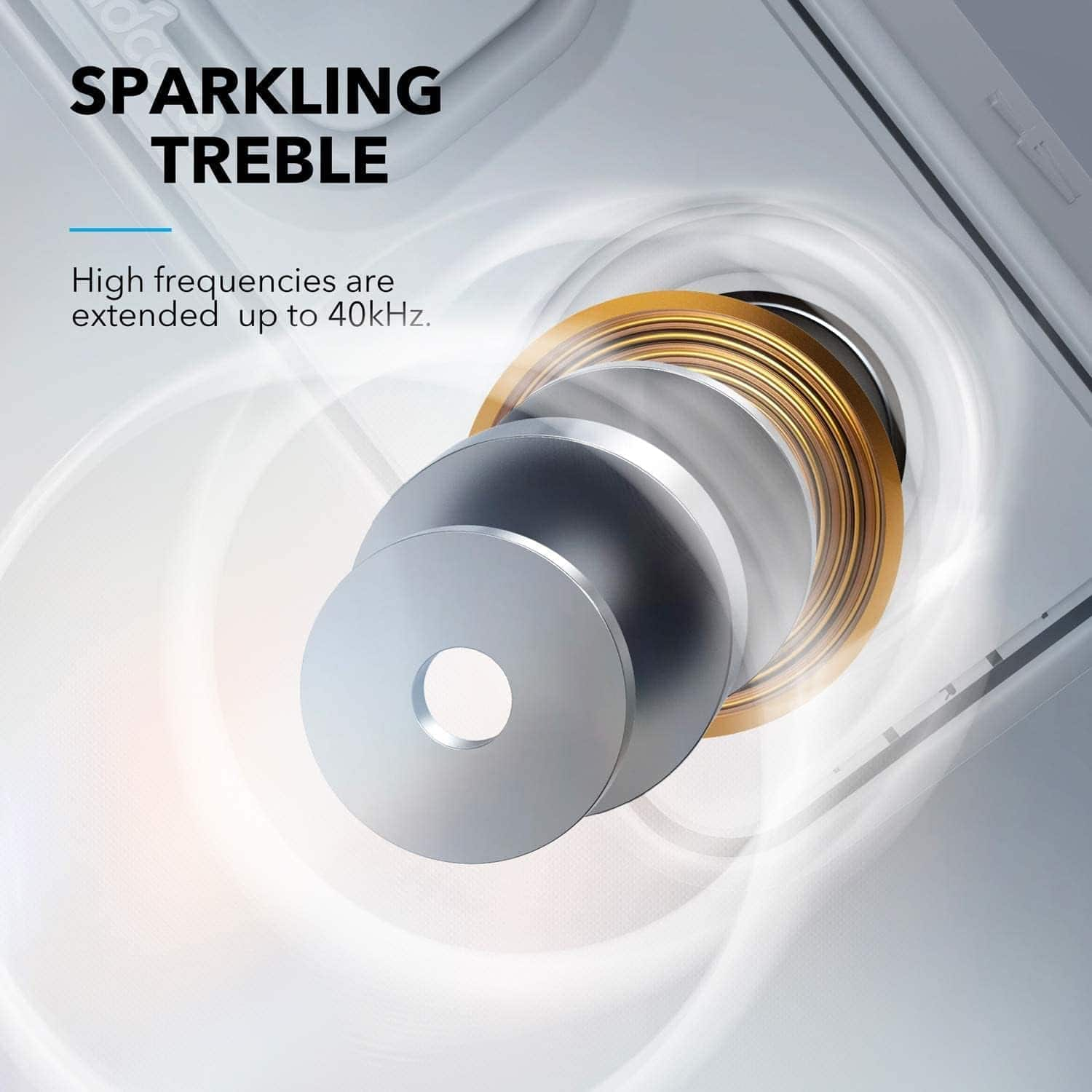
Power: Soundcore 3 features two 1.5-inch titanium diaphragm drivers and two passive radiators, with a high-frequency range of up to 40kHz, while Soundcore 2 has dual neodymium drivers and one passive radiator.
Output: Soundcore 3 provides an 8W*2 stereo sound output, whereas Soundcore 2 offers a 6W*2 stereo sound output.
Multi-Speaker Functionality: Soundcore 3 supports PartyCast™, enabling pairing with 100+ speakers, while Soundcore 2 supports TWS (True Wireless Stereo) and can pair with two speakers.
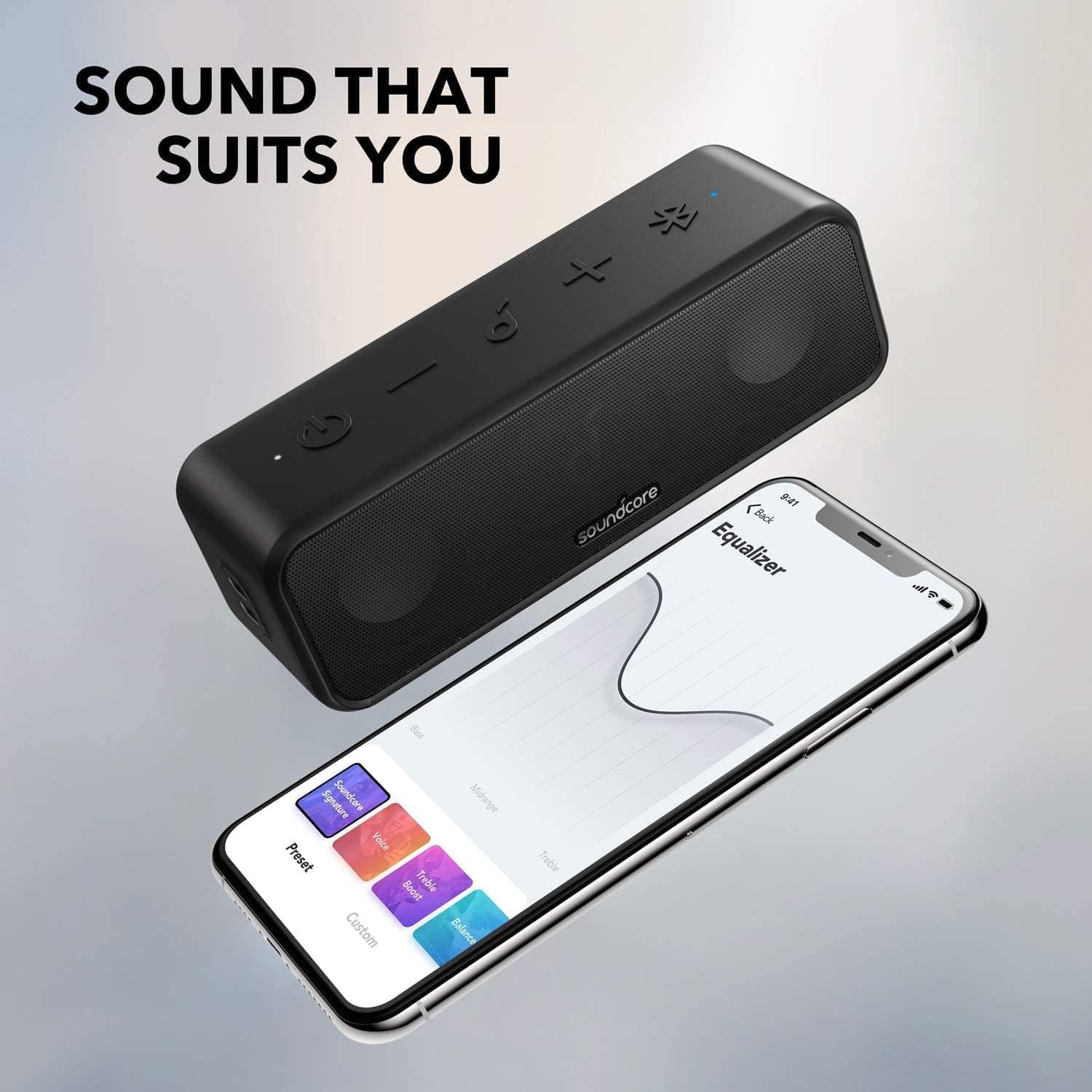
App Support: Soundcore 3 is compatible with the Soundcore app, allowing customized EQ settings, whereas Soundcore 2 does not support the app.
Charging: Soundcore 3 uses a USB-C port for charging, while Soundcore 2 has a Micro-USB port.
AUX-In Port: Soundcore 3 does not have an AUX-In port, whereas Soundcore 2 includes one.
In summary, Soundcore 3 has updated features including better power, sound output, connectivity options, app functionality, and USB-C charging. However, Soundcore 2 includes an AUX-In port which is not present in Soundcore 3.