Balance Monitors
-
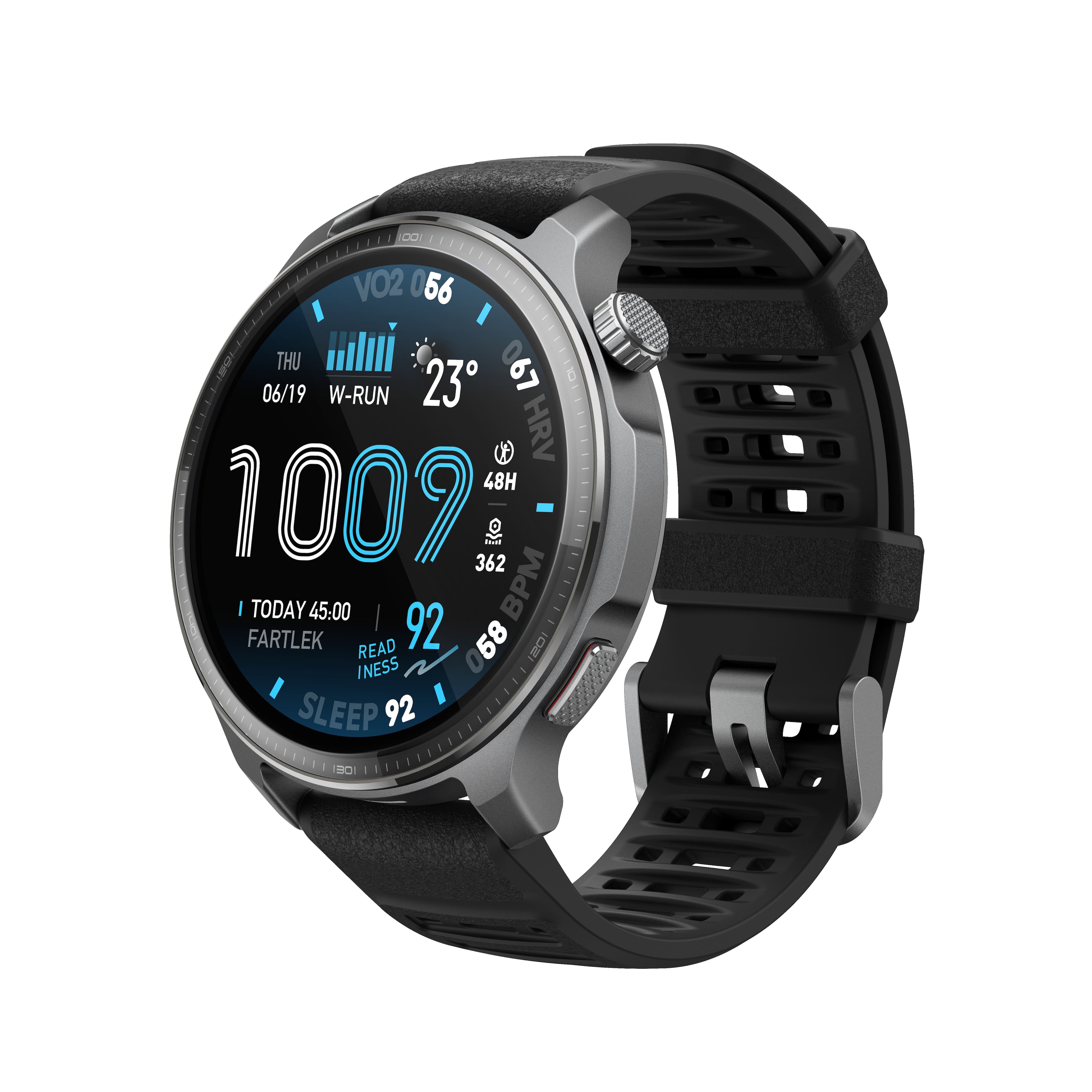
Amazfit - Balance 2 XT Smartwatch 47mm Silicone - Gray / Black - (2025)
SKU: J3R85LLRLCI *want* to love Amazfit products - the hardware is great and the pricing is nice - but something about...The screen is bright and colorful, the battery life is great, the exercise and sleep tracking...
See all All SmartwatchesProduct Description
A sleek gray and black smartwatch offering advanced fitness tracking, wellness insights, and versatile sport modes.Your price for this item is $139.99Save $60The previous price was $199.99 -
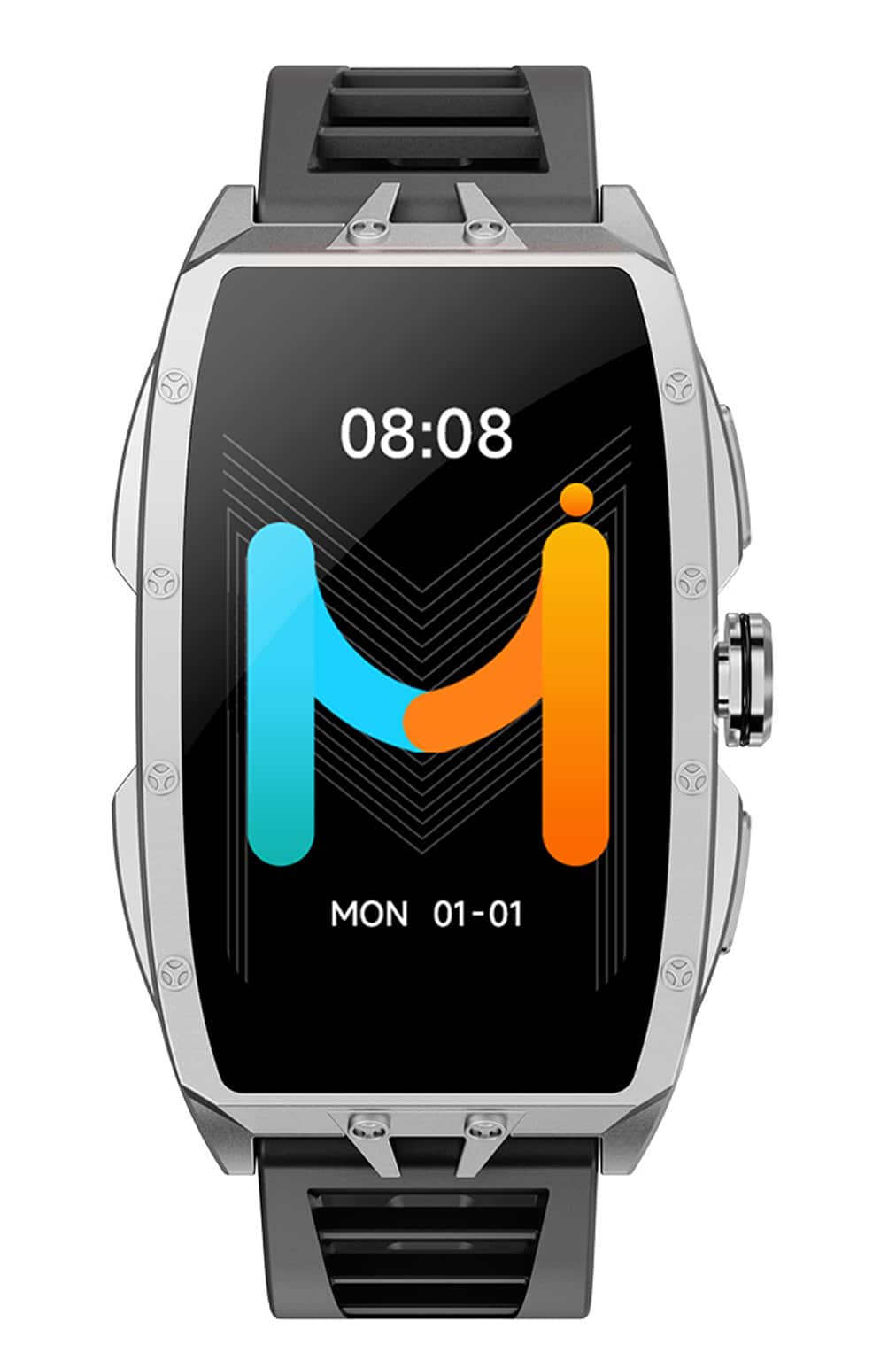
IMIKI - MB1 Smartwatch with Fitness Tracker, 1.64” AMOLED Display, 1ATM Waterproof, Bluetooth Calls, Sleep Monitor - Silver - (2025)
SKU: CZT6VLL82RSee all All SmartwatchesProduct Description
A silver smartwatch with a 1.64" AMOLED display, fitness tracking, Bluetooth calls, and 1ATM waterproof rating.Your price for this item is $29.99Save $30The previous price was $59.99 -
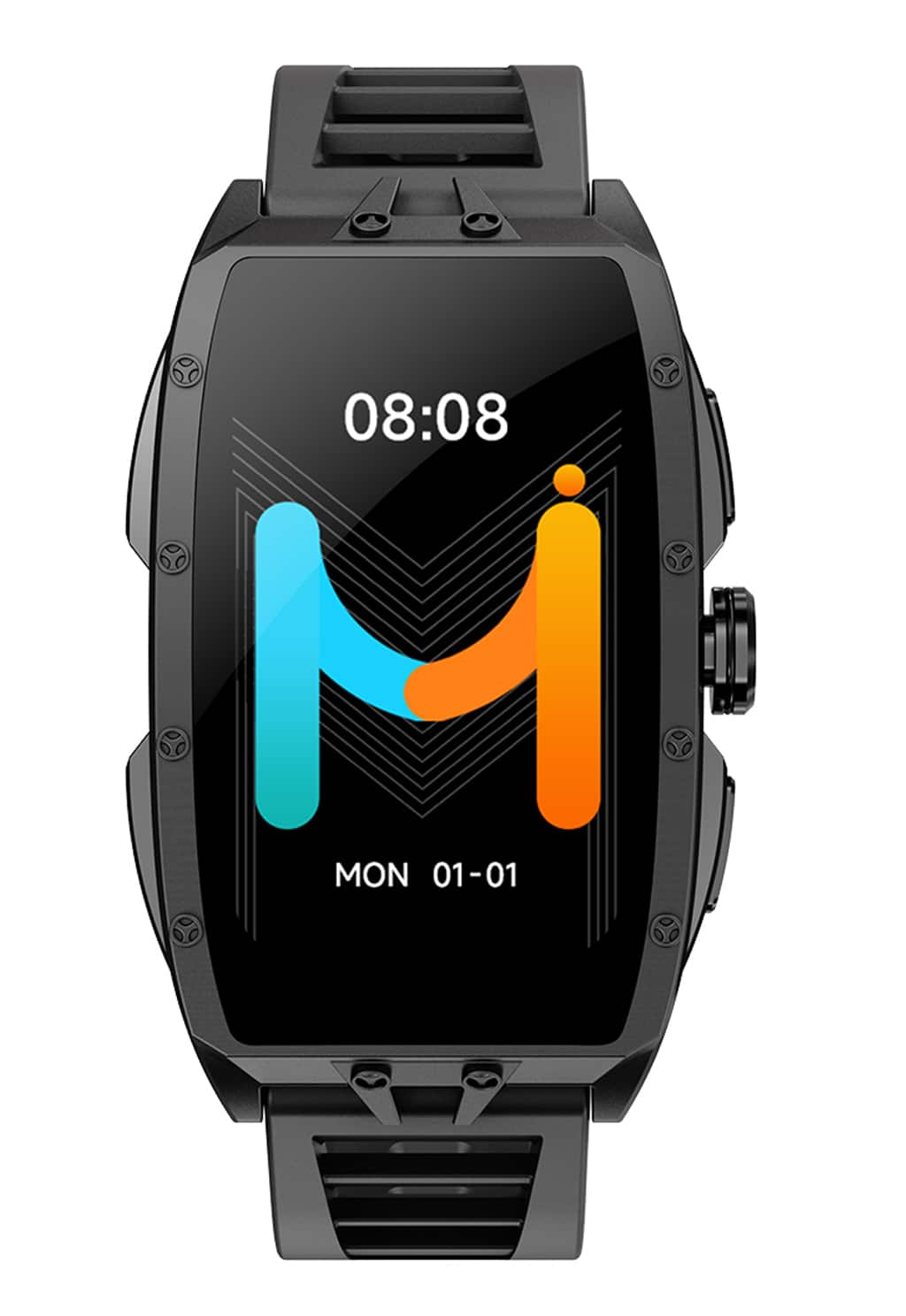
IMIKI - MB1 Smartwatch with Fitness Tracker, 1.64” AMOLED Display, 1ATM Waterproof, Bluetooth Calls, Sleep Monitor - Black - (2025)
SKU: CZT6VLL8CYSee all All SmartwatchesProduct Description
A black zinc alloy smartwatch with AMOLED display, Bluetooth calls, 1ATM waterproofing, and advanced fitness tracking.Your price for this item is $29.99Save $3The previous price was $32.99 -
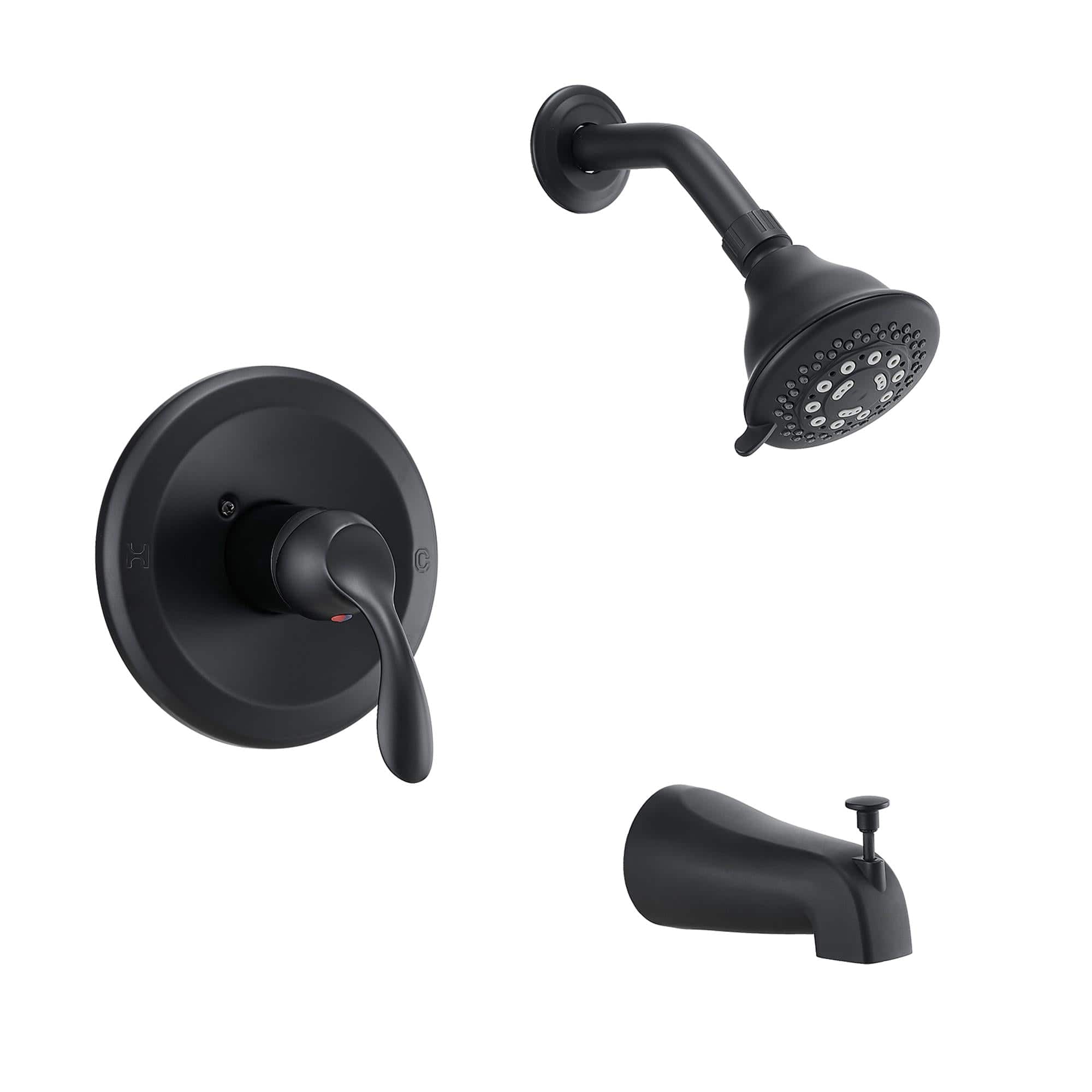
Boyel Living - Bathroom Shower Trim Kit 5 Function Pressure Balance Valve Copper Body Zinc Alloy Handle - Black
SKU: JX42YQ5JS8See all Shower HeadsProduct Description
A black shower trim kit with five spray modes, pressure balance valve, copper body, and zinc alloy handle.Your price for this item is $149.99Save $59The previous price was $209.83
Best Sellers




Related Pages




FAQ
When choosing a balance monitor, consider features such as digital displays, connectivity options like Bluetooth or Wi-Fi, compatibility with mobile apps, multi-user support, and the ability to track and store data over time for progress monitoring.
Many modern balance monitors offer connectivity with smartphones or tablets through dedicated apps. This allows users to track their balance metrics, set goals, and view progress reports conveniently from their mobile devices.
Most balance monitors are designed to be user-friendly and suitable for a wide range of ages, from children to seniors. However, it's important to check the product specifications for any recommended age ranges or user guidelines.
Some balance monitors may require occasional calibration to maintain accuracy, while others are designed to be maintenance-free. Refer to the product manual for specific calibration instructions and recommendations.
Balance monitors typically store data internally or via a connected app. Data is displayed on the device’s screen or within the app, often including metrics such as balance score, progress over time, and personalized feedback.