Best Air Purifier For Dust Mite Allergies
-
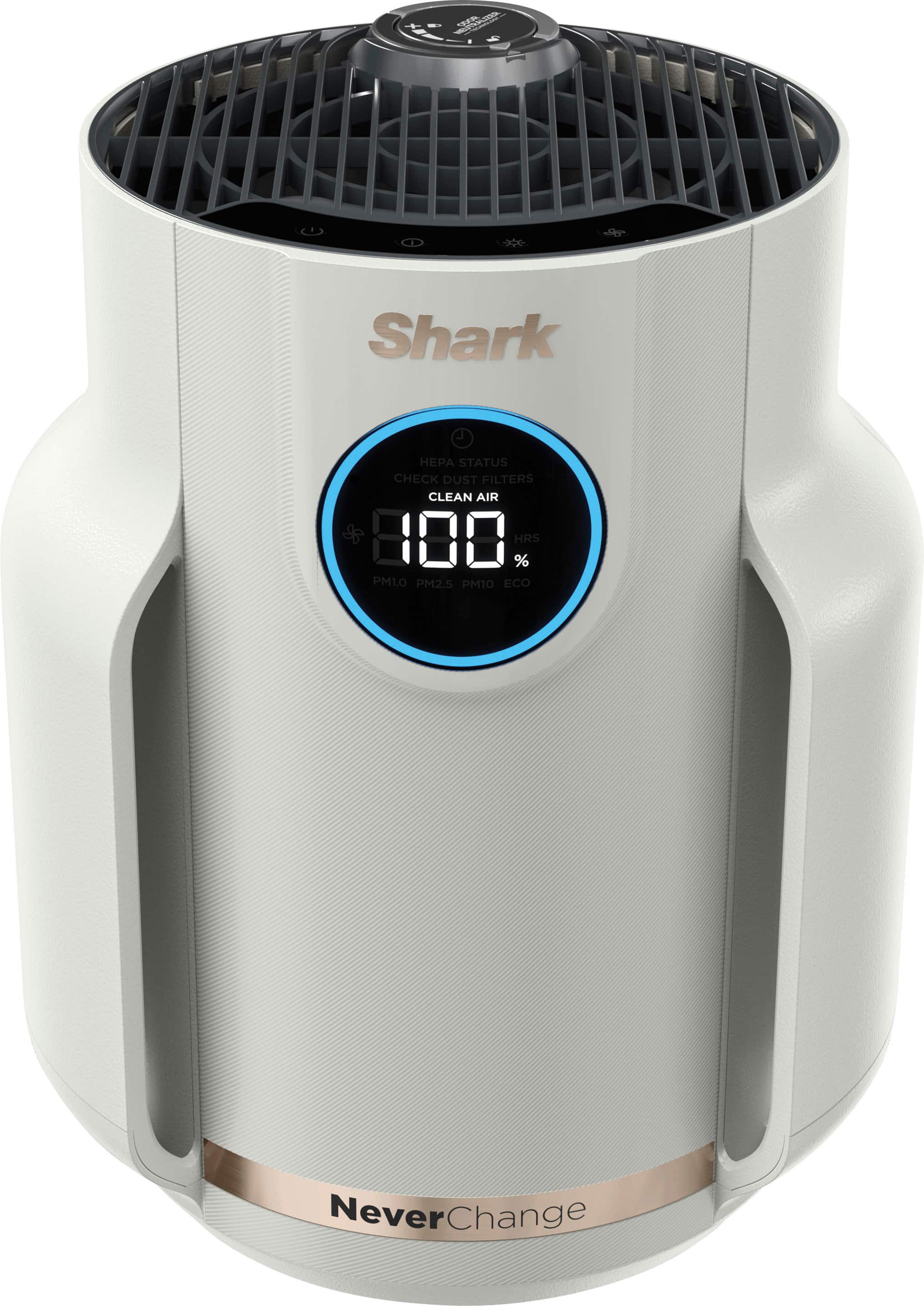
Shark - NeverChange™ Air Purifier Compact Pro - Dove
SKU: JXJVXLJQ9QGreat product easy to use and the best price for your money...Best of the Best...Best little air purifier going to get for the price. It's an amazing quality product
See all Air PurifiersProduct Description
A compact dove-colored air purifier with long-lasting HEPA filtration and real-time air quality monitoring.Your price for this item is $179.99 -
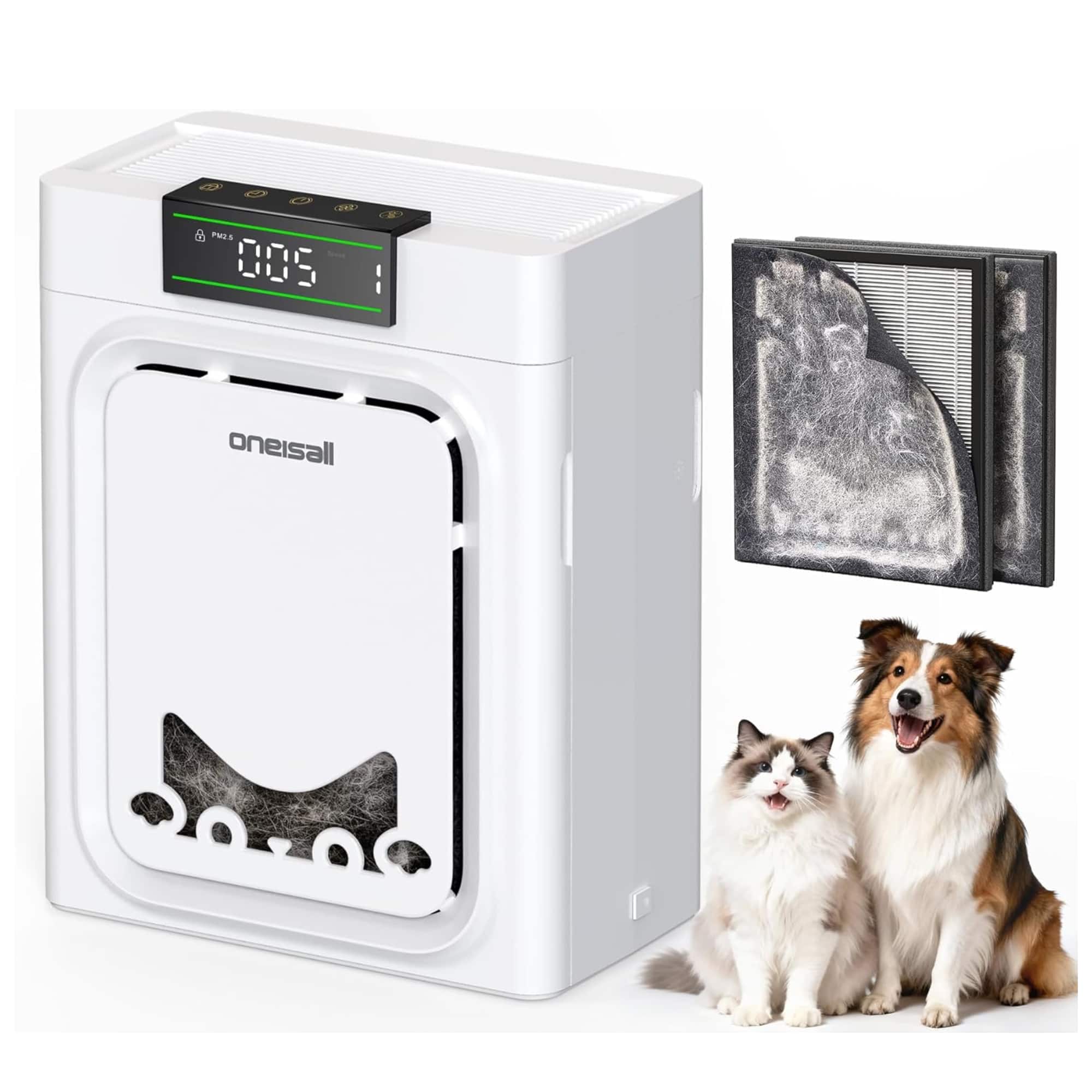
Oneisall - HEPA Pet Air Purifier : Washable Double Side Filter, Air Quality Auto Monitor, Sleep Timer, 4 Speed,2200Ft² Large Room - White
SKU: CZS2G97TTTSee all Air PurifiersProduct Description
A white HEPA air purifier with dual-sided washable filters, four fan speeds, and smart air quality monitoring.Your price for this item is $89.99 -
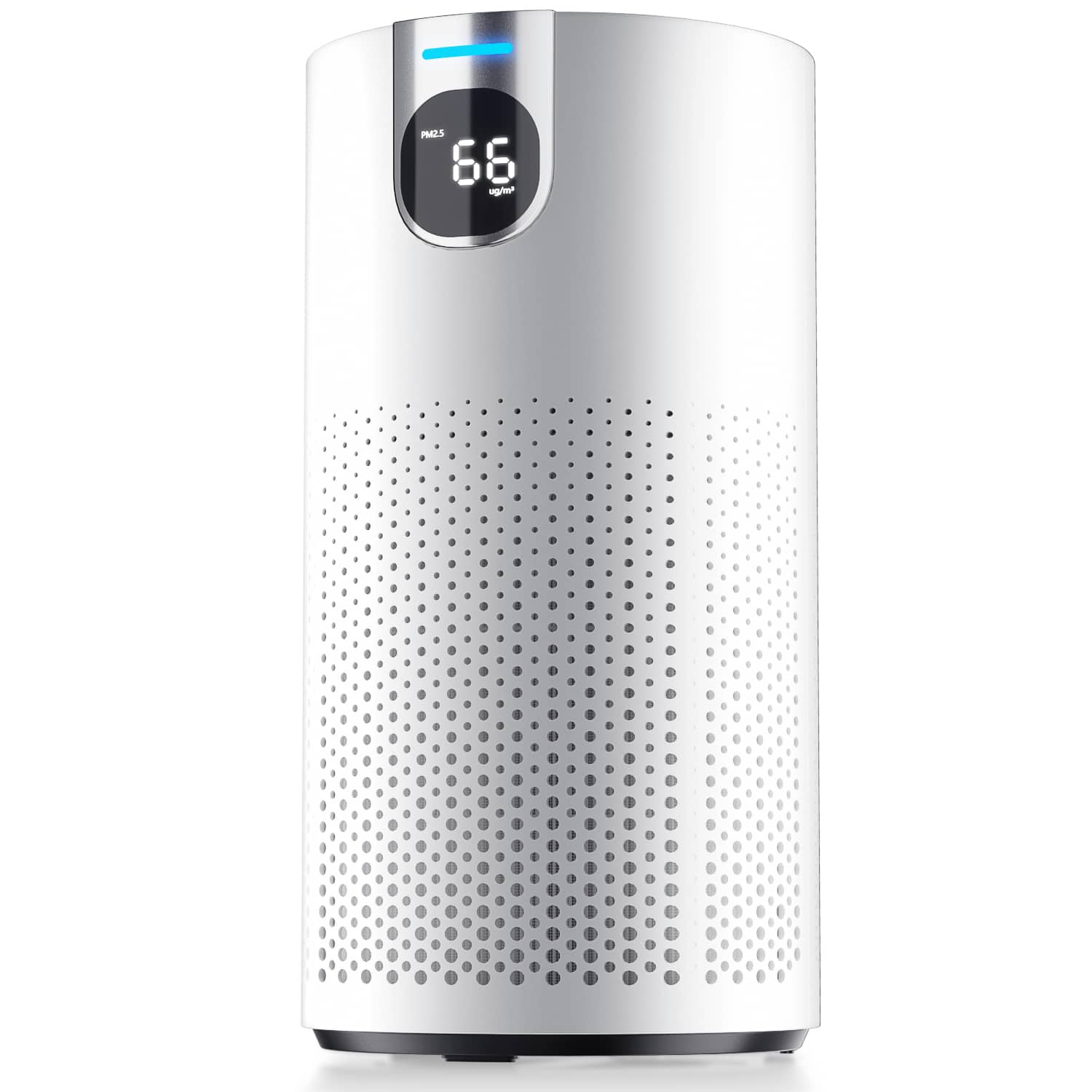
FreAire - Air Purifiers for Home Large Room Up to 1800 Ft², HEPA Air Purifier with Real-Time AQI & PM2.5 Display - White
SKU: J39FXCV965Very easy to use, relatively quiet, great value....With being surrounded by trees and having 3 big dogs that shed, it works great for helping get rid of
See all Air PurifiersProduct Description
A white HEPA air purifier with real-time air quality display, 360° intake, and ultra-quiet sleep mode.Your price for this item is $69.99 -
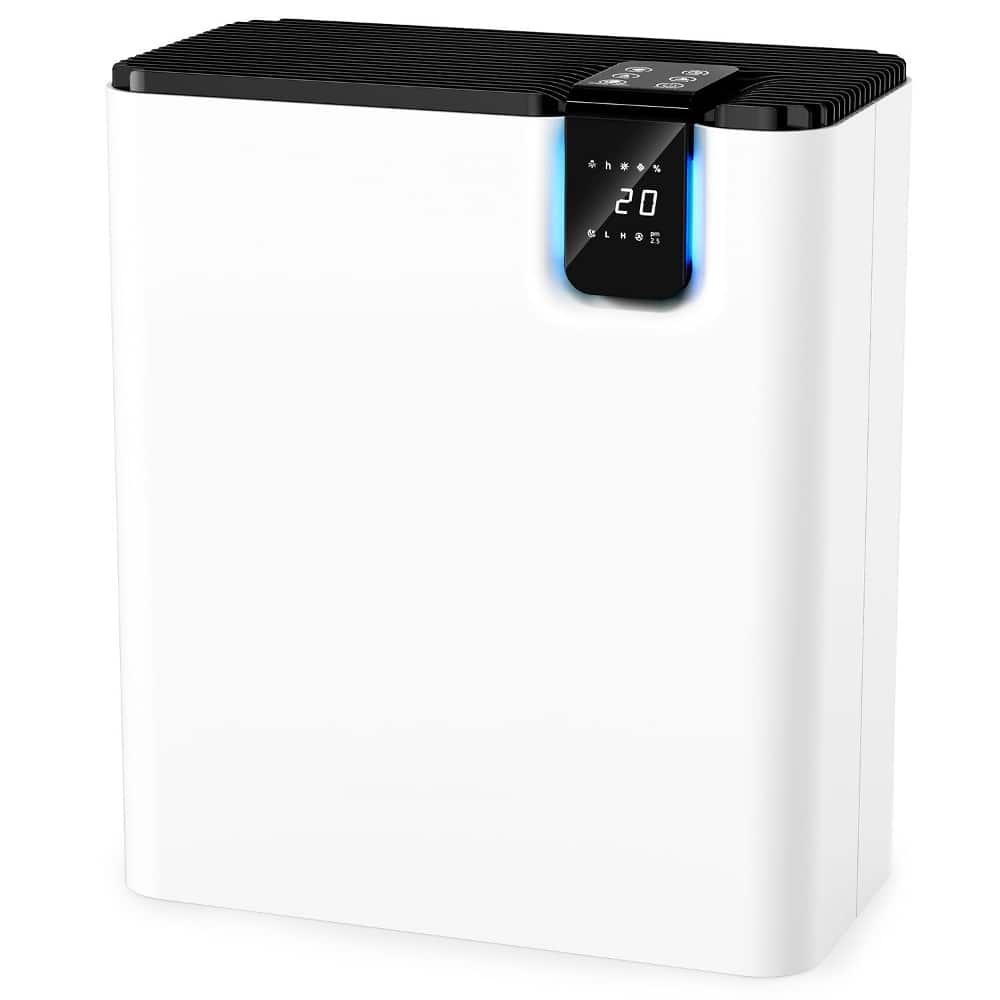
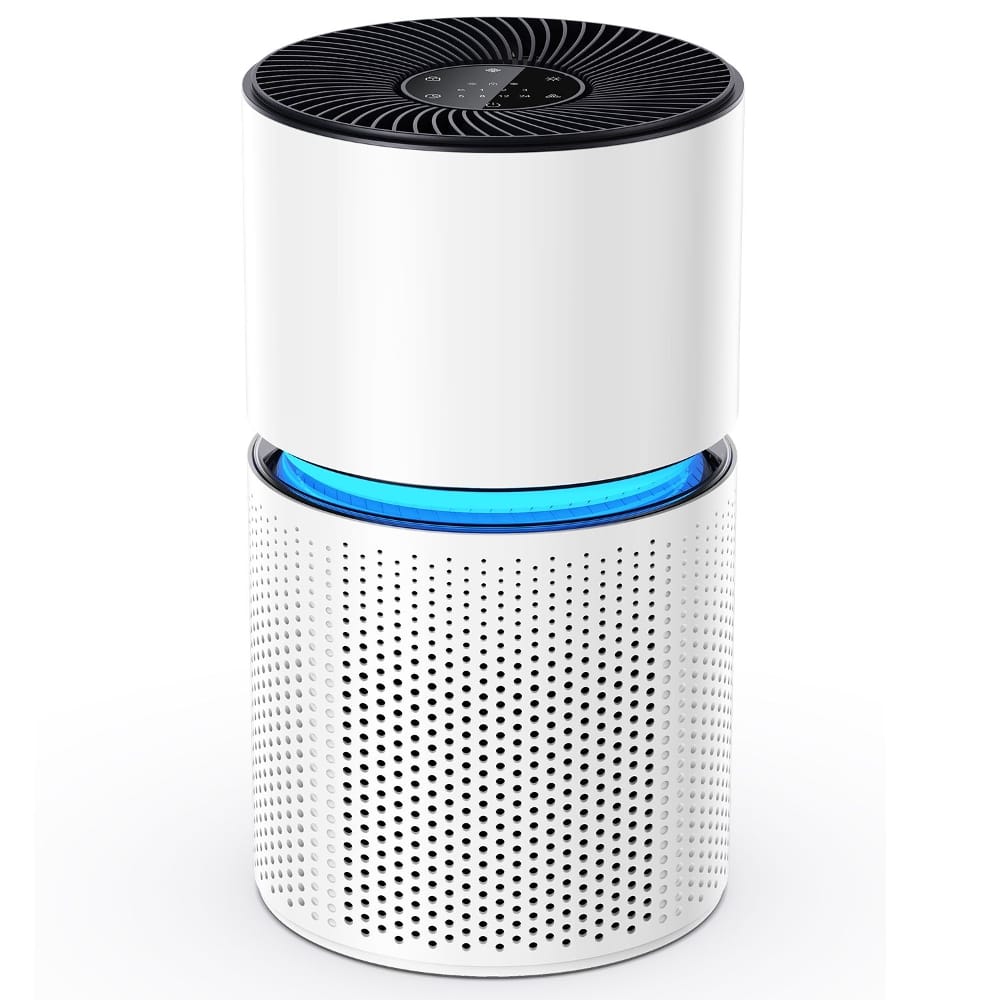
Loheer - Large Room Air Purifier Auto Monitor Dust Pollen Pet Dander White
SKU: J7R34S58P9See all Air PurifiersProduct Description
A white air purifier with auto air quality monitoring, 360° airflow, and built-in essential oil diffuser.Your price for this item is $134.74Save $59The previous price was $193.74 -
Loheer - Air Purifier for Large Room 1095 Sq Ft Pet Dander Dust Removal White
SKU: J7R34S589GSee all Air PurifiersProduct Description
A white air purifier with multi-layer filtration and 360° air inlet, ideal for large rooms and pet owners.Your price for this item is $102.12Save $59The previous price was $161.12 -
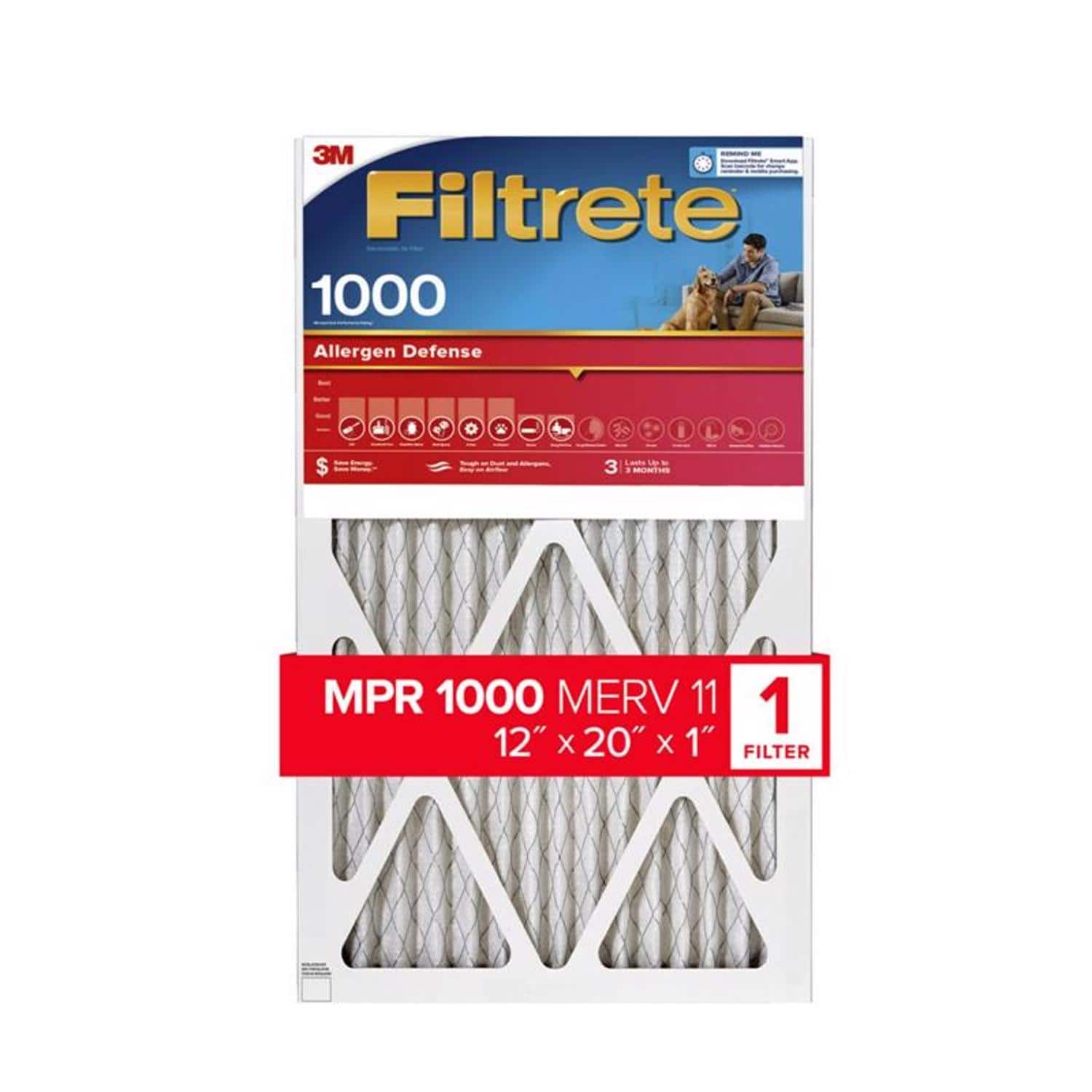
Filtrete - 12 in. W X 20 in. H X 1 in. D Polyester 1000 MPR Pleated Allergen Air Filter 1 pk
SKU: J7LYLKPGC4The best on the market!...It is very well-made and is definitely the best on the market -- and my HVAC guy also approves!...Great Product that Delivers
See all Air Purifier Filters & PartsProduct Description
A pleated polyester air filter with 1000 MPR rating that captures allergens, dust, smoke, and pet dander.Your price for this item is $75.35Save $3The previous price was $79.23 -
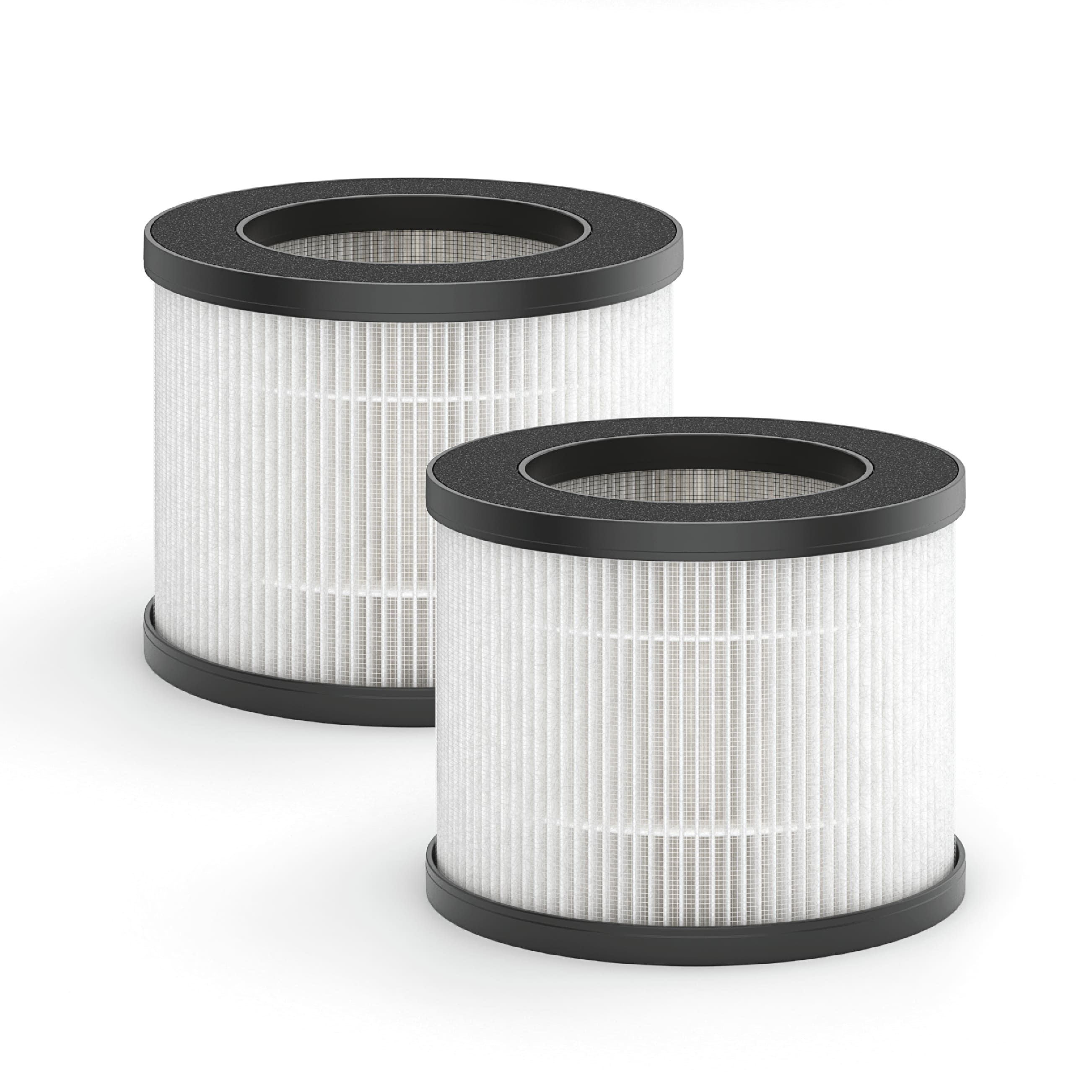
Medify Air - MA-18 Genuine HEPA H13 Replacement Filter - 2 pack - Silver
SKU: J3R8HC9P5PSee all Air Purifier Filters & PartsProduct Description
A silver HEPA H13 replacement filter pack with three-layer filtration, capturing 99.9% of airborne particles.Your price for this item is $74.99 -
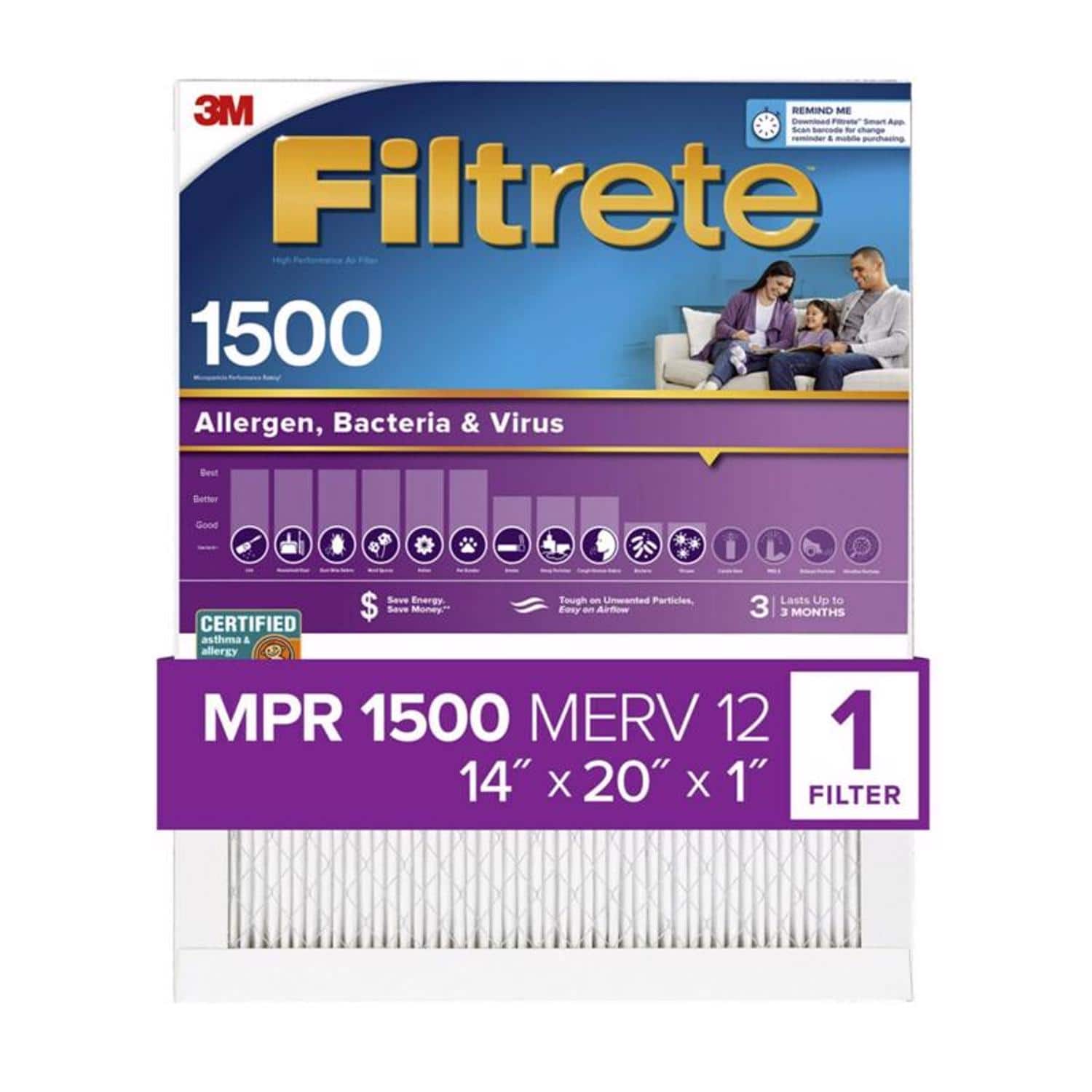
Filtrete - 14 in. W X 20 in. H X 1 in. D 1500 MPR Pleated Air Filter 1 pk
SKU: J7LYLK3GC7Best filter around...Great Filter. I highly recommend it to anyone with allergies, asthma, and health issues....I have noticed a lot less dust in the house and I love that we can sign up for filter change...
See all Air Purifier Filters & PartsProduct Description
A pleated electrostatic air filter that captures allergens, pet dander, smoke, and fine airborne particles.Your price for this item is $100.01Save $4The previous price was $104.10 -
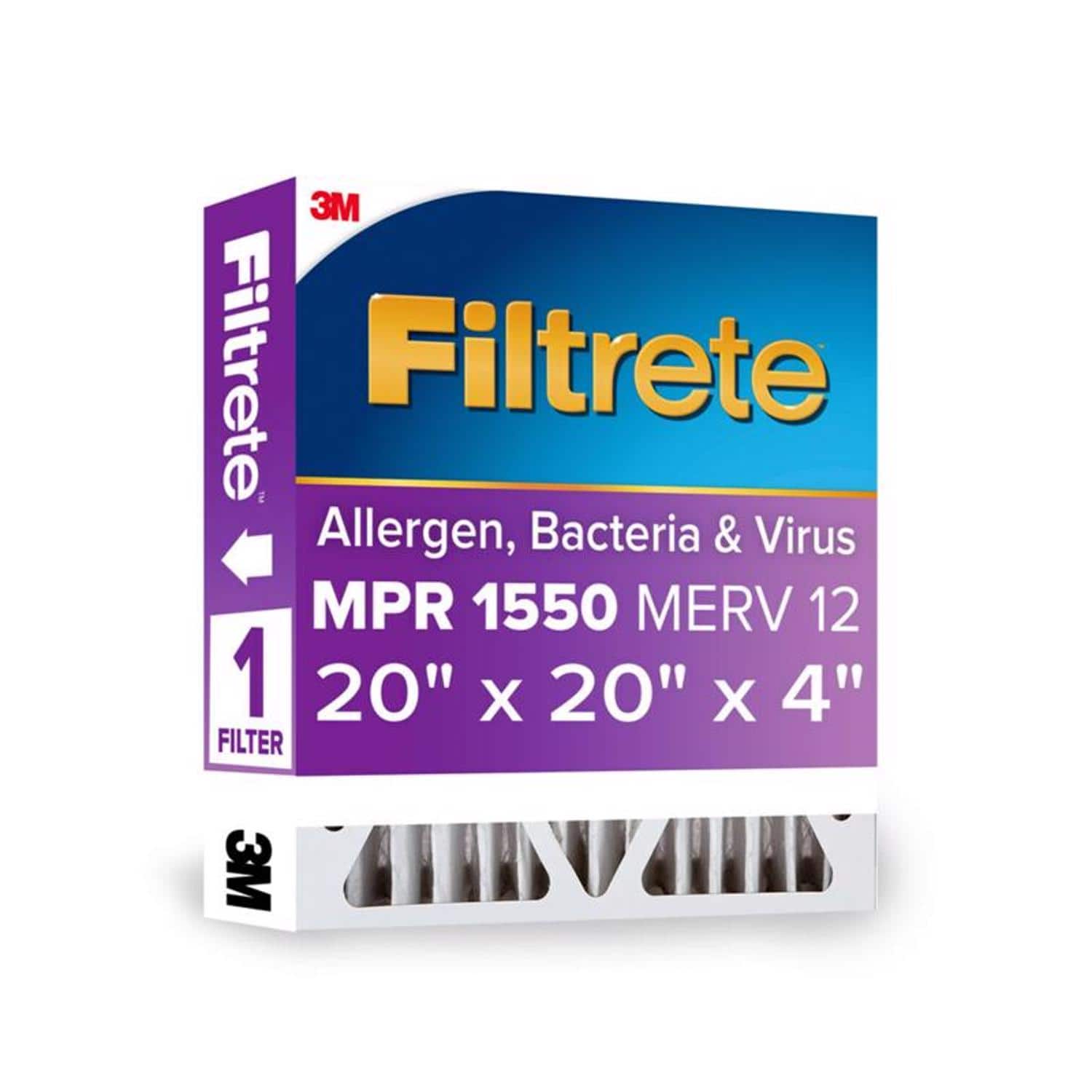
3M - Filtrete 20 in. W X 20 in. H X 4 in. D Polyester 12 MERV Pleated Allergen Air Filter 1 pk
SKU: J7LYLK3RC5Best of the Rest...Best filter
See all Air Purifier Filters & PartsProduct Description
A pleated polyester air filter with MERV 12 rating that captures allergens, dust, pollen, and pet dander.Your price for this item is $44.99 -
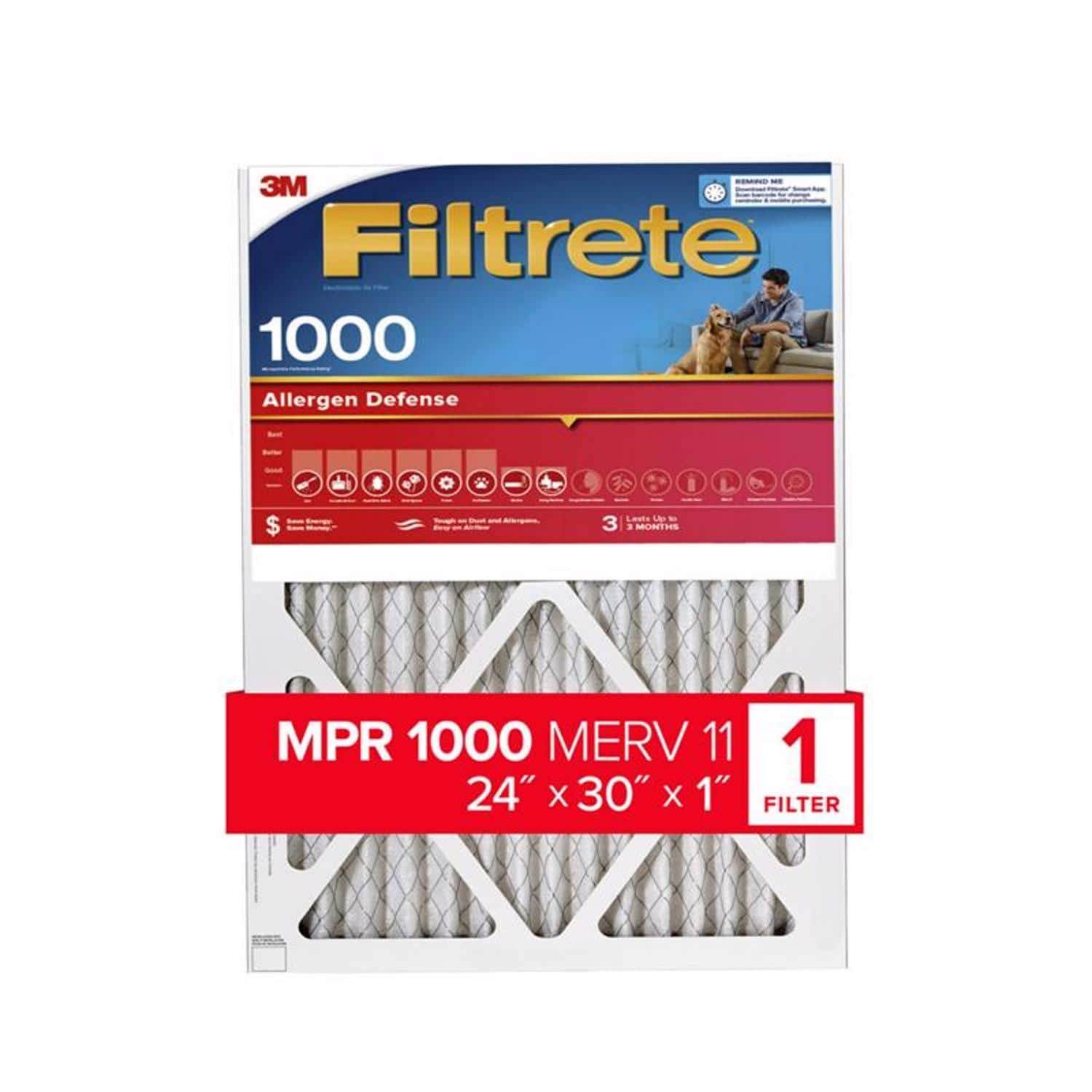
Filtrete - 24 in. W X 30 in. H X 1 in. D 1000 MPR Pleated Allergen Air Filter 1 pk
SKU: J7LYSFPPGHGreat Product...Great Product. Will last the time rated and reduce house hold dust...Great quality, clean air....Great value for the money.
See all Air Purifier Filters & PartsProduct Description
A pleated electrostatic air filter that captures microscopic particles and allergens for cleaner indoor air.Your price for this item is $81.13Save $2The previous price was $84.10
Best Sellers
Related Pages

FAQ
When selecting an air purifier for dust mite allergies, look for models with a true HEPA filter, as these can capture particles as small as 0.3 microns, including dust mite allergens. Additional features such as multiple fan speeds, filter replacement indicators, and quiet operation can also enhance your experience.
Filter replacement frequency depends on the model and usage, but generally, HEPA filters should be replaced every 6 to 12 months. Always check your air purifier’s manual for specific recommendations and monitor the filter indicator if your device has one.
Yes, many air purifiers equipped with HEPA filters can also capture other common allergens such as pollen, pet dander, and mold spores, helping to improve overall indoor air quality.
While UV-C lights and ionizers can provide added benefits, the most important feature for dust mite allergies is a true HEPA filter. Additional features may help reduce bacteria or odors but are not essential for filtering dust mite allergens.
Absolutely! Using an air purifier alongside regular cleaning, washing bedding in hot water, and using allergen-proof mattress covers can further reduce dust mite exposure and help manage allergies more effectively.