Deals for every list.Start early, save early.Shop now

Main Content
Skip to contentGo to Product Search

Deals for every list.Start early, save early.Shop now

Main Content

Digital Camera For Beginners

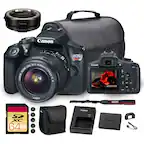
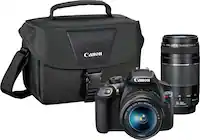
Find a digital camera for beginners that fits how you want to take photos, whether you’re capturing everyday moments or learning photography basics. Compare cameras by size, ease of use, and lens options, and check each model’s automatic settings and manual controls to decide how much guidance—and creative control—you want.
Results

Digital Camera For Beginners

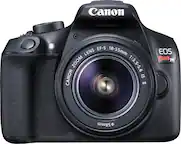
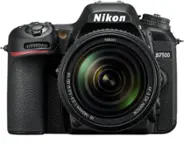
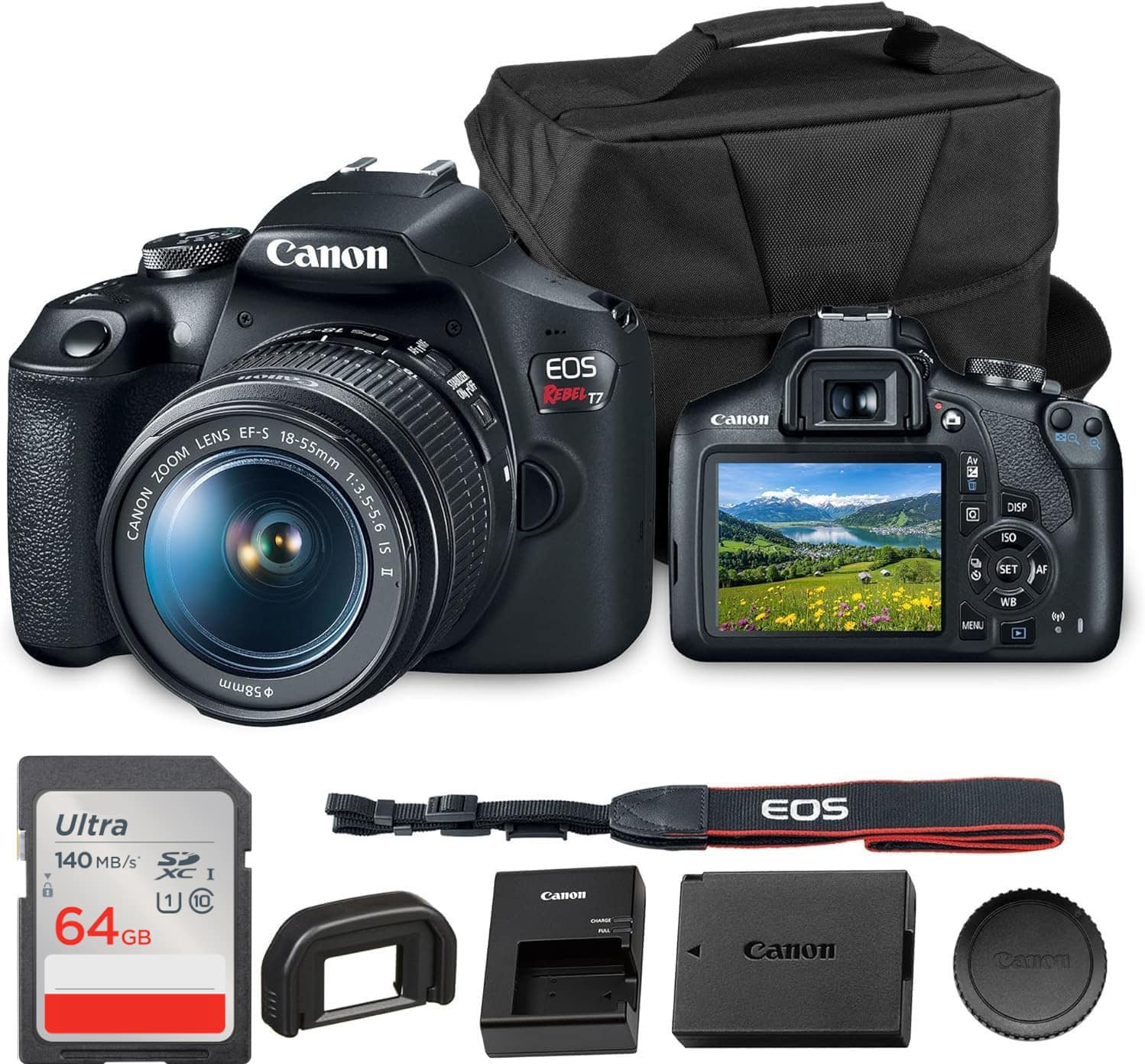
A digital camera for beginners combines approachable controls with room to explore photography beyond everyday snapshots. For someone learning to capture family gatherings, travel memories, pets, or creative projects, the right fit depends on both the camera’s features and how comfortable it feels to use. Compact cameras emphasize portability and the convenience of a built-in lens, while interchangeable-lens cameras offer flexibility to change lenses as interests develop. Automatic shooting modes can simplify exposure decisions at first, and models with aperture-priority, shutter-priority, and manual controls provide more creative options over time. Clearly labeled buttons, readable menus, and an easy-to-hold grip can make a meaningful difference during regular use. Size and weight also deserve attention: a camera that fits comfortably in a small bag may suit casual outings, while a larger body may offer a more substantial grip and additional physical controls. The best beginner-friendly choice balances everyday convenience with features that support the kinds of pictures you want to take.

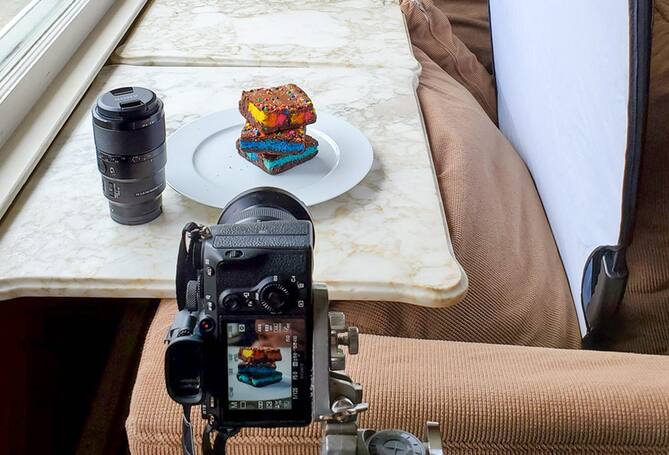
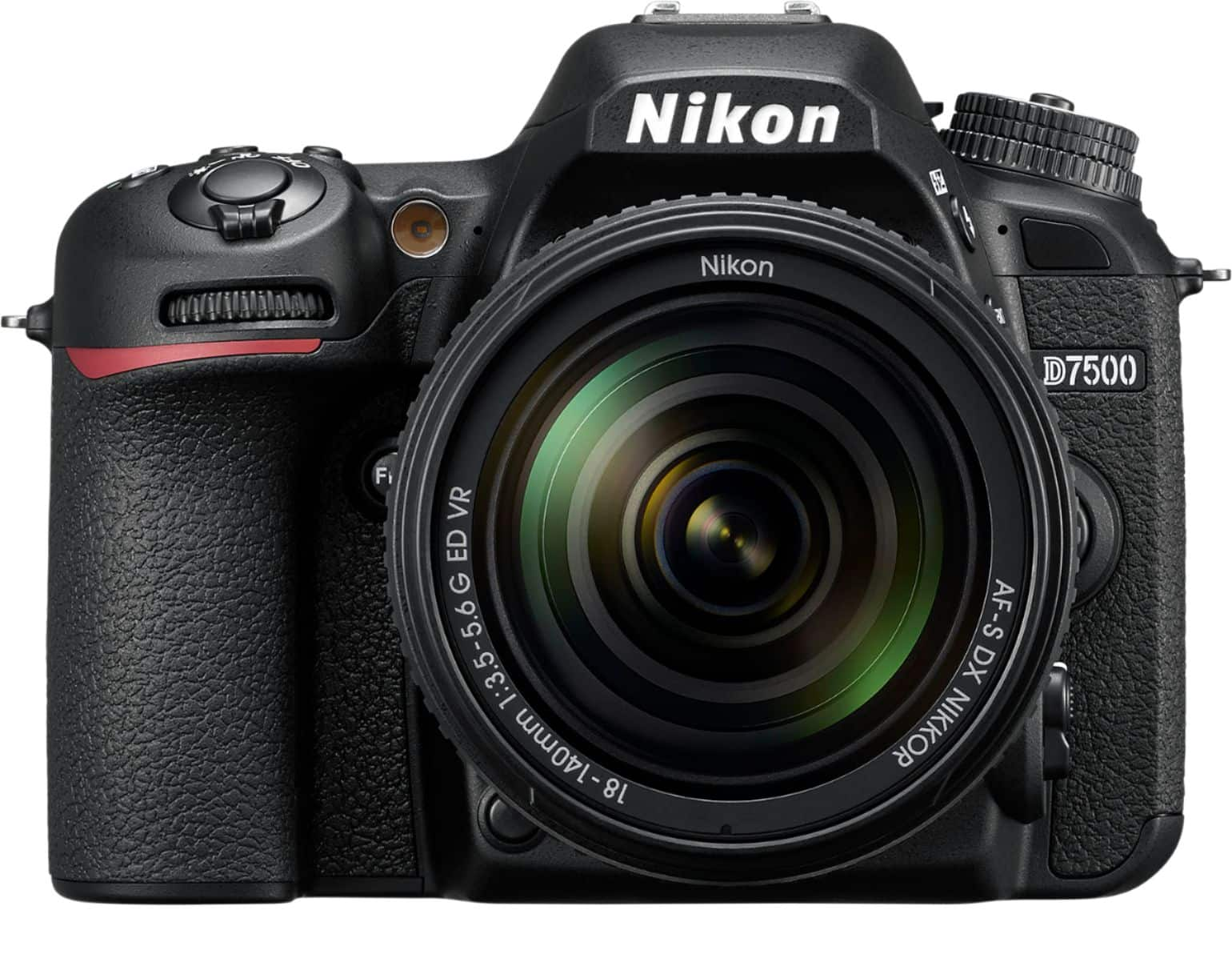
Image quality involves more than megapixel count, so comparing a beginner digital camera means considering the sensor, lens, autofocus, and stabilization together. Larger sensors can offer advantages in low light and greater control over background blur, though lens choice and shooting settings also affect the results. A useful zoom range can provide flexibility for landscapes, portraits, and distant details without frequent lens changes. For interchangeable-lens options, the included lens, if any, is an important part of the overall purchase, along with compatibility with lenses you may want later. Face- and eye-detection autofocus can help with portraits, while subject tracking is worth considering for pets, children, and other moving subjects. Optical or in-body image stabilization can reduce blur from camera shake, particularly when shooting handheld, but it does not freeze a moving subject. A viewfinder can make framing easier in bright sunlight, while a tilting or fully articulating screen can offer more comfortable viewing from different angles.

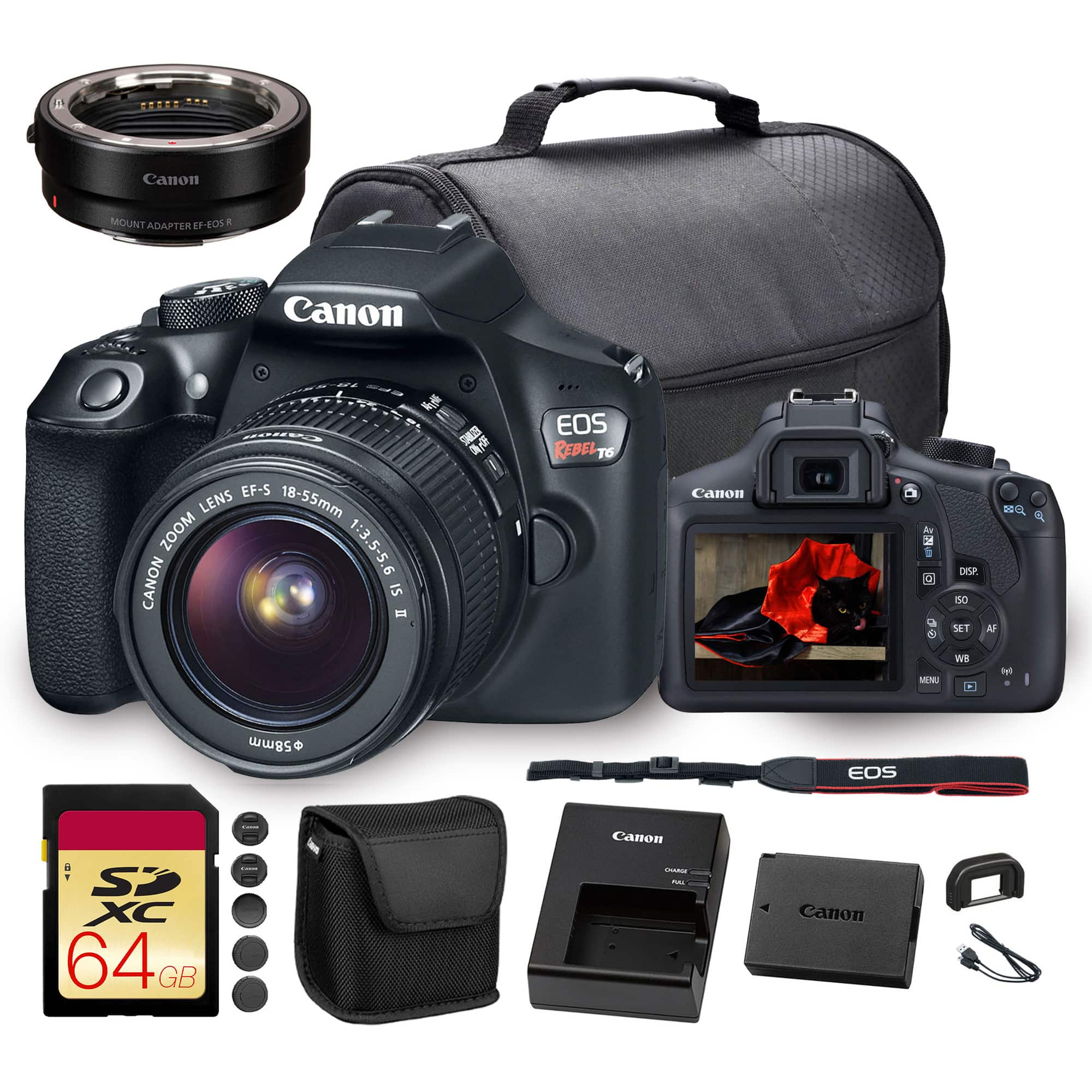
For beginners interested in both photos and video, recording resolution is only one part of the comparison. Autofocus during recording, frame-rate options, microphone connections, and screen movement can influence how well a camera suits family videos, school projects, or creating content. Connectivity features are another practical consideration: supported wireless transfers can make sharing images more convenient, while USB connection options may help with transferring files or charging, depending on the model. Battery life, charging methods, and memory card compatibility also affect day-to-day use and the total cost of getting started. A protective case, a compatible memory card, and any required lens are worth factoring into the purchase rather than focusing on the camera body alone. When choosing a digital camera for beginners as a gift, portability, straightforward controls, and the recipient’s interests can be more useful priorities than the longest feature list. An approachable camera with a suitable lens and comfortable handling can serve both immediate photography needs and a growing interest in making more intentional images.

FAQs