Large Solid State Drives
-
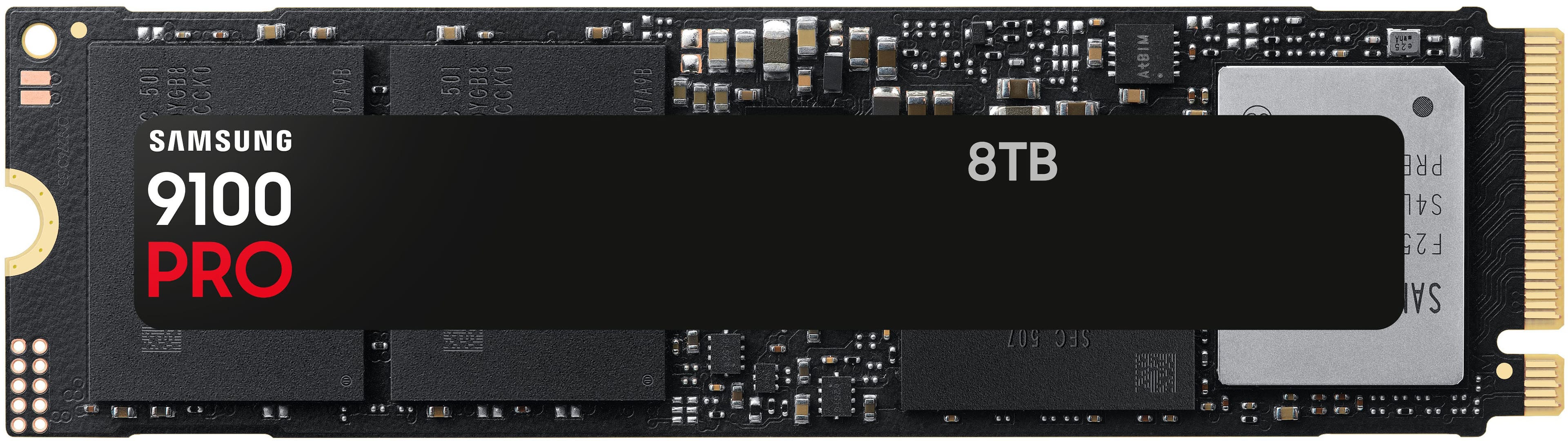
Samsung - SSD 9100 PRO 8TB Internal SSD, PCIe 5.0x4 M.2
SKU: J3ZYG245Z9Love it...I love it in using my work, memories of my life, and all
See all Samsung Internal SSDsProduct Description
An ultra-fast PCIe 5.0 M.2 internal SSD with 8TB capacity and advanced data encryption.Your price for this item is $2,719.99 -
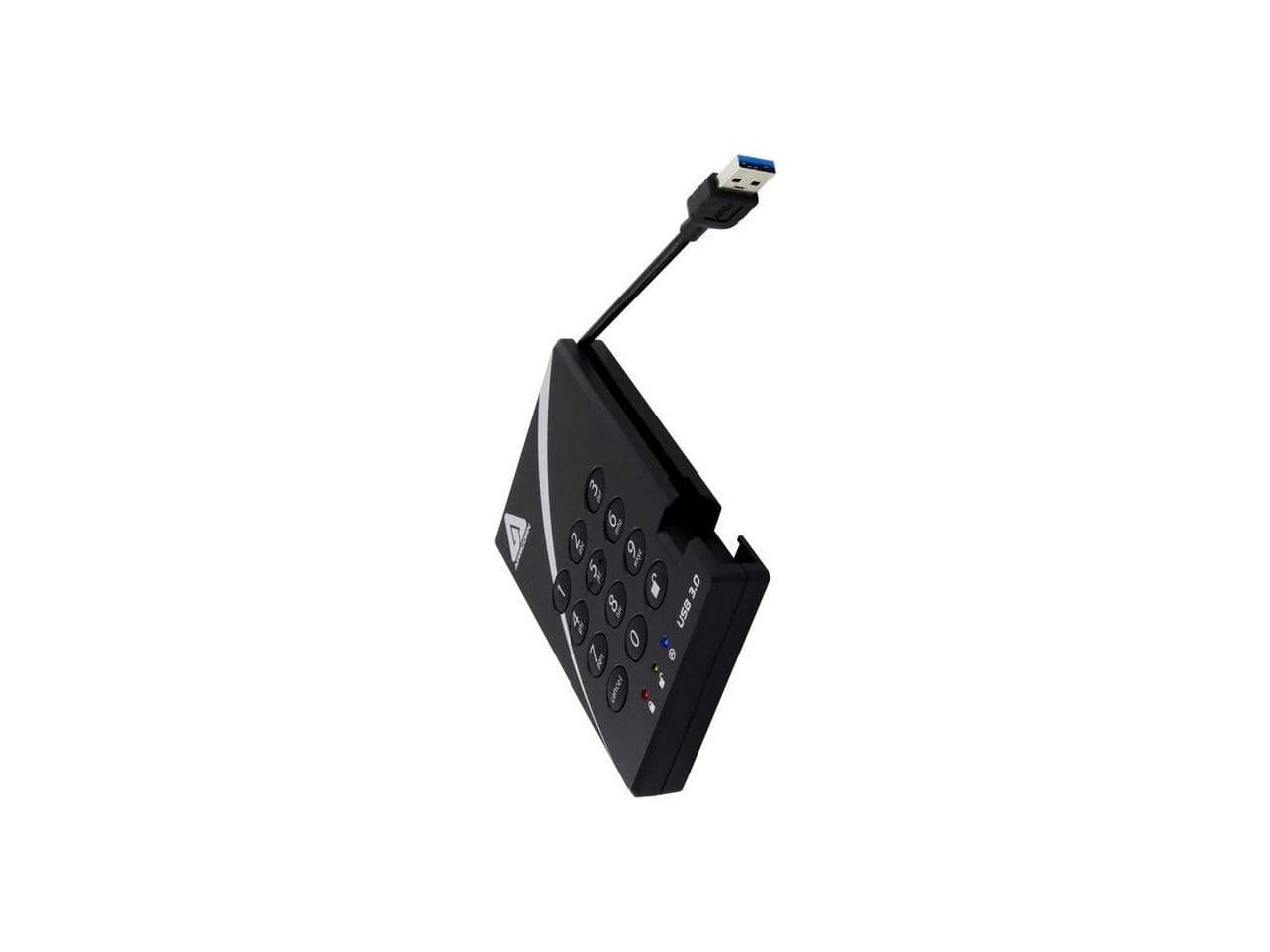
Apricorn - Aegis Padlock A25-3PL256-S8000 8 TB Solid State Drive External USB 3.0 A253PL256S8000
SKU: JXHJGH56X7See all External SSDsProduct Description
An external 8TB solid state drive with USB 3.0 connectivity, ideal for secure, high-capacity storage.Your price for this item is $9,124.99 -
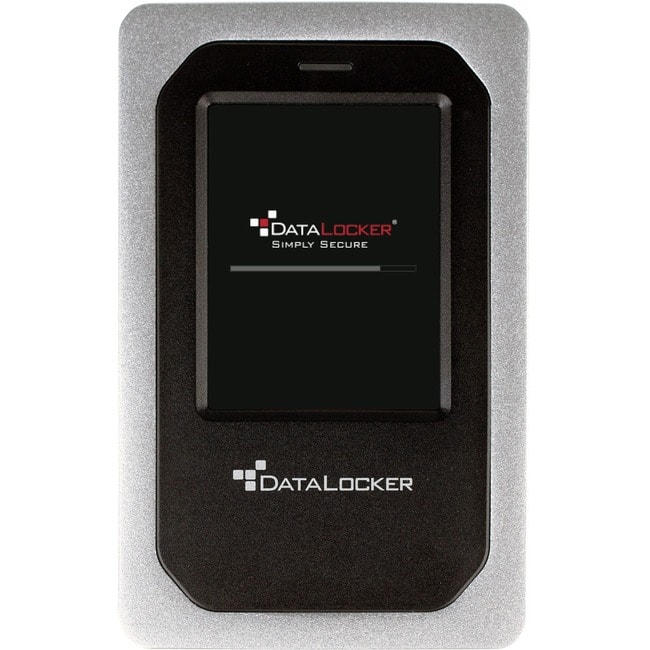
DataLocker - DL4 FE 15.30 TB Portable Solid State Drive - External - TAA Compliant - USB 3.2 Type C - 256-bit Encryption
SKU: J3R8QR5XGFSee all External SSDsProduct Description
A highly secure, TAA-compliant external SSD with 256-bit encryption, touchscreen interface, and USB 3.2 Type-C connectivity.Your price for this item is $16,853.43 -
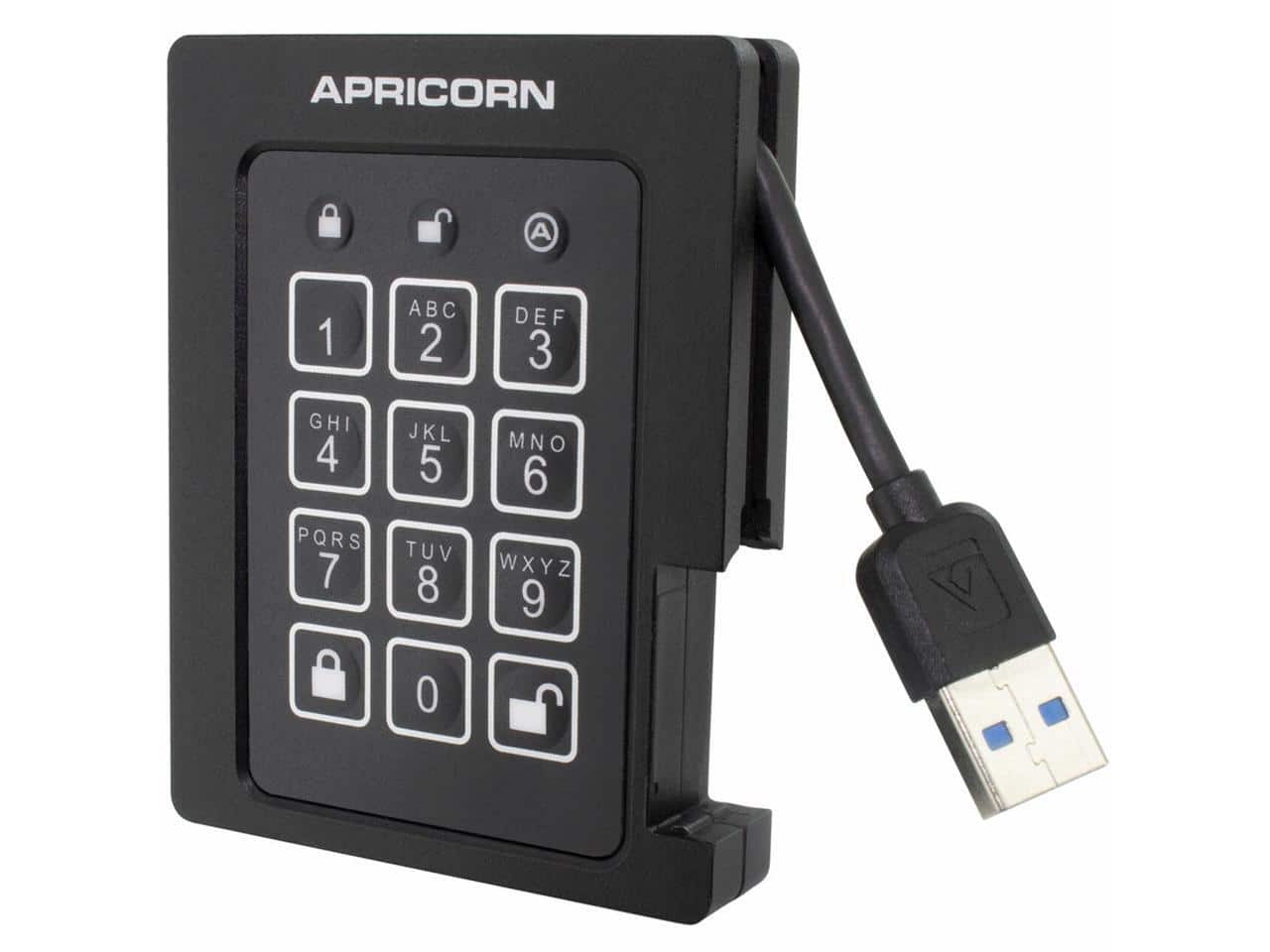
4TB Apricorn Aegis Padlock USB3.0 External Solid State Drive - Black - Unknown
SKU: JXHJGH5RJZSee all External SSDsProduct Description
A secure black external SSD with 4TB storage and USB 3.0 connectivity for fast data transfer.Your price for this item is $3,130.99 -
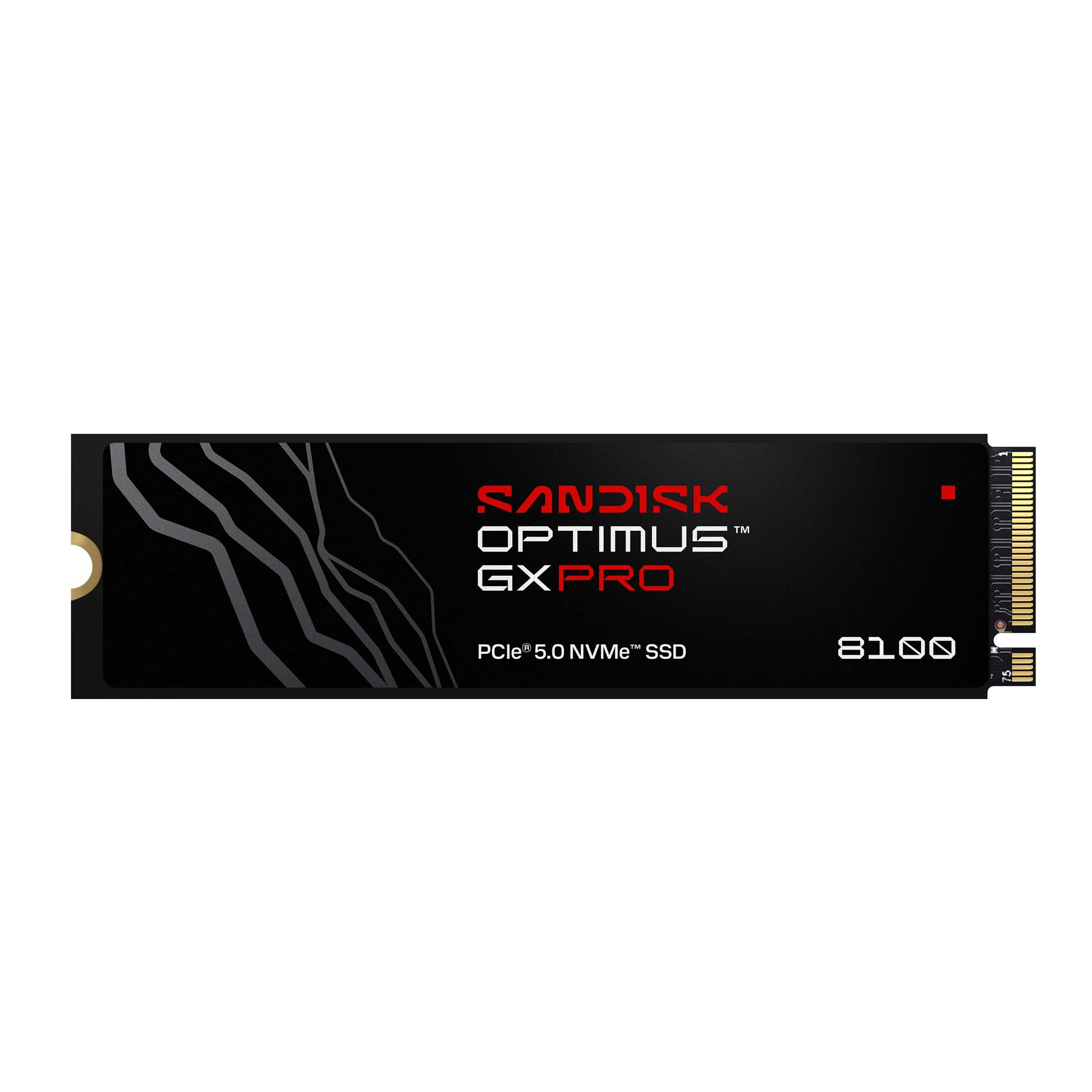
Western Digital - Optimus GX PRO 8100 4 TB Solid State Drive - M.2 2280 Internal - PCI Express NVMe
SKU: JXJ62CQKR7See all Internal SSDsProduct Description
A high-performance internal NVMe SSD with PCIe 5.0 technology, delivering speeds up to 14,900 MB/s.Your price for this item is $999.99Save $80The previous price was $1,079.99 -
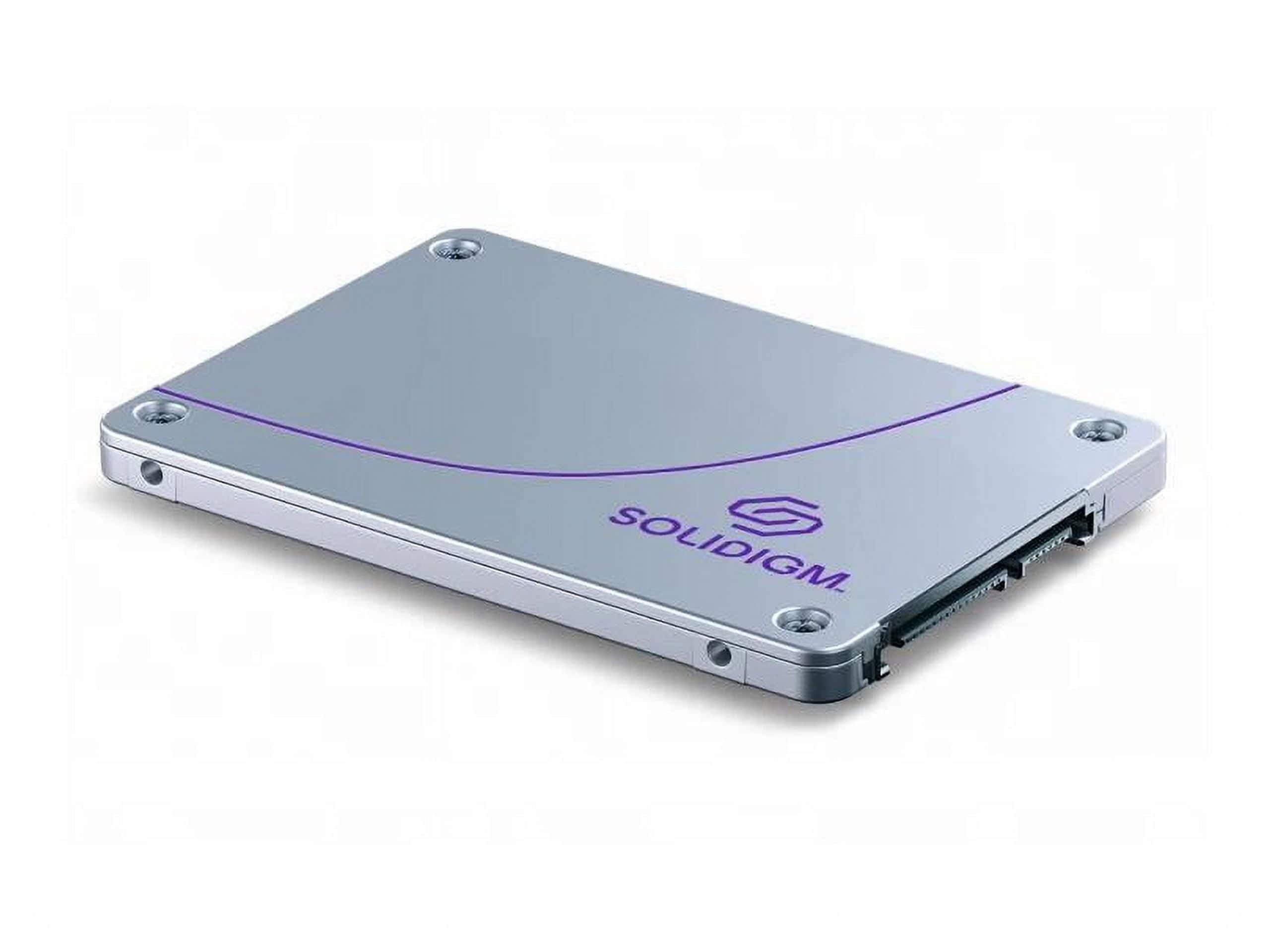
Intel - D7-P5520 3.84 TB Solid State Drive - 2.5" Internal - U.2 [PCI Express NVMe 4.0 x4]
SKU: J39H5STPXJSee all Internal SSDsProduct Description
A high-performance internal SSD with 3.84TB capacity, U.2 PCIe 4.0 x4 interface, and TLC 3D NAND.Your price for this item is $2,319.98 -
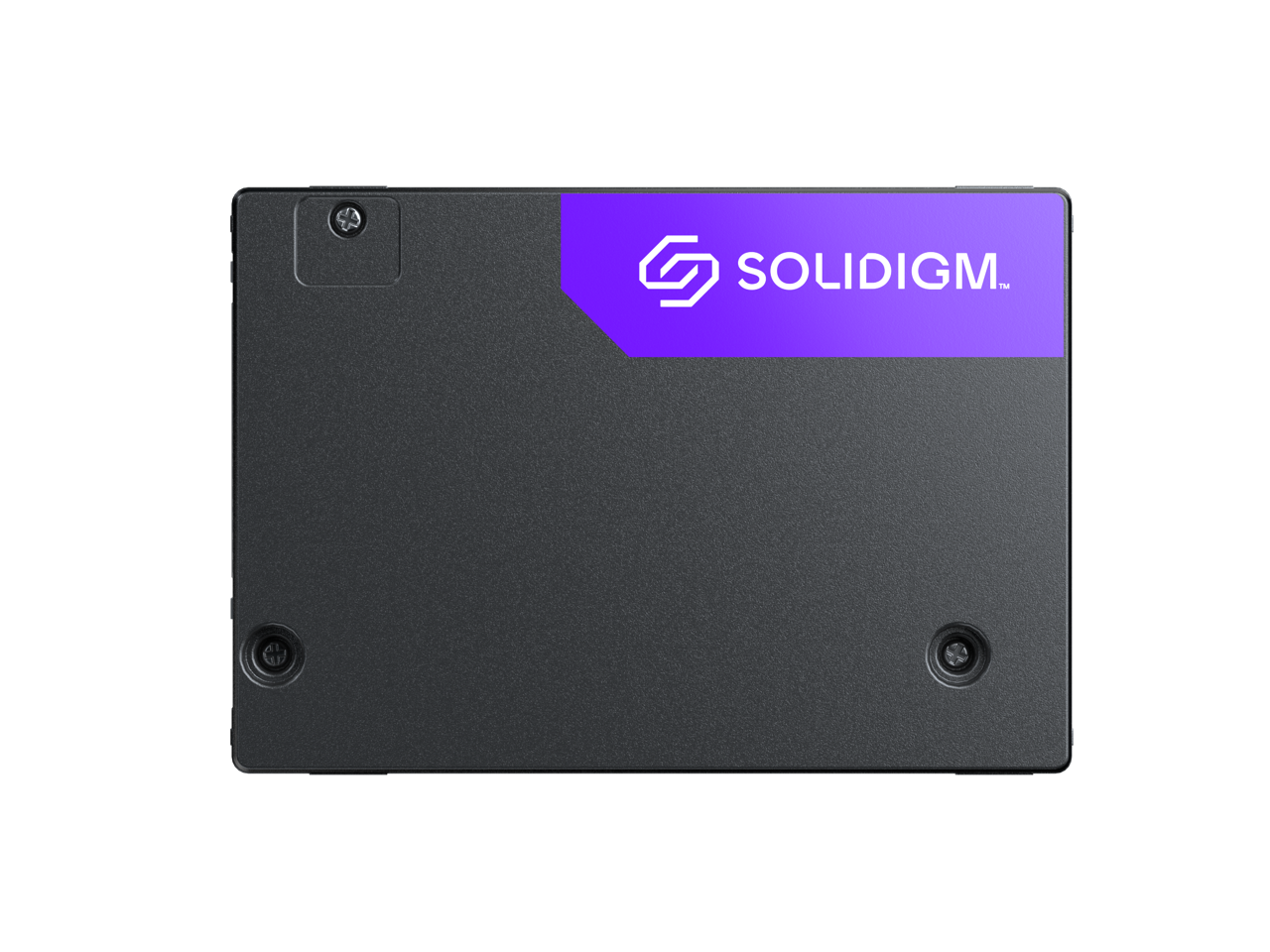
Solidigm - D7-PS1010 15.36TB U.2 PCIe 5.0 TLC SSD (Hynix V7, Data Center/Server)
SKU: J39H5STS4TSee all Internal SSDsProduct Description
A high-capacity 15.36TB internal SSD with PCIe 5.0 interface and TLC NAND for data centers.Your price for this item is $11,408.65 -
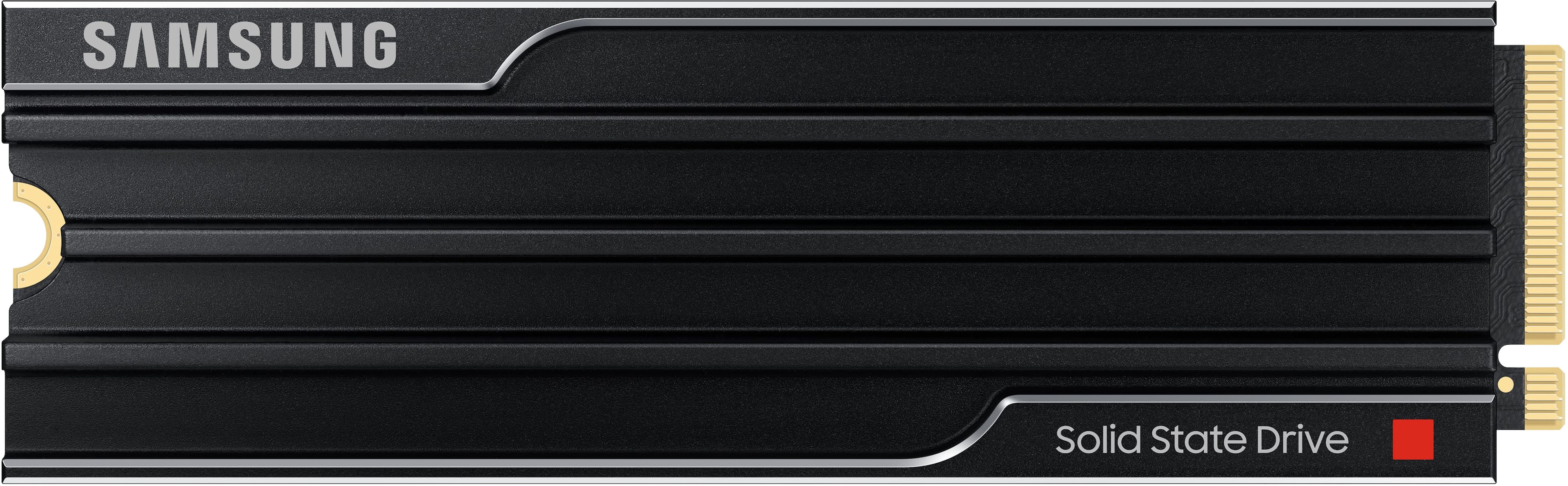
Samsung - SSD 9100 PRO with Heatsink 8TB Internal SSD, PCIe 5.0x4 M.2
SKU: J3ZYG2454VGreat product work as it should if not better than it say ir does Samsung have the best products...Great Drive to use on any gaming handheld device, for speed and performance....One of the best drives...
See all Samsung Internal SSDsProduct Description
An ultra-fast PCIe 5.0 M.2 internal SSD with heatsink, offering 8TB storage for demanding tasks.Your price for this item is $2,797.22 -
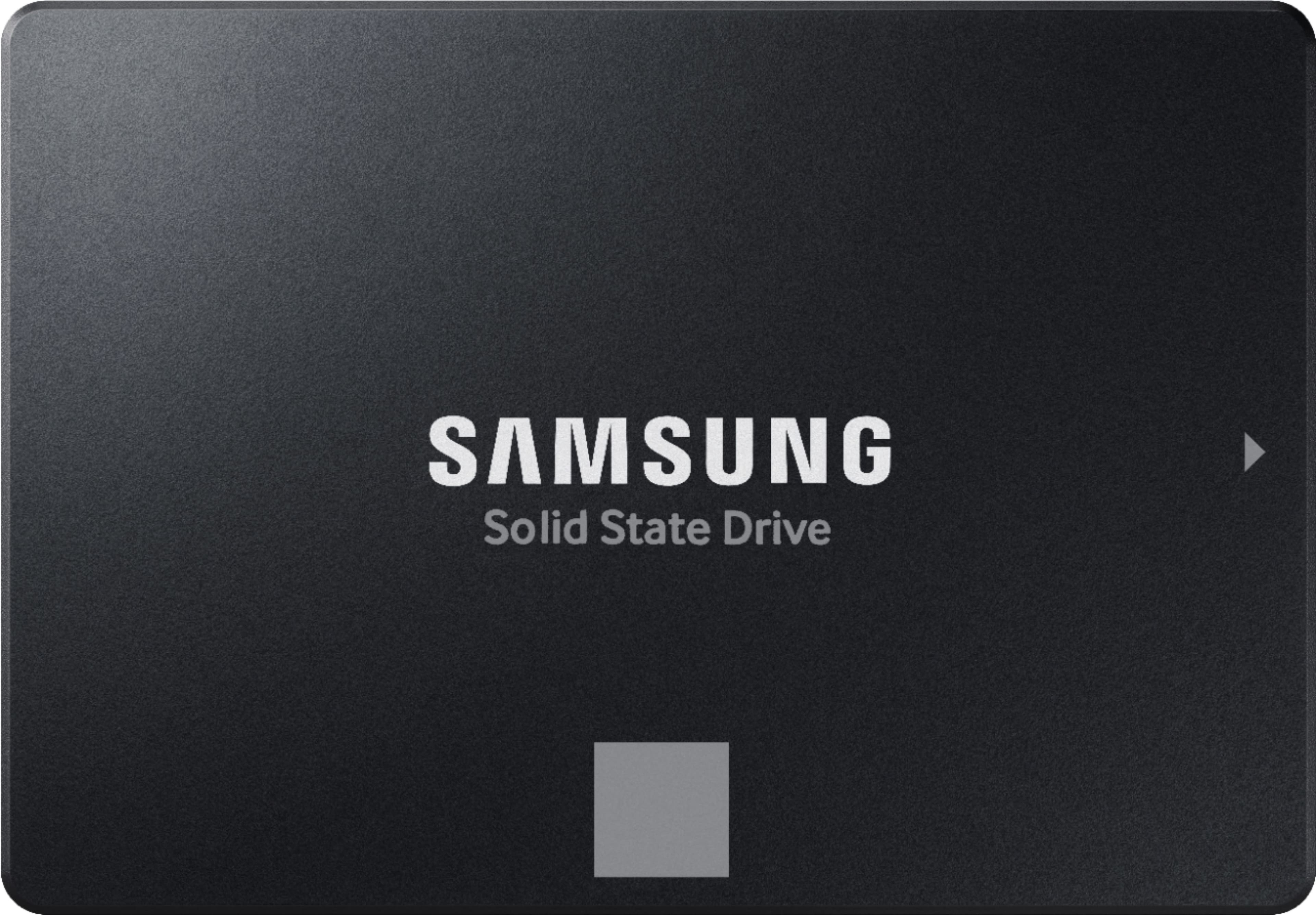
Samsung - 870 EVO 4TB Internal SSD SATA
SKU: J3ZYGCHH28I love Samsung storage solution! This the best of its kind! Excellent product!...A great internal drive. The best in this category.
See all Internal SSDsProduct Description
A high-performance black internal SSD offering 4TB storage, fast speeds, and advanced data encryption.Your price for this item is $1,259.99Save $810The previous price was $2,069.99 -
Intel - D3-S4620 3.84 TB Solid State Drive - 2.5 Internal - SATA
SKU: J39H5STPRSSee all Internal SSDsProduct Description
A high-performance 3.84TB internal SATA SSD designed for reliable, rapid data access in enterprise environments.Your price for this item is $3,610.76Save $180The previous price was $3,791.30
![Intel - D7-P5520 3.84 TB Solid State Drive - 2.5" Internal - U.2 [PCI Express NVMe 4.0 x4]](https://pisces.bbystatic.com/image2/BestBuy_US/images/products/f0437645-d5f2-4f05-94dc-0450c70b9e12.jpg)
Best Sellers

Related Pages


FAQ
Large solid state drives (SSDs) offer faster data access, improved system responsiveness, and ample storage for applications, games, and multimedia files. They can significantly reduce boot times and loading screens, making them ideal for power users and professionals who require high-speed storage and plenty of space.
To ensure compatibility, check your device's user manual or specifications for supported SSD form factors (such as 2.5-inch SATA, M.2, or PCIe NVMe) and maximum storage capacity. Most modern desktops and laptops support a range of SSD sizes and types, but it's always best to confirm before purchasing.
Yes, you can use a large SSD as external storage by installing it in an appropriate enclosure or using an external SSD drive. This allows for high-speed data transfer and portability, making it a great option for backups, media libraries, or transferring files between devices.
SATA SSDs use the traditional SATA interface, offering faster speeds than hard drives but lower than NVMe SSDs. NVMe SSDs connect directly to the motherboard via PCIe, providing significantly higher data transfer rates. If your system supports NVMe, you can take advantage of even faster performance with large capacity drives.
You can transfer data using disk cloning software, which creates an exact copy of your old drive onto the new SSD. Alternatively, you can perform a fresh installation of your operating system and manually move your files. Many SSDs come with migration tools or instructions to help simplify the process.