Best Low Light Camera
-
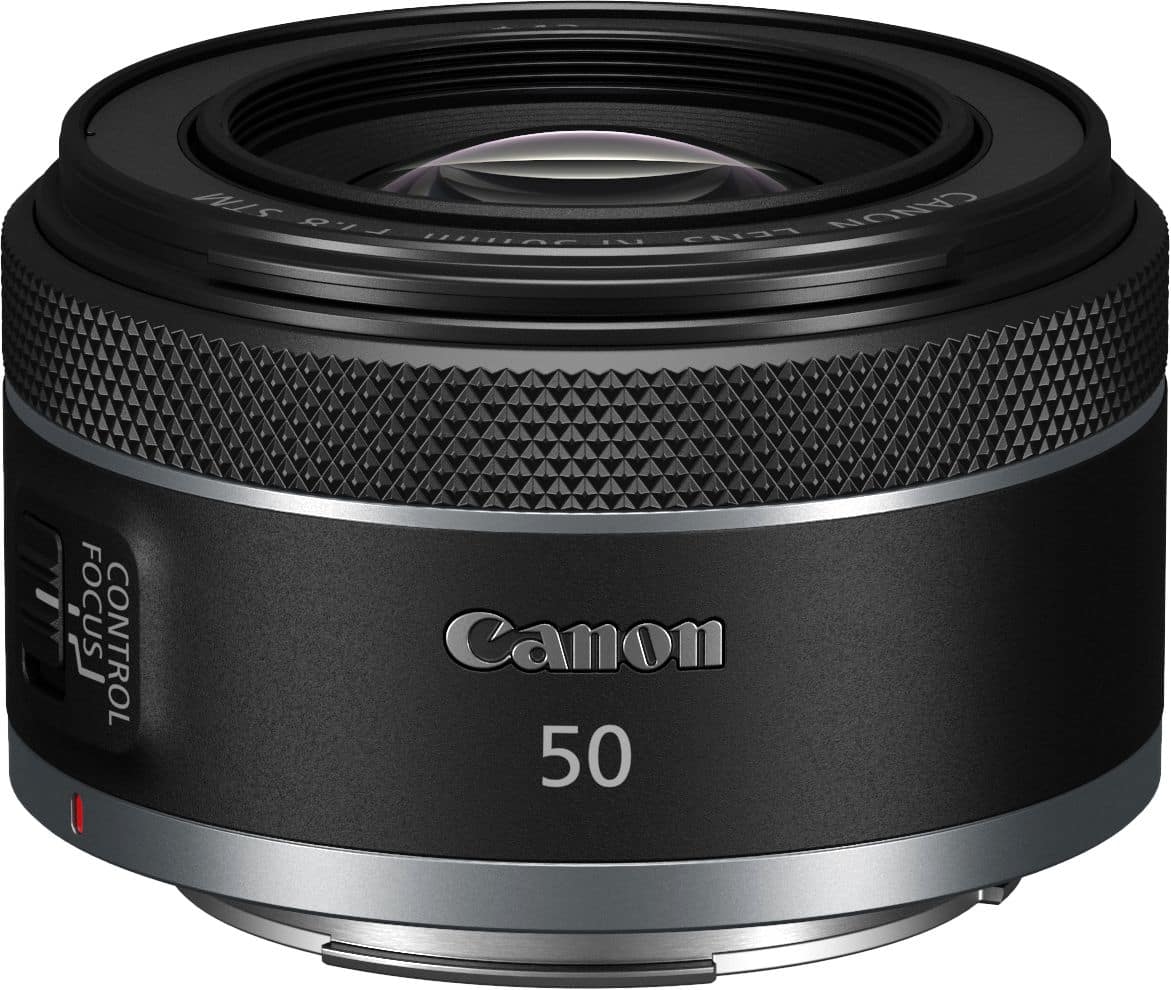
Canon - RF50mm F1.8 STM Standard Prime Lens for EOS R-Series Cameras - Black
SKU: J7C86S6HVKSee all Mirrorless Prime LensesProduct Description
A compact black standard prime lens with f/1.8 aperture, ideal for portraits, bokeh, and low-light photography.Your price for this item is $219.99Save $20The previous price was $239.99 -
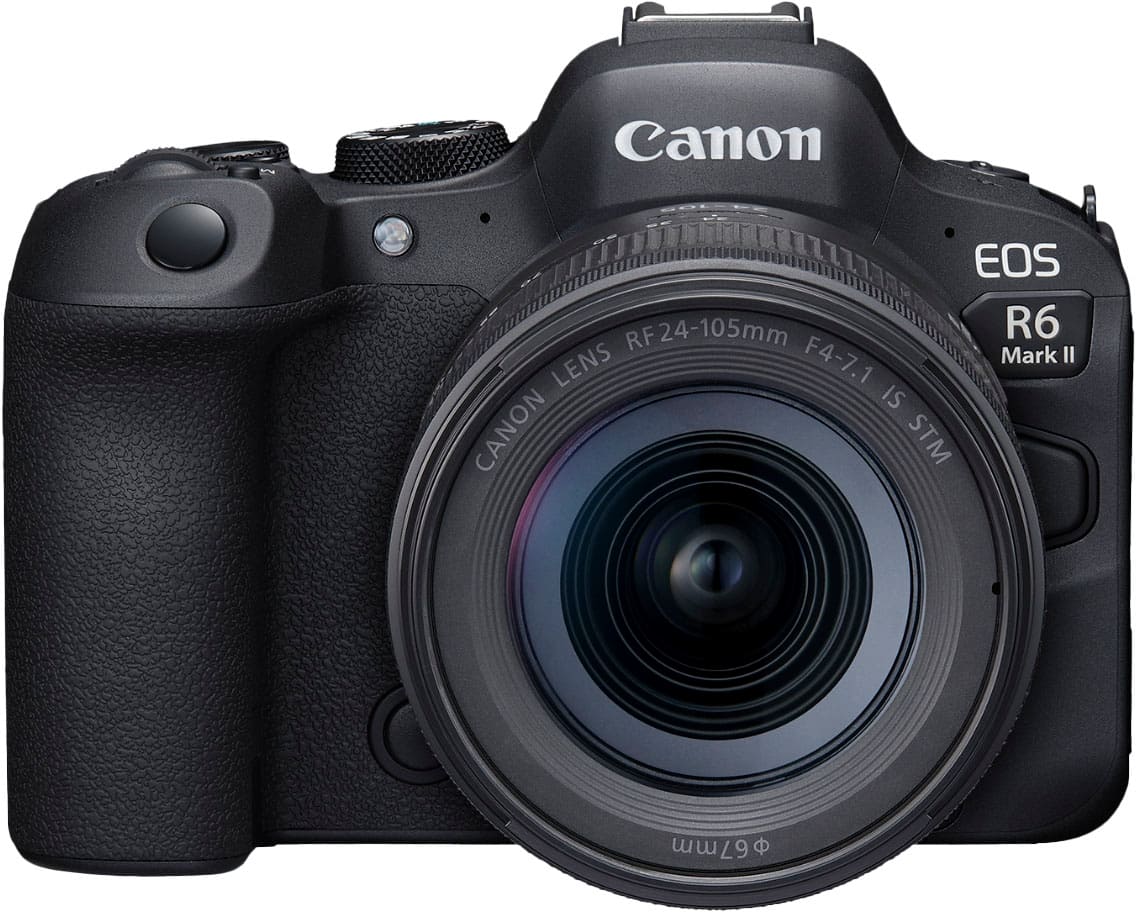
Canon - EOS R6 Mark II Mirrorless Camera with RF24-105mm f/4-7.1 IS STM Lens - Black
SKU: J7C86SRLLLSee all Mirrorless CamerasProduct Description
A versatile black mirrorless camera with 24MP full-frame CMOS sensor, 4K video, and RF24-105mm IS STM lens.Your price for this item is $2,399.00Save $200The previous price was $2,599.00 -
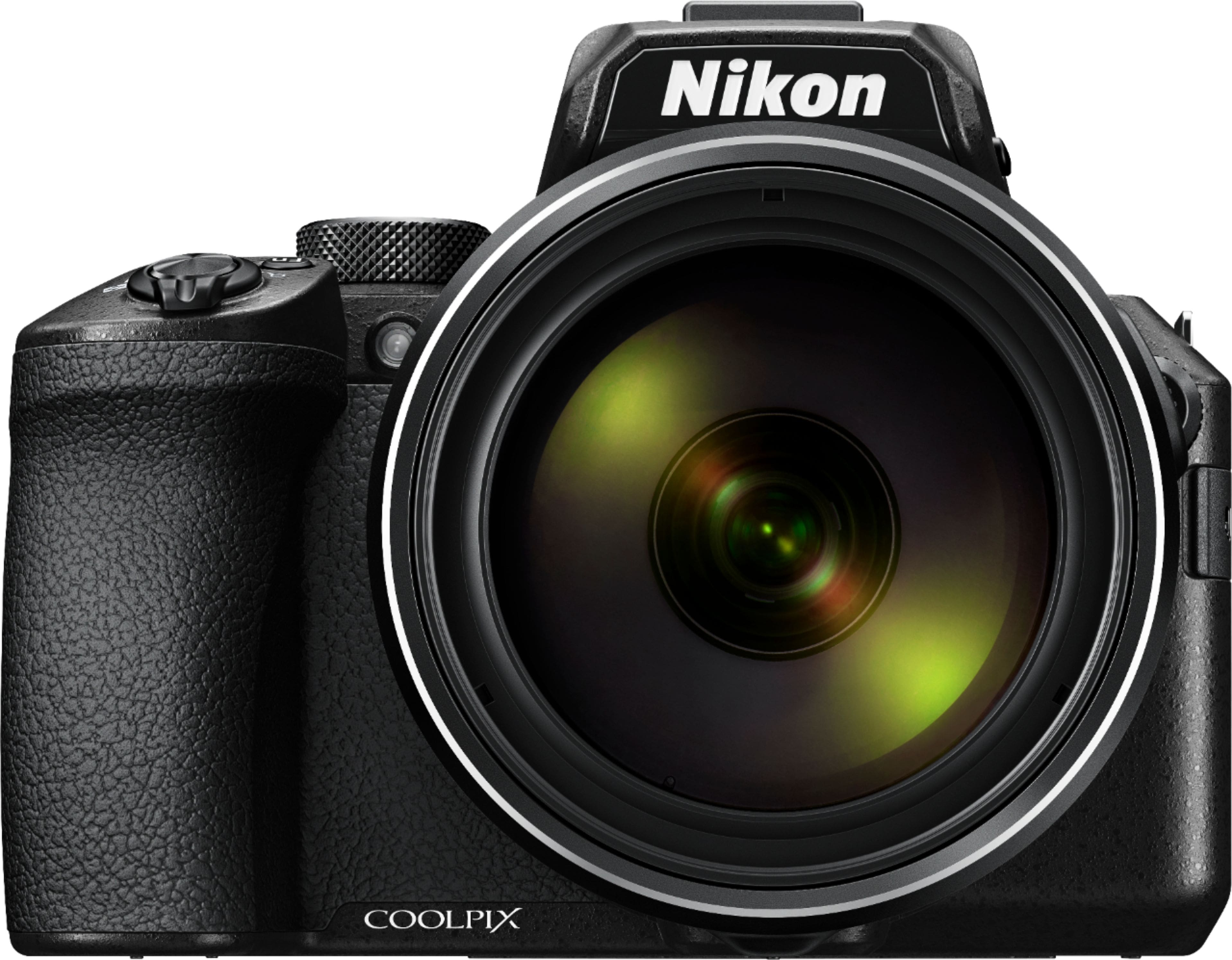
Nikon - Coolpix P950 16.0-Megapixel Digital Camera - Black
SKU: J7CVR62V6XSee all Point & Shoot CamerasProduct Description
A black digital camera with 16MP CMOS sensor, 4K video, VR stabilization, and dynamic fine zoom.Your price for this item is $849.95 -
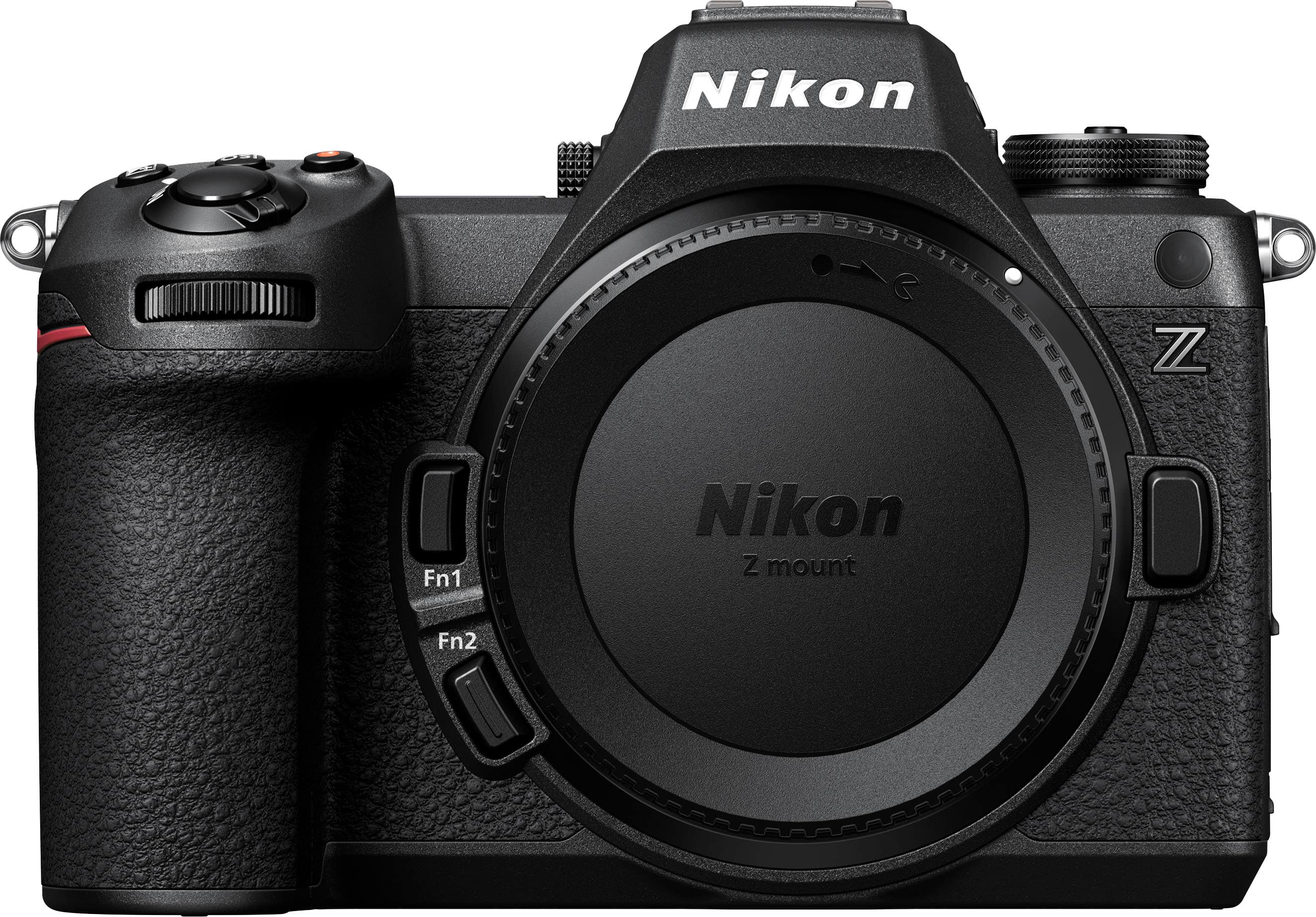
Nikon - Z6III FX-format Mirrorless Camera Body - Black
SKU: J7CVR9638JSee all Mirrorless CamerasProduct Description
A black mirrorless camera featuring a 24.5MP stacked CMOS sensor, advanced autofocus, and 6K video recording.Your price for this item is $1,999.95Save $700The previous price was $2,699.95 -
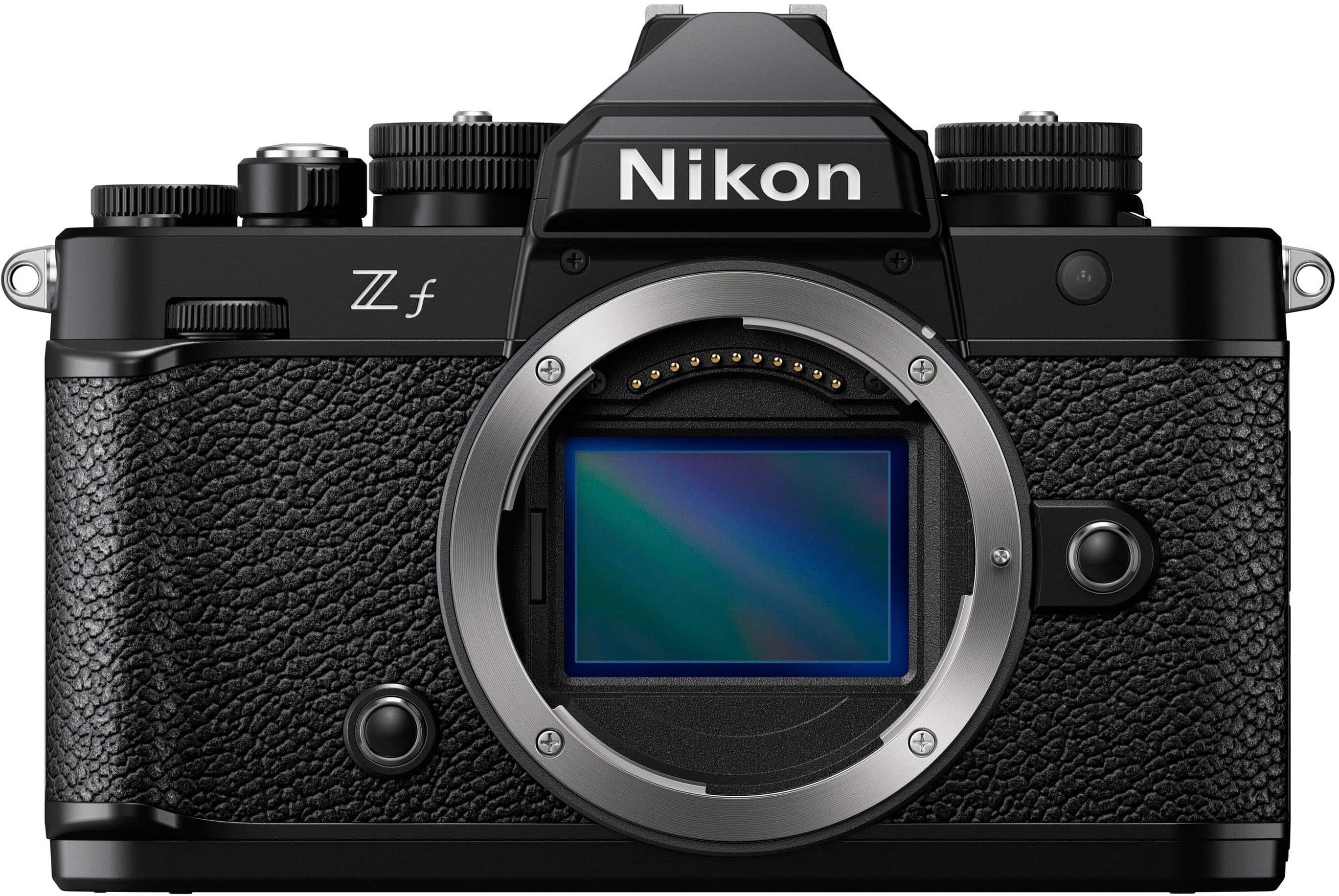
Nikon - Z f 4K Video Mirrorless Camera (Body Only) - Black
SKU: J7CVR962XRSee all Mirrorless CamerasProduct Description
A black full-frame mirrorless camera offering 24MP resolution, 4K video, advanced autofocus, and image stabilization.Your price for this item is $2,049.95Save $150The previous price was $2,199.95 -
Canon - RF70-200mm F2.8 L IS USM Z Hybrid Zoom Lens for Use with EOS R-Series Cameras - White
SKU: J7C86SHPXWSee all Mirrorless Long-Range Zoom LensesProduct Description
A white telephoto zoom lens with f/2.8 aperture, internal zoom, and image stabilization for EOS R-Series cameras.Your price for this item is $3,459.95 -
Nikon - ZR Full-frame Mirrorless Cinema Camera 50mm Lens Standard Kit, for Z Mount Lenses - Black
SKU: J7CVR96GHHSee all Mirrorless CamerasProduct Description
A black full-frame cinema camera kit featuring a 50mm f/1.4 lens, 6K video, and advanced autofocus.Your price for this item is $2,646.95Save $103The previous price was $2,749.95 -
Bundle - Leica - D-Lux 8 Compact Digital Camera, 17MP 4/3" CMOS Sensor + 64GB Memory Card + More
SKU: J7QPQZTHR4See all Digital CamerasProduct Description
A compact black digital camera with a 17MP CMOS sensor, fast autofocus, 4K video, and versatile lens.Your price for this item is $2,819.95 -
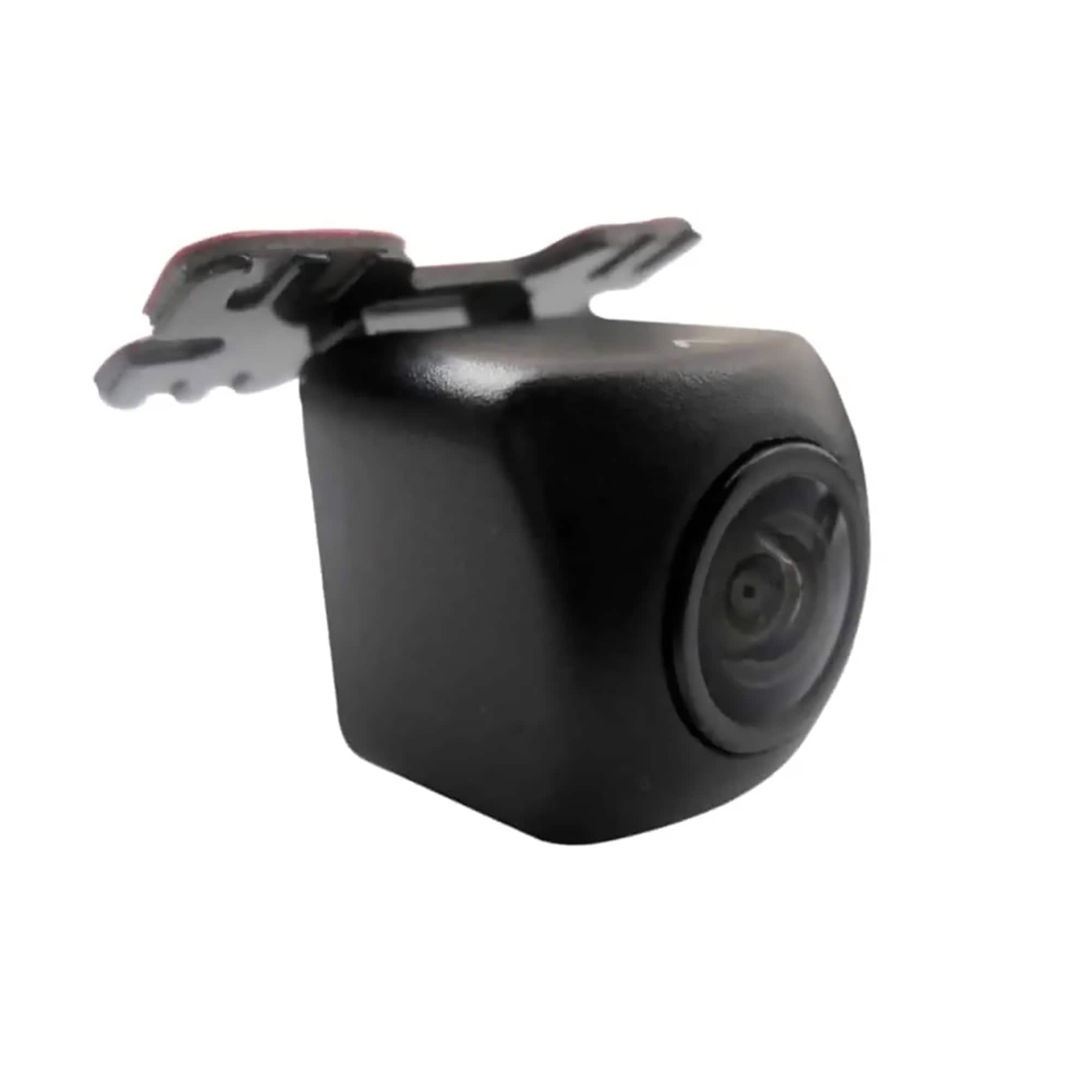
Pioneer - NTSC Universal Backup Camera - Black
SKU: J3KVTTHLL3See all Back-Up CamerasProduct Description
A black universal backup camera offering wide-angle views, high resolution, glare reduction, and enhanced low-light performance.Your price for this item is $99.99 -
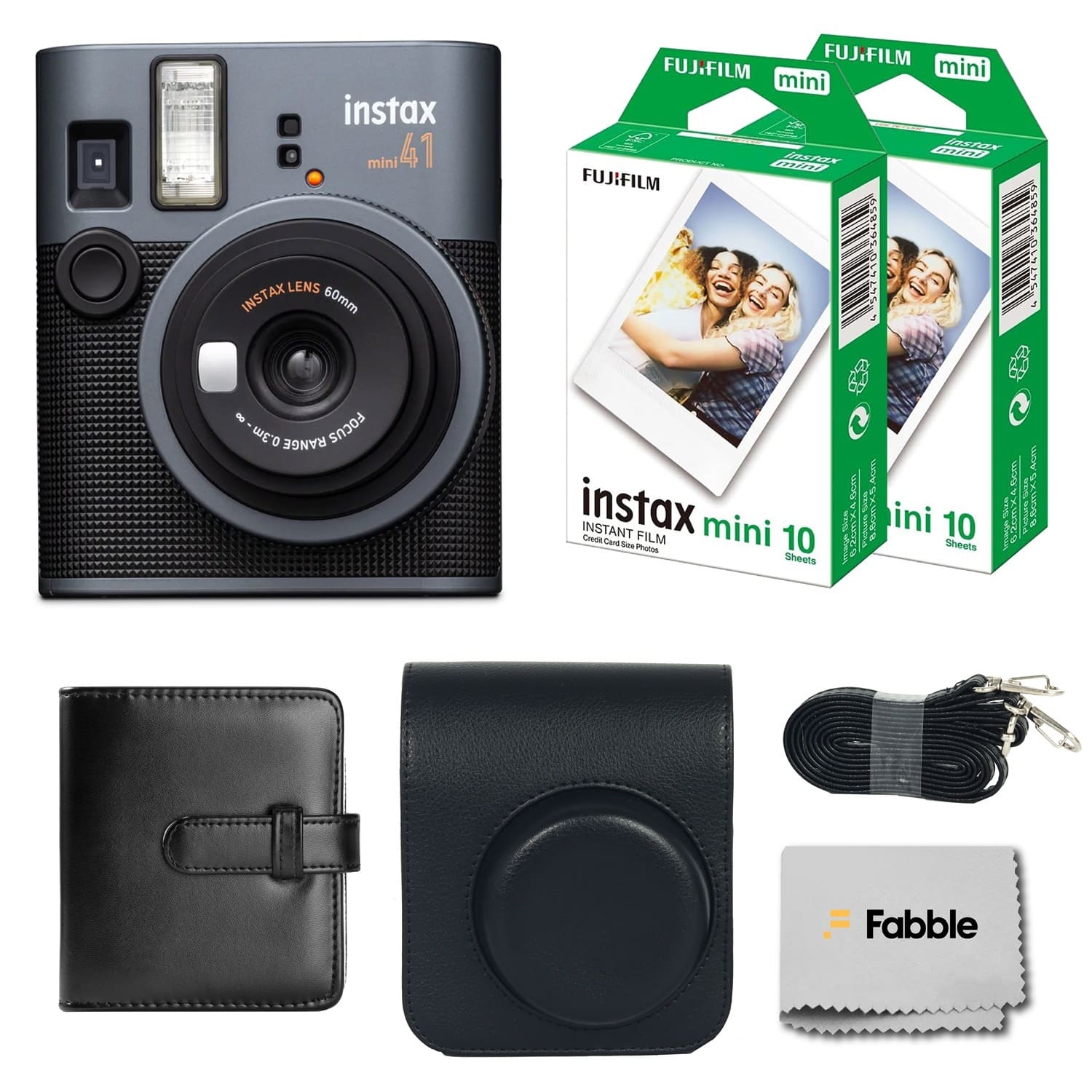
Fujifilm - Instax Mini 41 Instant Film Camera Bundle with Groovy Case, Twin Pack Film 20 Sheets, Photo Album 32 Photos
SKU: J3GWYJJ24PSee all Instant Print CamerasProduct Description
A retro-inspired instant film camera bundle with automatic exposure, groovy case, twin pack film, and photo album.Your price for this item is $149.95


Best Sellers



Related Pages


FAQ
When choosing a low light camera, look for features such as a large sensor size, wide aperture lenses (low f-number), advanced image stabilization, high ISO performance, and effective noise reduction technology. These features help capture clearer, brighter images in dim environments.
Both mirrorless cameras and DSLRs can perform well in low light, but many modern mirrorless cameras offer advanced sensor technology and in-body image stabilization, which can give them an edge in challenging lighting conditions. However, the best choice often depends on the specific model and your photography needs.
Yes, many recent smartphones feature advanced low light modes, larger sensors, and AI-powered image processing that enable them to capture impressive photos in dim conditions. However, dedicated cameras still generally offer superior image quality and flexibility for serious low light photography.
A wide aperture lens (such as f/1.8 or f/1.4) allows more light to reach the camera sensor, which is crucial for capturing brighter, clearer images in low light. It also enables faster shutter speeds and helps achieve a pleasing background blur, or bokeh, in your photos.
ISO measures a camera sensor's sensitivity to light. Higher ISO settings make it easier to capture images in low light, but can also introduce noise or grain. Cameras with high ISO capabilities and effective noise reduction produce cleaner, more detailed photos in dim environments.