TV Brightness
-
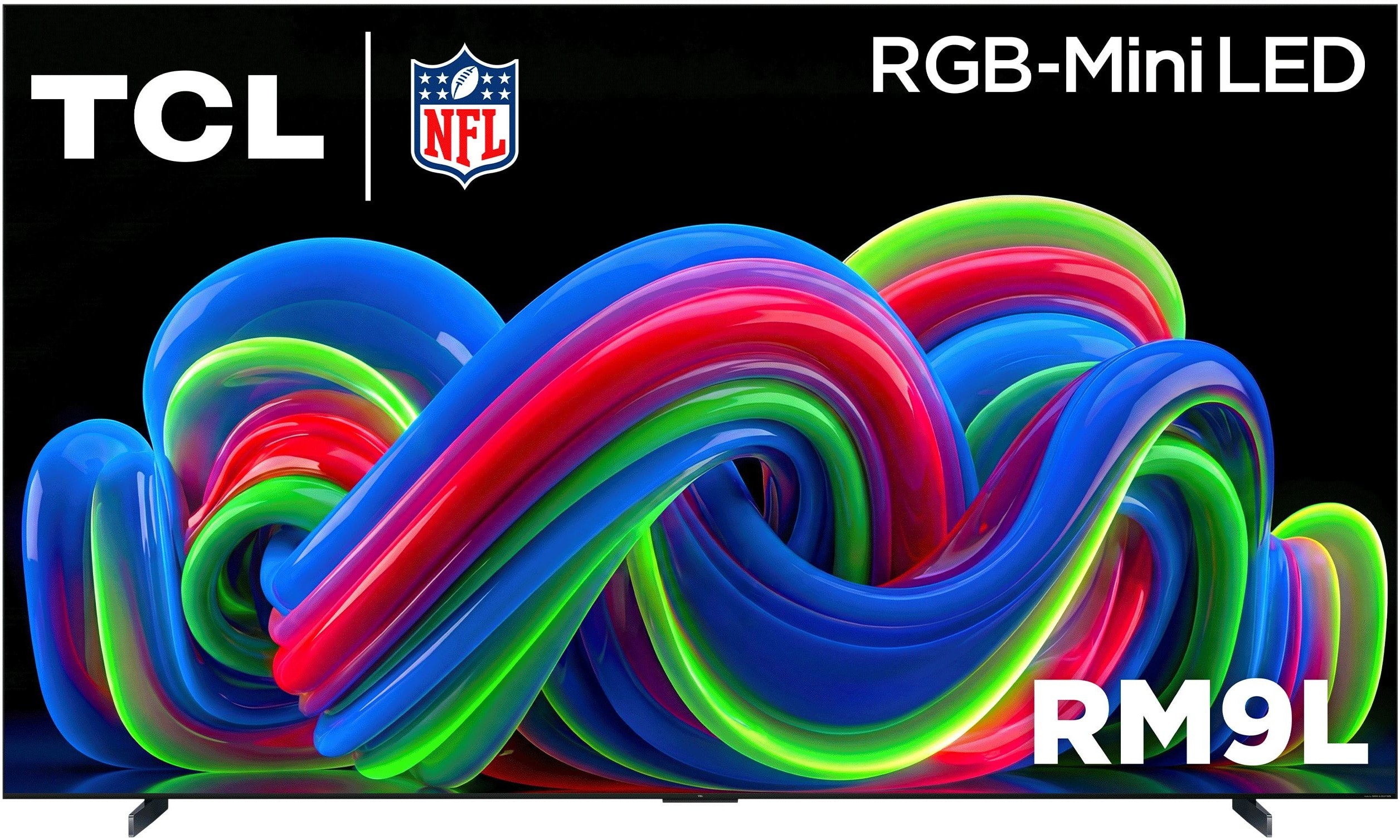
TCL - 115" Class RM9L Series 4K UHD HDR RGB-Mini LED Smart TV with Google TV (2026)
SKU: J36QYTH3KKLooks and works great with built Google apps, Sony 4k Blu-Ray player, PS5 Pro, Switch 2, and Steam machine
See all All Flat-Screen TVsProduct Description
An ultra-premium RGB Mini-LED smart TV in black with 4K HDR, 144Hz refresh, and immersive Dolby Atmos audio.Your price for this item is $19,999.99Save $5000The previous price was $24,999.99 -
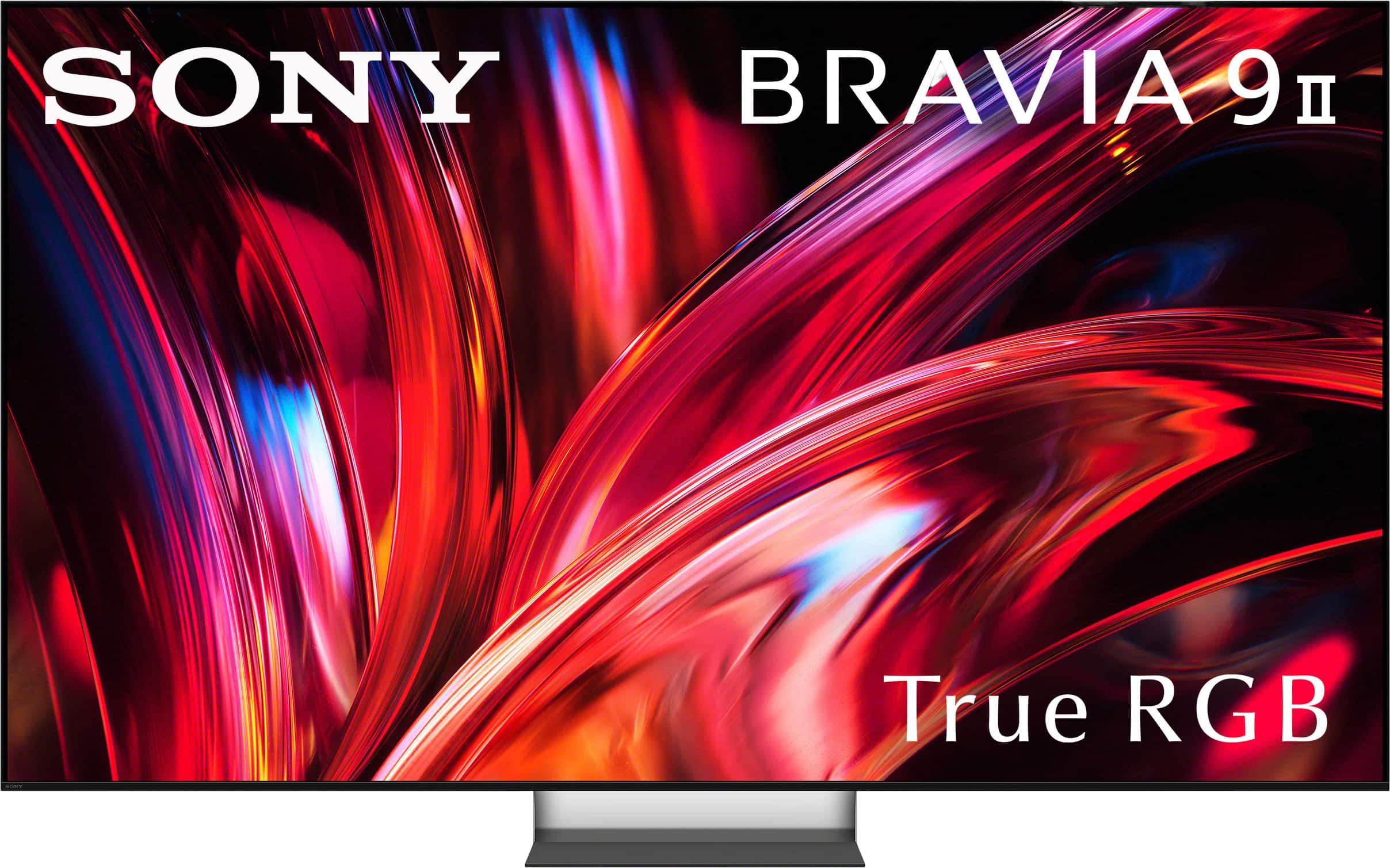
Sony - 65" Class BRAVIA 9 II True RGB 4K HDR Google TV with Gemini and Anti-Glare screen
SKU: J7XSRH54TJGreat TV...I absolutely love my Sony BRAVIA 9 II True RGB 4K HDR TV!...Easily one of the best TVs I've ever owned....Great Picture...This is the best T V I've ever purchased great picture and sound although...
See all All Flat-Screen TVsProduct Description
A premium black 4K HDR smart TV with True RGB, anti-glare screen, Dolby Vision, and Google TV.Your price for this item is $3,599.99 -
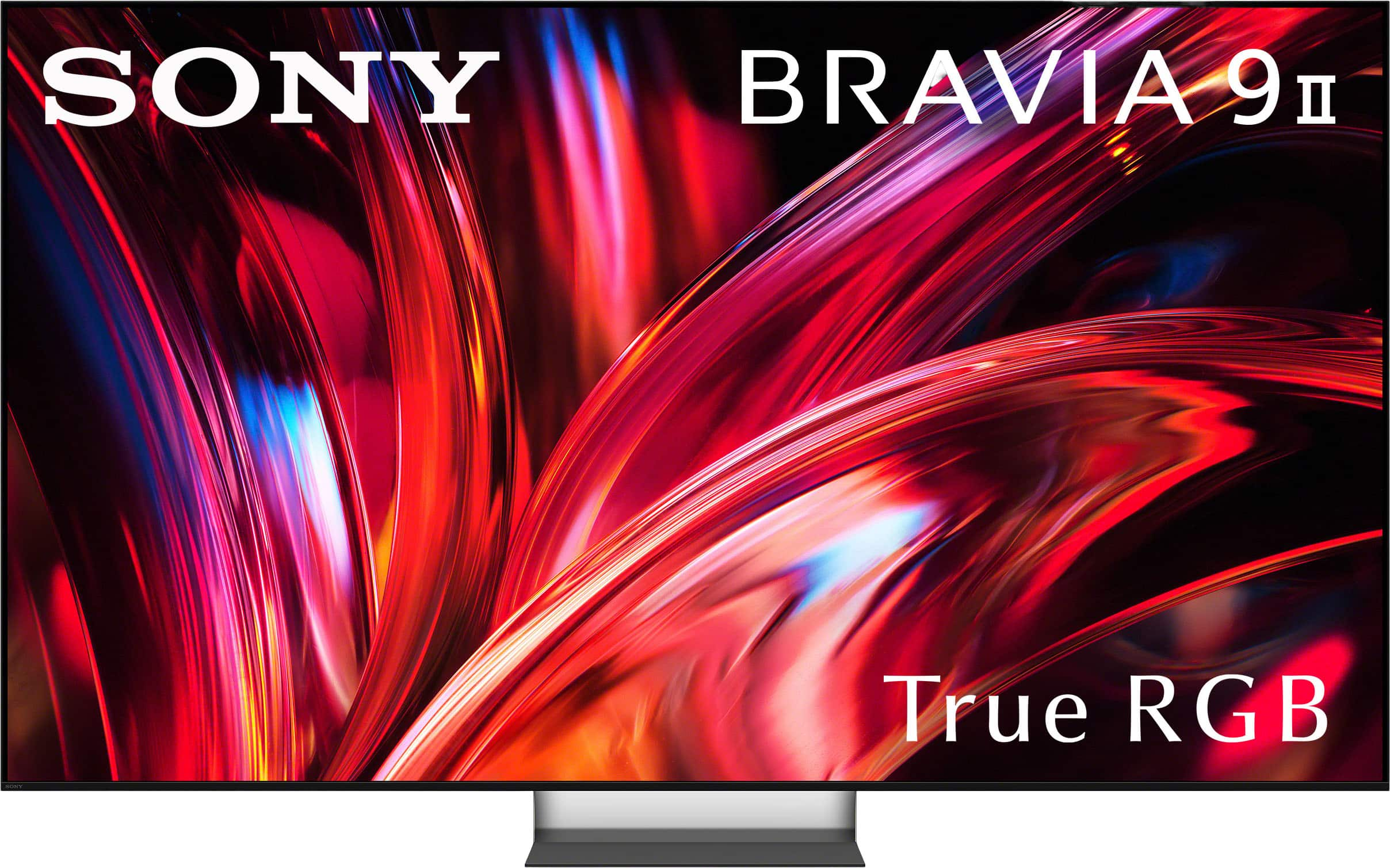
Sony - 75" Class BRAVIA 9 II True RGB 4K HDR Google TV with Gemini and Anti-Glare screen
SKU: J7XSRH54HKLove reaching movies in HDR on this tv the peak brightness makes a huge difference....I had best viewing experience. Picture is clear and brightness that I expected....Great Product...Great for HDR
See all All Flat-Screen TVsProduct Description
A premium black smart TV with True RGB 4K HDR, anti-glare screen, Dolby Vision, and Google TV.Your price for this item is $4,599.99 -
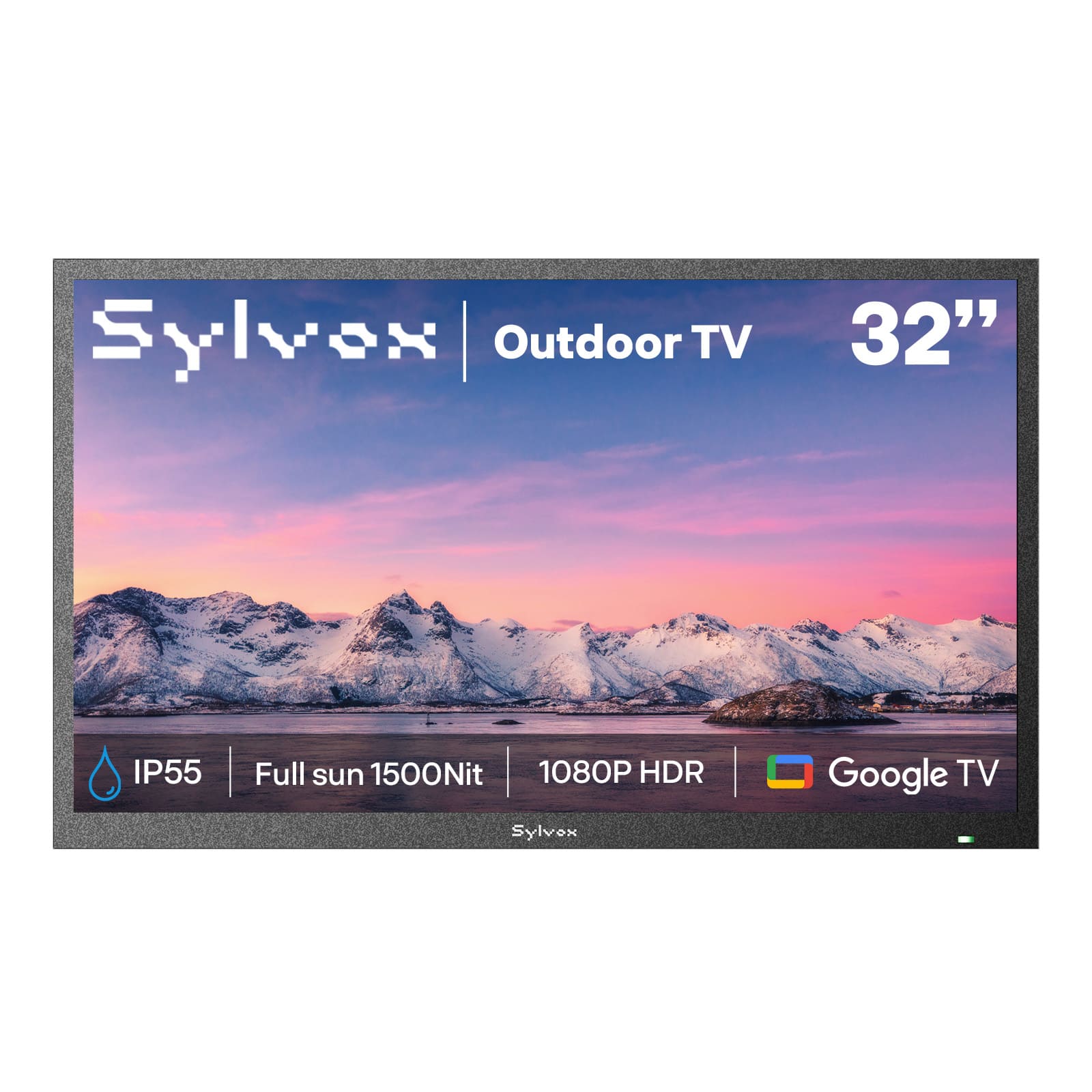
Sylvox - 32-Inch Full Sun Outdoor Smart TV, 1080P FHD 1500 Nits Brightness, IP55 Weatherproof TV (Pool SE)
SKU: J3R8588L5KSee all Outdoor TVsProduct Description
A weatherproof outdoor smart TV with a 1500-nit 1080P FHD display, dual speakers, and Google TV.Your price for this item is $1,299.00
Best Sellers


Related Pages




FAQ
TV brightness refers to how much light a television screen can produce. It is usually measured in nits, with higher numbers indicating a brighter display. A brighter TV can make images more vivid, especially in well-lit rooms.
Higher TV brightness can enhance picture quality by making colors appear more vibrant and improving visibility in bright environments. It also helps with displaying high dynamic range (HDR) content more effectively, revealing more detail in both dark and bright areas.
While higher brightness can improve visibility in bright rooms and enhance HDR content, it may not always be necessary for every viewing environment. In darker rooms, extremely high brightness might cause eye strain or make images look washed out. It's best to choose a TV brightness level that matches your room's lighting conditions.
Most TVs allow you to adjust brightness through the on-screen menu, usually found under 'Picture' or 'Display Settings.' You can increase or decrease the brightness to suit your preferences and room lighting. Some TVs also offer preset picture modes optimized for different environments.
Brightness refers to the overall light output of the TV, while contrast is the difference between the darkest blacks and brightest whites the TV can display. Both settings work together to create a balanced and clear picture, but adjusting one does not automatically change the other.