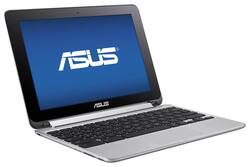
- Key Specs
- Screen Size: 10.1 inches (Size of the screen, measured diagonally from corner to corner.)
- Screen Resolution: 1280 x 800 (WXGA) (Screens come in a range of resolutions (measured in pixels, horizontal x vertical). The higher the resolution, the greater the picture quality.)
- Touch Screen: true (Touch-screen devices make navigating more intuitive. Using a touch-screen display, you can do things such as tap to select, hold and drag to move items, swipe to scroll, and pinch to zoom.)
- Processor Model: Rockchip (Your computer's processor is like its brain. Working in combination with system memory, the power of the processor determines the complexity of software you can run, how many programs you can have open at the same time, and how fast those programs will run. Most computers feature an AMD, Intel or Snapdragon processor.)
- Storage Type: eMMC
- System Memory (RAM): 4 gigabytes (Random-access memory (RAM) is a computing device's short-term data storage, which allows active information to be accessed quickly. The size and type of RAM determines how efficiently the device can handle large amounts of information at one time. For example, gaming or video editing requires more RAM for optimal performance.)
- 2-in-1 Design: true (A laptop and a tablet combined in one lightweight, portable device. Sometimes referred to as "convertible" or "hybrid" laptops, these devices deliver the processing power and keyboard of a laptop. When you're ready to play, either detach the screen or fold your 2-in-1 into tablet mode to comfortably watch movies, play games, read an e-book and more.)
- Backlit Keyboard: false (Integrated lights allow for visibility of the keys in low-light conditions.)
- General
- Product Name: Flip 2-in-1 10.1" Touch-Screen Chromebook - Rockchip Cortex - 4GB Memory - 16GB Flash Memory
- Model Number: C100PADB02
- Display
- Screen Size: 10.1 inches (Size of the screen, measured diagonally from corner to corner.)
- Screen Resolution: 1280 x 800 (WXGA) (Screens come in a range of resolutions (measured in pixels, horizontal x vertical). The higher the resolution, the greater the picture quality.)
- Touch Screen: true (Touch-screen devices make navigating more intuitive. Using a touch-screen display, you can do things such as tap to select, hold and drag to move items, swipe to scroll, and pinch to zoom.)
- Processor
- Processor Brand: Rockchip
- Processor Model: Rockchip (Your computer's processor is like its brain. Working in combination with system memory, the power of the processor determines the complexity of software you can run, how many programs you can have open at the same time, and how fast those programs will run. Most computers feature an AMD, Intel or Snapdragon processor.)
- Processor Model Number: Rockchip R3288C
- Storage
- Storage Type: eMMC
- eMMC Capacity: 16 gigabytes (The amount of data that can be stored on the device's embedded Multimedia Card (eMMC). eMMC is a flash-based storage used in smartphones and personal computers; it typically has a smaller capacity than HDD or SSD storage.)
- Hard Drive RPM: 5400 revolutions per minute (A hard drive's data is stored on disks, or platters, that spin while transferring information to the host system. The higher the RPM, the faster the hard drive's performance.)
- Hard Drive Accelerator: None (A module integrated (or added) into a PC to improve performance speed. By acting as a high-speed cache, an accelerator speeds up access times to the hard drive, which results in faster web browsing, improved gaming experience, and overall more responsiveness.)
- Memory
- System Memory (RAM): 4 gigabytes (Random-access memory (RAM) is a computing device's short-term data storage, which allows active information to be accessed quickly. The size and type of RAM determines how efficiently the device can handle large amounts of information at one time. For example, gaming or video editing requires more RAM for optimal performance.)
- Type of Memory (RAM): LPDDR3 (Each type of RAM delivers a different level of speed, bandwidth, energy efficiency and performance.)
- System Memory RAM Speed: 533 megahertz (How fast the information-storing hardware operates. The faster the RAM, the faster memory can be transferred to other system components. Ultimately, faster RAM improves operational efficiency.)
- Number of Memory Sticks Included: 0
- System Memory RAM Expandable To: 4 gigabytes (Adding more random-access memory (RAM) to a computer speeds up performance and improves efficiency. Upgrades to memory are limited by the number of expansion slots for additional RAM and existing RAM installed on the device.)
- Compatibility
- Operating System: Chrome OS (The operating system manages all software and hardware, including files, memory and connected devices. Most importantly, it lets you interact with your device and your programs in a visual way; otherwise, you'd be typing computer code to get anything done.)
- Operating System Architecture: 64-bit (An operating system (OS) manages computer hardware, software resources, and programs in conjunction with the system's processor. 64-bit operating systems can handle more data at once than 32-bit systems, resulting in faster speeds, more effiency, and overall improved performance.)
- Connectivity
- Number of Thunderbolt Ports (Total): 0
- Number of VGA Ports: 0 (VGA (Video Graphics Adapter or Video Graphics Array) is a display standard that transmits via analog signals. This type of interface is typically used to connect a computer to a display device such as a monitor, projector, or TV.)
- Power
- Battery Cells: 3-cell
- Battery Capacity: 31 milliampere hours (The amount of energy stored in the battery.)
- Expansion
- Number of M.2 Slots: 0 (This interface is most commonly used for high-speed solid state drives (SSDs), and is often used in laptops due to its small size.)
- Number Of Internal 2.5" Bays: 0
- Camera
- Front-Facing Camera: true
- Features
- 2-in-1 Design: true (A laptop and a tablet combined in one lightweight, portable device. Sometimes referred to as "convertible" or "hybrid" laptops, these devices deliver the processing power and keyboard of a laptop. When you're ready to play, either detach the screen or fold your 2-in-1 into tablet mode to comfortably watch movies, play games, read an e-book and more.)
- Backlit Keyboard: false (Integrated lights allow for visibility of the keys in low-light conditions.)
- Customizable Keyboard Lighting: No
- Touchpad Type: Multi-touch gesture support
- Media Card Reader: true (A hardware device that allows for access to data on a memory card and enables the transfer of its files to a computer. These devices may have one or multiple slots for various types of memory cards, and may be integrated into the computer or available as an external device.)
- Customizable Case Lighting: false
- Audio Technology: Built in Stereo speakers and Digital Microphone
- Speaker Type: Built-in stereo
- Cable Lock Slot: Kensington Security Slot (K-Slot)
- Stylus Dock: None
- Casing Material: Plastic
- Dimensions
- Product Height: 10.1 inches (The out of box height of the item. Height is measured as the vertical distance from the bottom of the item to the top as it would be primarily used or placed.)
- Product Width: 10.1 inches (The out of box width of the item. Width is measured as the horizontal distance from one side of the item to the other as it would be primarily used or placed.)
- Product Depth: 7.2 inches (The out of box depth of the item. Depth is measured as the distance from the front of the item to the back as it would be primarily used or placed.)
- Certifications Listings & Approvals
- ENERGY STAR Certified: true (Devices carrying the ENERGY STAR service mark, such as computer products and peripherals, kitchen appliances, and other products, generally use 20% to 30% less energy than required by federal standards.)
- EPEAT Qualified: false (The Electronic Product Environmental Assessment Tool (EPEAT) was designed to provide an environmental assessment tool for purchasers. In order to qualify for EPEAT, a product must meet all 23 required criteria.)
- Included
- Included Software: N/A
- Numeric Keypad: false
- Stylus Included: false
- Other
- UPC: 889349109946

Learn more about Chromebooks ›

- Google Chrome OS: Automatically downloads and installs security and software updates, so you don't have to waste your time managing patches and waiting for restarts.
- 10.1" HD touch-screen display: Multitouch gesture control allows accurate response. 1280 x 800 native resolution. IPS technology for wide viewing angles.
- Rockchip Cortex A17 processor: Quad-core processing.
- 4GB system memory for basic multitasking: Adequate high-bandwidth RAM to smoothly run multiple applications and browser tabs all at once.
- 16GB flash memory: This ultracompact memory system is ideal for mobile devices and applications, providing enhanced storage capabilities, streamlined data management, quick boot-up times and support for high-definition video playback.
- Convertible design: 360° rotating technology lets you switch from a Chromebook to a tablet with ease.
- Built-in Cloud support: Easily save your files to your Google Drive account for secure access wherever you go. You can also sync with your other devices running Chrome and even work offline when needed. Fees may apply.
- ARM Mali-T764 graphics: For efficient performance.
- Weighs 2.0 lbs. and measures 0.6" thin: Ultraportable design, featuring a smaller screen size and omitting the DVD/CD drive to achieve the compact form factor. Lithium-polymer battery.
- Bluetooth 4.1 interface syncs with compatible devices: Wirelessly transfer photos, music and other media between the laptop and your Bluetooth-enabled cell phone or MP3 player, or connect Bluetooth wireless accessories.
- 2 USB ports: Quick plug-and-play connectivity for your devices and accessories.
- Built-in media reader for simple photo transfer: Supports microSDHC, microSDXC and microSD memory card formats.
- Next-generation wireless connectivity: Connects to your network or hotspots on all current Wi-Fi standards. Connect to a Wireless-AC router for speed nearly 3x faster than Wireless-N.
- Integrated webcam: Allows you to video chat with family and friends or collaborate with coworkers over Google Hangouts.
- Full-size, 1-piece keyboard: Offers a responsive, high-quality mechanism for accurate typing. Touchpad with multitouch gesture support.
Whats Included
- Flip 2-in-1 10.1" Touch-Screen Chromebook - Rockchip Cortex - 4GB Memory - 16GB Flash Memory
- Lithium-polymer battery
- AC adapter
- Owner's manual
Q: Can it be connected to a printer from the USB port? Thx
A: Yes, you can connect a Chrome OS-compatible printer to the USB port.
Q: Does this laptop have an aluminum or plastic chassis?
A: Just checked my daughters computer. It appears and feels to be aluminum.
Q: Does the Asus - Flip 2 in 1 have Disk Drives
A: No this is a Chromebook no disk drive
A: No
Q: Can the internet be accessed using this device?
A: Bluetooth works perfectly just need to connect your WIFI
Q: The keyboard for my asus t100 isnt working. Do you sell the keyboard and at what price?
A: undefined
Q: When was this laptop release?
A: undefined
Q: Can the flash memory be used as RAM?
A: Yes