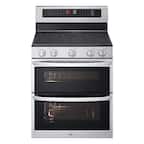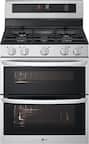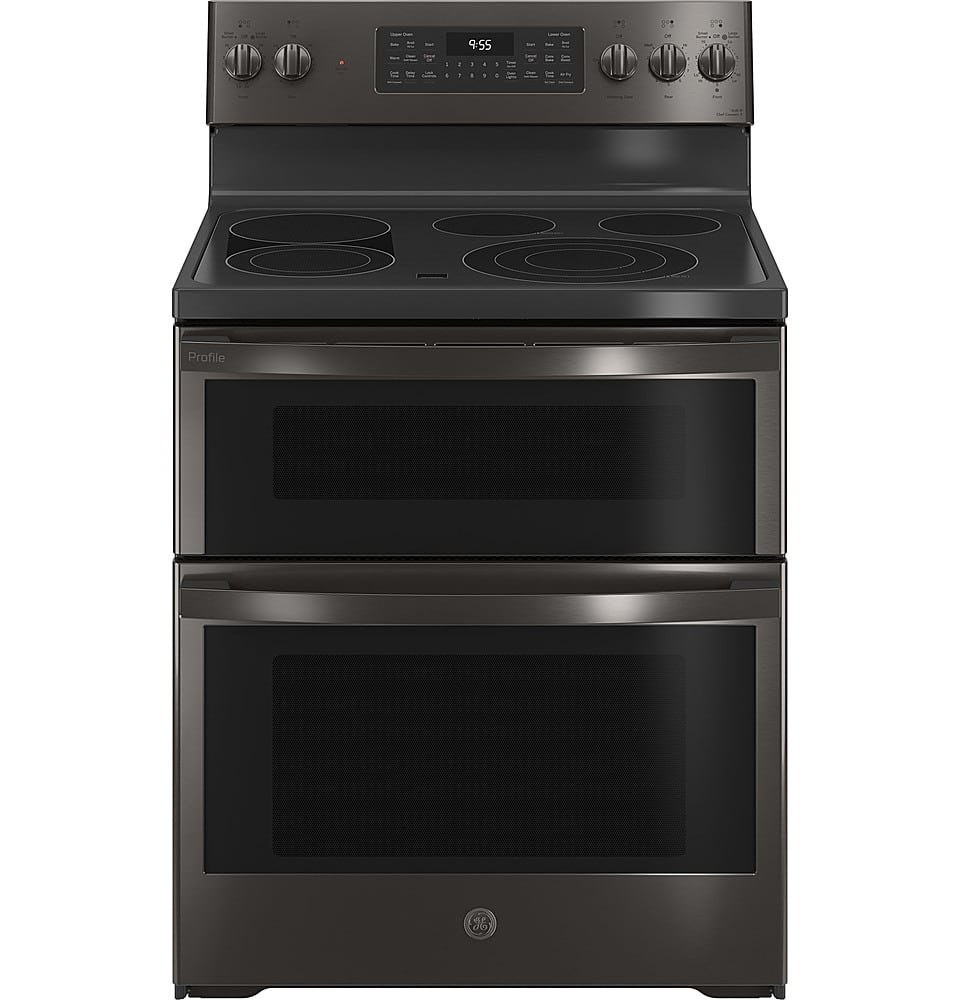
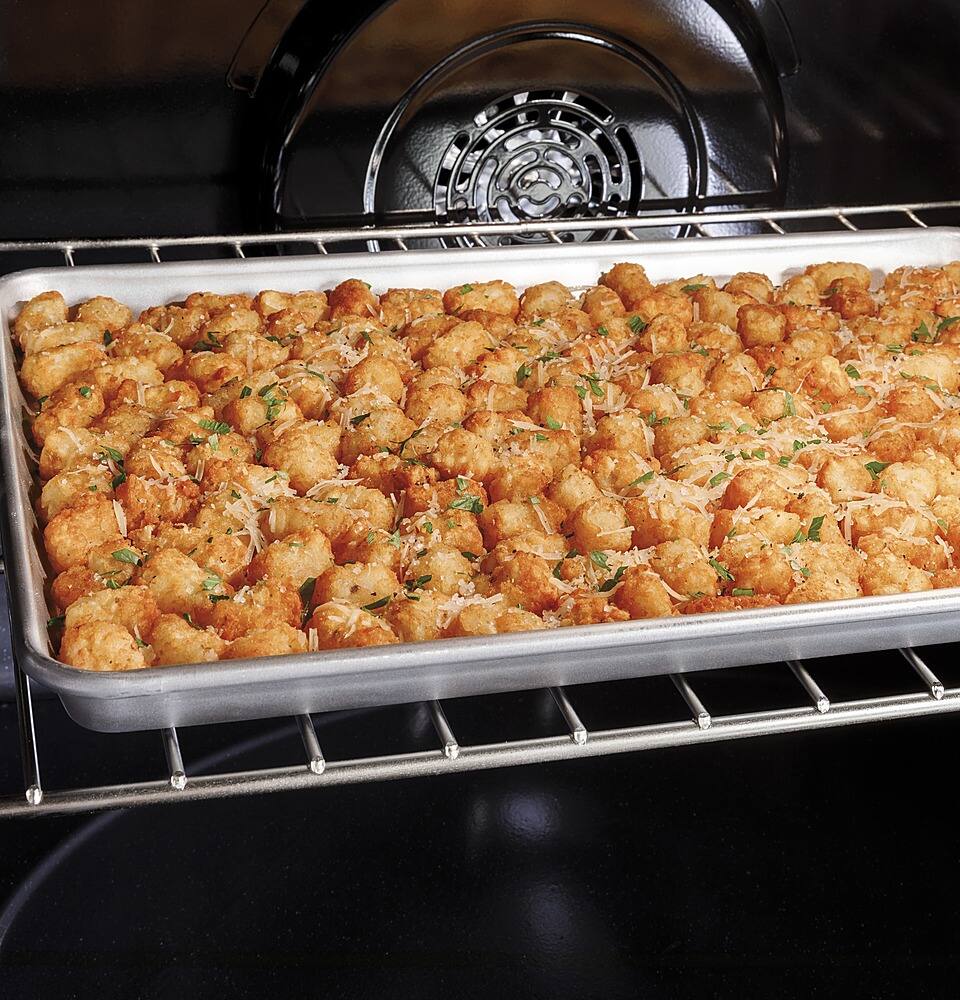
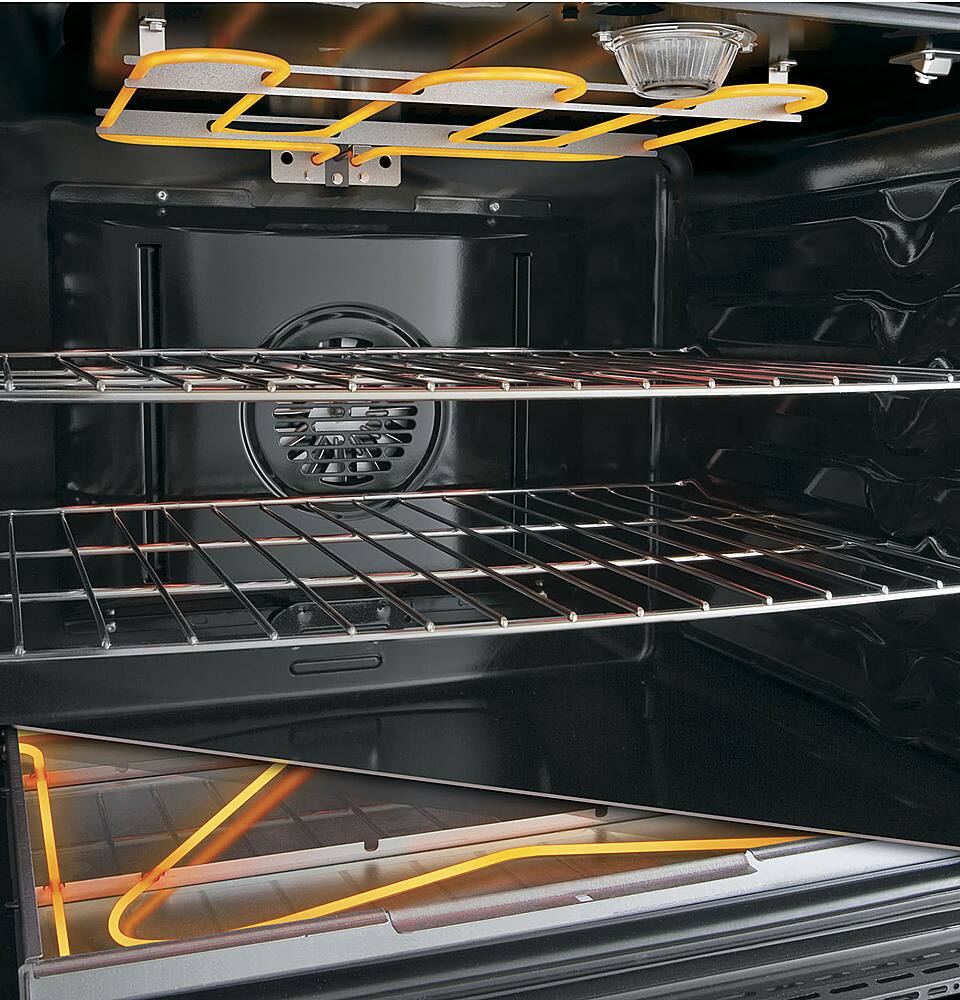




A:AnswerHi there - thank you for taking the time to reach out to us. We can confirm that the difference between a true convection and standard convection oven is a third heating element found within the fan assembly in the back of the oven. This third element is a 2500-watt, double-loop element located in the back wall of the oven, and it surrounds the convection fan. The convection fan with this heating element is able reverse direction to allow air to better circulate around the food. -- We hope this response was helpful, and please let us know if we can help with anything else. Have a great one. - Pablo@GEA
A:AnswerThe top oven is a regular oven.
Important NOTE---------------------
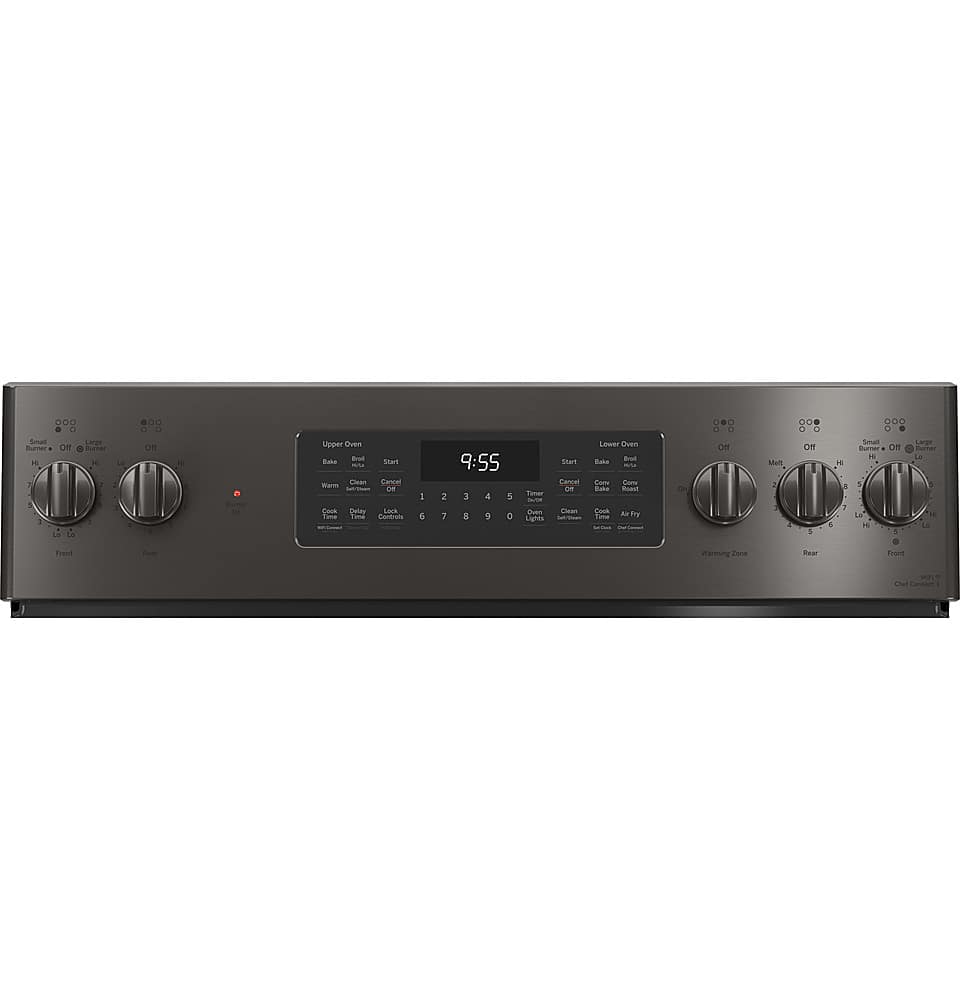
THE TOP OVEN IS THE ONLY ONE WITH A DELAY START OPTION. The Lower Oven has NO delay start option which is a HUGE FAILURE BY GE ENGINEERS.....
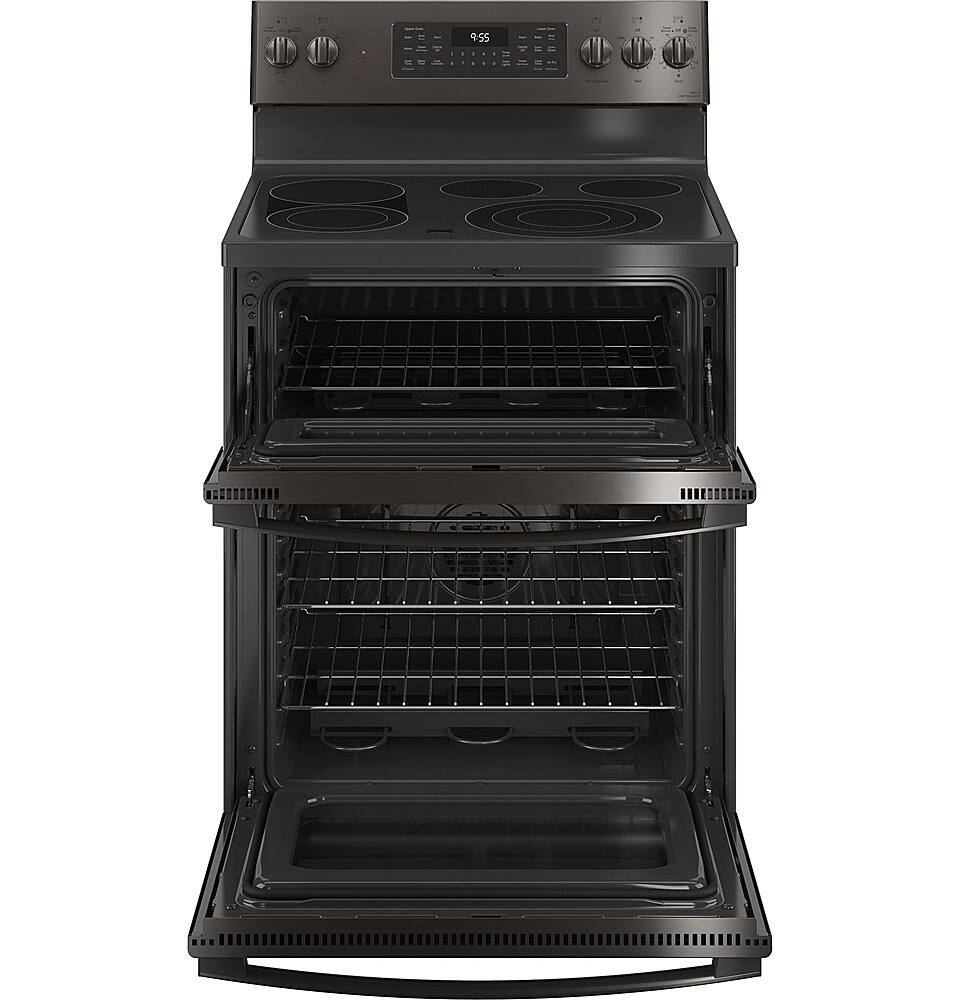
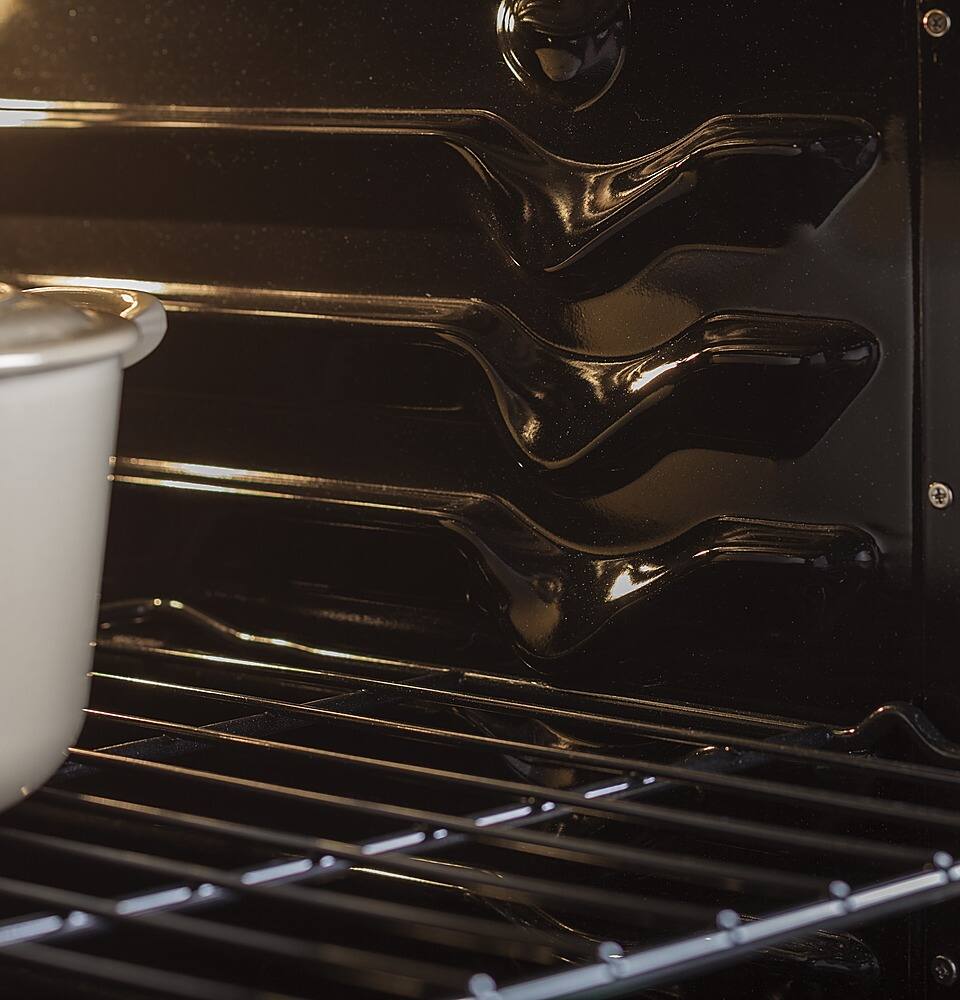
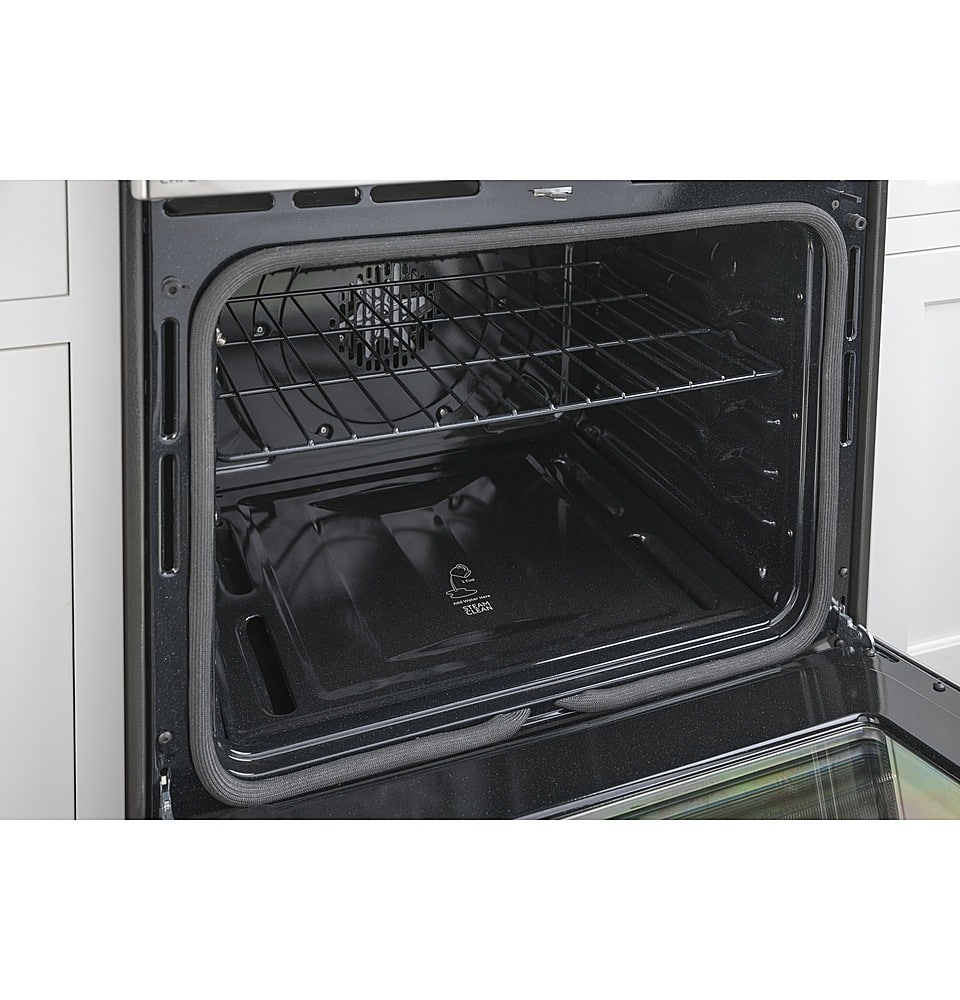
A:AnswerHi there, thanks for taking the time to reach out, we can understand wanting to check. Yes, this mode has hidden bake elements in both the upper and lower ovens. This design places the bake element under the floor of the oven were it is concealed under a non-removable porcelain enameled oven floor. This eliminates hard-to-reach areas that collect food and spills and makes the oven easier to clean. Hope this is helpful! Happy cooking. -Michael@GEA
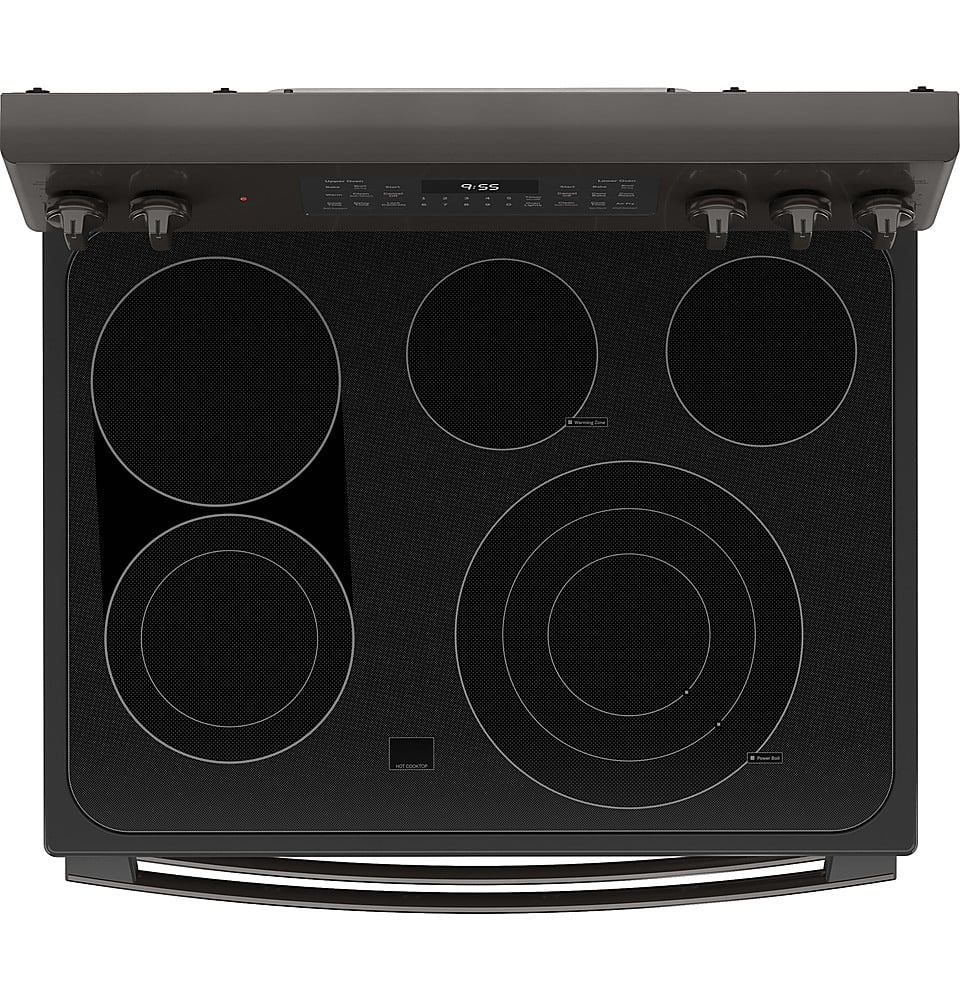
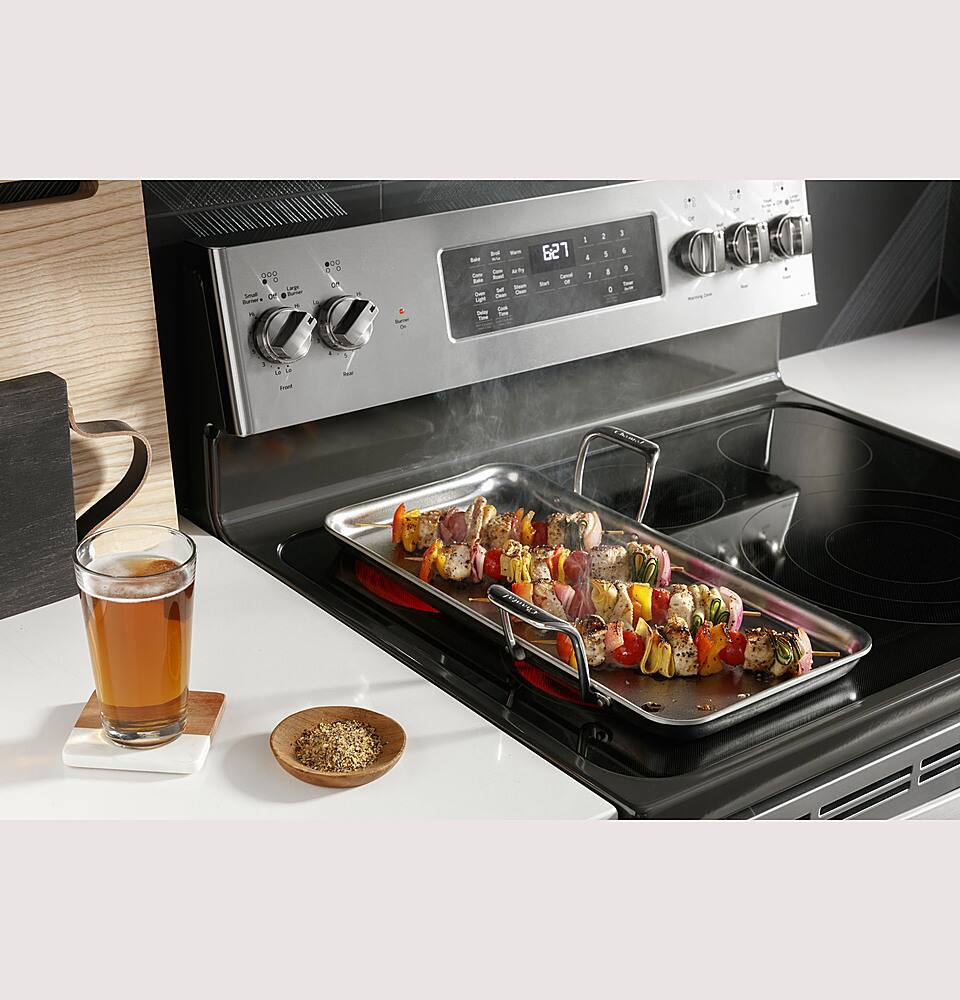
A:AnswerThis lovely range does offer a radiant glass cooktop. Our concerns with using cast iron is two fold. An imperfection, burr, or rough patch may scratch the glass surface. Scratches on glass can't be repaired. The other concerns pertains to how slow cast iron can be to absorb the heat from the burners. Once it does heat up, it's very slow to cool down which makes it more difficult to regulate the temperature. Porcelain enamel coated cast iron will work well.
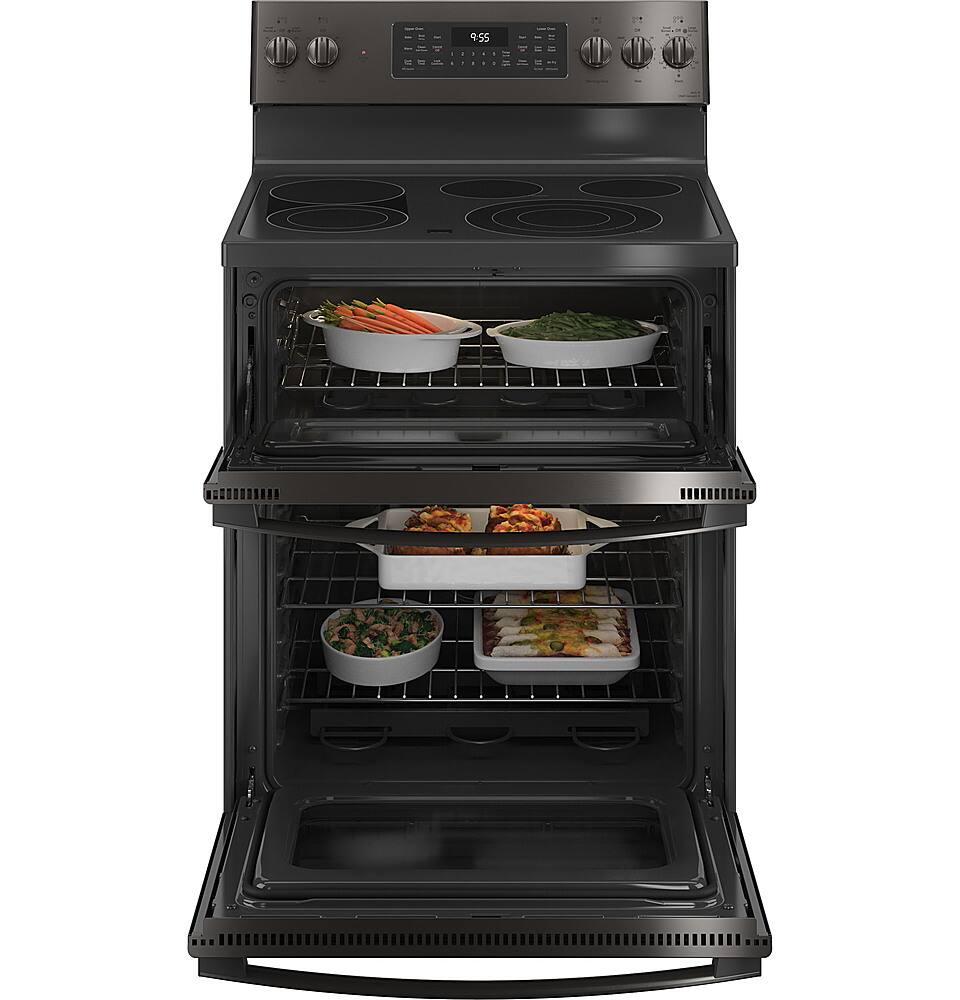
A:AnswerHi there - thank you for reaching out. The depth without the handle is 25-3/4", and the overall depth, including the handle, is 28-1/4". The lower oven is suitable for a turkey up to approximately 20 pounds. We don't have specific information on turkey sizes for the upper oven, and we do not recommend cooking whole turkeys, chickens, or hams in the upper oven. If you have further questions or need additional assistance, feel free to ask as we’re happy to help. Best wishes. Lauren@GEAppliances
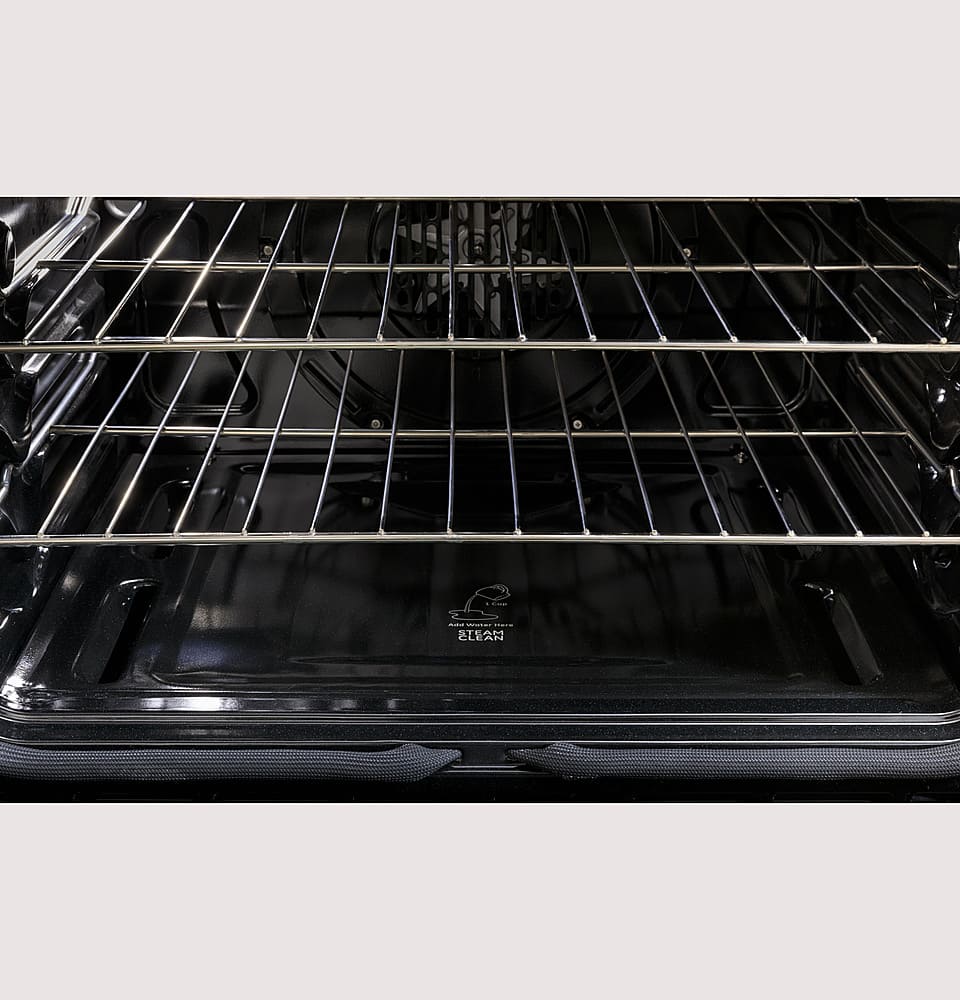
A:AnswerYou can keep the racks in the oven during Steam Clean. During Self-Clean, oven racks should not be left in the unit unless they are labeled as “Self-Clean” or “Never-Scrub” Racks. This type of rack will be enameled and with a dark color. Shiny or silver colored racks should be removed. Non Self-Clean shiny or silver racks will discolor and warp if left in during the Self-Clean cycle. -Sarah@GEAppliances
A:AnswerOf course it would depend on what temp you want to set, but I can tell you that this stove is a lot slower than the 20 year old one I had to replace
A:AnswerWhile durable, the glass cooktop can be cracked or broken. The cooktop can't be repaired. If it's broken, it must be replaced. The cookware must be flat on the bottom to make proper contact with the glass top. We offer an online Support article titled: "Electric Range - Cookware Used on a Radiant Smooth Glass Cooktop" that gives recommendations as to the type of cookware you should use for best results.
A:AnswerNo, it does not include the air fry rack - JXAFTRAY1VSS. It is available as an optional accessory. We also offer broiler pans that are available as optional accessories.
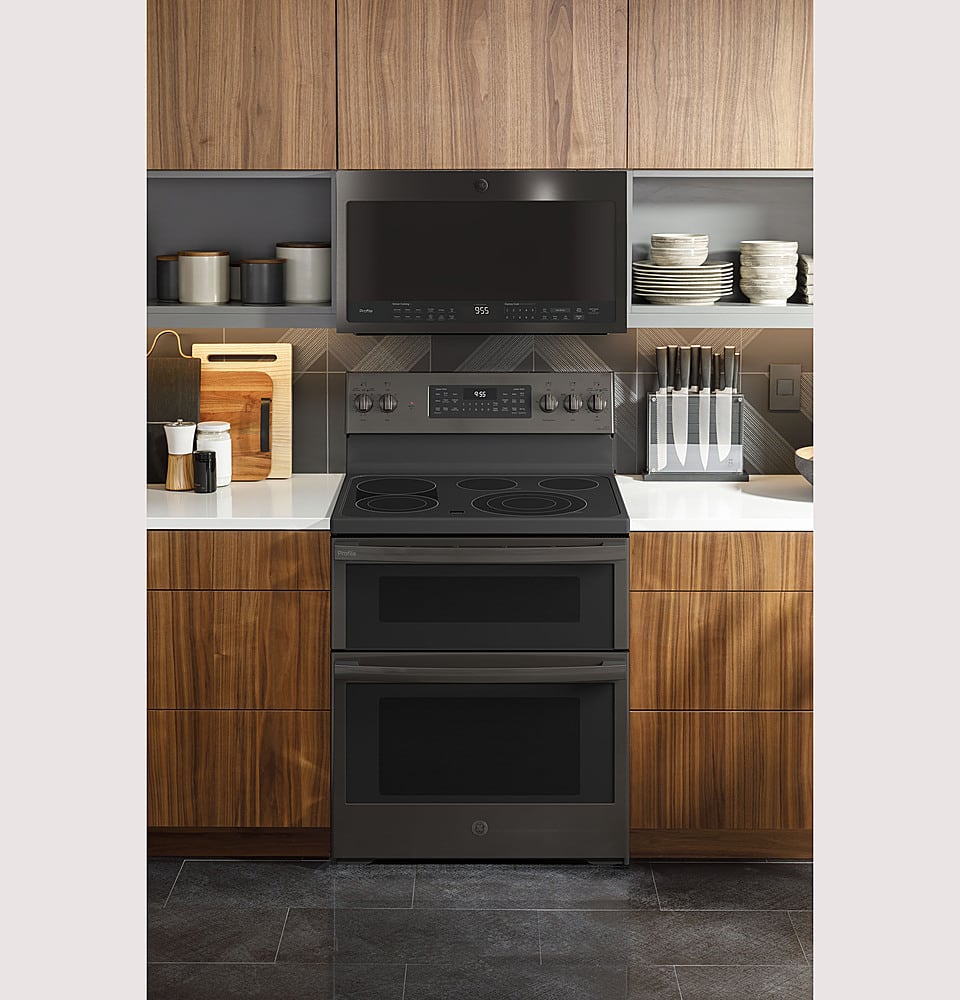
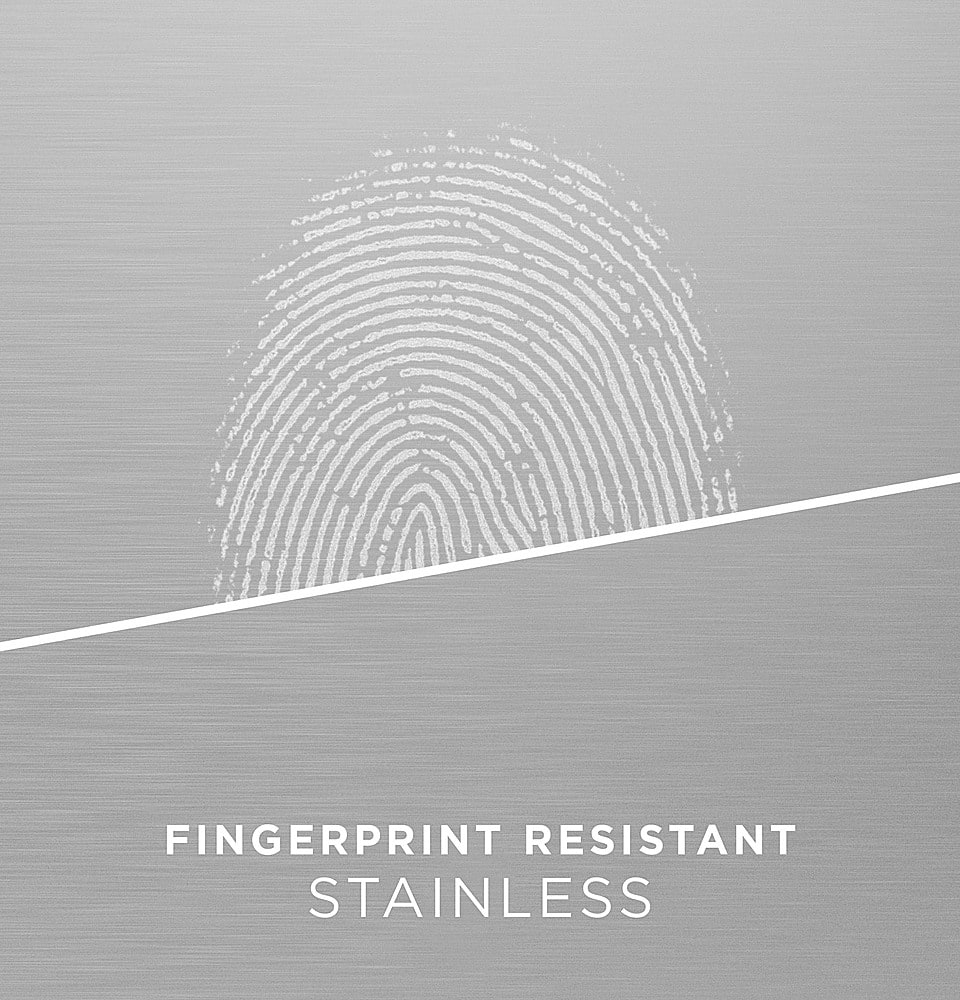
A:AnswerThis range is available in Fingerprint Resistant Stainless and Fingerprint Resistant Black Stainless. These are also the options for all of our other double oven ranges.
A:AnswerWe do not include a power cord with our electric ranges as we do not have any way to know what electrical service (3 or 4-wire) you have available in your home. You can take a picture of your existing outlet and purchase a 240 volt, 40 amp cord that matches it.
A:AnswerThis is a really good question; however, it is not possible to determine the lifespan, life expectancy, or life cycle of an appliance, even an approximate age. There are many variables involved, like: frequency of use, type of use, location of appliance (ex. high humidity; near the ocean; etc.), care, and maintenance. If you have any other questions, please let us know.