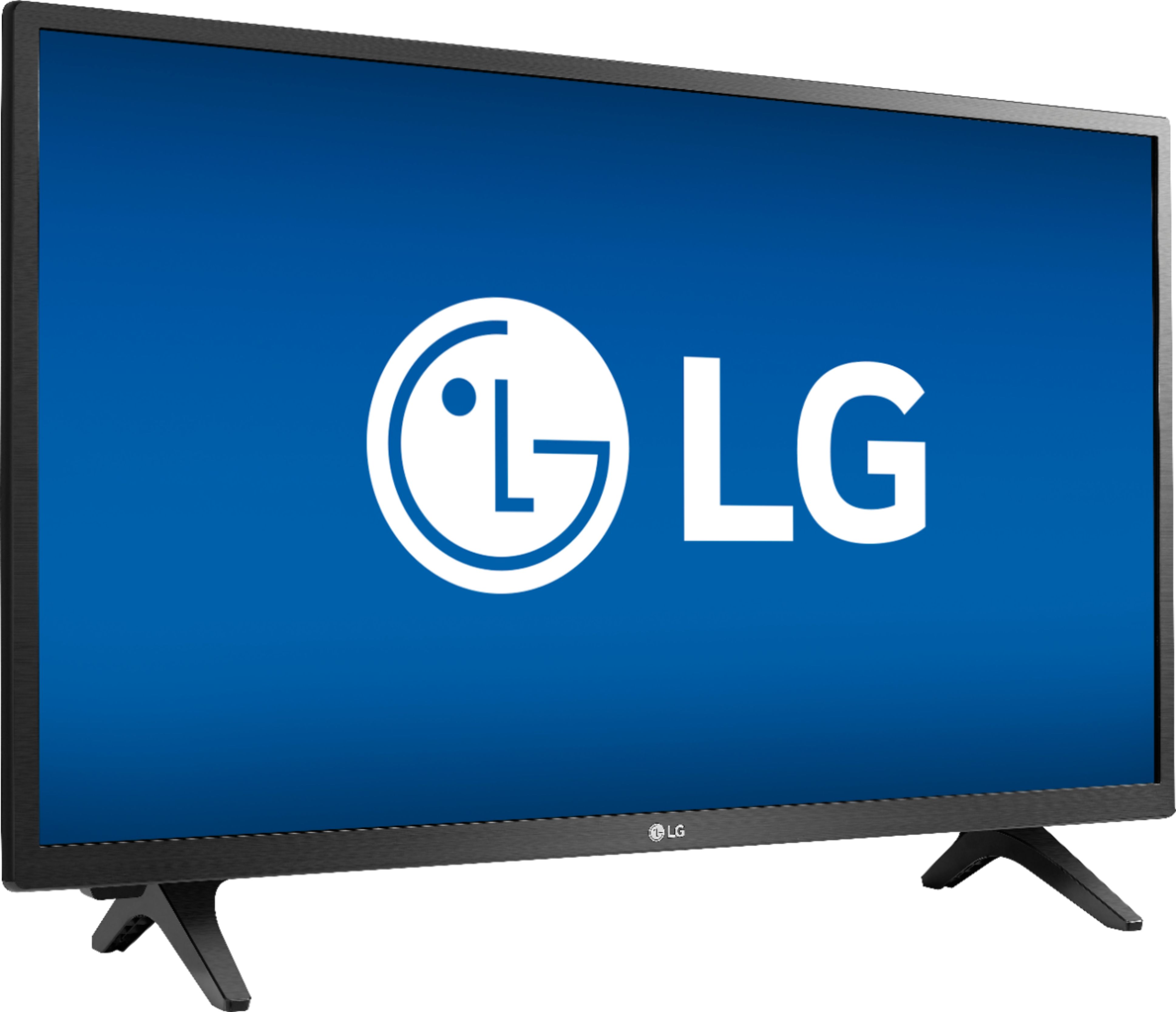
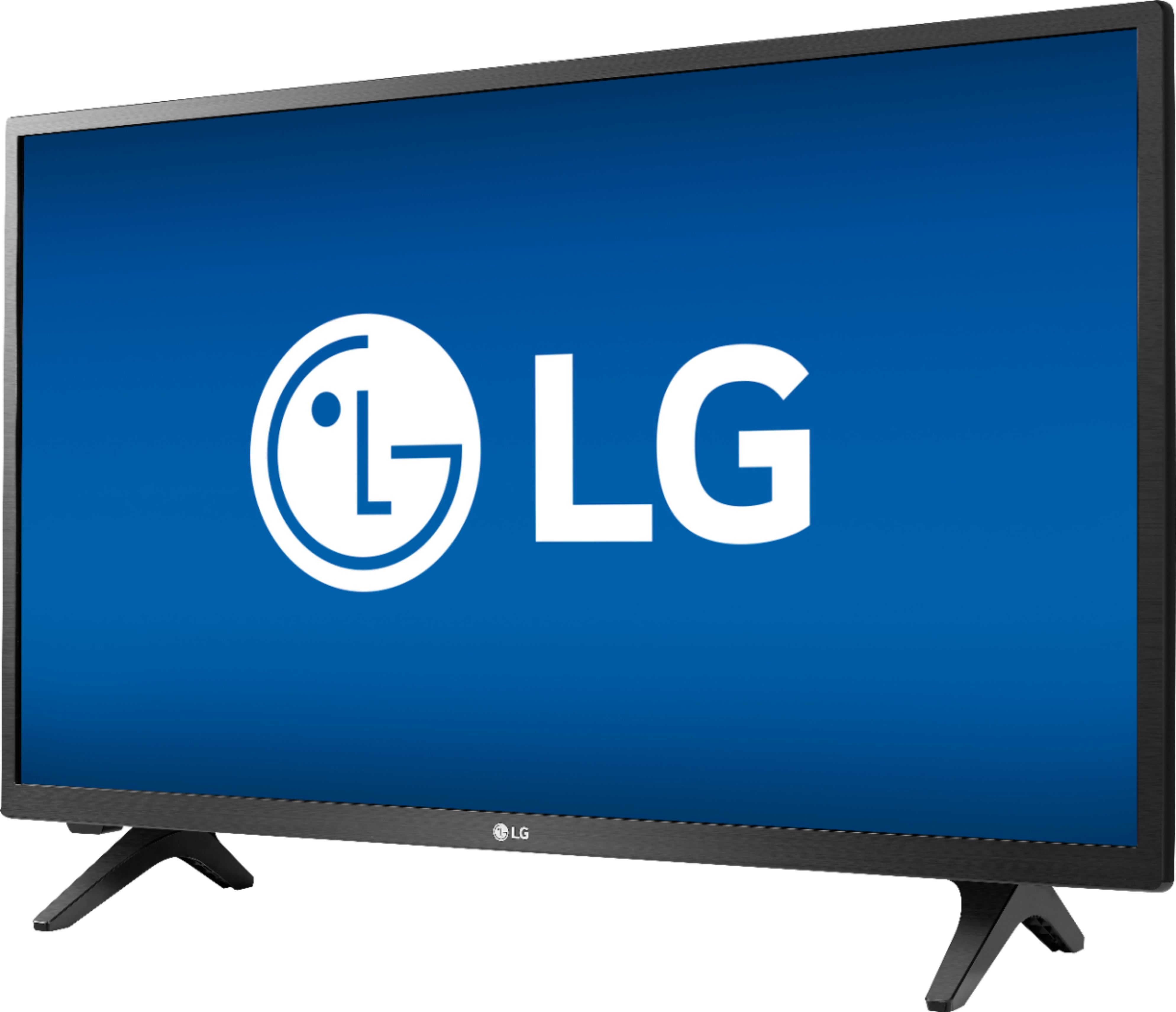
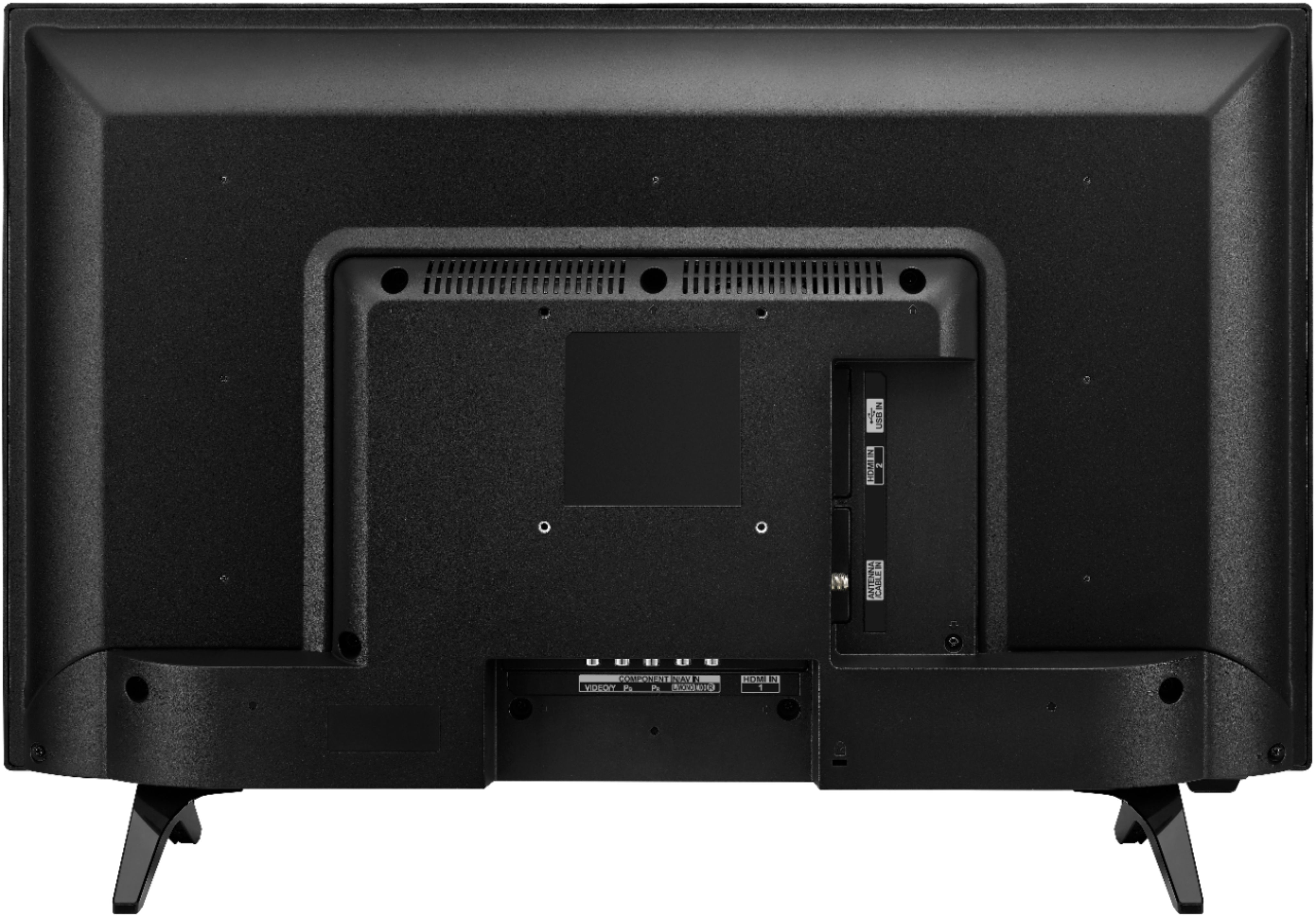
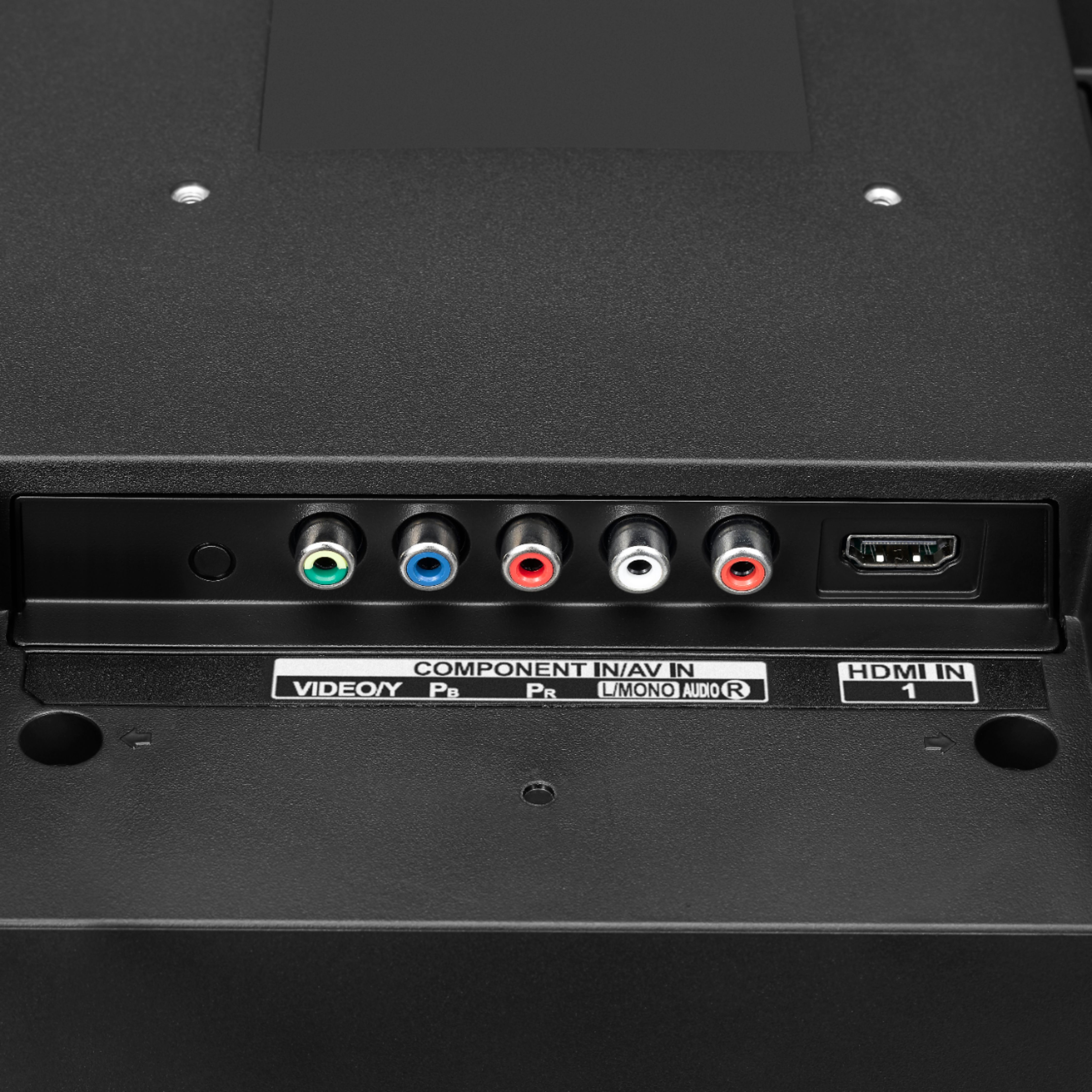
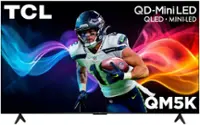
A:Answer This TV is a 720p TV. The three HDTV resolutions are 720p, 1080i, and 1080p. The number stands for the number of horizontal lines that create the image, and the letter describes the type of scan used by the TV to display the picture: progressive or interlaced. Resolution matters because more lines mean a better picture. In general, the higher the resolution of a TV, the sharper the picture.
720p has an image resolution of 1280 pixels by 720 lines. By comparison, a 720p TV has twice the resolution of an analog TV picture.
1080i has a resolution of 1920 pixels by 1080 horizontal lines. However, it is interlaced, so the lines are painted on the screen in two passes of 540 lines each. The picture quality is fine for slow-moving content but not as desirable for fast-moving objects. 1080i was once the standard in HDTVs, but no more. Its quality is not much better than 720p TVs.
1080p has a resolution of 1920 by 1080 pixels, and it is a progressive scan display rather than interlaced. That means each row is scanned in sequential rather than an alternate order, providing a picture with a full 2.07 million pixels. ^CP