Best Car Amplifier
Find the best car amplifier for your setup by matching it to your speakers or subwoofer and available installation space. Compare car audio amplifiers by RMS power output, channel count, and impedance compatibility to narrow your options and choose a suitable match for your vehicle’s sound system.
What to look for in a car amplifier
Choosing the best car amplifier for your setup means matching its power, channels, connections and installation requirements to your vehicle’s audio system.
1. Power Output and Impedance
2. Number of Channels
3. Audio System Compatibility
4. Installation and Space
-
1

AudioControl - Altitude Series 1100W 5-Channel Class D Amplifier - Gray
About this product
A powerful gray 5-channel Class D amplifier delivering 1100W with advanced MOSFETs and ParaBASS technology.
(6)$489.99 Your price for this item is $489.99 -
2

VEVOR - 4 Channel Car Audio Amplifier 2 Ohm Stable Bridgeable Class D Full Range Amp Max Power 4 x 500W @ 4 Ohm / 4 x 1000W - Sandblasted Black
About this product
A sandblasted black, 4-channel Class D car amplifier with bridgeable channels and fast-cooling aluminum body.
(0)$104.90Your price for this item is $104.90SAVE $27.09 -
3
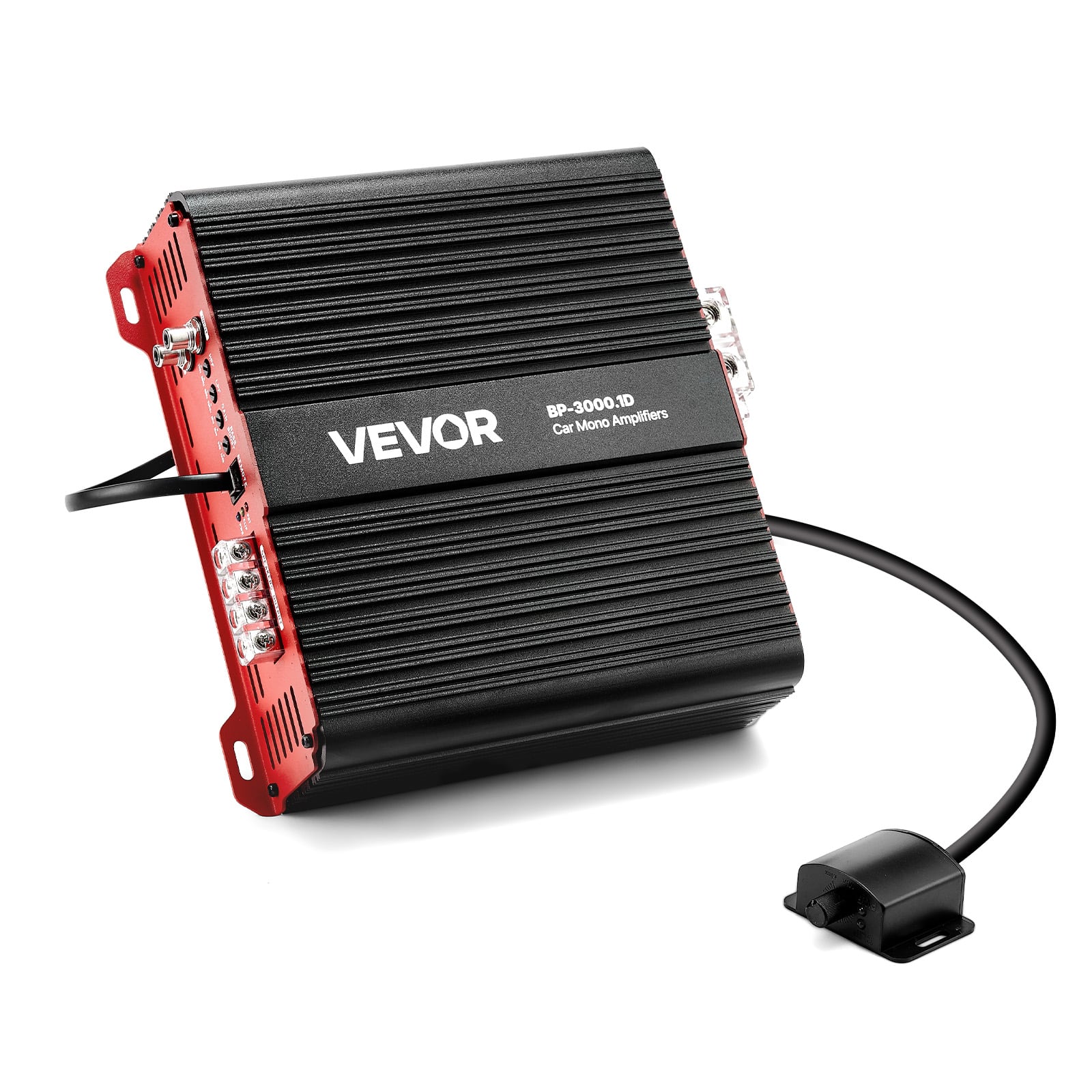
VEVOR - Monoblock Car Amplifier, 3000W RMS MAX, 1/2/4 Ohm Stable, 1-Channel Class D Car Audio Amplifier with Remote Subwoofer - Black;Red
About this product
A black-and-red Class D monoblock amplifier delivering 3000W RMS max with 1-channel, remote bass control.
(0)$132.90Your price for this item is $132.90SAVE $34.09 -
4
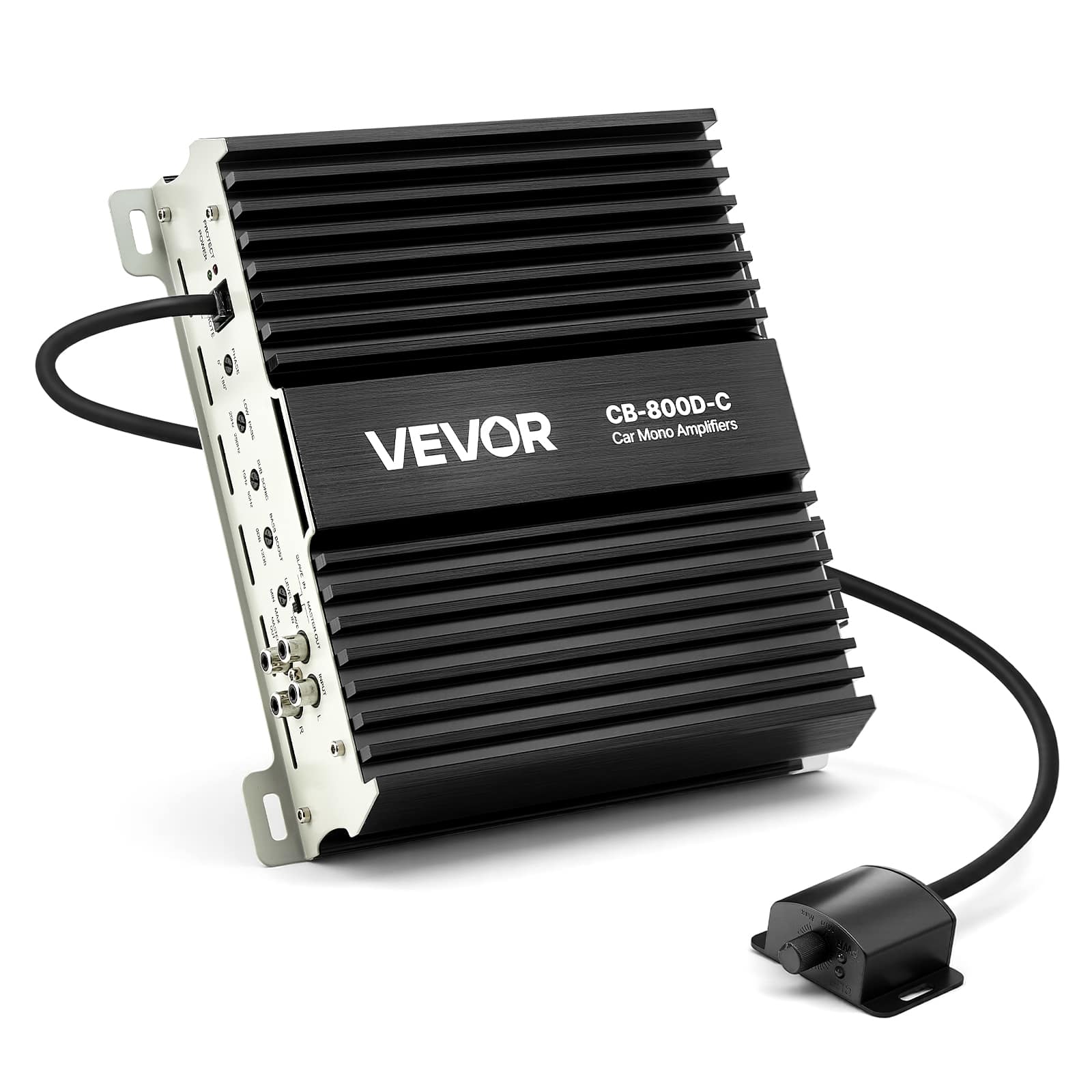
VEVOR - Monoblock Car Amplifier, 800W RMS MAX, 1/2/4 Ohm Stable, 1-Channel Class D Car Audio Amplifier with Remote Subwoofer - Black;Gray
About this product
A black-and-gray Class D monoblock amplifier delivers clean, powerful bass with remote control and multi-ohm stability.
(0)$93.90Your price for this item is $93.90SAVE $24.09 -
5

VEVOR - 4 Channel Car Audio Amplifier 2 Ohm Stable Bridgeable Class D Full Range Amp Max Power 4 x 420W @ 4 Ohm / 4 x 600W - Sandblasted Black
About this product
A sandblasted black Class D amplifier with four bridgeable channels delivers powerful, clear audio and efficient cooling.
(1)$95.90 Your price for this item is $95.90 -
6
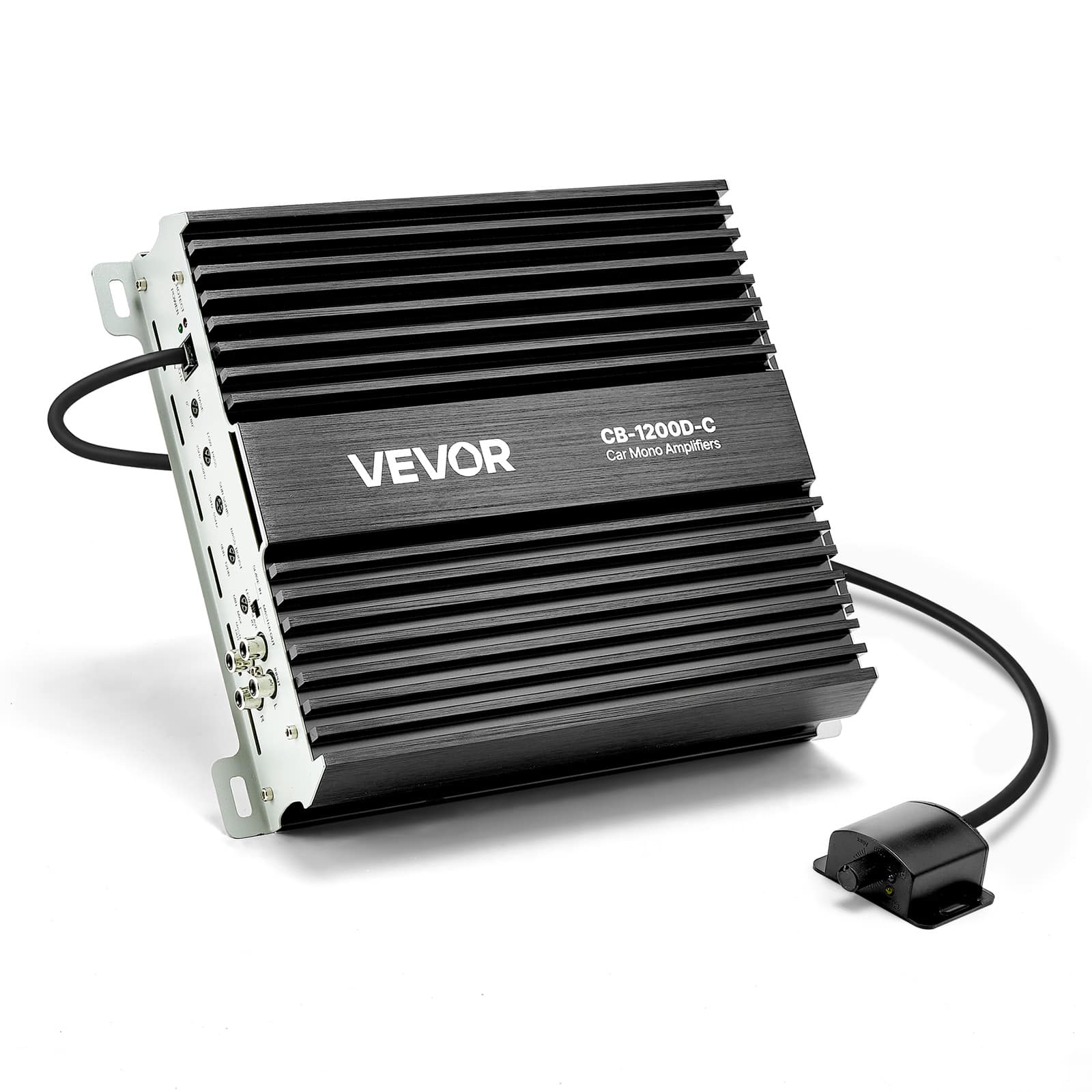
VEVOR - Monoblock Car Amplifier, 1200W RMS MAX, 1/2/4 Ohm Stable, 1-Channel Class D Car Audio Amplifier with Remote Subwoofer - Black;Gray
About this product
A black-and-gray Class D monoblock amplifier delivering 1200W maximum power with remote bass control.
(0)$114.90Your price for this item is $114.90SAVE $29.09 -
7

AudioControl - Altitude Series 600W 4-Channel Class D Amplifier - Gray
About this product
A sleek gray Class D amplifier delivering 600W power with advanced MOSFETs and ParaBASS technology.
(3)$325.99 Your price for this item is $325.99 -
8
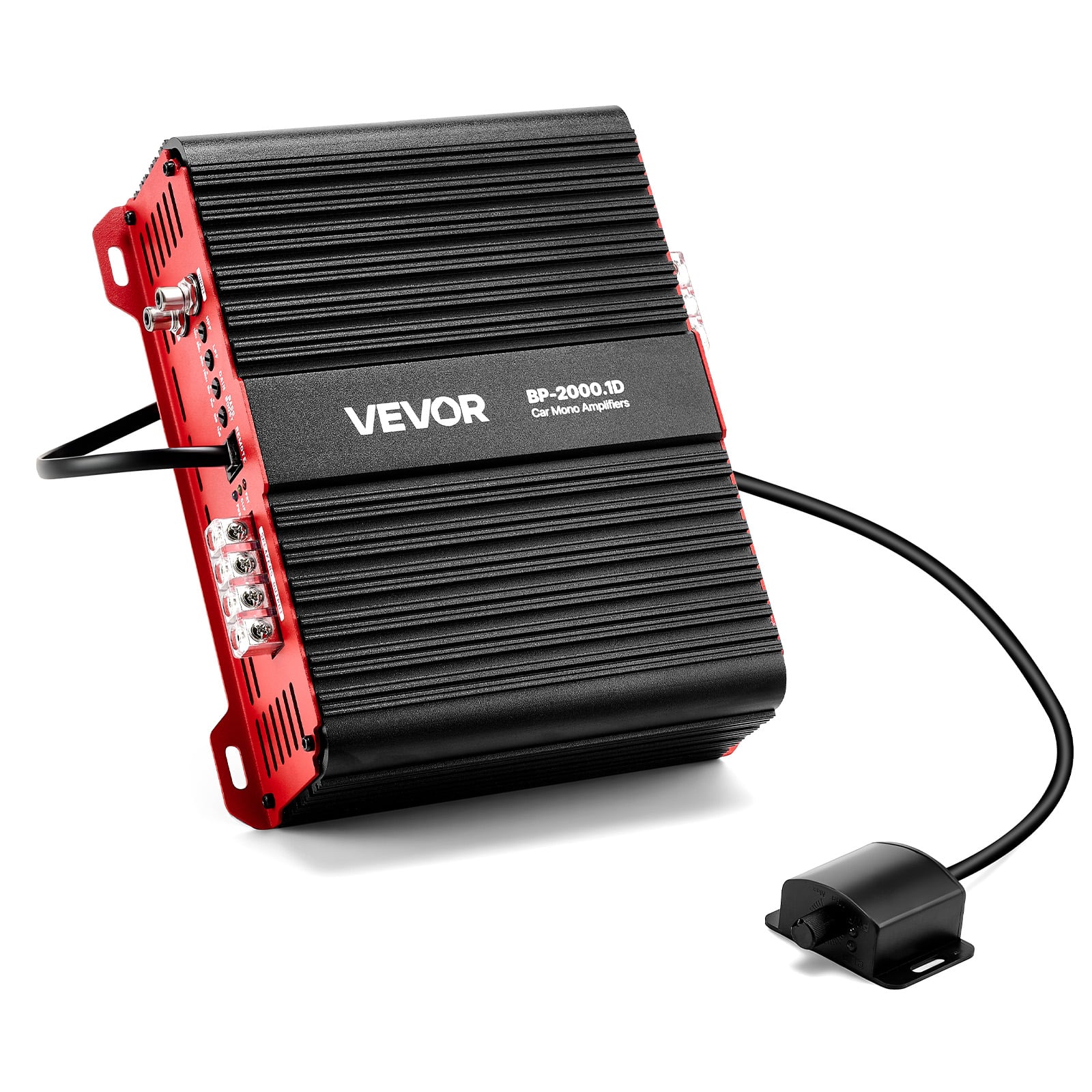
VEVOR - Monoblock Car Amplifier, 2000W RMS MAX, 1/2/4 Ohm Stable, 1-Channel Class D Car Audio Amplifier with Remote Subwoofer - Black;Red
About this product
A black-and-red 2000W RMS Class D monoblock amplifier with 1/2/4-ohm stability and remote bass control.
(0)$129.90Your price for this item is $129.90SAVE $33.09 -
9

Lanzar - VCT4110 4-Channel MOSFET Amplifier 2000W, Bridgeable Mono/Stereo, Bass Boost Control
About this product
A powerful 4-channel MOSFET car amplifier with bridgeable mono/stereo modes and adjustable bass boost control.
(0)$105.99 Your price for this item is $105.99 -
10

VEVOR - 5 Channel Car Audio Amplifier Bridgeable Class D Full Range Amp Max Power 4 x 100W @ 4 Ohm / 4 x 200W @ 2 Ohm - Brushed Black
About this product
A bridgeable Class D amplifier in brushed black with five channels, fast-cooling aluminum body, and low distortion.
(0)$157.90 Your price for this item is $157.90
Best Car Amplifier
FAQs
Common car amplifier configurations include monoblock, stereo and multichannel models. Monoblock amplifiers are typically used with subwoofers, while stereo and multichannel amplifiers can connect to separate speakers. Your speaker layout and wiring requirements help determine which configuration to consider.
Class AB and Class D describe how an amplifier’s output circuitry operates. Class AB uses transistors that conduct through overlapping portions of the audio waveform, while Class D uses rapidly switching output transistors. These labels describe circuit design, not the audio formats an amplifier supports.
A car amplifier can connect to a factory stereo when the necessary connections and integration components are compatible. Some amplifiers accept speaker-level signals directly, while others may require a line output converter or a vehicle-specific interface. Review the stereo’s outputs and the amplifier’s input requirements.
RCA inputs generally accept low-level audio signals from a stereo’s preamp outputs. Speaker-level inputs accept signals from the stereo’s amplified speaker outputs. The appropriate connection depends on the outputs available from your stereo and the inputs supported by the amplifier.
A crossover filters the frequencies sent to a connected speaker. A high-pass crossover passes frequencies above a selected cutoff, while a low-pass crossover passes frequencies below it. Depending on the amplifier, crossover settings may be fixed, adjustable or selectable by channel group.