Black Friday is hereEnds Nov. 28.Shop now

Main Content
Skip to contentGo to Product Search

Black Friday is hereEnds Nov. 28.Shop now

Main Content

Top Rated Hiking Camera

Find the best hiking camera for your trips by comparing image quality, portability, and battery life. As you browse camera options for outdoor photography, consider how much weight you want to carry, how easily you can access the controls on the trail, and whether the specifications list protection against dust or moisture.

What to look for in a hiking camera

The best hiking camera for your adventures balances image quality, portability, durability, and battery life.

1. Size and Weight

Consider how much weight you want to carry alongside your hiking gear, including any lenses and accessories. A compact camera can be easier to keep within reach, while an interchangeable-lens camera offers more flexibility.

2. Image Quality and Zoom

Look for a sensor and lens combination that suits the scenery you want to capture, from wide mountain views to distant wildlife. Optical zoom can help frame faraway subjects, while image stabilization can reduce blur from camera shake when shooting handheld.

3. Durability and Weather Protection

Check the camera’s stated protection against dust, moisture, and accidental drops to see whether it fits your hiking conditions. Weather resistance does not necessarily mean waterproofing, and interchangeable-lens setups may need a compatible weather-resistant lens for protection.

4. Battery Life and Charging

Compare battery-life estimates with the length of your hikes, keeping in mind that cold temperatures and frequent video recording can shorten runtime. Check whether the camera supports spare batteries or USB charging so you can plan for longer outings.

  1. 1

    About this product

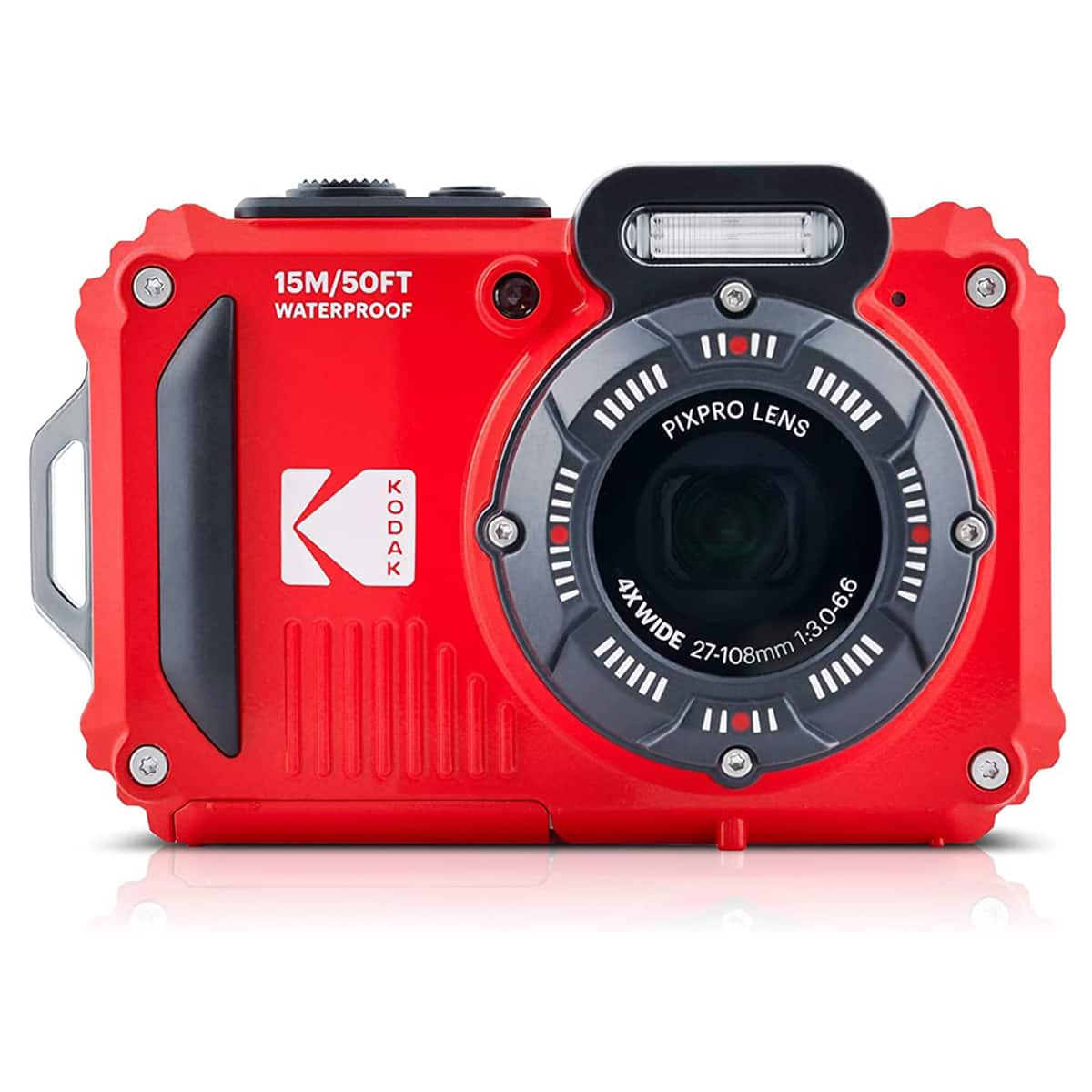
    A rugged red camera offering 16MP photos, 4x zoom, waterproof and shockproof durability, plus 1080P video.

    A rugged red camera offering 16MP photos, 4x zoom, waterproof and shockproof durability, plus 1080P video.

    (3)
    $189.00
    SAVE $15.99
    Your price for this item is $189.00
  2. 2

    About this product

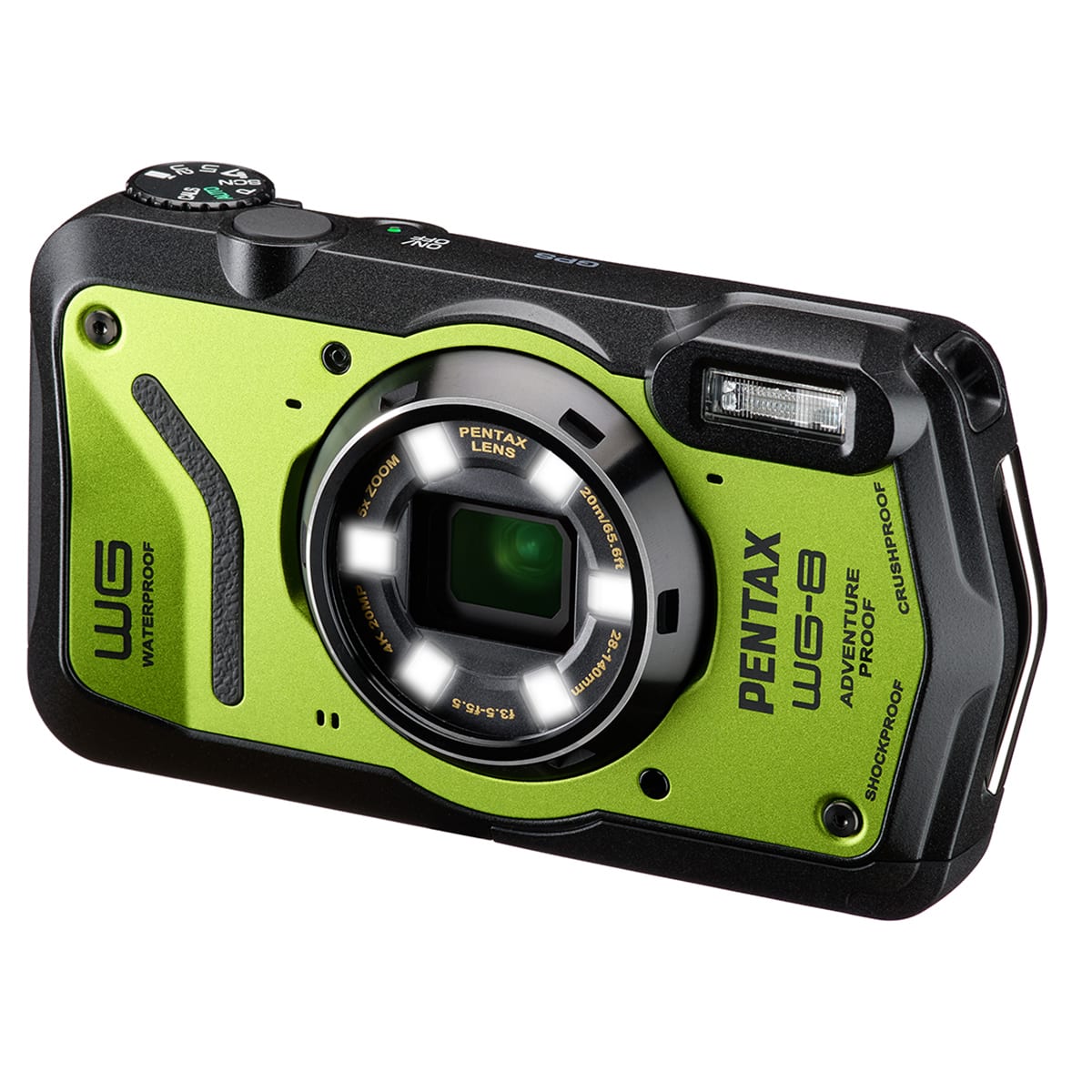
    A rugged green-and-black all-weather point-and-shoot camera with 20MP imaging, 5x optical zoom, 4K video, and GPS.

    A rugged green-and-black all-weather point-and-shoot camera with 20MP imaging, 5x optical zoom, 4K video, and GPS.

    (0)
    $476.95
    SAVE $0.04
    Your price for this item is $476.95
  3. 3

    About this product

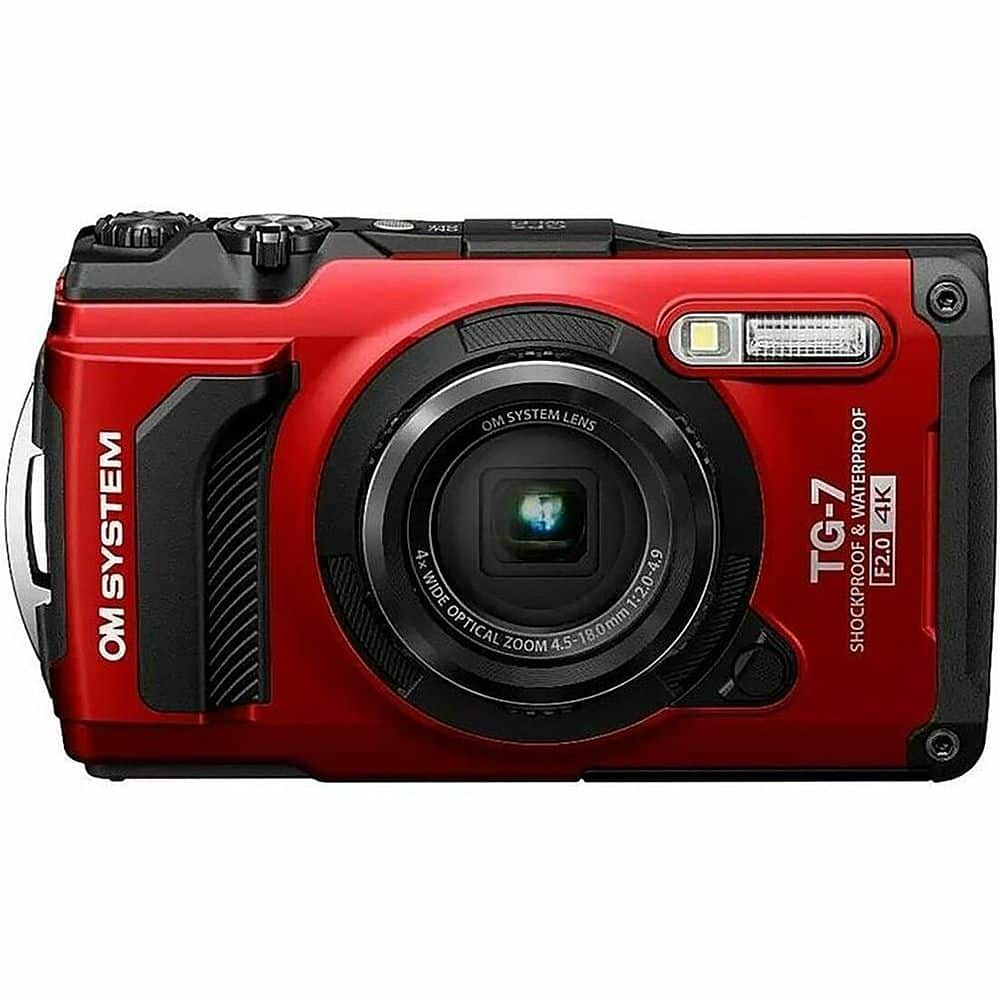
    A rugged red digital camera offering 12MP photos, 4K video, and waterproof, shockproof, and freezeproof durability.

    A rugged red digital camera offering 12MP photos, 4K video, and waterproof, shockproof, and freezeproof durability.

    What customers like

    • Attractive color
    • Clear underwater photos
    • Excellent picture quality
    • Easy to use
    • Rugged and durable design
    (15)
    $489.00
    SAVE $60.99
    Your price for this item is $489.00
  4. 4

    About this product

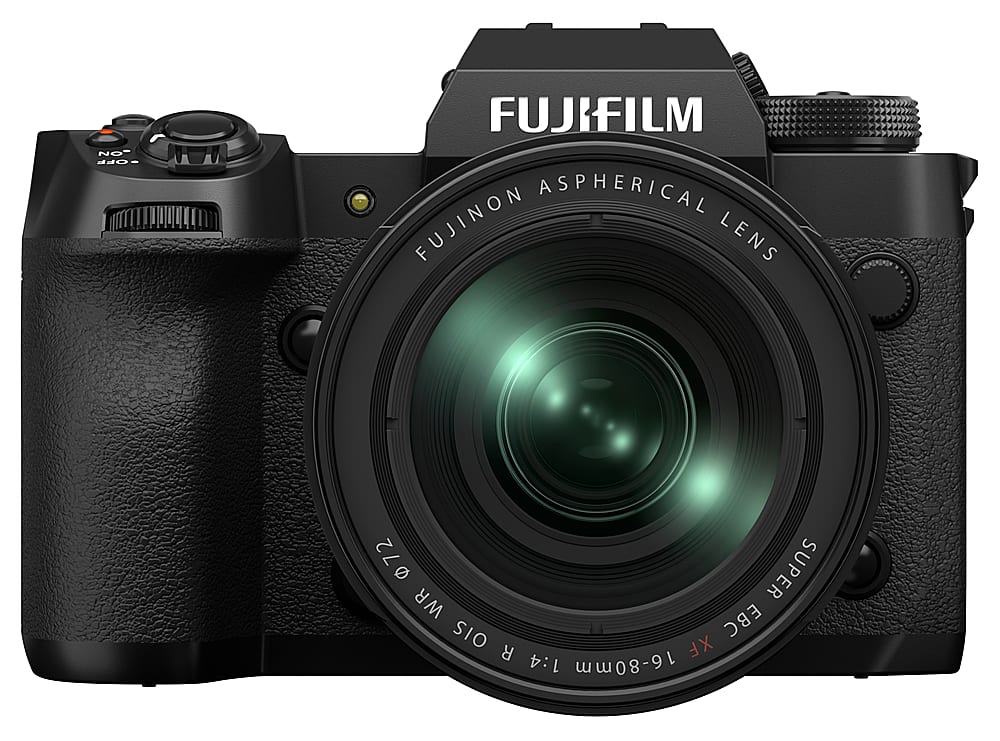
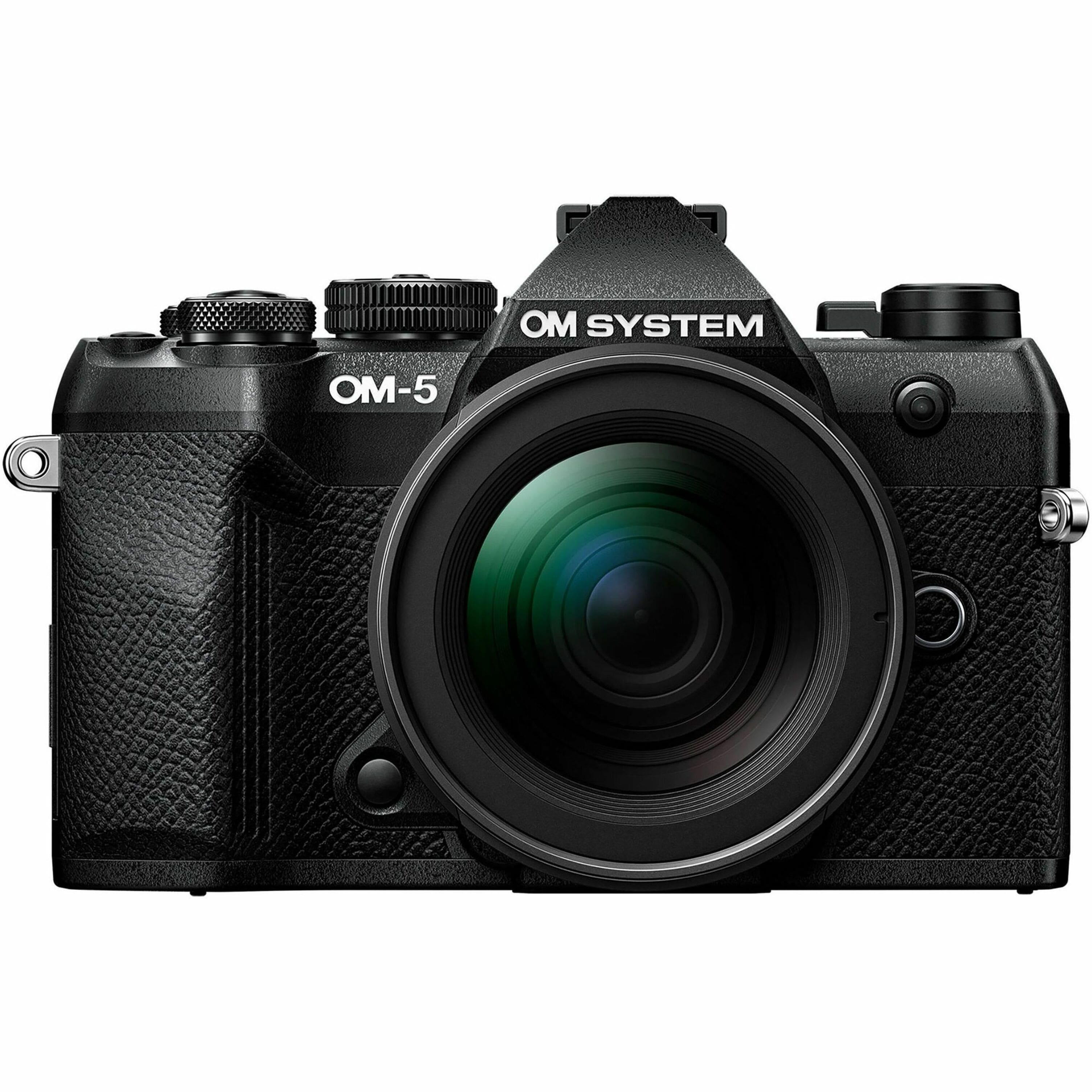
    A compact black mirrorless camera with a 40MP APS-C sensor, 8K video, and versatile zoom lens.

    A compact black mirrorless camera with a 40MP APS-C sensor, 8K video, and versatile zoom lens.

    (3)
    $2,499.89
    SAVE $300.10
    Your price for this item is $2,499.89
  5. 5

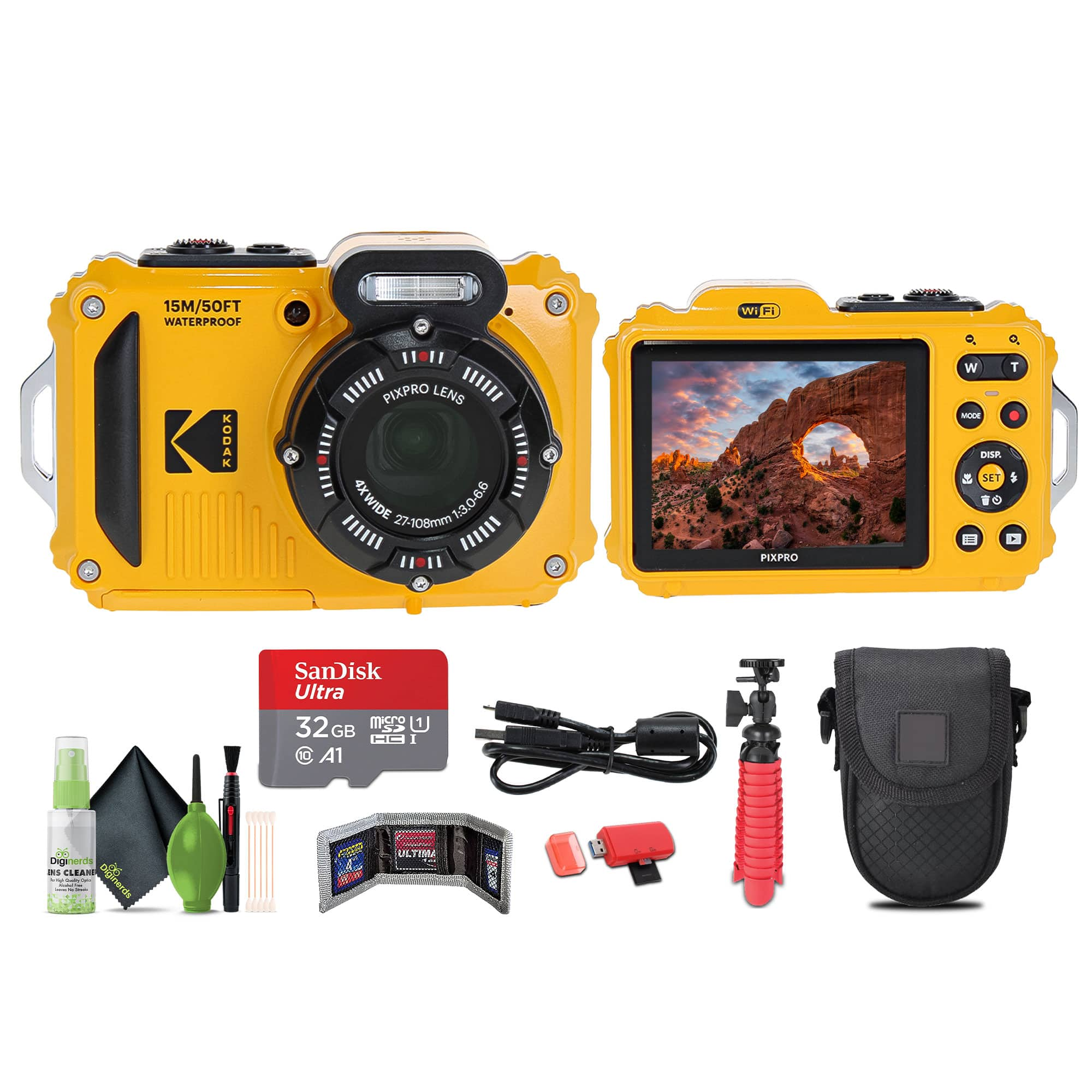
    About this product

    A rugged yellow camera offering waterproof, shockproof, and dustproof protection with 16.35MP and Wi-Fi connectivity.

    A rugged yellow camera offering waterproof, shockproof, and dustproof protection with 16.35MP and Wi-Fi connectivity.

    (4)
    $254.95 Your price for this item is $254.95
  6. 6

    About this product

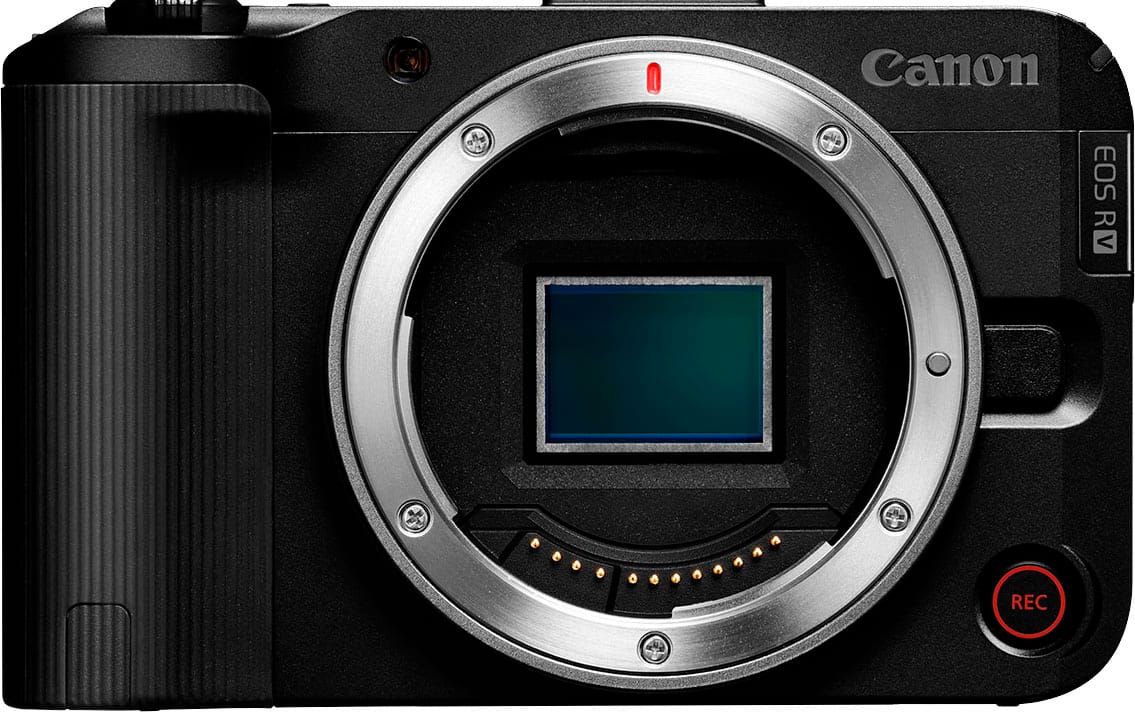
    A lightweight black mirrorless camera with 20MP sensor, 4K video, image stabilization, and touchscreen controls.

    A lightweight black mirrorless camera with 20MP sensor, 4K video, image stabilization, and touchscreen controls.

    (0)
    $1,449.99
    SAVE $150.00
    Your price for this item is $1,449.99
  7. 7

    About this product

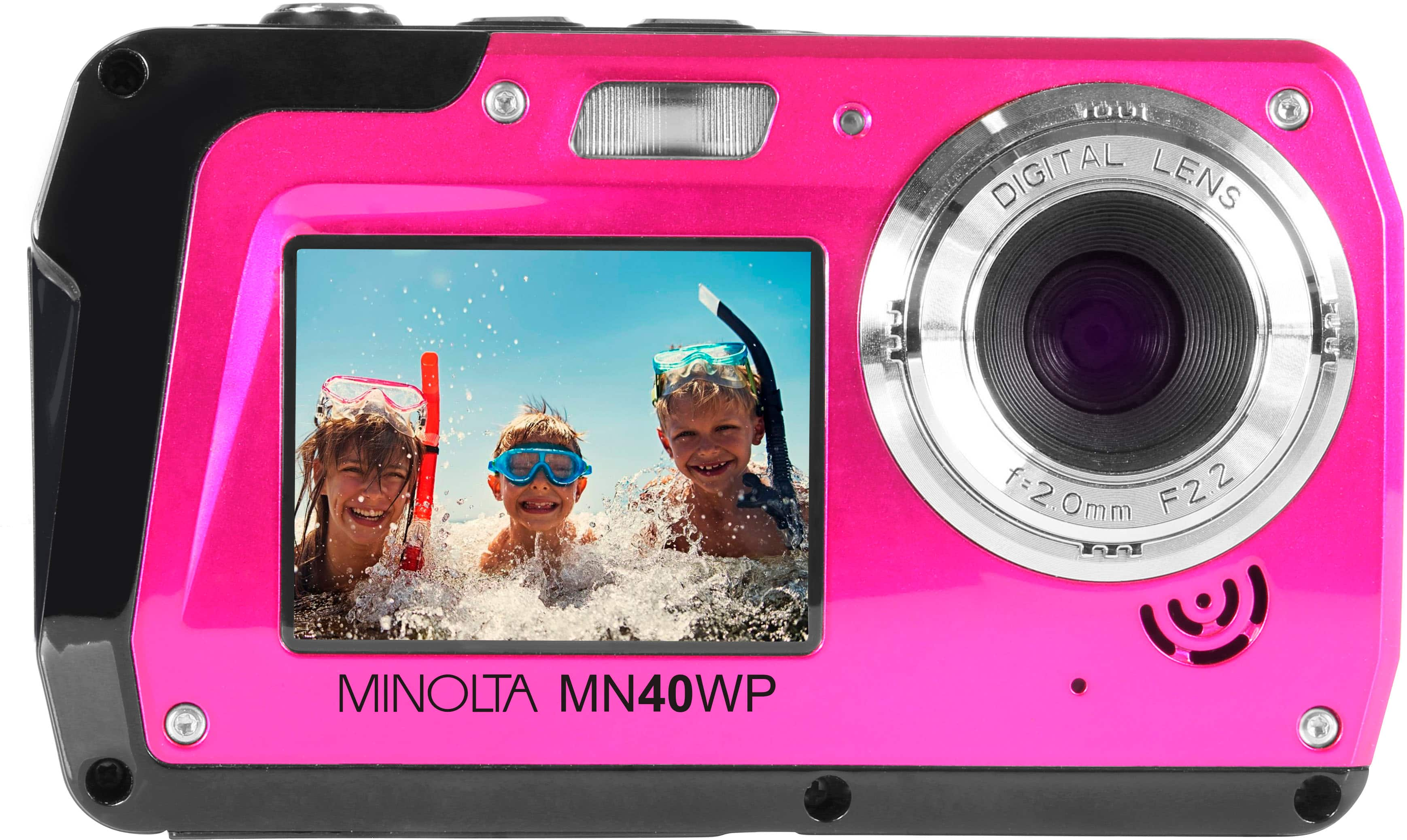
    A pink waterproof digital camera capturing 48MP photos, 2.7K QHD video, and featuring dual LCD screens.

    A pink waterproof digital camera capturing 48MP photos, 2.7K QHD video, and featuring dual LCD screens.

    What customers like

    • Compact and portable design
    • Excellent photo quality
    • Great for selfies with dual screens
    • Waterproof and durable
    • Easy to use and user friendly
    (242)
    $98.99
    SAVE $1.00
    Your price for this item is $98.99
  8. 8

    About this product

    A versatile black APS-C mirrorless camera offering 24MP photos, 4K video, and advanced autofocus features.

    A versatile black APS-C mirrorless camera offering 24MP photos, 4K video, and advanced autofocus features.

    (4)
    $519.00
    SAVE $200.99
    Your price for this item is $519.00

Top Rated Hiking Camera

A top-rated hiking camera balances image quality, manageable weight, and controls that feel comfortable over miles of walking. For some hikers, that means a compact camera that slides into a belt pouch and is ready when a deer steps into a clearing. For others, it means an interchangeable-lens camera with enough detail for a large landscape print or an action camera that records a hands-free view of a narrow ridge trail. These camera types serve different purposes, so strong ratings are most meaningful when reviewers describe uses similar to the photography planned. Comments about carrying comfort, startup speed, autofocus reliability, and battery life can reveal more about trail suitability than a specification alone. Compact cameras combine a built-in lens with a relatively small body, reducing the number of separate pieces to carry. Mirrorless cameras provide lens flexibility and, depending on the model, larger sensors that can help retain fine detail and tonal information. Action cameras emphasize small size, mounting options, and immersive video, often with an ultrawide perspective that makes nearby scenery feel expansive. That wide view is less suited to filling the frame with a distant animal, where optical zoom or a longer lens becomes useful. Optical zoom changes framing through the lens, while digital zoom generally crops or enlarges the captured image and can reduce detail. Sensor resolution also tells only part of the story: lens quality, focusing accuracy, exposure, and camera movement all affect the finished photograph. A camera that preserves texture in shaded rock while keeping detail in a bright sky can be especially rewarding for landscape photography. RAW capture offers additional editing flexibility, while well-rendered JPEG files can make sharing simpler without extensive processing. The best hiking camera for an individual outing is ultimately one that supports the desired photographs without becoming a burden halfway up the trail.

Trail-ready construction involves more than a rugged-looking exterior. Camera bodies may use reinforced plastic, metal alloys, or a combination of materials to balance weight and structural strength. Textured grips, secure strap attachment points, and doors that latch firmly help a camera feel dependable when it is repeatedly lifted, carried, and returned to a pouch. Dust and moisture resistance can provide added protection, but the manufacturer's stated limits matter: a sealed camera is not automatically waterproof, and an interchangeable-lens setup may require both a compatible sealed body and lens for its intended protection. A compact shape also needs to fit the photographer's hands. A pronounced grip may feel steadier with a longer lens, while a flatter body can be easier to carry close to the torso. Total carrying weight includes the lens, battery, strap, and any mounting hardware, not just the camera body. This difference becomes noticeable on a long climb or when a pack already holds drinking water and other essentials. Controls matter just as much as dimensions. Well-spaced buttons and accessible exposure dials reduce menu searching when a composition appears briefly between passing hikers. A viewfinder can make framing easier when reflections obscure the rear screen, while a tilting or articulating display helps with low-angle photographs of trail details. Autofocus tracking and burst shooting are useful for an energetic dog or a companion moving across the frame. Image stabilization helps reduce blur from camera shake, particularly with longer focal lengths, but it does not freeze a moving subject; an appropriate shutter speed still matters. Video-focused hikers may value effective walking stabilization, reliable face detection, and microphone compatibility. Higher video resolutions can preserve detail, although they also demand more storage and processing power. Some stabilization modes crop the image, making the widest available field of view another consideration for handheld trail footage.

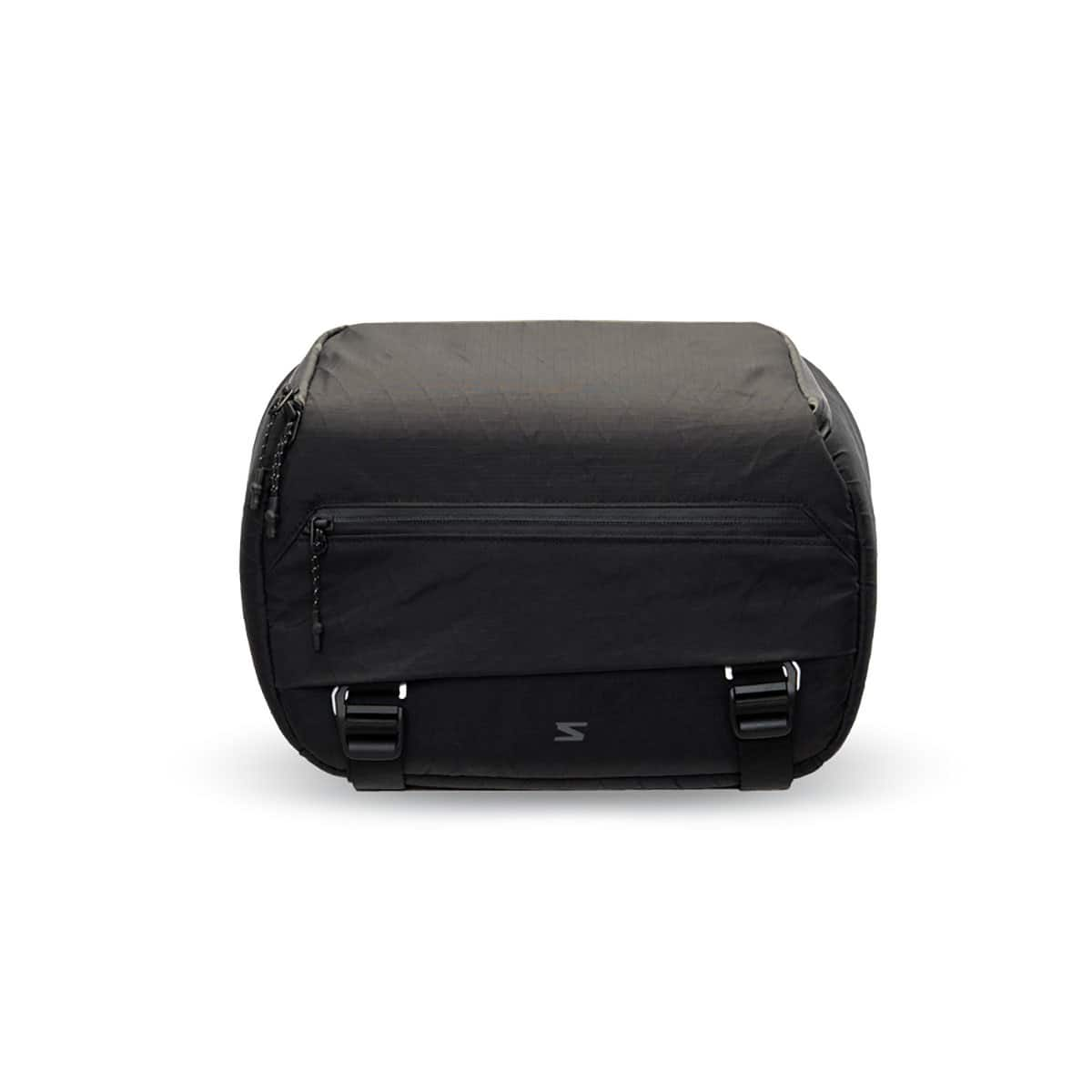
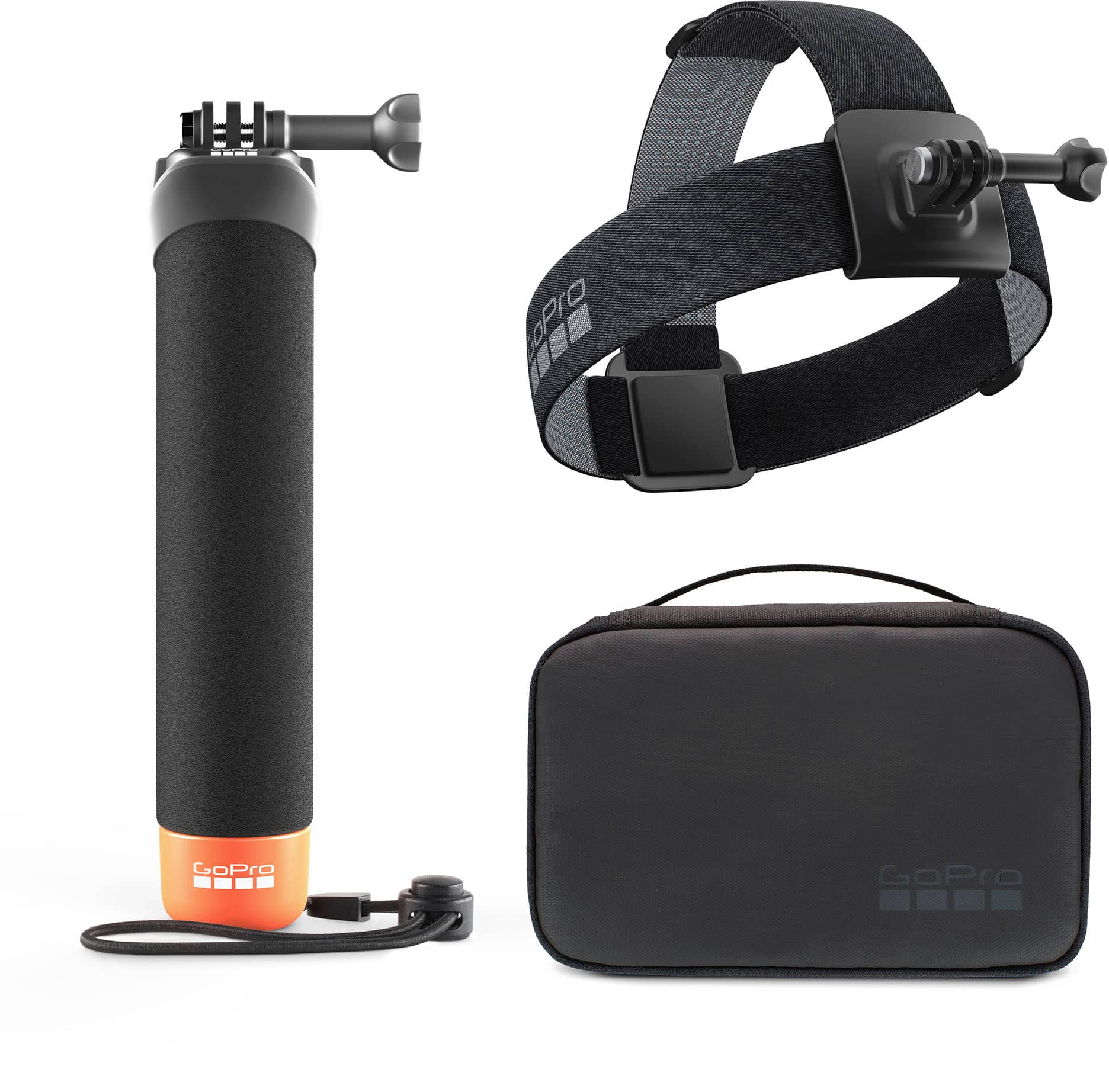
A hiking camera setup also needs to work between photographs. Accessible storage makes it easier to capture a winding switchback or an unexpected wildlife sighting without repeatedly removing a backpack. A Hiking Camera Bag can provide padded separation from other gear, with fit determined by the camera's dimensions, attached lens, and any accessories carried alongside it. Adjustable dividers help limit movement, while secure closures and accessible compartments can keep a spare battery, memory cards, and lens cloth organized. Carrying systems should sit securely without restricting arm movement or interfering with pack straps. For hands-free recording, mount compatibility and a dependable attachment are important, particularly when the camera will be positioned outside a bag. Battery endurance varies with recording resolution, screen use, wireless connections, and other features, so manufacturer estimates are a starting point rather than a promise for every outing. USB charging may simplify a multiday setup when supported, though charging compatibility does not necessarily mean a camera can operate while connected to external power. Storage requirements deserve similar attention: sustained video recording and rapid bursts may require cards with specific speed ratings. Routine care helps protect both image quality and equipment longevity. A blower and clean lens cloth can remove loose particles and fingerprints without rubbing grit across optical surfaces, and manufacturer care instructions should govern cleaning products and procedures. Keeping protective covers in place during transport reduces unnecessary contact with the lens and screen. For a gift recipient, the most useful camera features often reflect established habits. A casual day hiker may appreciate straightforward controls and easy phone transfers, a backpacker may prioritize low carrying weight and battery flexibility, and a wildlife enthusiast may value lens reach and responsive autofocus. Compatibility with existing lenses, batteries, and mounts can also make a meaningful difference. Across these uses, a well-matched hiking camera makes room for both memorable images and the experience of the trail itself.

FAQs