Top Rated Level 2 Charger for Home
Finding the best Level 2 charger for home starts with your electric vehicle’s compatibility and your home’s electrical setup. Explore home EV charging options with connector type, charging power, and installation requirements in mind, then narrow your choices based on your daily driving needs and where you park.
What to look for in a Level 2 charger for home
Finding the best Level 2 charger for your home starts with matching your electric vehicle, electrical setup and daily charging needs.
1. Vehicle Compatibility
2. Charging Speed and Electrical Capacity
3. Installation and Placement
4. Safety and Smart Features
-
1
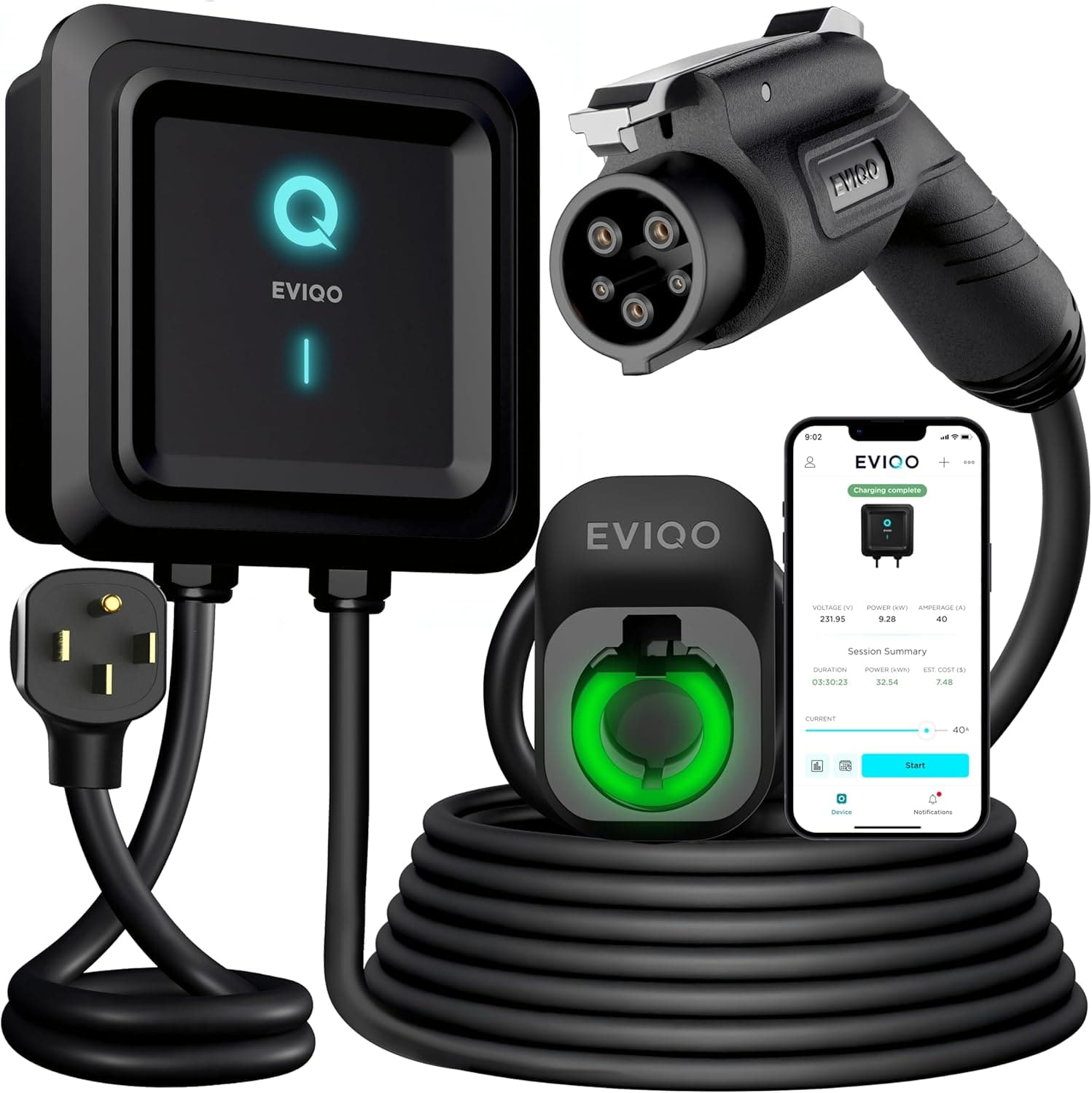
EVIQO - Level 2 EV Charger, 40 Amp, J1772 Connector, 25ft Cable, WiFi (2.4GHz) Smart App, NEMA 14-50, Plug-in 240V, 9.6kW - GEN 2, 14-50 NEMA PLUG-IN, J1772
About this product
A Level 2 wall-mounted EV charger with 48-amp output, NEMA 14-50 plug, and app compatibility.
(0)$429.99Your price for this item is $429.99SAVE $81.00 -
2
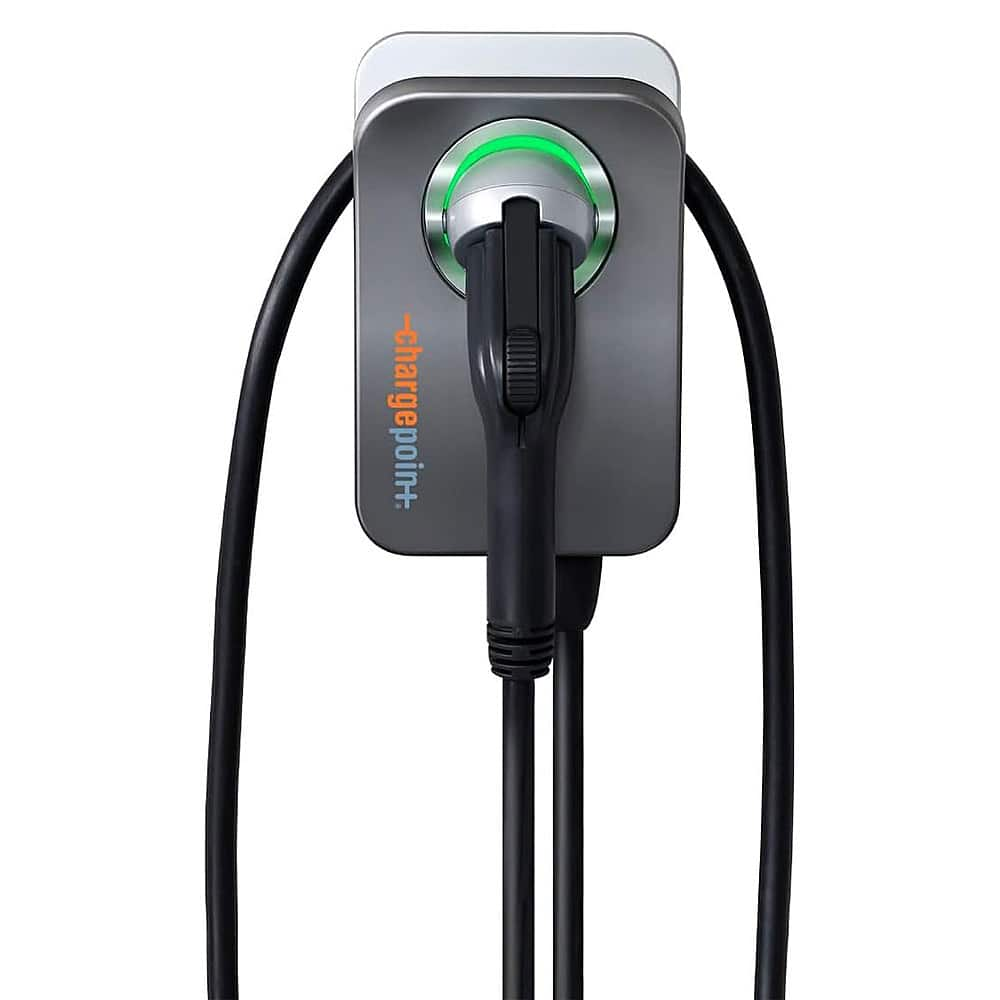
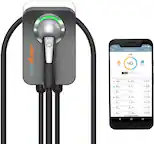
Charge Point - Home Flex J1772 Level 2 Hardwired Electric Vehicle (EV) Charger – up to 80A – 23’ - Gray
About this product
A gray hardwired Level 2 EV charger with adjustable 16–50A output, 240V power, and app control.
(0)$559.00 Your price for this item is $559.00 -
3
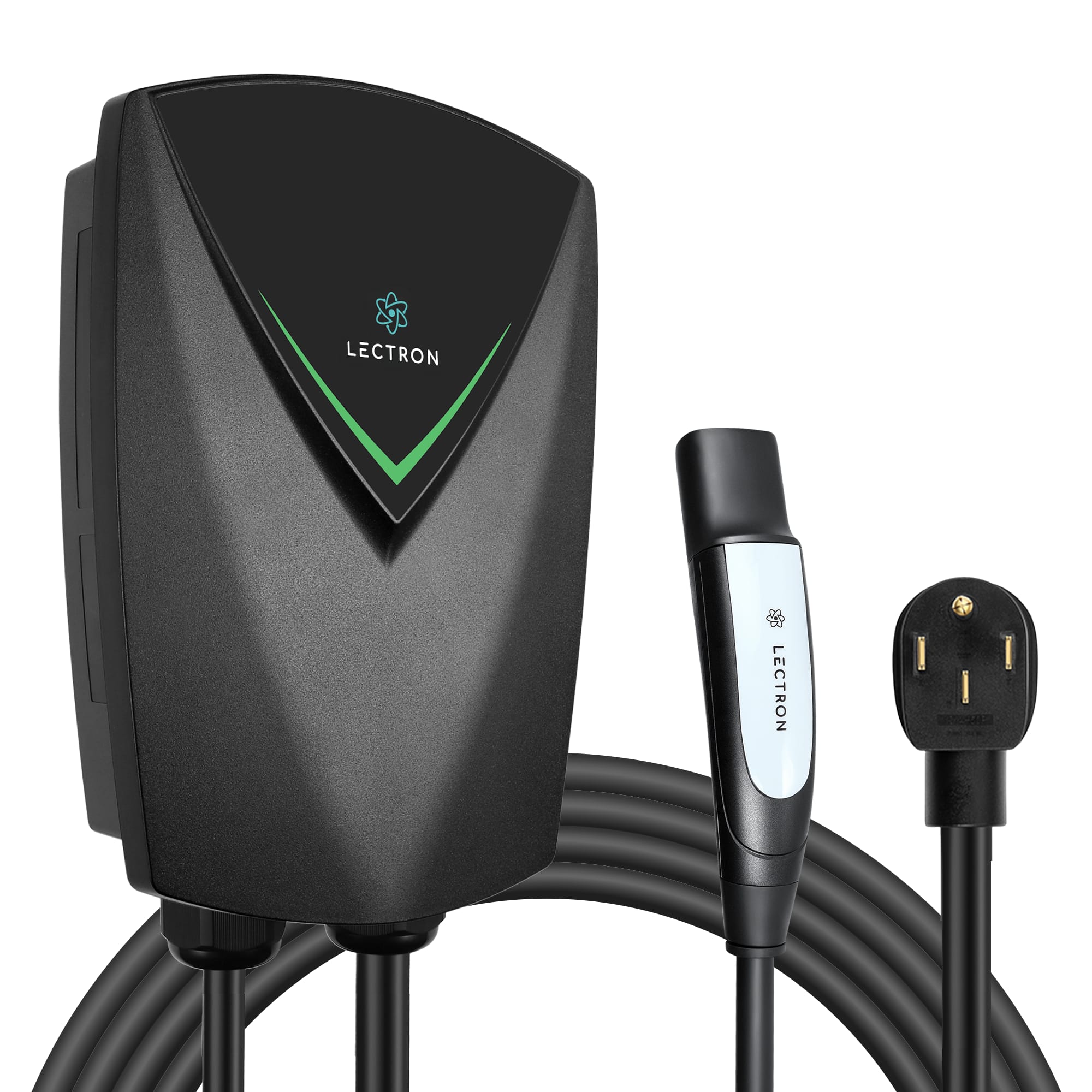
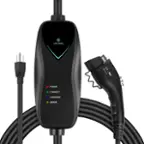
Lectron - Tesla NACS Level 2 EV Charger - 40A, 240V, NEMA 14-50 Plug, 23-ft Cable, Indoor/Outdoor - Black
About this product
A black Level 2 EV charger with a 23-ft cable, NEMA 14-50 plug, and indoor/outdoor IP66 enclosure.
(0)$479.99 Your price for this item is $479.99 -
4
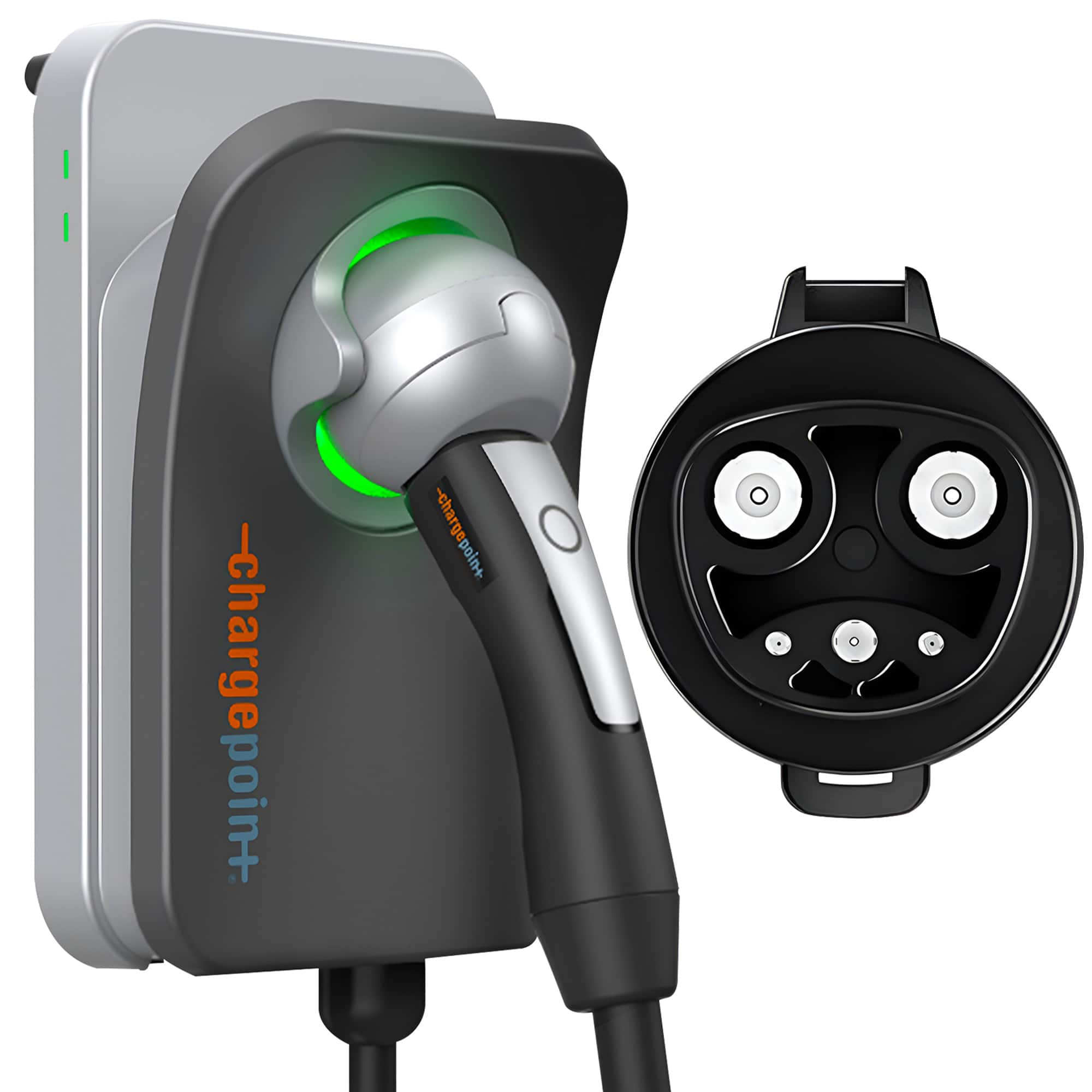
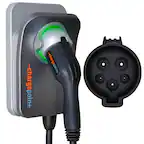
ChargePoint - Home Flex Level 2 EV Charger NACS, Hardwired EV Fast Charge Station - Hardwired NACS
About this product
A hardwired gray Level 2 EV charger delivering fast, smart charging with Tesla compatibility and app control.
(5)$549.00 Your price for this item is $549.00 -
5
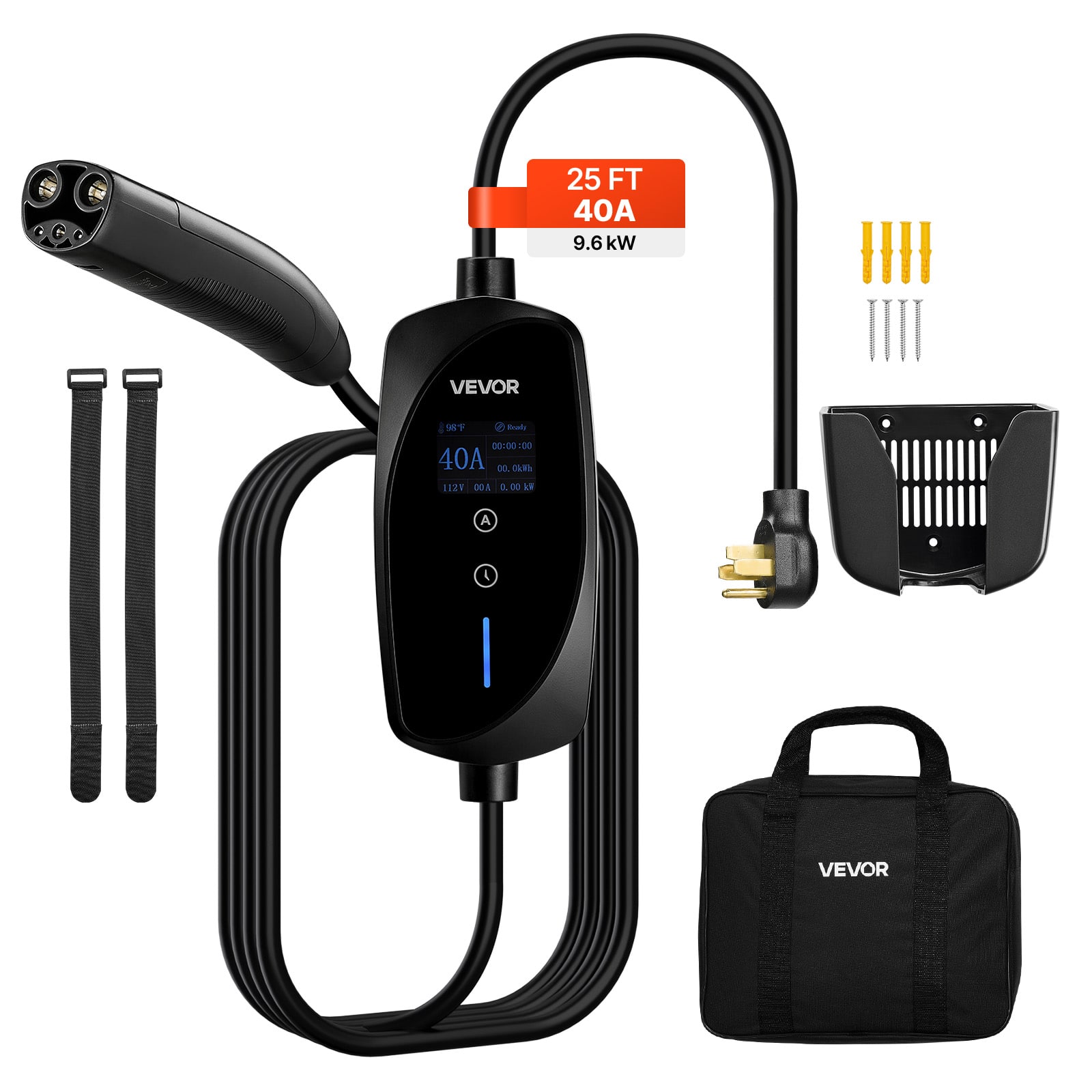
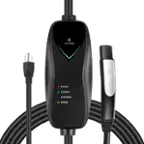
VEVOR - Level 2 Tesla Charger, 40 Amp Adjustable Current, 240V Portable Home Electric Car EV Charger with 25 ft Charging Cable - Black
About this product
A black Level 2 EV charger offering adjustable 40-amp, 240V charging, LCD monitoring, and IP66 waterproofing.
(0)$219.90Your price for this item is $219.90SAVE $55.09 -
6
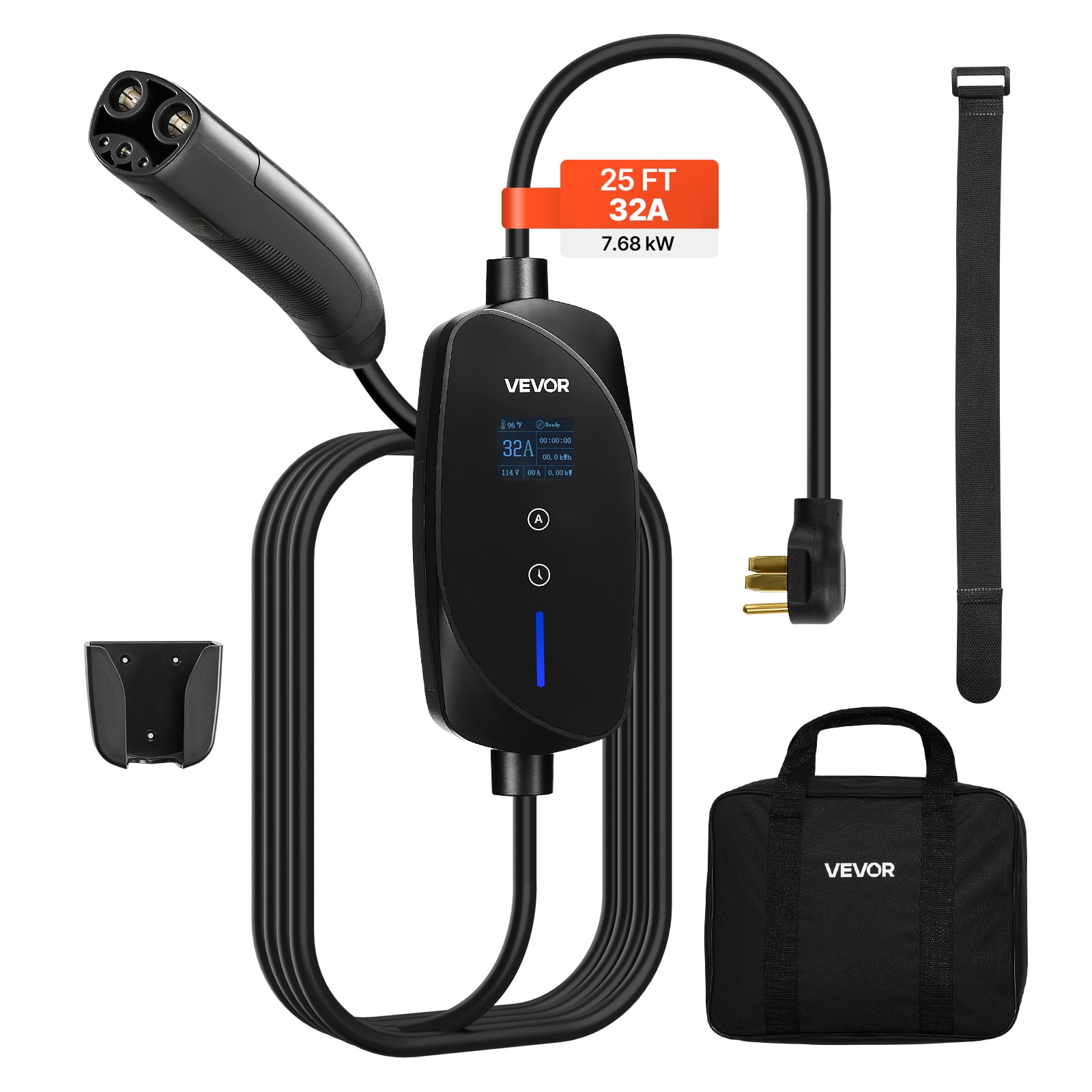
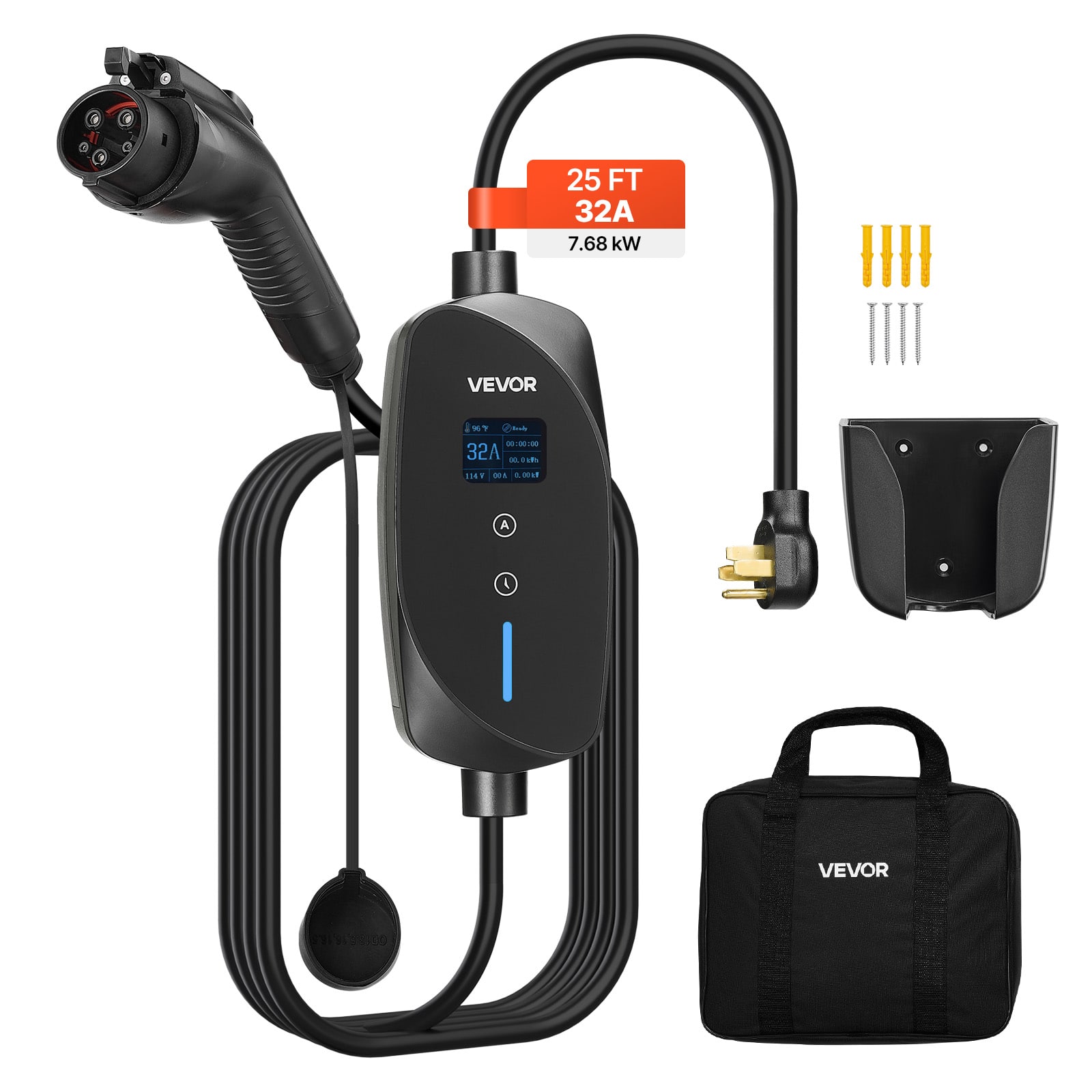
VEVOR - Level 2 Tesla Charger, 32 Amp Adjustable Current, 240V Portable Home Electric Car EV Charger with 25 ft Charging Cable - Black
About this product
A black 32-amp Level 2 Tesla charger with 240V input, 25-foot cable, and IP66 waterproof box.
(0)$150.90Your price for this item is $150.90SAVE $38.09 -
7
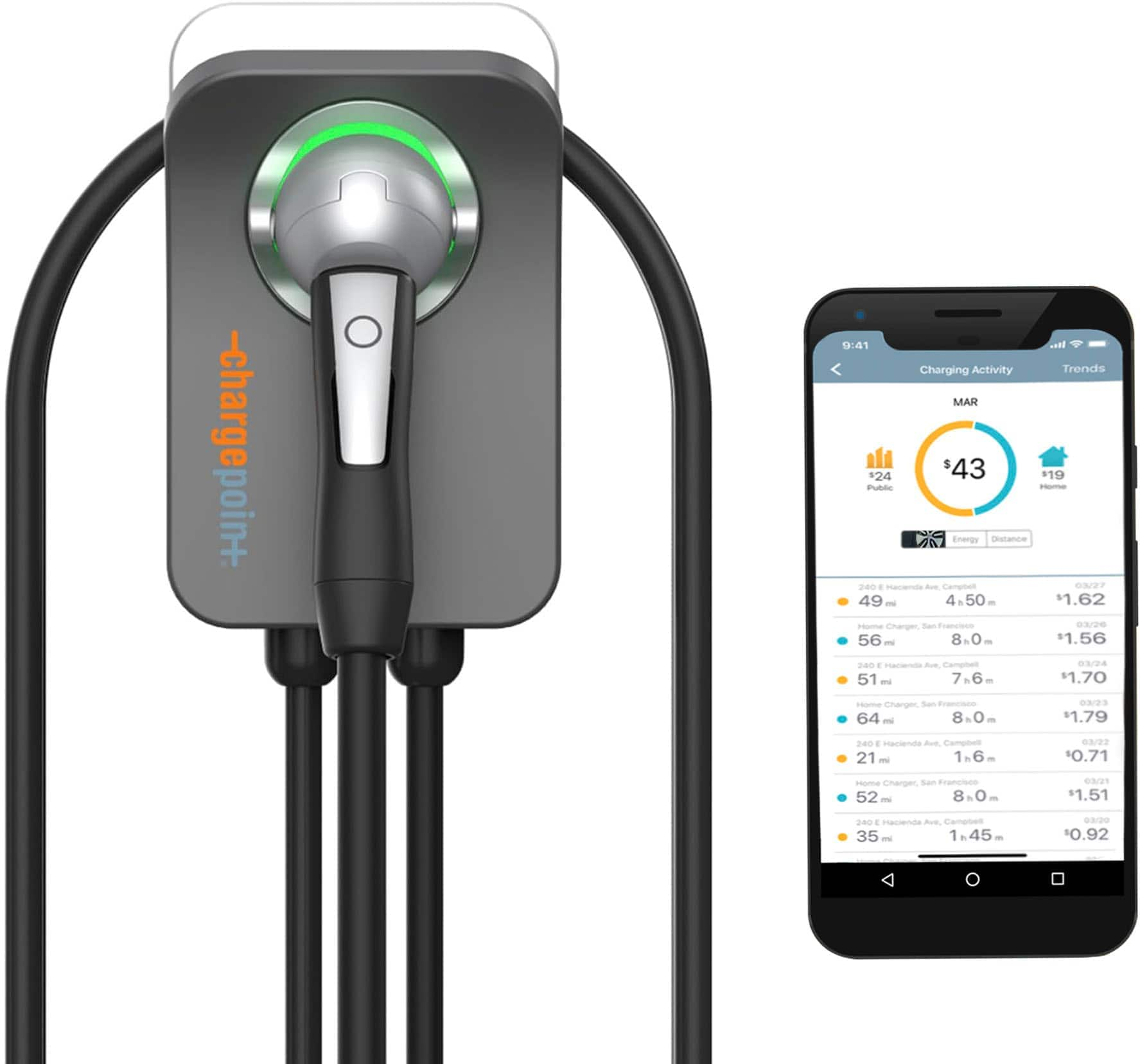
Charge Point - Home Flex Level 2 WiFi NEMA 14-50 Plug Electric Vehicle EV Charger - Gray
About this product
A gray Level 2 WiFi-enabled EV charger offering fast charging, app control, and Alexa compatibility.
What customers like
(45)$599.00Your price for this item is $599.00SAVE $58.99 -
8
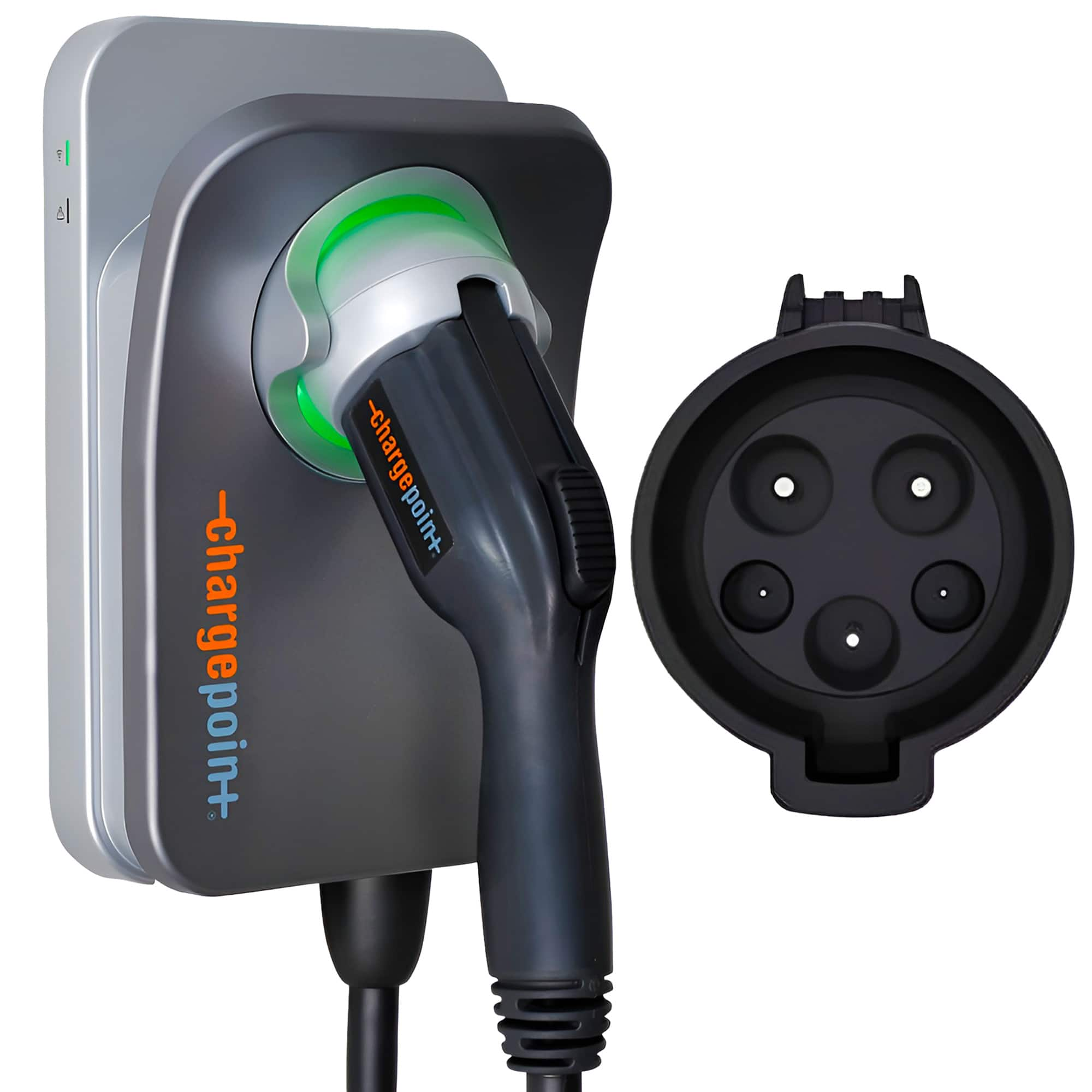
Charge Point - Home Flex J1772 Level 2 Hardwired Electric Vehicle (EV) Charger – up to 80A – 23’ - Gray
About this product
A versatile gray Level 2 hardwired EV charger offering customizable amperage and app-controlled smart charging features.
What customers like
(37)$549.00Your price for this item is $549.00SAVE $30.99 -
9
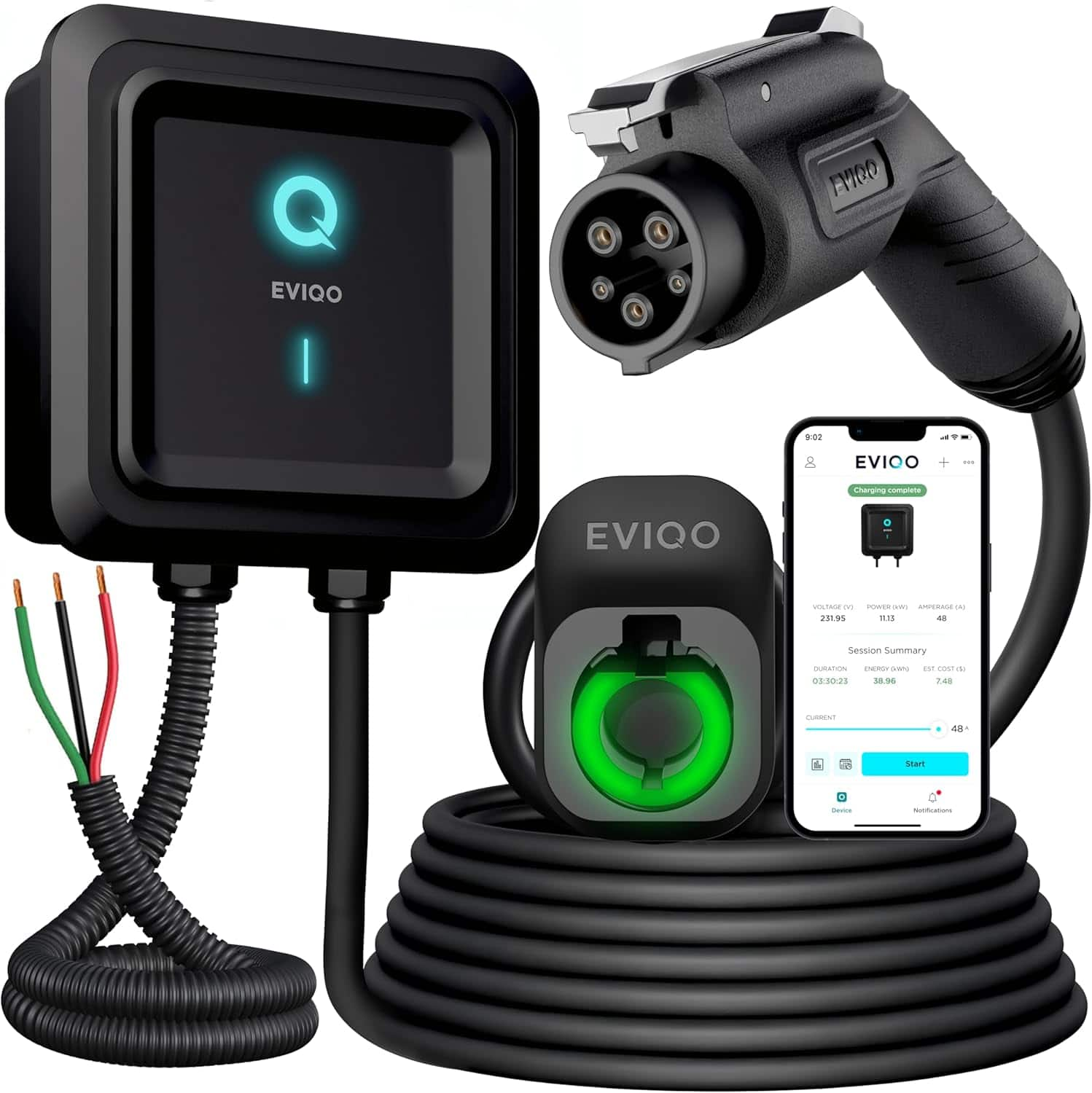
EVIQO - Level 2 EV Charger, 48 Amp, J1772 Charger, 25ft Cable, WiFi, Smart App, Hardwired 240V, 11.5kW - Hardwired, J1772
About this product
A hardwired, 48-amp Level 2 EV charger with J1772 connector, app compatibility, and Energy Star certification.
(1)$429.99Your price for this item is $429.99SAVE $81.00 -
10
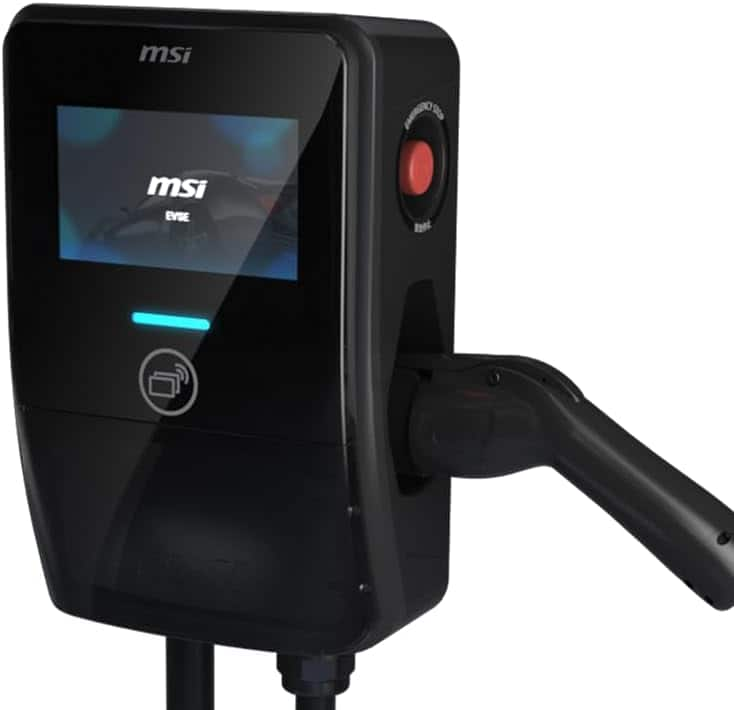
MSI - EV Premium Type 1 NEMA 14-50, Level 2 Charger, 240V / 40A / 9.6kW, Adds 29-39 Miles/Hour, UL & Energy Star Certified - Black
About this product
A black Level 2 EV charger delivering 9.6kW at 240V and 40A through NEMA 14-50.
(1)$559.99Your price for this item is $559.99SAVE $140.00
Top Rated Level 2 Charger for Home
FAQs
A Level 2 home EV charger is charging equipment that uses a 240-volt electrical connection to supply alternating current to an electric vehicle. Home models typically connect through a compatible outlet or a hardwired installation and may include app-based controls.
Common connector types in the United States include J1772 and NACS, also standardized as SAE J3400. Check your vehicle’s charging inlet and owner’s manual when choosing a connector. Some vehicles support compatible adapters, but adapter requirements vary.
A plug-in Level 2 charger connects to a compatible 240-volt outlet, while a hardwired charger connects directly to your home’s electrical wiring. Your choice depends on the charger’s installation requirements and your home’s electrical setup.
Depending on the model, smart features may include Wi-Fi connectivity, app-based charging schedules, session notifications, charging history, and energy-use tracking. Compare these options with the controls already available through your vehicle’s app to decide which features you want.
Cable-management options may include integrated cable holders, wall-mounted hooks, and connector holsters. These features provide a designated place for the cable and connector between charging sessions. Check whether cable-management accessories are included or offered separately.