Garbage Disposal Prices
-
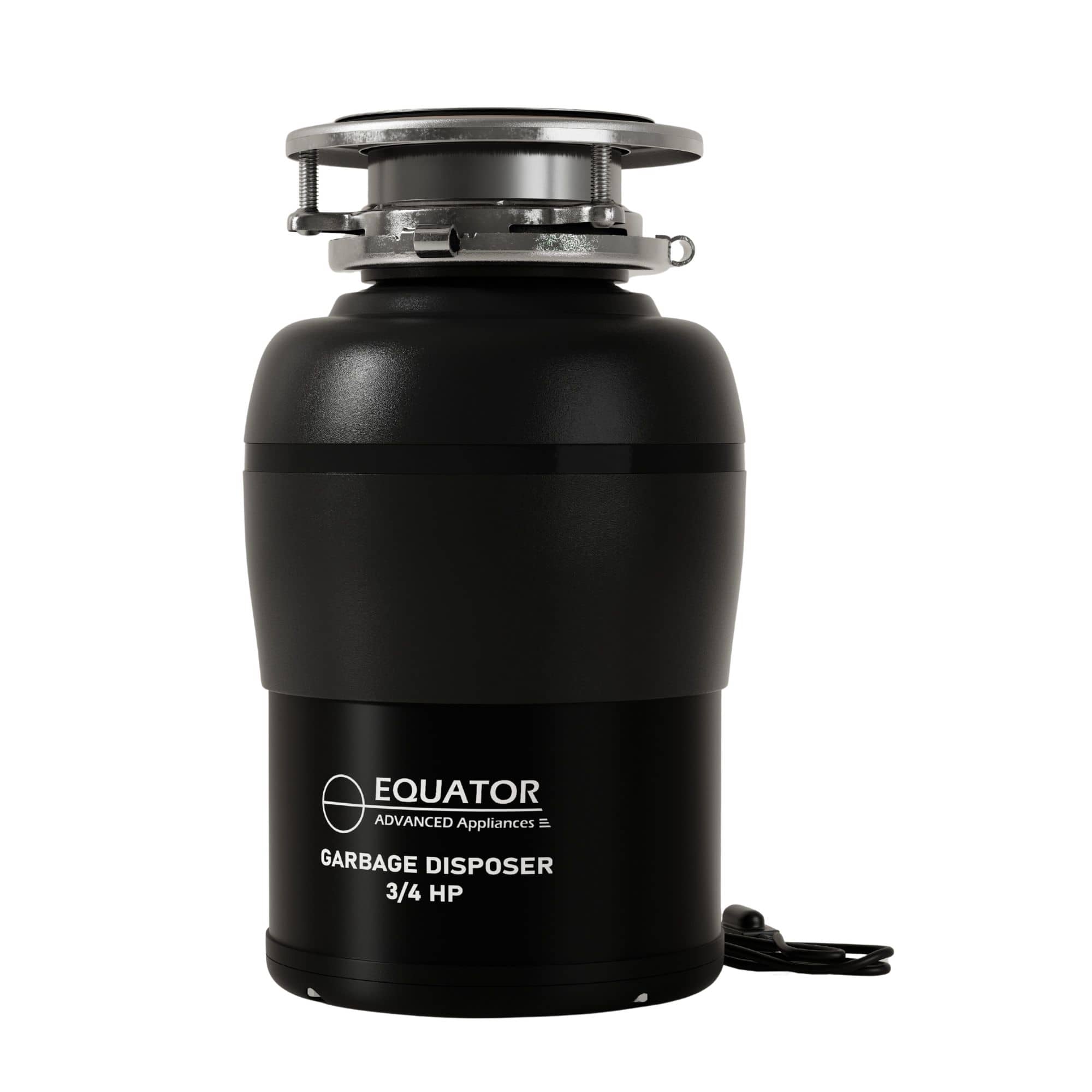
Equator - Garbage Disposal 3/4HP ULTRA QUIET 65 dB 2 Stage Grinding 1700 rpm 110V - GD 075 - Black
SKU: JX5Y4QJZJ9See all Sink Garbage DisposalsProduct Description
An ultra-quiet black garbage disposer with 3/4 HP, stainless steel grinding, and 2-stage continuous-feed operation.Your price for this item is $149.00Save $50The previous price was $199.00 -
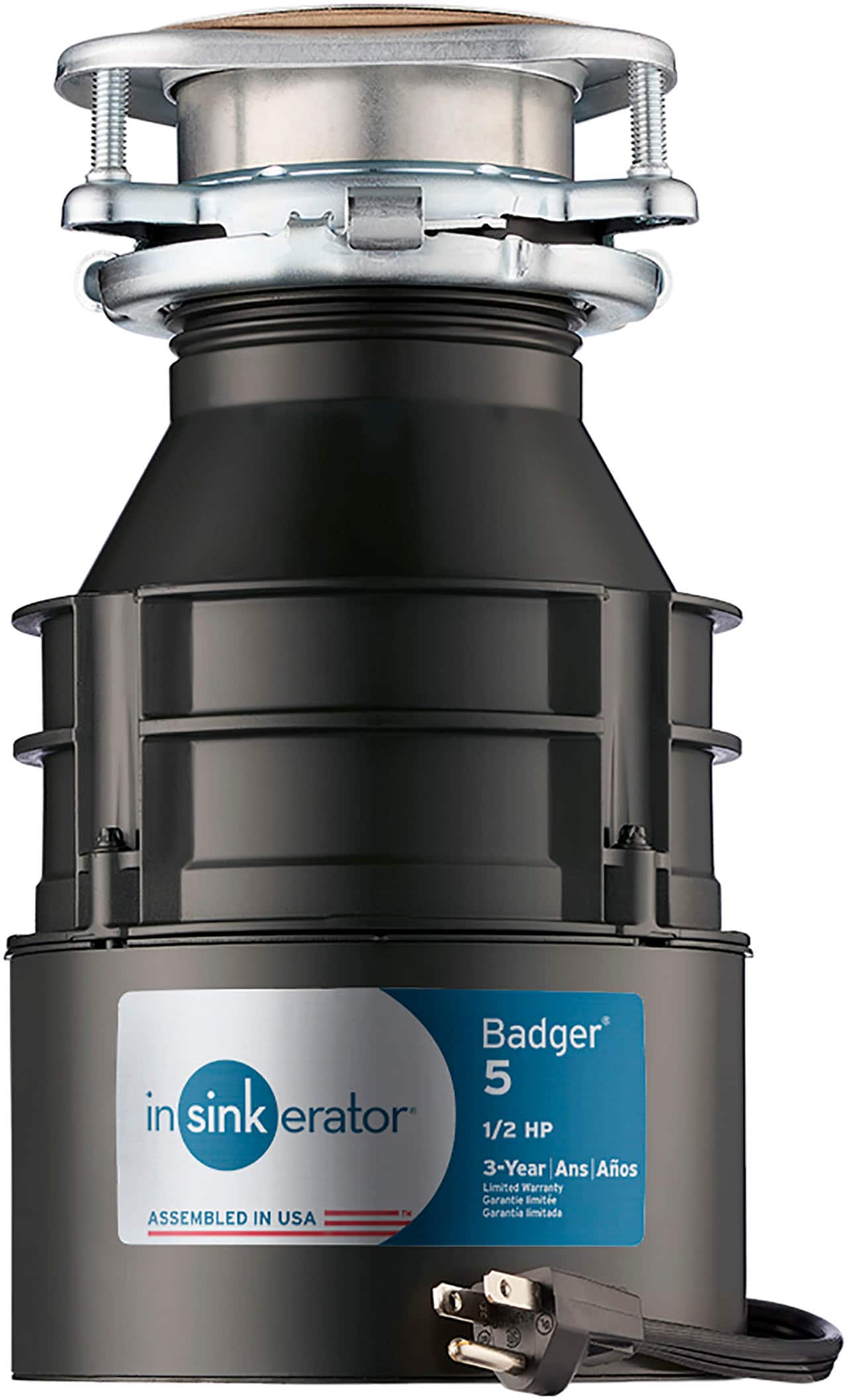
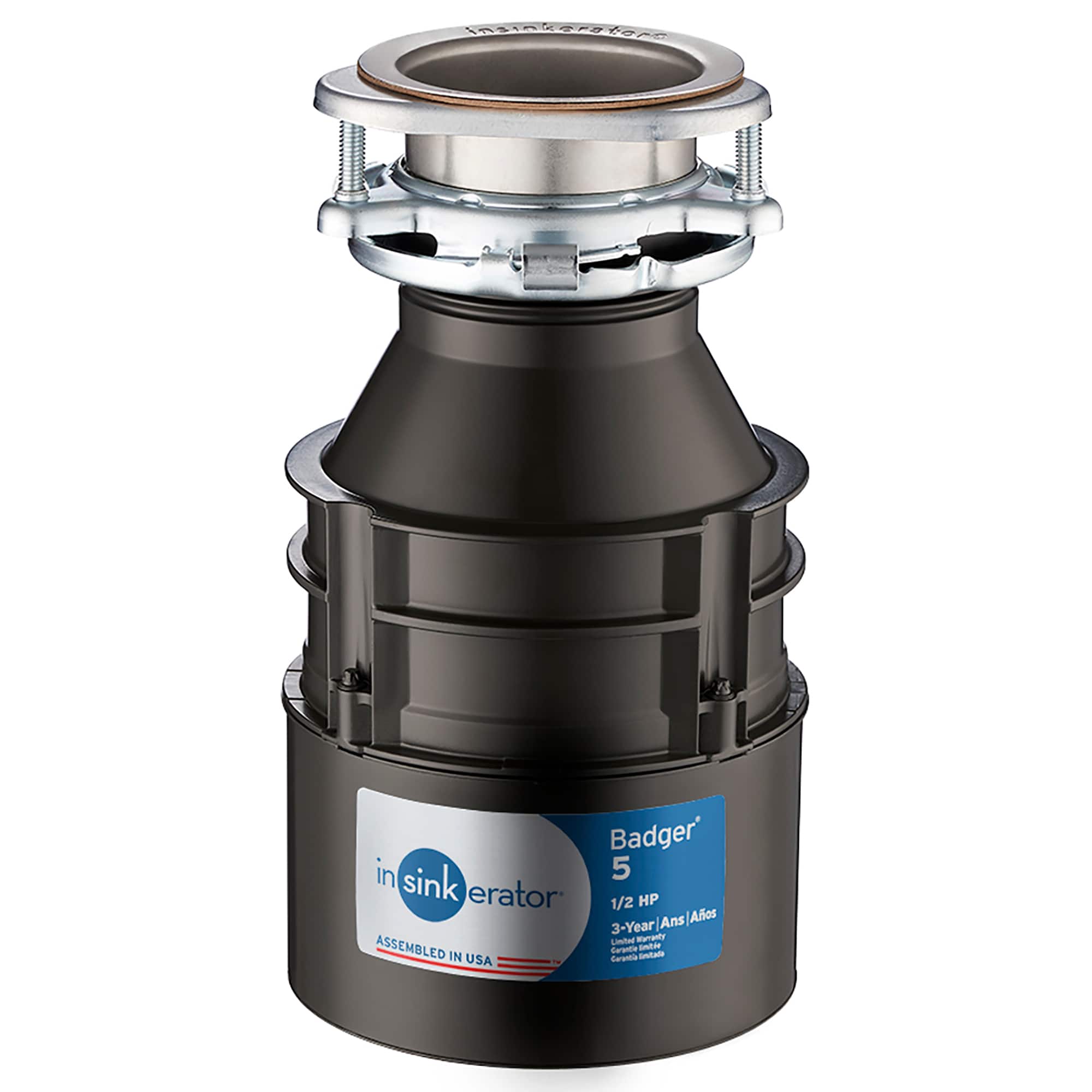
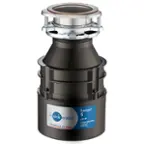
InSinkerator - Badger 5 Lift and Latch Standard Series 1/2 HP Continuous Feed Garbage Disposal with Power Cord - Gray
SKU: J7L8LP7CK9Absolutely love my Insinkerator it’s awesome best disposal ever would definitely recommend.. so quite...great product, best price, good people, very professional service...too that’s the best thing about...
See all Sink Garbage DisposalsProduct Description
A durable grey garbage disposal with 1/2 HP motor, stainless steel components, and quiet continuous feed operation.Your price for this item is $149.99 -
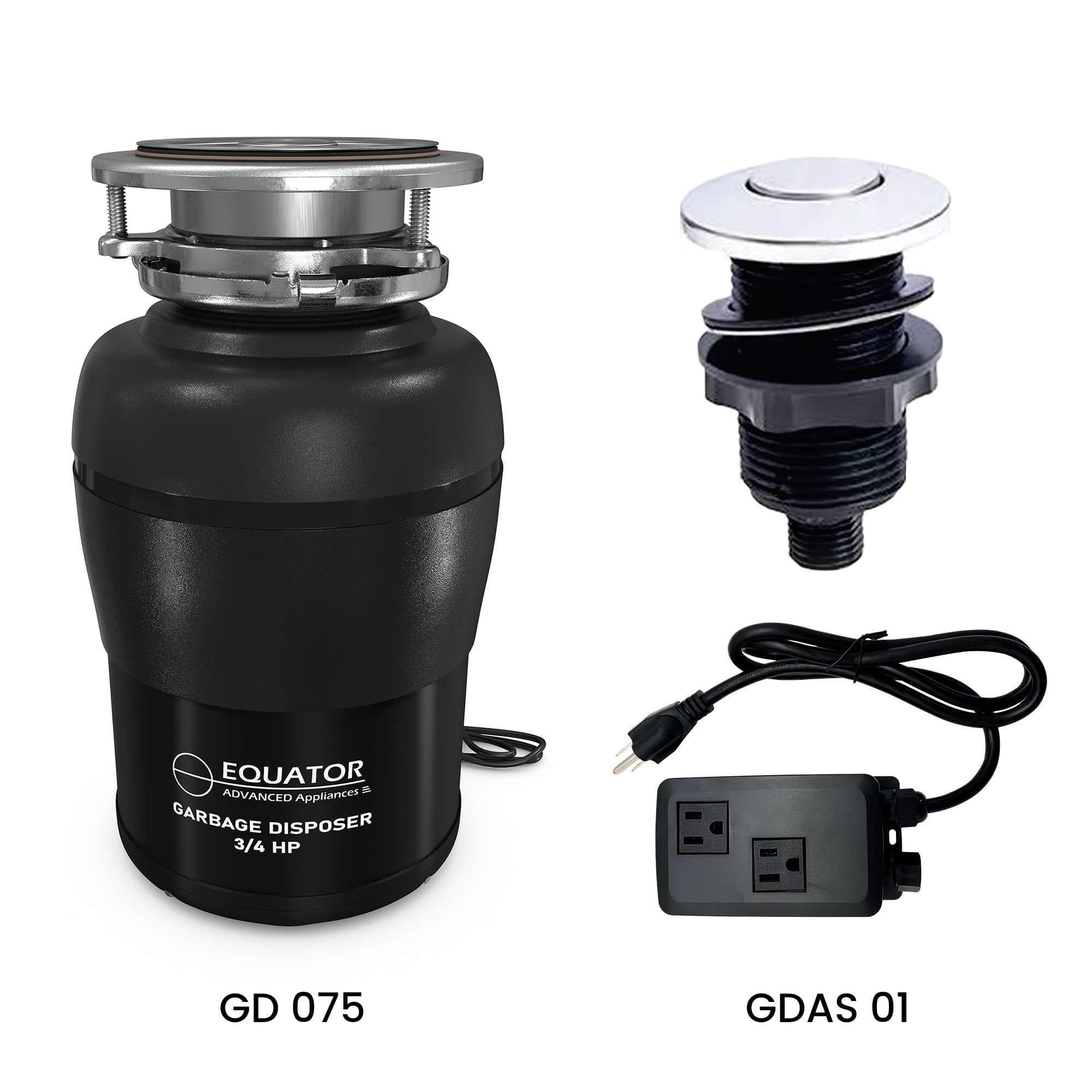
Equator - 3/4HP Garbage Disposal ULTRA QUIET 65 dB 2 Stage Grinding 1700 RPM + Air Switch Countertop Control 110V - Black
SKU: JX5Y4QX83JSee all Sink Garbage DisposalsProduct Description
An ultra-quiet black garbage disposal with 3/4 HP, stainless steel grinding, and convenient countertop air switch.Your price for this item is $199.00Save $50The previous price was $249.00 -
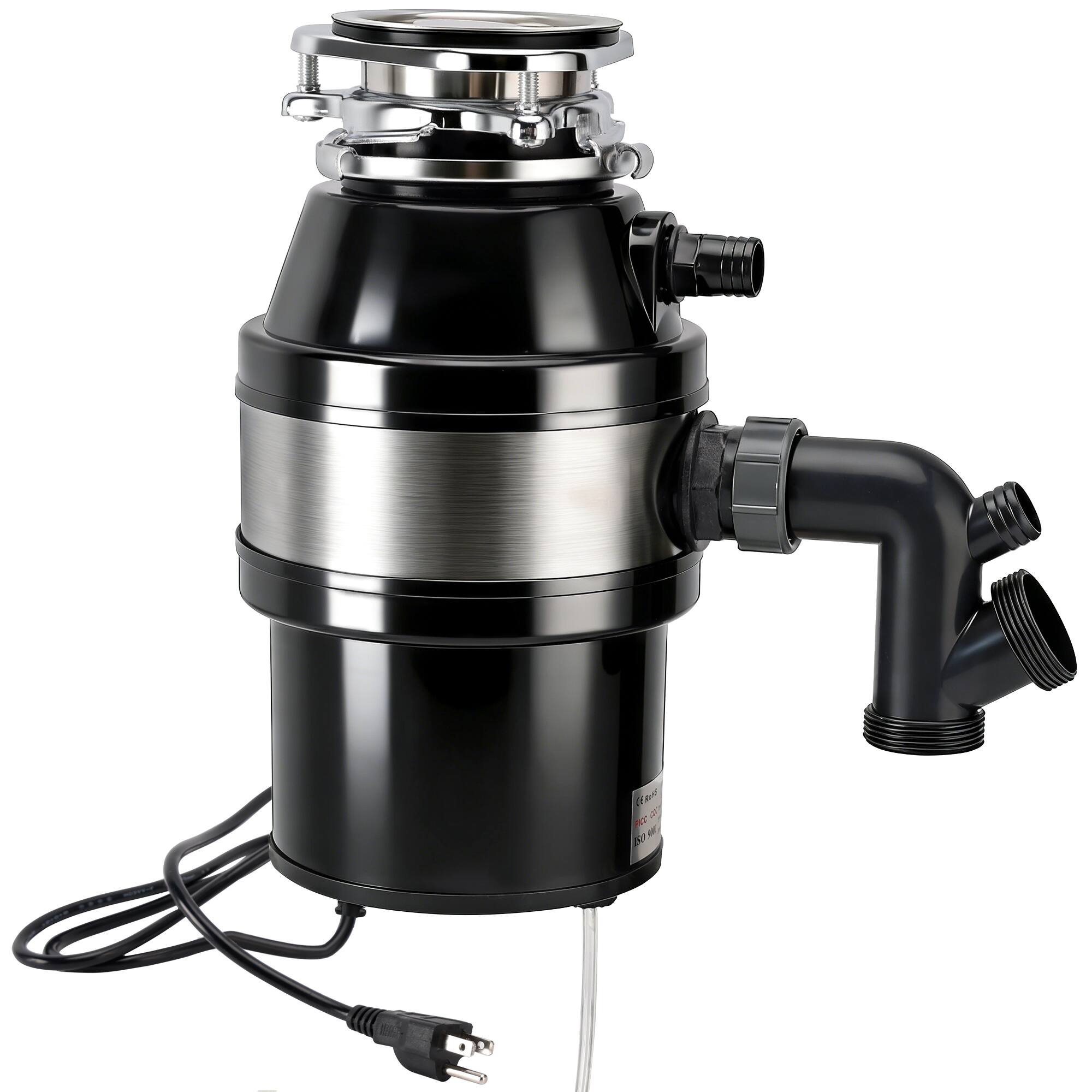
Topteng - 3/4 HP Garbage Disposal with Plug - 2800 RPM High-Speed, Stainless Steel, Auto Overload Protection for Kitchen Sink - Black
SKU: J3R9F7YSL4See all Sink Garbage DisposalsProduct Description
A high-speed black garbage disposal with stainless steel components and auto overload protection for efficient kitchen cleanup.Your price for this item is $115.99Save $74The previous price was $189.99 -
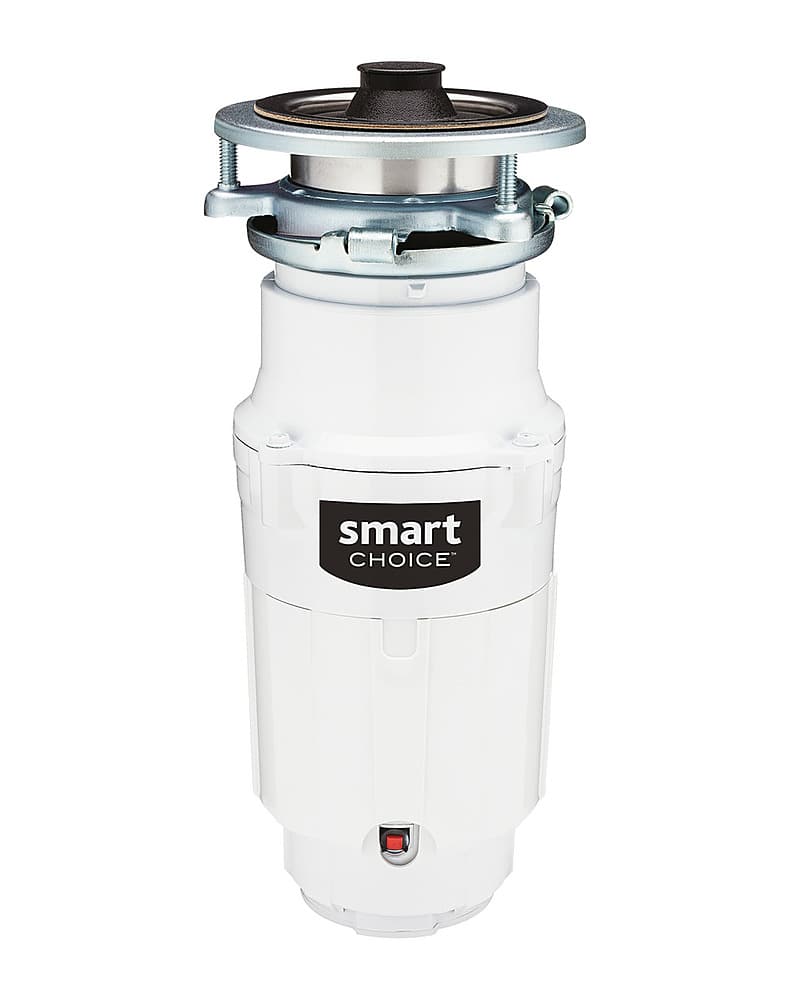
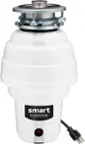
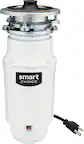
Smart Choice - 1/2HP Garbage Disposal - White
SKU: J7CJ3R7JC2See all Sink Garbage DisposalsProduct Description
A white garbage disposal with 1/2 HP motor, stainless steel grinding, sound insulation, and easy installation.Your price for this item is $110.99 -
GE - DISPOSALL 1/3 HP Disposer - Black
SKU: J7645SY92WGreat Product...Works great just what I needed for our kitchen. I highly recommend this garbage disposal .
See all Sink Garbage DisposalsProduct Description
A black disposer with 1/3 HP motor, auto anti-jam, and durable nylon, glass, and steel construction.Your price for this item is $72.38Save $44The previous price was $116.99 -
InSinkerator - Badger 5 Lift and Latch Standard Series 1/2 HP Continuous Feed Garbage Disposal Cordless - Black
SKU: J7L8LP77TJIt's a Badger, it's the best!...The new Badger 5 works great! The directions were very explicit so I installed it myself....We love it!...Having Best Buy install it was a no-brainer being a TotalTech...
See all Sink Garbage DisposalsProduct Description
A cordless black garbage disposal with a 1/2 HP motor, galvanized steel construction, and quiet operation.Your price for this item is $144.99 -
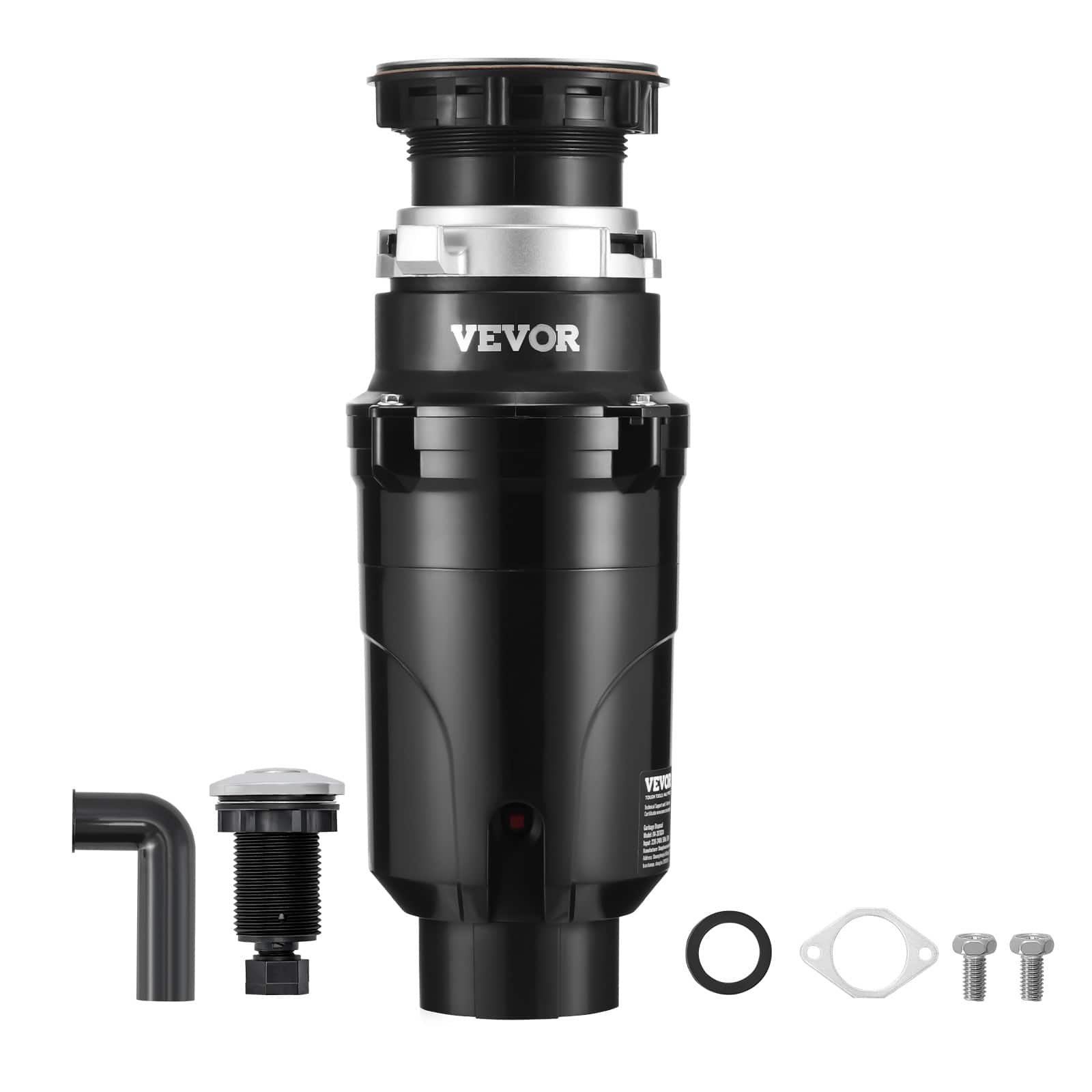
VEVOR - Garbage Disposal, 1/2HP 3450RPM Continuous Feed Food Waste Disposer, EZ Connect Food Waste Grinding System - Black
SKU: JJGHKKZP2RSee all Sink Garbage DisposalsProduct Description
A powerful black ABS and stainless steel disposer with 1/2HP motor and continuous feed grinding system.Your price for this item is $72.90Save $19The previous price was $91.99 -
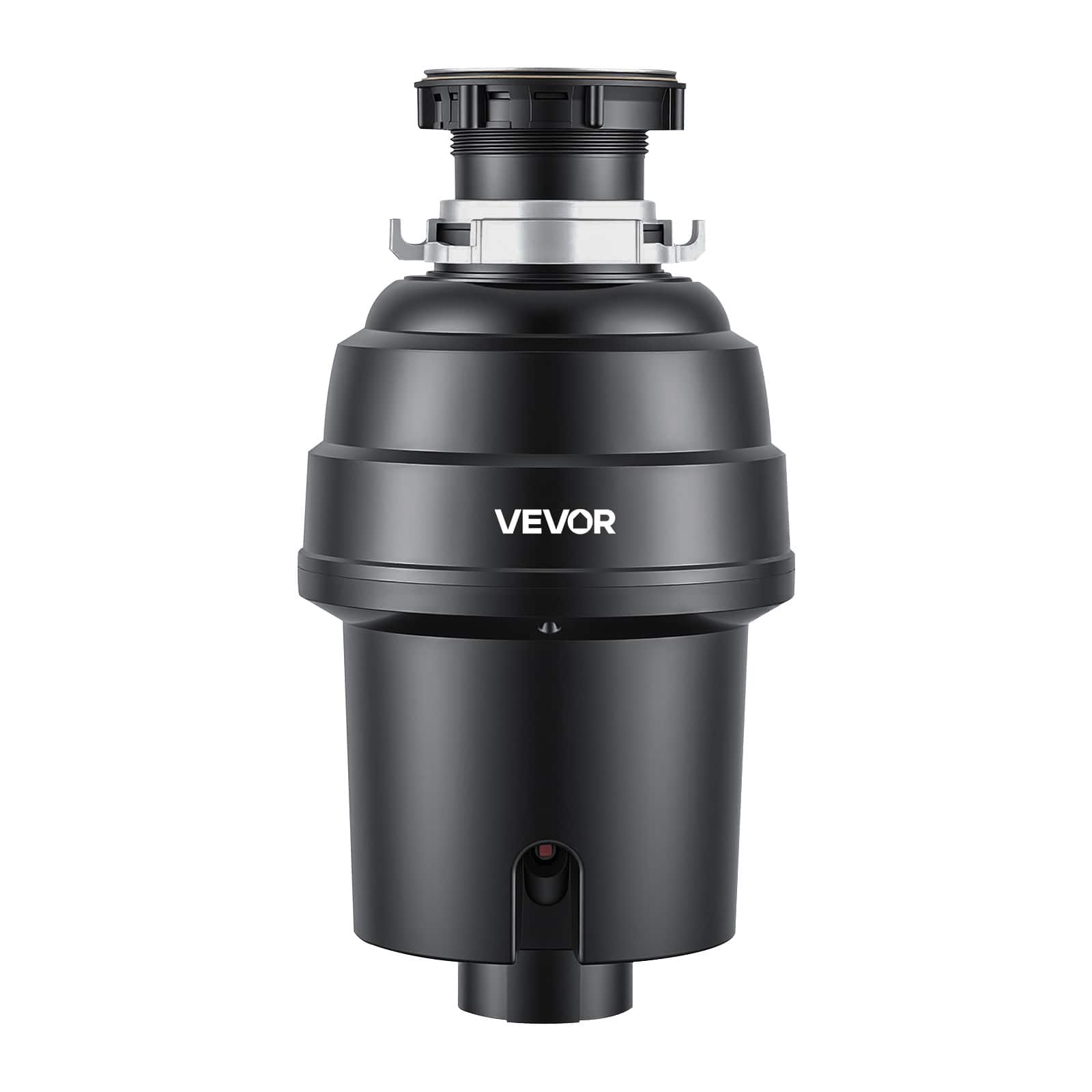
VEVOR - Food Waste Garbage Disposal, 1HP 3500RPM DC Motor, Continuous Feed Kitchen Sink Garbage Disposer, EZ Connect Food Waste - Black
SKU: JJGHKZ6LWGSee all Sink Garbage DisposalsProduct Description
A powerful black ABS and stainless steel disposer with a 1HP, 3500RPM motor and dishwasher drain connection.Your price for this item is $99.90Save $25The previous price was $124.99 -
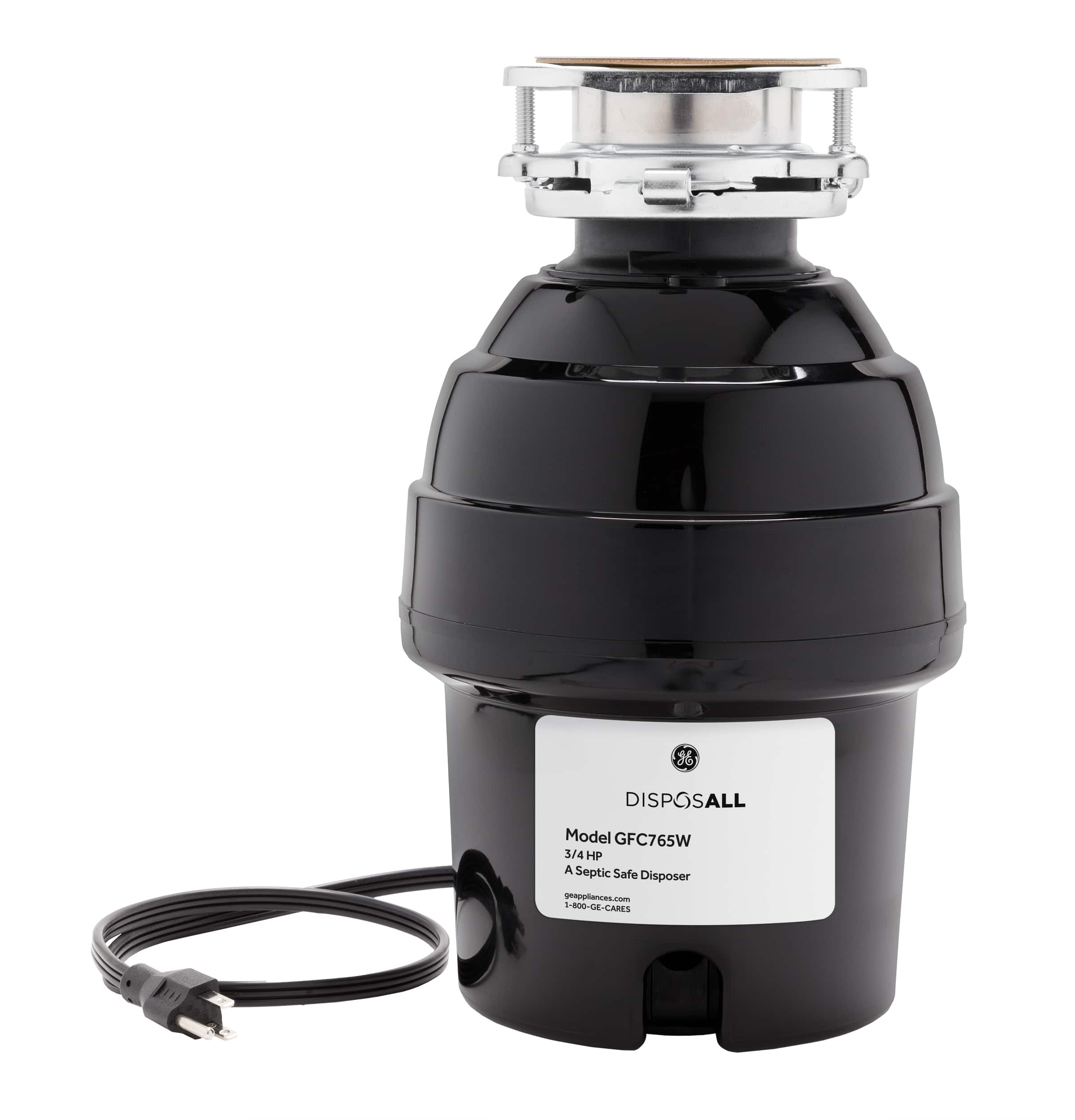
GE - DISPOSALL 3/4 HP Disposer - Black
SKU: J7645SY9XHWorks great...Works great to get the stuff chopped up and out of my drain and sink.
See all Sink Garbage DisposalsProduct Description
A powerful 3/4 HP black disposer with sound insulation, anti-jam feature, and dishwasher drain connection.Your price for this item is $113.74Save $75The previous price was $188.99

Best Sellers
Related Pages


FAQ
When choosing a garbage disposal, consider features like horsepower rating, grind stages, noise reduction technology, and whether it has a continuous or batch feed system. Additional features such as stainless steel components and anti-jam mechanisms can also enhance durability and performance.
To keep your garbage disposal running smoothly, regularly clean it by grinding small pieces of citrus peel or ice cubes. Avoid disposing of fibrous materials, grease, or hard objects. Always run cold water while the disposal is in use and for a few seconds afterward.
Most standard kitchen sinks can accommodate a garbage disposal, but it’s important to check the sink’s drain opening size and ensure there is enough space under the sink for installation. Some sinks, especially older or specialty models, may require additional adapters or modifications.
Avoid putting fibrous foods like celery, corn husks, or artichokes, as well as starchy foods like potato peels, into your garbage disposal. Grease, bones, coffee grounds, and large quantities of food scraps can also cause clogs or damage the unit.
To minimize odors, periodically grind citrus peels or a mixture of baking soda and vinegar in your disposal. Running cold water during and after use helps flush away debris. Regular cleaning and avoiding disposal of food that tends to rot quickly can also help keep your disposal smelling fresh.