Black Microphones For Podcasting
-
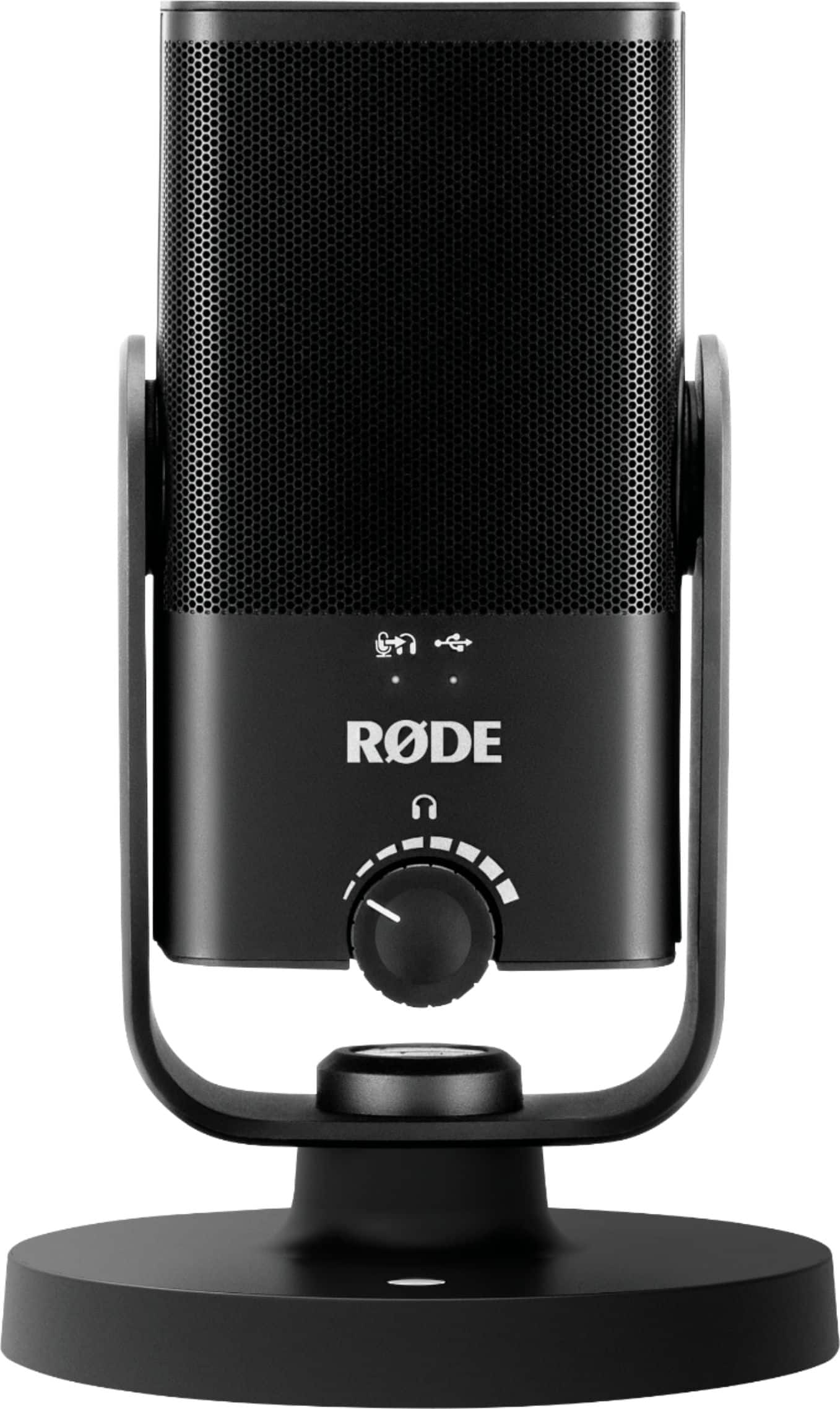
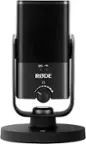
RØDE - NT-USB MINI Studio-Quality USB Microphone - Black
SKU: JXR9LSGPT9Love the quality of this mic. It sounds amazing and I never have to be adjusting anything....The quality of audio your getting for the money is great and it looks good too!...Been using this mic daily...
See all Camera MicrophonesProduct Description
A compact black USB microphone delivering studio-quality sound with built-in pop filter and zero-latency monitoring.Your price for this item is $109.99 -
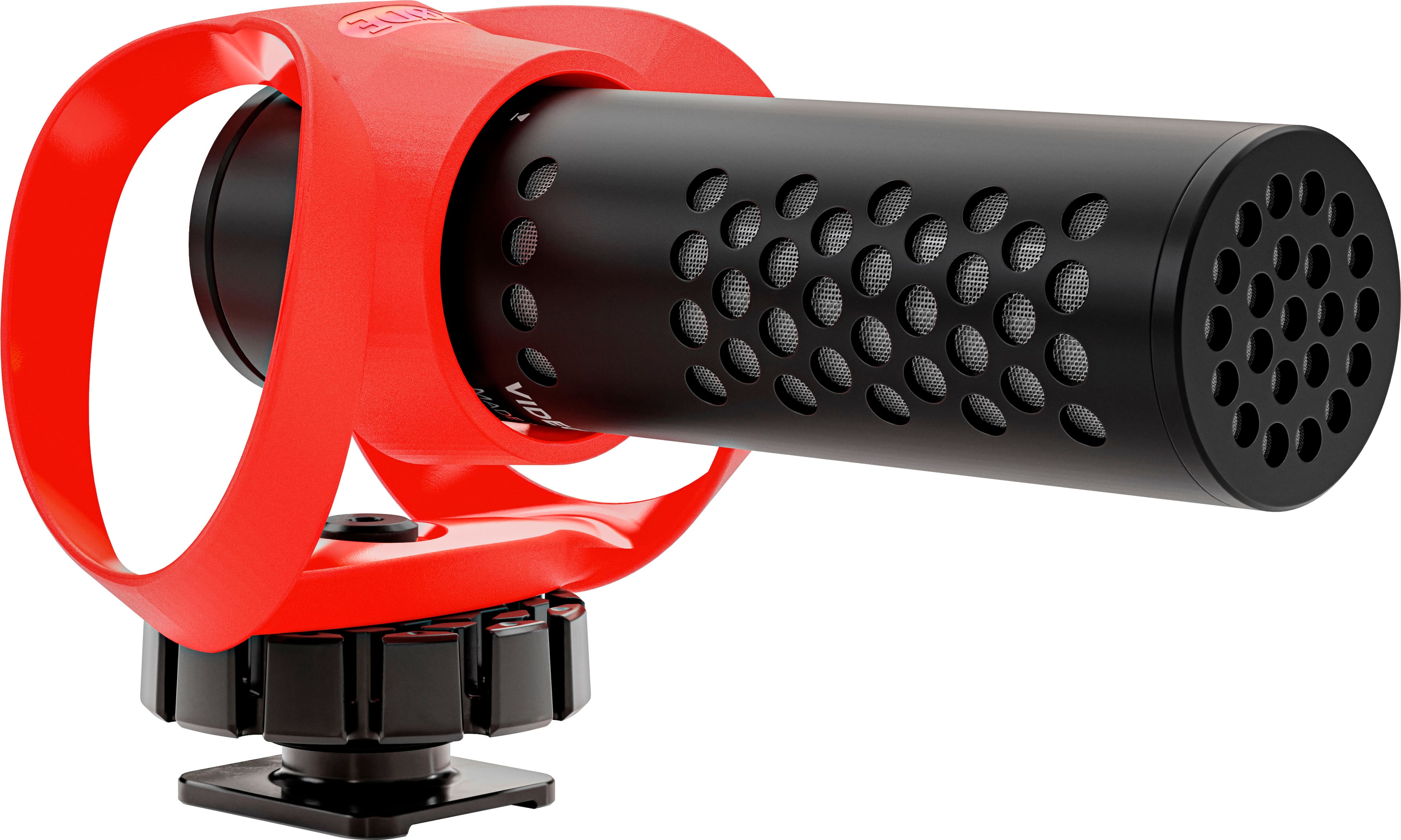
RØDE - VideoMicro II Wired Supercardioid Shotgun Microphone - Black
SKU: JXR9LSGQZXGreat!...Great, clear voice! I and use for recording I no have problem this is the best!...I love it. It's exactly what I wanted. It works great
See all Camera MicrophonesProduct Description
A compact black supercardioid shotgun microphone with rugged all-metal construction and advanced HELIX isolation mount.Your price for this item is $89.99 -
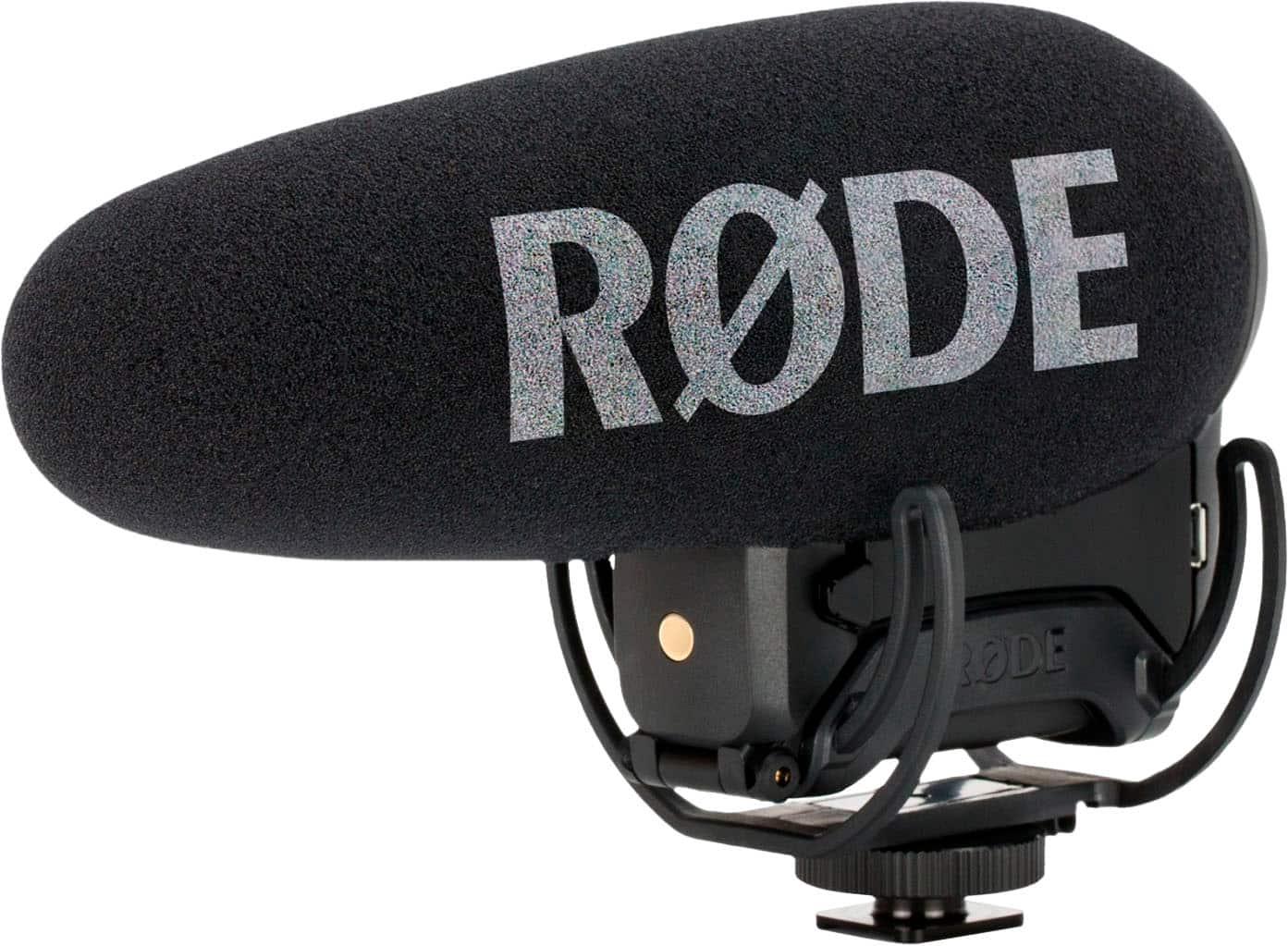
RØDE - VIDEOMIC PRO+ Premium On-Camera Microphone - Black
SKU: JXR9LSGGV3Best Buy electronic...I love it great quality products very good i enjoy it....Best Shotgun mic!...I took me some practice to really like it, I love it.
See all Camera MicrophonesProduct Description
A premium black on-camera shotgun microphone delivering broadcast-quality audio with auto on/off and long battery life.Your price for this item is $309.99 -
Sony - ECM322BMP Professional Headset Microphone,Black - Black
SKU: J7XSRHG9RWSee all Computer HeadsetsProduct Description
An omni-directional black headset microphone delivering clear, sensitive audio for presentations and multimedia applications.Your price for this item is $211.99 -
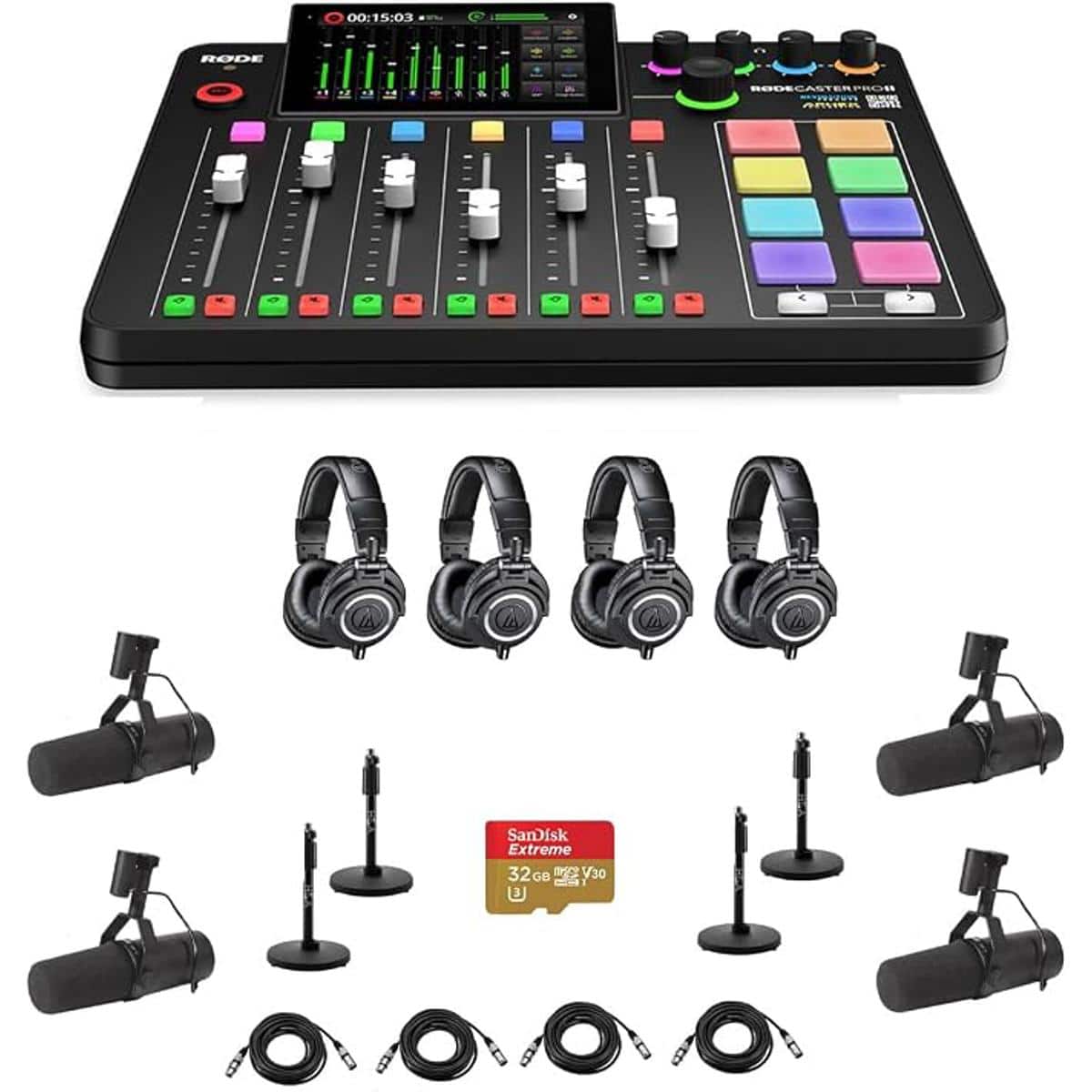
RØDE - Rode RODE RODECASTER INTG SHSM7B MIC W/ACC 4
SKU: JJ89LHSY2CSee all Home Speaker SystemsProduct Description
An all-in-one audio production bundle featuring four SM7B microphones, ATH-M50x headphones, and advanced connectivity.Your price for this item is $2,698.99 -
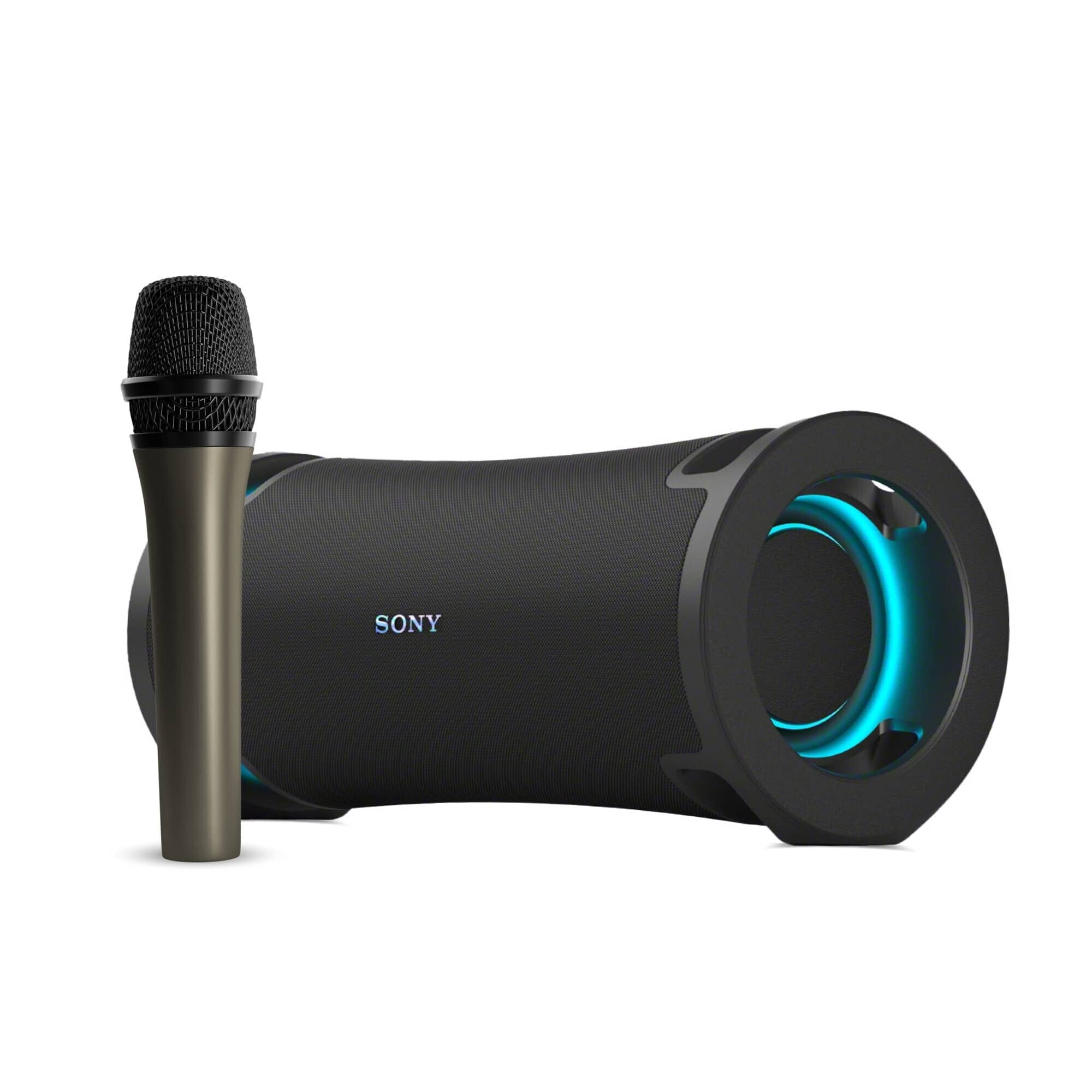
Sony - ULT FIELD 7 Wireless Portable Speaker with Cardioid Microphone Bundle - Black
SKU: JJG2F8239HSee all Bluetooth & Wireless SpeakersProduct Description
A black wireless portable speaker with expressive lighting and a cardioid microphone for versatile audio needs.Your price for this item is $449.99Save $50The previous price was $499.99 -
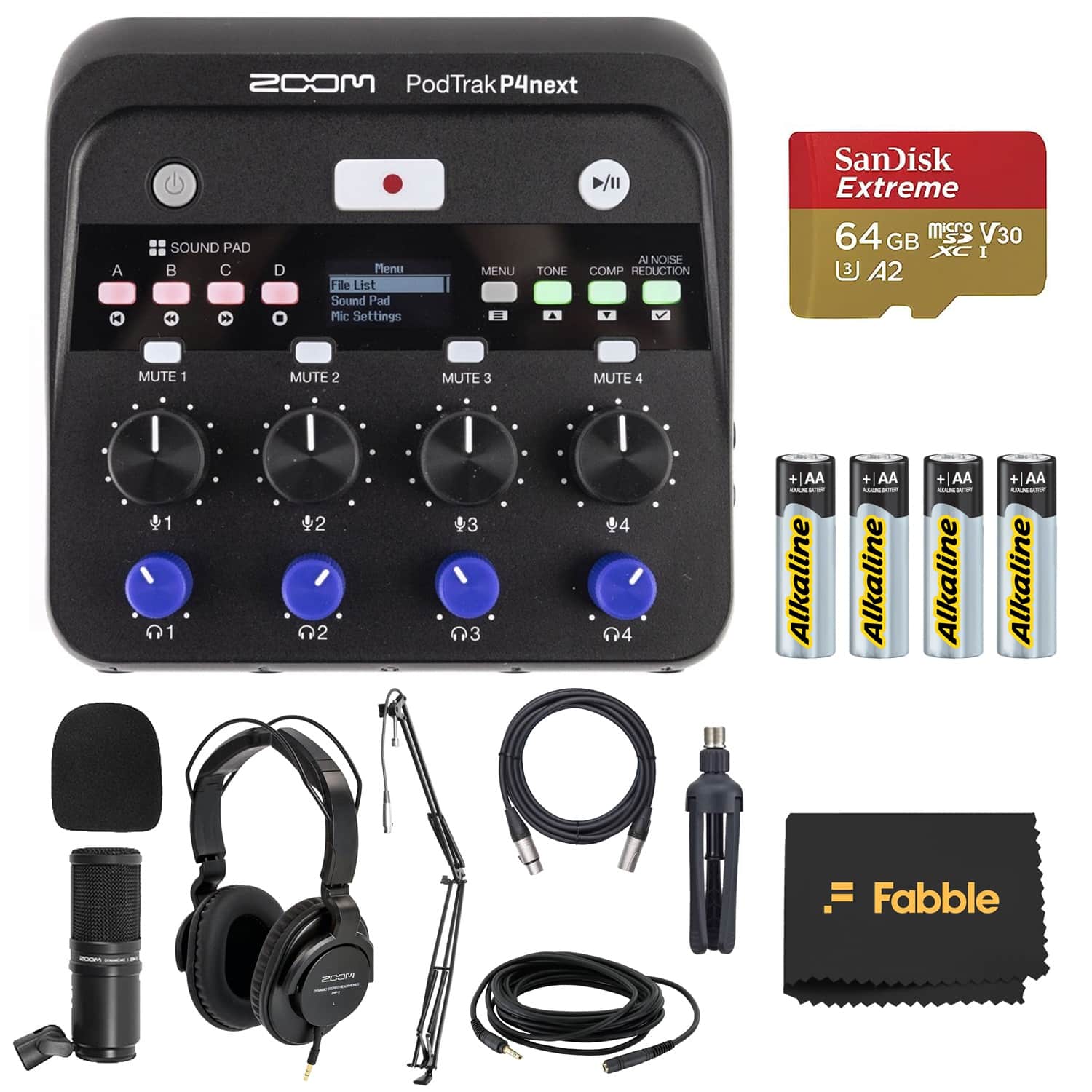
PodTrak P4next Portable Multitrack Podcast Recorder Bundle with 1 Zoom ZDM-1 Podcast Mic Packs, 1 On-Stage MBS5000
SKU: J3GWYJJX5YSee all Voice RecordersProduct Description
A portable black podcast recorder bundle with AI-driven noise reduction, EQ, compression, and broadcast-quality microphone.Your price for this item is $299.95 -
Zoom - PodTrak P2 Podcast Recorder, Pack of 2 Sony MDR-7506 Headphones, Bundle
SKU: JJGYT4JS3CSee all Voice RecordersProduct Description
A portable podcasting bundle featuring AI noise reduction, two USB microphones, and two professional headphones.Your price for this item is $659.95


Best Sellers


Related Pages
FAQ
When choosing a black microphone for podcasting, look for features such as cardioid polar patterns for focused sound capture, USB or XLR connectivity depending on your setup, built-in headphone jacks for real-time monitoring, and adjustable gain controls for optimal audio levels.
Yes, black microphones are available in a wide range of models suitable for both beginners and professionals. Entry-level microphones often offer plug-and-play USB connectivity, while advanced models may provide studio-quality sound and customizable settings.
Many black microphones include useful accessories such as desktop stands, pop filters, shock mounts, and cables, making it easy to set up your podcasting station right out of the box. Check individual product details for included accessories.
Absolutely! Most black microphones designed for podcasting are also great for live streaming, video conferencing, voiceovers, and gaming, providing clear and professional audio across various platforms.
Black microphones typically connect via USB or XLR cables. USB microphones plug directly into your computer and are ideal for simple setups, while XLR microphones require an audio interface or mixer for more advanced recording solutions.