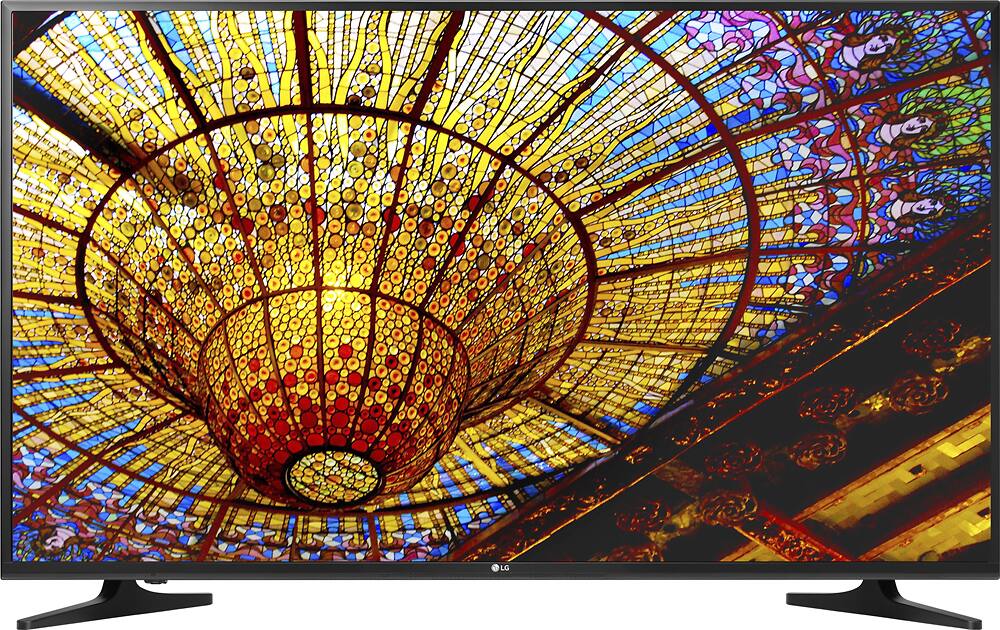
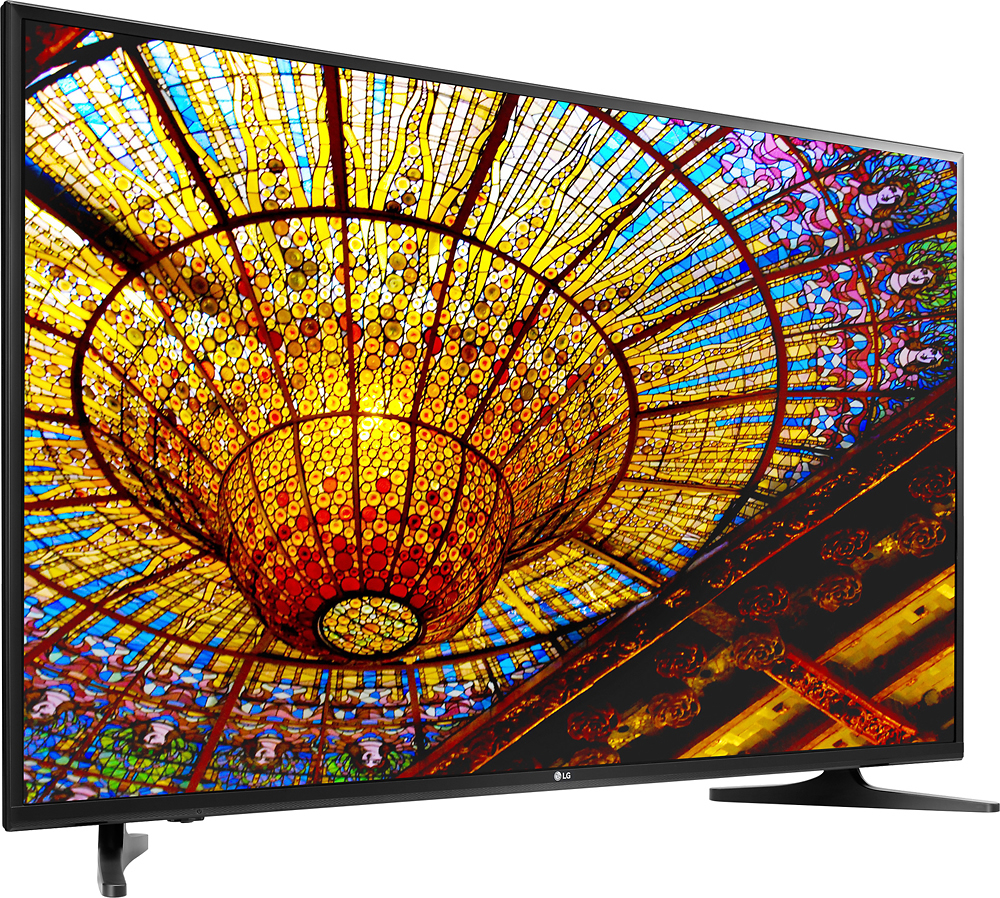
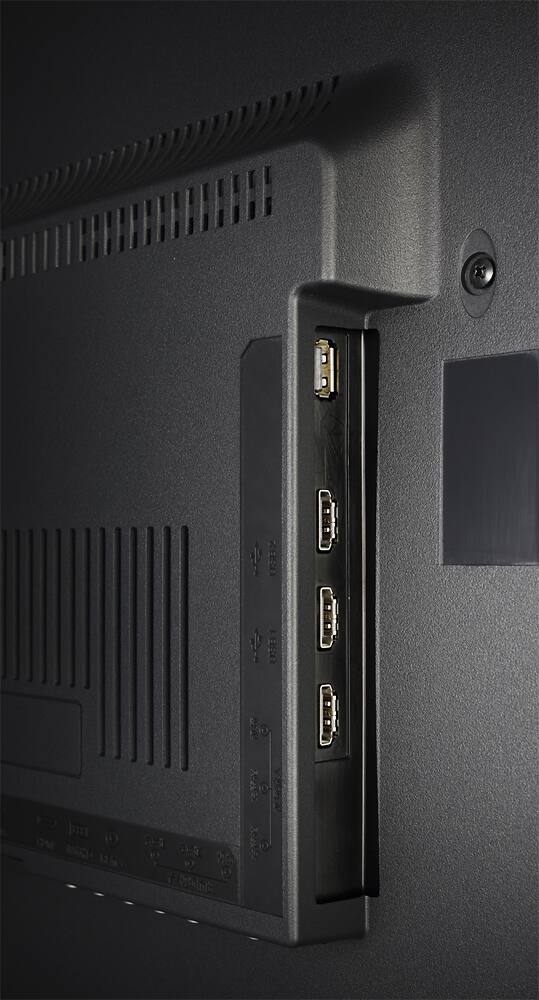
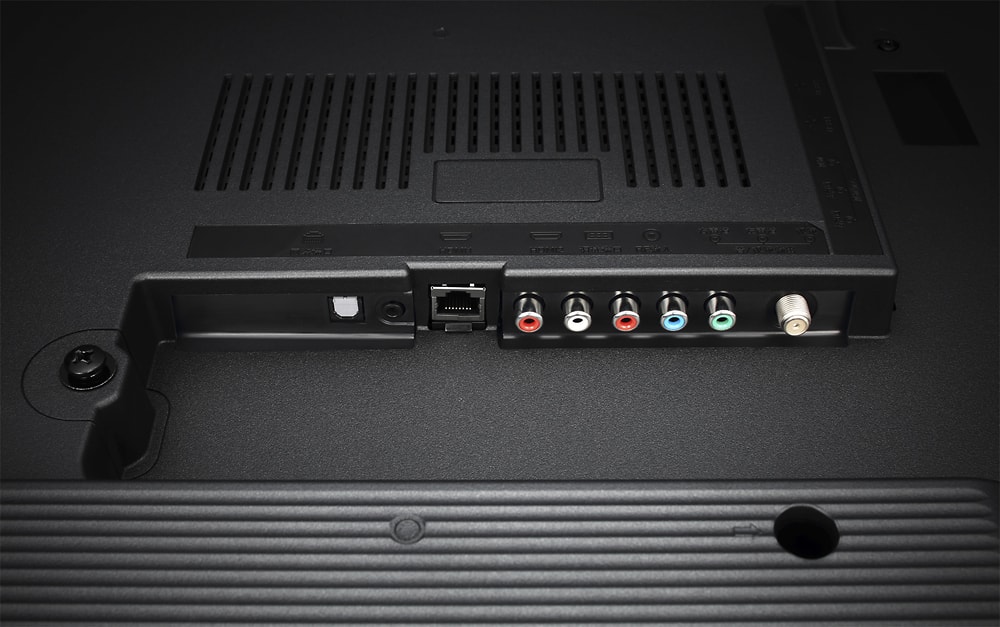
A:Answer Despite the advent of High Definition, our current TV system is still stuck with the colors largely based on the limitations of CRT technology and current HDTV uses an 8-bit system. The two things that define an HDR TV are the TV's contrast performance and the number of colors that is can display.The UHD Alliance has 2 standards that a TV must meet for HDR compatibilty, Standard 1: More than 1,000 nits peak brightness and less than 0.05 nits black level and for Standard 2: More than 540 nits brightness and less than .0005 nits black level. As for the color, requirements, a TV must be able to process 10-bit or 'deep' color which equates to a signal over a billion individual colors. but in order to be considered HDR compatible, a TV doesn't need to be able to display all the colors in a 10-bit signal, it just has to be able to process the signal and produce an image based on that information. It must produce a certain amount of 'P3' color. As an LED TV, the LG - 65" Class (64.5" Diag.) - LED - 2160p - Smart - 4K Ultra HD TV - Black, Model # 65UH5500 is capable of producing high peak brightness so it meets the requirements of standard one as well.Content has to be mastered for HDR in order to work with the HDR standard, in other words, both the source and the TV have to be HDR compatible...^IFV