
Questions & Answers
- Model:
- 75QNED70AUC
- |
- SKU:
- 6636888
$649.99Your price for this item is $649.99
Comp. Value: $899.99
The comparable value price is $899.99
Page Showing 1-7 of 7 questions
Q: QuestionWhat is the weight?
Asked by Debz.
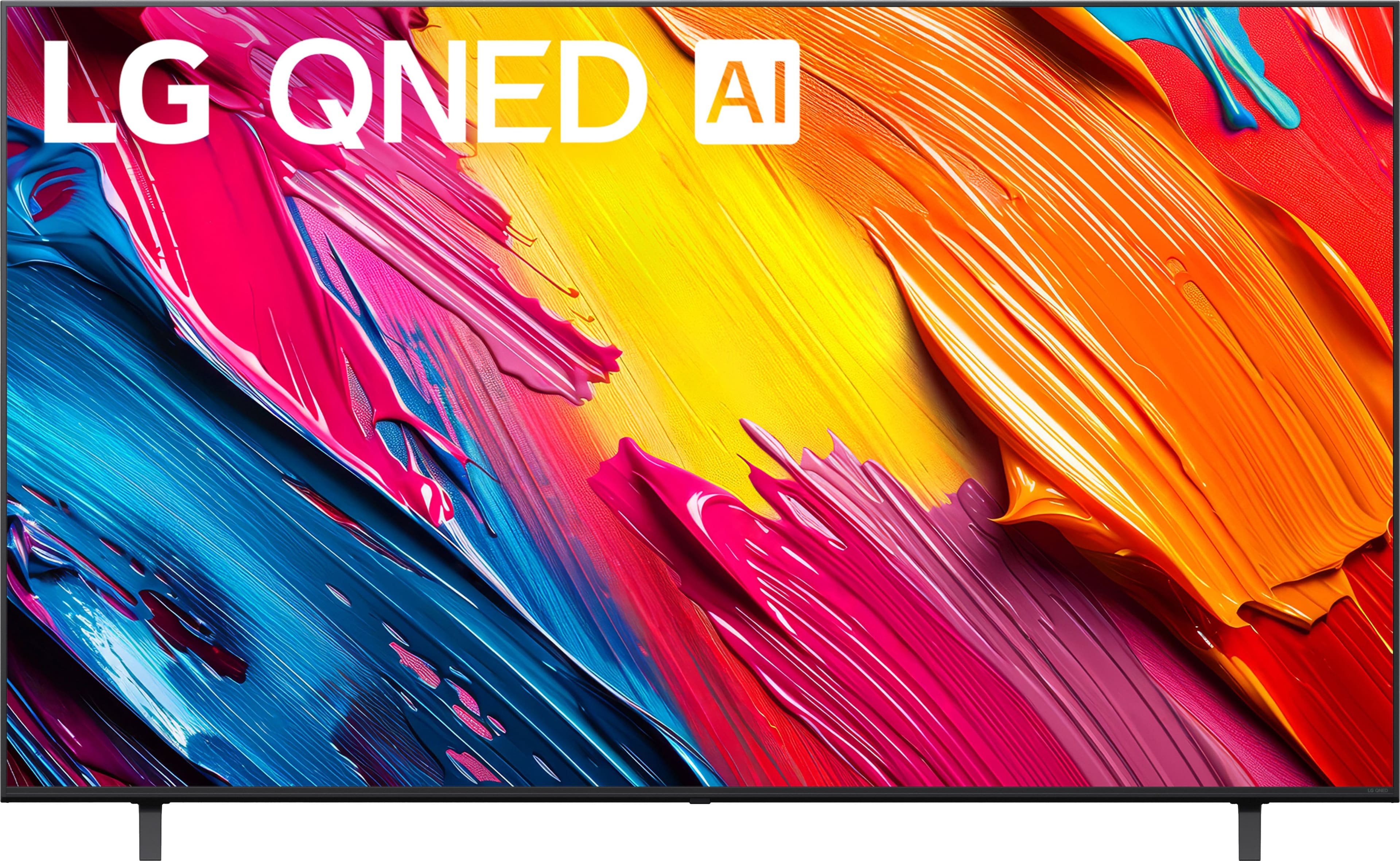
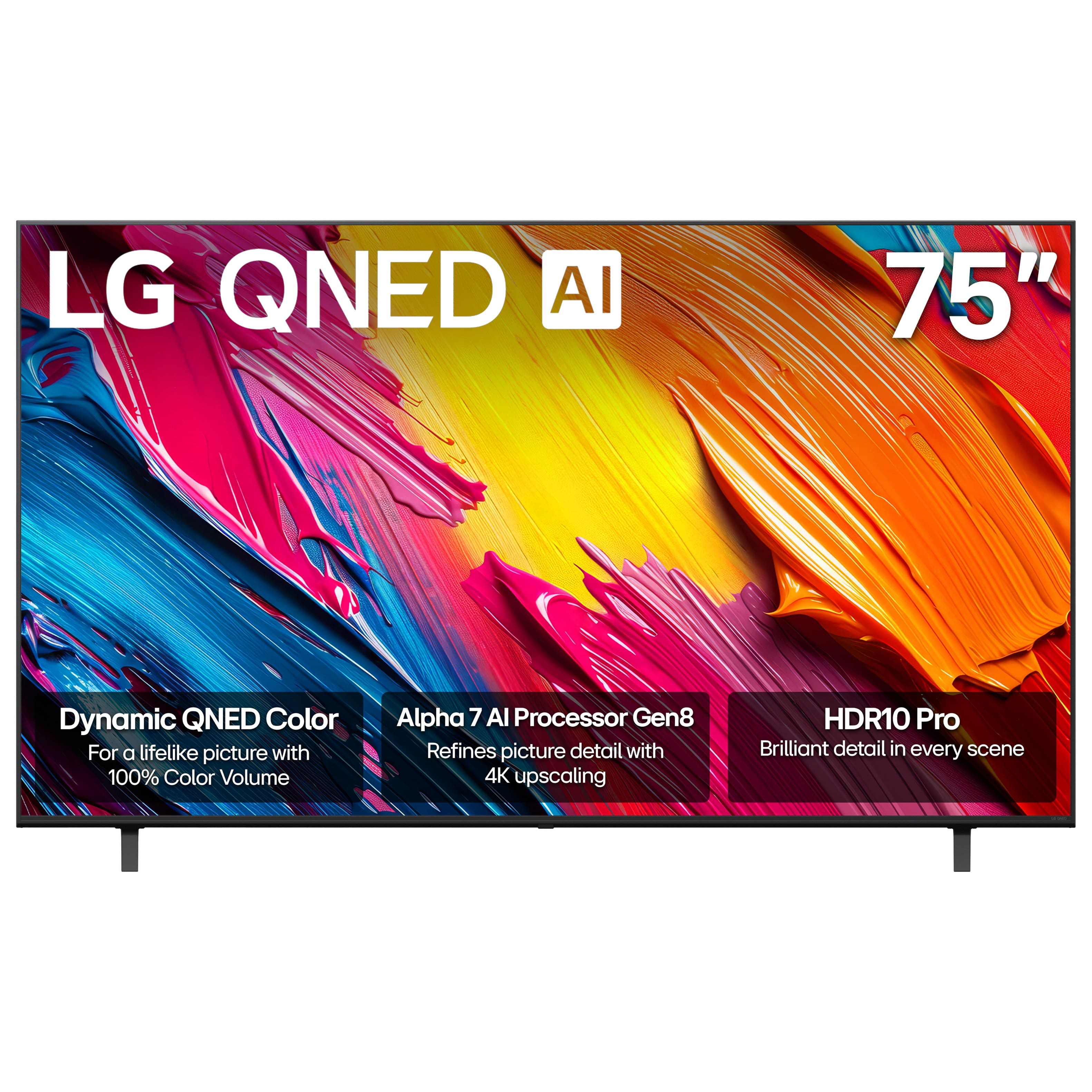
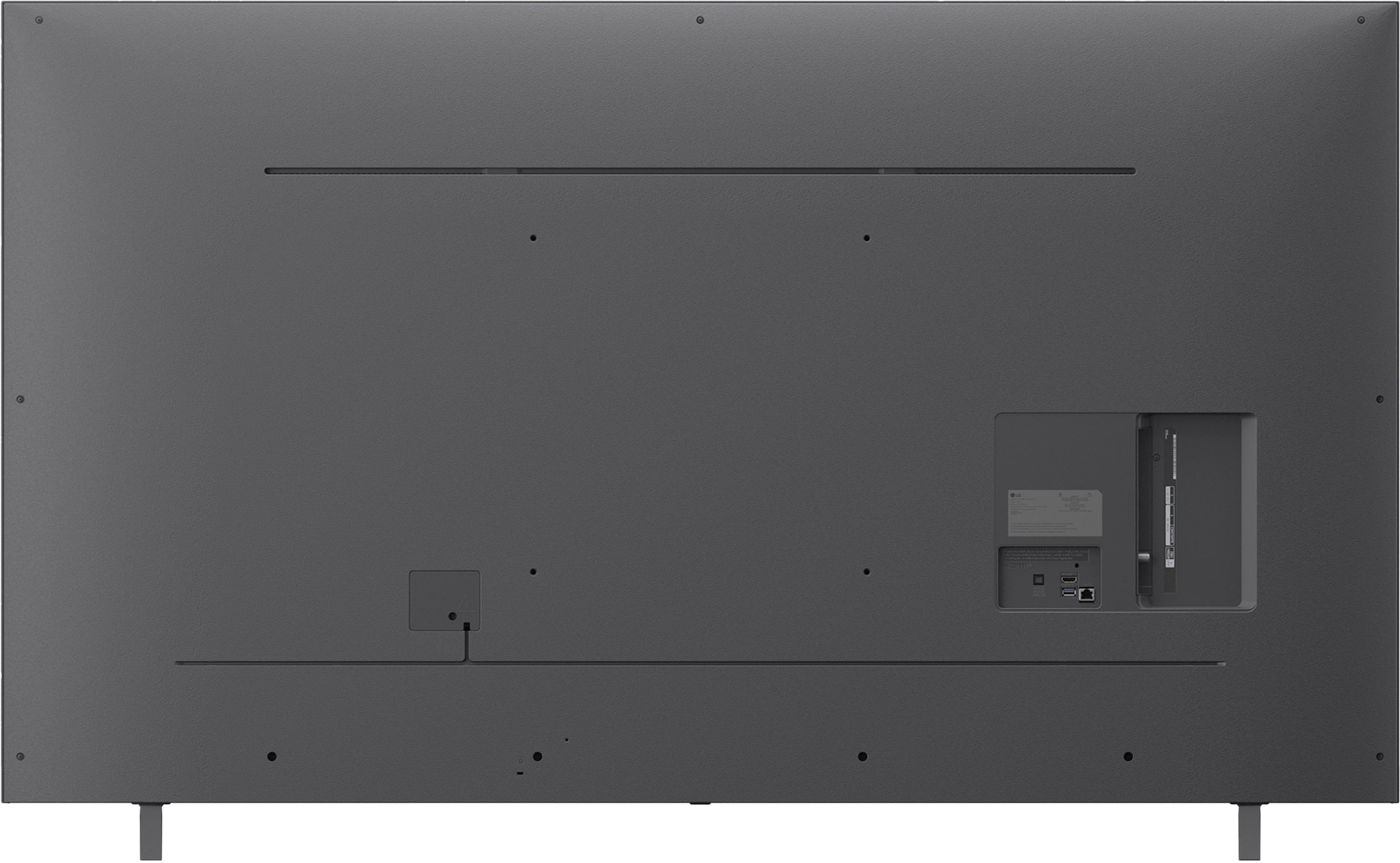
- A:Answer The specifications for the LG 75" Class 70A Series QNED AI 4K UHD Smart webOS TV (2025) Model # 75QNED70AUC, on its product page on Best Buy list 70.1 lbs for Product Weight With Stand, and 69.2 lbs for Product Weight Without Stand...^Ivan.
Answered by LG Digital Customer Care
Q: Questionhow is the viewing angle for LG 75" Class 70A Series QNED AI 4K UHD Smart webOS TV
Asked by RJCClark.
- A:Answer The LG 75" Class 70A Series QNED AI 4K UHD Smart webOS TV (2025), Model # 75QNED70AUC, is still an LED TV that utilizes LED backlighting technology, along with Quantum Dot and NanoCell technologies, to enhance color accuracy and brightness. It also incorporates new color solutions, but it still relies on LED technology for backlighting, so it will have the same viewing angle as other LG QNED TVs. The viewing angle is not listed in the specifications for the TV, but it will be about 178° horizontally and vertically...^Ivan.
Answered by LG Digital Customer Care
Q: QuestionDoes it have picture in picture options available
Asked by JoeT.
- A:Answer Picture-in-Picture on LG TVs is called "MultiView". The LG 75" Class 70A Series QNED AI 4K UHD Smart webOS TV (2025), Model # 75QNED70AUC, does not support MultiView...^Ivan.
Answered by LG Digital Customer Care
Q: QuestionHow big of a stand do I need for a lg70" tv??
Asked by JohnC.
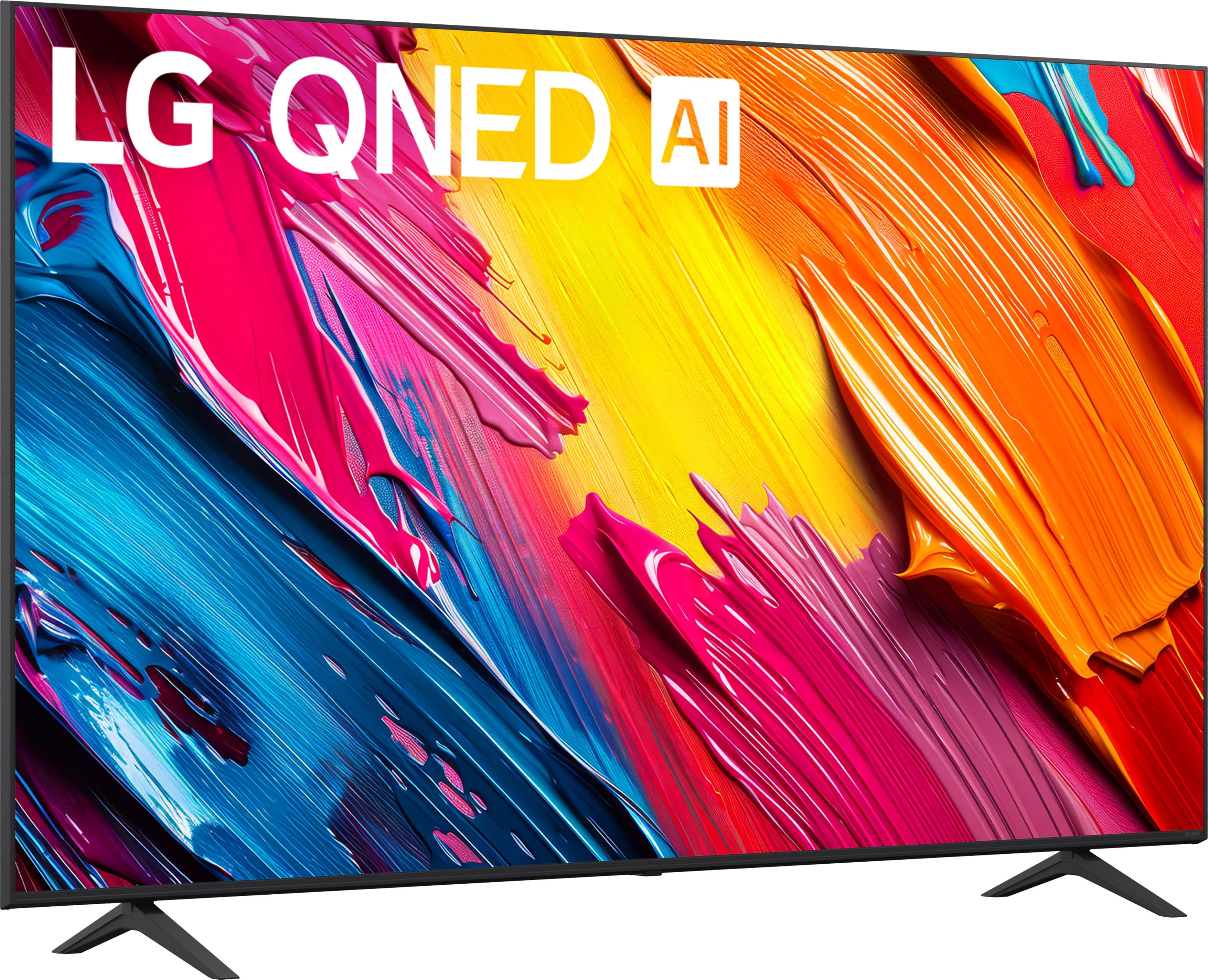
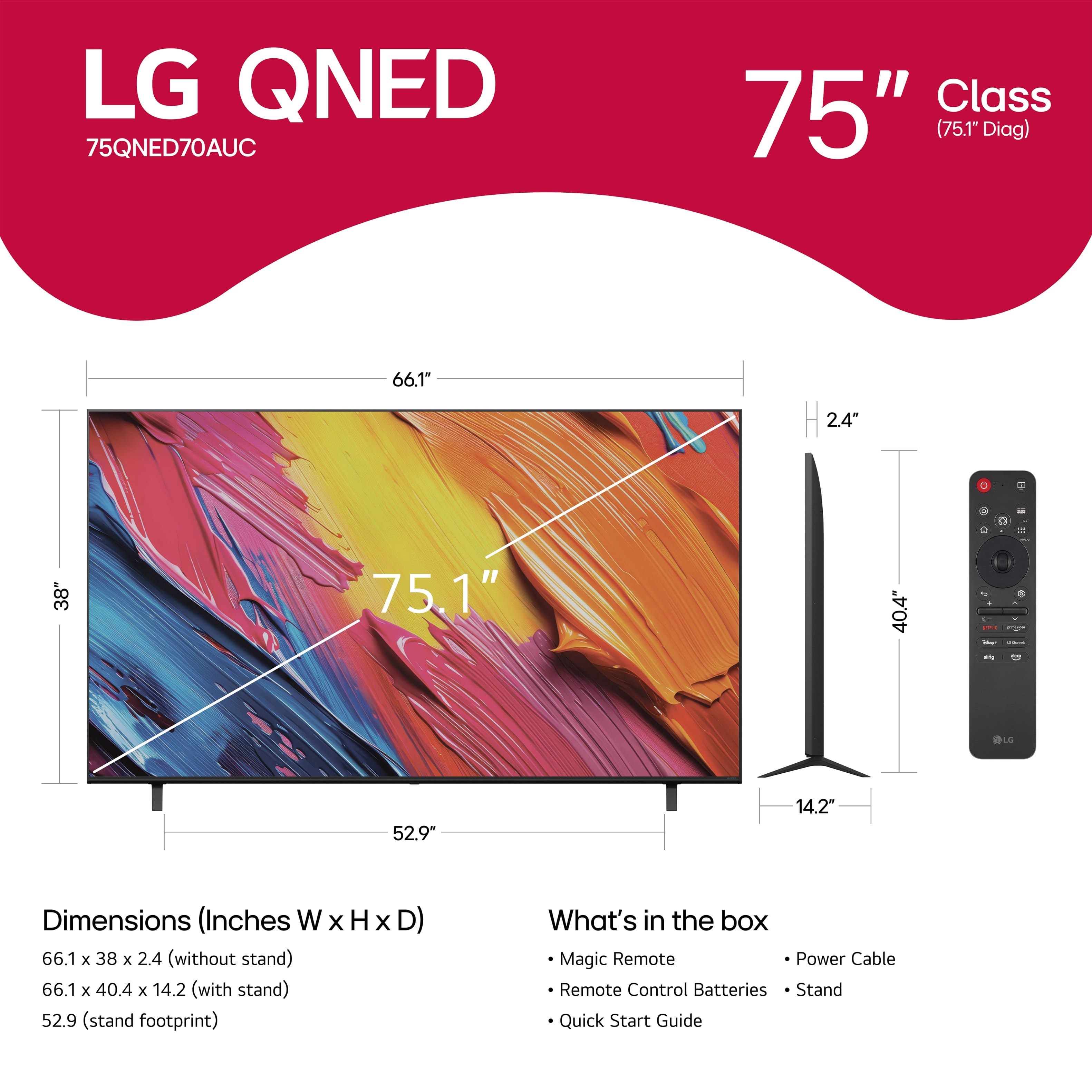
- A:Answer The third thumbnail image with a ruler icon for the LG 75" Class 70A Series QNED AI 4K UHD Smart webOS TV (2025), Model # 75QNED70AUC, and under 'Dimensions' in the specifications for the TV show 52.9" for the Stand Width...^Ivan.
Answered by LG Digital Customer Care
Q: QuestionWhy are most TVs on sale limited to 60 Hz refresh rate?
Asked by Anonymous.
- A:Answer While higher refresh rates like 120 Hz or even 240 Hz are available, they are typically found on premium TVs that offer additional features and higher-quality motion handling. For most viewers, a 60 Hz TV provides a satisfactory viewing experience, especially for traditional TV shows and movies produced at 24 frames per second (fps), which can feel artificial or too smooth. With 60Hz, manufacturers can deliver a smooth picture without needing expensive components. This makes it a cost-effective option for various consumers, contributing to its widespread adoption. The reason TVs are still primarily 60 Hz is due to the balance between performance and cost. At the time of color TV's introduction, 60 Hz was chosen to match the frequency of AC electricity during the Blck and White days. This choice has been maintained over the years, contributing to its widespread adoption. However, for those who engage in fast-paced content like sports or action-packed movies, a higher refresh rate can be beneficial. If you are watching content up to 60FPS on your 120Hz TV, the image won’t be any different than it would be on a 60Hz TV. And since that makes for the majority of content, many find 120Hz unnecessary for TVs. An exception to this would be watching native 24 FPS content from a media source such as Blu-ray. If you just want to watch movies and TV shows, 120Hz is really not necessary. In case you’re sensitive to 24p judder, make sure that the TV has a feature that can fix it. Ultimately, 60Hz TVs are designed for the average viewer who enjoys regular TV programming without the need for the smoothest experience possible. For typical usage scenarios, this refresh rate strikes a practical balance, providing good quality at a reasonable price point. So, if you're shopping for a TV for regular viewing and don't need the bells and whistles of higher refresh rates, a 60Hz model could be all you need. It's tried, tested, and reliable, making it a solid choice for many households...^Ivan.
Answered by LG Digital Customer Care

Q: Questionwhat is the brightness level(nits)
Asked by userconsumer.
- A:Answer There is no listed Brightness level in nits of Candelas per square meter (cd/m²) listed for the LG 75" Class 70A Series QNED AI 4K UHD Smart webOS TV (2025), Model # 75QNED70AUC. The decision for TV manufacturers to stop listing brightness specifications (in nits) is attributed to the complexity and variability of TV technology. Brightness is one of many factors that contribute to a TV's overall performance, and manufacturers may not want to oversimplify the product's capabilities. Additionally, the use of different measurement methods across brands can lead to confusion and make it difficult for consumers to compare products accurately. Brightness in today’s TVs means something very different than it did just nine or 10 years ago. That’s because in 2014 we started getting HDR — or high dynamic range — in both our TVs and the video itself, thus changing dramatically how brightness was used by a TV. Before we had HDR, we made do with standard dynamic range (SDR). The SDR standard was developed around the aging cathode ray tube in CRT TVs. What most TVs did was to just sort of raise the roof. So they would map out all the tones from 0.1 to 100 across a much broader range, let’s say, from 0.1 all the way up to 700. This meant that the brightest elements of the picture would be put out at 700 nits, while something that was coded for 80 nits might come in at 450, and so on. They just moved the scale. And this allowed us to have what we call high APL, or average picture level, even though SDR’s maximum information for brightness was pretty low. Now we can include information in a video signal that goes from 0.1 all the way up to 1,000, or 4,000. And if Dolby Vision had its way, it would go all the way up to 10,000 nits. HDR kind of flipped the script on what brightness meant for a TV and its viewer. In the early days of HDR, most TVs could not get as bright as the information in the video signal, so instead of tone-mapping everything up, they had to tone it down to the operable range of the TV. Most HDR is mastered up to 1,000 nits — sometimes up to 4,000. but that is rare. In many cases, HDR TVs can put out more brightness than the video signal calls for. The brighter the room, the more brightness you want from your TV so that the picture can still look like it has great contrast. This brings back the APL, or average picture level, with which a TV can just make everything it displays brighter for you so it is easier to see. APL defines in simple terms how much of the image you’re displaying is bright, and how much of it is dark. A simple measurement approach you will see in reviews is when the brightness of different sized white windows as measured against a black background. When the white box is a quarter of the size of the overall image this simulates a 25% APL. Half the screen would be 50% APL, and a full white screen would be 100% APL. And so on. Smaller sized windows like 1% and 5% APL simulate small highlights areas as well...^Ivan.
Answered by LG Digital Customer Care

Q: QuestionHow does this hook up to surround system? And what additional item (s) might be needed? Have in wall speakers
Asked by Brenda.
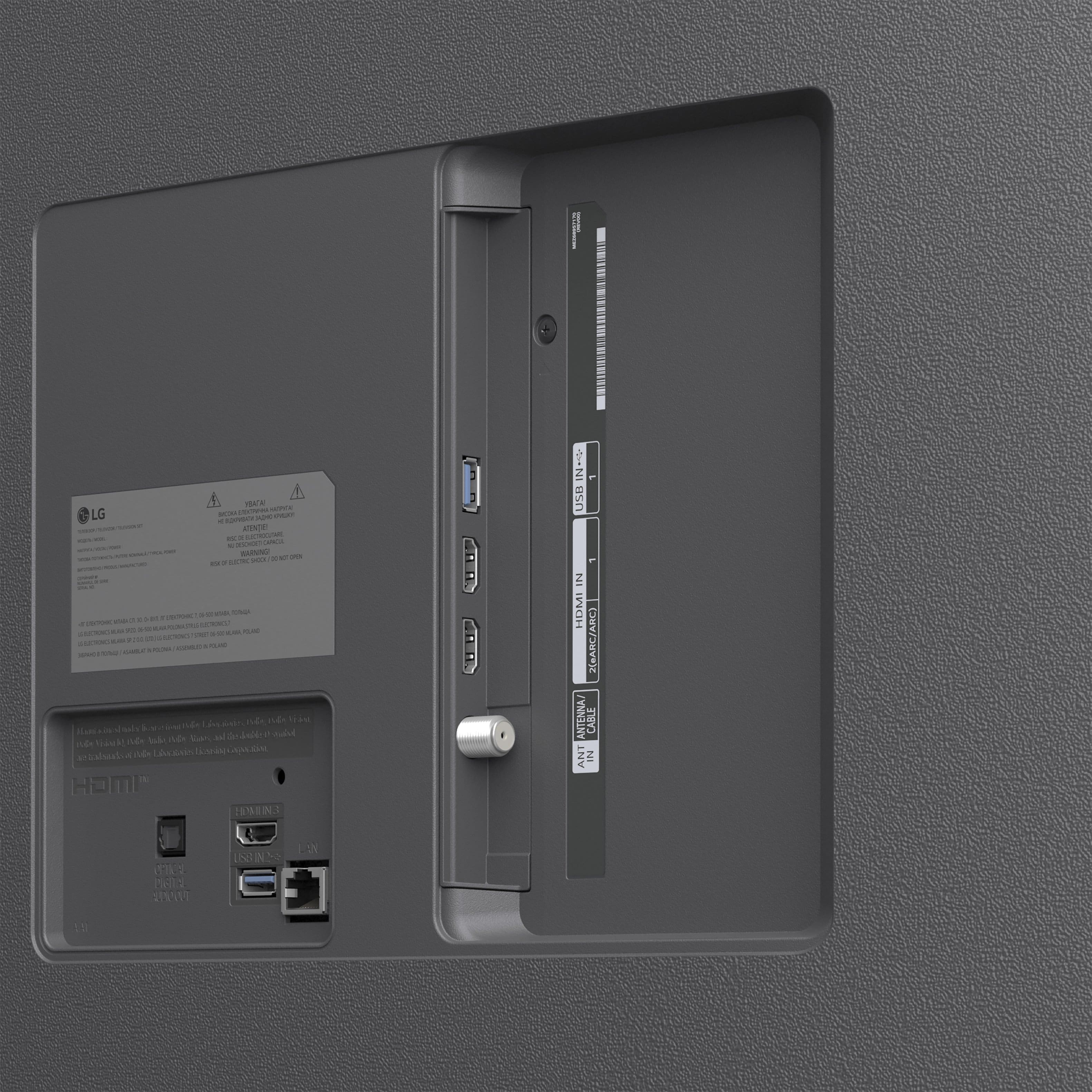
- A:Answer The LG 75" Class 70A Series QNED AI 4K UHD Smart webOS TV (2025), Model # 75QNED70AUC, is a Bluetooth-enabled TV which can be connected to a Surround Sound system in one of three ways. It can be paired wirelessly via Bluetooth if your surround sound system supports Bluetooth. It has an HDMI eARC port (HDMI 2) that can be connected to an HDMI eARC or HDMI ARC port on an audio system if your surround sound system has one, or it can be connected to an Optical Digital Audio Input on an audio system if your surround sound system has one, via the Optical Digital Audio Output on the TV. If your in-wall speakers are already connected to your surround system, then all you need is to connect the TV to your surround system using any of the above-mentioned methods...^Ivan.
Answered by LG Digital Customer Care
Page 1, Showing 1-7 of 7 questions
Top Rated
- Doorbuster$349.99Your price for this item is $349.99
- Black Friday Deal$399.99Your price for this item is $399.99
- $949.99Your price for this item is $949.99$1,999.99The comparable value for this item is $1,999.99
- Black Friday Deal$189.99Your price for this item is $189.99
- Doorbuster$89.99Your price for this item is $89.99
- Black Friday Deal$229.99Your price for this item is $229.99
- Black Friday Deal$74.99Your price for this item is $74.99
- $249.99Your price for this item is $249.99$379.99The comparable value for this item is $379.99
- Black Friday Deal$1,399.99Your price for this item is $1,399.99
- $549.99Your price for this item is $549.99$1,299.99The comparable value for this item is $1,299.99
- Black Friday Deal$599.99Your price for this item is $599.99
- Black Friday Deal$549.99Your price for this item is $549.99
- Black Friday Deal$499.99Your price for this item is $499.99
- Black Friday Deal$699.99Your price for this item is $699.99
- Black Friday Deal$329.99Your price for this item is $329.99
- Black Friday Deal$169.99Your price for this item is $169.99
- Black Friday Deal$1,999.99Your price for this item is $1,999.99
- Black Friday Deal$329.99Your price for this item is $329.99
- Black Friday Deal$1,399.99Your price for this item is $1,399.99
- $119.99Your price for this item is $119.99$229.99The comparable value for this item is $229.99