A:AnswerThe router will work but you will not have a good range. The drywall will slow it down and the steel door will decrease it more. If you can leave the steel door open the range will increase . I had it installed in a small office space and had poor range . I did a no no and placed it on top of a refrigerator but gave it a clean line of sight . Range has increased by 30 percent
A:AnswerI can tell you that in my house it was in my basement and my office is two floors up from there. It was not strong enough. I am having better luck with a Lynksys product. I have AT&T Uverse.
It was also not strong enough for Netflix to run and my TV is on the floor just above the basement.
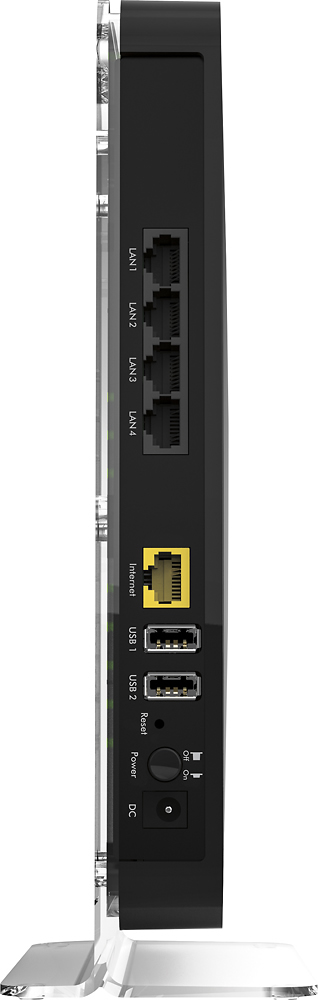
A:AnswerYes, it should work fine for Time Warner cable as long as you have a stand-alone cable modem. Just hook the Lan cable from your cable modem to the Wan port on the router.
A:AnswerCompatible meaning you want to run B/G/N at the same time from 2-3 different routers? If so, you will want to make this N router the first connection to your modem. B is almost extinct and G is still pretty slow to my standards. If N (130mbps) is your final destination, it can only receive the maximum speed from the previous B (11mbps) or G (54mbps) routers. So if you want to use it in conjunction with the others, it's pretty much pointless because you will lose a ton of speed. This router should be enough for your house, depending on the size. I'd say this router has excellent strength within 50 feet. If you get packet loss, it's probably having the signal blocked by appliances. (Microwave/Fridge/Oven/Washer/Dryer etc)
"Routers with only Wireless B are no longer manufactured. However, some newer routers still support wireless B. So, it’s still important that you have some basic information about it. Wireless B supports a maximum theoretical transfer rate of 11mbps. The signal is good for up to about 150 feet. A downside to a Wireless B device is that it operates at the unregulated 2.4GHz frequency range. This is the same as many common household appliances. Things like cordless phones and microwaves can cause interference if your router is near these appliances. If you don’t place your router or computer near one of these appliances, you should be fine."
"Wireless G supports a maximum theoretical transfer rate of 54mbps. Like Wireless B, it operates at the unregulated 2.4GHz frequency range. So it has the same interference issues that Wireless B has. Wireless G is backward compatible with Wireless B devices. Odds are that you don’t have a device that only supports Wireless B, but if you do then this is a benefit. As you can see, the main benefit of a Wireless G router over a Wireless B router is speed."
"Wireless N supports a maximum theoretical transfer rate of 300mbps with 2 antennas. It can reach up to 450mbps with 3 antennas. Though typical speeds are more accurately around 130mbps or less without certain configurations and conditions being met. There will be a detailed post on this in the future. If you are curious, please subscribe to this blog and you will be notified when that post comes. It operates at both the 2.4GHz and 5GHz bands. These Wireless N devices can operate on multiple signals (called Multiple In – Multiple Out… or MIMO) and have 2 or 3 antennas. It also has increased signal range/power over Wireless G."
A:AnswerThis just a router for your Wi-Fi you would have to purchase a modem that is D.O.C.I.S. 3.0 Netgear has one Model: CM400-100NAS
SKU: 8860013 NETGEAR - Ethernet DOCSIS 3.0 High-Speed Cable Modem - Black. So its not so much that the router has to be compatible its more the modem has to be compatible.
NETGEAR - Ethernet DOCSIS 3.0 High-Speed Cable Modem - BLack
A:AnswerI recently upgraded my old cable modem to a DOCSIS 3.0 unit (the old one was DOCSIS 2.0. It made a big difference. Then my old single band router went bad. I replaced it with a Dual Band router. Huge improvement. Fact is, you have to replace modems and routers as technology advances and leaves the old hardware behind. In my experience, plan to change every 3 or 4 years if not sooner.