Cameras For Professional Photography
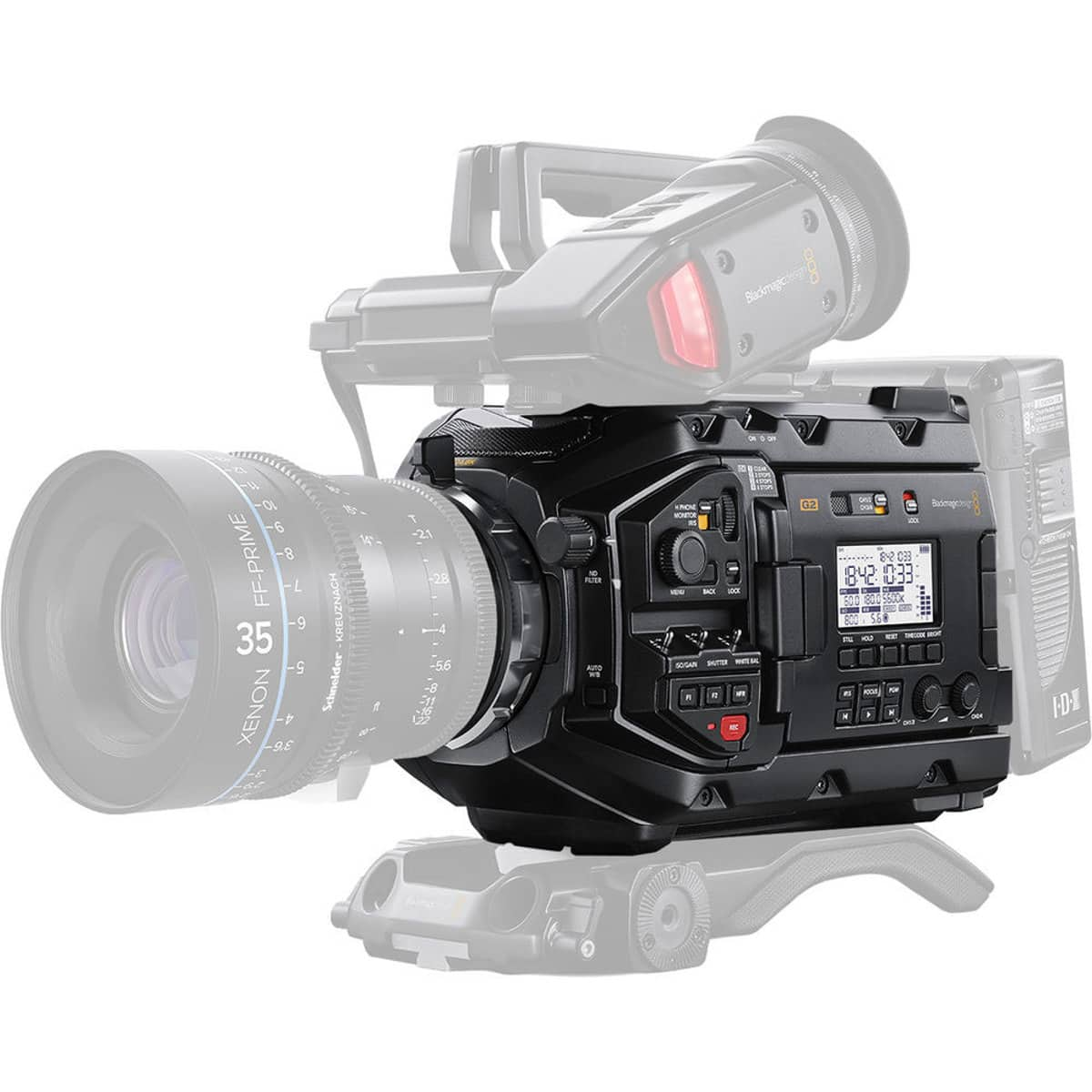
Compare cameras for professional photography by image quality, autofocus performance, and lens compatibility to find a fit for your work. Whether you shoot portraits, cover events, or work in a studio, consider how handling, controls, and connectivity support your workflow before narrowing your options.



Cameras For Professional Photography
FAQs
DSLR cameras use a mirror system to direct light through an optical viewfinder. Mirrorless cameras display the scene electronically on a rear screen or electronic viewfinder. Both categories include interchangeable-lens cameras with manual exposure controls and RAW image recording.
Common exposure modes include manual, aperture priority, and shutter priority. Manual mode lets you select aperture and shutter speed independently. Aperture priority lets you choose the aperture while the camera sets shutter speed, and shutter priority reverses that arrangement. ISO can be set manually or automatically, depending on the camera and settings.
RAW files retain sensor data for processing in compatible photo-editing software. JPEG files include in-camera processing, such as white balance, contrast, and sharpening. Many cameras for professional photography can record RAW and JPEG versions of the same photograph.
Start by checking the camera's lens mount and the lens manufacturer's compatibility information. Lenses must match the camera's mounting system or use a compatible adapter. When an adapter is required, confirm whether it supports functions such as autofocus, aperture control, and lens stabilization.
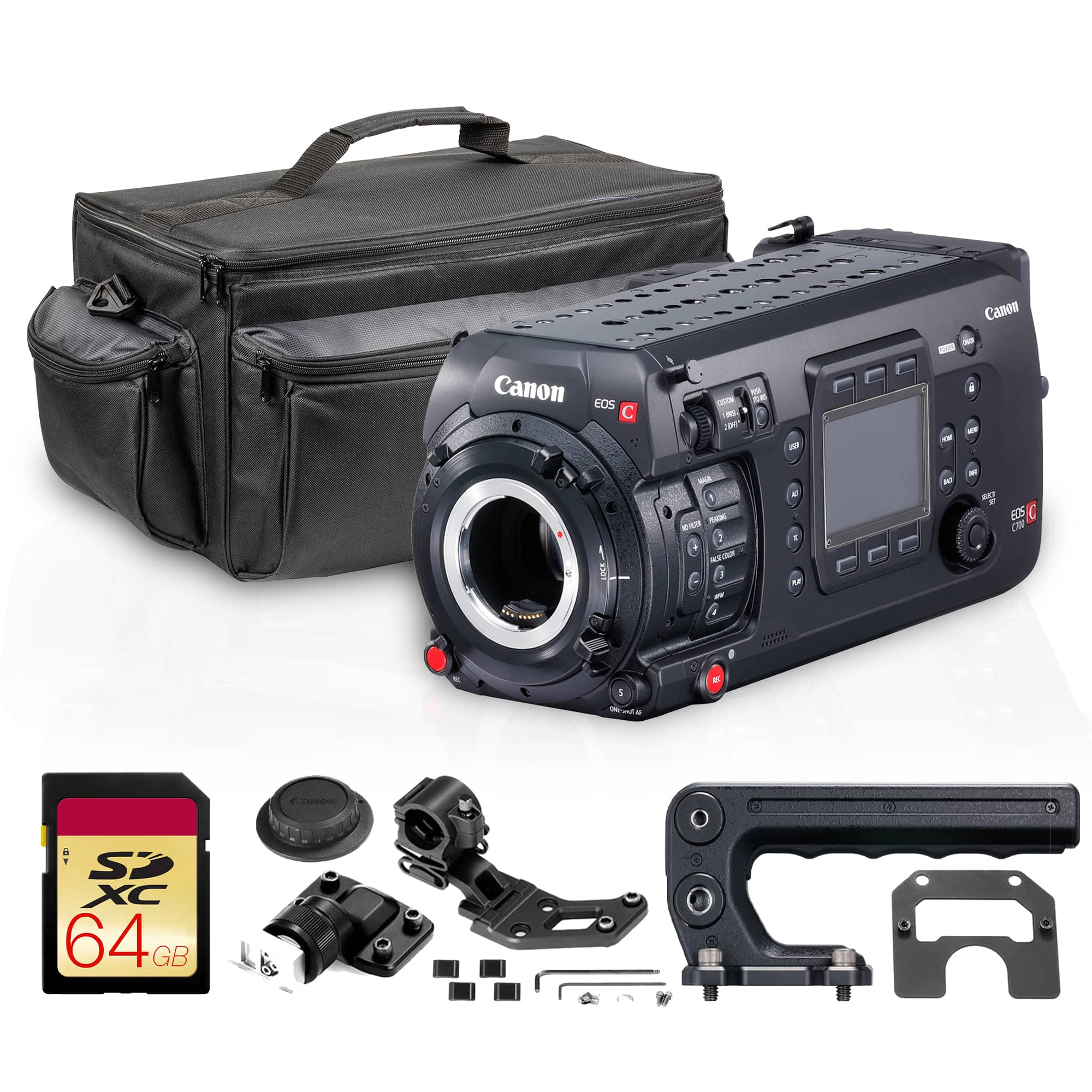
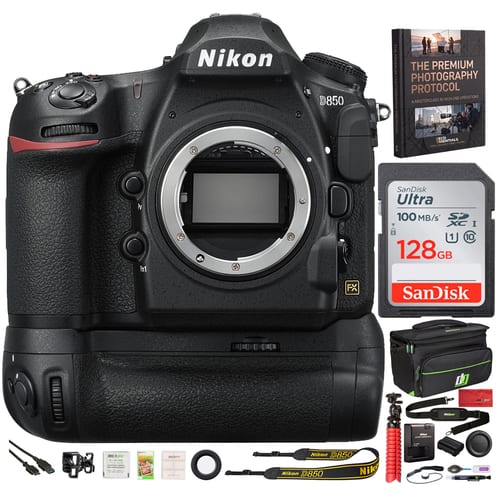
Common accessories include compatible memory cards, card readers, spare batteries, battery chargers, tripods, external flashes, and camera bags. Studio workflows may also involve lighting triggers and tethering cables. Check the camera's documentation for supported memory card formats, battery models, connections, and accessory compatibility.