Raid Data Storage
-
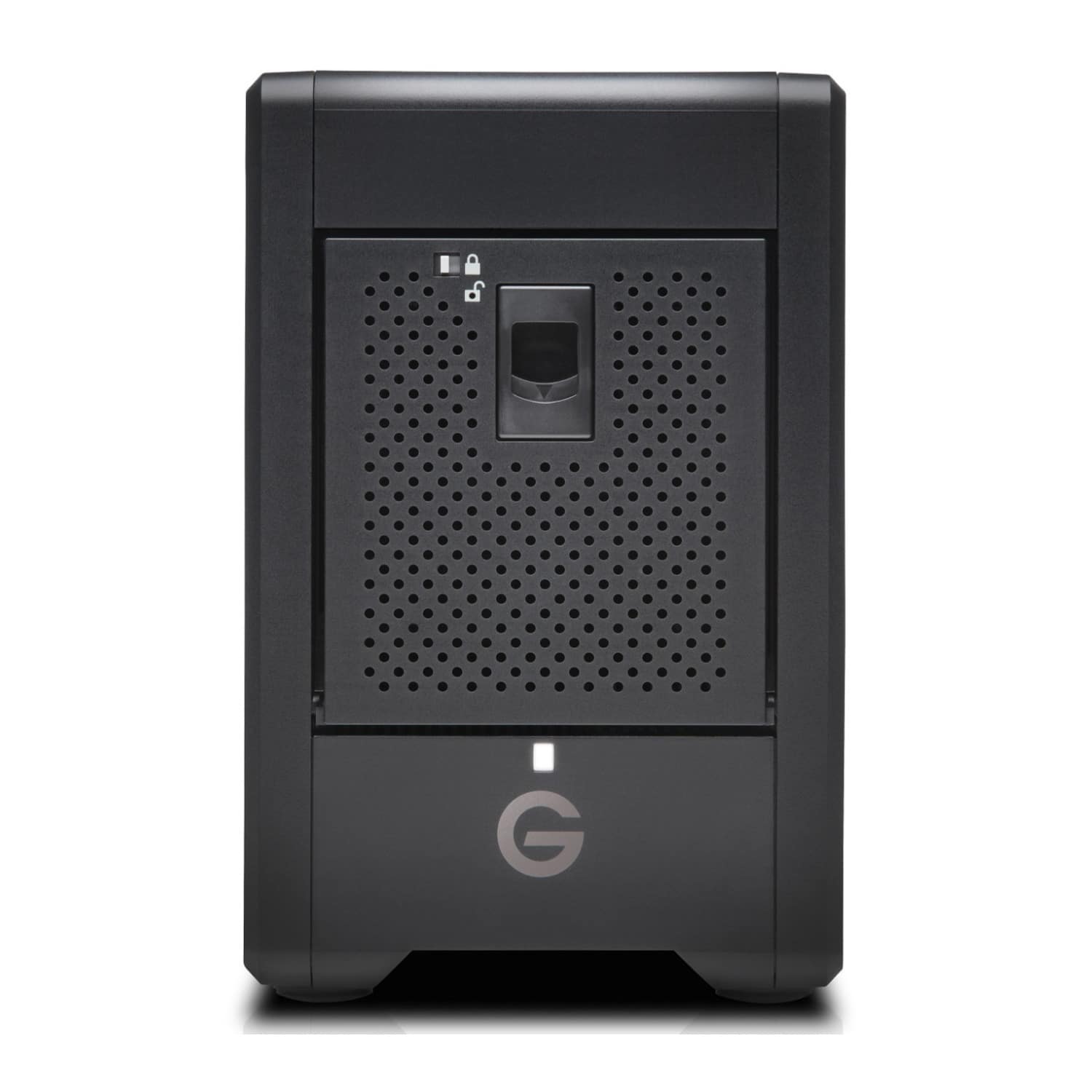
SanDisk Professional - GRaid Shuttle 4 72TB Desktop Hard Drive - Black
SKU: JXTHCJVKX2Great Choice...Great Choice.
See all External Hard DrivesProduct Description
A high-capacity 72TB black external RAID hard drive designed for fast, reliable media collaboration.Your price for this item is $5,829.99 -
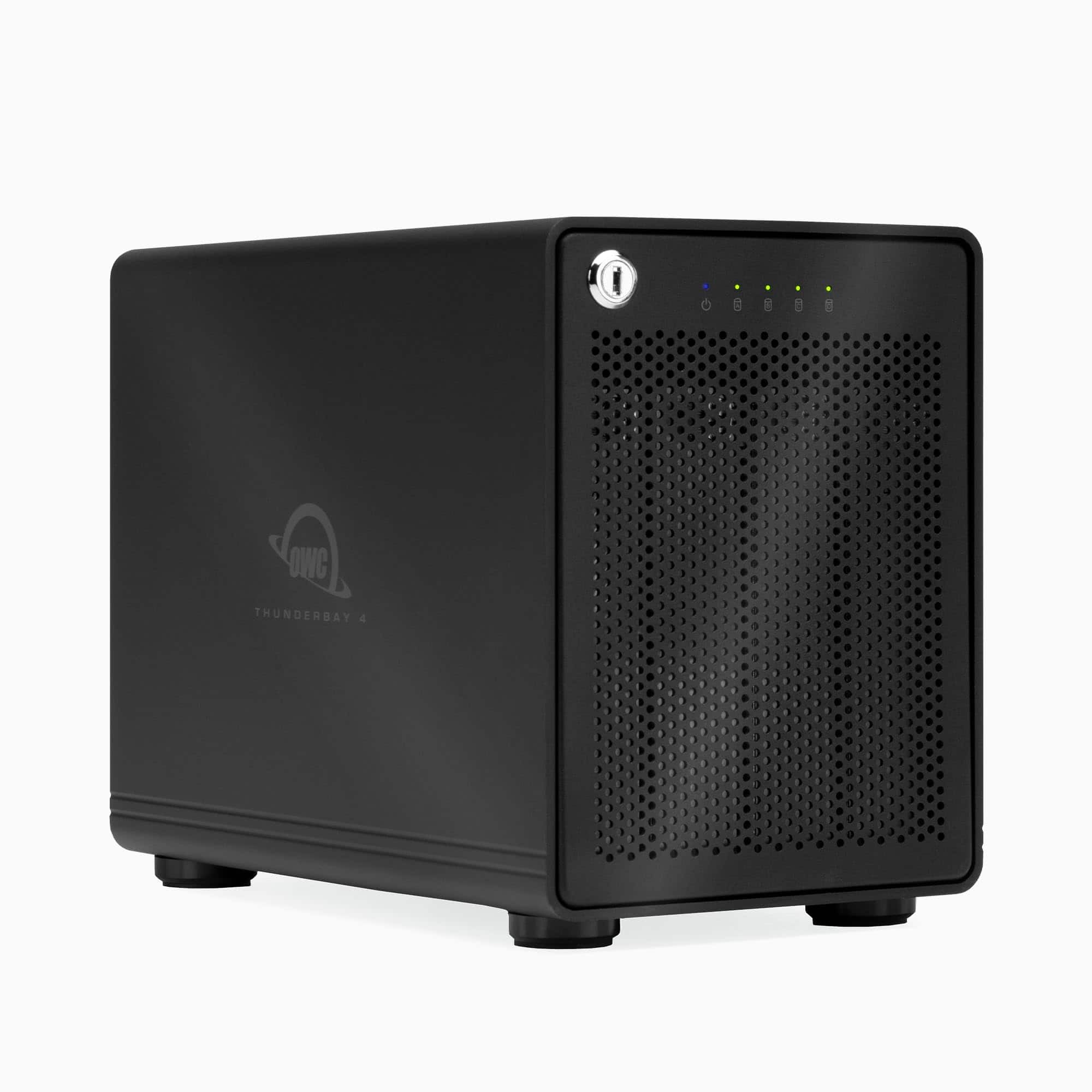
OWC - ThunderBay 4 RAID 5 with Dual Thunderbolt 3 Ports (0GB RAID), Includes SoftRAID XT - Black
SKU: J3LCW6K5SHSee all Hard Drive Cables & AccessoriesProduct Description
A high-performance black RAID enclosure with dual Thunderbolt 3 ports, supporting both 2.5" and 3.5" drives.Your price for this item is $549.99 -
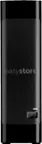
WD - My Book Duo 16TB 2-Bay RAID External USB-C Desktop Hard Drive - Black
SKU: JXTHCJ5Z52See all External Hard DrivesProduct Description
A black external RAID hard drive offering 16TB storage, USB-C connectivity, and 256-bit AES encryption.Your price for this item is $973.36 -
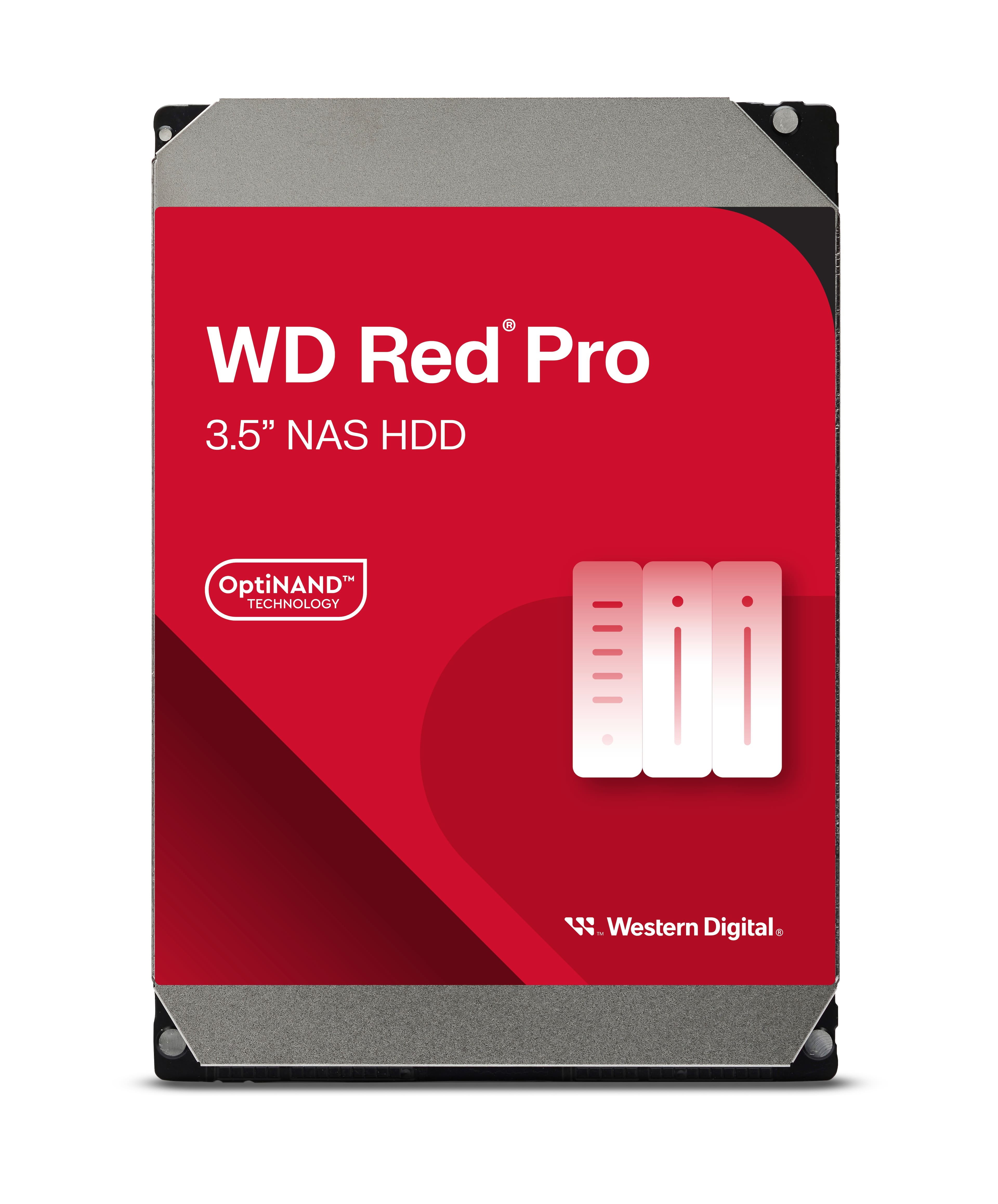
WD - Red Pro 26TB NAS Internal Hard Drive
SKU: JXTHCC7FZJSee all Internal Hard DrivesProduct Description
A high-capacity red internal HDD optimized for RAID NAS systems, featuring 7200 RPM for reliable data storage.Your price for this item is $1,515.99 -
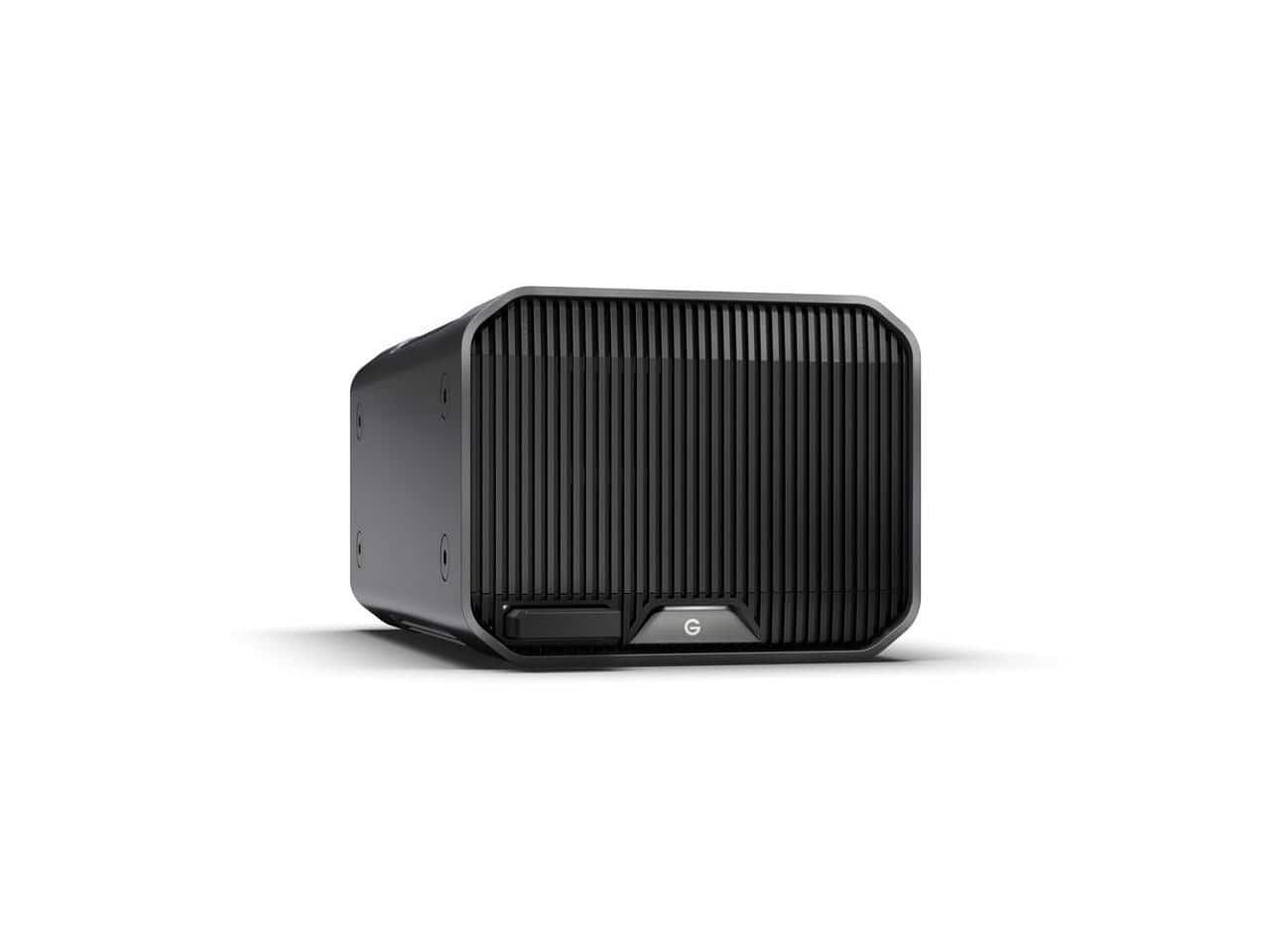
SanDisk Professional - SanDisk G-Raid Project 2 16TB Desktop Drive, Thunderbolt 3, Pro-Blade SSD, 480MB/s (Space Gray) - Black
SKU: JXTHCC7VHCSee all External Hard DrivesProduct Description
A high-performance black and space gray desktop drive featuring Thunderbolt 3, Pro-Blade SSD slot, and 480MB/s speeds.Your price for this item is $1,301.99 -
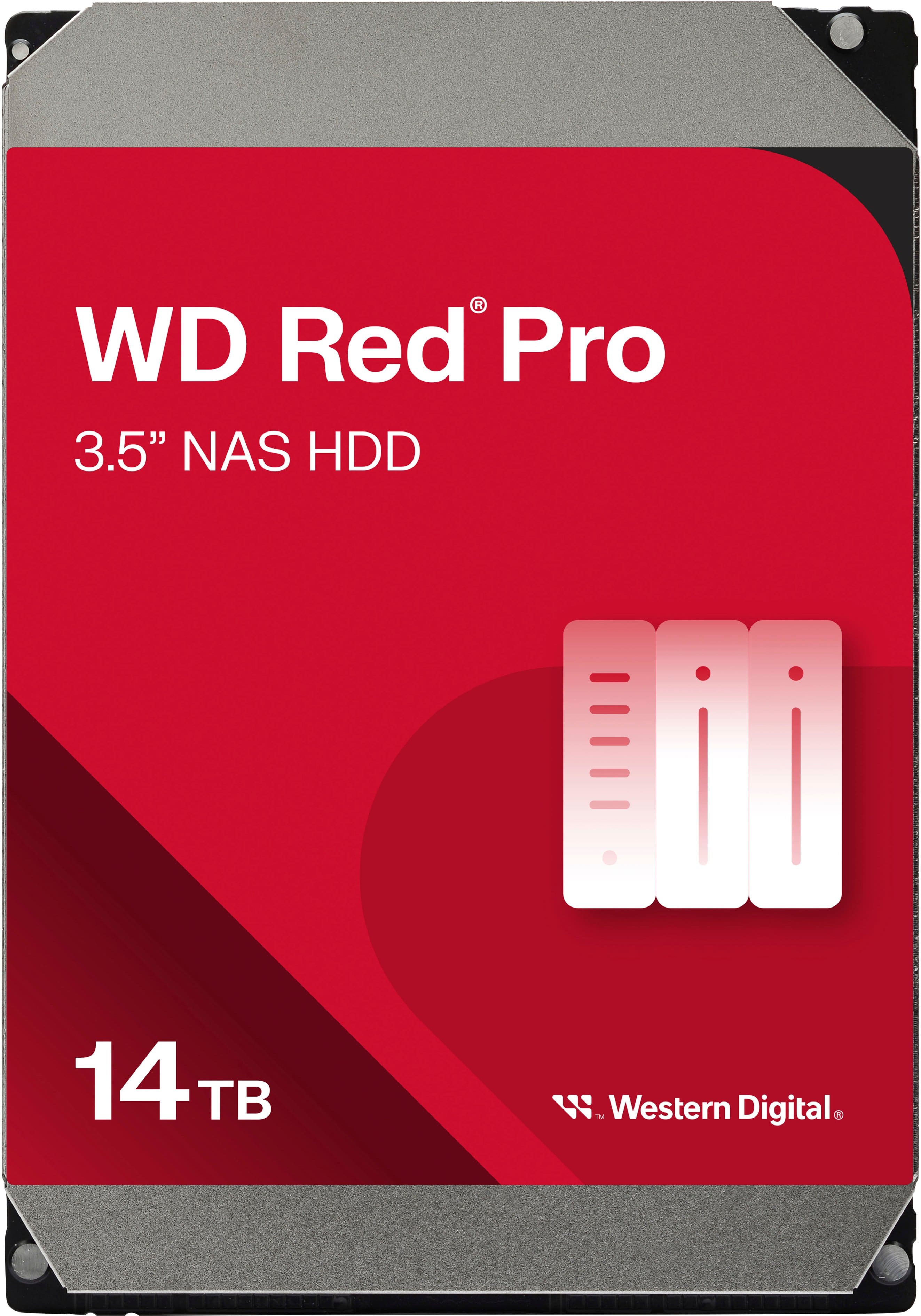
WD - Red Pro 14TB NAS Internal Hard Drive
SKU: JXTHCC7RPLGreat product and was easy to install in my My Cloud Mirror EX2 Extra...Great drives for NAS...Great Product...Works great!
See all Internal Hard DrivesProduct Description
A high-performance red 3.5" SATA NAS drive with 7200 RPM, ideal for RAID-optimized data storage.Your price for this item is $808.70

Best Sellers
Related Pages

FAQ
RAID (Redundant Array of Independent Disks) data storage is a technology that combines multiple hard drives or SSDs into a single system to improve performance, reliability, or both. Different RAID levels offer various benefits, such as increased speed, data redundancy, or a balance of both.
Common RAID levels include RAID 0 (striping for speed), RAID 1 (mirroring for redundancy), RAID 5 (striped with parity for a balance of speed and redundancy), and RAID 10 (a combination of mirroring and striping). Each level offers different advantages depending on your storage needs.
Yes, many storage systems and enclosures support RAID configurations. However, upgrading to RAID may require reformatting your drives or backing up data before reconfiguring, so it’s important to follow the manufacturer’s instructions carefully.
While some RAID configurations can be set up using software built into your operating system, hardware RAID controllers or dedicated RAID enclosures often provide better performance and reliability, especially for larger or more complex setups.
Absolutely. RAID data storage solutions are available for both home users seeking extra security for personal files and businesses needing robust data protection and performance. There are options tailored to different use cases and technical requirements.