HDD Raid
-
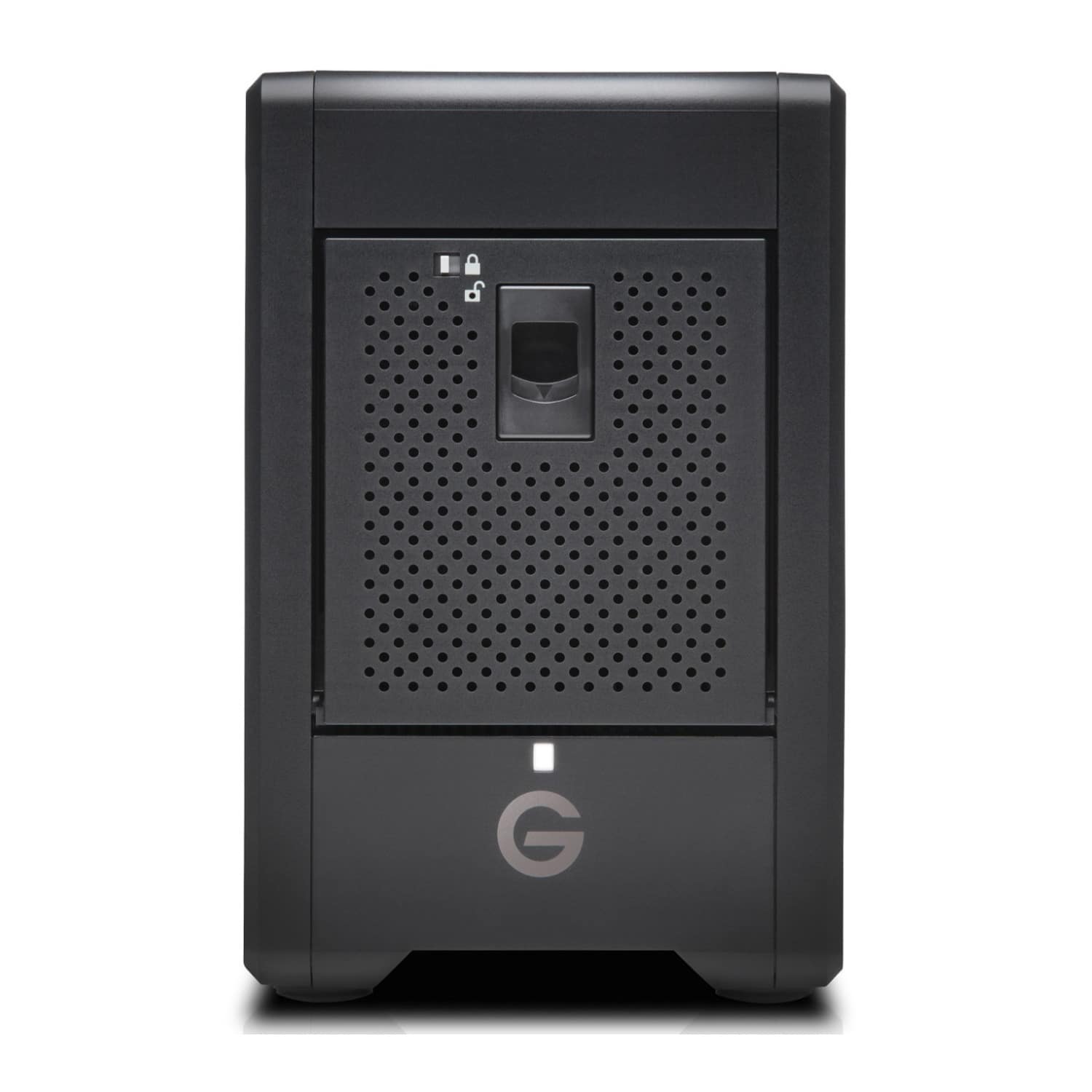
SanDisk Professional - GRaid Shuttle 4 72TB Desktop Hard Drive - Black
SKU: JXTHCJVKX2the driver to work but the G-Raid software utility doesn't work with M1 or M2 Macs so while being a great...Great Product if compatible with Apple Silicon
See all External Hard DrivesProduct Description
A high-capacity 72TB black external RAID hard drive designed for fast, reliable media collaboration.Your price for this item is $5,829.99 -
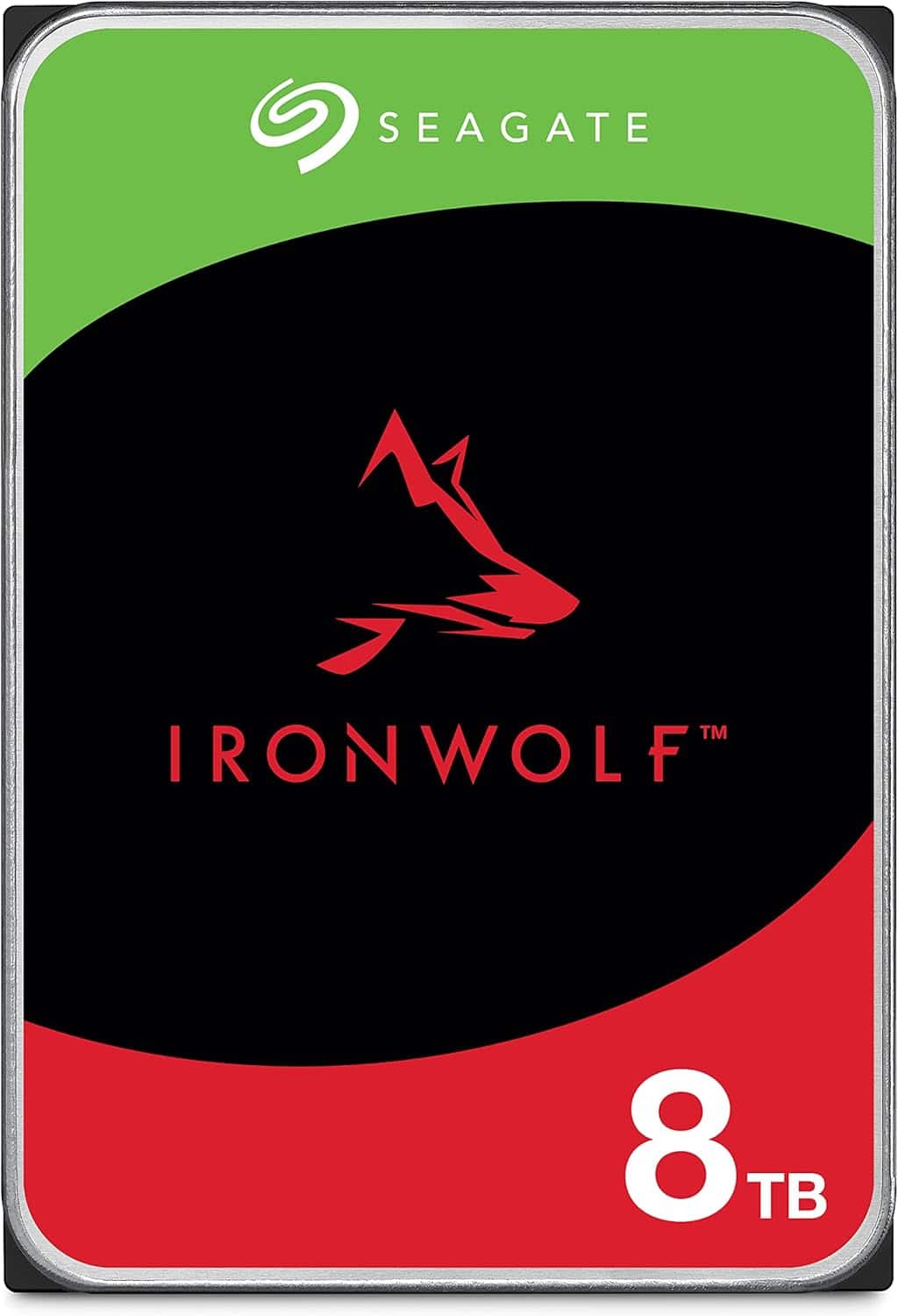
Seagate - IronWolf 8TB NAS Internal Hard Drive HDD – 3.5 Inch SATA 6Gb/s 7200 RPM 256MB Cache for RAID Network Attached Storage
SKU: J37C5HK7CKSee all Internal Hard DrivesProduct Description
An internal black 8TB HDD designed for multi-user NAS, featuring 7200 RPM, 256MB cache, and RAID support.Your price for this item is $349.99Save $167The previous price was $517.65 -
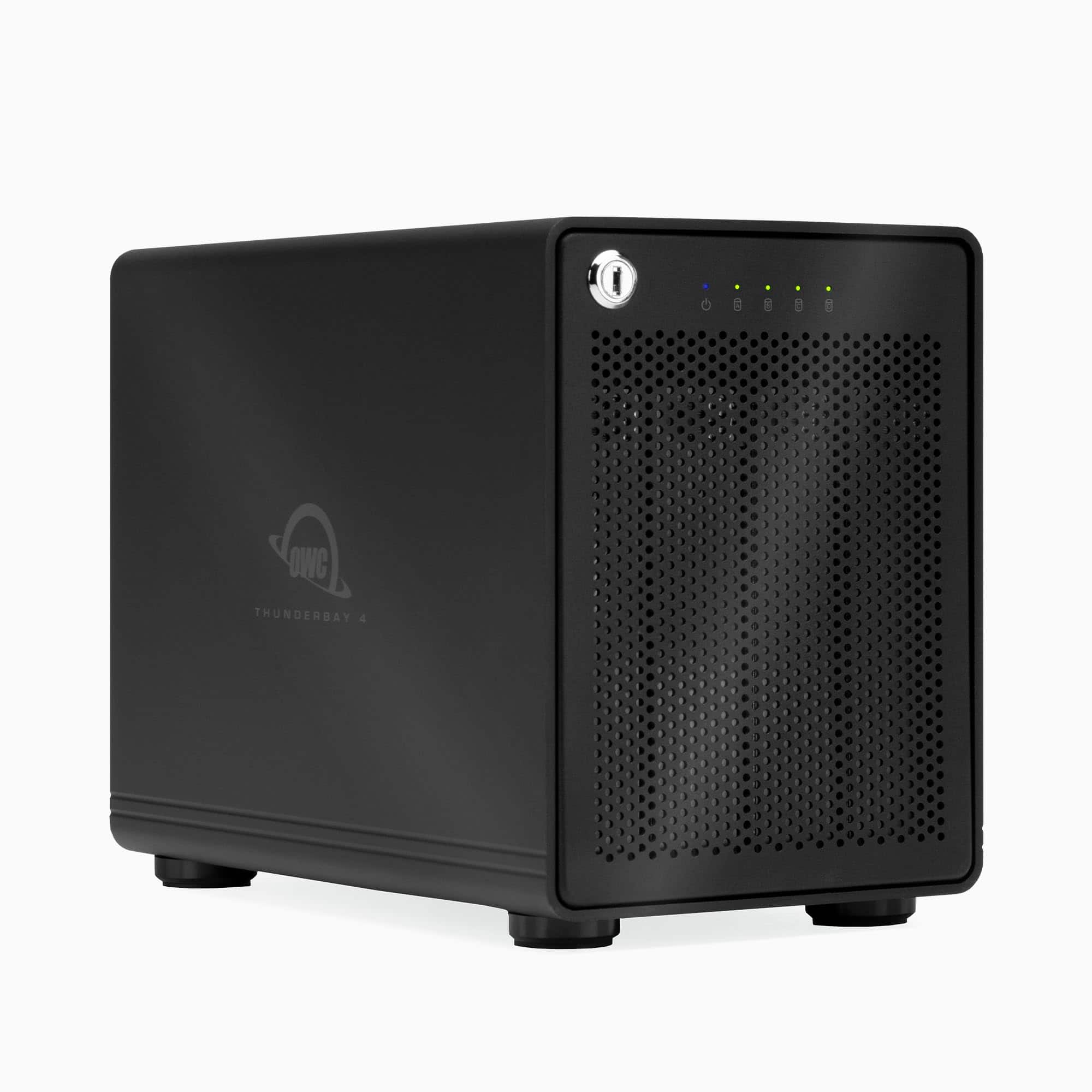
OWC - ThunderBay 4 RAID 5 with Dual Thunderbolt 3 Ports (0GB RAID), Includes SoftRAID XT - Black
SKU: J3LCW6K5SHSee all Hard Drive Cables & AccessoriesProduct Description
A high-performance black RAID enclosure with dual Thunderbolt 3 ports, supporting both 2.5" and 3.5" drives.Your price for this item is $549.99 -
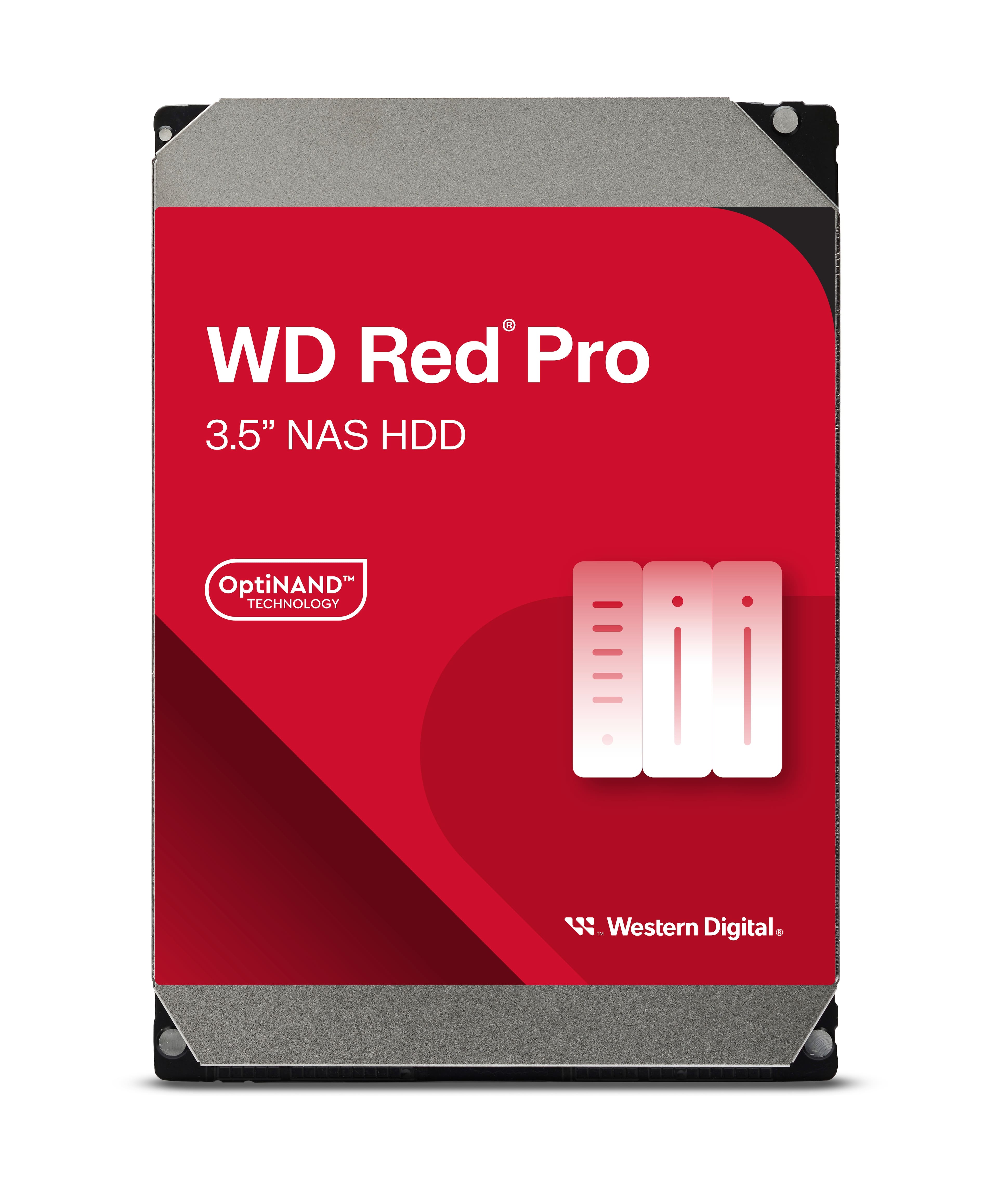
WD - Red Pro 26TB NAS Internal Hard Drive
SKU: JXTHCC7FZJSee all Internal Hard DrivesProduct Description
A high-capacity red internal HDD optimized for RAID NAS systems, featuring 7200 RPM for reliable data storage.Your price for this item is $1,515.99 -
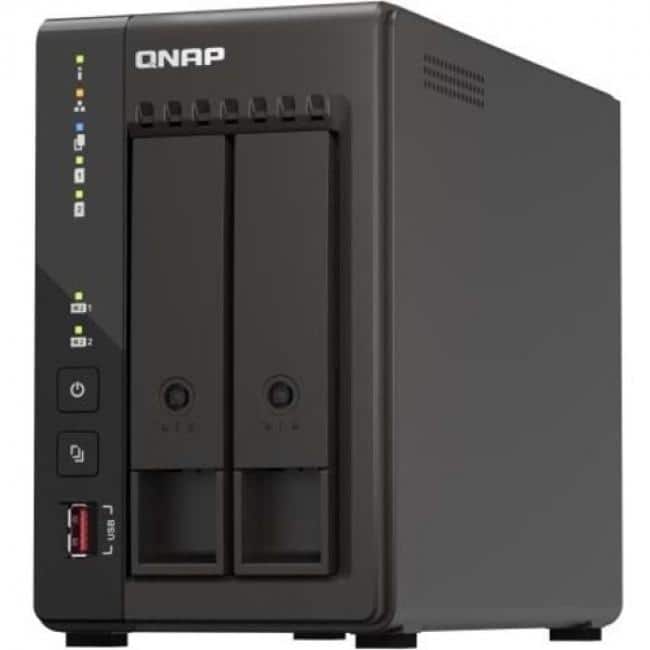
QNAP - Turbo NAS TS-253E-8G SAN/NAS Storage System - 1 x Intel Celeron J6412 Quad-core (4 Core) 2 GHz - 2 x HDD Supported - Unknown
SKU: J3Z7J8YR3ZSee all Network Attached Storage (NAS)Product Description
A versatile SAN/NAS storage system featuring an Intel Celeron quad-core processor, 8GB RAM, and RAID support.Your price for this item is $658.39 -
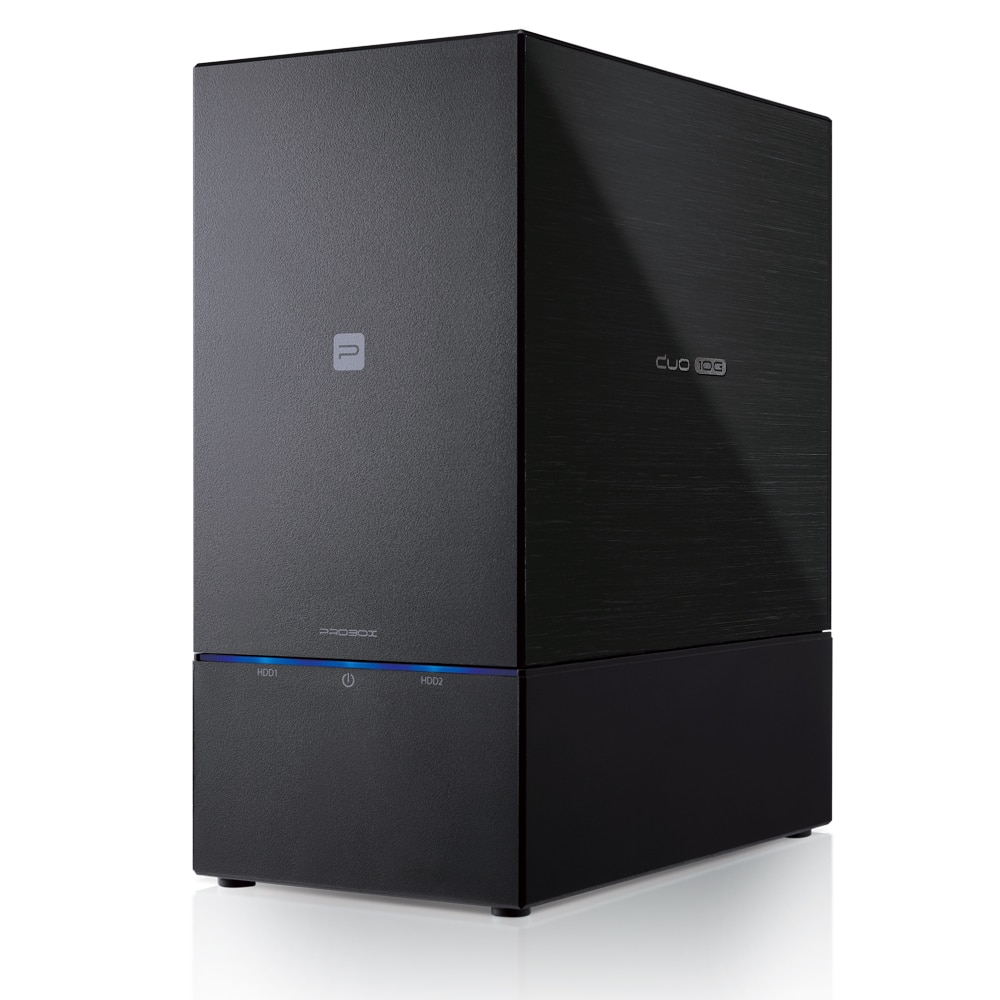
Mediasonic - PRORAID 2 Bay 3.5" & 2.5" SATA Hard Drive Enclosure DAS - USB 3.2 Gen 2 10Gbps Type C USB-C - Black
SKU: JX2CWG82CHSee all Hard Drive Cables & AccessoriesProduct Description
A black two-bay SATA enclosure with USB-C connectivity and 10Gbps USB 3.2 Gen 2 performance.Your price for this item is $89.99
Best Sellers

Related Pages


FAQ
An HDD RAID (Redundant Array of Independent Disks) is a storage solution that combines multiple hard disk drives into a single logical unit for improved performance, data redundancy, or both. By distributing data across several disks, RAID can increase speed, provide data backup, or balance both depending on the RAID level used.
Common RAID levels for HDDs include RAID 0 (striping for performance), RAID 1 (mirroring for redundancy), RAID 5 (striped with parity for a balance of speed and fault tolerance), and RAID 10 (a combination of mirroring and striping for both performance and redundancy).
Yes, you can use different brands of hard drives in a RAID setup, but it's recommended to use drives of the same capacity and speed for optimal performance and reliability.
While some motherboards support basic RAID configurations, for advanced RAID levels or enterprise use, a dedicated RAID controller card is recommended for better performance and management features.
Some RAID controllers and software solutions support expanding an existing RAID array by adding more drives, but the process and compatibility depend on the RAID level and the controller used. Always back up your data before attempting any expansion.