A:AnswerI could be wrong but your HVAC system should be supplying 24V. I believe this is the "R" wire. I believe this stat is designed to work with a 24V supply. If you have other then check with the Nest people to see what they recommend.
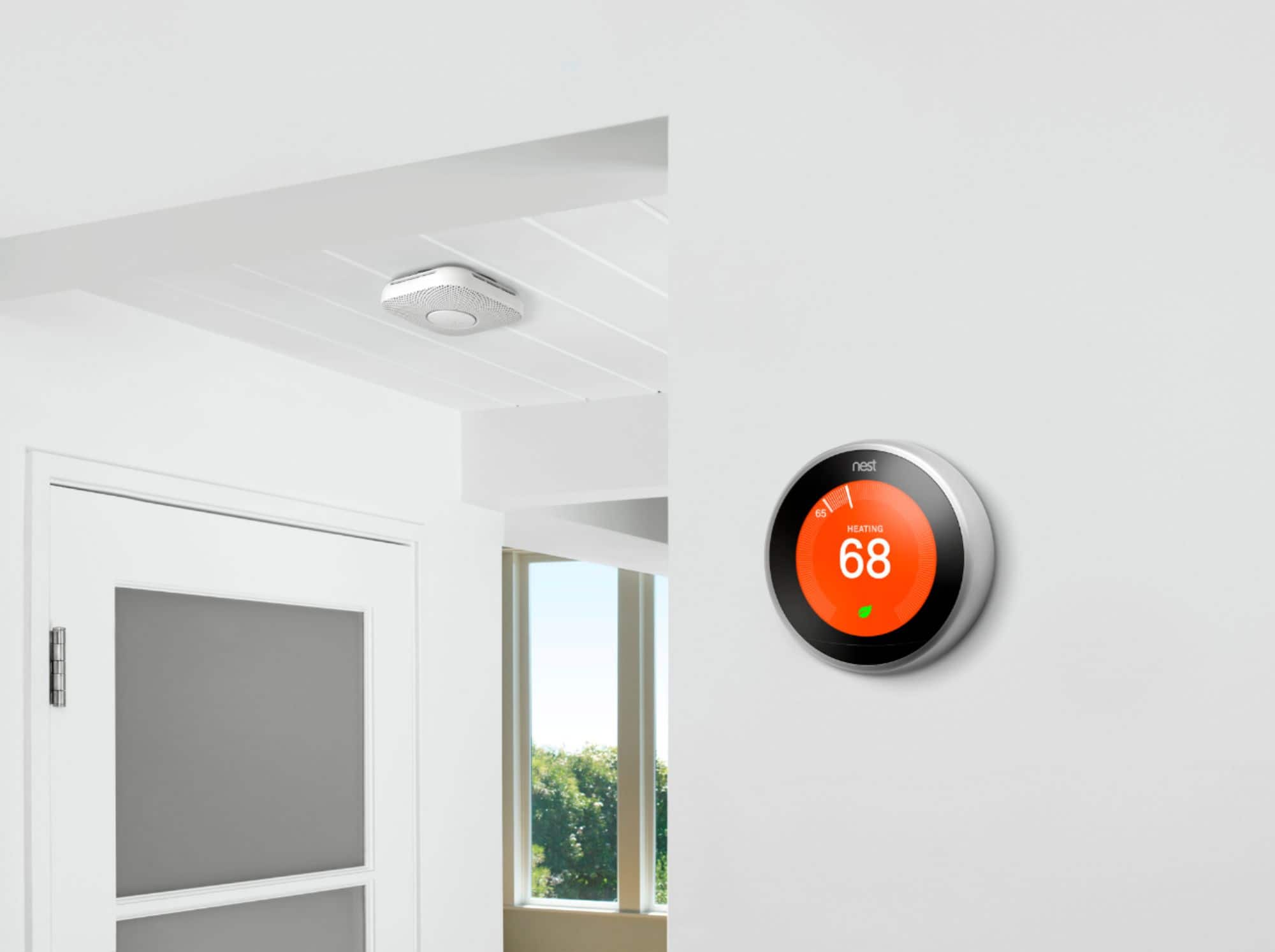
A:AnswerNest Learning Thermostats have occupancy sensors to detect when someone is in a room for comfort optimization and energy saving but it doesn't send alerts for unwanted guests as it doesn't have a camera.
A:AnswerYou can override that feature, and believe me, it worth it. If you have two thermostats, you can override one and the other one with the feature on.
A:Answerwe had that issue when we first installed. it starts to remember what temps you like and starts to adjusts. not sure how long you have had yours.
A:AnswerDo you have smart schedule turned on? And are you using ECO mode? ECO will set to a predefined temp when it knows you are not home, and the schedule will know you once changed the temp, so will schedule that same change every day. I turn both off, don't care for the features.
A:AnswerContact Nest through the Google website. You can easily chat with them online and they will ask for the info they need and let you know about compatibility before purchasing.
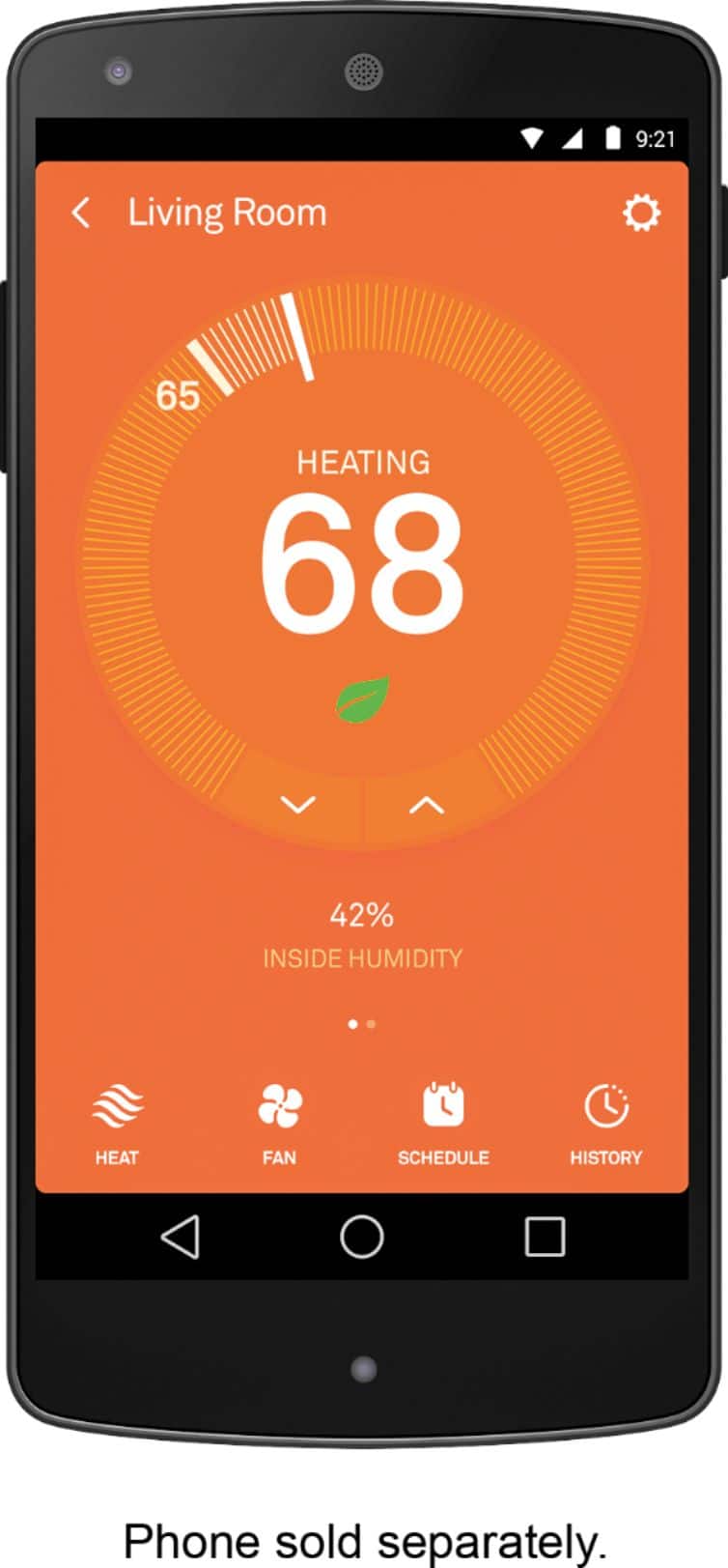
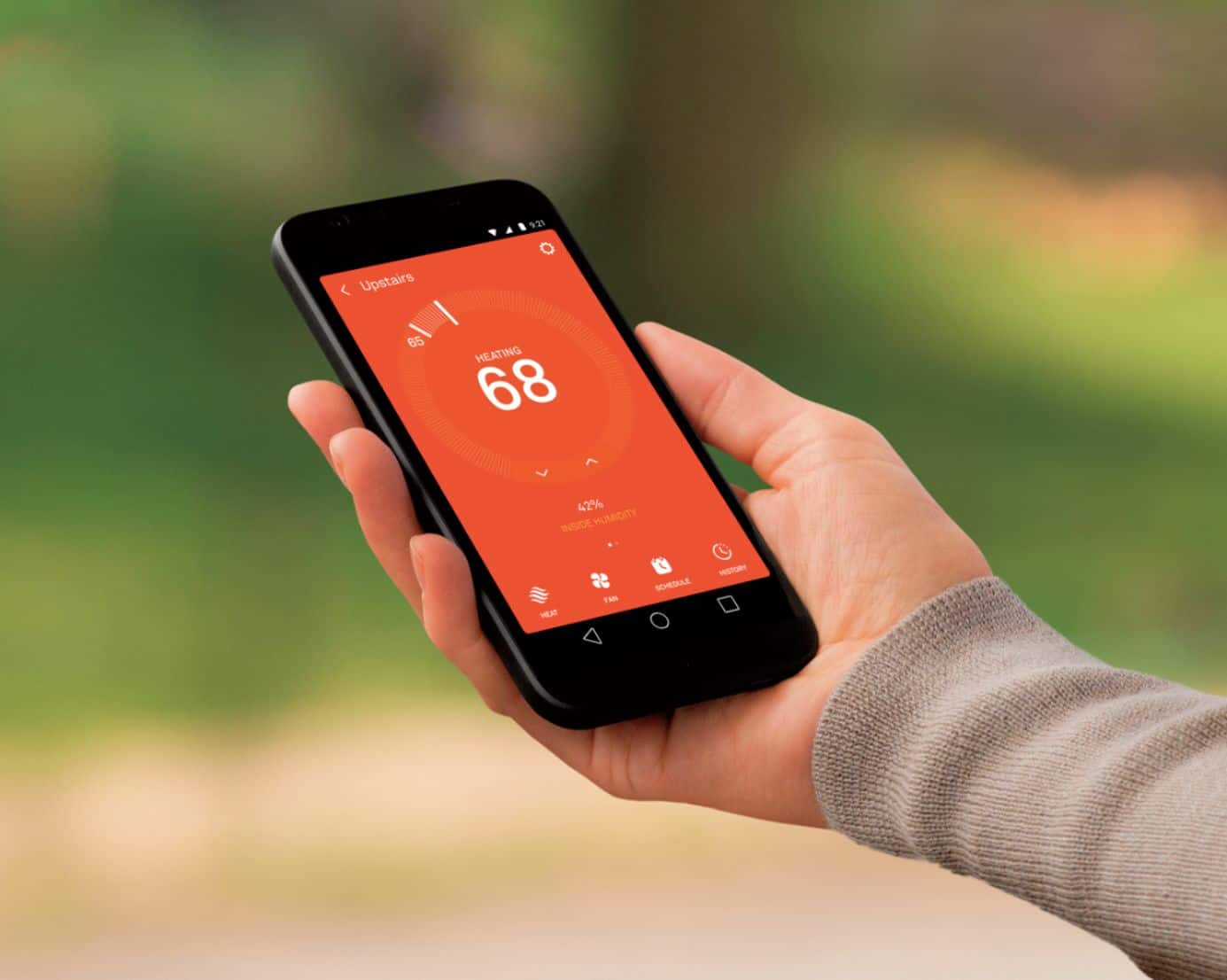
A:AnswerNo, it is not difficult. All you need to do is to install the Nest app on your new phone and log into your Nest account with your account credentials.
A:AnswerNo. either you have multiple separate HVAC units each requiring their own units or you have split zone, which still require their own units. Nest sensors are more like setting up mini zones inside your already designated zone for a single unit. Example, Zone 1 in a living room and two bedrooms. The sensors would help prioritizing the temperatures in a room over the others on a schedule, like overnight. This cannot help with actual HVAC zones wired to their own thermostat.