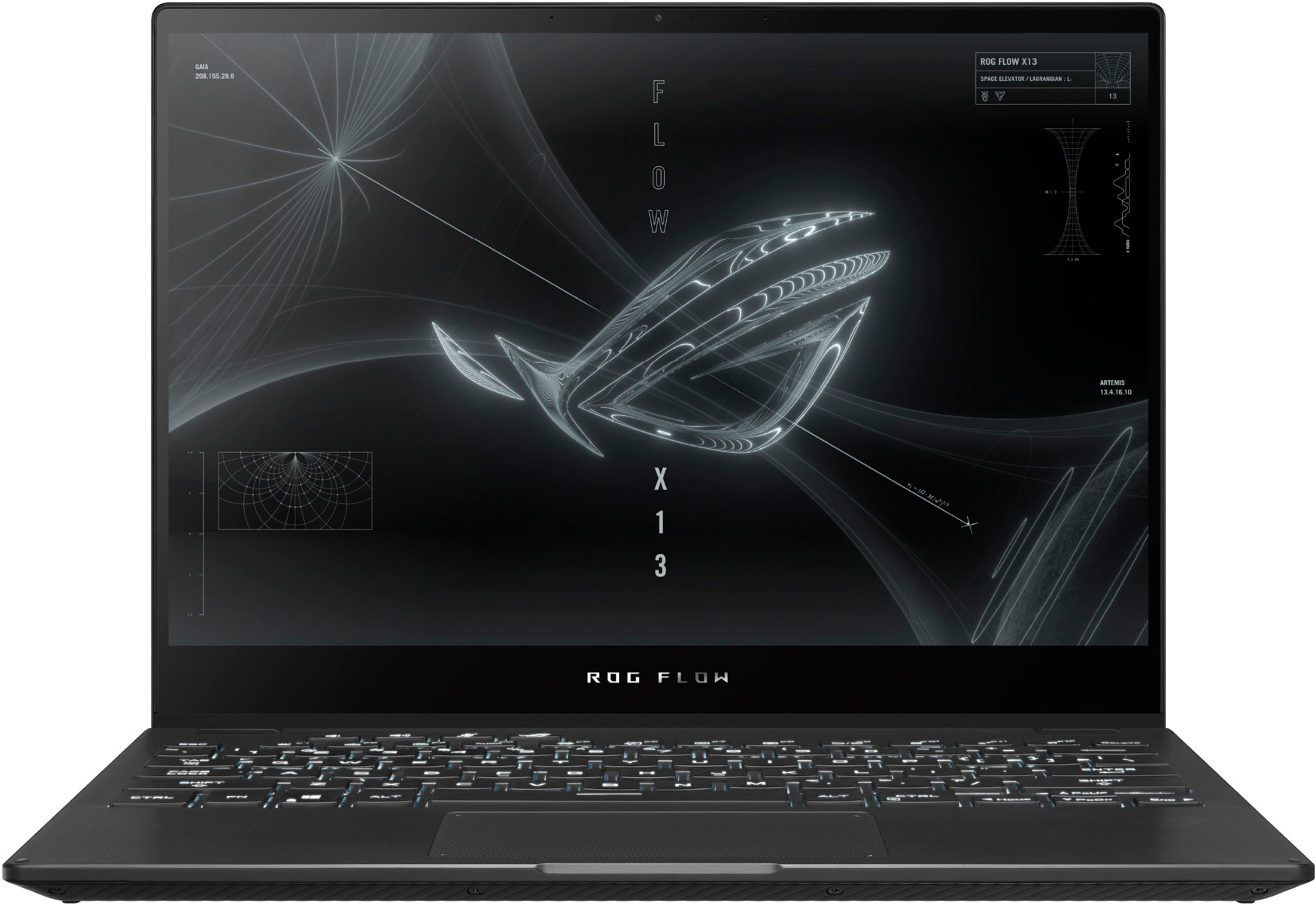
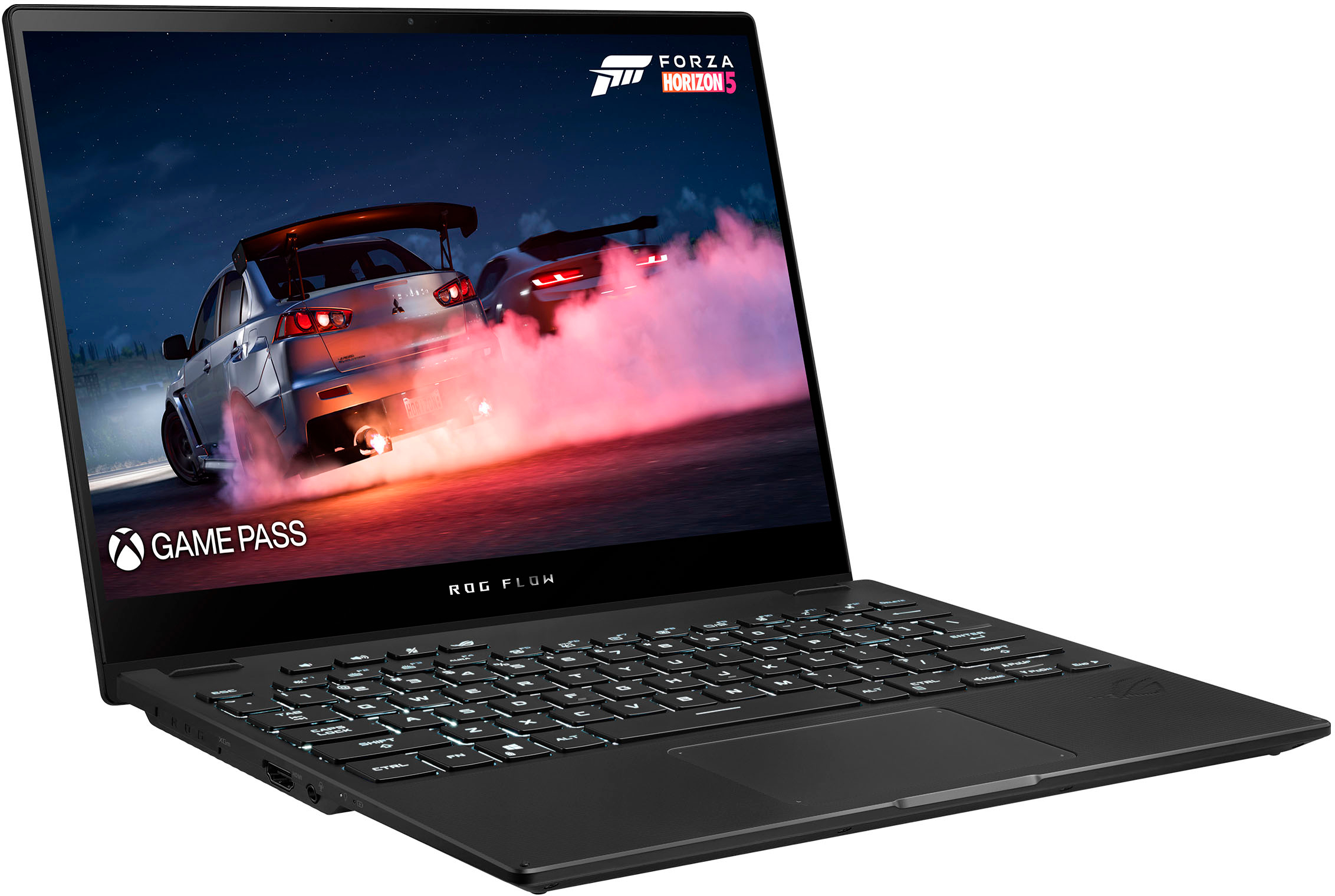
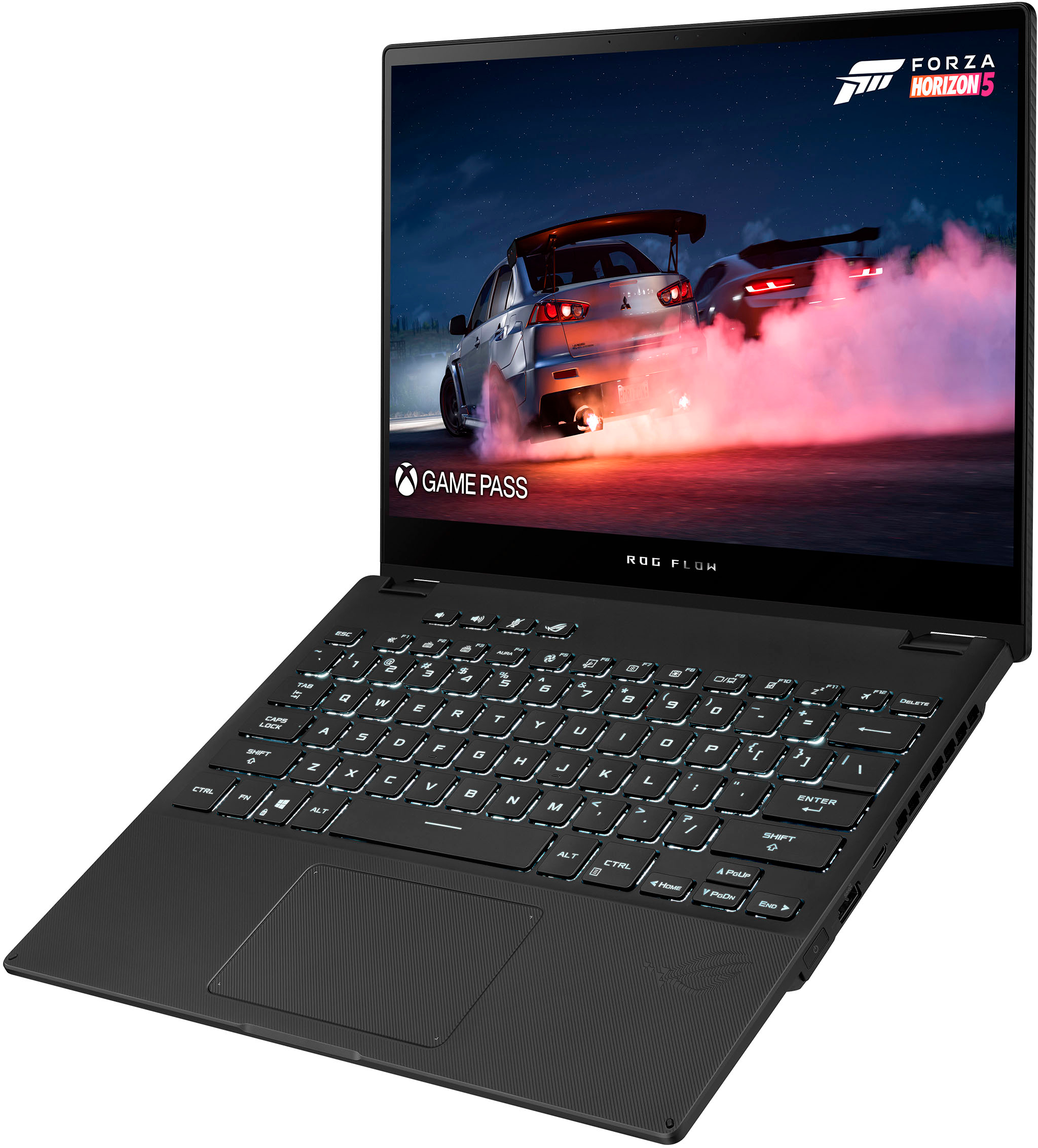
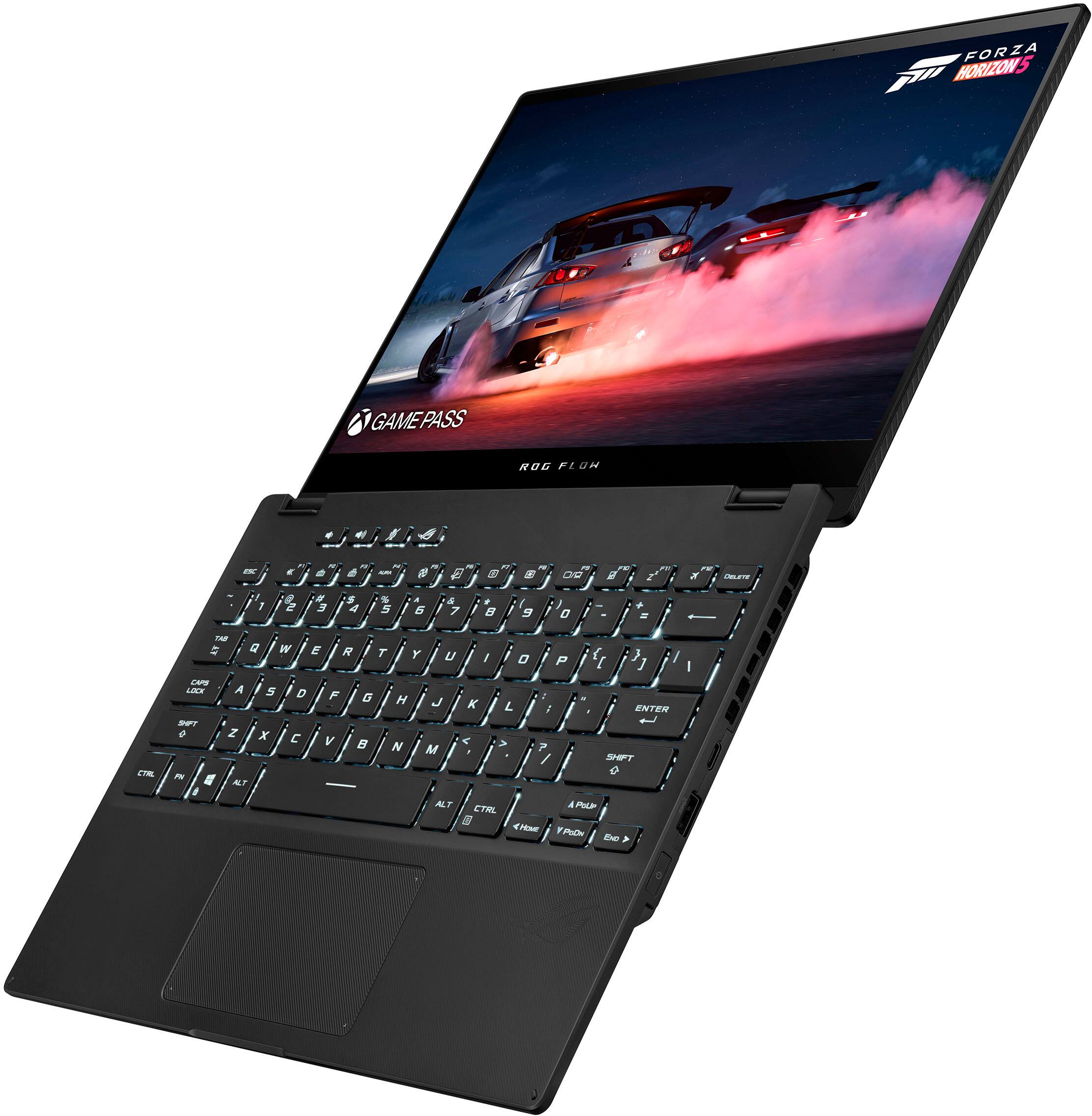
A:AnswerYes it supports 4k 60hz via the HDMI 2.0b on the device. The ROG XG Mobile also has both HDMI 2.0b and Display port 1.4; with the display port connection; up to 240hz refresh is possible at 2k (2560x1440) resolution, and 120hz is possible at 4k (3840x2160) resolution.
A:AnswerYour question is complicated to answer. Intel in collaboration with Apple developed the thunderbolt protocol; as such they retain the thunderbolt patent. Intel is notoriously anticompetitive; and as such they refuse to license thunderbolt to AMD in any capacity. This is part of the reason why despite Intel's utterly lackluster and iterative performance increases between H series generation of gaming CPUS (until Ryzen starting kicking butt); you did not see high end gaming laptops with AMD Ryzen chips. Without thunderbolt; consumers had/have little to no upgrade path for GPU performance because the chipsets are soldered to the laptop motherboard.
**USB4 will bring with it the same 40gb/s as Thunderbolt 4; but support for thunderbolt EGPU enclosures will likely come down to patient licensing and/or if asus of another third party is able to develop a way to adapt Thunderbolt gpu enclosures to the XG Mobile proprietary connector on ROG Flow devices.
*That being said; as someone who has done 150 pc builds and just may possibly work in a Best Buy pc department; the performance uplift you are hoping for likely will not occur in thunderbolt enclosure unless the device lacks an discrete GPU or has an EXTREMELY anemic one For even the best thunderbolt 3/4 enclosures are only able to utilize 4 PCI lanes for the gpu; be mindful that most modern desktop graphics cards are designed to take advantage of 16 lanes of PCI 3.0/4.0. Therefore with so little bandwidth, it would not be out of the question for a higher end RTX 30 series desktop card to lose between 30-60% of its performance because of the thunderbolt bottleneck if you attempted to utilize one.
**As someone who owns the Rog Flow 2022 and the XG Mobile RTX 3080; the XG Mobile is an AMAZING feat of engineering. Despite that fact that it is the mobile variant of the RTX 3080; Asus developed a proprietary connector that combines a USB 3.2 gen 2 connection for the "dock" portion of the EGPU; taking care of the displays, usb ports, ethernet etc. For the actual GPU in the ROG XG Mobile RTX 3080 16gb; Asus developed a proprietary PCI 3.0 x8 connector that dedicates ALL 8 lanes to the GPU; this is DOUBLE the lanes and significantly more bandwidth than thunderbolt enclosures provide. Furthermore, the RTX 3080 in the XG Mobile is the 16gb variant housed in an enclosure that is only half the size of the laptop. This little beast of a GPU is vapor chamber cooled; powered by the full maximum 150 watts this GPU is rated for and is portable enough to take with you in a bookbag. Owning this incredible diminutive feat of engineering; I wouldn't discount it simply because it is a Mobile variant. In benchmarks and performance in AAA titles while gaming on an external 1440p monitor ; performance of the XG Mobile is generally between a desktop RTX 3070 and 3070ti; which allows me to play almost all AAA titles at 2560x1440 resolution at ultra settings above 60 fps; often in the range of 90fps in all titles. Games that support DLSS; I use quality or balanced mode because there is little to no degradation is graphics quality. By using DLSS; I am able to get close to the 165 fps that my LG Ultragear monitor refresh rate supports. The whole package is just incredible; and I have to hand it to Asus for doing something innovative; and even more so for finding a way to bypass the need for thunderbolt as a means to upgrade a laptop GPU. Asus already has another device out that supports the XG Mobile; and has also actually recently released an AMD version of the XG Mobile; containing the Radeon 6850m 12gb. They have already committed that more devices that support the XG mobile are in development and that when the mobile variants of the Nvidia RTX 4000 series cards release; they will be developing ROG XG Mobile GPU solutions around those (and the new AMD GPUS) chipsets. Lastly I would say that all is not lost; if you heart is set on using your desktop gpu; they will be developing USB4 gpu enclosures; but it may take some time for those to reach the market and be stable enough to be worth it.