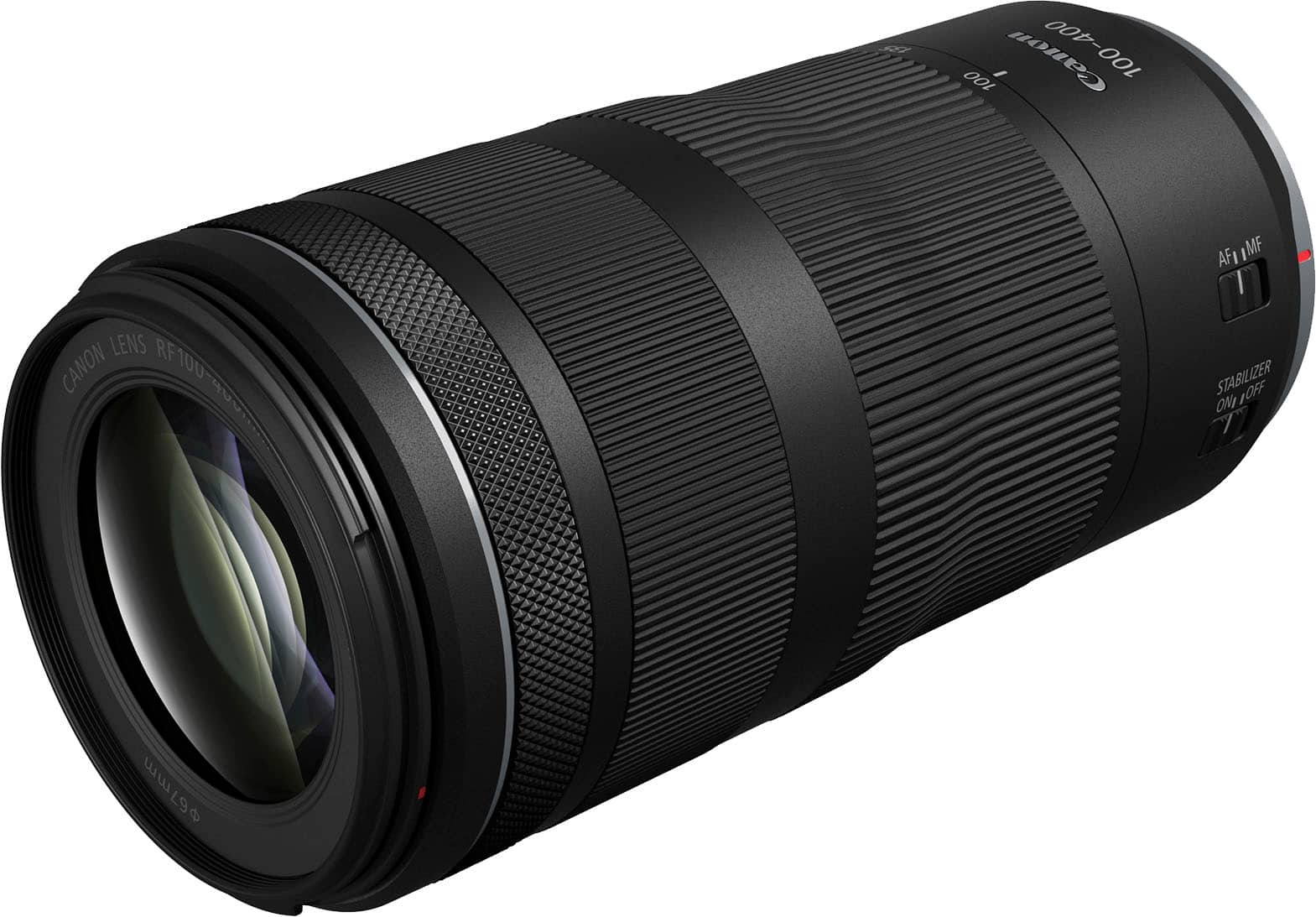
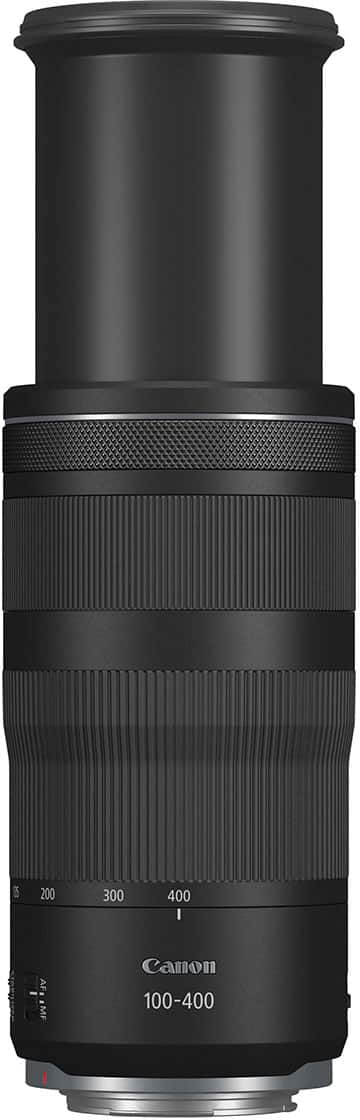
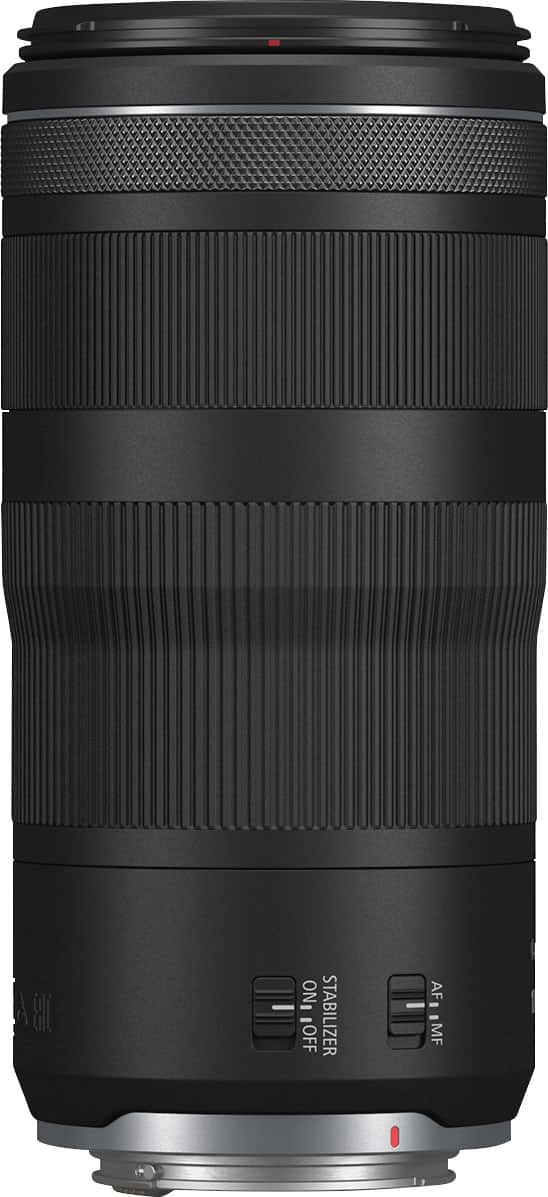
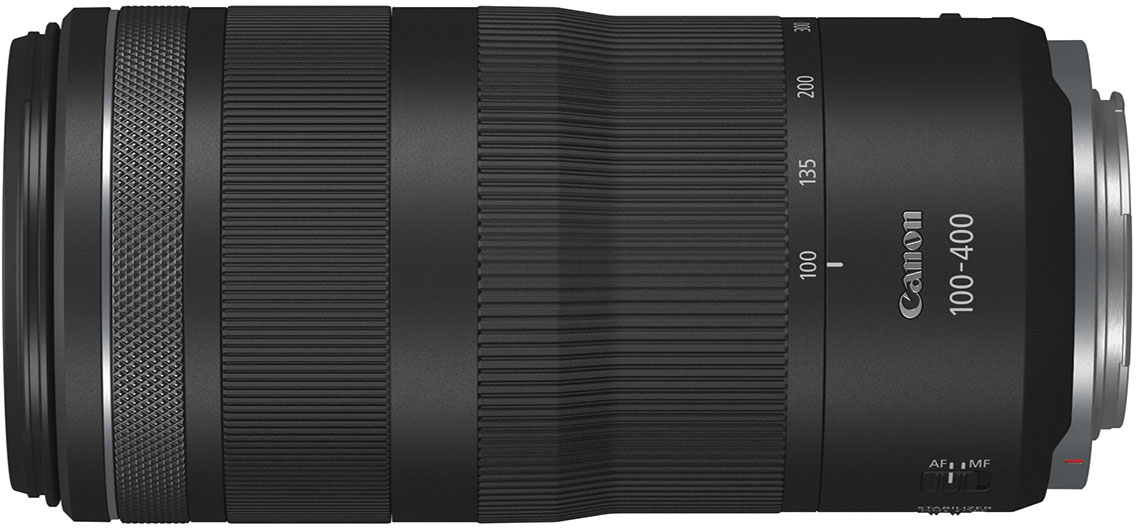
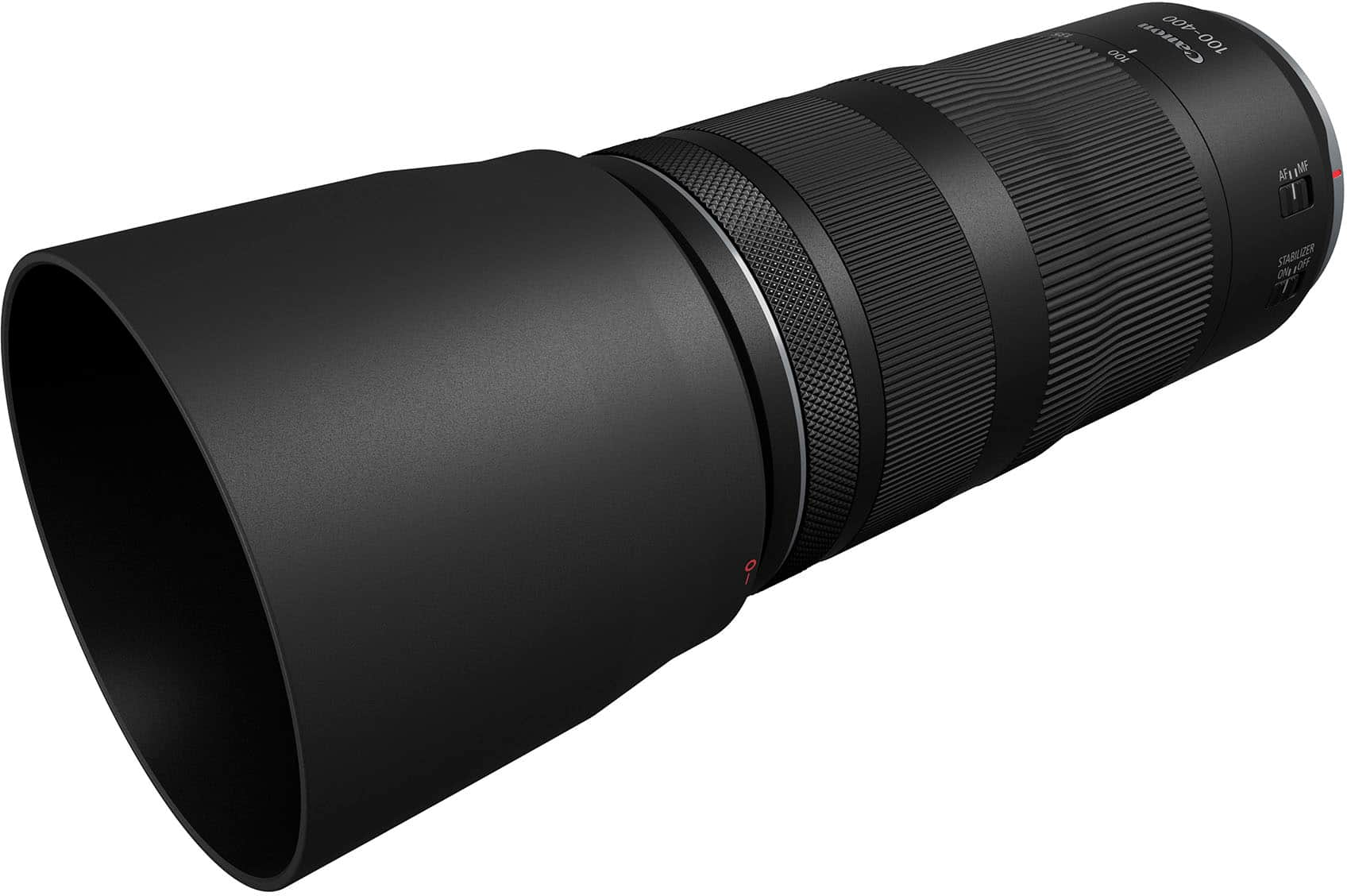
A:AnswerThe EF to RF adapter is used to adapt EF lenses onto RF cameras. RF lenses cannot be adapted onto EF cameras due to the shorter flange distance, where an adapter would not physically fit.
A:AnswerI believe that best buy mistakenly labeled this. It is not an "L" lens. My best guess is that they meant to copy the "IS", meaning image stabilization
A:AnswerYou would need an EF lens for your camera. The lens is designed for RF mount cameras like Canon EOS R, RP, R10, R7, R5, R3, etc. Canon EOS 77D is made for EF mount lenses.
A:AnswerAbsolutely not. Upgrade your camera if you want to use RF mount lenses. Alternatively, there is an adapter that would allow you to use the older EF and EF-S lenses with an M50 camera.
A:AnswerThat adapter accepts only EF mount lenses. This is an RF mount lens. Canon has essentially abandoned its M series line of mirrorless cameras. So either upgrade your camera, or shop for EF mount lenses (Canon or from 3rd party manufacturers such as Sigma or Tamron).
A:Answer"rf 24 f/4-7.1" does not make sense -- a prime lens would not have a variable maximum aperture specification. Did you perhaps mean the rf 24-240mm f/4-7.1? I'm not aware of such a lens. I know Canon makes an rf 24-240mm f/4-6.3. In any case, your question is asked with respect to the rf 100-400mm f/5.6-8 lens and therefore makes no sense because you cannot mount one lens to another.
There are some basic things one needs to understand before shopping for additional components to add to one's camera system.