
Buying heating, cooling and air quality appliances
Improving your home's indoor air quality
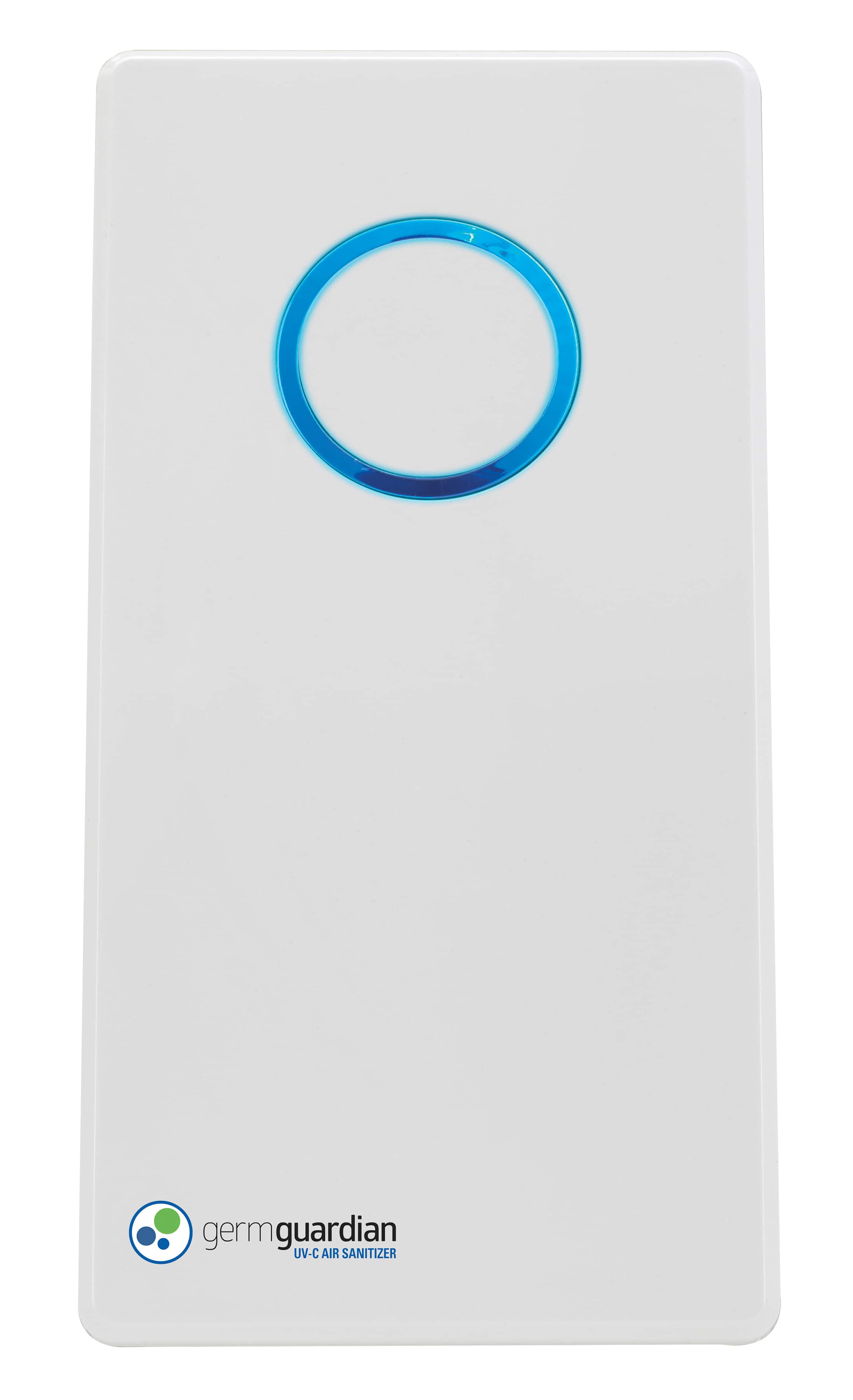
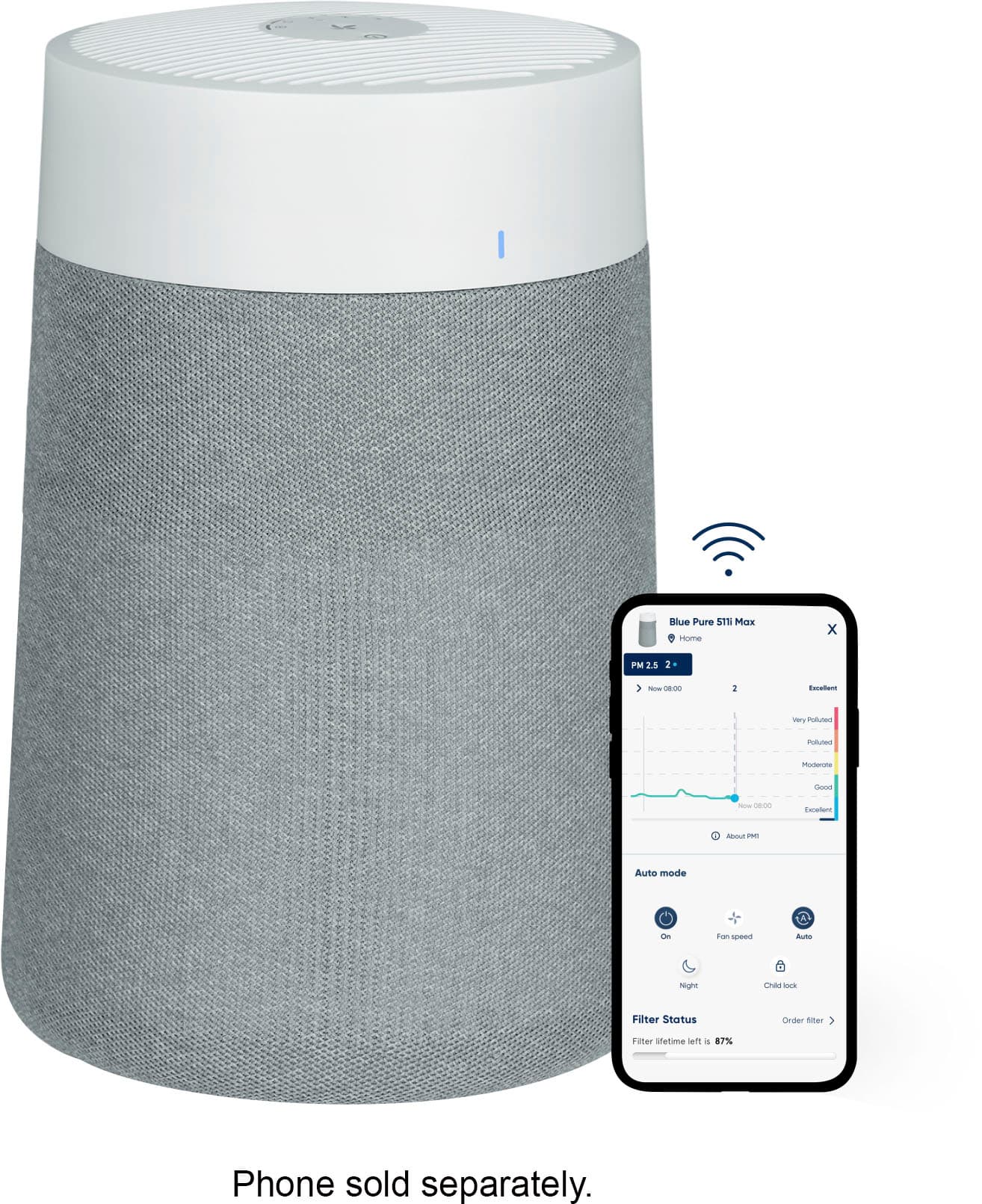
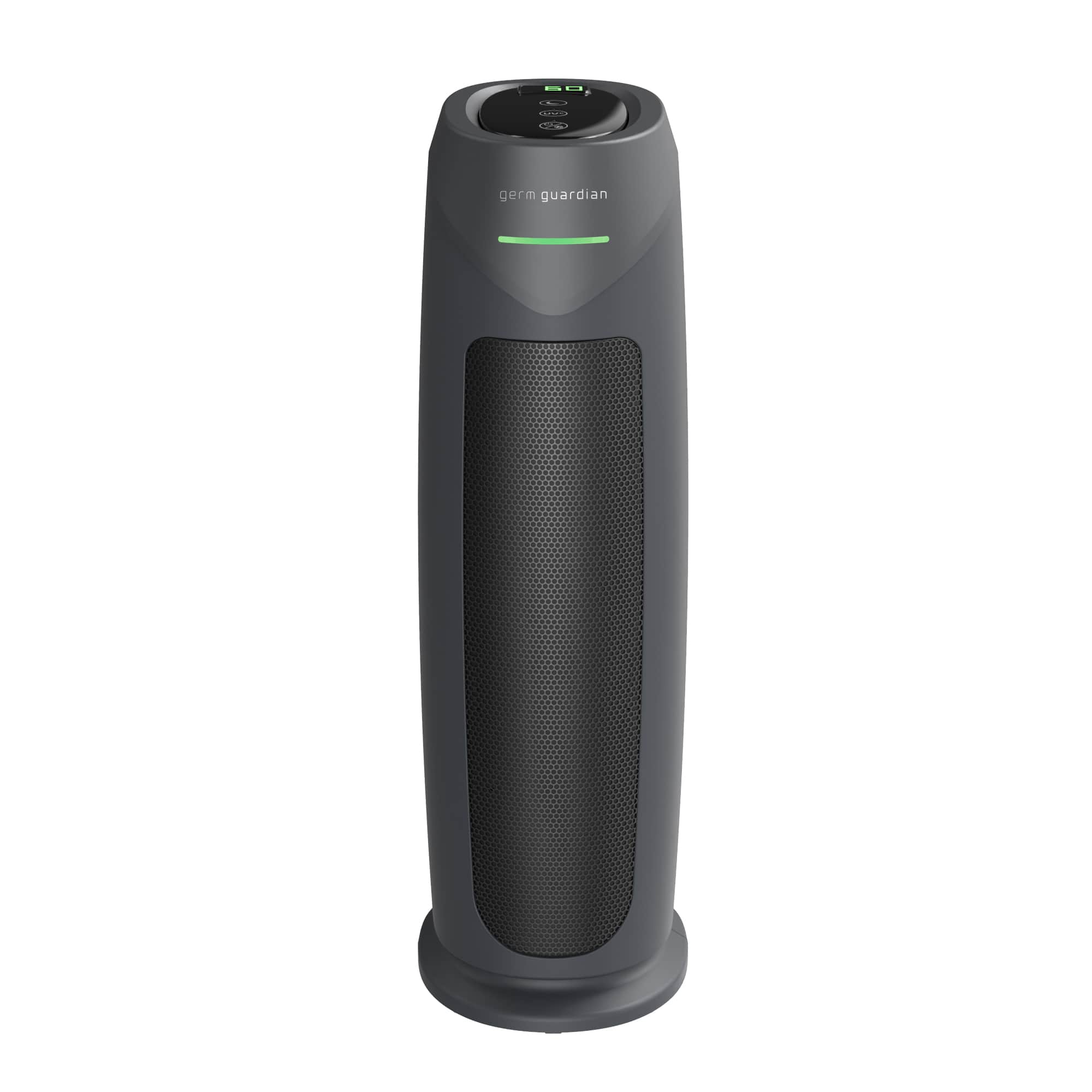
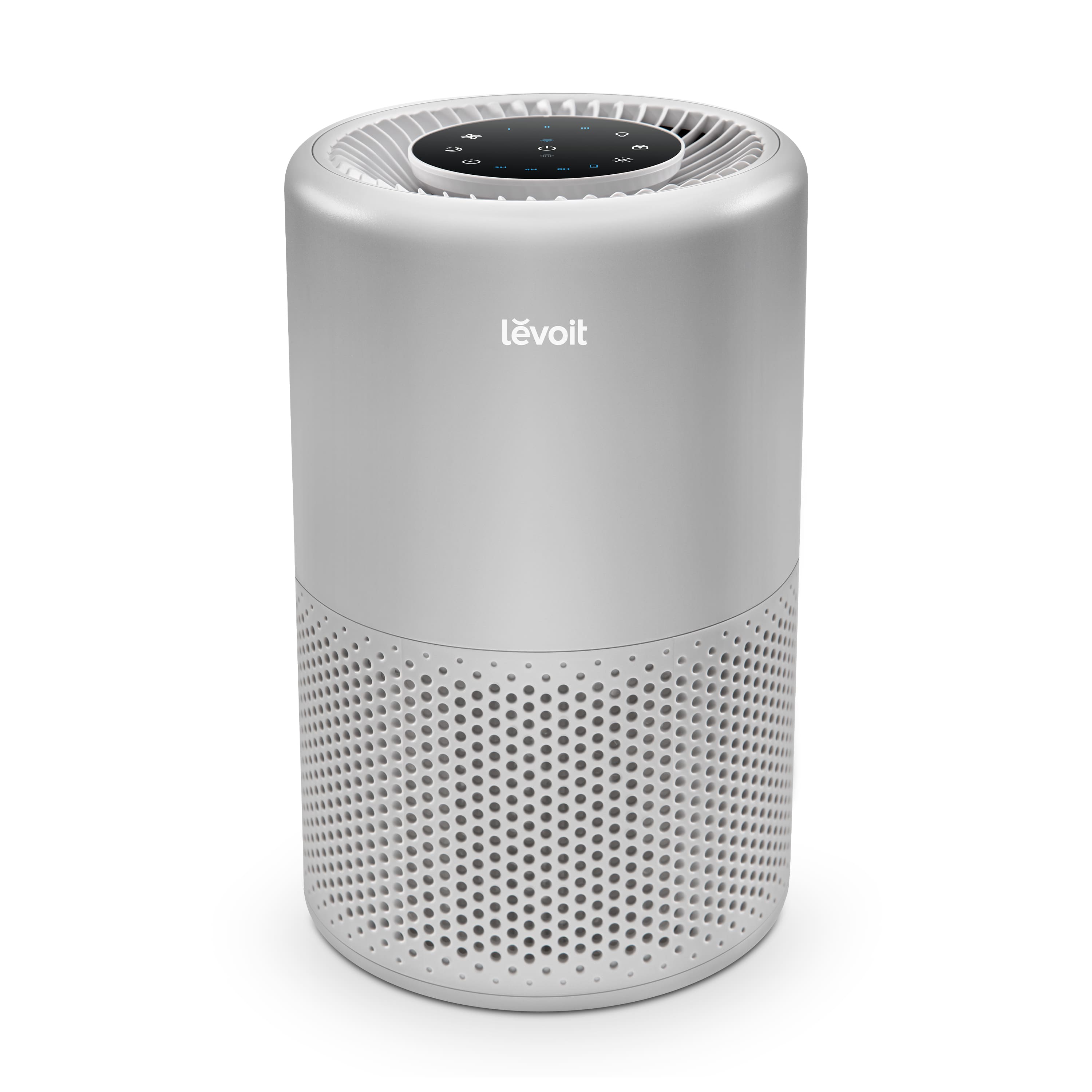
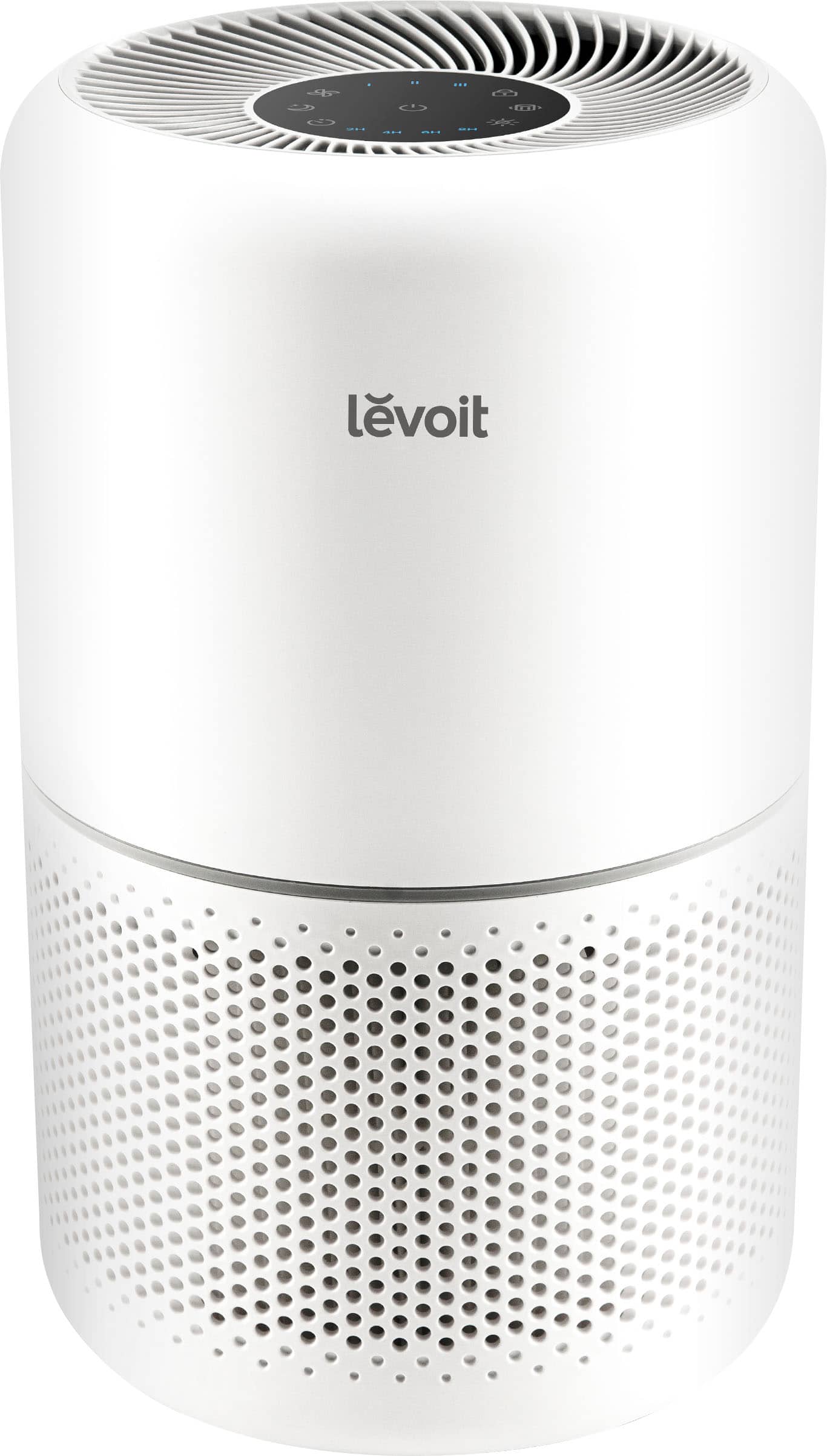
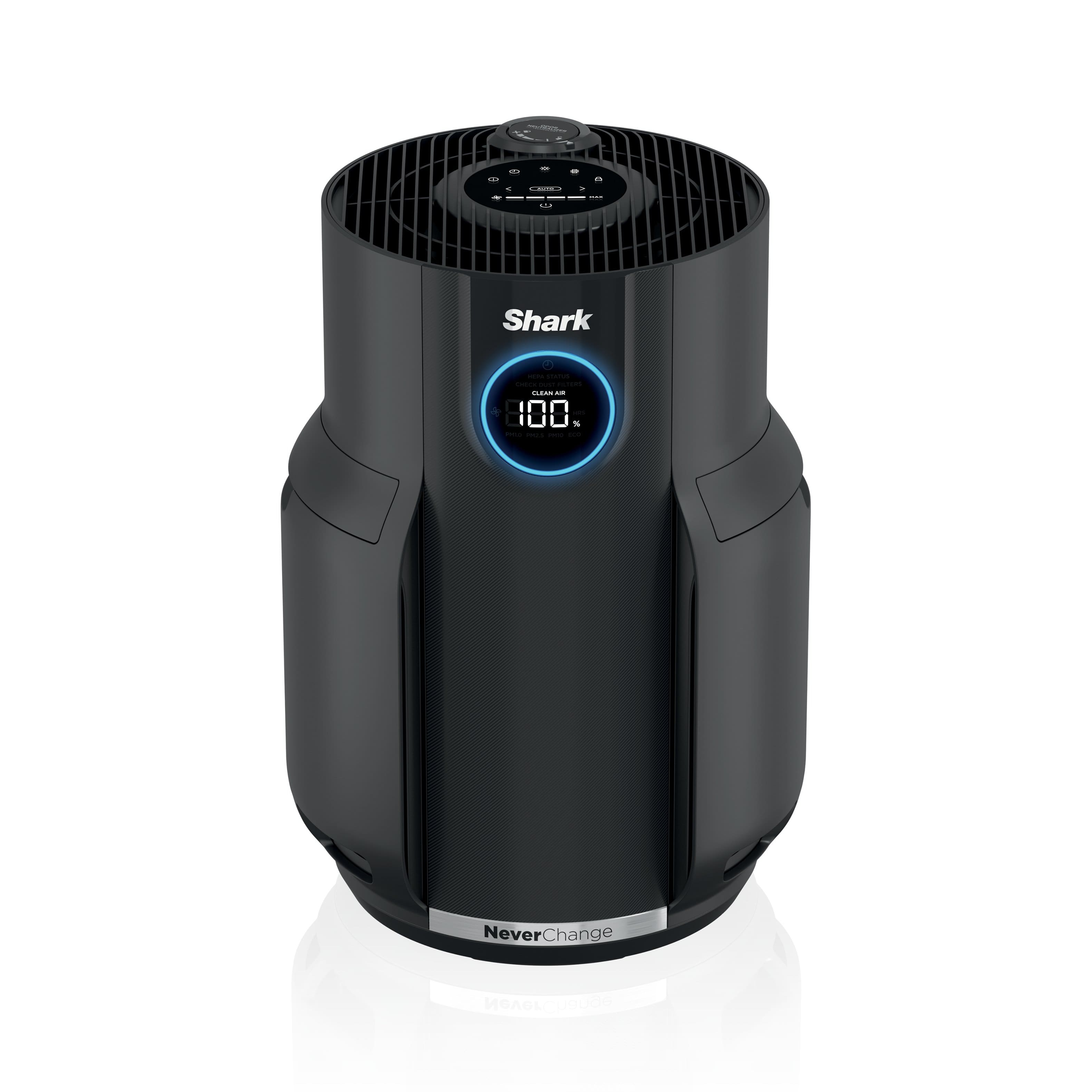
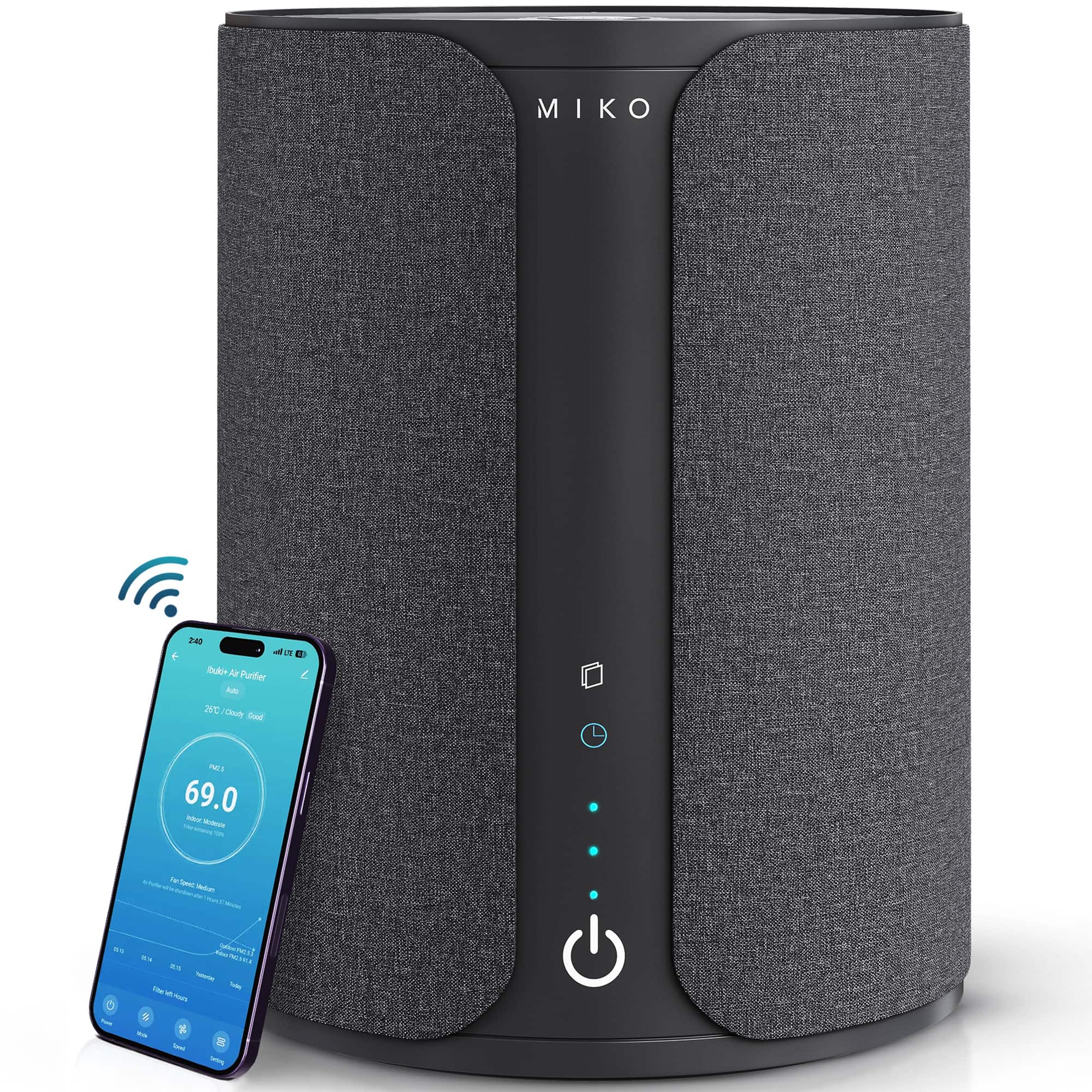
Many people are unaware of the importance of indoor air quality, but the air inside your home can have a big impact on your health over time. And if you suffer from allergies, asthma, or other respiratory problems, it's especially important to ensure that your air is as clean as possible. Fortunately, with modern advancements, you can control not just the temperature but also the quality of your indoor air. Making your home allergy-friendly means addressing allergens, mold, dust and odors in your home. An air purifier with a HEPA, active carbon or washable filter can help you accomplish this. Air filters also help to lower the amount of pollution in your home, which can be important if you live in a busy, urban area. Moisture control is also crucial for human health and for suppressing mold growth. In the summer, you may want to remove moisture from the air in your basement or other rooms that run damp by using a dehumidifier. Conversely, in winter, you can use a humidifier to moisten the dry air coming from your heating system. This will help to keep your sinuses and skin from drying out.
Choosing the best heating and cooling devices for you
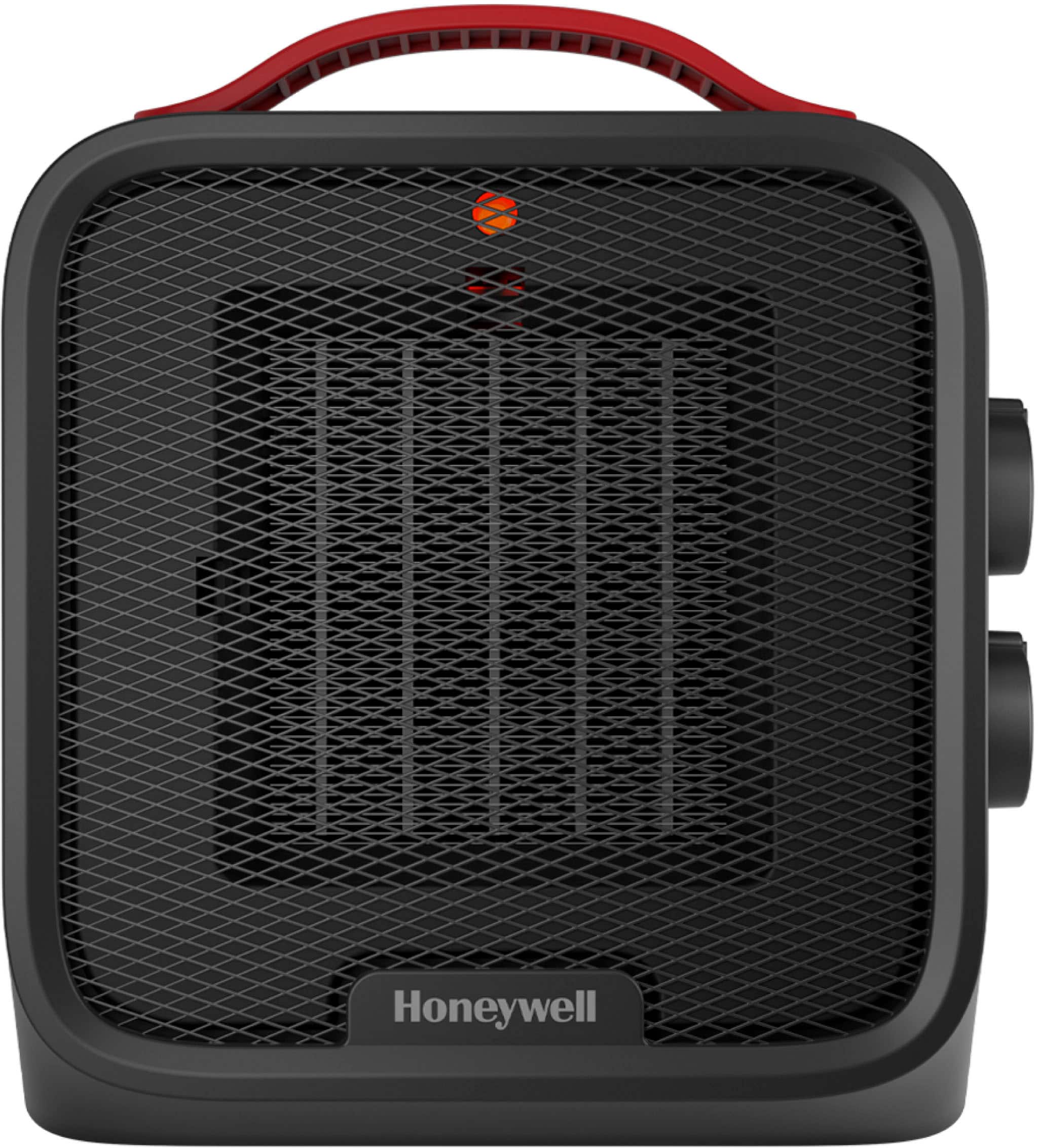
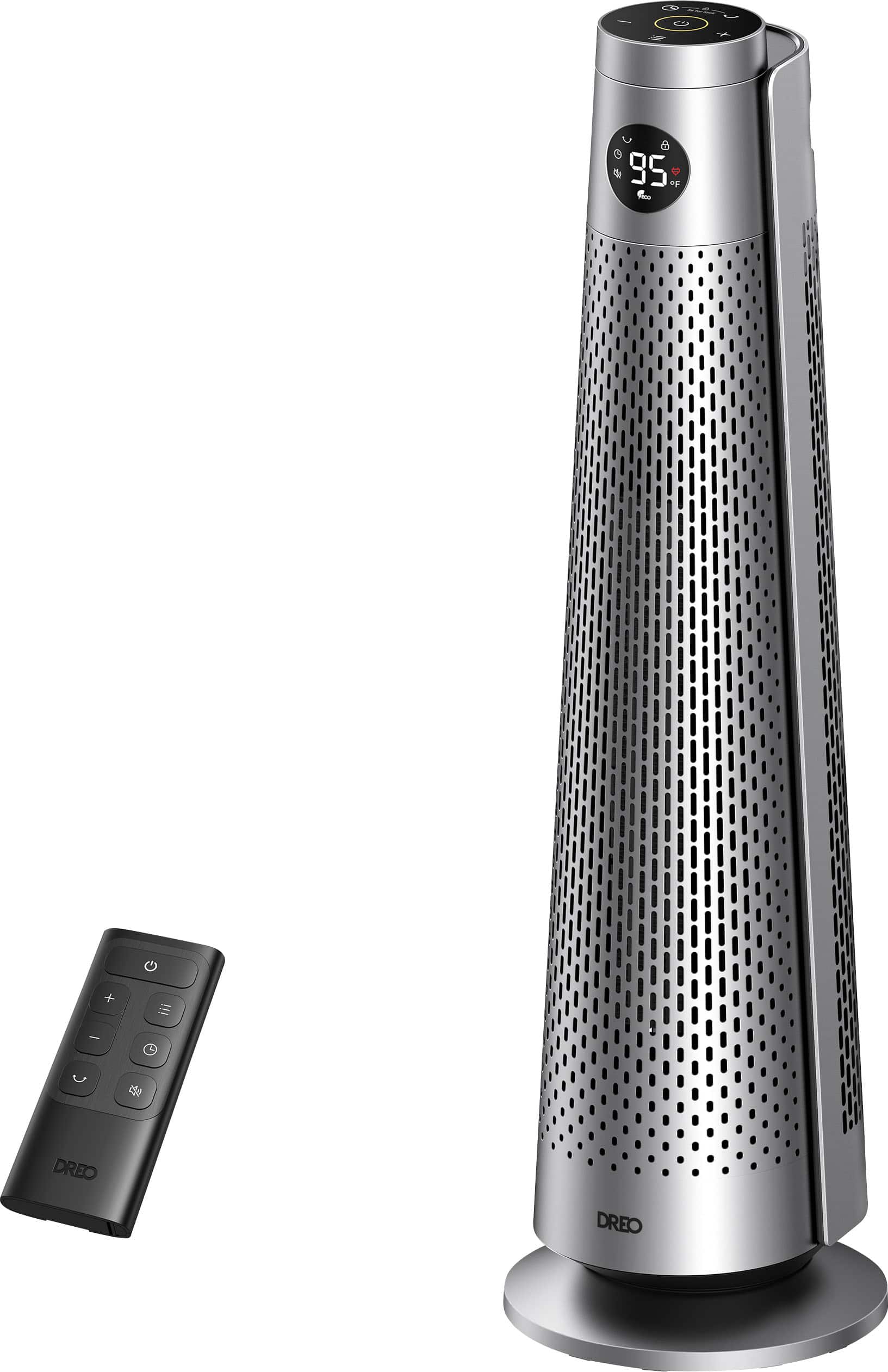
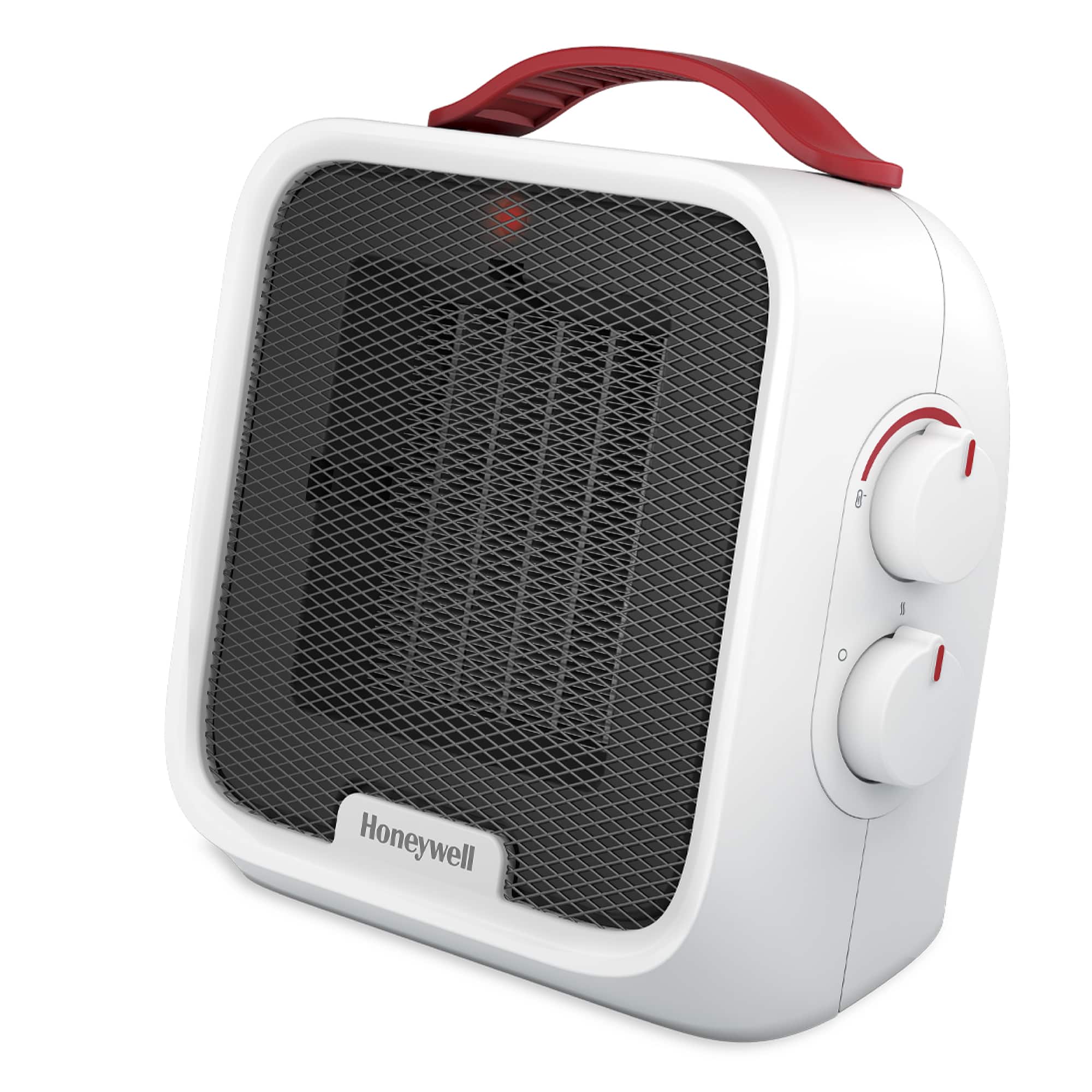
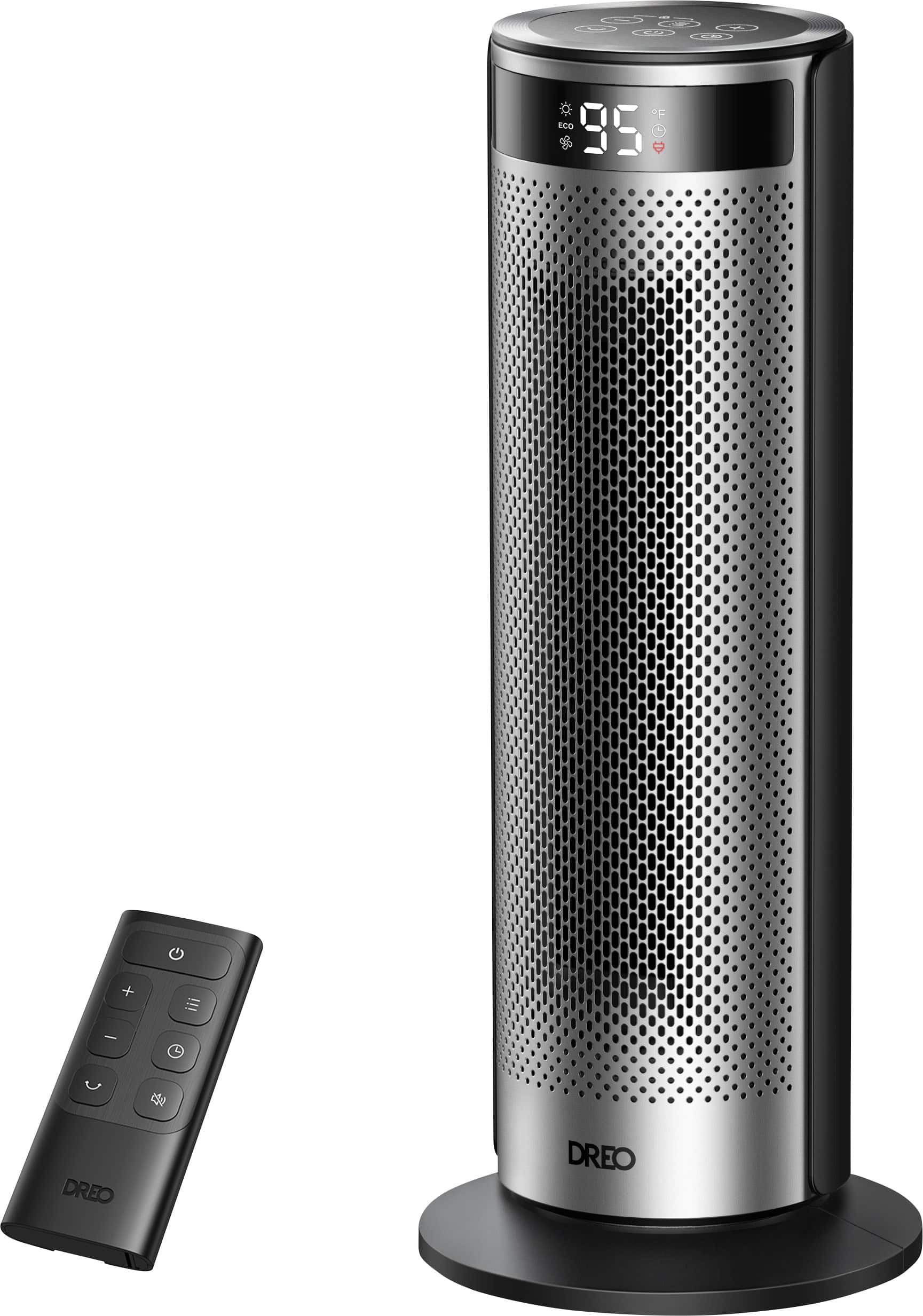
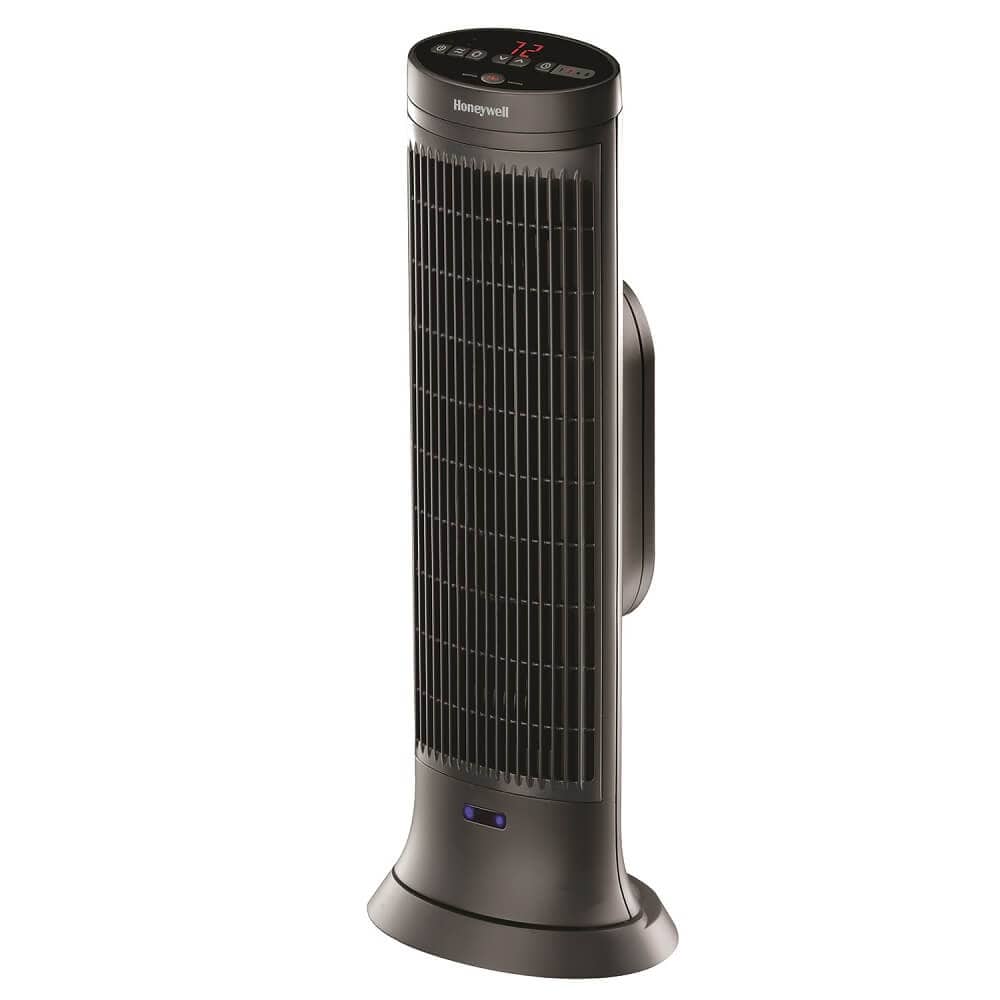
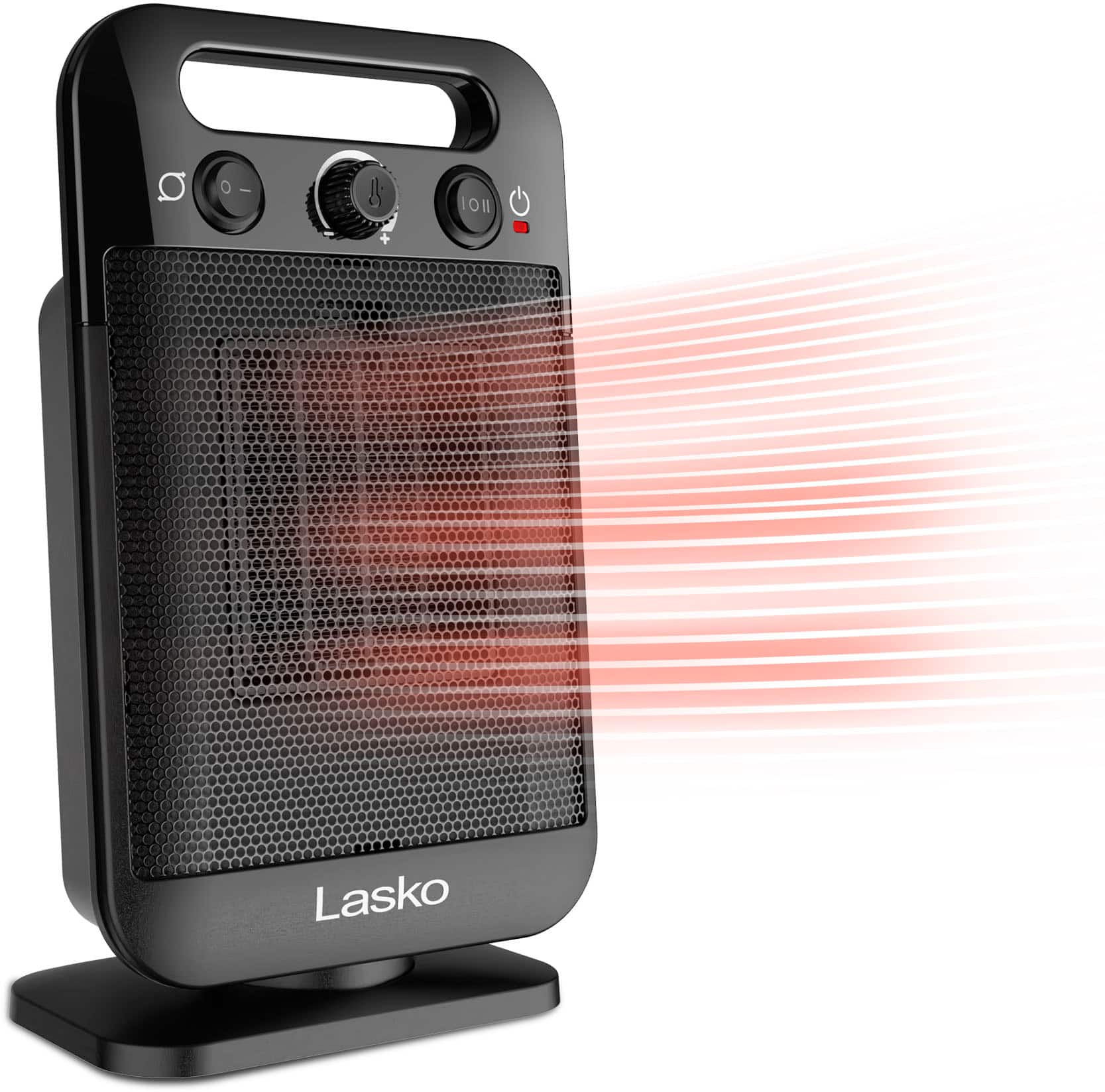
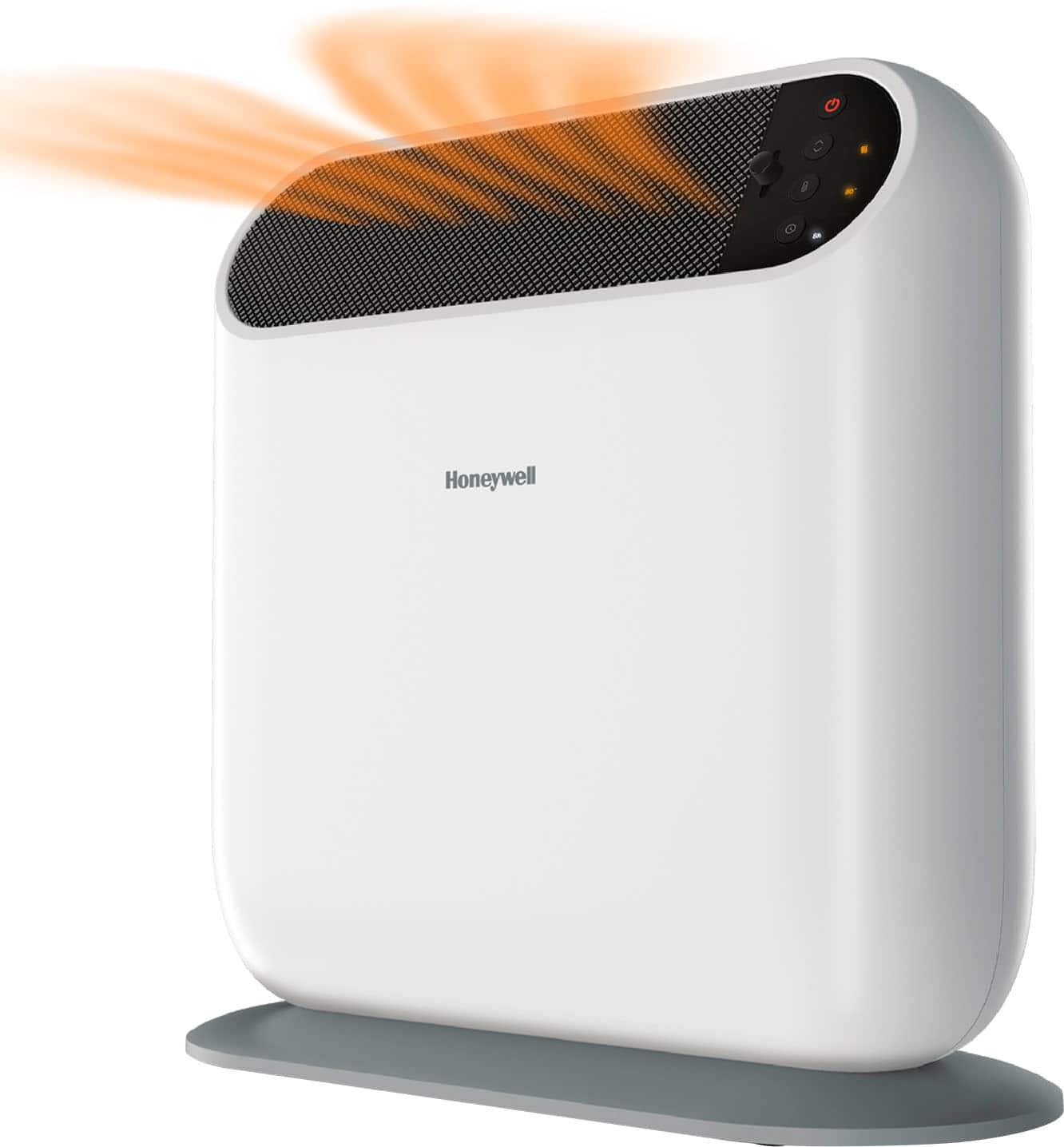
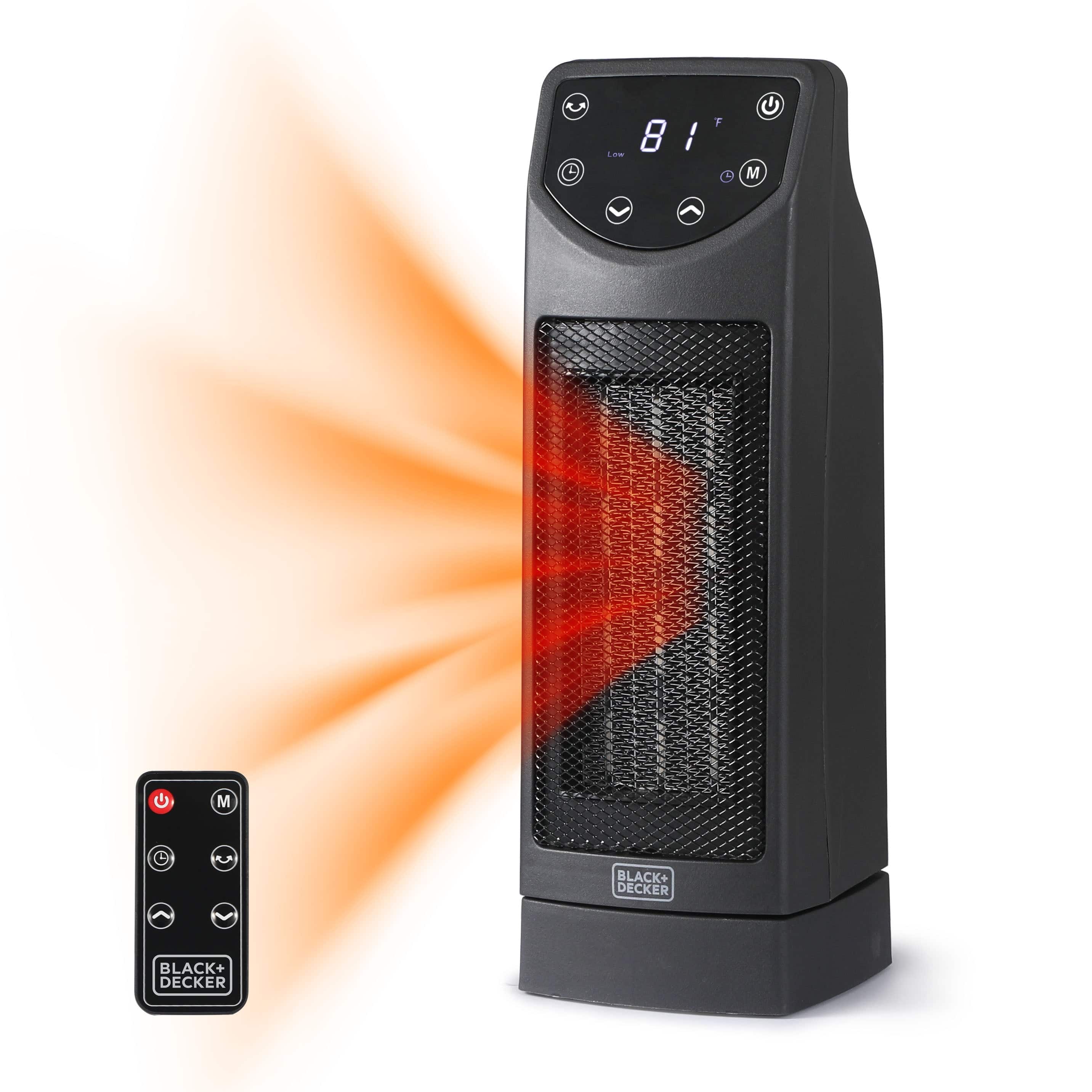
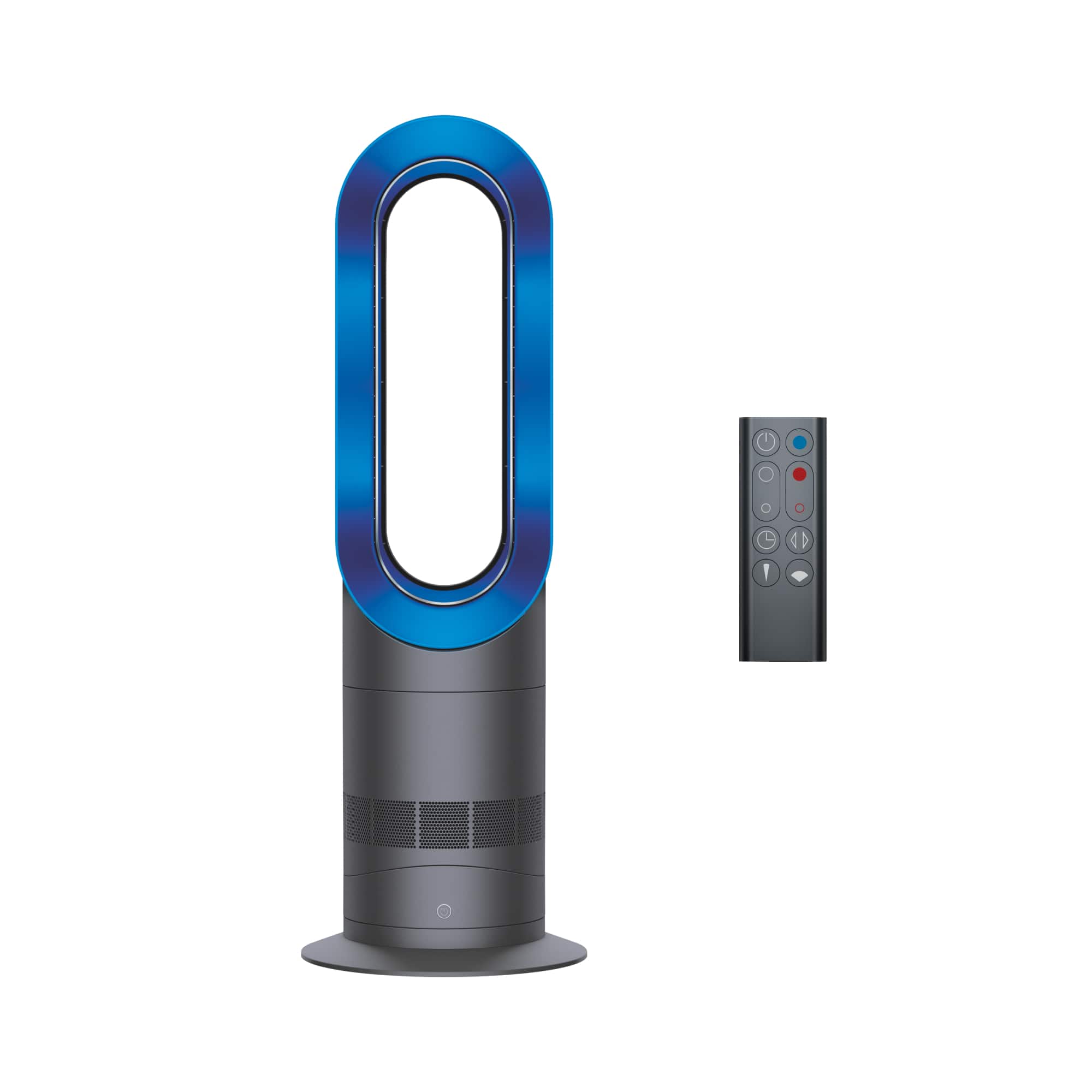
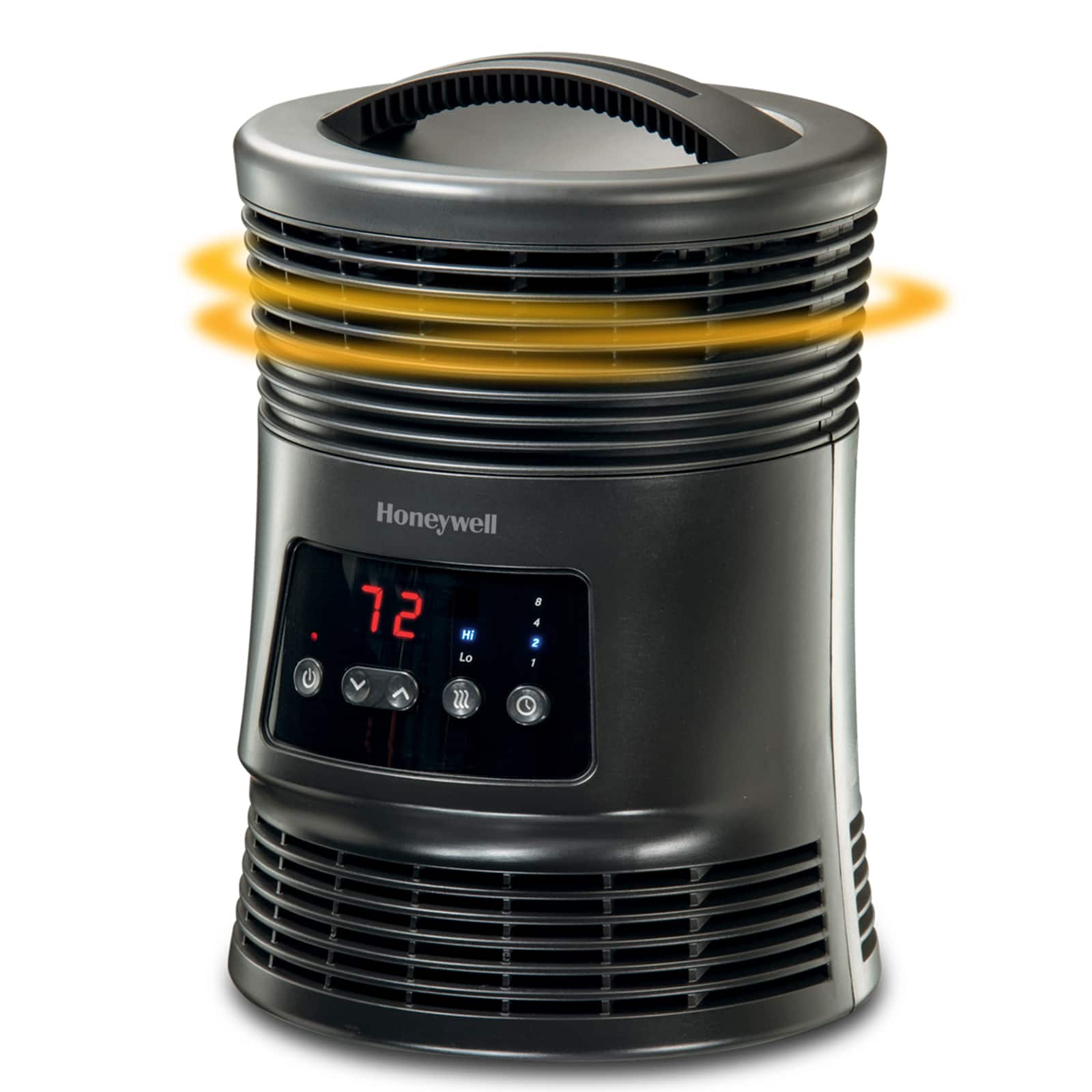
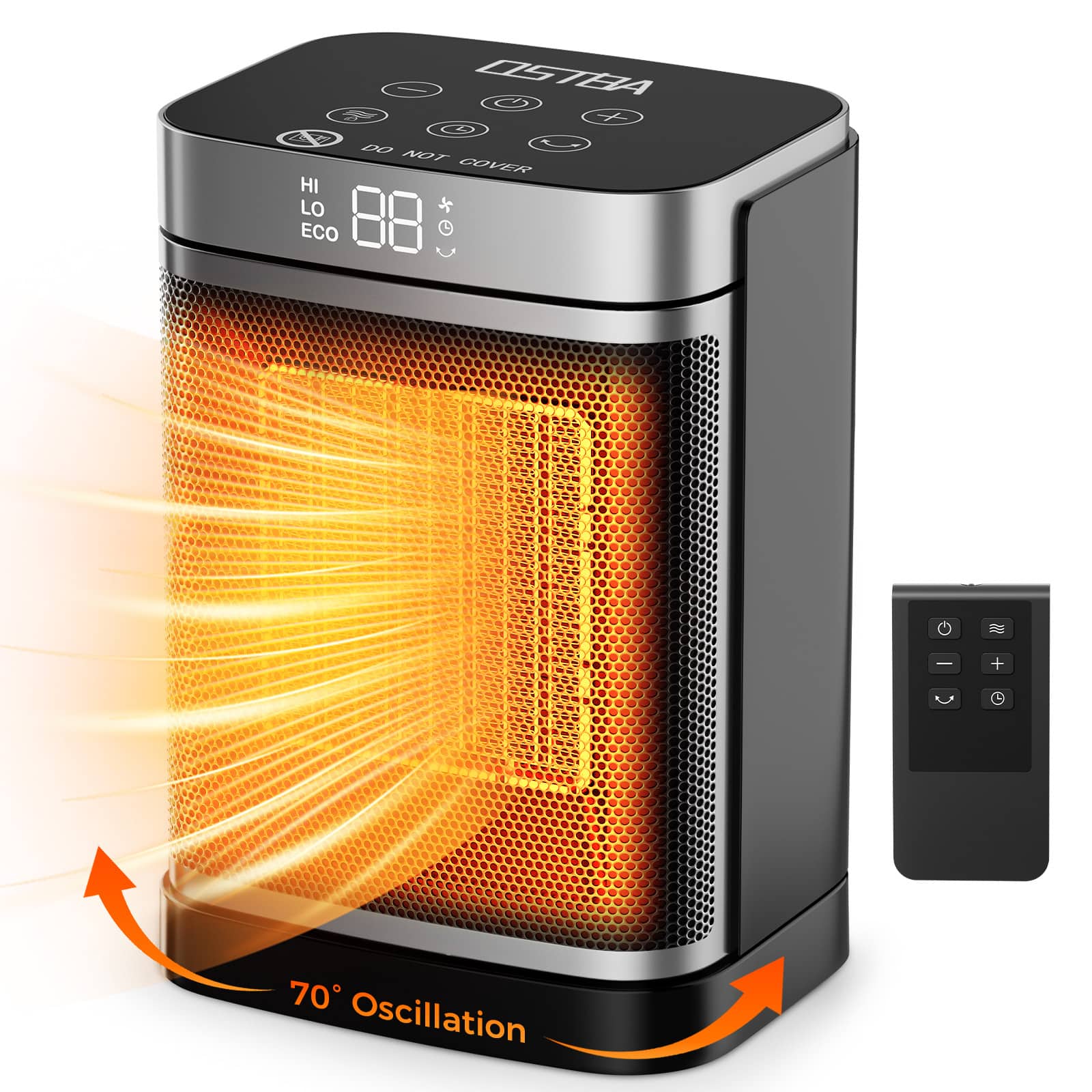
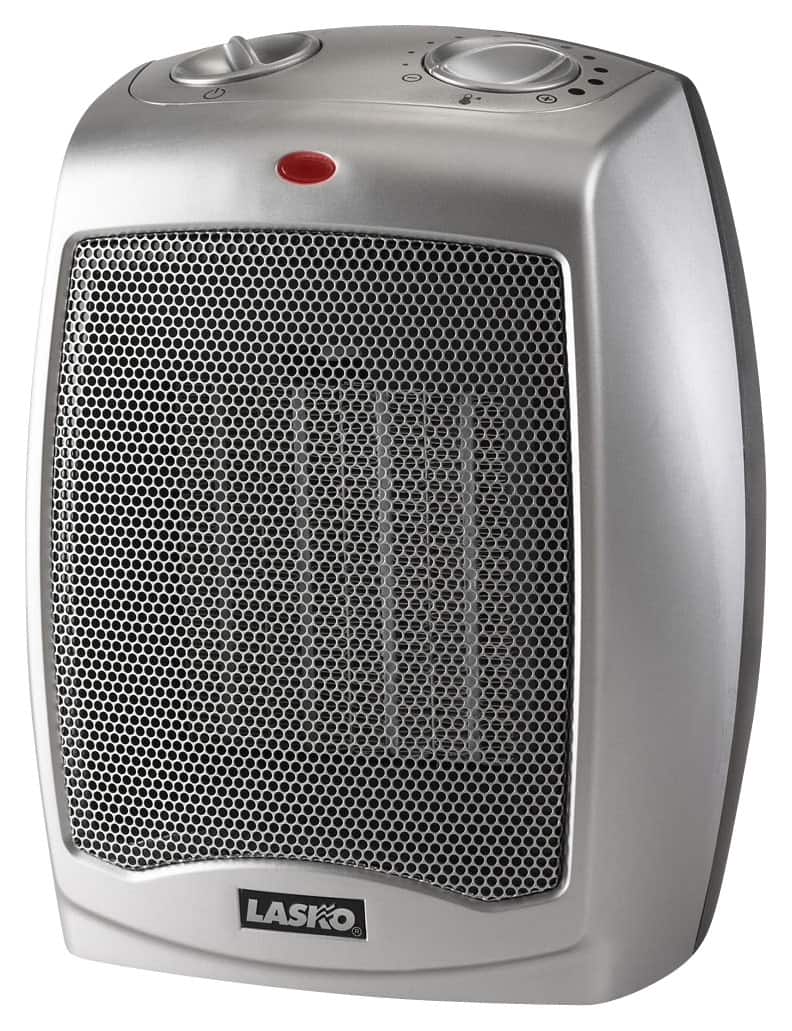
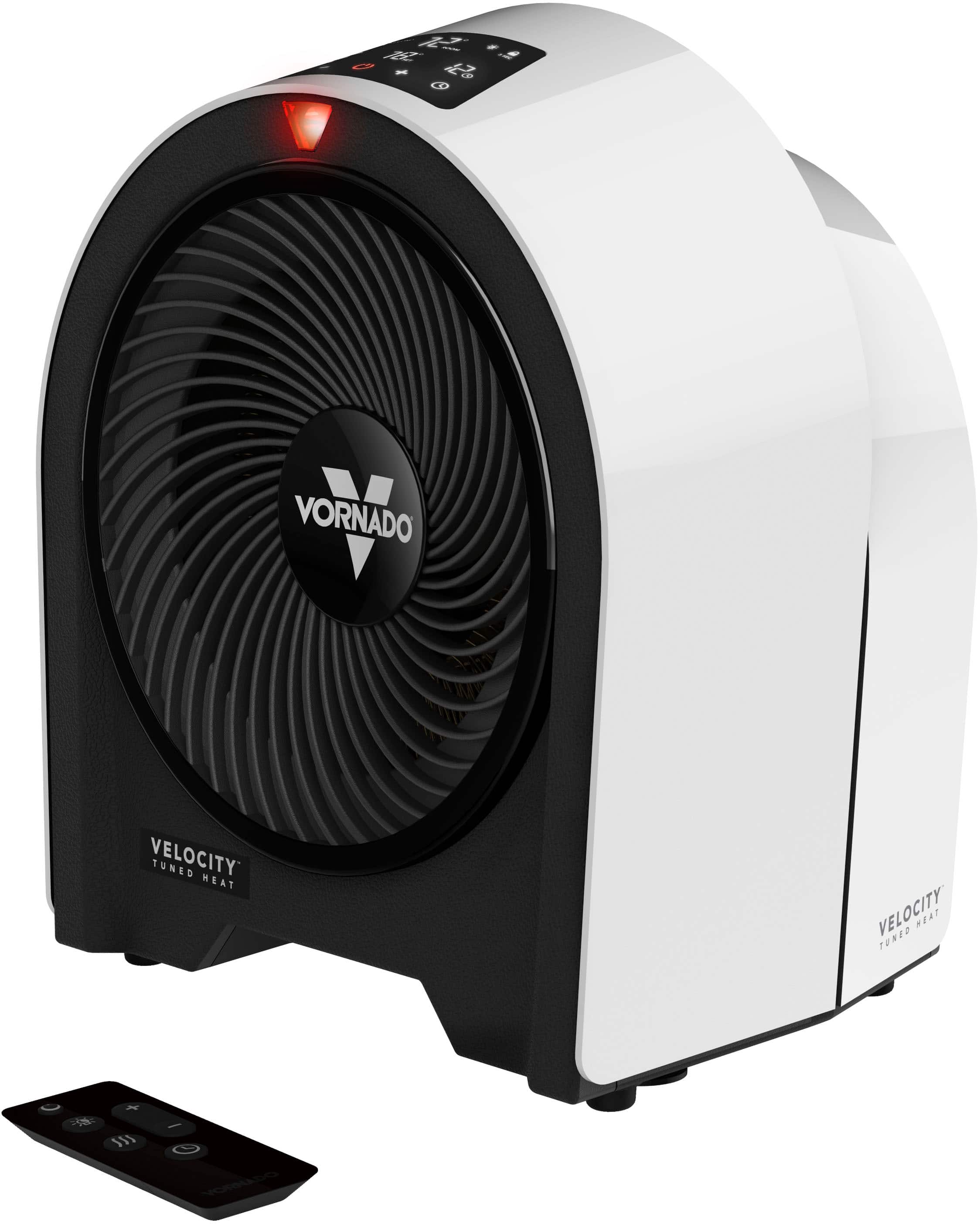
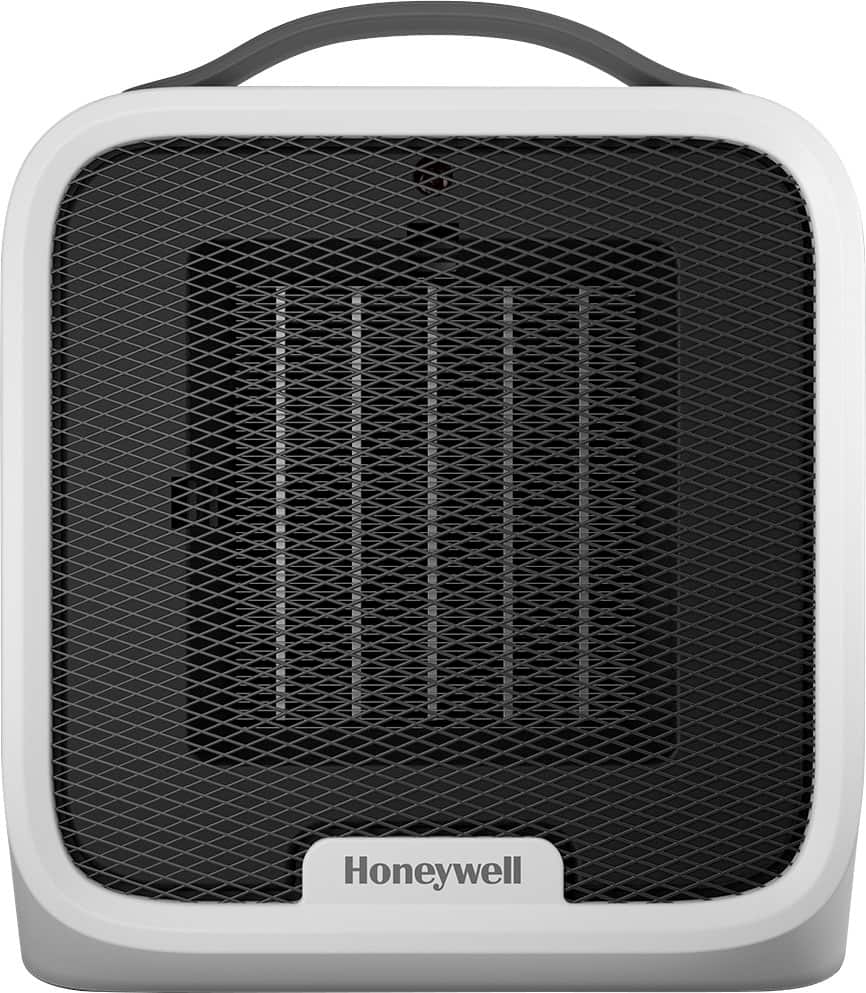
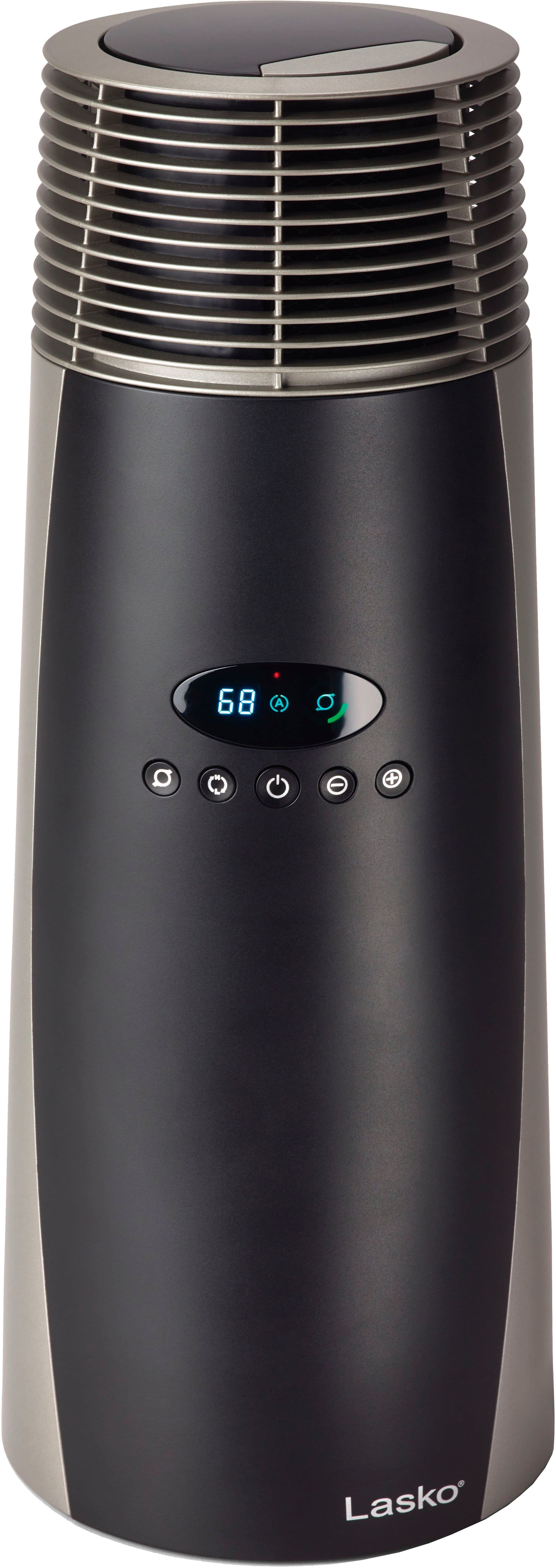
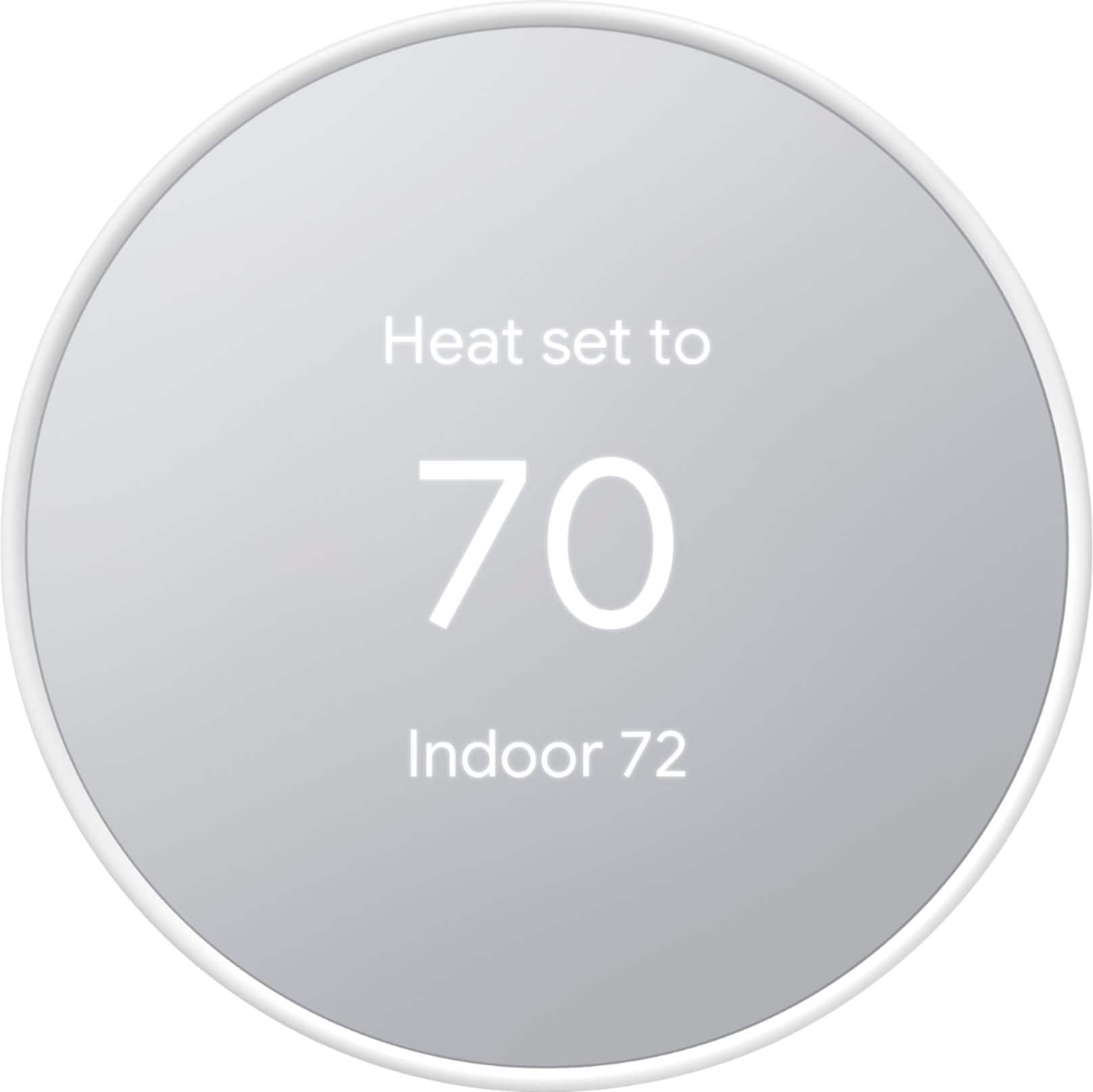
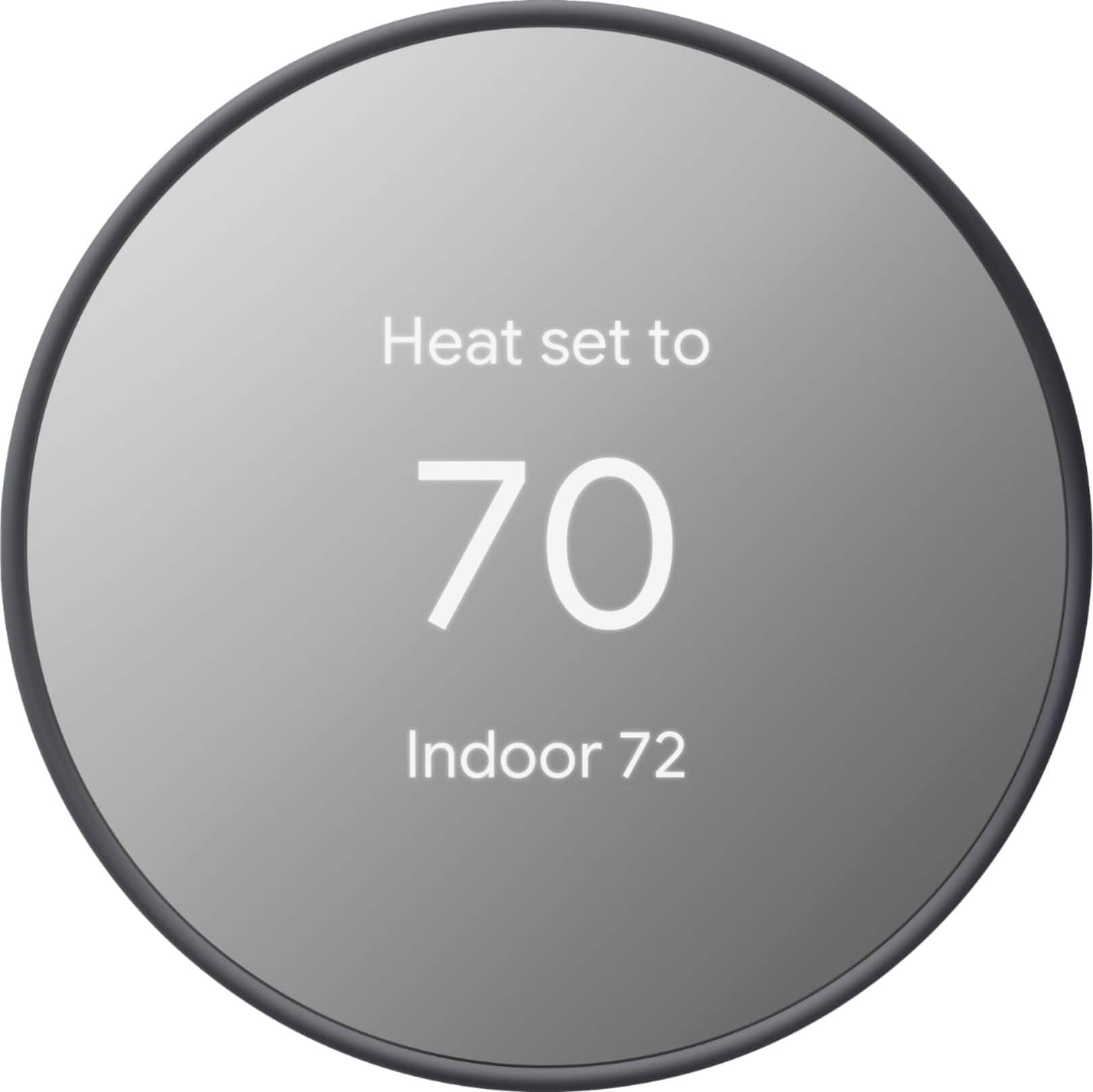
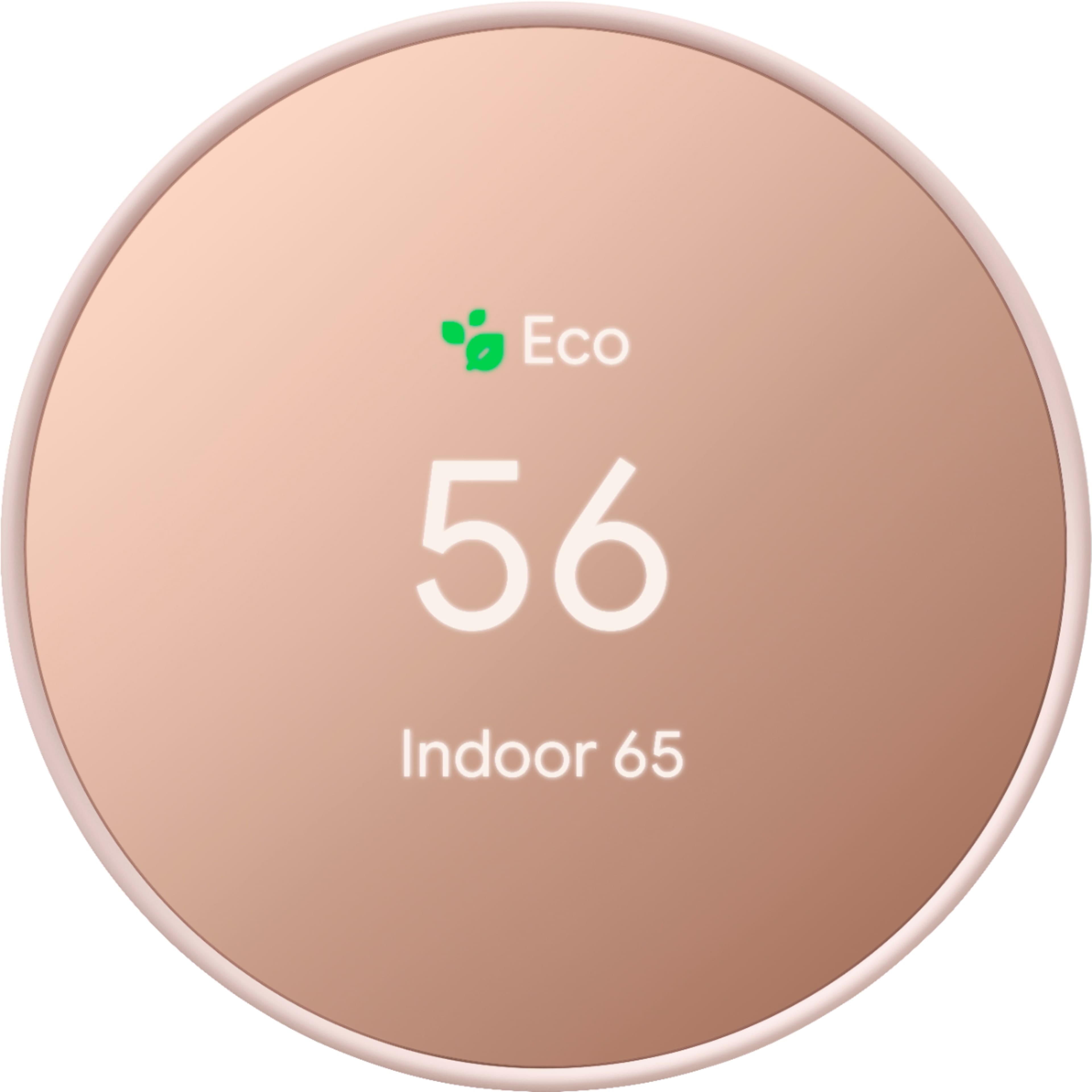
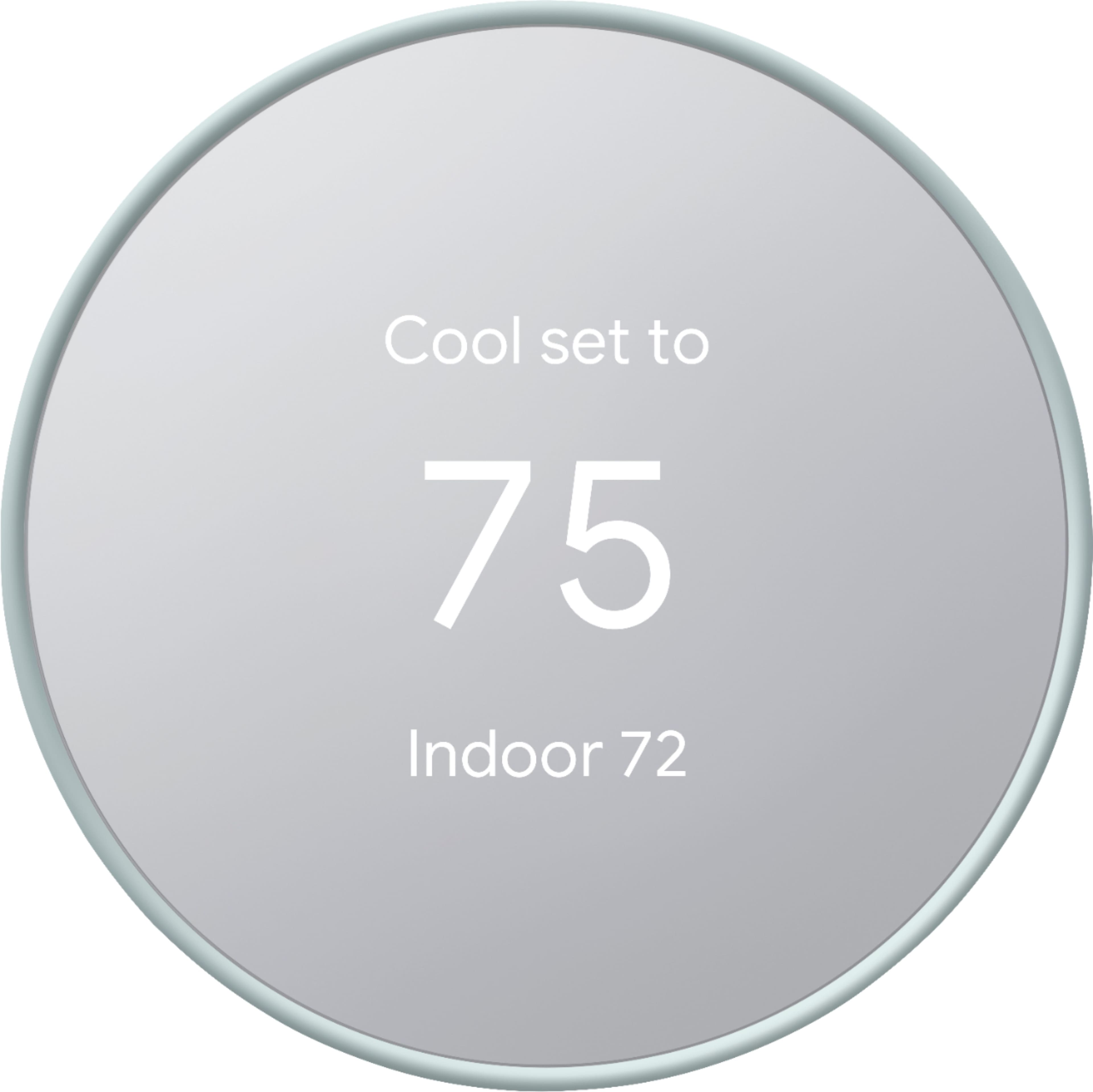
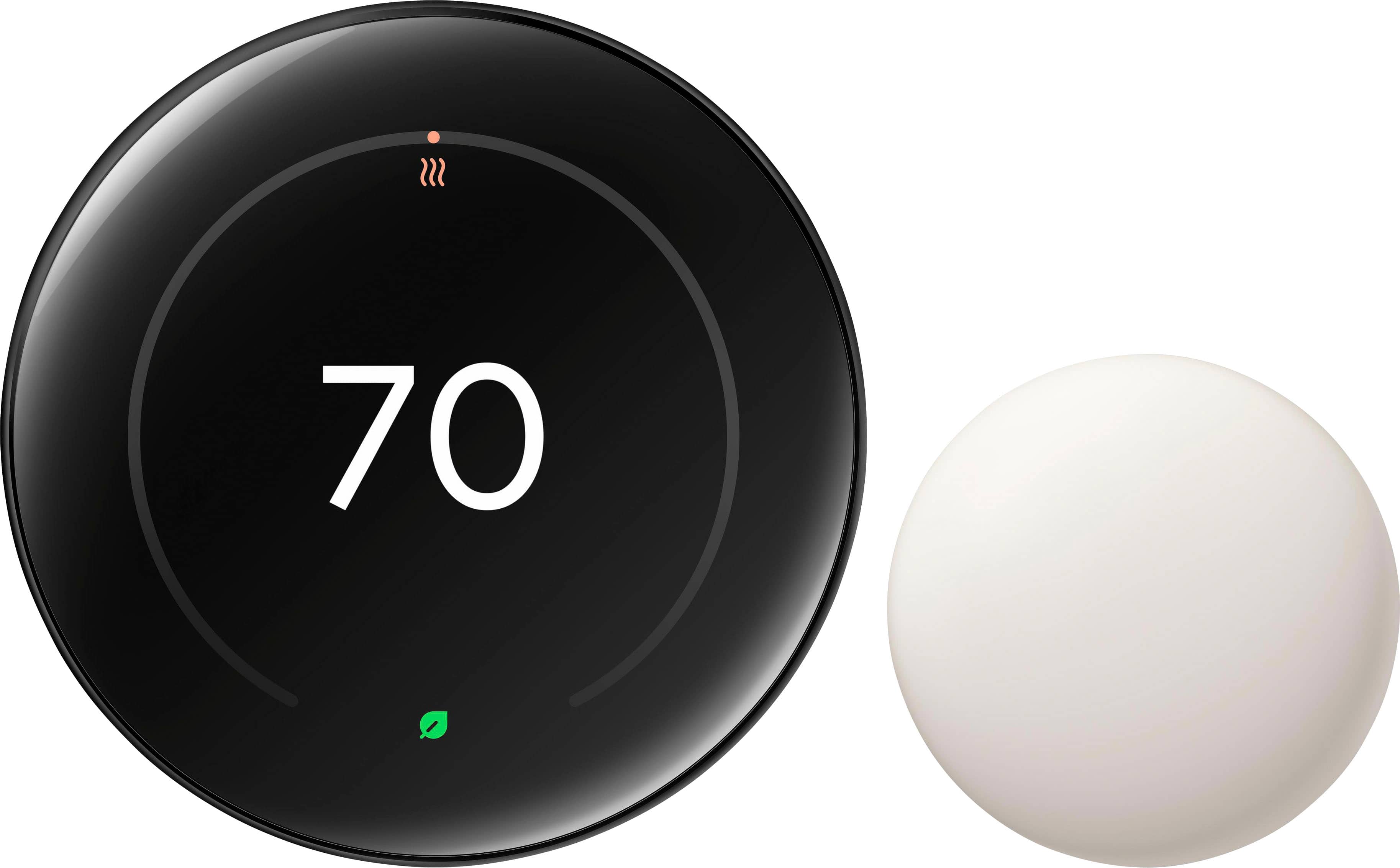
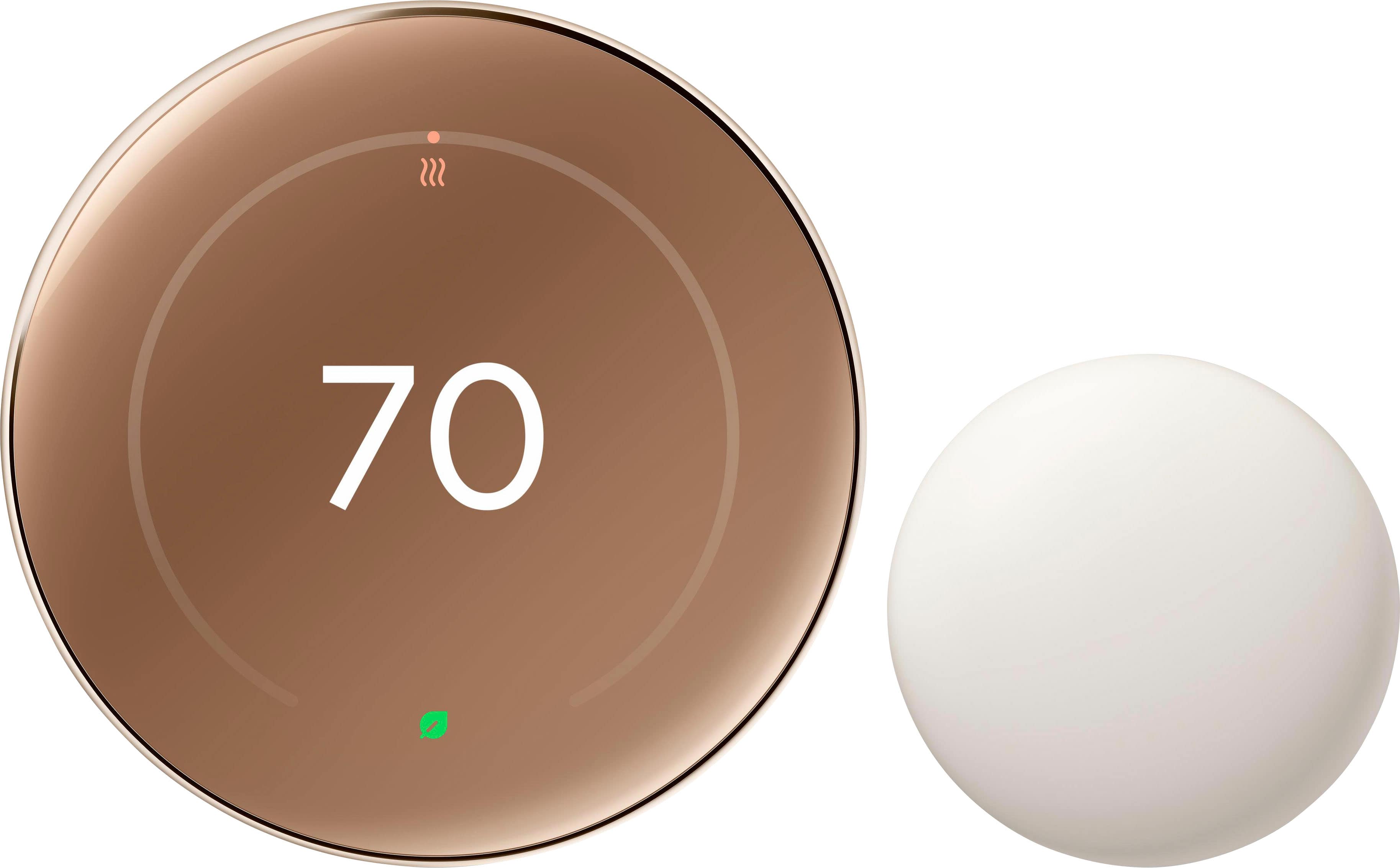
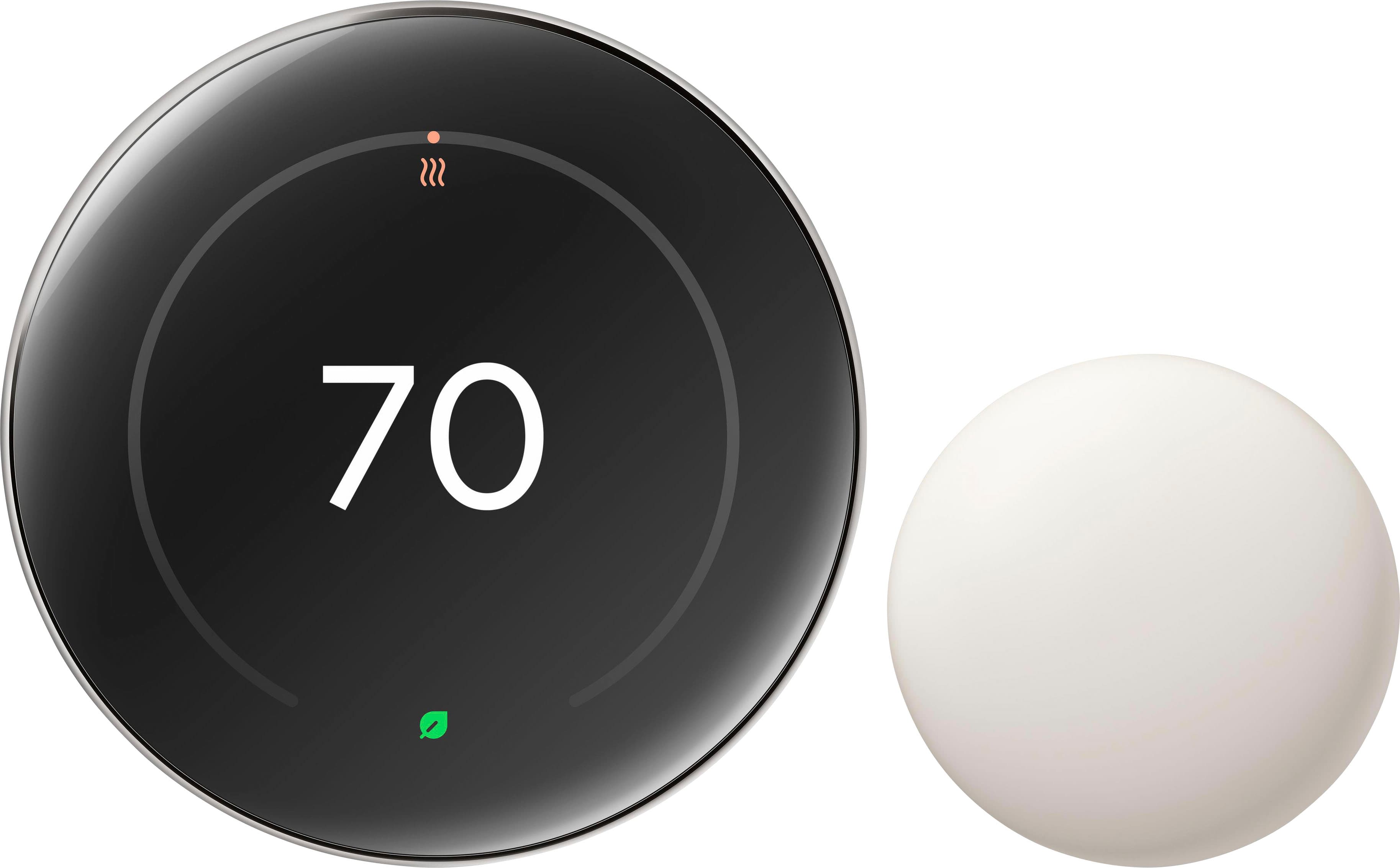
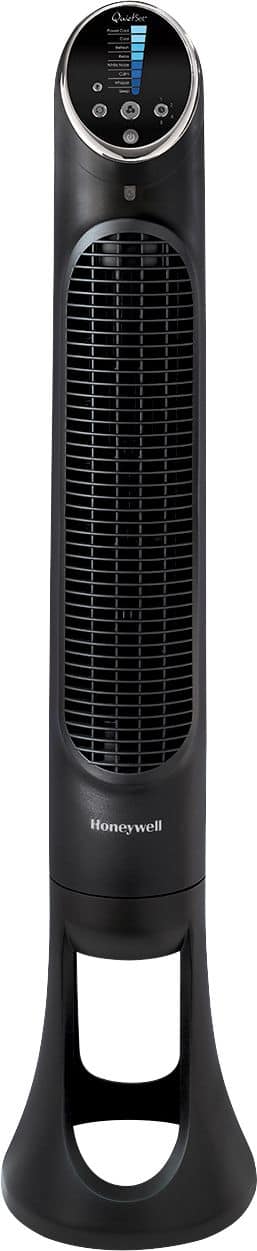
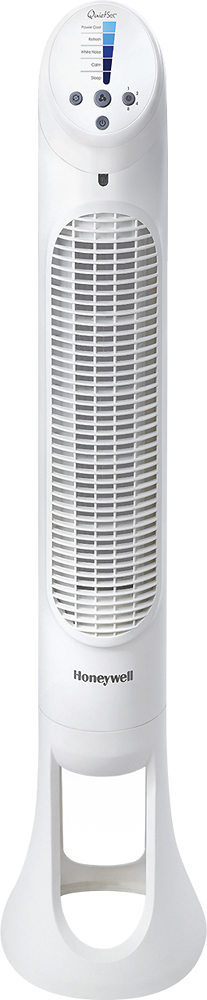
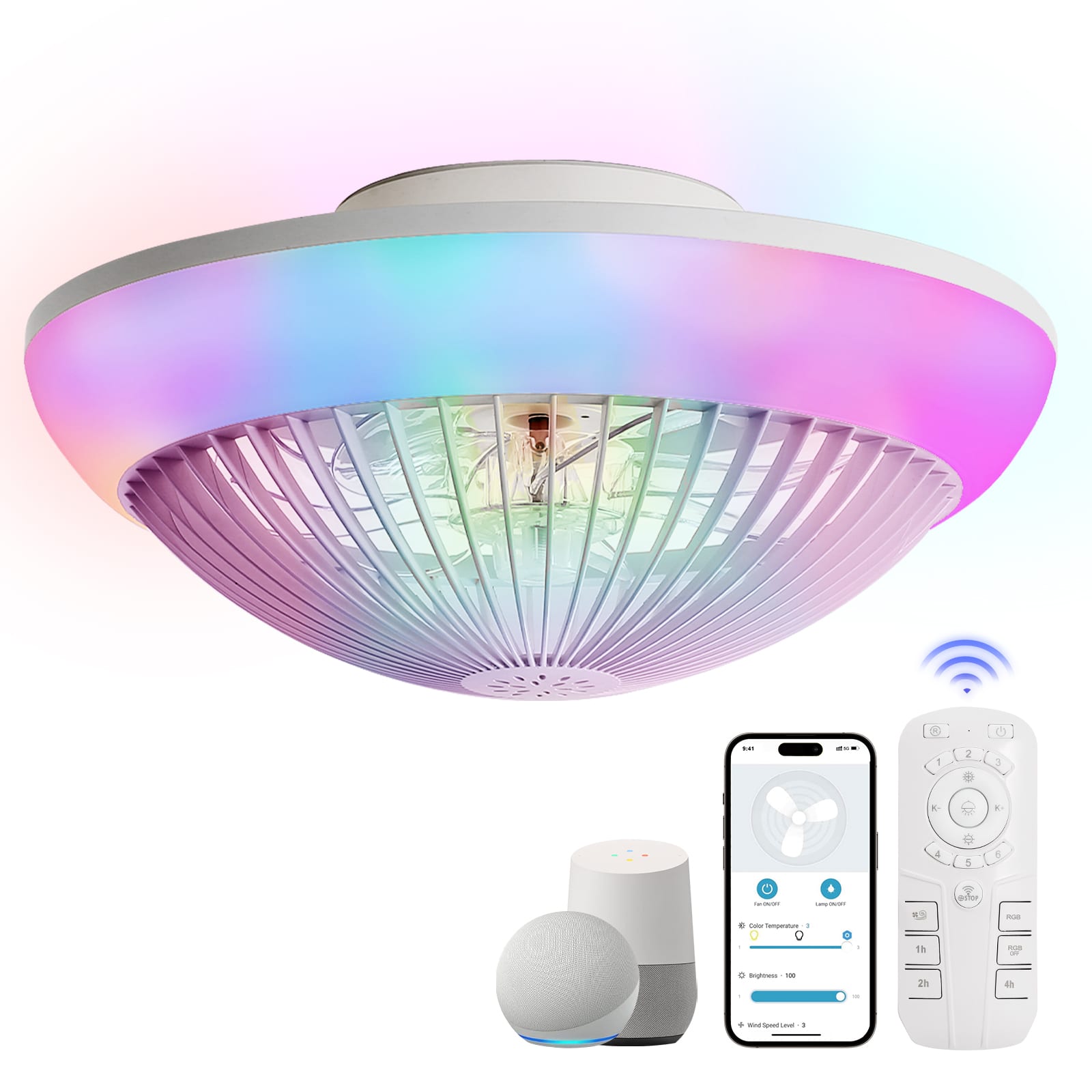
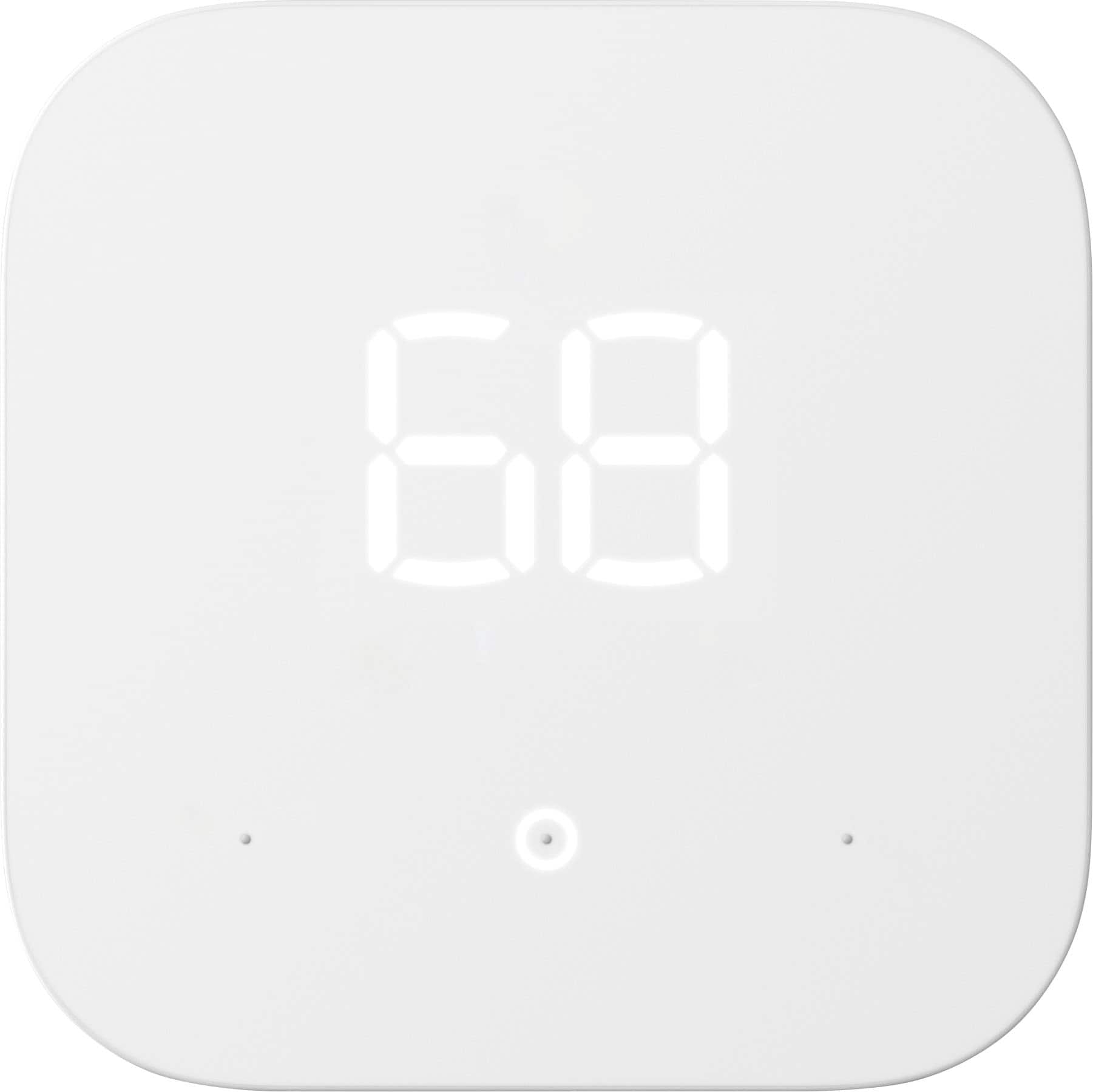
Installing a smart thermostat can help you save both energy and money. Choosing a programmable thermostat that you can access even when you’re away from home lets you save on energy costs by adjusting the temperature when no one is home or while you sleep. A smart thermostat can even create a heating and AC schedule based on your energy consumption and habits. If you don’t have central air, you might need to find another solution when the temperature heats up. Fans are the easiest air coolers. You can use window fans to get a cross-breeze moving through your space or desktop fans to focus the air where you need it most. If fans do not provide enough relief, you may need to choose portable air conditioners for certain rooms. These cooling units not only lower the temperature, but also remove moisture from the air, making it more comfortable overall. In winter, a space heater can heat a small space or supplement central heating by targeting drafty corners, poorly insulated areas or your most lived-in spaces. Traditional heating units feature coils coupled with a fan that blows the air into your room. You can also choose infrared heaters for a quieter experience. Always maintain your heating and cooling units to ensure they work safely and efficiently.