A:AnswerPathlight is designed to turn on in dark rooms or hallways. If there’s enough light to see, Pathlight usually won’t turn on. If the issue persist, we recommend contacting our support team here: https://support.google.com/googlenest/gethelp
A:AnswerIt can, but if the unit is installed in an appropriate area following local code and barring a house full of smokers without ventilation in one single room smoking the place out, it shouldn't. I've had friends smoking vapes and cigarettes in my house and it has never tripped it.
A:AnswerThe Nest Protect will work just like a regular smoke detector if there's no Wi-Fi signal. However, please be advised that the initial installation and most features that can be used with your Nest app such as notifications will only work if the Nest Protect is connected to a Wi-Fi internet connection.
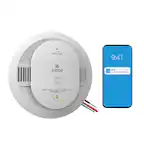
A:AnswerThe wired Nest Protects have an AC power connector on the back and they include a pigtail that plugs into it. They also include the wire nuts needed to connect the pigtail to your existing AC power wires.
A:AnswerNest Protect variants are wired and battery, and they are both Wi-Fi enabled. You can check this link for their specifications: https://support.google.com/googlenest/answer/9229922
A:AnswerThe National Fire Protection Association (NFPA) and the Consumer Product Safety Commission (CPSC) recommend to install a smoke and carbon monoxide alarm at different places in your home. You can check this link: https://support.google.com/googlenest/answer/9249493
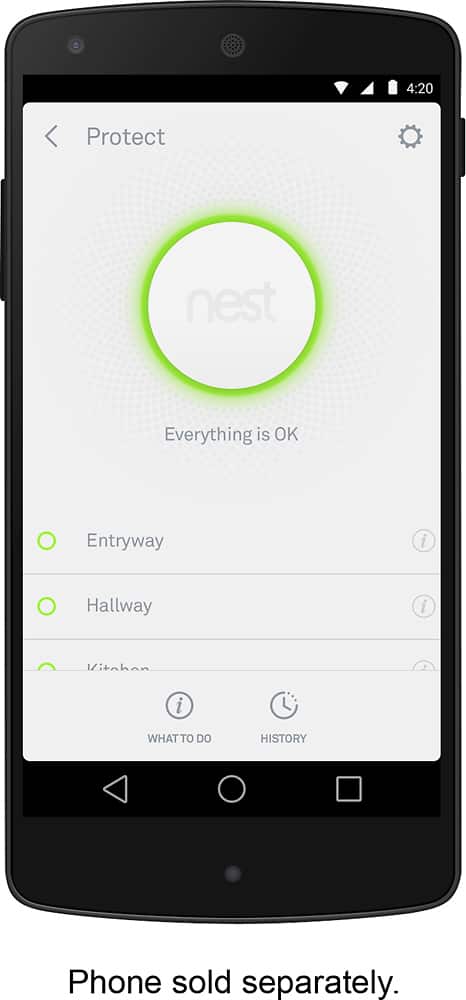
A:AnswerRemember that the app works no matter where you are through cellular or wifi connection, however, the units themselves have to communicate through your home wifi in order to talk to your phone's app. If the power goes out at your house and you have a battery backup on your home wifi (and assuming your internet provider is still operating) then it should work, however, I would say that in most cases the average consumer does not have that setup so likely no.
A:AnswerNo, not really. Nest Protects neither interconnect like a daisy chain or connect via a central node. They won’t be able to extend the Wi-Fi range as well. However, they can connect wirelessly together using a Nest-developed protocol called Weave that lets Nest Protects communicate with one another safely and securely, even without an active Wi-Fi connection. Learn more about Nest´s Weave technology here: https://support.google.com/googlenest/answer/9232615
A:AnswerThe device is supposed to alert the user Before the beeps starts - that the battery is low. So, presumbably you'd have a week to get someone to replace the battery before the annoying beeps.
A:AnswerGood Morning,
We are a non-smoking home so we have no first-hand knowledge of this, but it is sensitive to smoke so my guess is cigarette smoke is no different than a fire, so I would assume so. Might be best to direct this question to the manufacturer (it might also be answered on the packaging). Good luck!
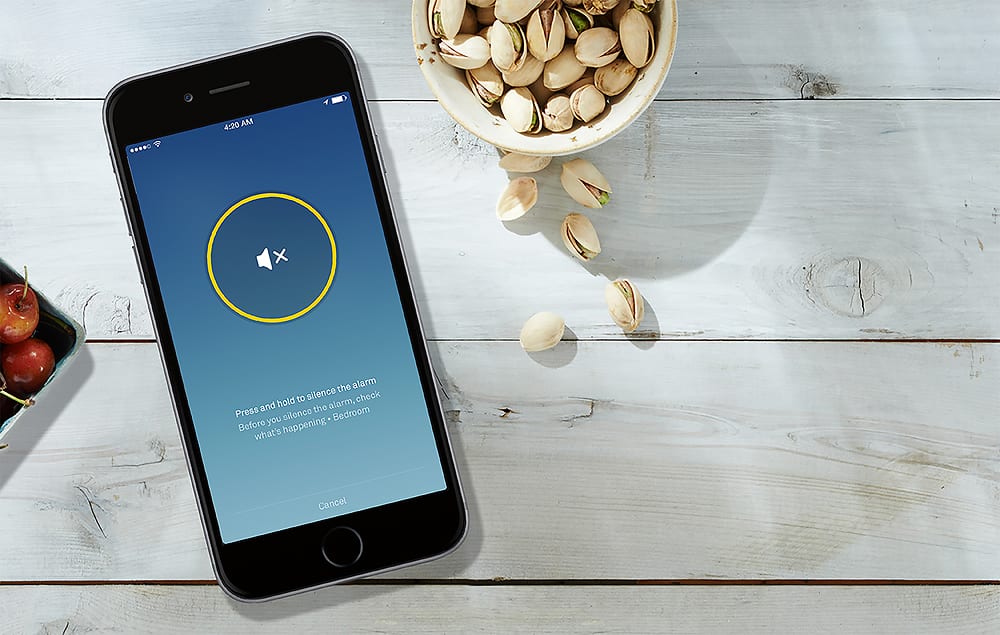
A:AnswerNot immediately, the way the integrated NEST smoke and CO detectors work is that the detector for which identified the alarm condition first sounds giving you the opportunity to squelch the alarm if it might be a false alarm by pushing in the button to cancel it.
After a minute (plus or minus - not sure of the delta T here) and if the condition persists then all of the rest of the alarms that are networked together will sound. The thing I really like about the NEST alerts is that they tell you which NEST(S) is(are) alerting so that you have an exact idea of where the problem is occurring, if it is spreading, and when looking afterwards where the first detection point occurred.
The way we have our alarms setup it precisely identifies verbally the "Smoke detected in the upstairs Kids room" or "Smoke detected in the Master Bedroom".
The vocalization part could use some work by the NEST company as it doesn't allow you to vocalize the name of the room such as "Tom's bedroom" but when you get the alerts also occurring on your mobile device then it identifies the exact location such as "Tom's room" instead of just saying "Upstairs kids room".
We have had many false alarms with the system but almost all of them have been due to human error, such as our middle daughter burning candles in her room.
We have had a couple events where dust or some such gets into the device and it is clearly not a smoky condition but is alarming anyway and then you can use a can of compressed air and just blow out the air vents in the device and the alarm goes away. I learned that by having the fire department come the first time, since then I do it myself!
Hope this answers your question
A:AnswerWe recommend a Nest Pro installation for your Nest devices. Use the Nest Pro finder on this link to request a quote from a professional in your area: https://support.google.com/googlenest/answer/9232427
A:AnswerNo. With the 2nd generation Nest Protect, you can directly add the emergency contact number of your nearest local fire or local police department with the Nest app. Whenever your Nest Protect is sounding a smoke or carbon monoxide alarm, you’ll be able to get a notification about the alarm and quickly tap a button in the notification to call the registered emergency number. That way, you won’t have to look up or remember the number. Come and visit the Google Nest help page for a step by step guide on how to add the emergency contact number for your Nest Protect here: https://support.google.com/googlenest/answer/9232384
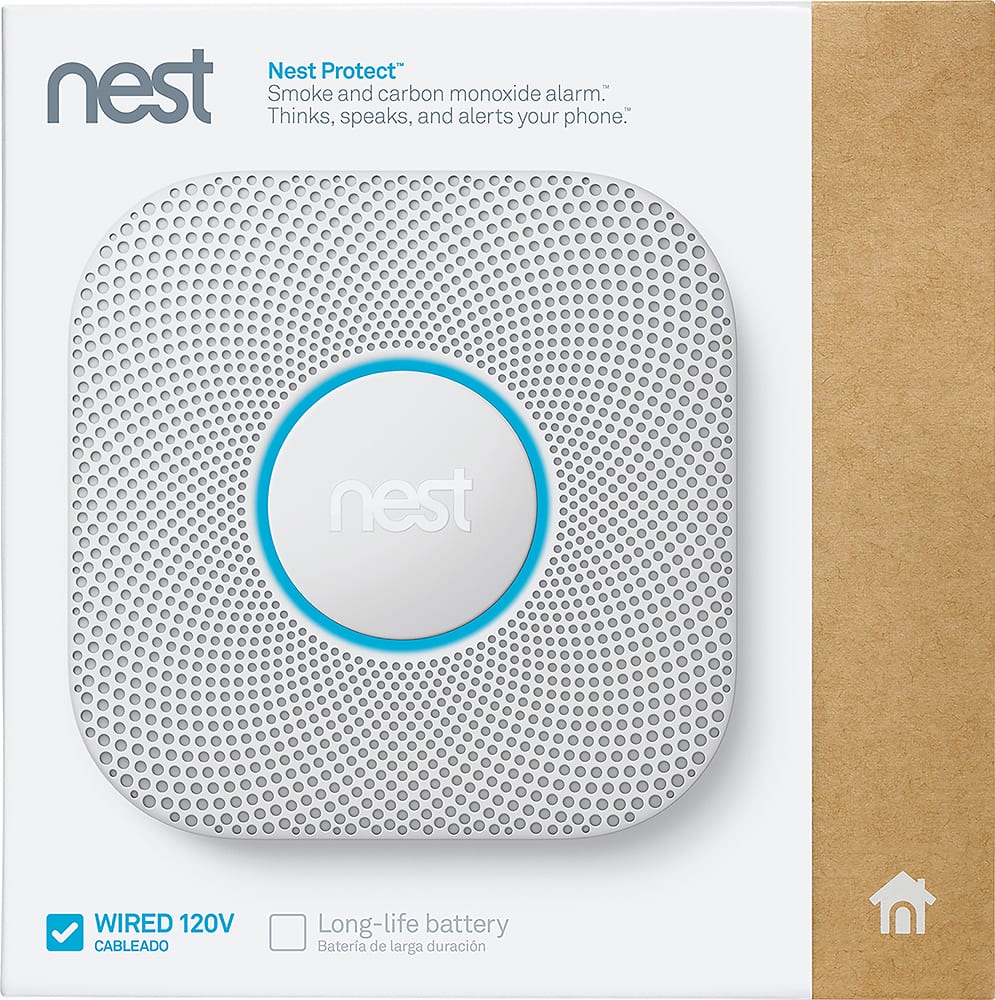
A:AnswerThis is the wired Nest Protect which is powered by 120V-240V wires and comes with 3 long-life AA backup batteries in case of a power outage. But, there's another type of Nest Protect which is battery-powered that uses six long-life AA batteries. Nest Protect requires Energizer Ultimate Lithium AA (L91) batteries which are designed for multi-year operation.
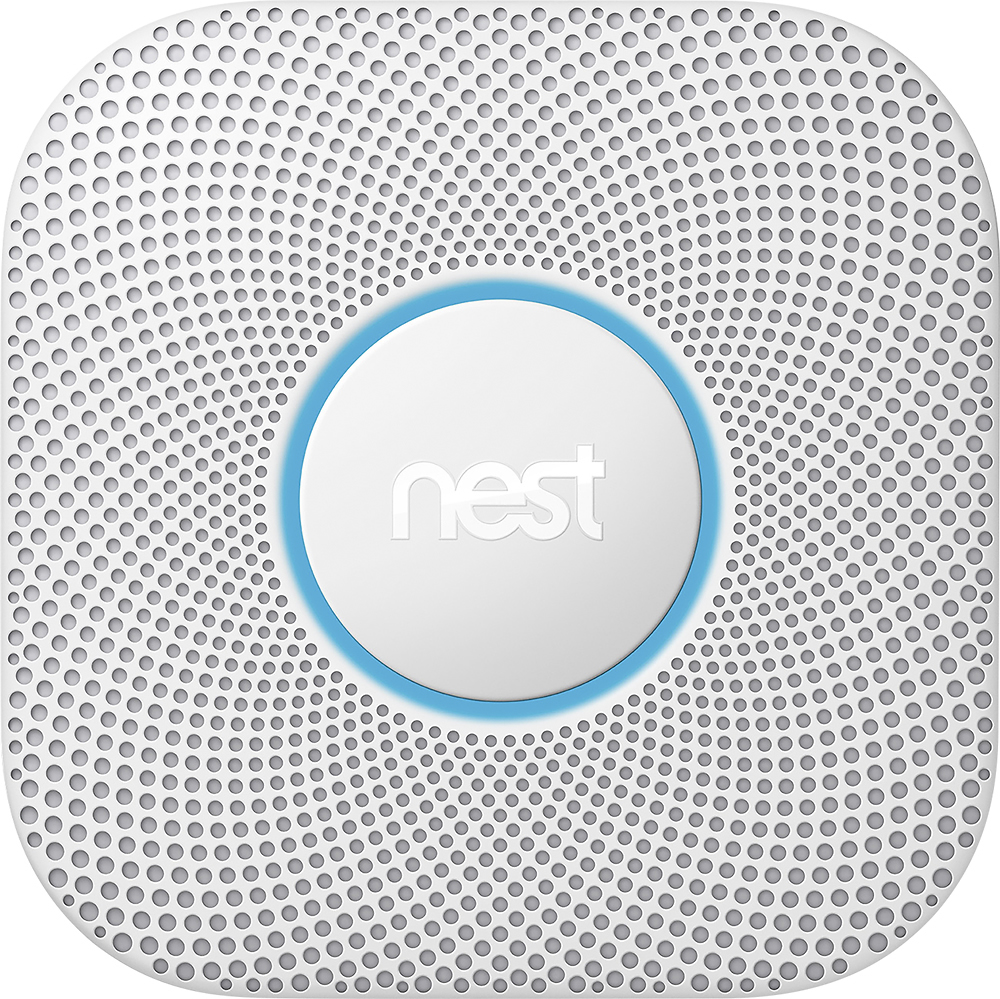
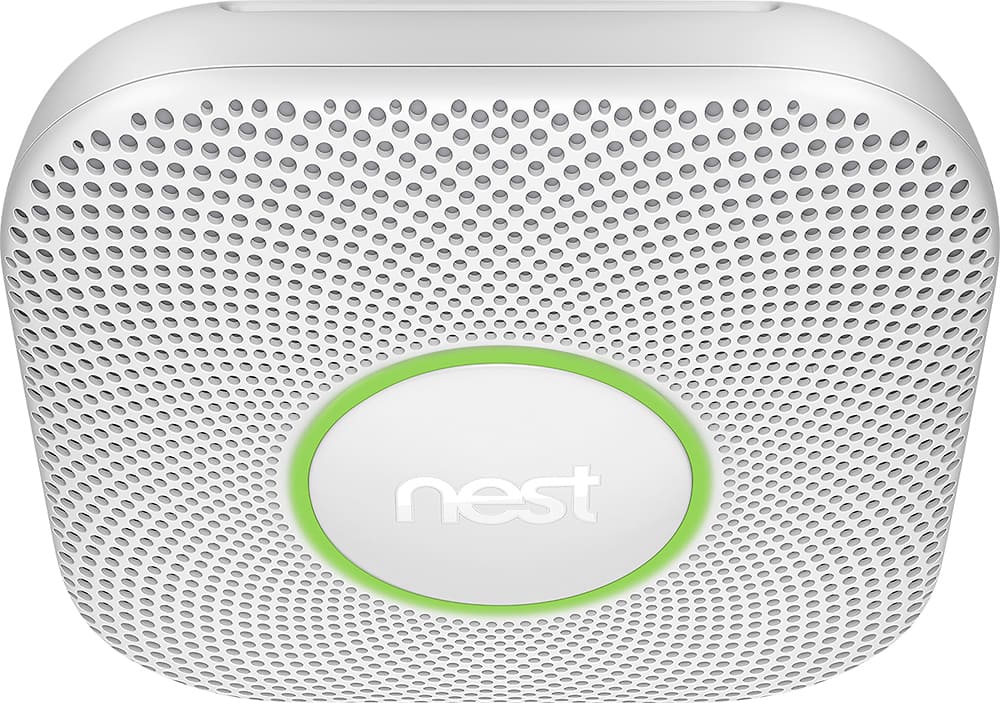
A:AnswerYes, 2nd generation Nest Protect also has a light ring but it is mostly off unless it has something to tell you. The light ring changes color depending on what Nest Protect is communicating. You can check the following link to learn more about Nest Protect's light ring and its colors: https://support.google.com/googlenest/answer/9235696
A:AnswerAs with all smoke and carbon monoxide alarms, the life expectancy of Nest Protect begins from the date of manufacture.
The "expected lifespan" of the sensor can diminish depending on environmental factors or excessive usage. However, time spent sealed in a box on a shelf should not impact the performance of the product beyond the expected life span of the sensor.
A:AnswerYou could replace them as needed. Usually to stay in code though you’ll want them all working together (you shouldn’t have some detectors running off interconnect and another batch using WiFi like the protects do — usually all or nothing).
A:AnswerMost likely, your 8 current alarms are inter-connected through a red wire attached to each. If one alarm sounds, so will the other 7. If you replace one with a Nest smoke alarm, you will lose the connectivity with the other 7 alarms. For what it’s worth, I replaced my home’s 7 alarms with Nest alarms, which are connected wirelessly. It was worth the expense. Good luck.