Deals for every list.Start early, save early.Shop now

Main Content
Skip to contentGo to Product Search

Deals for every list.Start early, save early.Shop now

Main Content

Link To Cell Home Phone

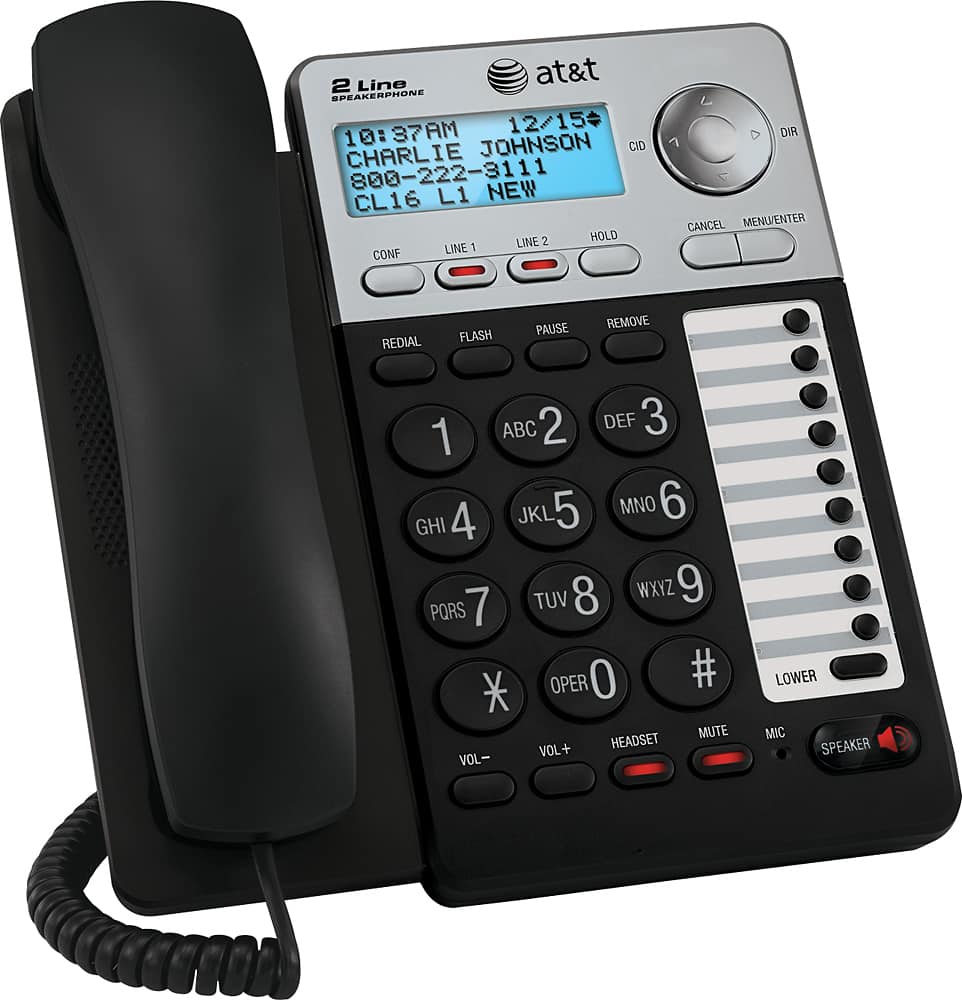
Find a link-to-cell home phone that lets you make and receive mobile calls through a compatible home handset. Compare options by cell phone compatibility, the number of included handsets, and calling features, and check whether the system can handle mobile calls without a landline connection.
Results

Link To Cell Home Phone

A link to cell home phone brings the familiar feel of a home handset to calls made through a compatible mobile phone. These systems typically use Bluetooth to connect a smartphone with a cordless phone base, allowing you to make and receive cellular calls on a paired home handset while your smartphone stays nearby. This setup can be useful if you prefer a larger handset for longer conversations, want a dedicated place to take calls, or would rather not carry your mobile phone from room to room. Keeping the smartphone within Bluetooth range of the base is important, and placing both where the mobile phone gets reliable cellular reception can help support consistent calling. The cordless handset’s operating range is separate from the Bluetooth connection between the base and smartphone, so both connections matter when considering coverage throughout your home. Compare handset capacity and base placement options with your floor plan, especially if you want access to calls on different floors or in several rooms.

Compatibility and call handling are important considerations when choosing a link to cell home phone. Look for support for your smartphone and compare how each system manages pairing, incoming calls, and outgoing line selection. If more than one person will use the system, the number of mobile phones it can pair with—and how it distinguishes calls for each phone—may be especially useful. Pairing capacity does not necessarily mean multiple cellular calls can take place at once, so simultaneous-call support is a separate feature to consider. Contact transfer, phonebook storage, and caller information can make everyday dialing more convenient, but their operation depends on the phone system and connected smartphone. For a household that still uses a landline, a system with both cellular linking and landline support can bring those calling options together on compatible handsets. Cellular-only households may instead prioritize the ability to use the system without an active landline, keeping the focus on mobile calls rather than a separate home telephone service.

Everyday comfort and accessibility also help distinguish home phone options with cellular linking. Compare keypad size, display readability, handset weight, and menu layout to find a design that feels straightforward to use. Adjustable ringer volume, handset volume controls, visual call alerts, and hearing aid compatibility may be important for shoppers with particular hearing or visibility needs. A handset speakerphone can be useful for hands-free conversations, while call blocking features may help manage unwanted calls; compare how those features work with cellular calls rather than assuming they operate identically across every connection. Battery talk time, standby time, and convenient charging locations matter for households that spend substantial time on the phone. Also consider the number of included handsets versus the system’s maximum expansion capacity, since those are different specifications. Whether you are replacing a traditional cordless phone or adding home handsets to a mobile-first household, prioritize compatible connections, comfortable controls, and calling features that fit your daily routine.

FAQs