A:AnswerHere is an accurate, but complex answer. Output power varies with input voltage, volume control setting, and speaker impedance. The power amplifier in this receiver can cleanly drive 100 Watts RMS maximum into 8 ohm speaker loads. The power is highest when the sound is loudest, less when the sound isn't so loud. Amplifier distortion can kill your tweeters, so, never turn the volume up so loud the amplifier clips. Your speakers are rated for normally balanced music. There is less power at high frequencies than at low frequencies in normal music. Distortion from amplifier clipping can kill the tweeters in speakers that have higher power rating than the amplifier because the distortion is higher frequencies added to the music. Amplifier clipping sounds like a shrill, fuzzy, lack of clarity. Power amplifiers are voltage controlled voltage sources. The volume control controls voltage gain. With normal input voltages, never turn the volume up all the way. Output power doubles for the same voltage when the speaker impedance is halved. Amplifier output current is limited, so maximum amplifier output power does not double when the load impedance is halved, so amplifier clipping starts at a lower output voltage, so don't turn the volume up as high to avoid amplifier clipping with low impedance speakers. The power amplifier in this receiver is capable of clean power output higher than 100 Watts into 8 ohms for brief periods. This is called dynamic power. Normal music does not maintain high volumes continuously. Your speakers are capable of handling clean power higher than the maximum rating for brief periods also. The moral of this story is: the amplifier in this receiver will not have any problem driving your speakers, but use your ears. Listen for shrill, fuzzy, distortion. Don't turn the volume up so high that the amplifier clips and burns out your tweeters or your ears.
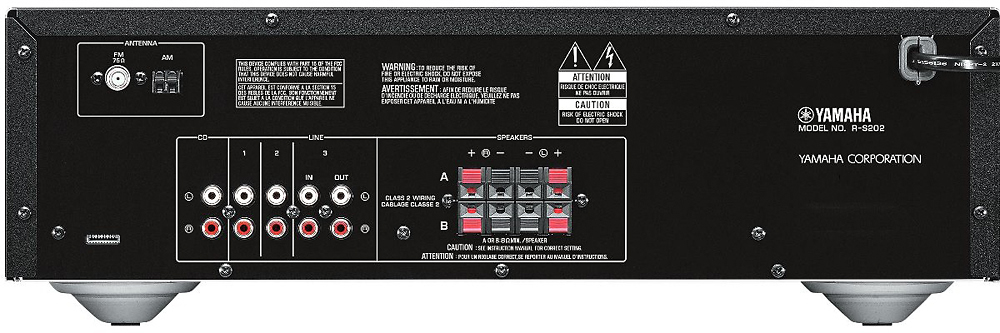
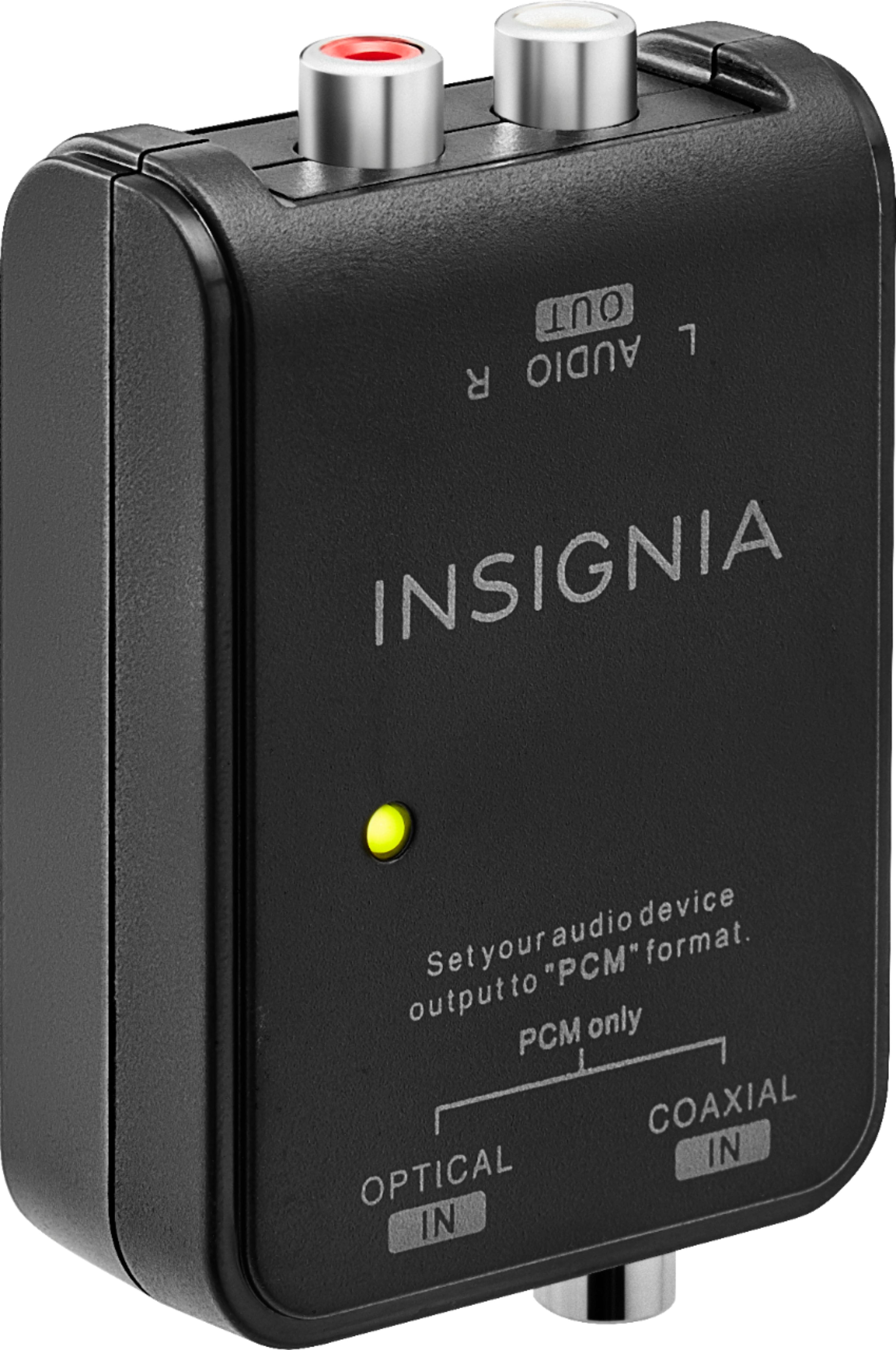
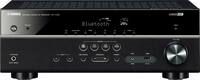
A:AnswerYou C-A-N connect it to a 'smart' TV, but requires additional equipment/cables. Likely your TV has inputs/jacks for HDMI, optical out, and coaxial out. This receiver ONLY has analog (RCA-type) jacks, so you will need something like this (https://www.bestbuy.com/site/insignia-optical-coaxial-digital-to-analog-converter-black/4226000.p?skuId=4226000), plus either a coaxial cable or optical (Toslink) cable. Many similar devices are available.
NOTE: The audio from this Yamaha receiver will be stereo only, not 'home theater' 5 or 7 channel.
There are other ways to connect your TV to this receiver, but this is one of the simpler solutions.
A:AnswerYou can do that. REMEMBER - All 4-ohm speakers requires more power from an amplifier than an 8-ohm speaker, to produce the same loudness of sound.
A:AnswerAbsolutely,
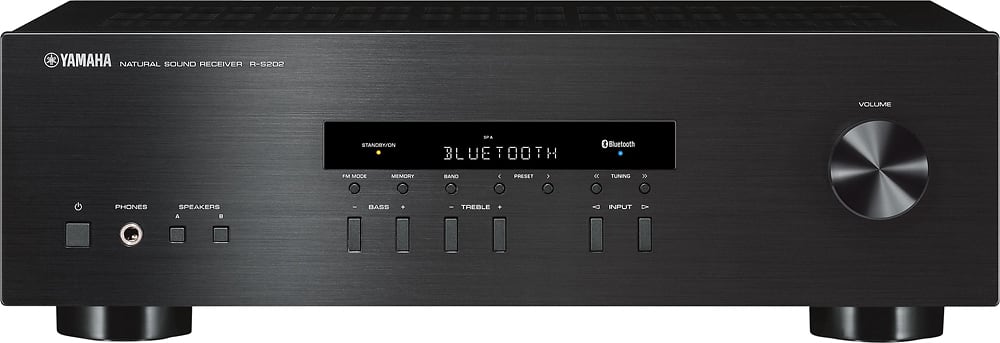
I have an iPhone 6 plus and the whole reason I bought the RS202 was for the Bluetooth connectivity option. It's easy, all you have to do is enable paring on the receiver with the included remote. Your phone will automatically detect the receiver and you can connect to it easily. Hope that helps.
A:AnswerYou may play music/sound on either channel A (one set of speakers hooked up to A), channel B (second set of speakers) or both A and B at the same time. For example, in my garage I have Sirius Satelite radio hooked up to auxiliary playing inside the garage on a set of Polk speakers on channe A, outside on my barbecue deck on a pair of outdoor Advent speakers on channel B. I may select one or the other or both to play sound at the same time. Hoping this helps.
A:AnswerThe brand of CD player (or other signal source) is unimportant. What matters is that it has RCA-style analog signal outputs. For example, I have a Sony Blu-Ray (DVD/CD) player that only has a digital coaxial output. This Yamaha receiver doesn't have a coaxial input and would therefore be incompatible with my Sony player. Alternatively, an Insignia brand Optical/Coaxial Digital-to-Analog Converter is available from Best Buy if you MUST pair a coaxial-out-only CD player with this receiver.